
Traditional tops bring color, craftsmanship, and cultural character to a modern wardrobe. The best **traditional tops for women** can be dressed up for celebrations, styled simply for work, or mixed with contemporary pieces for everyday wear. From breathable cotton kurtis and embroidered tunics to silk blouses, regional cholis, and elegant kameez tops, each design offers a different way to build a complete outfit. Fabric, fit, neckline, and ornamentation matter, but the right bottoms, shoes, jewelry, and accessories make the look feel finished. This guide includes comfortable, festive, modest, and contemporary combinations for different seasons, ages, and body types. Explore these complete outfits to discover 50 wearable and versatile **traditional tops for women**.
1. Cotton Kurti With Straight Pants
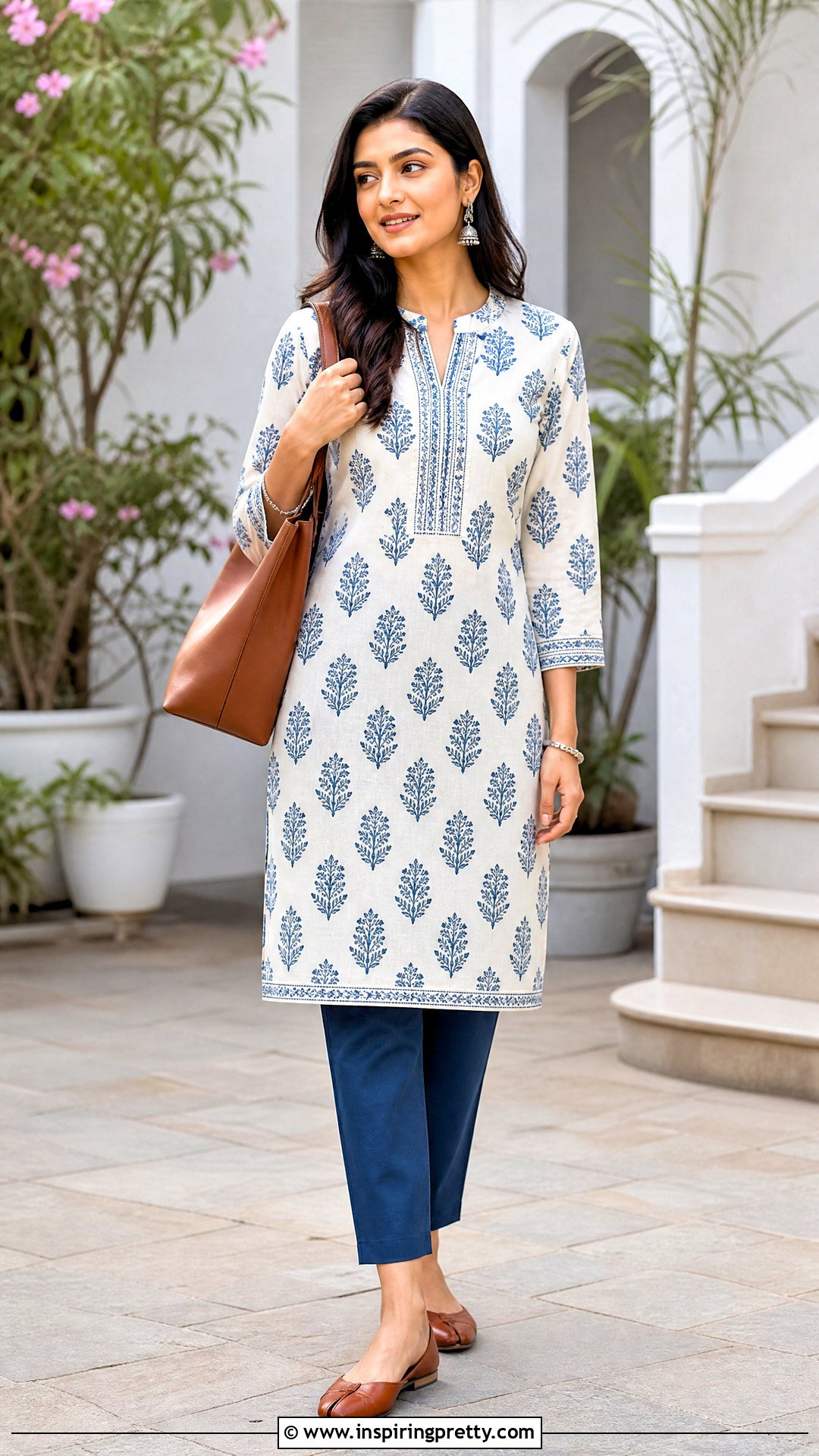
A cotton kurti with straight pants creates a polished outfit that works beautifully for warm days, casual offices, and relaxed gatherings. Choose a knee-length kurti with block prints, delicate embroidery, or a small ethnic motif. Three-quarter sleeves and a gently shaped waist provide coverage without making the top feel bulky. Pair it with solid ankle-length pants that repeat one color from the print. Leather flats, small silver earrings, and a structured tote keep the outfit practical. Add a lightweight cotton dupatta when you want a more traditional finish. This combination is especially useful for building a versatile wardrobe because every piece can be restyled separately. Keep the fit relaxed rather than oversized for a clean, balanced silhouette.
2. Chikankari Kurti With Palazzo Pants
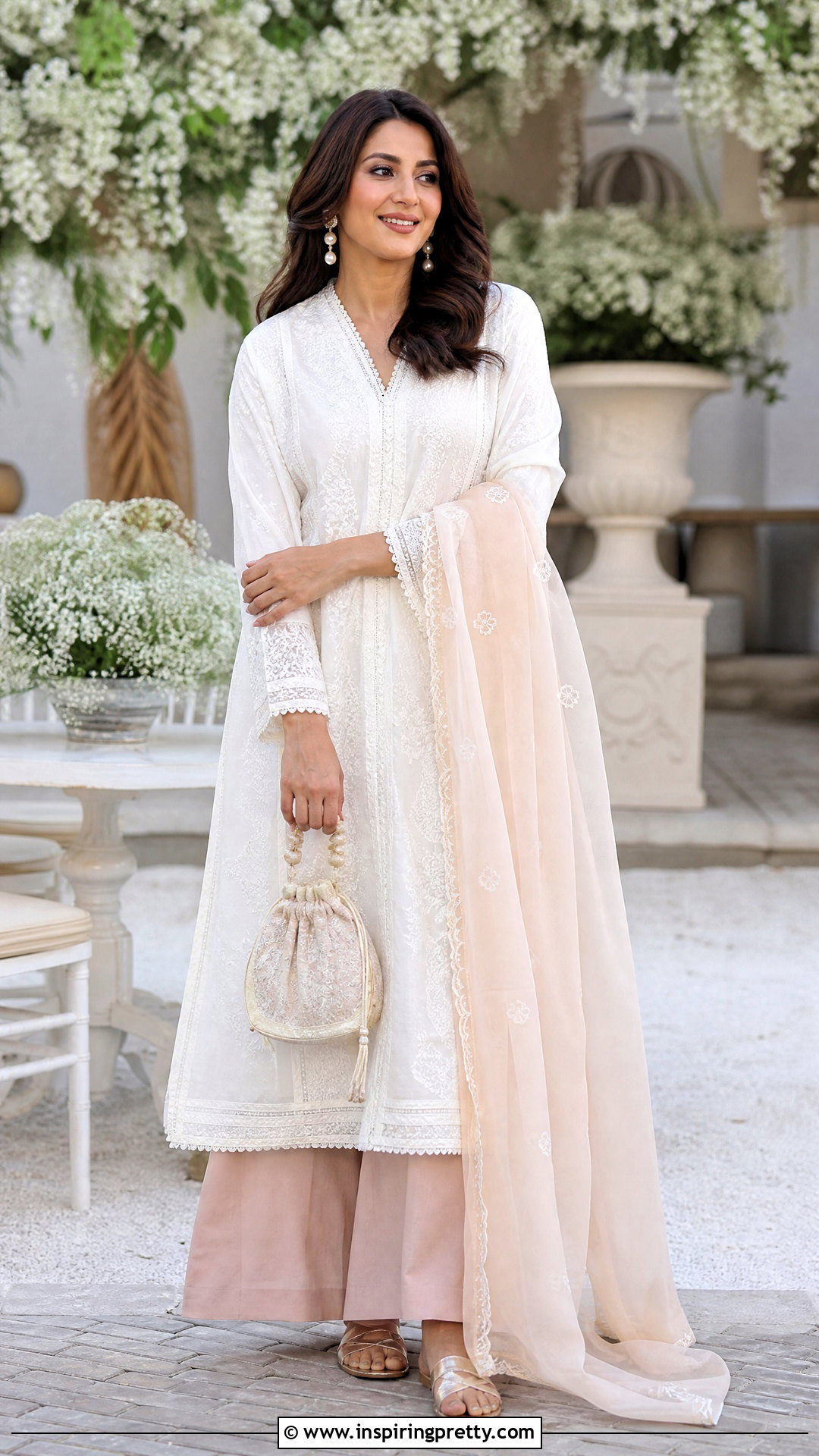
Soft chikankari embroidery looks graceful when paired with flowing palazzo pants in a coordinating shade. A white, blush, powder-blue, or sage kurti allows the detailed threadwork to remain the focus. Select a lightly lined design if the fabric is sheer, and keep the pants fluid but not excessively wide. Pearl studs, metallic sandals, and a small potli bag add a refined finish without competing with the embroidery. For daytime wear, choose breathable cotton or georgette with minimal embellishment. A tonal dupatta can make the outfit appropriate for celebrations while preserving its calm appearance. This head-to-toe combination suits many body types because the straight kurti creates length and the palazzo pants offer comfortable movement through the hips and legs.
3. Anarkali Kurti With Churidar Pants
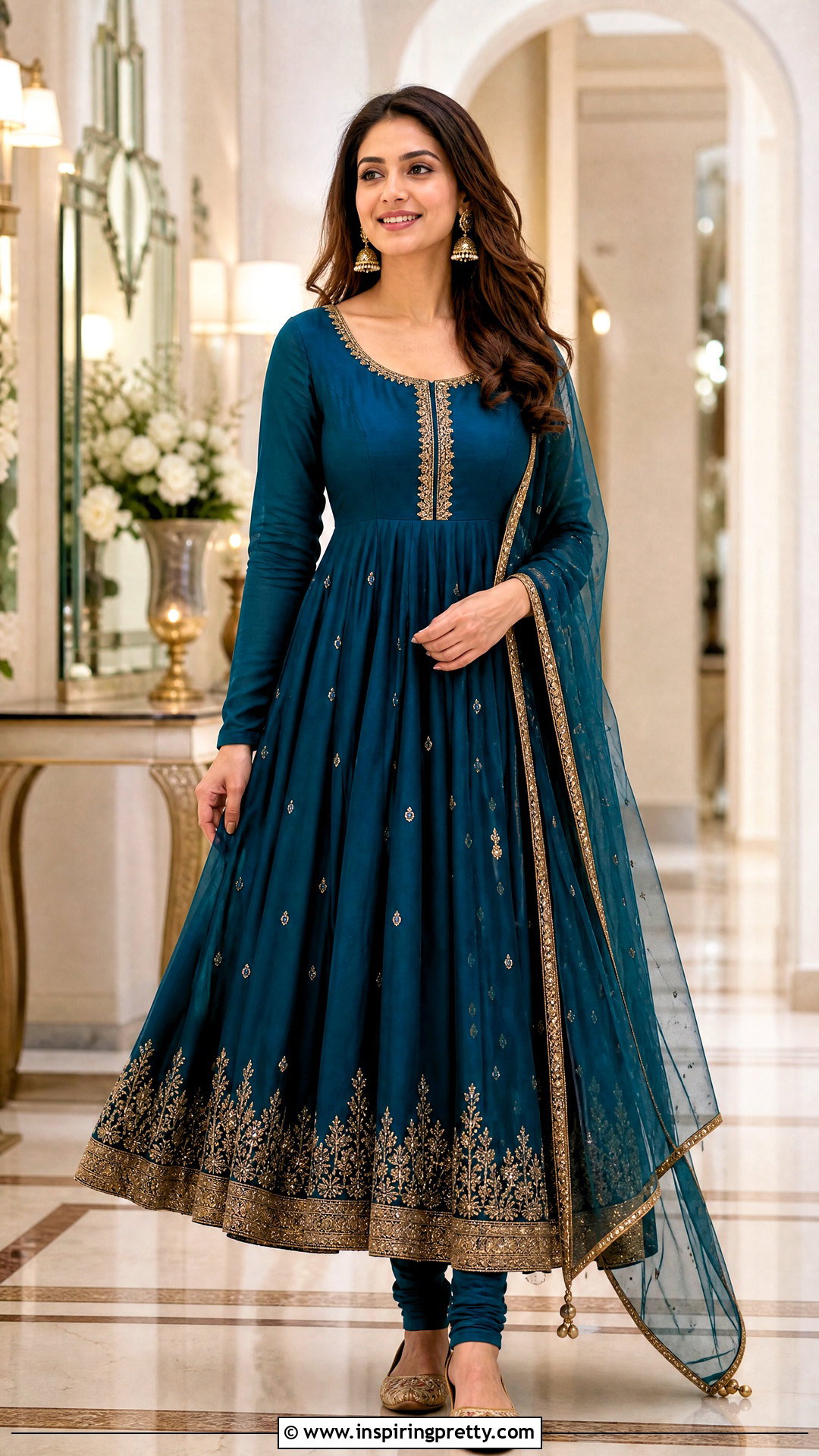
An Anarkali kurti and churidar pants form a timeless outfit with beautiful movement. The fitted upper section defines the torso, while the flared lower portion creates a graceful line from the waist. Choose a calf-length Anarkali for versatility or a longer version for formal celebrations. Solid jewel tones, small floral prints, and embroidered yokes all work well. Slim churidar pants balance the volume of the top and prevent the outfit from looking heavy. Complete the look with jhumka earrings, embellished juttis, and a lightweight dupatta placed over one shoulder. Petite women can choose fewer gathers and a raised waist seam. Taller women can wear wider flares, contrasting borders, and more dramatic lengths without overwhelming their frame.
4. Angrakha Kurti With Leggings
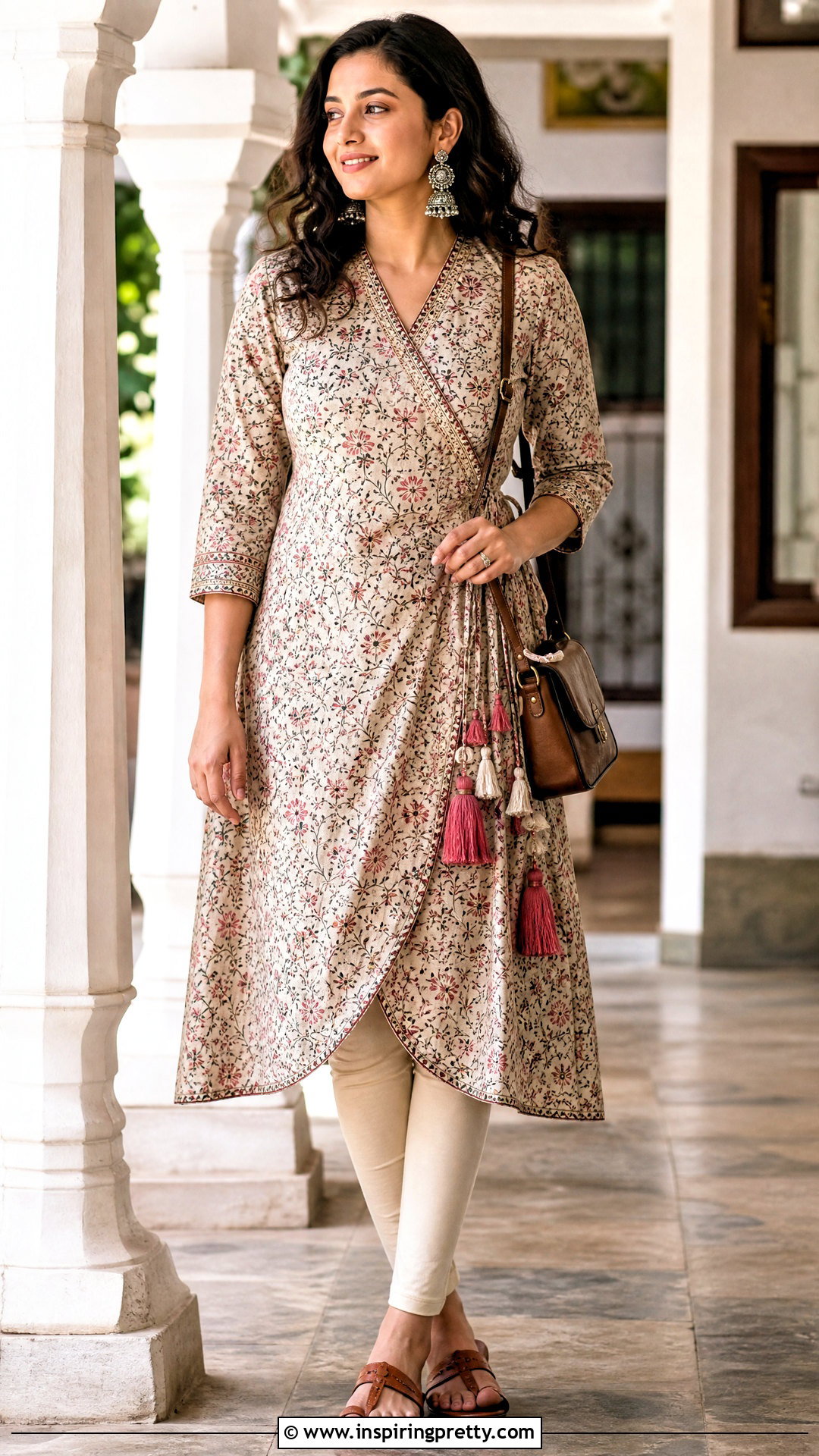
The overlapping front of an Angrakha kurti adds definition while creating an elegant traditional shape. Look for side ties, fabric-covered buttons, or tassels that highlight the wrap construction. A knee-length design pairs naturally with fitted leggings, keeping attention on the flowing neckline and asymmetric front. Choose black or cream leggings for a printed kurti, or use a contrasting color when the top is solid. Kolhapuri sandals, oxidized earrings, and a compact crossbody bag make the outfit comfortable for sightseeing, lunches, or casual cultural events. Women who prefer more structure can select a cotton-silk Angrakha, while soft rayon offers easier movement. Adjust the ties carefully so the neckline sits securely and the waist remains comfortable throughout the day.
5. Short Kurti With Jeans
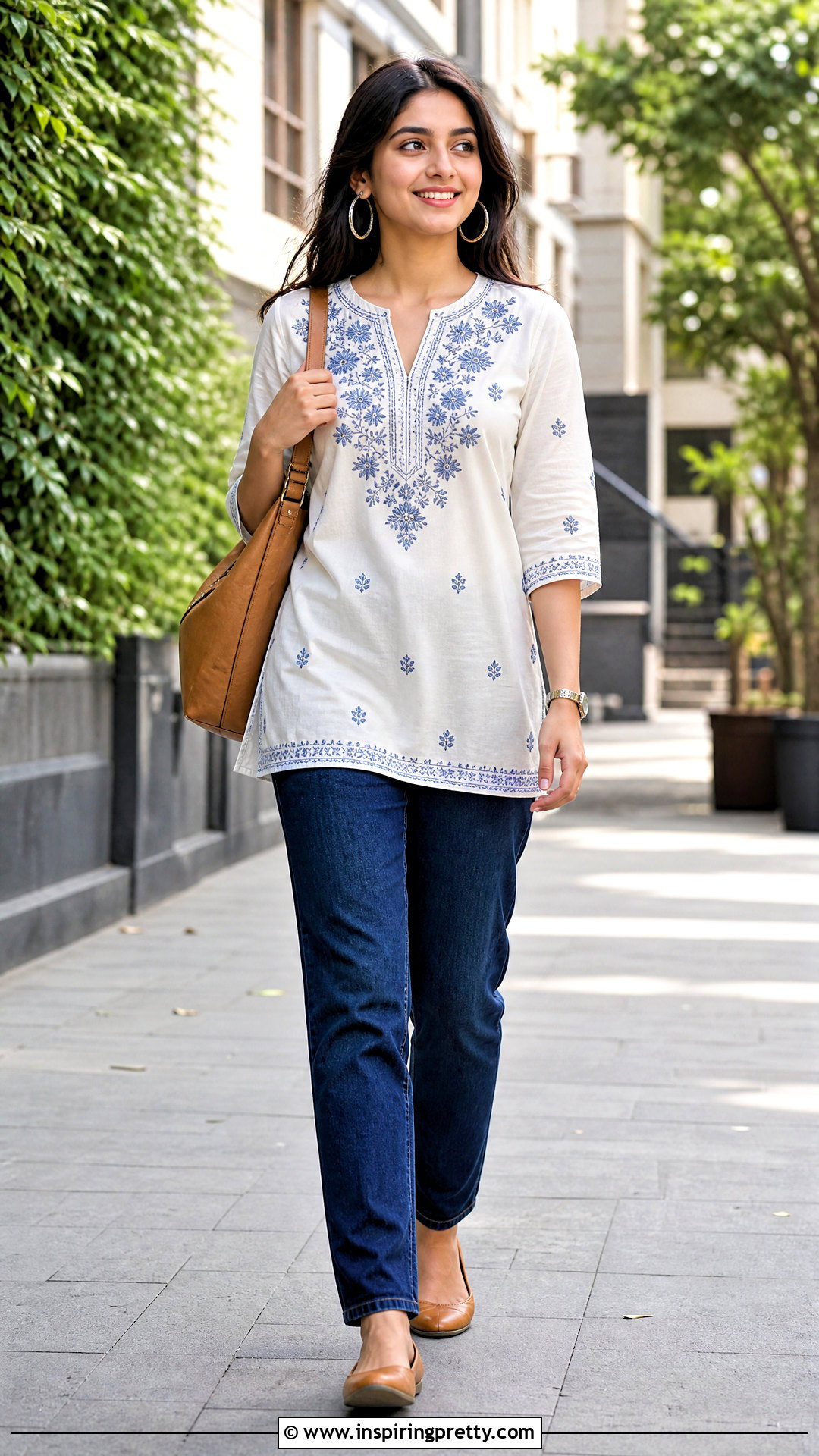
A short kurti with jeans offers an easy balance between traditional detail and everyday practicality. Choose a hip-length kurti featuring embroidery, wooden buttons, block printing, or a neatly finished Mandarin collar. Straight-leg or slim jeans create a cleaner proportion than extremely distressed denim. Dark indigo looks polished, while light-wash denim keeps the outfit casual. Finish with tan flats, silver hoops, and a roomy shoulder bag. Rolled sleeves and an open neckline can make the combination feel relaxed during warmer weather. For extra coverage, select a kurti that falls just below the hips. This outfit is ideal for college, errands, travel, and informal workplaces because it feels familiar while still showcasing traditional patterns, textures, and handcrafted details.
6. A-Line Kurti With Cigarette Pants
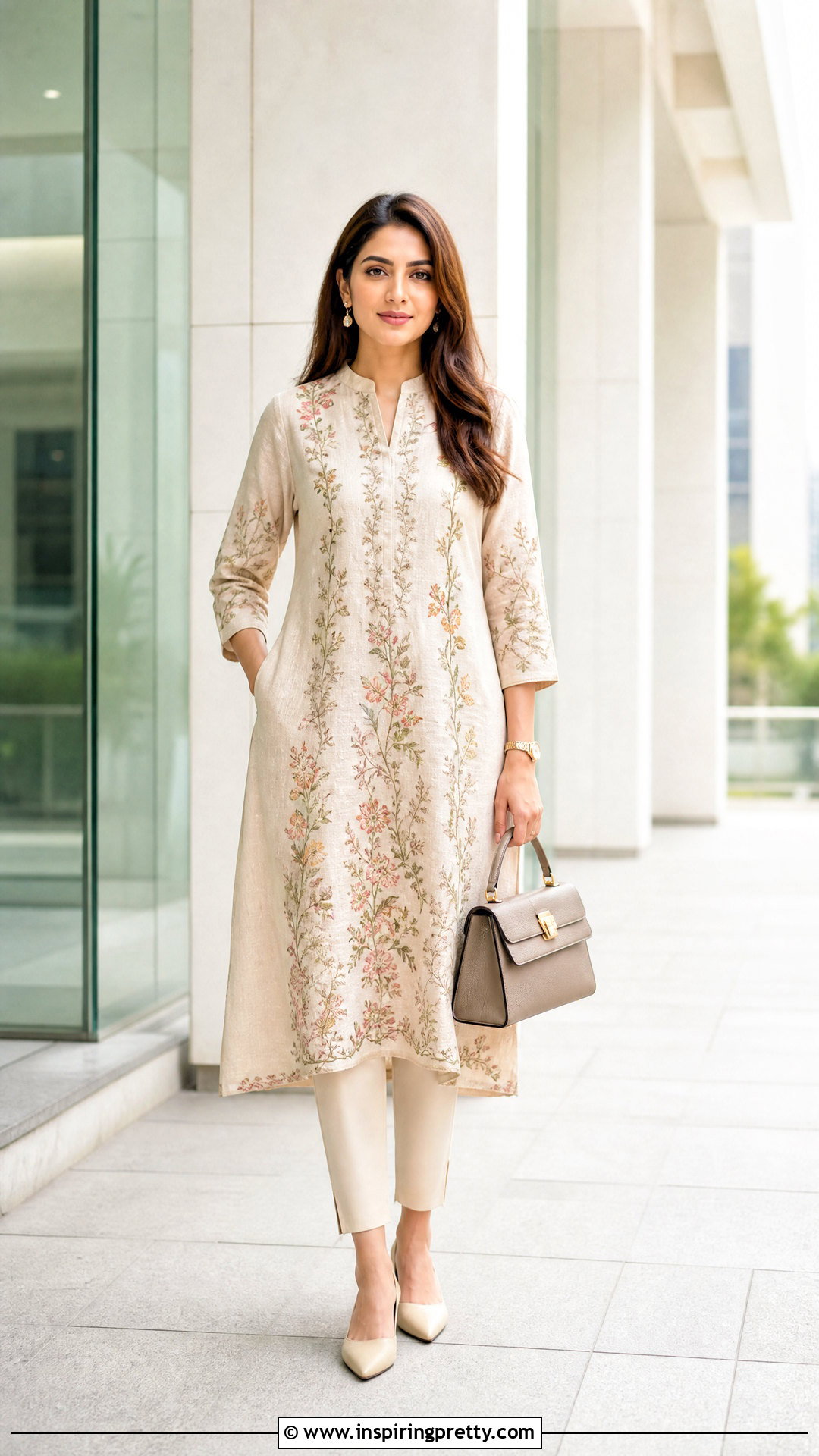
An A-line kurti paired with cigarette pants produces a streamlined outfit that transitions easily from work to an evening gathering. The top should skim the body before widening gently toward the hem, creating shape without clinging. Choose a knee-length kurti with subtle embroidery around the neckline, cuffs, or side panels. Tailored cigarette pants ending near the ankle keep the lower half neat and modern. Pointed flats, a watch, small drop earrings, and a structured handbag complete the look. If the kurti has a busy print, select plain pants and minimal accessories. Women with fuller hips may appreciate side slits and a slightly longer hem. A narrow dupatta can be added for formal settings without disrupting the outfit’s clean proportions.
7. Kaftan Kurti With Tapered Pants
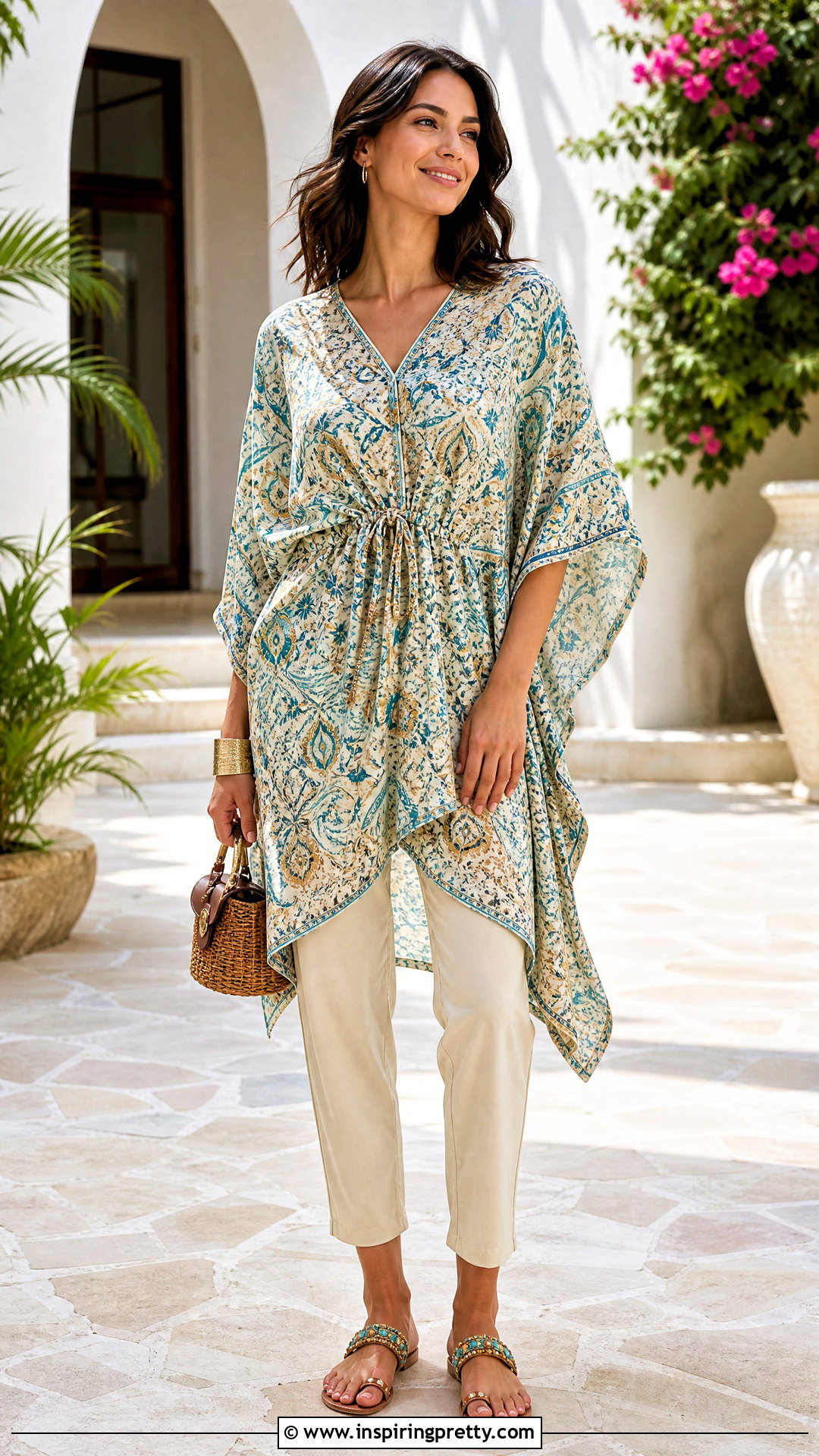
A kaftan kurti delivers comfort without sacrificing visual impact, especially when balanced by tapered pants. Look for a design with a defined center seam, drawstring waist, or light shaping beneath the bust. These details prevent the wide sleeves from overwhelming the figure. Pair a printed kaftan top with solid ankle-length pants in a color taken from the pattern. Beaded sandals, a cuff bracelet, and a small top-handle bag complete the relaxed outfit. Avoid overly bulky necklaces because the flowing neckline and sleeves already create interest. Lightweight cotton works well for daytime wear, while satin blends and embellished necklines suit celebrations. This combination is particularly comfortable for travel, warm weather, and occasions that require long hours of sitting or standing.
8. Shirt Kurti With Tailored Trousers
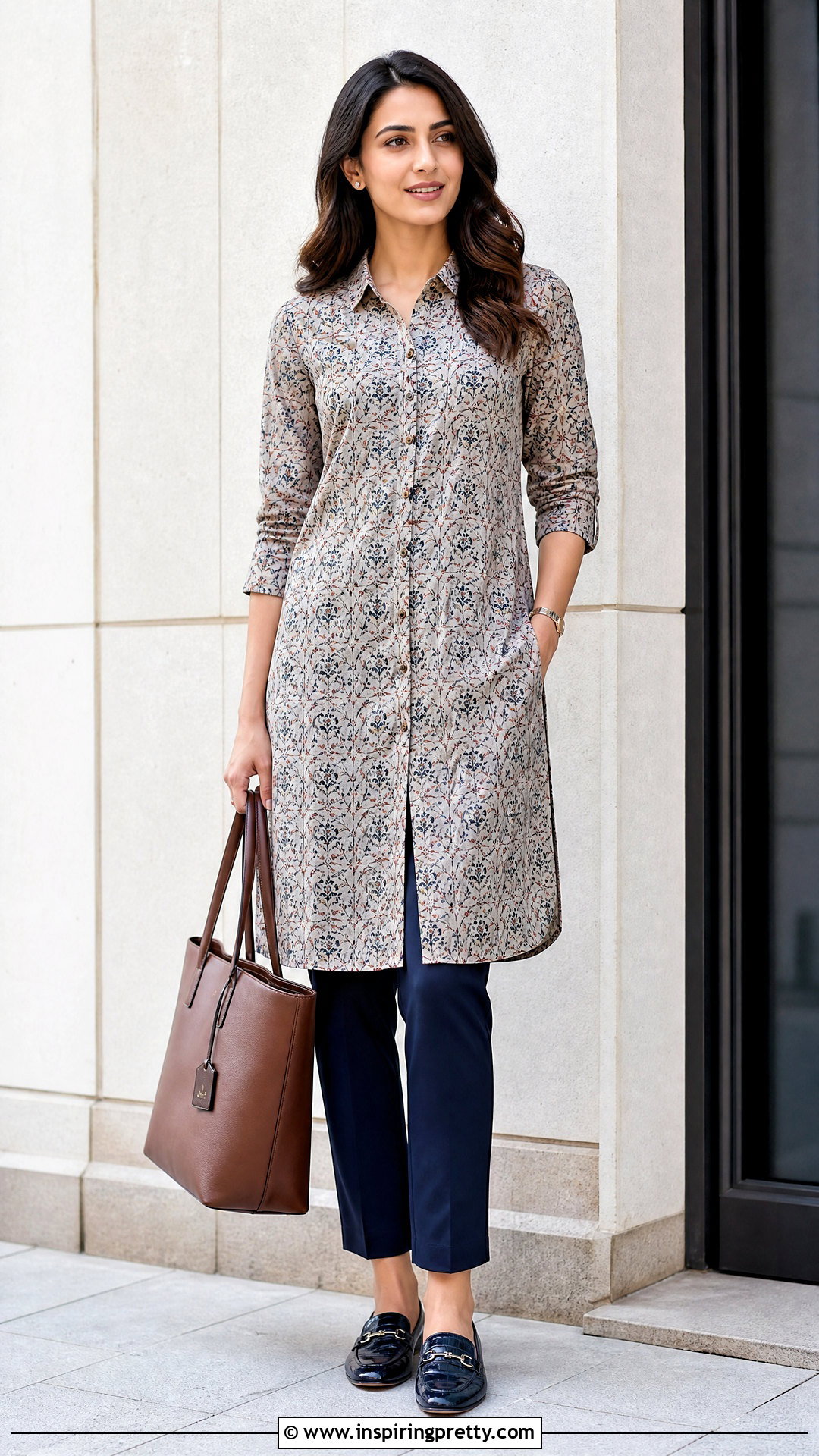
A shirt kurti and tailored trousers create a smart traditional outfit for offices, presentations, and polished daytime events. Choose a knee-length kurti with a button front, shirt collar, and subtle ethnic print. Side slits improve movement and help the top sit smoothly over straight or gently tapered trousers. Neutral combinations such as ivory and navy feel professional, while rust, teal, and olive add personality. Wear loafers or pointed flats, a leather tote, and simple stud earrings. Roll the sleeves neatly for a more relaxed finish. A narrow belt can define the waist when the fabric is lightweight. Keep the trousers free from excess gathering so the outfit remains structured. This combination blends familiar workwear tailoring with traditional color, pattern, and craftsmanship.
9. High-Low Kurti With Palazzo Pants
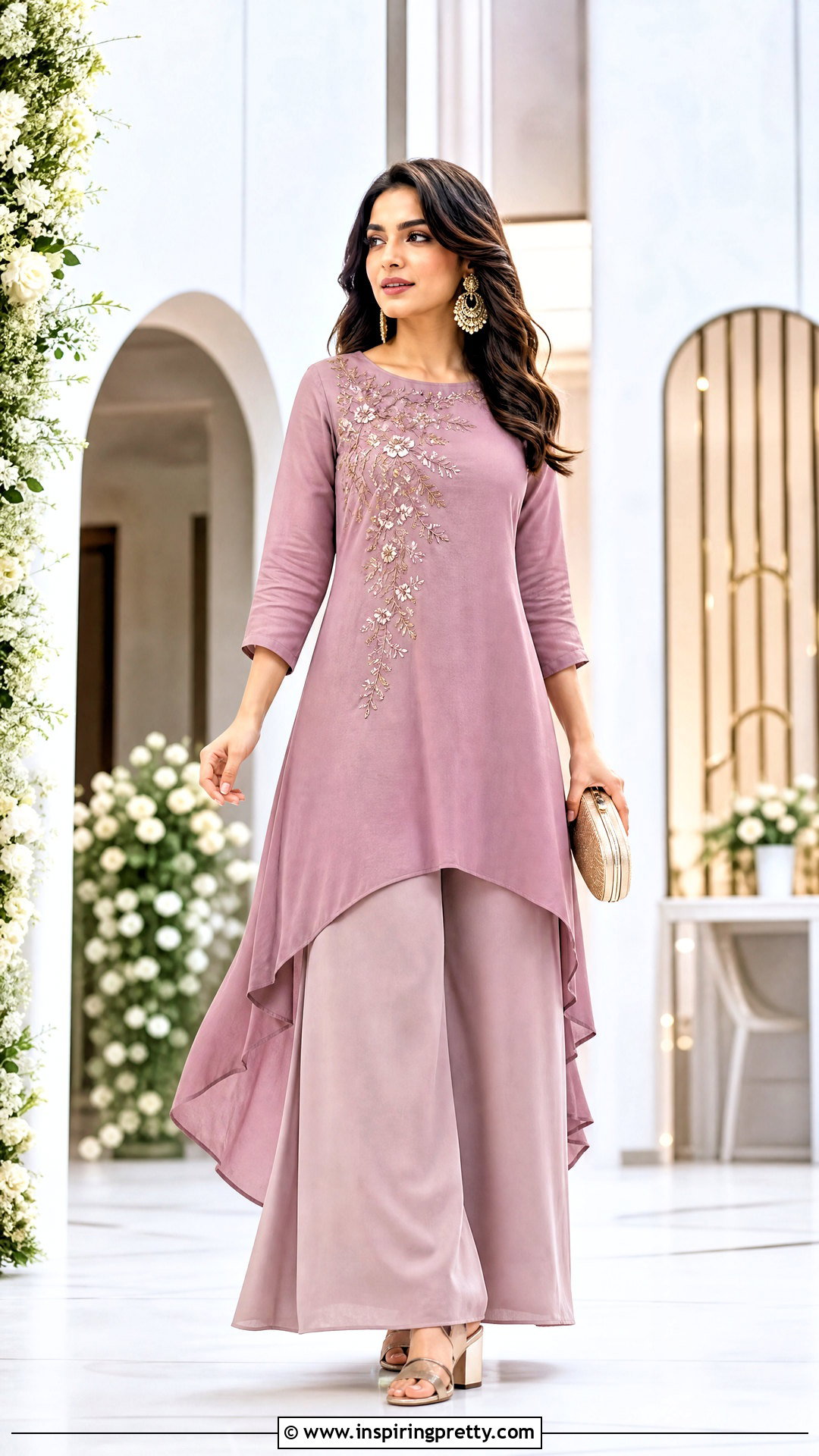
A high-low kurti brings movement to a traditional outfit while keeping the front hem practical and easy to walk in. Pair it with softly draped palazzo pants that complement rather than compete with the uneven hemline. A solid kurti with embroidery along the neckline or back works especially well because the silhouette already makes a statement. Choose pants in the same color family for a lengthening effect. Add low block heels, statement earrings, and a small clutch for a celebration-ready finish. The back hem should fall smoothly without dragging or bunching. If you are petite, select a moderate high-low difference rather than an exaggerated train. A sheer dupatta can soften the outfit, although the distinctive hem often looks best with minimal layering.
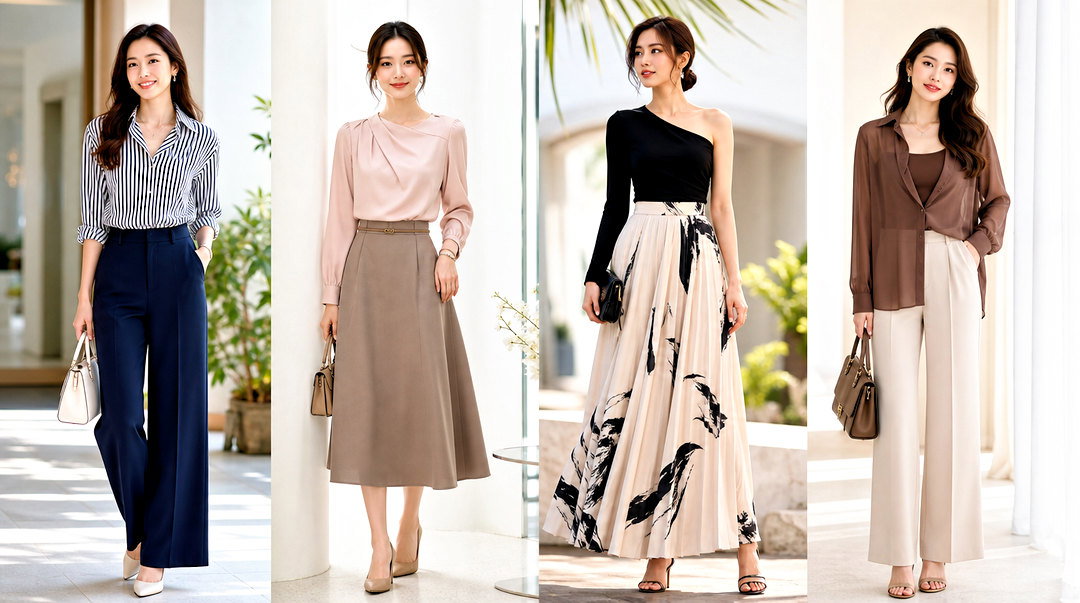
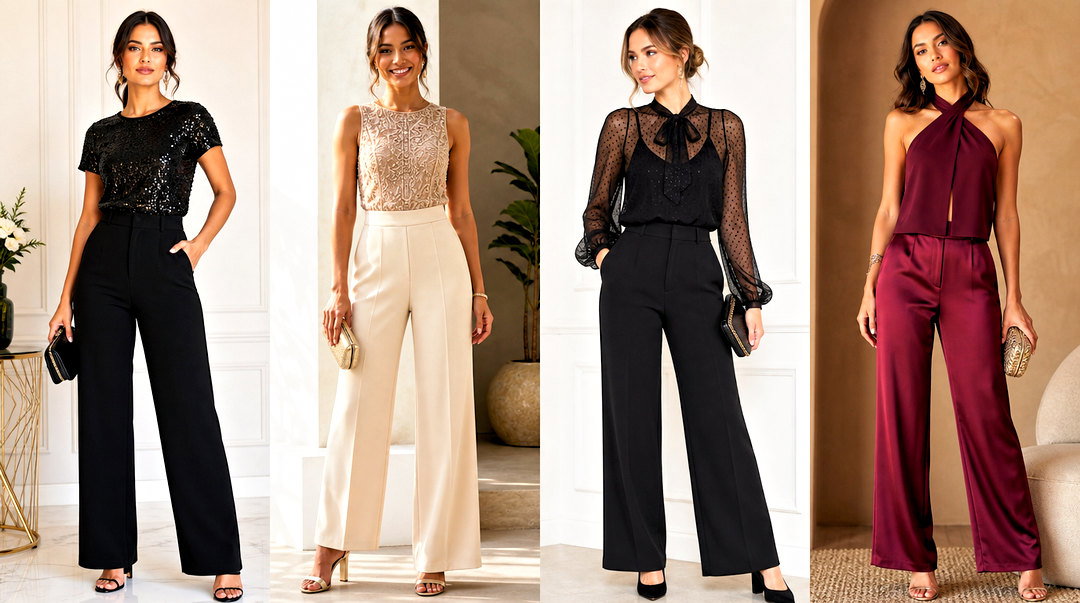
10. Asymmetrical Kurti With Dhoti Pants
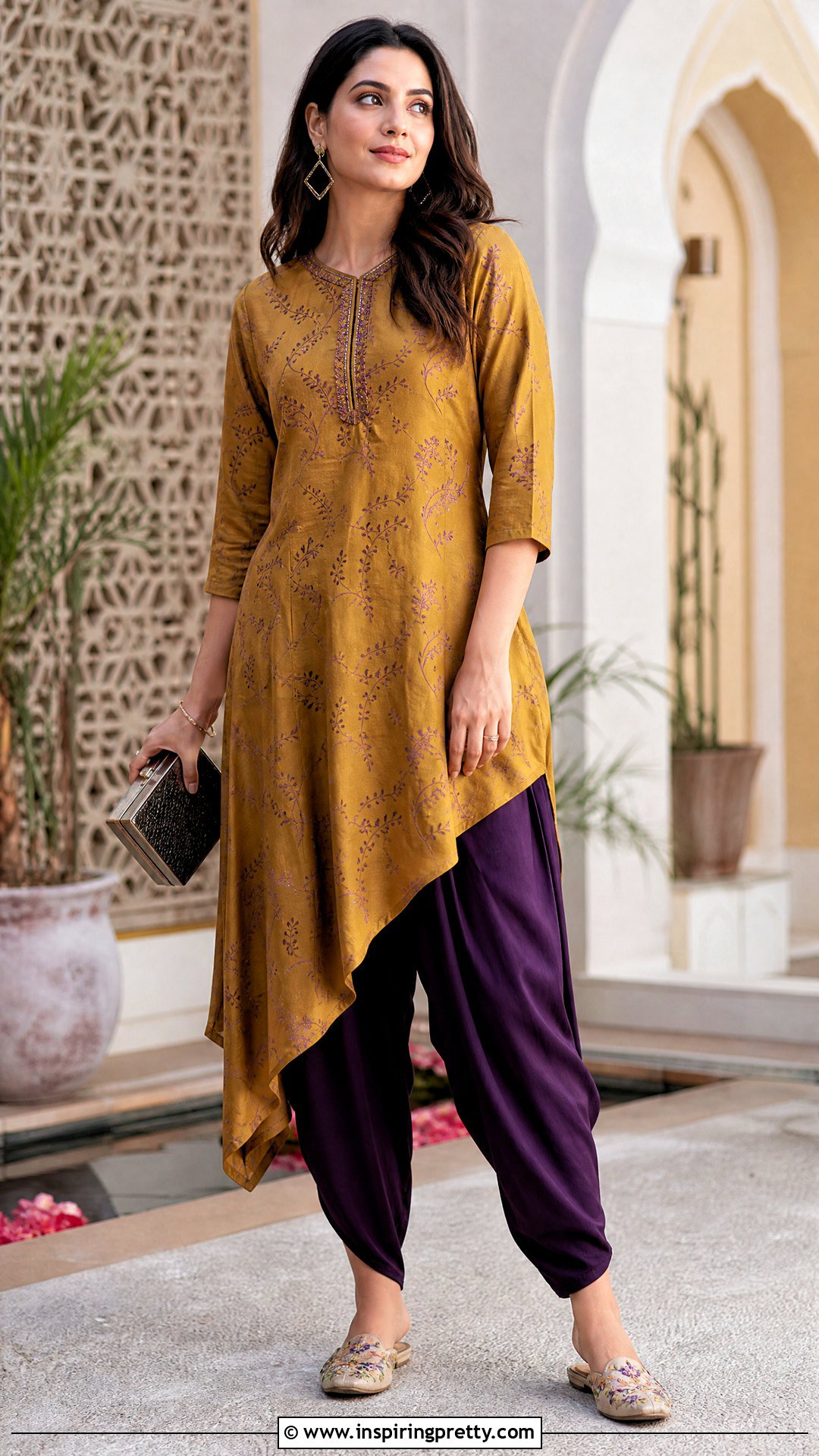
An asymmetrical kurti and dhoti pants create a confident fusion outfit with strong traditional influence. Select a kurti with a diagonal hem, a fitted shoulder line, and restrained embroidery. The uneven cut works best when the fabric has enough weight to drape cleanly. Pair it with solid dhoti pants that gather neatly without adding excessive volume at the hips. Heeled sandals or embroidered mules help lengthen the legs, while geometric earrings complement the modern shape. Carry a structured clutch instead of a large bag to maintain the outfit’s sharp appearance. This combination is well suited to festive lunches, creative events, and family celebrations. Keep the color palette limited to two or three shades so the layered shapes remain visually balanced.
11. Peplum Kurti With Sharara Pants
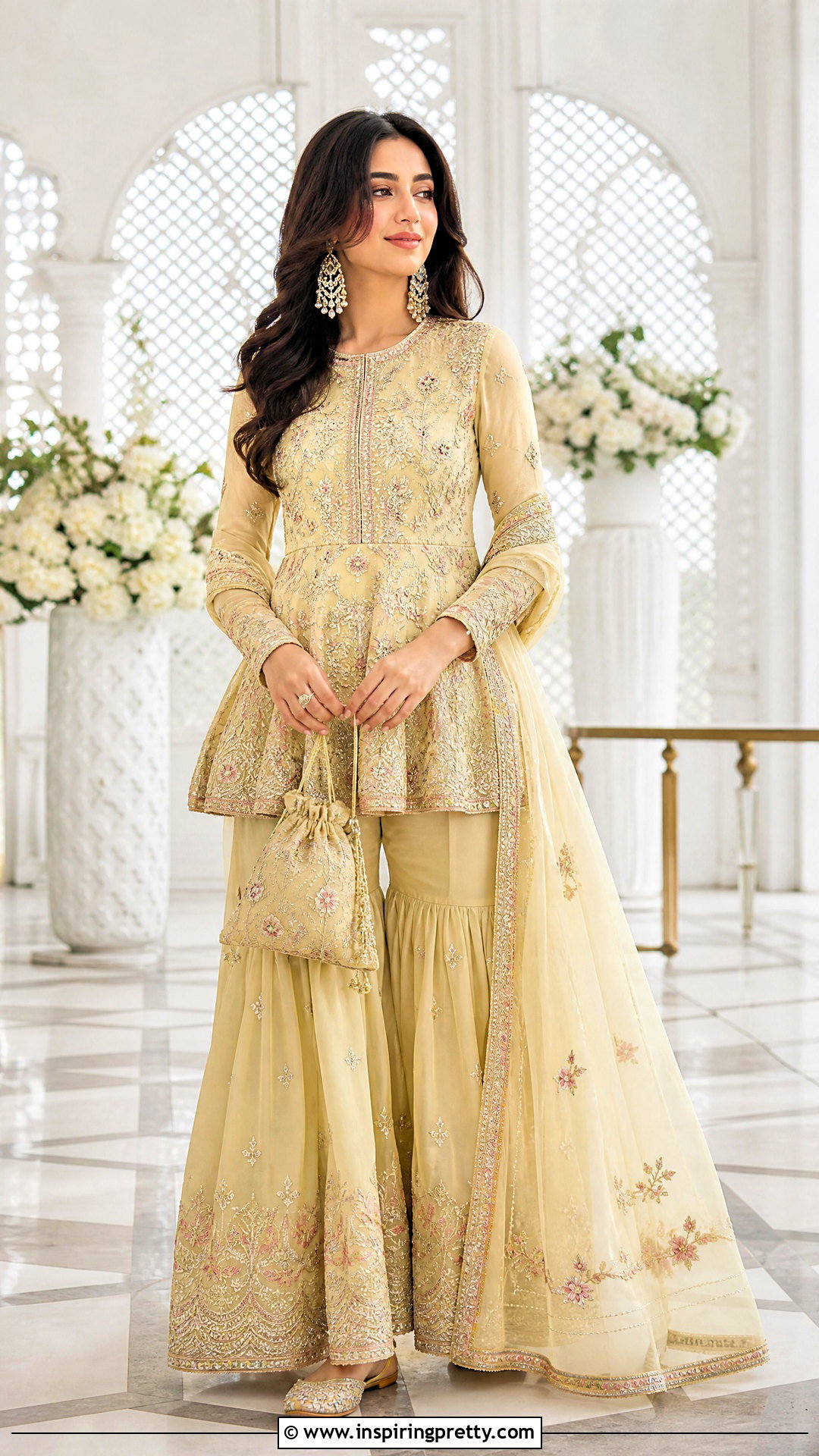
A peplum kurti with sharara pants creates a festive outfit that emphasizes the waist and adds movement below the knees. Choose a fitted peplum top that ends near the upper hip, allowing the flared pants to remain visible. Embroidery concentrated around the neckline, sleeves, or hem keeps the design decorative without appearing overloaded. Match a solid top with printed sharara pants, or select a coordinated set for a longer visual line. Add juttis, a potli bag, and chandelier earrings. A lightweight dupatta worn over one shoulder finishes the ensemble. Women with a fuller bust may prefer a slightly longer peplum and a wider neckline. Make sure the sharara hem clears the floor comfortably, especially when wearing flat shoes.
12. Jacket Kurti With Straight Pants
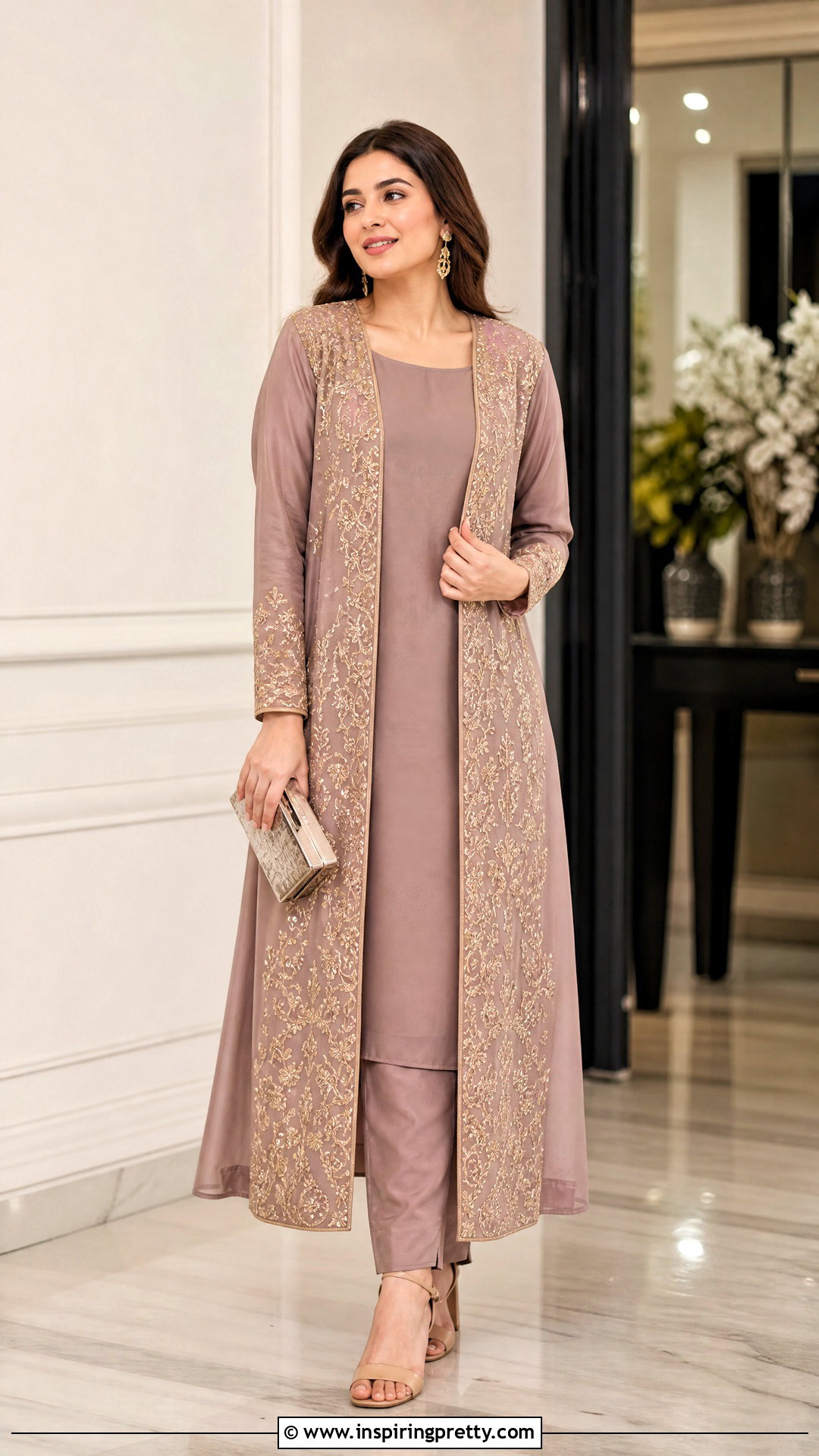
A jacket kurti outfit offers dimension while maintaining a clean, traditional foundation. Start with a simple sleeveless or short-sleeve kurti and matching straight pants. Layer an open embroidered jacket over the top, choosing a length that reaches the knee or slightly below it. The inner pieces should remain relatively plain so the jacket’s print, brocade, or threadwork can stand out. Complete the outfit with block heels, delicate earrings, and a box clutch. A long jacket creates a flattering vertical line, making this combination useful for formal gatherings and evening celebrations. Avoid adding a heavy dupatta unless the jacket is short and lightly decorated. Keep the jacket open at the front to showcase the coordinated base and preserve comfortable movement.
13. Layered Kurti With Slim Pants
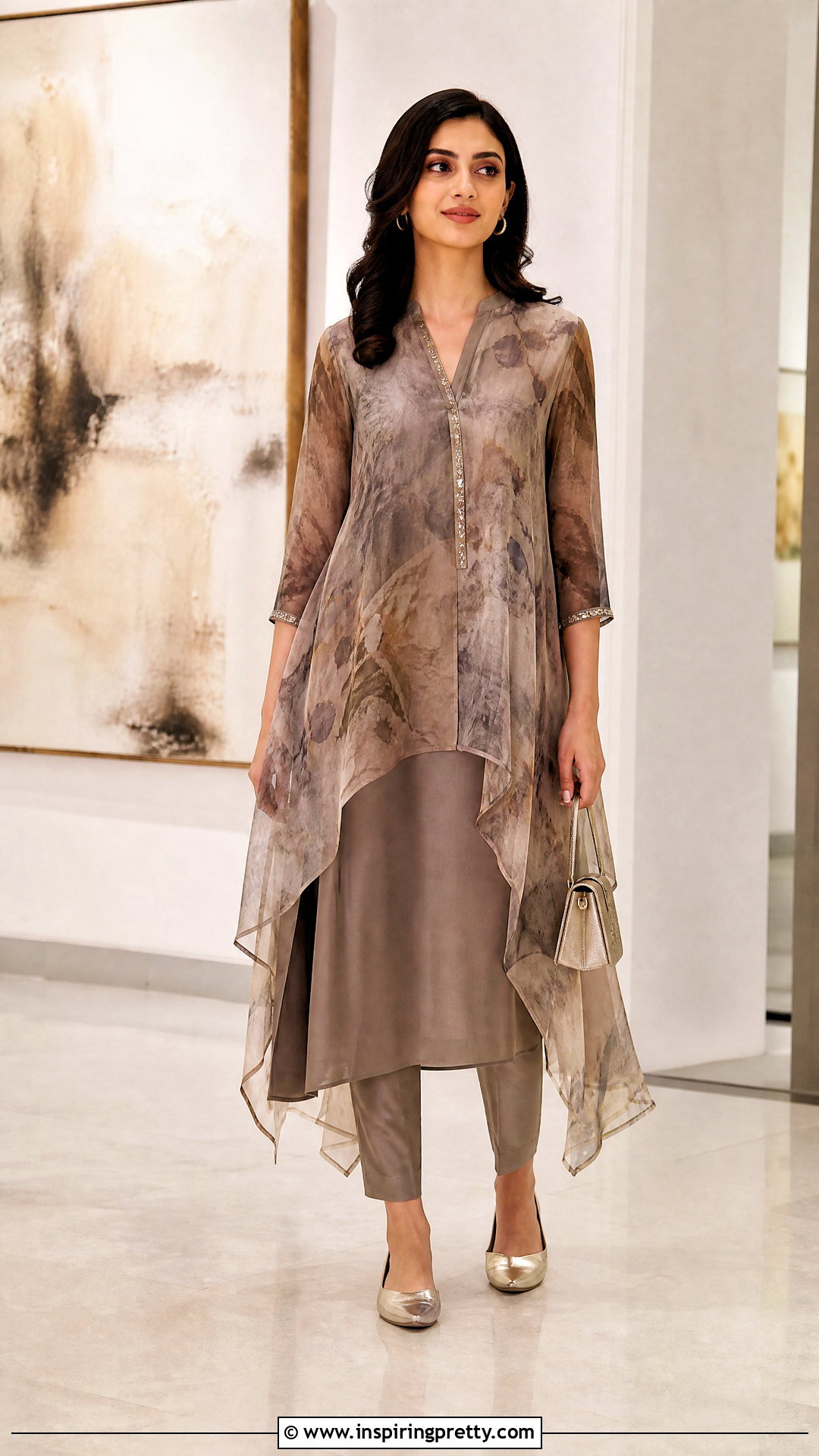
A layered kurti gives a simple traditional outfit extra depth through overlapping hems, contrasting fabrics, or attached panels. Pair it with slim pants to balance the volume and keep the silhouette from becoming too wide. A solid underlayer with a printed or sheer outer panel creates visual interest without requiring many accessories. Choose a design that falls around the knee so each layer remains easy to see. Metallic flats, small hoop earrings, and a compact handbag complete the look. If the kurti has multiple colors, match the pants to the darkest shade for a grounded finish. This outfit works well for dinners, art events, and semi-formal gatherings. Limit additional draping because a dupatta may hide the top’s carefully constructed layers.
14. Flared Kurti With Ankle Pants
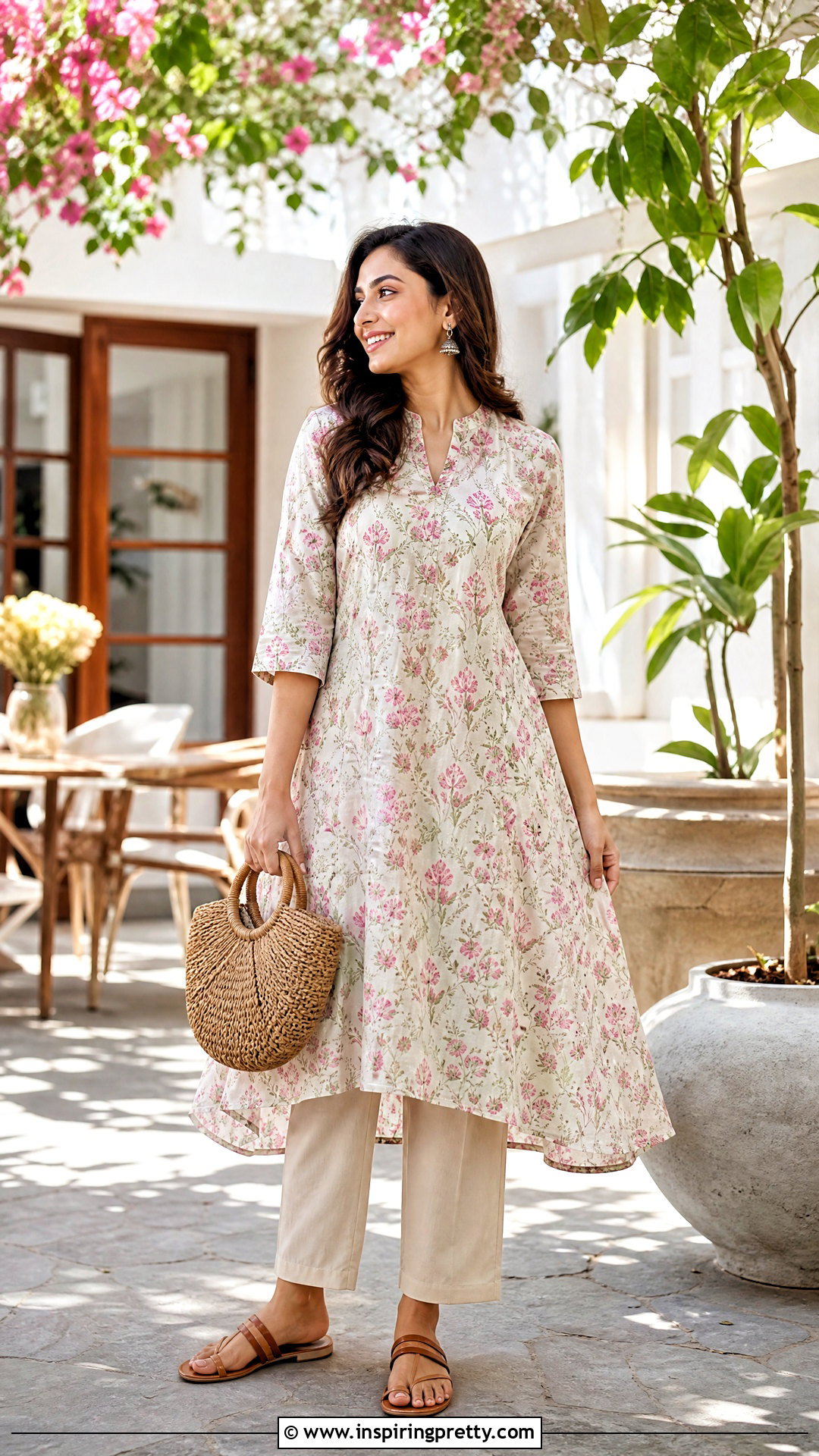
A flared kurti with ankle pants feels feminine, comfortable, and easy to wear throughout the day. Look for a top that widens below the bust or natural waist without creating excessive gathers. A curved or paneled hem adds movement and allows the trousers to remain visible. Pair a floral or block-printed kurti with plain ankle pants, then add leather sandals and a woven handbag. Small jhumkas or simple bangles provide enough traditional detail for a casual outfit. If you want a dressier result, choose a cotton-silk fabric and low heels. The ankle-length pants should sit close to the leg but still allow comfortable movement. This balanced combination works especially well for family lunches, daytime celebrations, and relaxed office environments.
15. Sleeveless Kurti With Long Skirt
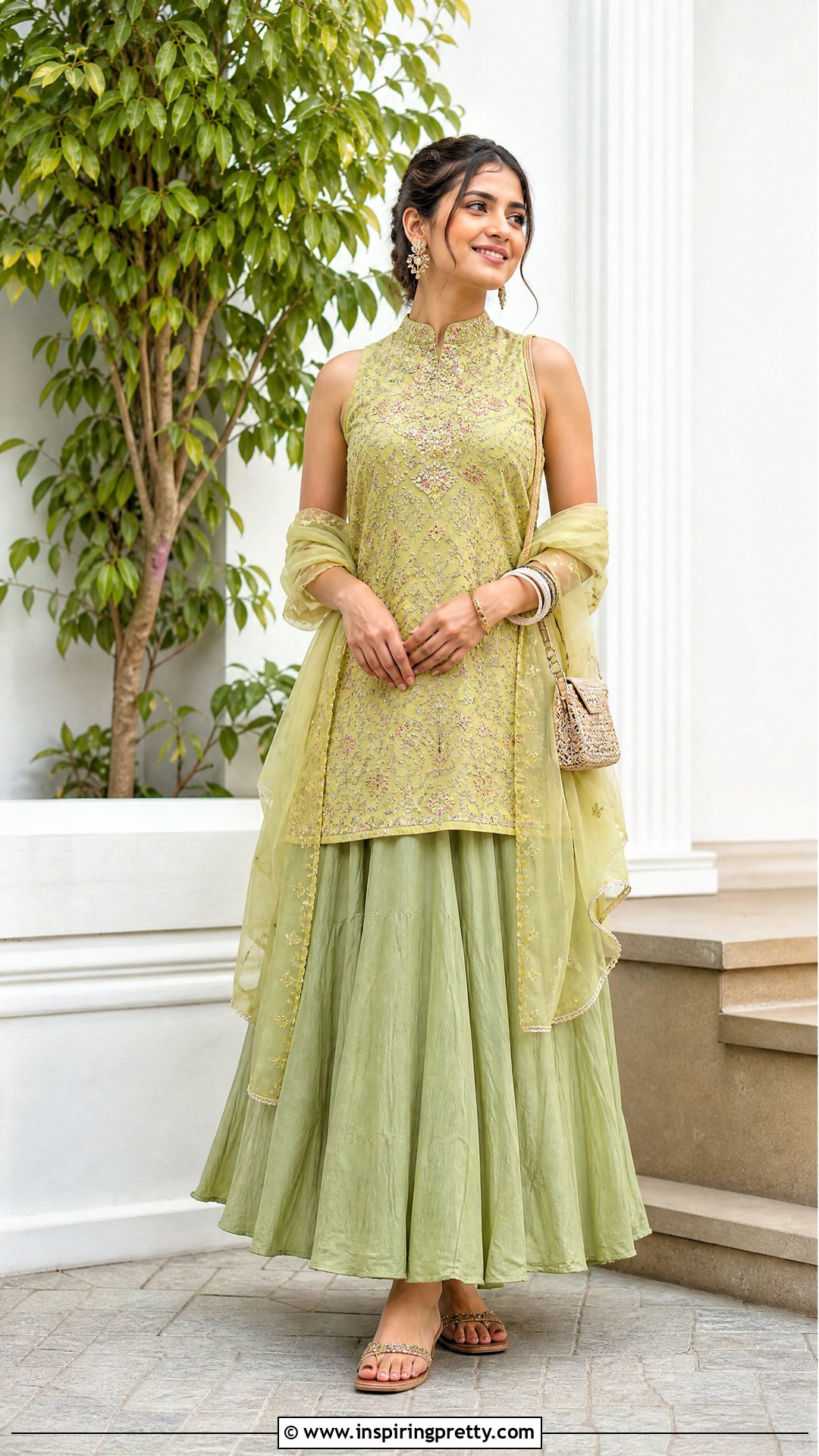
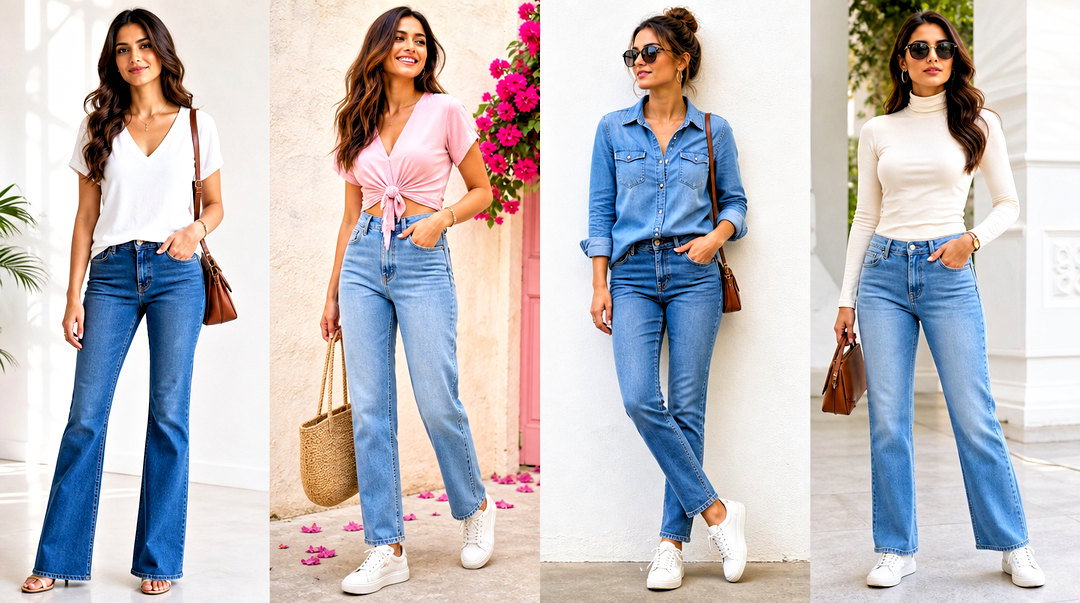
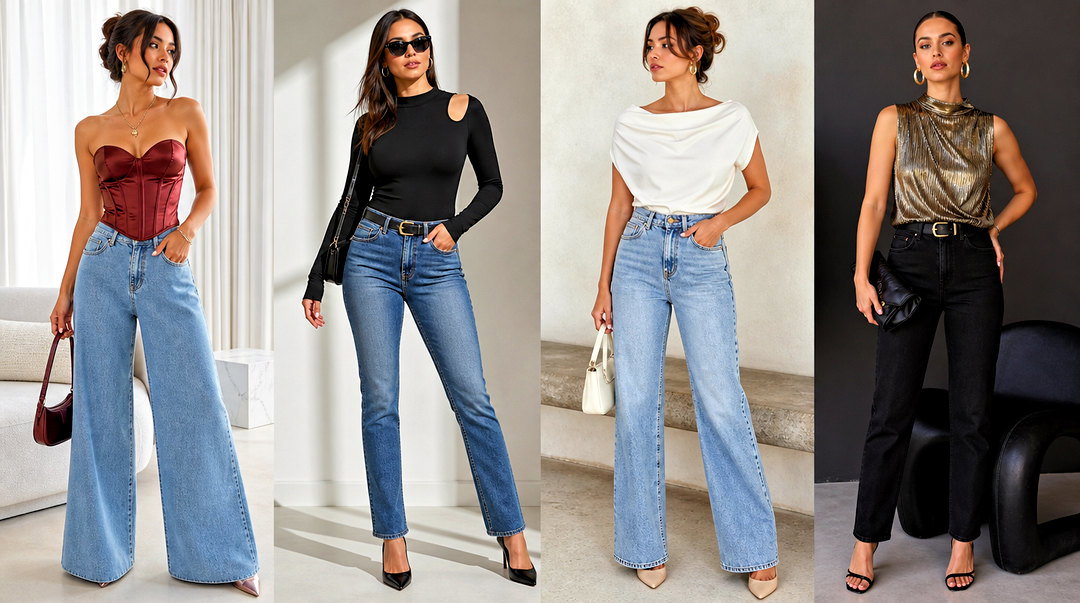
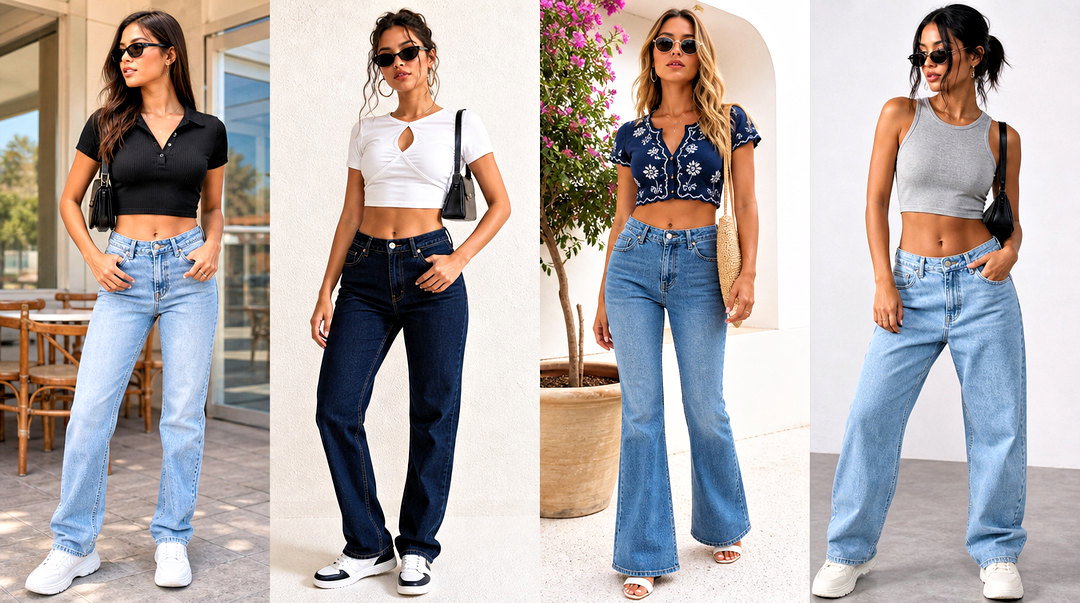
A sleeveless kurti paired with a long skirt creates a graceful outfit for warm weather and daytime occasions. Choose a fitted or gently shaped kurti that ends around the hip, then add a flowing skirt with controlled volume. A solid top can balance a printed skirt, while an embroidered kurti looks refined with a plain cotton-silk bottom. Flat sandals, stacked bangles, and a small sling bag keep the ensemble relaxed. Add a light dupatta if you want more shoulder coverage or a formal finish. A higher neckline helps balance the sleeveless cut and gives jewelry a clean background. Make sure the skirt waistband lies smoothly beneath the kurti so the outfit maintains a neat, uninterrupted line from the torso to the floor.
16. Bandhani Top With White Pants
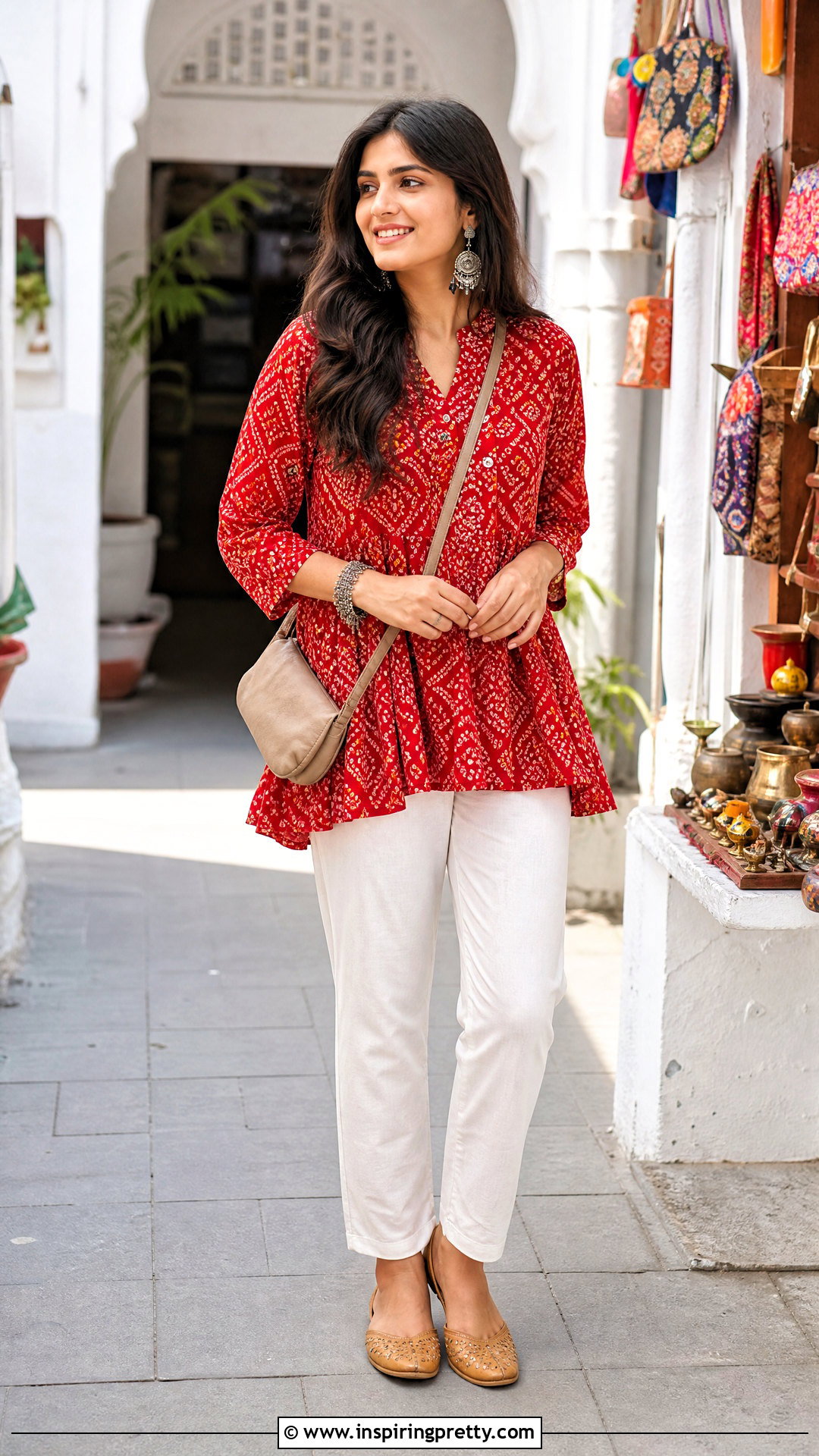
A colorful Bandhani top looks especially fresh when styled with crisp white pants. Choose a hip-length or mid-thigh top in red, fuchsia, mustard, green, or indigo. Small tie-dyed motifs provide plenty of visual texture, so the remaining pieces should stay simple. Straight cotton pants offer a traditional finish, while white jeans create a casual fusion outfit. Complete the look with tan juttis, silver earrings, and a neutral crossbody bag. A lightly gathered neckline or flared sleeve can enhance the handcrafted character of the fabric. For a more coordinated appearance, add a solid dupatta matching one of the top’s accent colors. This bright outfit works well for summer gatherings, travel, casual celebrations, and outdoor cultural events.
17. Block Print Top With Palazzo Pants
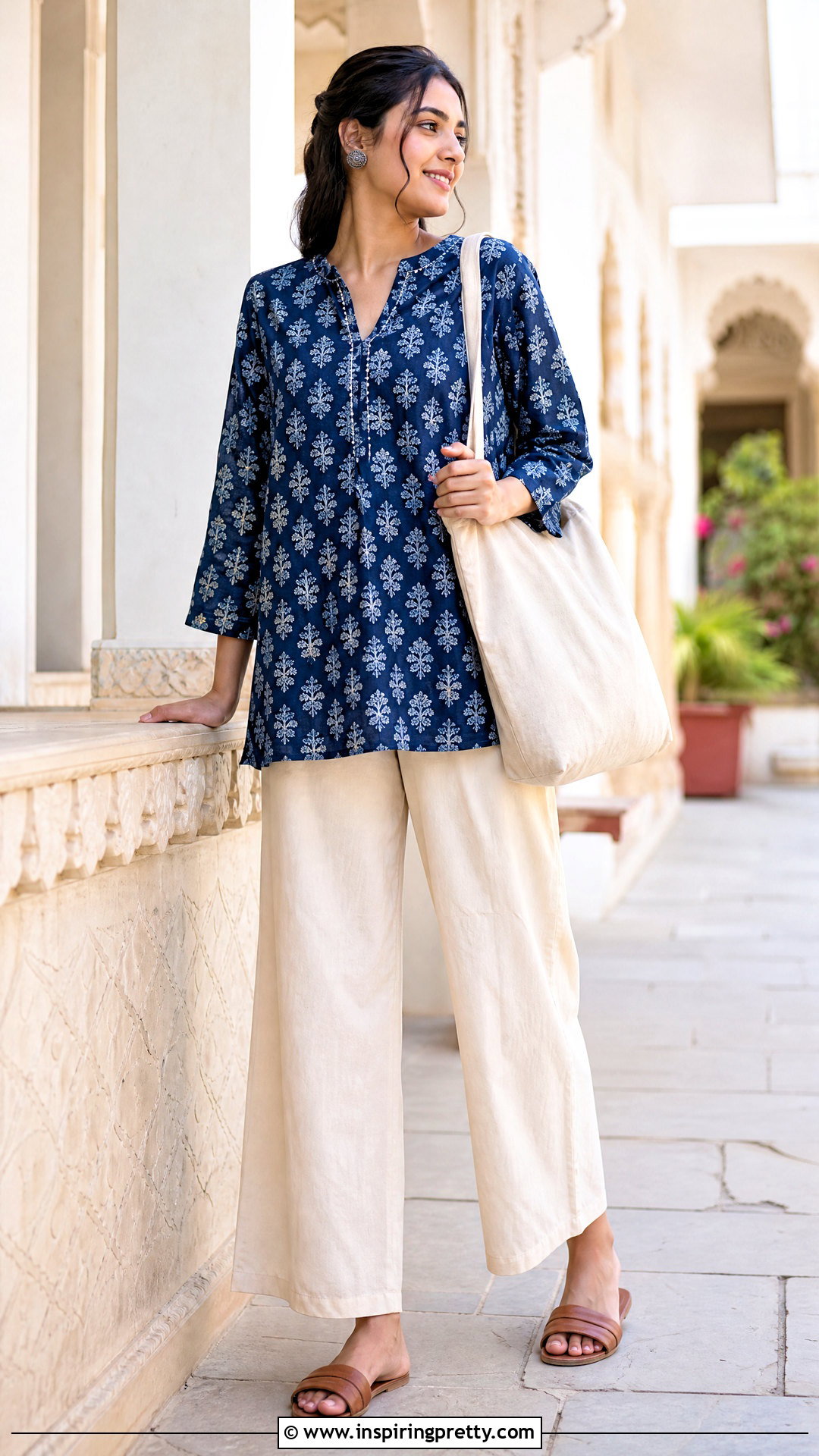
A hand-block-inspired print top and solid palazzo pants make an airy outfit with strong everyday appeal. Choose a cotton top with a straight, A-line, or lightly gathered shape. Indigo, rust, maroon, and earthy green prints look attractive with cream, black, or coordinating pants. Keep the palazzo width moderate so the printed top remains the focal point. Leather slip-on sandals, a canvas tote, and oxidized studs create a practical finish. During cooler weather, layer a plain shawl over the shoulders. Because printed fabric can sometimes appear busy, avoid mixing several unrelated motifs in one outfit. This combination is comfortable for shopping, sightseeing, casual workdays, and lunches. Natural fabrics and relaxed proportions make it particularly useful in hot or humid conditions.
18. Ajrakh Top With Black Pants
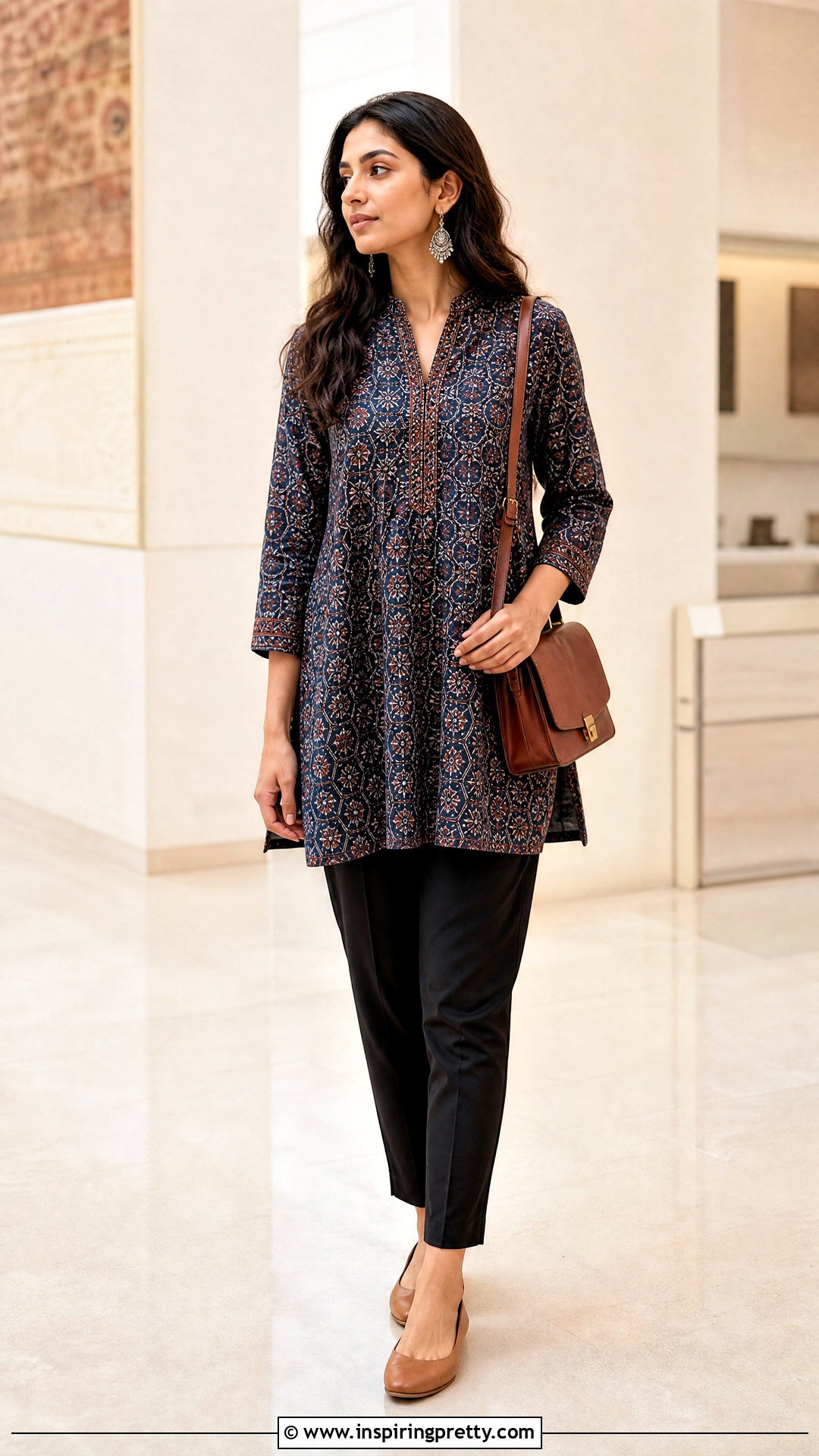
An Ajrakh-inspired top paired with black pants creates a rich, grounded outfit centered on deep color and geometric pattern. Choose a straight or slightly flared top featuring indigo, madder red, black, and cream motifs. Solid black cigarette pants sharpen the silhouette and allow the detailed print to remain prominent. Finish with black or tan flats, silver drop earrings, and a structured leather bag. A simple neckline works best because the fabric already provides significant visual interest. For cooler evenings, add an indigo shawl or long black jacket. This outfit can move comfortably between creative workplaces, museum visits, dinners, and informal cultural gatherings. Keep makeup and accessories understated so the traditional pattern remains the strongest element in the complete look.
19. Kalamkari Top With Long Skirt
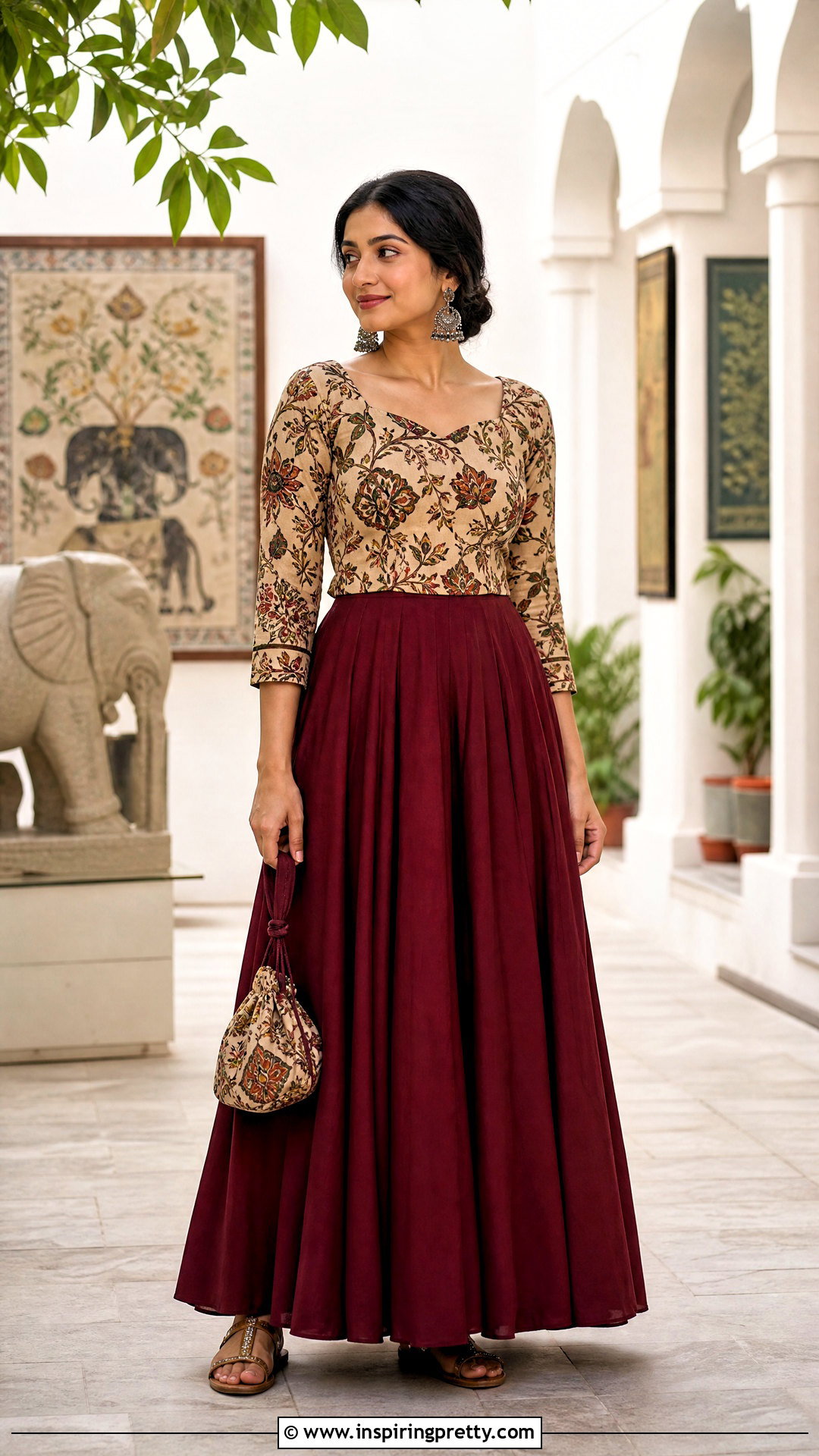
A Kalamkari-inspired top and long skirt create an artistic outfit filled with botanical patterns and earthy color. Select a fitted hip-length top or short kurti featuring floral, vine, or narrative motifs. Pair it with a plain maxi skirt in black, maroon, mustard, or deep green. The solid lower half provides breathing room and keeps the patterned top from feeling overwhelming. Add antique-finish earrings, flat sandals, and a fabric potli bag. A skirt with gentle pleats offers movement while preserving a streamlined waist. If the top has elbow-length sleeves, skip bracelets and wear one statement ring instead. This outfit is ideal for exhibitions, cultural programs, family gatherings, and festive daytime events where comfort and distinctive textile detail are equally important.
20. Ikat Top With Wide-Leg Trousers
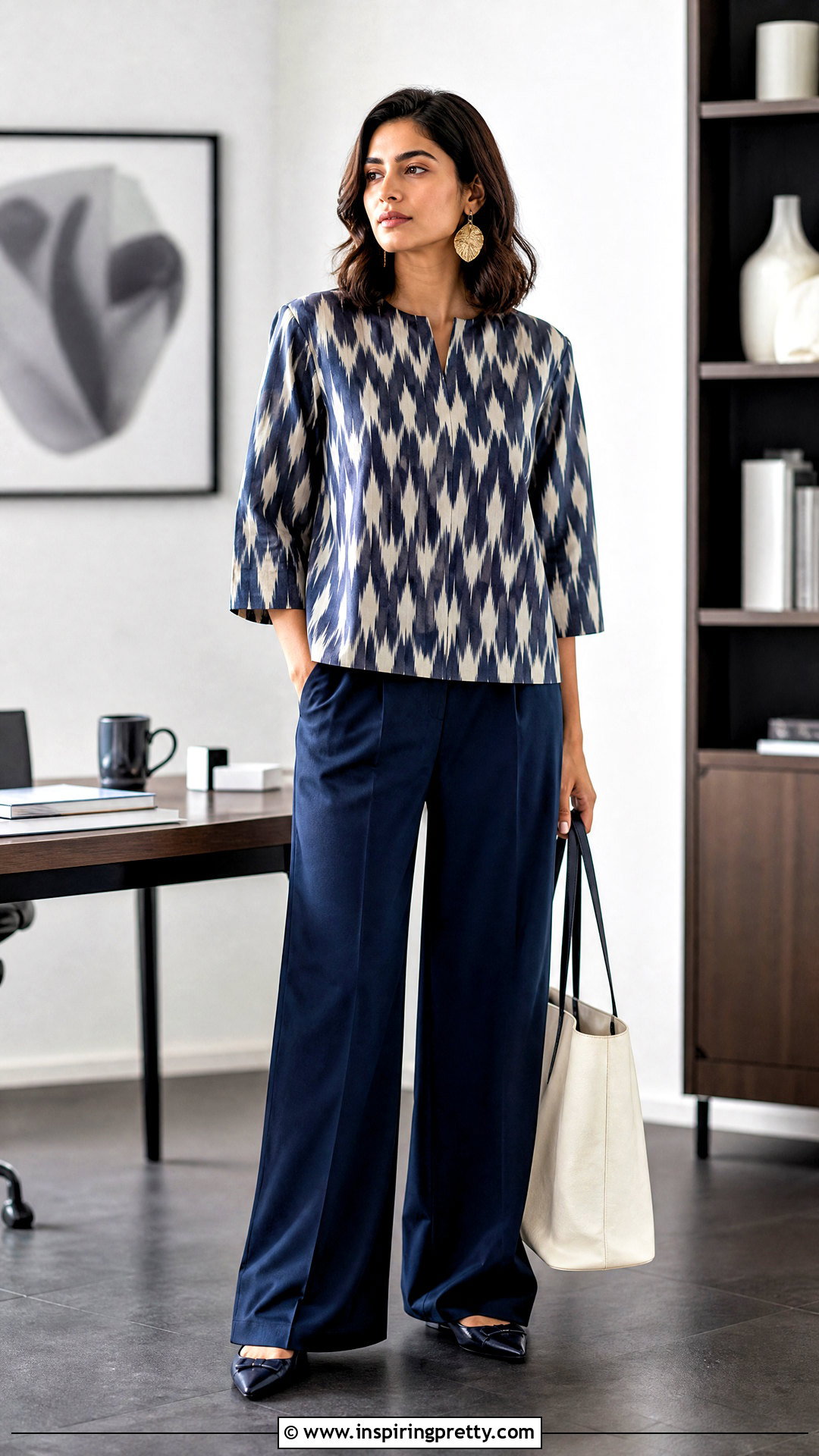
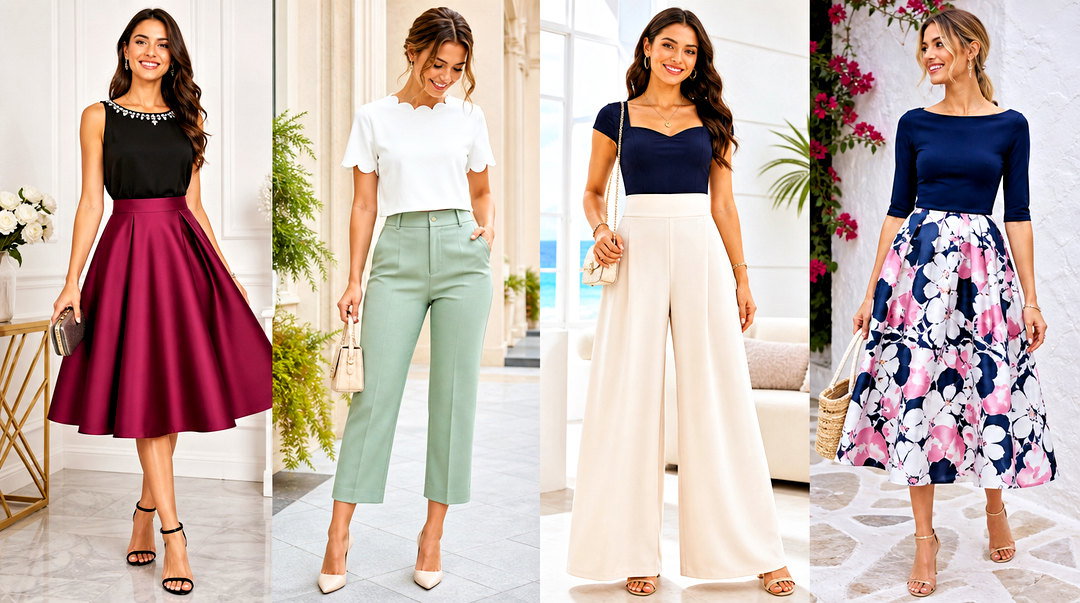
An Ikat top styled with wide-leg trousers offers a graphic yet refined approach to traditional dressing. Choose a structured cotton top with a square, round, or boat neckline. The blurred geometric pattern looks strongest when paired with solid trousers in navy, black, ivory, or a matching earthy shade. Tuck in only a cropped top; longer versions should fall cleanly over the waistband. Wear low heels or pointed flats to maintain length beneath the wider pants. Add sculptural earrings and a simple tote for a modern finish. This outfit works for offices, dinners, and travel because it feels polished without relying on heavy decoration. Keep the overall palette controlled, allowing the Ikat pattern to provide the outfit’s primary color and movement.
21. Phulkari Kurti With Punjabi Salwar
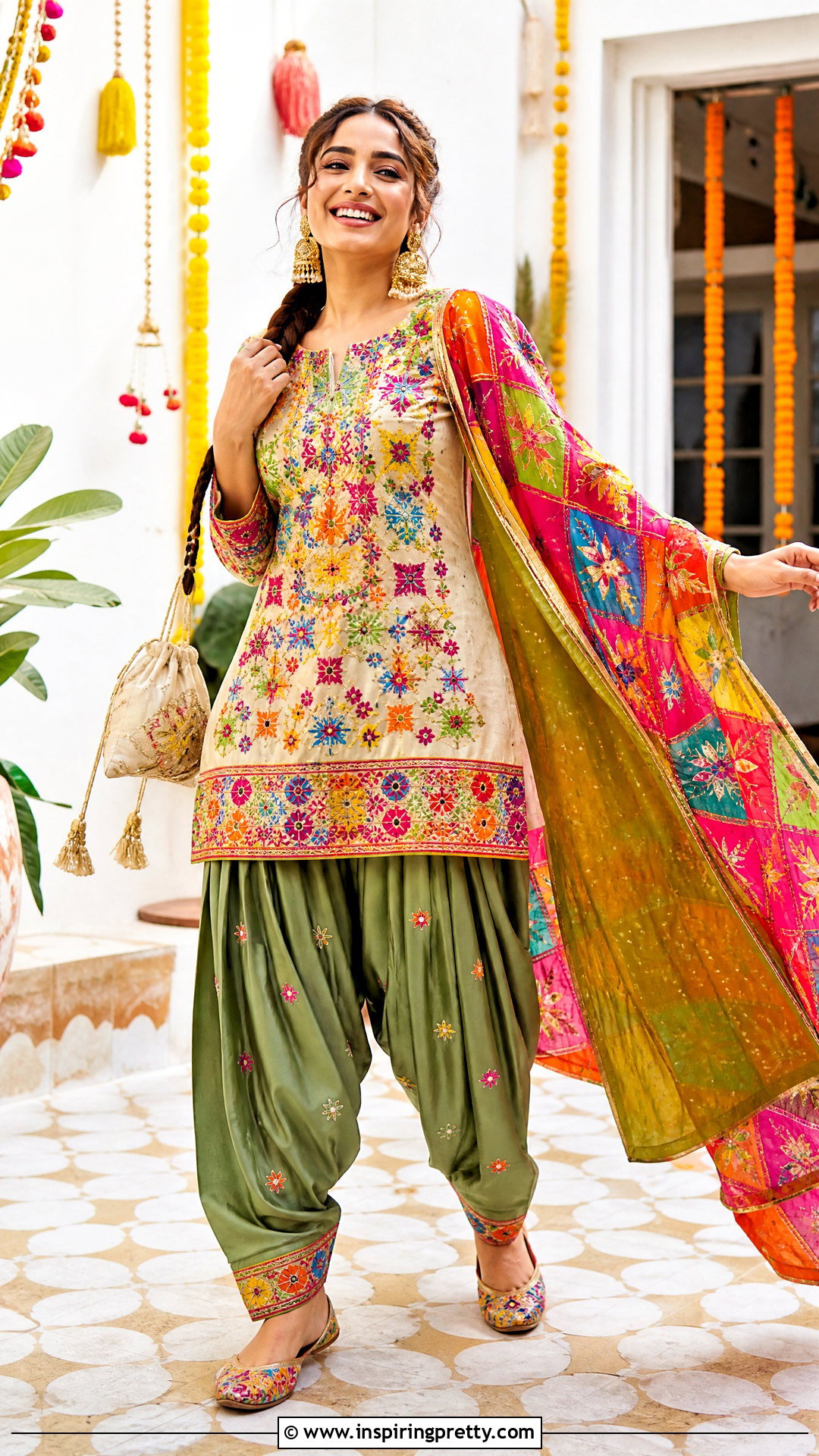
A Phulkari kurti and Punjabi salwar create a joyful outfit filled with color and traditional embroidery. Choose a short or mid-thigh kurti so the gathered shape of the salwar remains visible. A plain base fabric allows bright floral threadwork to stand out around the yoke, sleeves, or hem. Coordinate the salwar with one of the embroidery colors rather than matching the kurti exactly. Complete the outfit with embroidered juttis, small gold earrings, and a colorful dupatta. Keep the bag simple because the clothing already provides abundant texture. This combination is comfortable for family celebrations, daytime festivals, and community events. A well-fitted shoulder line keeps the embroidered top flattering, while the roomy salwar allows easy movement throughout a long occasion.
22. Mirror Work Top With Lehenga Skirt
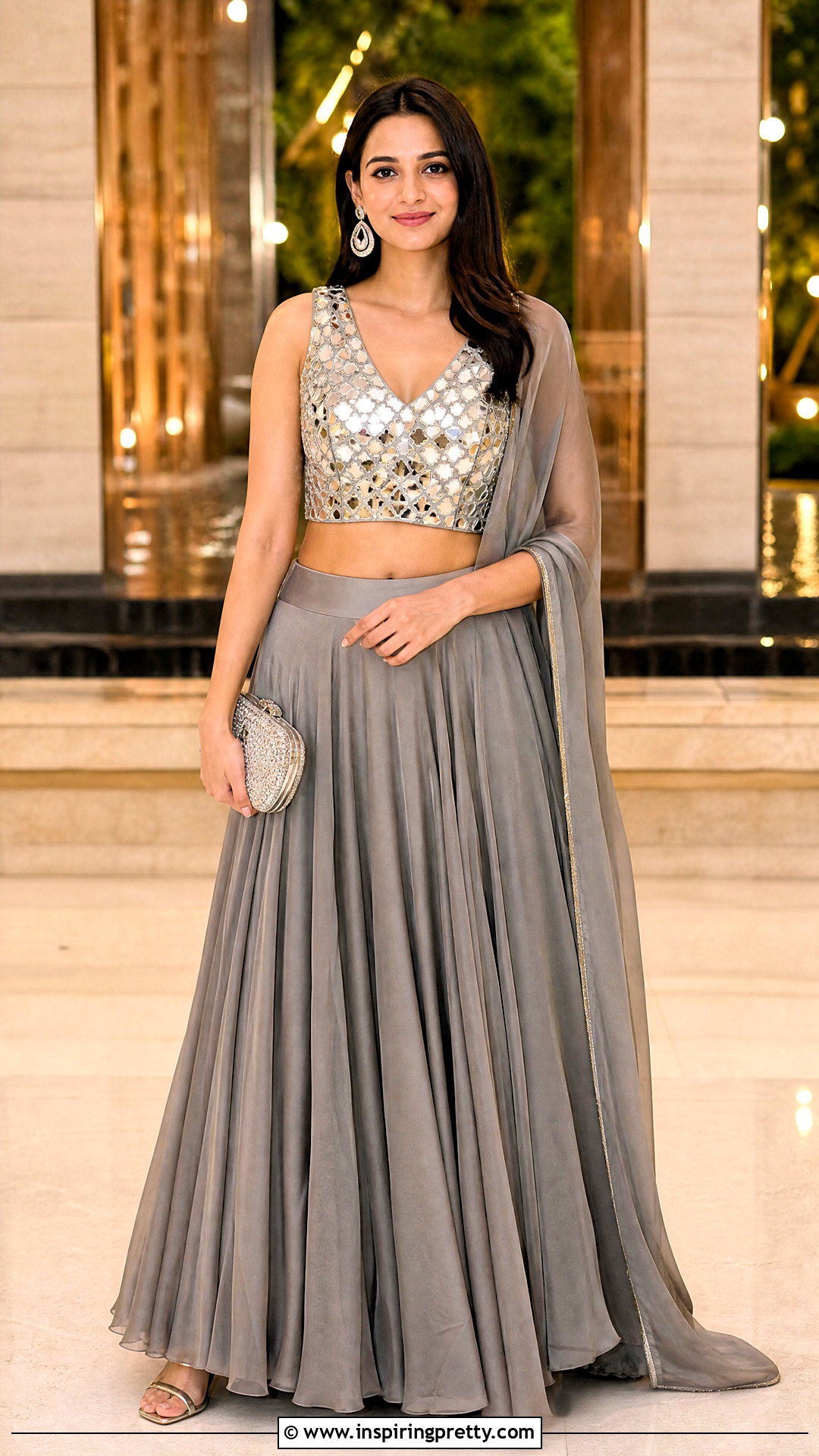
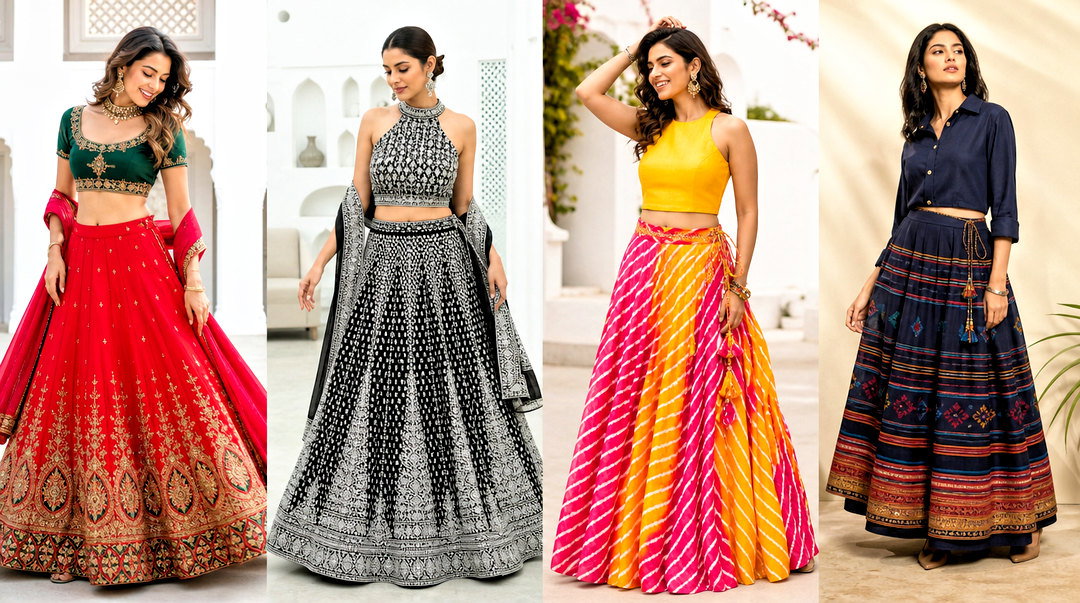
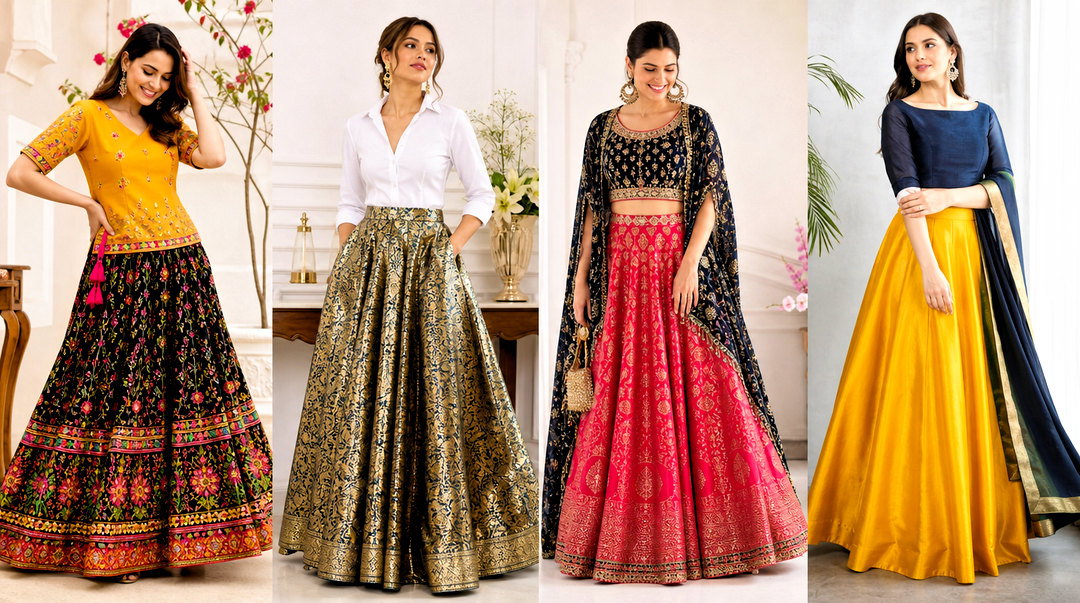
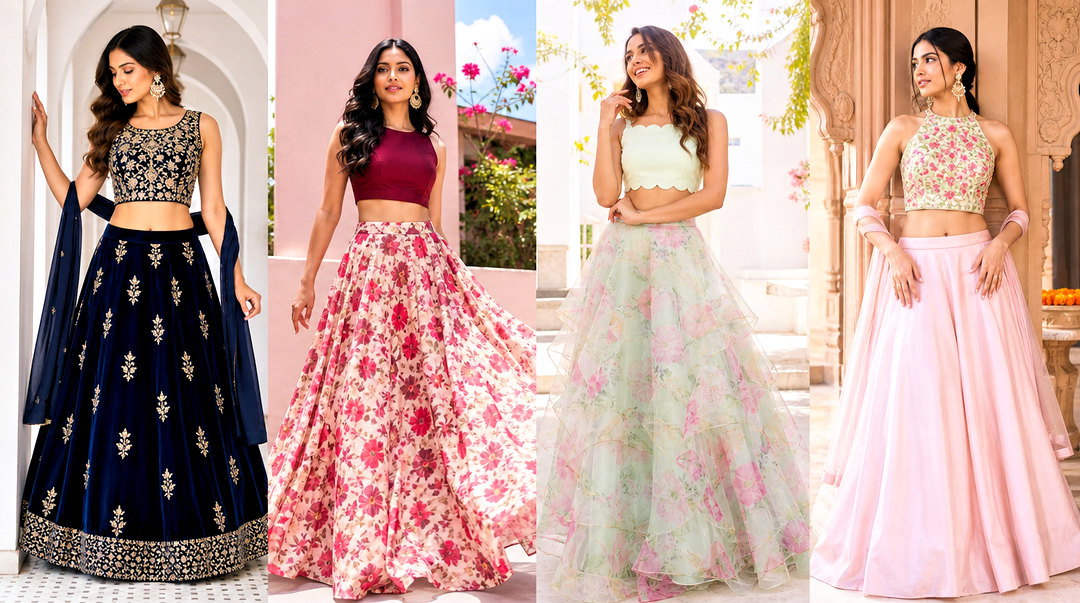
A mirror work top and lehenga skirt create a luminous celebration outfit that catches light with every movement. Choose a fitted top with mirrors concentrated along the neckline, sleeves, or geometric panels. Pair it with a solid or lightly patterned lehenga so the complete look remains balanced. A high-waisted skirt works especially well with a cropped top and provides comfortable coverage. Add a plain sheer dupatta, metallic sandals, and medium-size earrings. Avoid an overly embellished bag; a simple potli or clutch is enough. Make sure the mirrors are securely finished and do not irritate the skin. This outfit suits festive evenings, dance events, and formal family gatherings. Select lightweight materials when you expect to stand or move for several hours.
23. Gota Patti Top With Flared Skirt
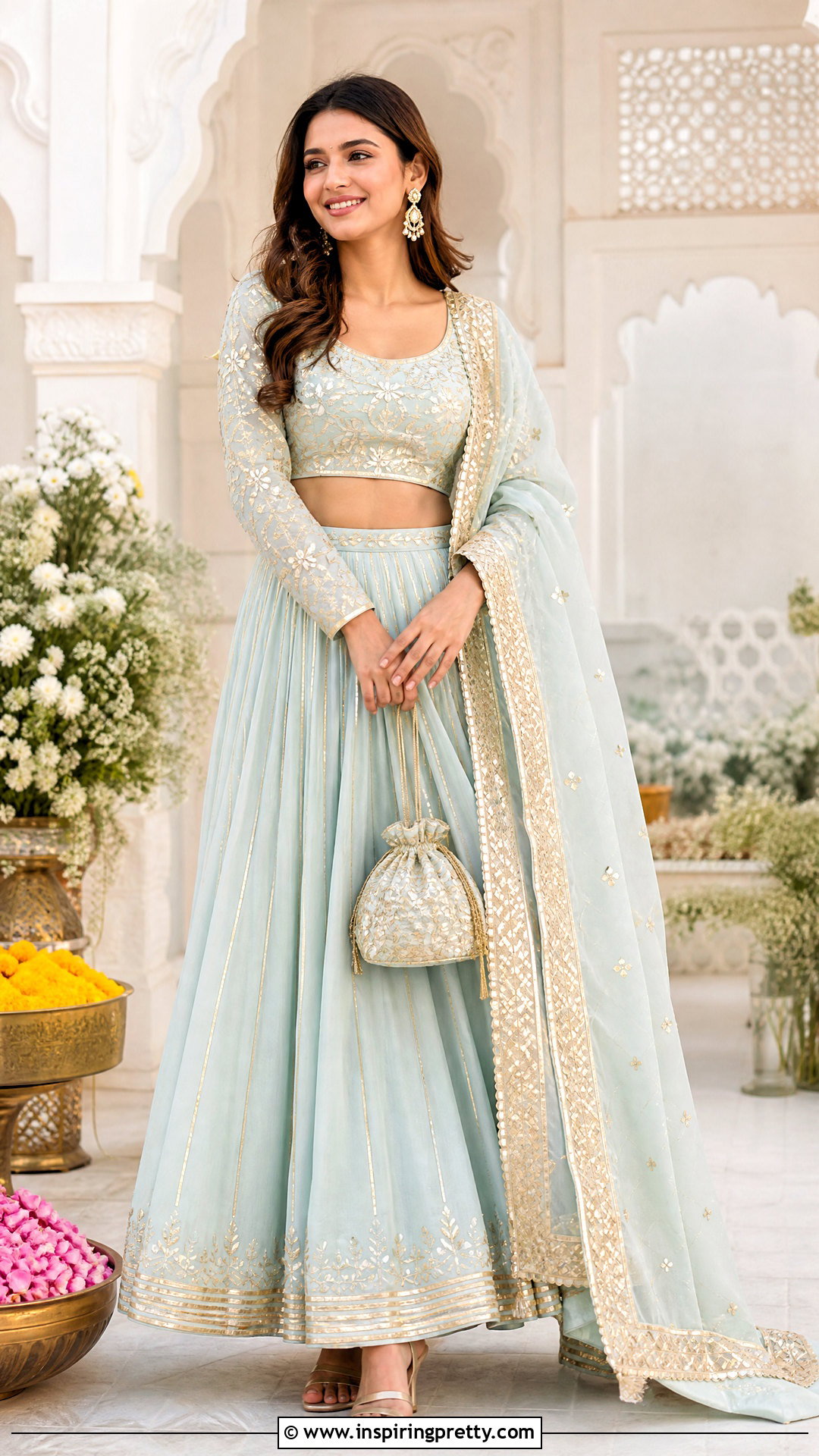
A Gota Patti top paired with a flared skirt produces a festive outfit that feels bright without requiring heavy jewelry. Select a fitted blouse or short kurti with metallic ribbon details arranged around the neckline, cuffs, and hem. Pair it with a tonal skirt for an elegant look or a contrasting skirt for stronger visual impact. A soft dupatta with a narrow Gota border ties the outfit together. Finish with low block heels, a small potli, and delicate earrings. Pastel shades feel suitable for daytime occasions, while jewel tones look richer in the evening. Keep the skirt waistband smooth and the top securely fitted. This allows the metallic decoration to sit neatly while preserving comfortable movement through the waist, shoulders, and arms.
24. Zari Blouse With Chiffon Saree
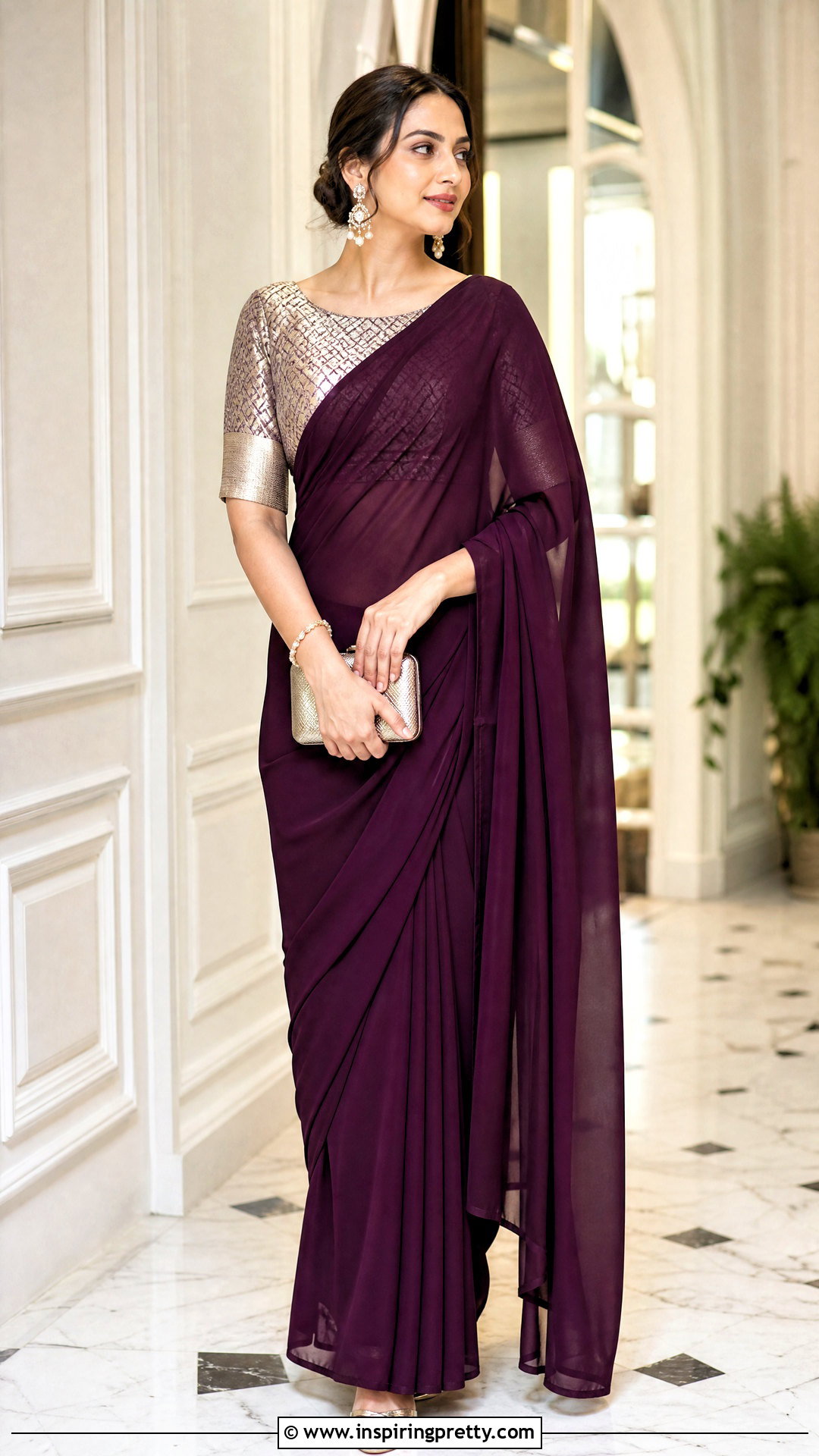
A zari blouse and chiffon saree create a refined formal outfit with a flattering balance of structure and softness. Choose a fitted blouse featuring metallic woven details on the sleeves, neckline, or back. Pair it with a plain chiffon saree that allows the decorative blouse to remain visible. A matching petticoat creates a smooth base, while neat pleats keep the lightweight saree controlled. Add metallic heels, a compact clutch, and traditional drop earrings. If the blouse is heavily decorated, avoid a large necklace and let the neckline breathe. Three-quarter or elbow-length sleeves provide an elegant frame for zari work. This outfit suits receptions, formal celebrations, and evening gatherings because the saree moves gracefully while the blouse gives the overall look definition.
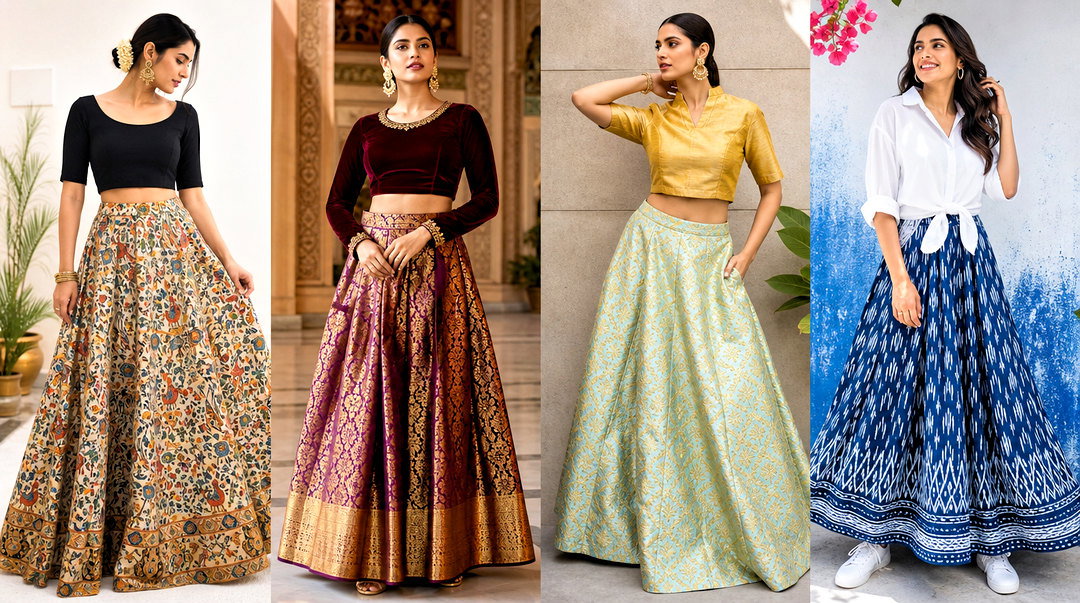
25. Brocade Blouse With Silk Saree
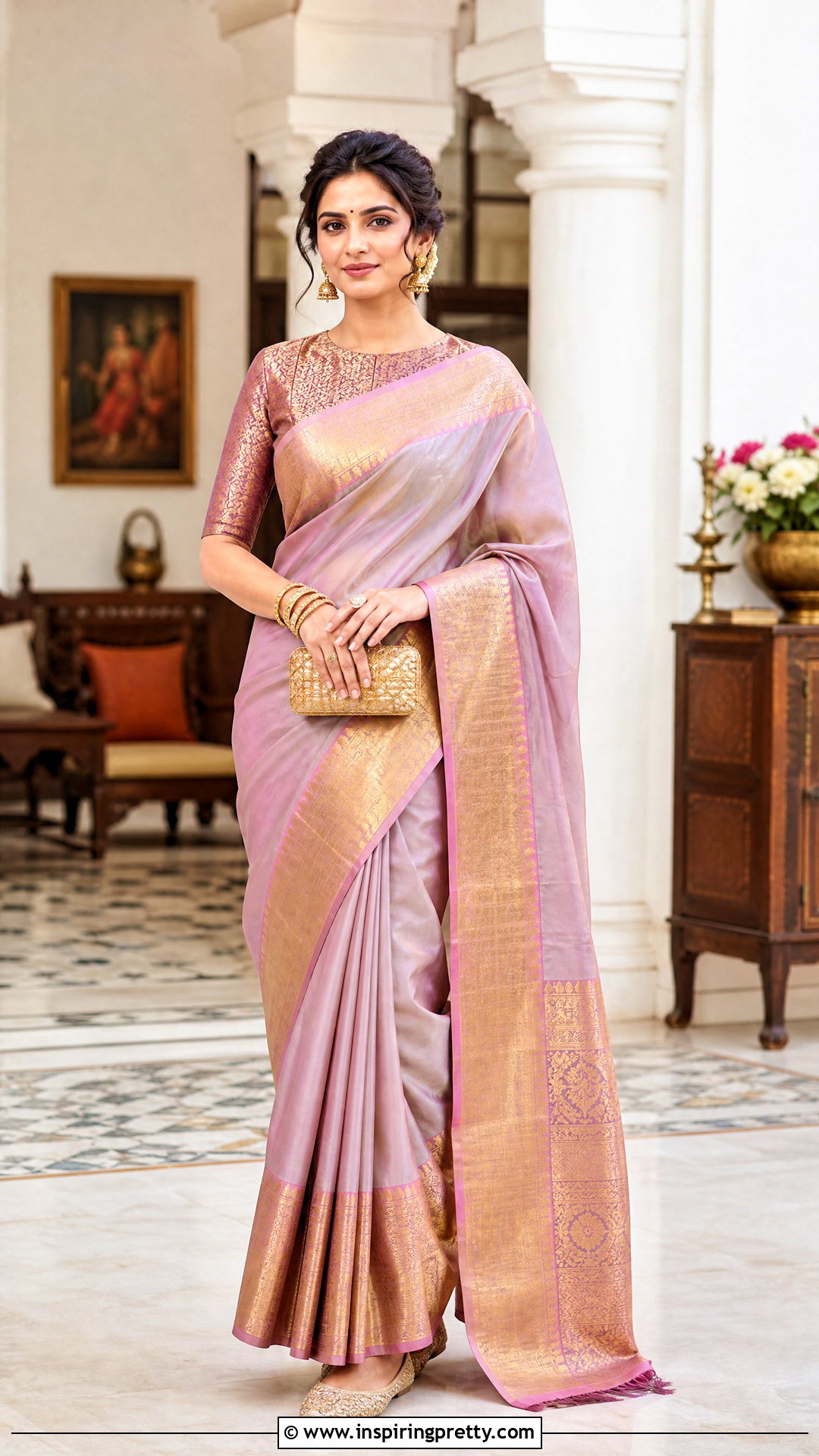
A brocade blouse styled with a silk saree creates a rich outfit suitable for important celebrations and formal occasions. Choose a blouse with a clean neckline and carefully placed woven motifs. Pair patterned brocade with a relatively simple saree border, or use a plain brocade blouse to complement a more elaborate silk drape. Gold-toned earrings, bangles, and a structured clutch enhance the traditional finish. Select stable block heels or embroidered flats based on the saree length. The blouse should fit smoothly across the shoulders and bust without restricting movement. Elbow-length sleeves are particularly effective for displaying brocade patterns. Keep the color relationship intentional by matching one shade from the saree border or choosing a complementary color that creates controlled contrast.
26. Velvet Choli With Lehenga
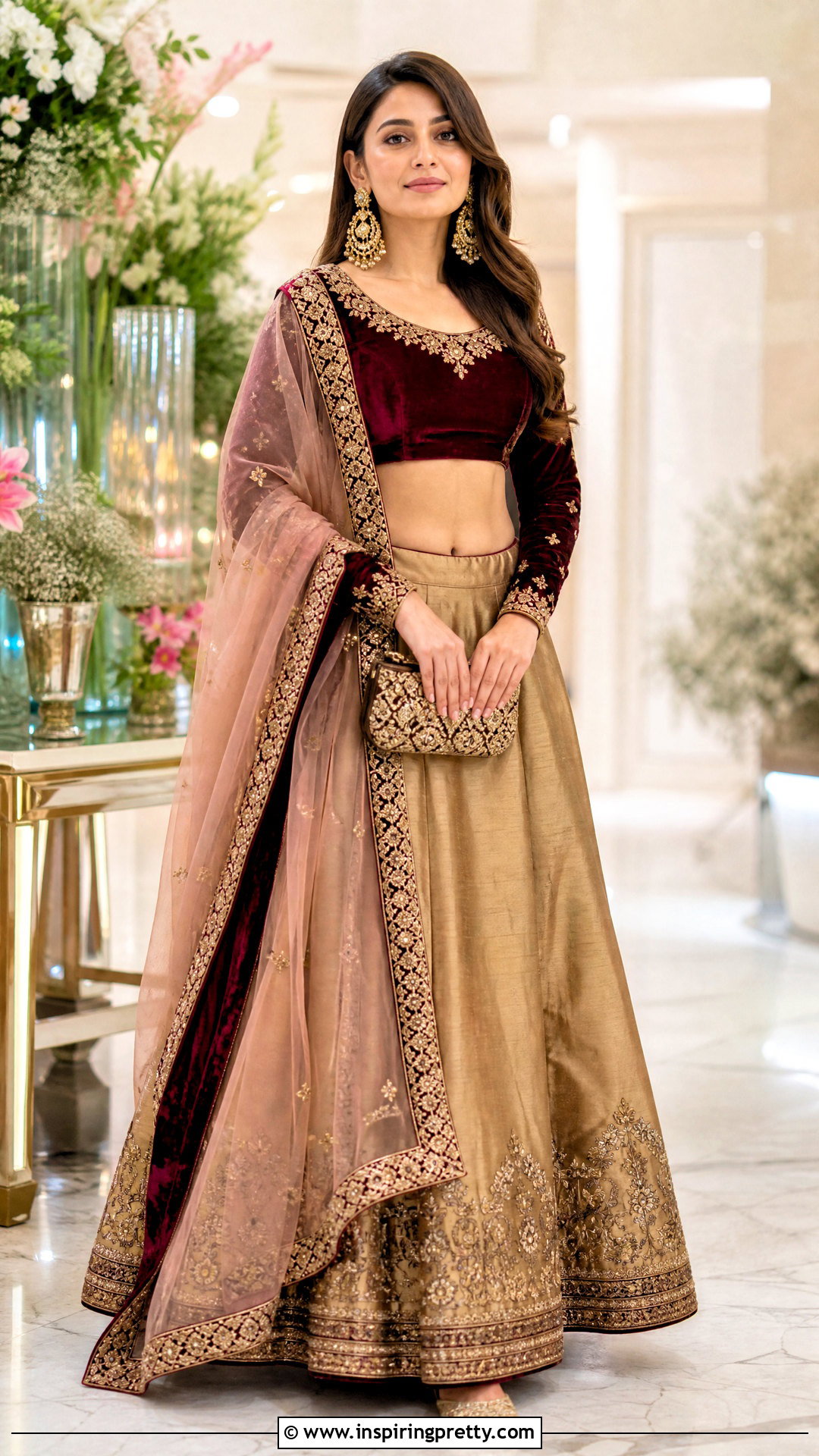
A velvet choli and lehenga create a dramatic traditional outfit for cool-weather celebrations. The soft, dense fabric gives jewel tones such as emerald, navy, plum, and maroon extra depth. Choose a neatly fitted choli with restrained embroidery because velvet already has a strong visual presence. Pair it with a silk, brocade, or lightly embellished lehenga that moves more freely than the top. A sheer dupatta prevents the complete outfit from feeling too heavy. Finish with closed-toe juttis, statement earrings, and a small embroidered clutch. Keep the neckline open enough to balance the substantial fabric. This combination is most comfortable indoors or during cooler seasons. Avoid excessive layering, and ensure the choli lining feels smooth against the skin.
27. Raw Silk Blouse With Printed Saree
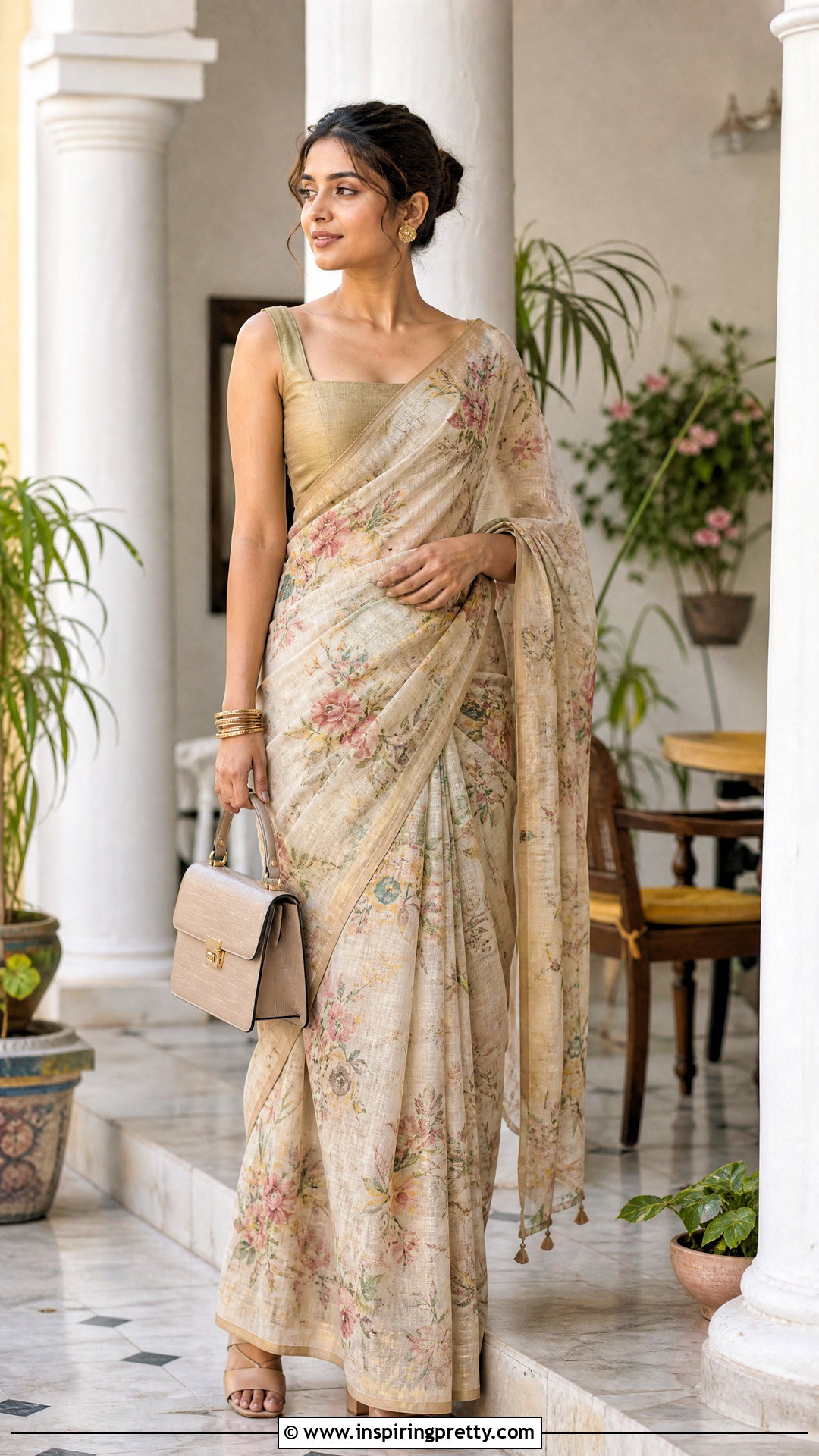
A raw silk blouse provides useful structure when worn with a fluid printed saree. Choose a solid blouse in a shade that appears within the saree’s floral, geometric, or traditional pattern. The slightly textured fabric creates contrast without introducing another competing print. A boat neck, square neck, or simple round neckline keeps the outfit timeless. Complete the look with low heels, small gold earrings, bangles, and a structured handbag. Elbow-length sleeves add polish and make the blouse suitable for many seasons. For daytime wear, select softer colors and a cotton-silk saree. Deeper tones work well for evening gatherings. A close but comfortable fit is essential because raw silk has less stretch than knitted fabrics and should not pull across the shoulders.
28. Puff Sleeve Choli With Lehenga
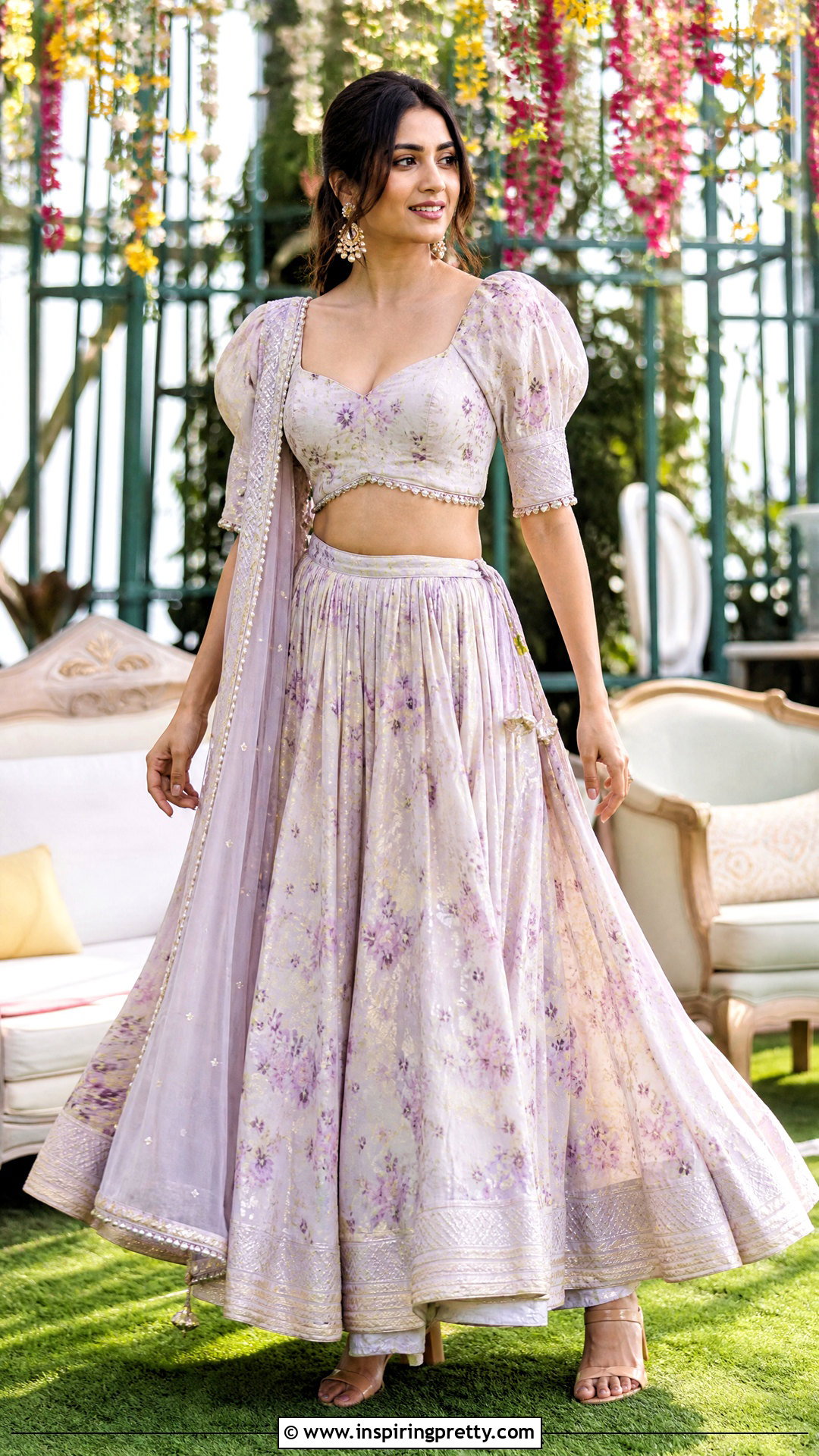
A puff sleeve choli and flowing lehenga create a playful traditional outfit with a defined upper silhouette. Choose controlled sleeve volume that ends above the elbow or near the forearm. The bodice should remain fitted so the sleeves look intentional rather than oversized. Pair a solid choli with a printed lehenga, or coordinate a lightly embroidered set for a more formal result. Add a narrow dupatta, delicate earrings, and block-heel sandals. Skip a heavy necklace if the sleeves and neckline already provide enough detail. This outfit works particularly well for daytime celebrations and festive gatherings. Women with broader shoulders can select softer gathers, while narrow shoulders can carry a more structured puff. Secure sleeve elastic should feel comfortable and leave no tight marks.
29. Boat Neck Blouse With Cotton Saree
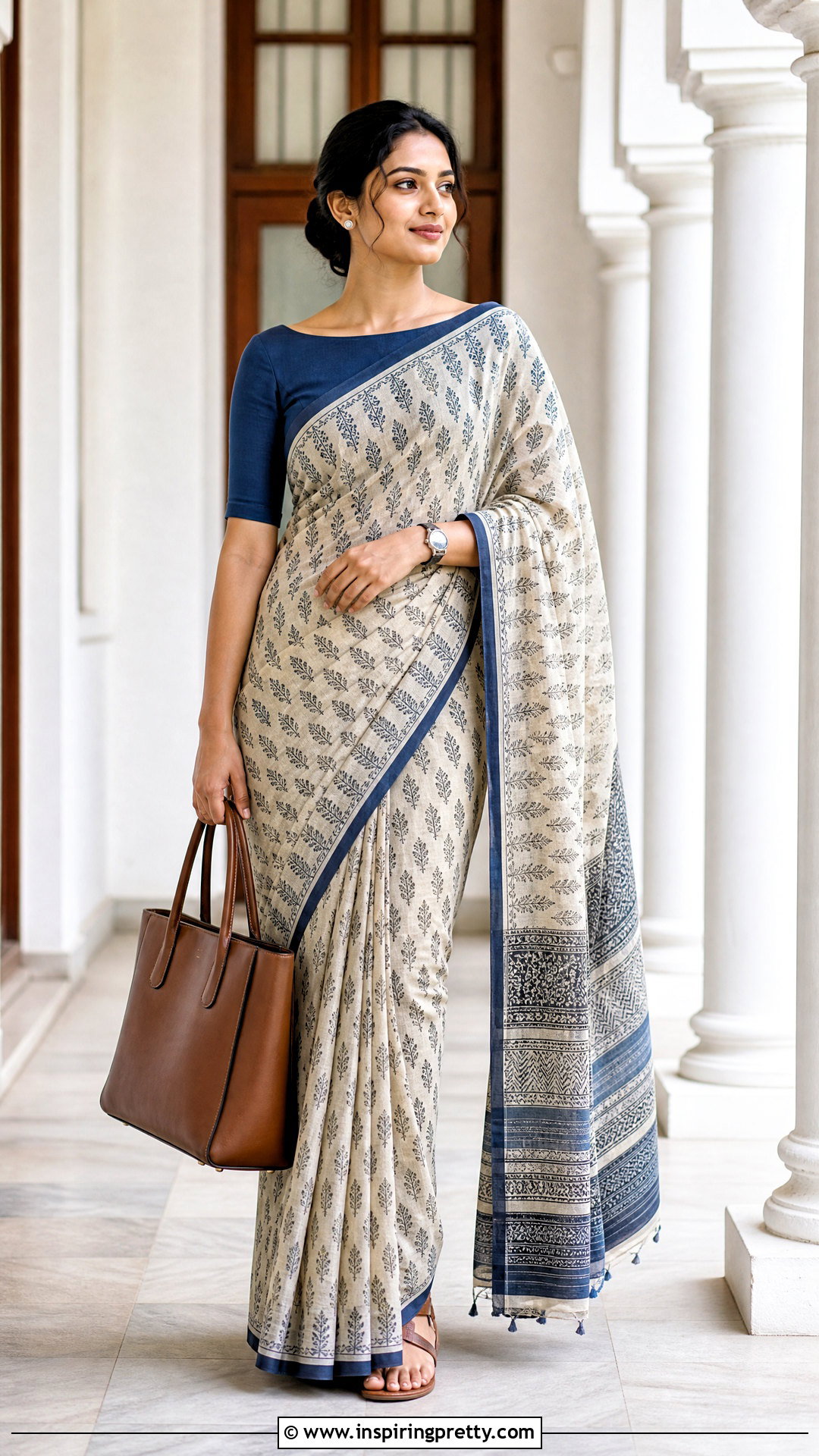
A boat neck blouse and cotton saree create an elegant outfit that feels polished yet comfortable. The wide neckline draws attention toward the shoulders and works beautifully with elbow-length sleeves. Pair a solid blouse with a striped, checked, block-printed, or handloom-inspired saree. Keep the blouse length secure enough to remain comfortable when sitting and moving. Leather sandals, silver studs, a watch, and a structured tote make the outfit appropriate for work or daytime events. Neatly pressed pleats help the cotton saree maintain its shape. If the saree has a prominent border, choose a blouse color that repeats or complements it. Avoid a bulky necklace near the boat neckline; long earrings or a slender chain provide a cleaner, more balanced finish.
30. Halter Choli With High-Waisted Lehenga
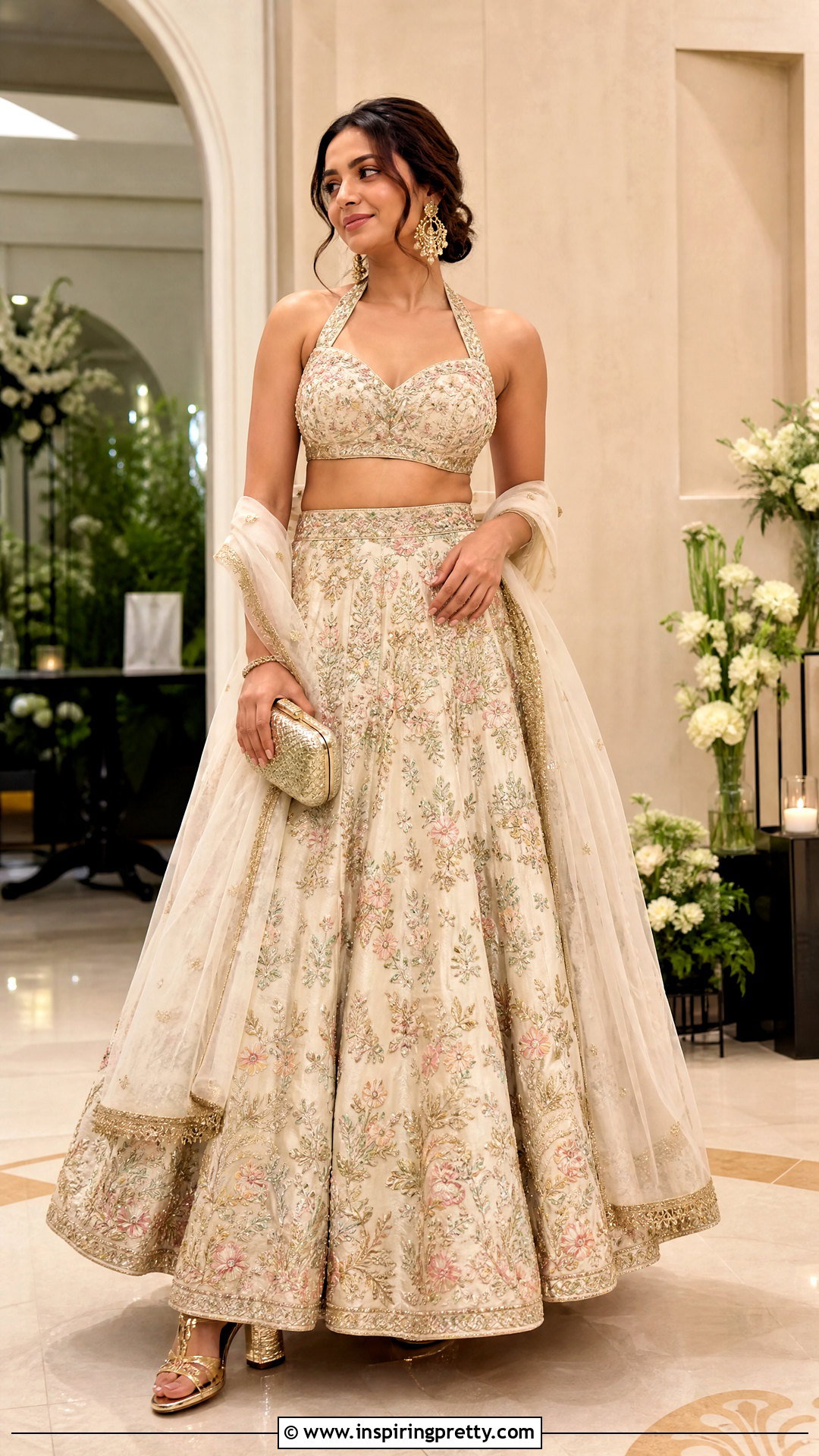
A halter choli paired with a high-waisted lehenga offers a contemporary interpretation of traditional occasion wear. Choose a neckline with broad, supportive straps and a securely fitted back. The lehenga should sit at the natural waist, creating balanced coverage and a smooth connection between both pieces. A plain choli can complement a heavily patterned skirt, while an embroidered neckline works best with a restrained bottom. Add a sheer dupatta over one shoulder, statement earrings, and metallic block heels. Skip a necklace so the halter shape remains clearly visible. This outfit is suitable for indoor celebrations and warm-weather events. Proper tailoring is essential, especially around the armholes and neckline, because the top should remain comfortable and stable without requiring constant adjustment.
31. Back Tie Choli With Draped Saree
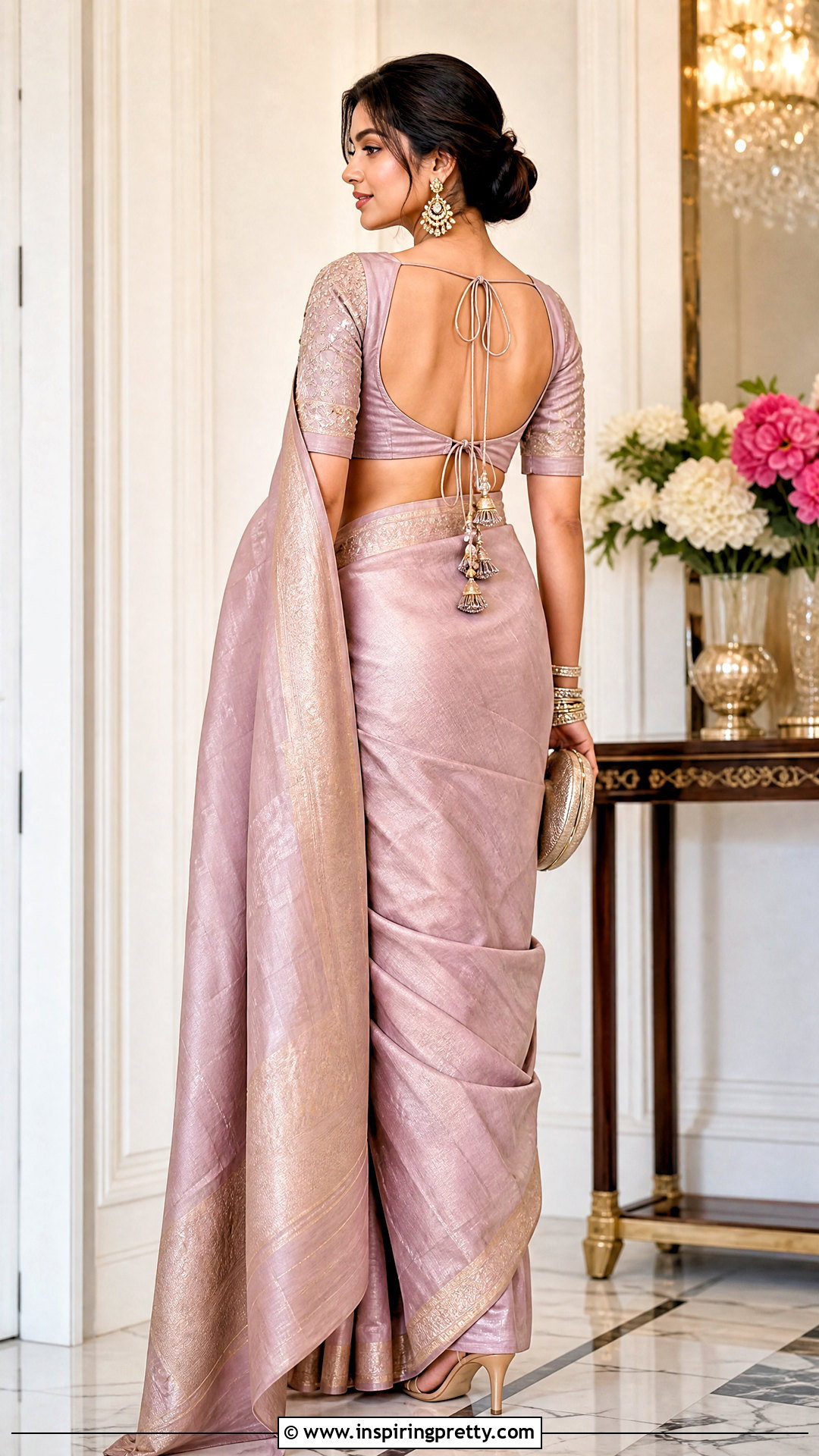
A back tie choli and draped saree create an elegant outfit with traditional tailoring details. Choose a blouse with secure fabric ties, tassels, or decorative cords positioned across a well-fitted back opening. The front should remain supportive and comfortable, allowing the ties to serve as accents rather than structural fastenings. Pair the choli with a silk-blend, georgette, or cotton saree depending on the occasion. Add earrings, bangles, low heels, and a compact clutch. Arrange the saree pallu so it frames the back details without completely covering them. Test the ties before leaving to ensure they will remain knotted. This outfit works best when the blouse and saree share at least one color, metallic detail, or border motif for a coordinated appearance.
32. Elbow Sleeve Blouse With Handloom Saree
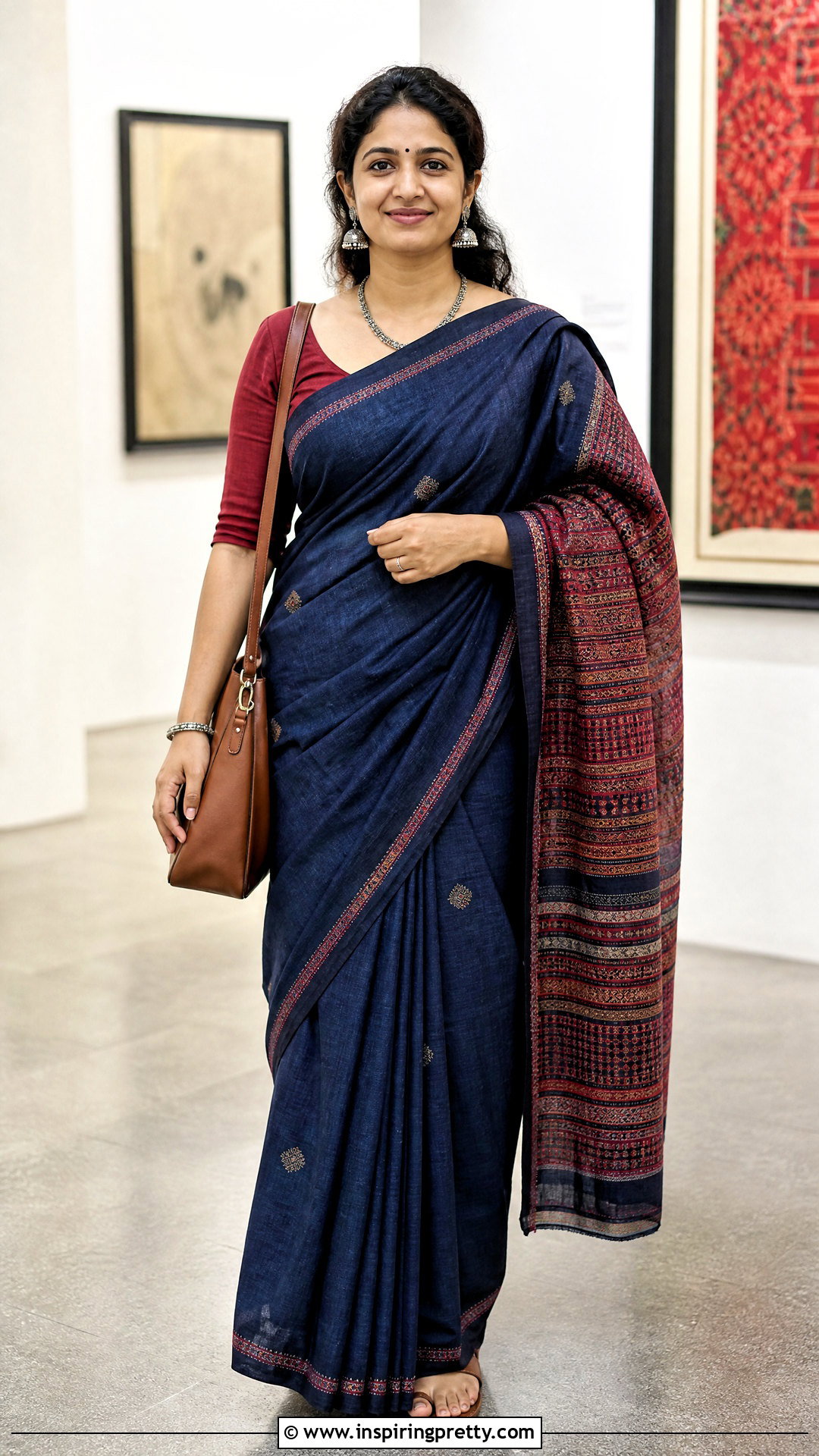
An elbow sleeve blouse paired with a handloom-inspired saree creates a dignified outfit for work, cultural events, and family gatherings. Choose a neatly tailored blouse in cotton, linen, or raw silk. Solid colors highlight the texture of the saree, while a small woven pattern can complement a simple drape. The longer sleeves add coverage and provide space for piping, contrast borders, or subtle embroidery. Complete the outfit with comfortable sandals, silver jewelry, and a leather handbag. Keep the saree pleats crisp and secure them discreetly for easier movement. A modest round or square neckline suits the structured sleeve length. This combination works across age groups because it feels traditional without appearing overly formal, and each piece can be restyled with other wardrobe staples.
33. Cape Blouse With Lehenga Skirt
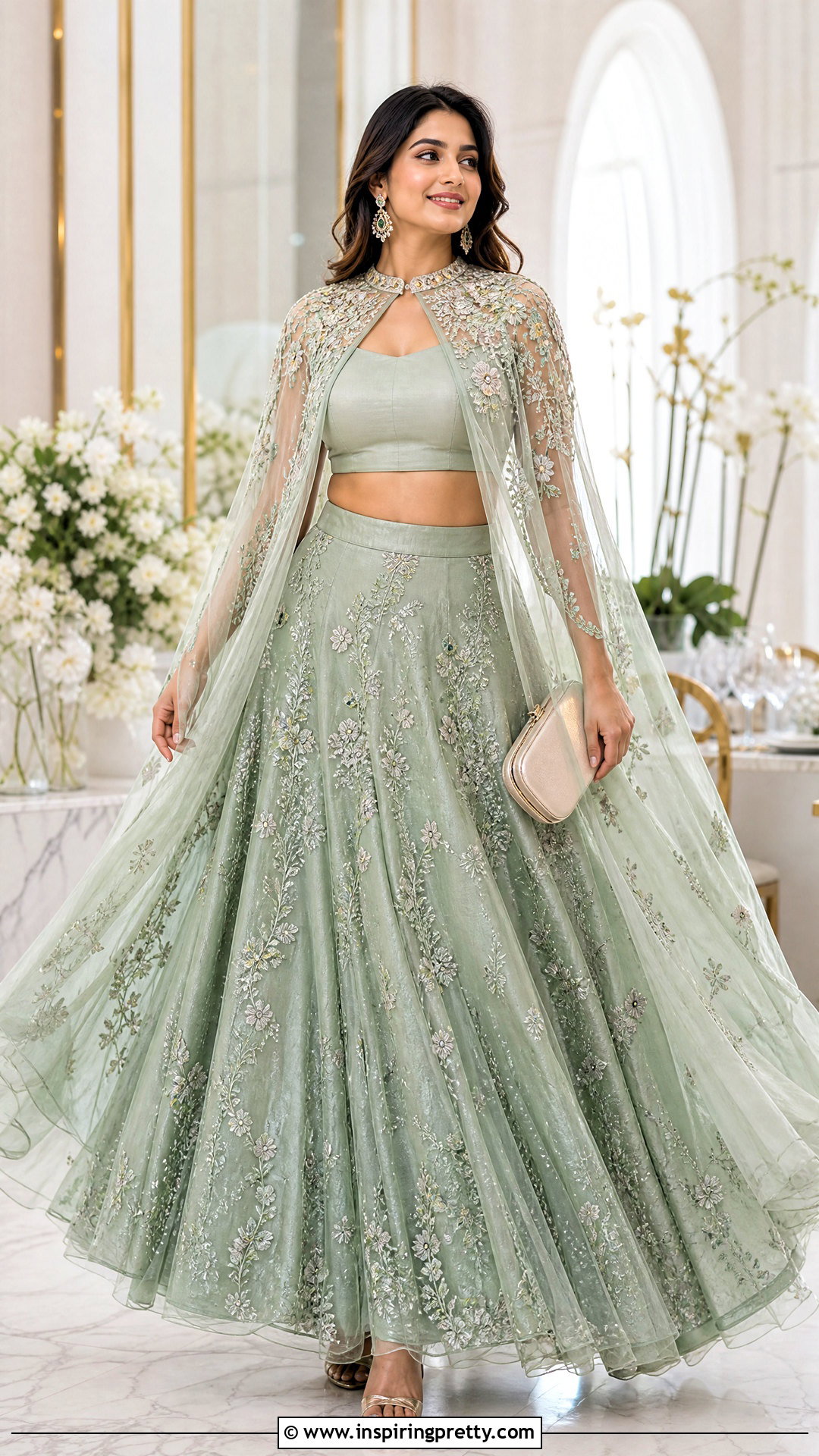
A cape blouse and lehenga skirt create a graceful outfit with built-in coverage and dramatic movement. Choose a fitted inner blouse attached to a sheer or lightly embroidered cape that falls over the shoulders. Pair it with a high-waisted lehenga in a matching or closely related color. Because the cape replaces the visual function of a dupatta, additional draping is usually unnecessary. Complete the look with heeled sandals, drop earrings, and a small clutch. Keep bracelets minimal so they do not catch on the flowing fabric. A hip-length cape elongates the torso, while a shorter design emphasizes the waist. This outfit is practical for celebrations because the shoulder layer stays in place more easily than a loose scarf while still creating a formal traditional finish.
34. Longline Choli With Panelled Lehenga
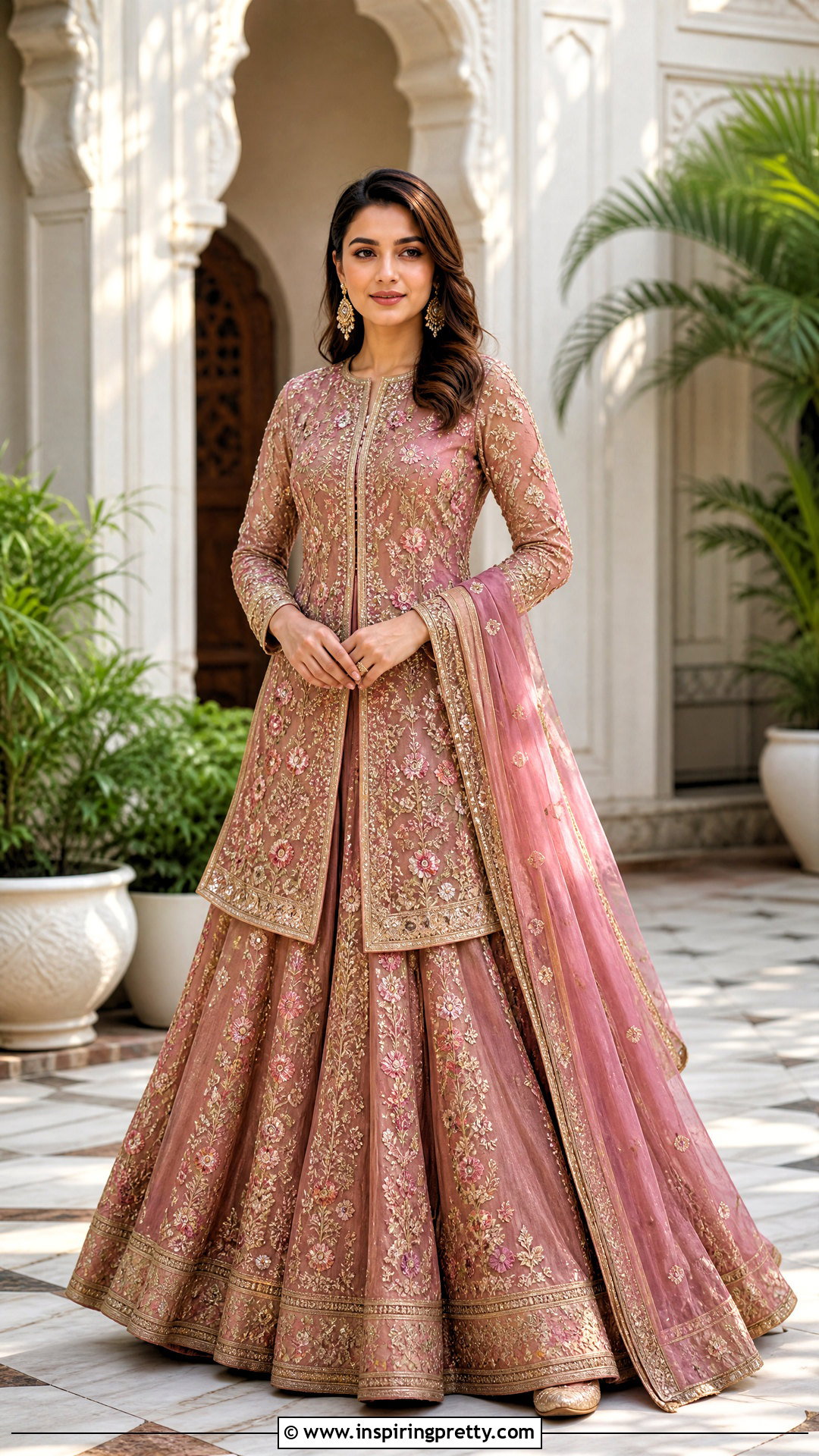
A longline choli paired with a paneled lehenga offers extra coverage while preserving the elegance of a two-piece traditional outfit. Select a top that ends near the upper hip and follows the body without feeling tight. Side slits, a shaped hem, or a gently flared waist help it sit smoothly over the skirt. Pair an embroidered longline choli with a simple lehenga, or reverse the balance with a plain top and patterned bottom. Add a lightweight dupatta, juttis, and medium-size earrings. This outfit can be particularly comfortable for women who do not want a cropped blouse. Keep the skirt waistband flat beneath the longer top. Coordinated colors create an uninterrupted vertical line and prevent the extra length from visually shortening the body.
35. Kanchali With Rajasthani Ghagra
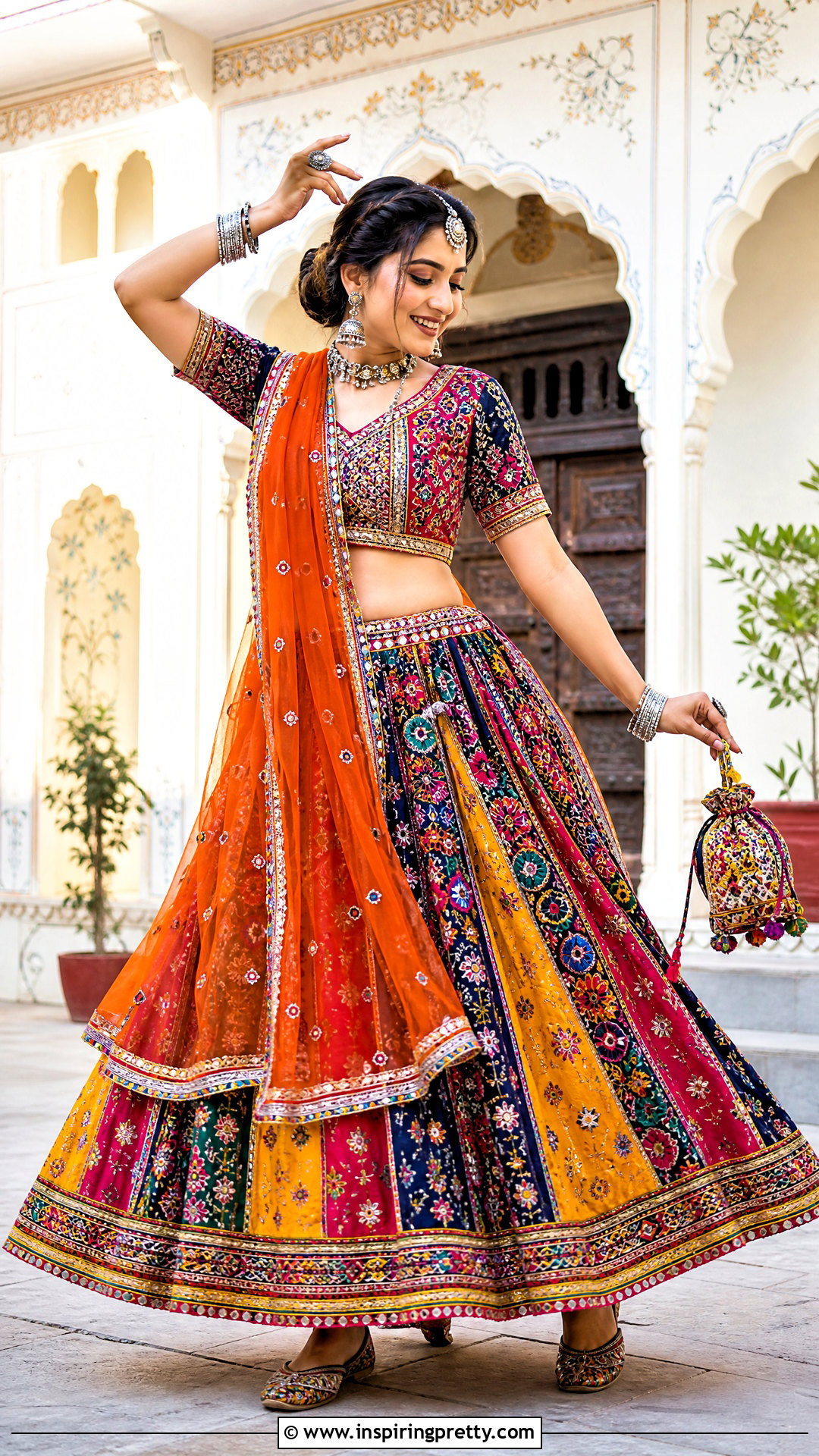
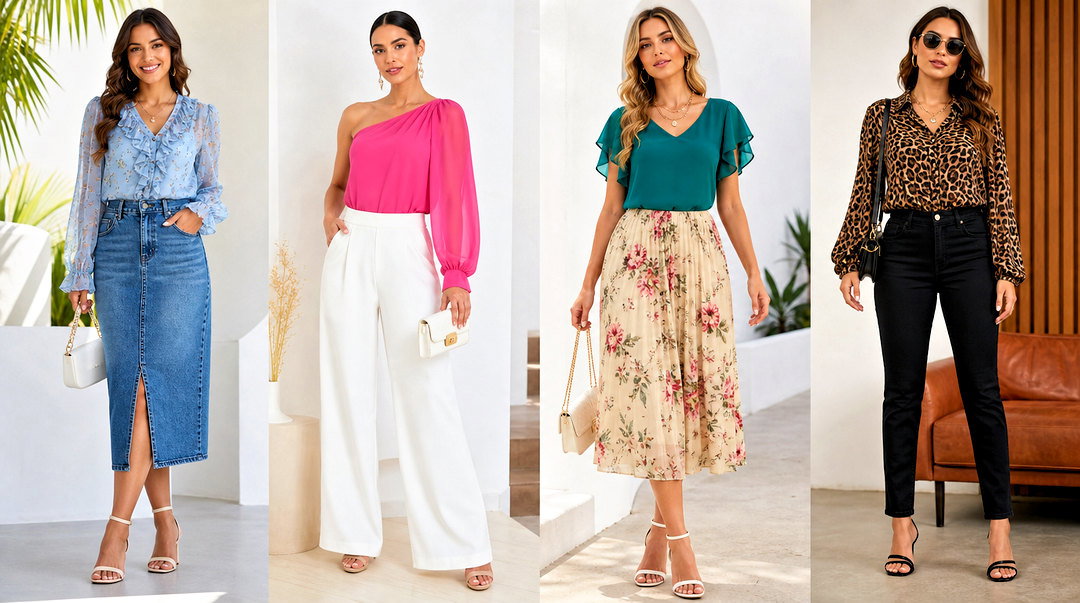
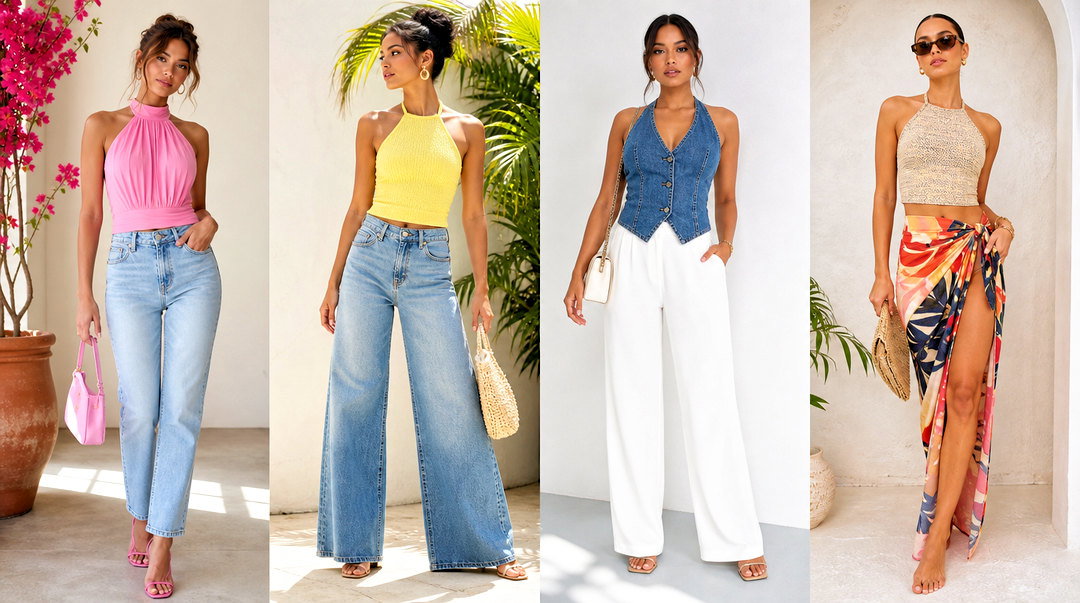
A fitted Kanchali and Rajasthani-inspired ghagra create a vibrant outfit built around strong color, traditional detail, and generous movement. Choose a securely tailored top with sleeves or shoulder coverage that feels appropriate for the occasion. Pair it with a full printed ghagra featuring borders, small motifs, or coordinated color panels. A lightweight odhani completes the outfit and can be draped across the shoulders or over one arm. Add embroidered juttis, silver-toned jewelry, and a compact potli bag. Since the skirt already carries substantial volume, keep the top close to the body and avoid bulky layering. Mirror details, piping, and contrast trims can connect the pieces. This festive combination works beautifully for folk performances, cultural programs, and family celebrations.
36. Rajasthani Kurti With Printed Ghagra
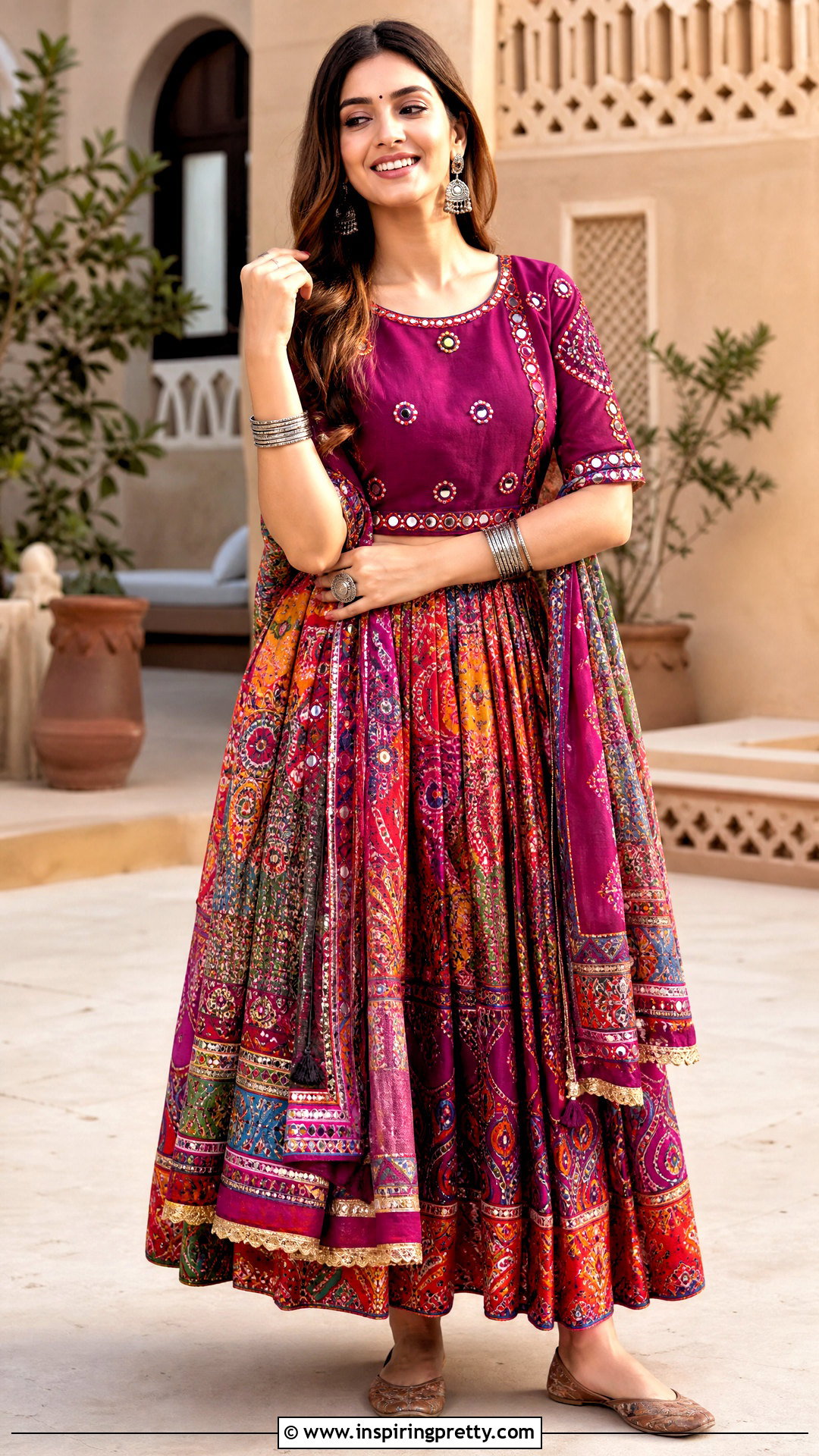
A Rajasthani kurti and printed ghagra make a colorful traditional outfit with more coverage than a cropped choli. Choose a short, fitted kurti featuring embroidery, mirror accents, or contrast piping. Pair it with a long gathered skirt in Bandhani-inspired, floral, or geometric motifs. The kurti should end near the hip so the skirt’s decorative waistband and volume remain balanced. Add a coordinating odhani, flat juttis, bangles, and silver earrings. If the skirt contains several colors, select a solid kurti that matches one prominent shade. This keeps the complete look cohesive rather than crowded. Comfortable cotton fabrics work well during the day, while silk blends and metallic borders can elevate the outfit for evening events and formal cultural celebrations.
37. Sindhi Embroidered Top With Wide Pants
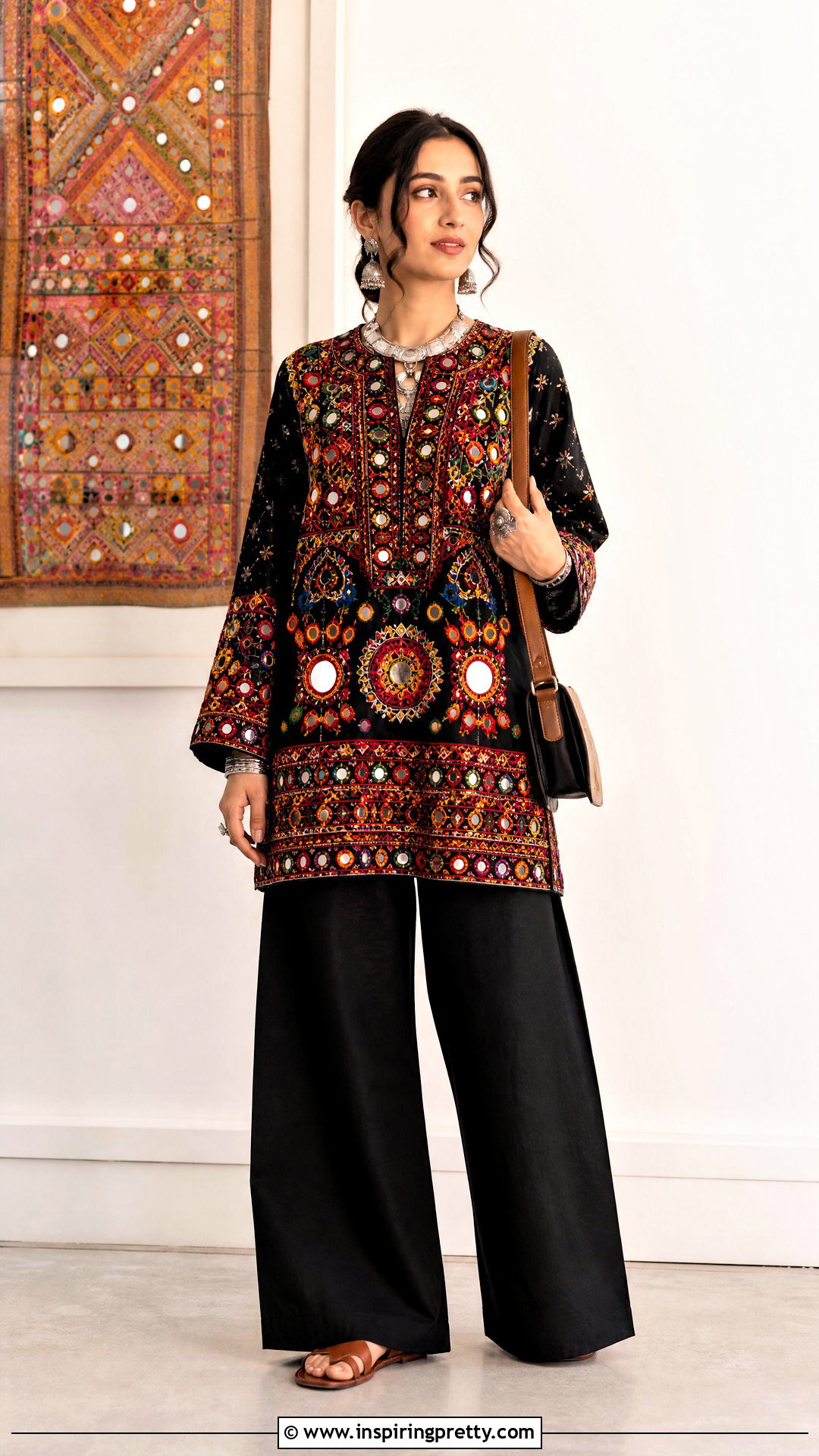
A Sindhi-inspired embroidered top paired with wide pants creates a striking outfit centered on colorful threadwork and mirror details. Choose a hip-length top with embroidery arranged around the neckline, front panel, and cuffs. Solid black, white, or jewel-toned pants provide a clean foundation and allow the detailed surface work to stand out. Add leather sandals, silver jewelry, and a simple shoulder bag. Avoid heavily embellished footwear because it can compete with the top. A square or split neckline gives the embroidery a strong frame, while three-quarter sleeves maintain practical coverage. This complete outfit can work for cultural events, gallery visits, and festive daytime gatherings. Check that decorative mirrors and threads are smoothly backed so the garment remains comfortable against the skin.
38. Kashmiri Pheran With Straight Pants
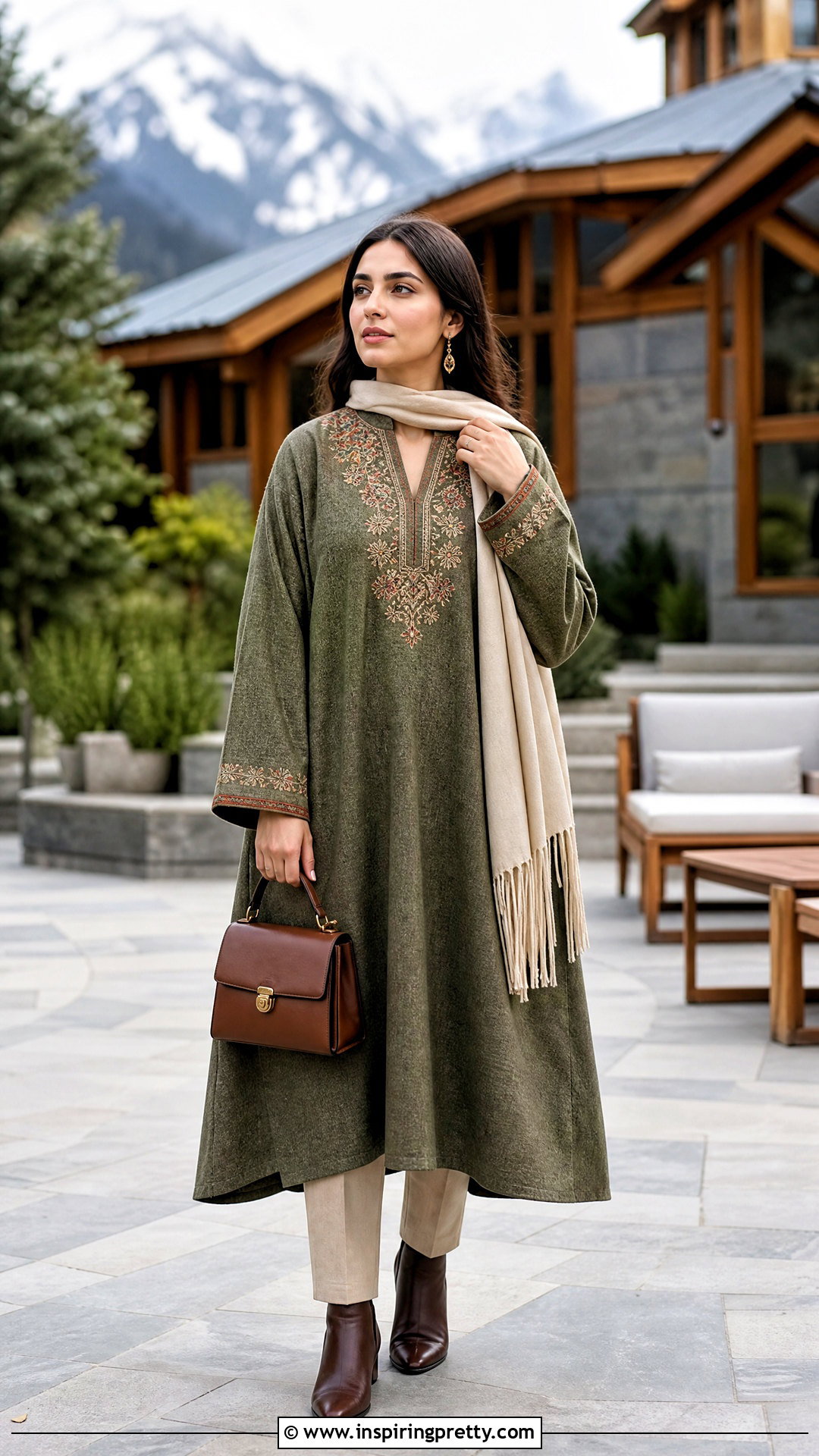
A Kashmiri-inspired pheran worn with straight pants creates a warm, elegant outfit for cooler weather. Select a knee-length or calf-length design featuring embroidery around the neckline, cuffs, and front opening. Wool blends provide warmth, while lighter cotton versions work during transitional seasons. Pair the loose top with narrow straight pants to balance its volume. Ankle boots or closed flats, delicate earrings, and a structured handbag complete the ensemble. A plain scarf can add warmth without covering the embroidery. Choose a pheran with a well-positioned shoulder seam so the relaxed shape still looks intentional. This outfit is comfortable for winter gatherings, travel, and daytime events. Keep the lower layers smooth to prevent unnecessary bulk beneath the roomy traditional top.
39. Mekhela Chador Blouse Outfit
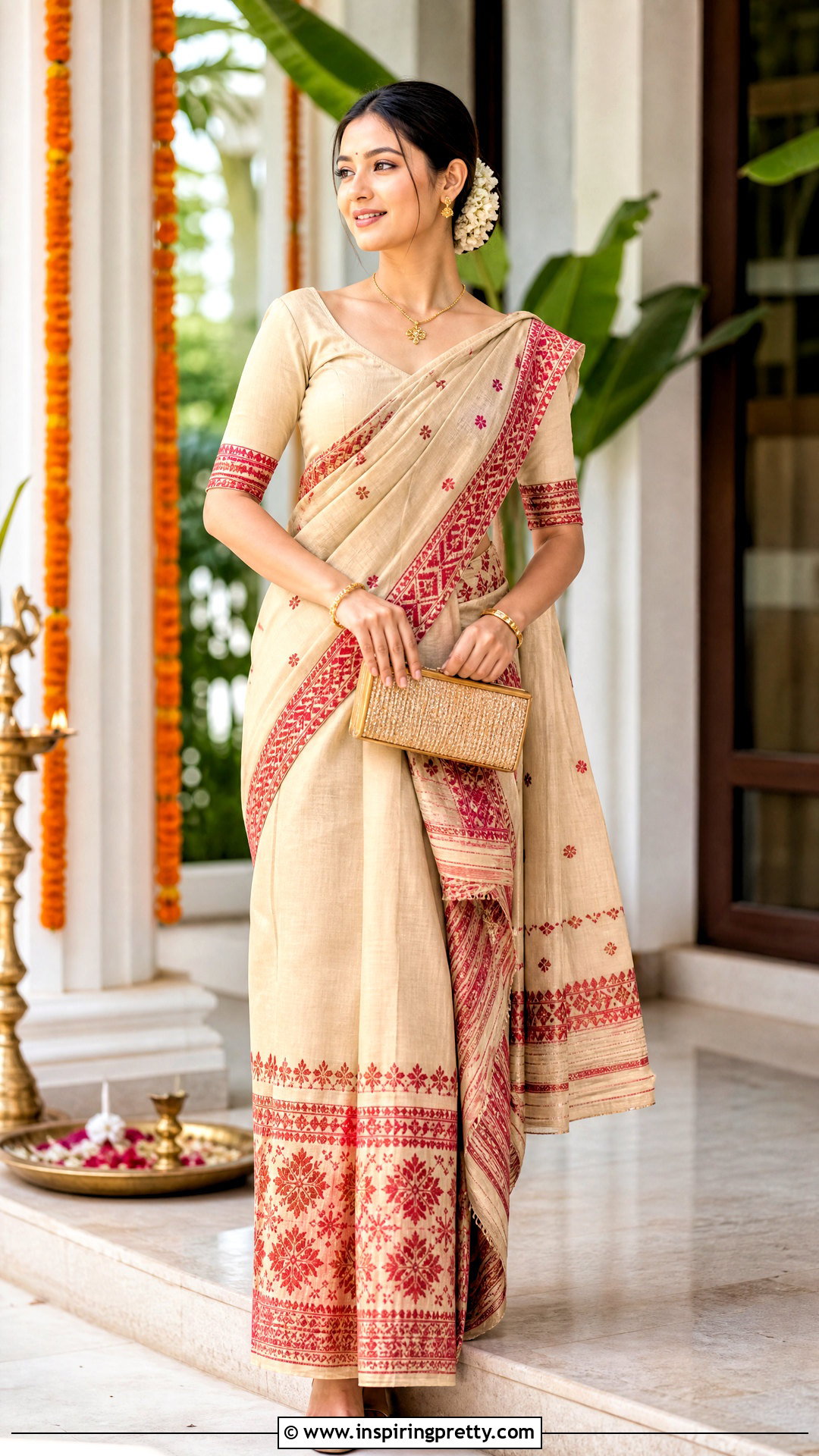
A fitted blouse worn with a Mekhela Chador creates an elegant Assamese-inspired ensemble with graceful woven detail. Choose a blouse that coordinates with the textile’s border rather than matching every color exactly. Short, elbow-length, or three-quarter sleeves can work, depending on the occasion and desired coverage. Keep the neckline relatively simple so the draped chador remains the focal point. Complete the outfit with comfortable sandals, a structured clutch, and understated gold jewelry. Secure the lower wrap and upper drape carefully to maintain clean lines while walking. Traditional woven motifs already provide rich visual interest, so avoid mixing unrelated prints. A properly tailored blouse is essential because its shoulder and sleeve fit helps support the refined shape of the entire head-to-toe outfit.
40. Bengali Blouse With White Saree
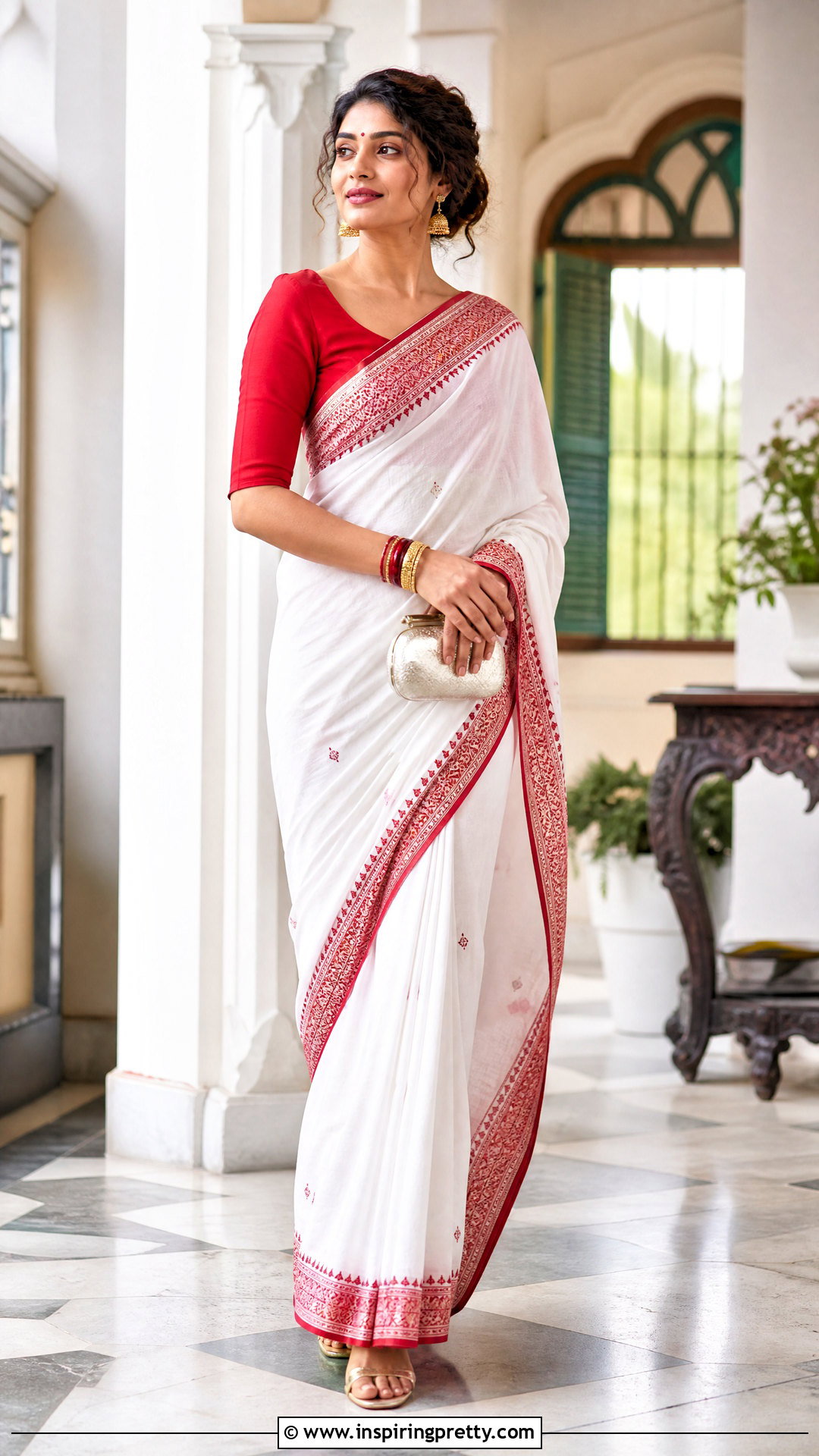
A red Bengali-inspired blouse paired with a white saree creates a crisp, recognizable color combination for cultural and family occasions. Choose a cotton, silk, or brocade blouse with elbow-length or gently puffed sleeves. A white saree with a red woven border keeps the palette focused and allows the blouse to stand out. Add red or gold bangles, traditional earrings, a small clutch, and comfortable low heels. Keep the blouse neckline simple if the sleeves feature extra volume or decorative trim. Secure pleats neatly to preserve the strong contrast between the red border and white body. This outfit can be adjusted for different seasons by changing fabric weight. A breathable cotton version feels relaxed, while silk and brocade create a more formal finish.
41. Khun Blouse With Nauvari Saree
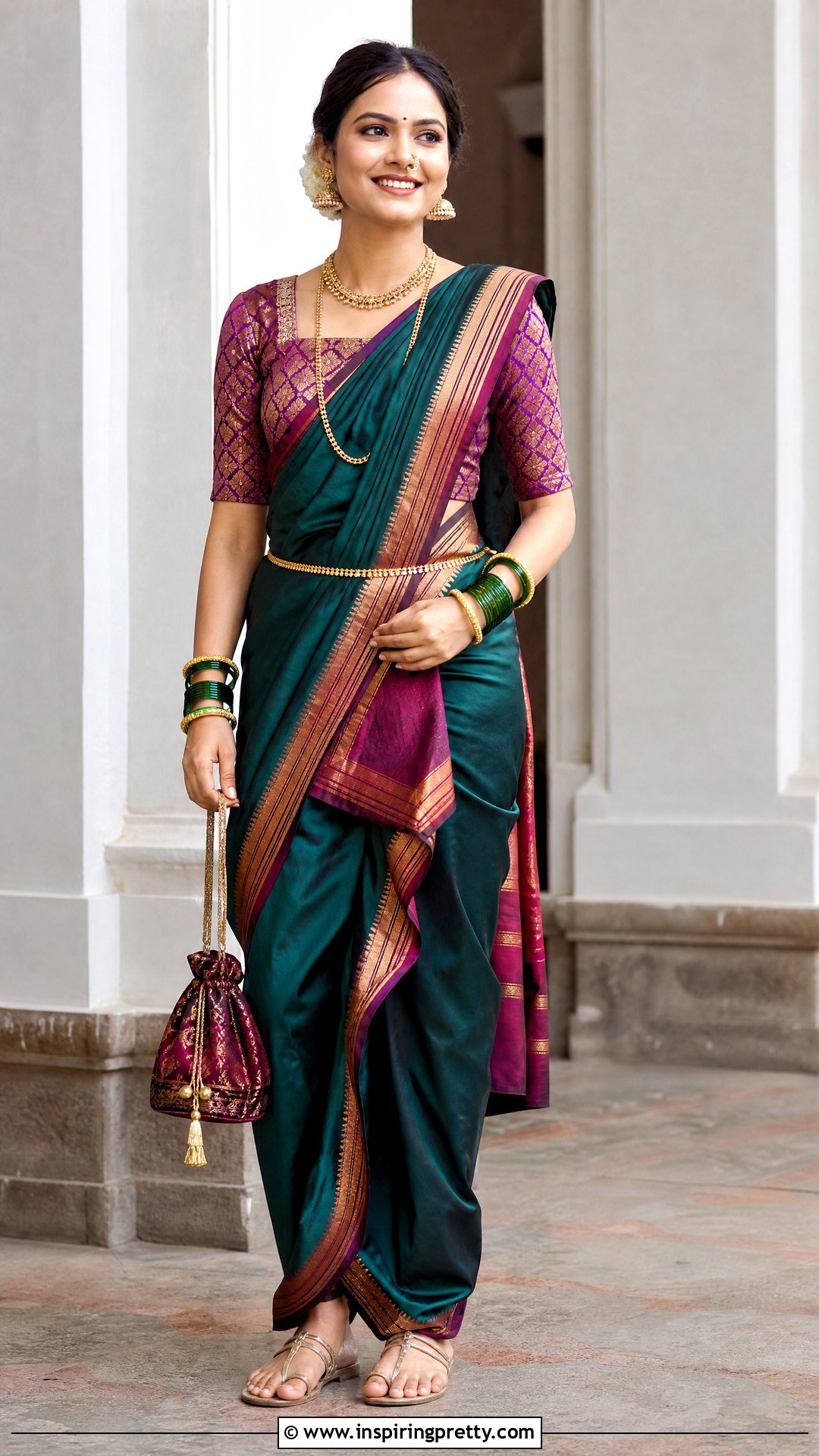
A Khun or traditional woven blouse worn with a Nauvari-inspired saree creates a structured outfit rich in texture and regional character. Choose a fitted blouse in a contrasting jewel tone, allowing the woven pattern to remain visible across the sleeves and bodice. Pair it with a securely draped saree that offers comfortable movement through the legs. Add traditional earrings, green or gold bangles, a small nose pin if desired, and flat sandals. Because the drape has a strong silhouette, keep the bag compact and accessories coordinated. Elbow-length sleeves offer a balanced frame for the textile. Professional draping or careful practice can help the saree remain secure. This complete outfit suits cultural programs, formal celebrations, and traditional family gatherings.
42. Abhla Choli With Chaniya Skirt
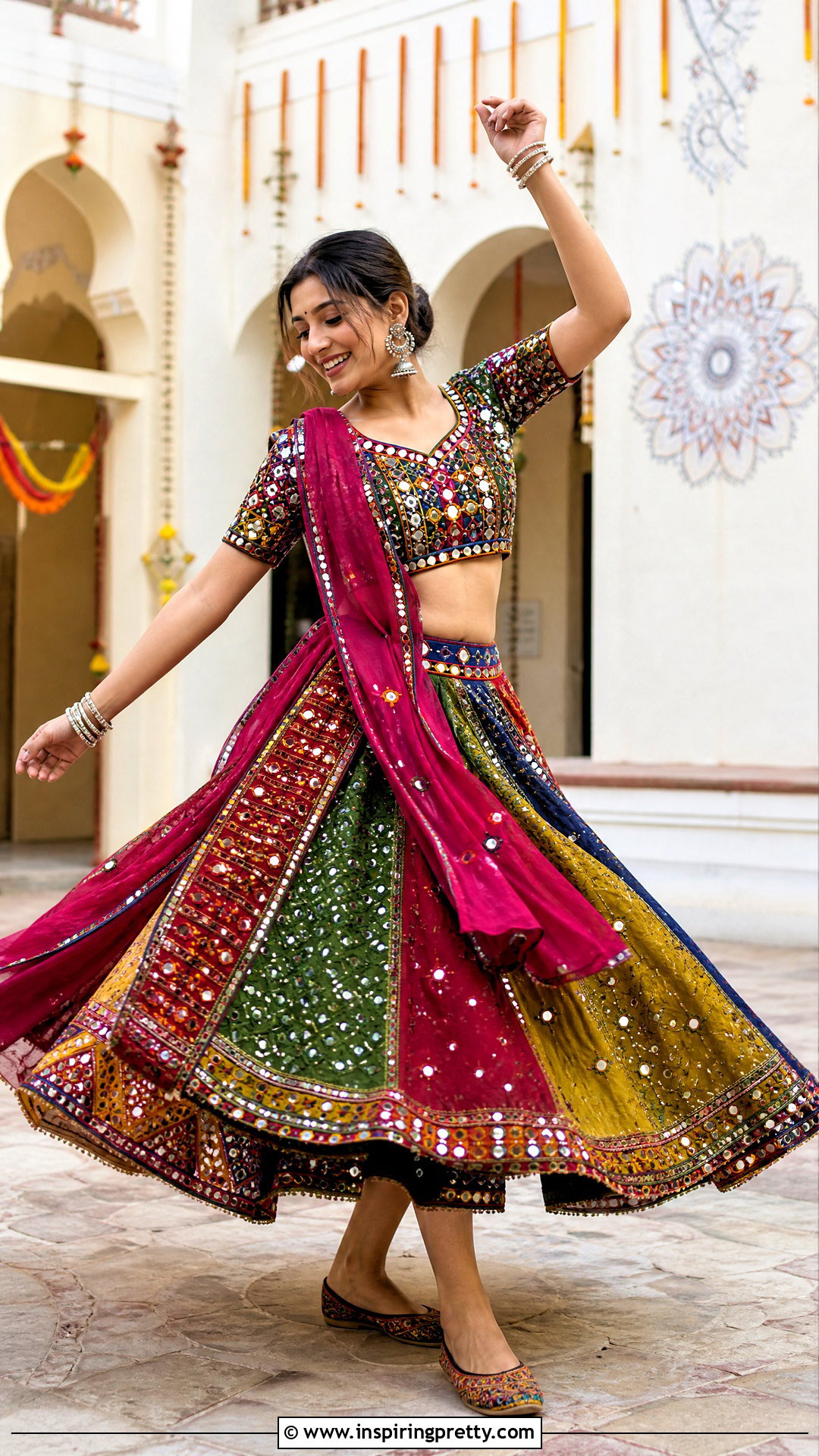
An Abhla choli and Chaniya skirt create a bright Gujarati-inspired outfit with mirrors, embroidery, and energetic movement. Choose a fitted choli with securely attached mirror accents and colorful stitched motifs. Pair it with a coordinated flared skirt featuring borders or panel work. A contrasting dupatta adds another layer of color and can be pinned at the shoulder for easier movement. Complete the outfit with embroidered flats, bangles, and oxidized earrings. Since every garment may include decoration, maintain a shared color palette to keep the ensemble cohesive. Lightweight materials are helpful for dancing and long events. Check that the choli allows comfortable arm movement and that the skirt length works with your shoes. A simple hairstyle prevents the detailed outfit from feeling overly busy.
43. Silk Blouse With Kanjivaram Saree
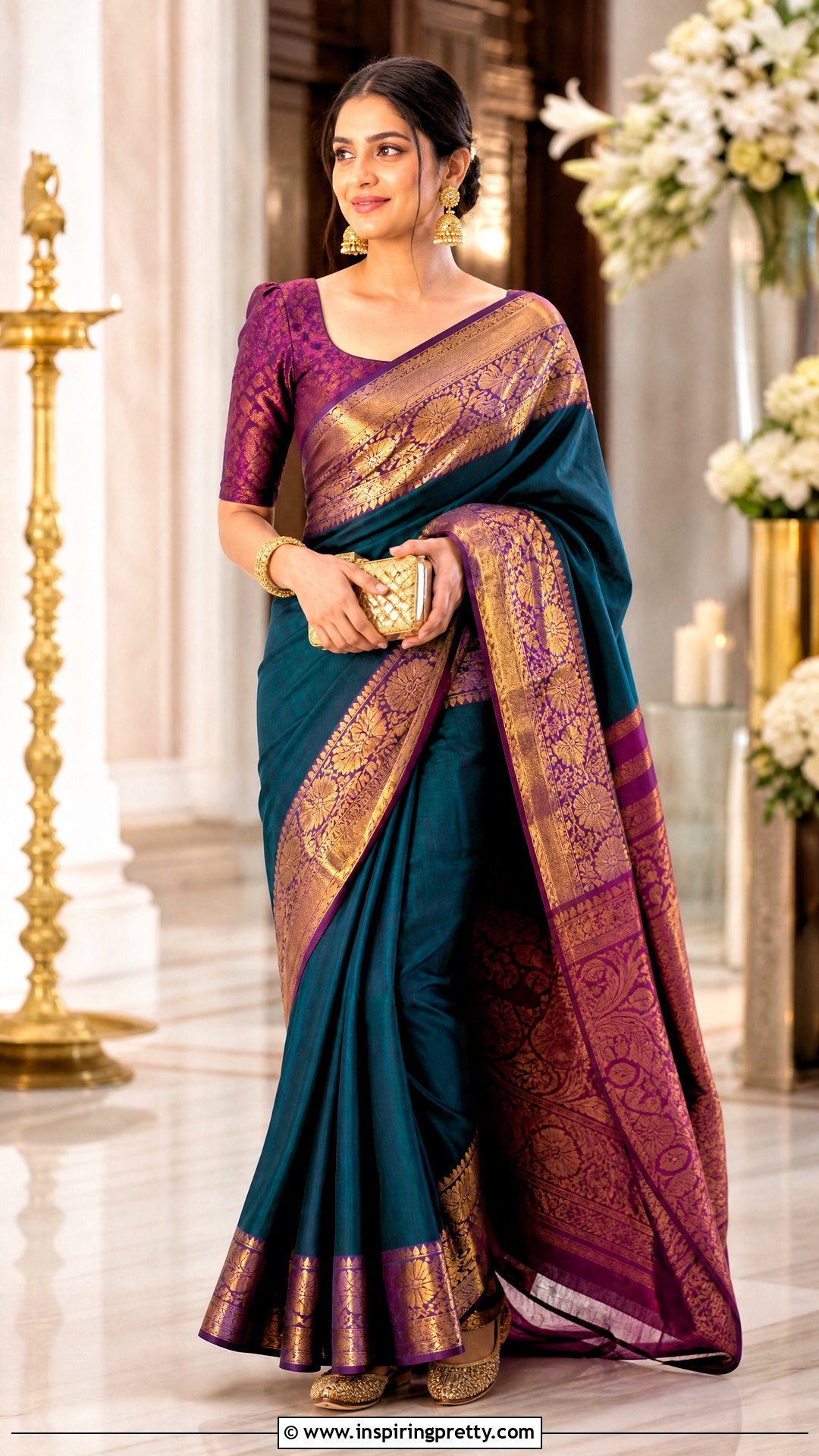
A silk blouse and Kanjivaram-inspired saree create a formal outfit defined by rich color, substantial texture, and carefully woven borders. Choose a well-fitted blouse in a shade taken from the saree border or select a contrasting jewel tone. Elbow-length sleeves, a round neckline, and subtle piping offer a timeless finish. Add gold-toned earrings, bangles, a structured clutch, and stable heels or embroidered flats. Keep the blouse decoration restrained when the saree contains elaborate motifs. Neat pleats help manage the heavier fabric and showcase the border clearly. This combination suits formal celebrations and important family occasions. Ensure the blouse has enough ease through the shoulders, because comfortable tailoring is essential when wearing a heavier saree for several hours.
44. Kasavu Blouse With Kerala Saree
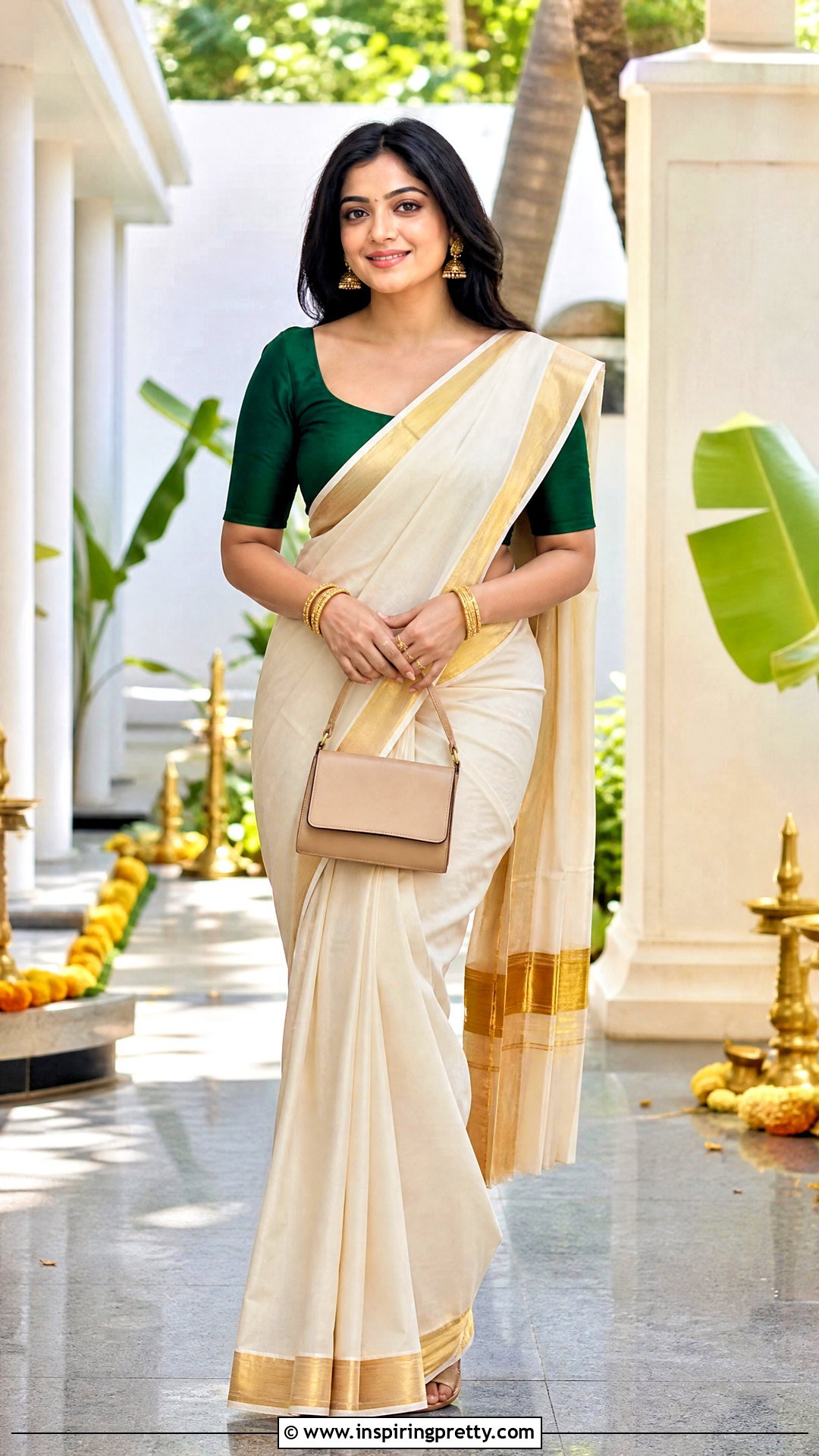
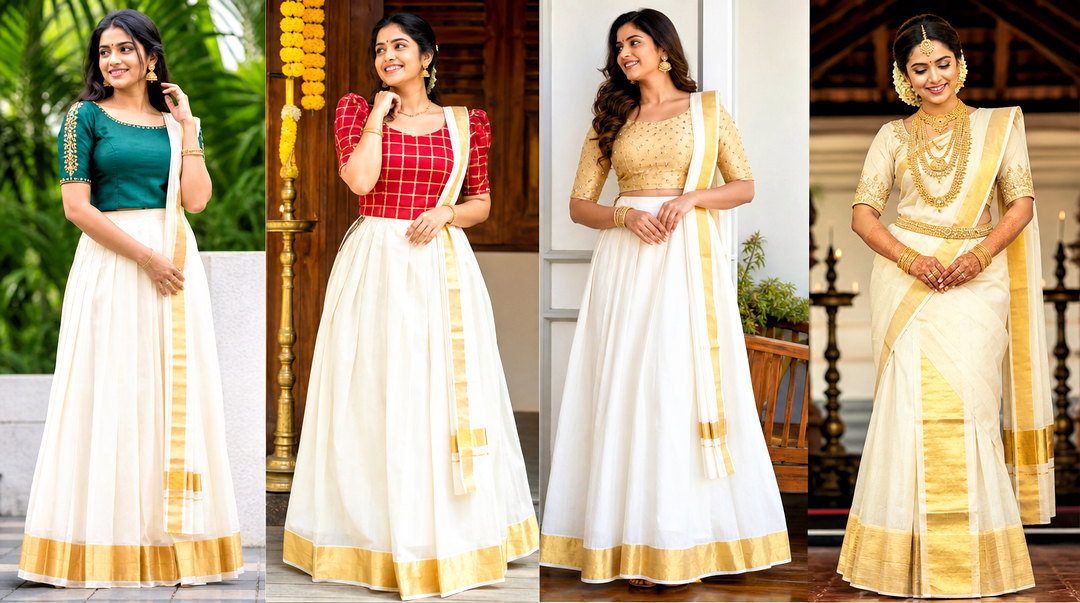
A fitted blouse paired with a cream-and-gold Kerala saree creates a fresh, elegant traditional outfit. Choose a blouse in cream for a tonal effect or select green, red, maroon, or black for defined contrast. Cotton and silk fabrics both work, depending on the formality of the occasion. Add simple gold-toned earrings, bangles, neutral sandals, and a compact handbag. The saree’s metallic border should remain the main decorative element, so avoid excessive embellishment on the blouse. Elbow-length sleeves provide a polished finish, while short sleeves feel lighter in warm weather. Arrange the drape neatly to highlight the clean cream fabric and gold edge. This restrained color palette creates a graceful head-to-toe look suitable for daytime ceremonies and cultural gatherings.
45. Manipuri Blouse With Phanek
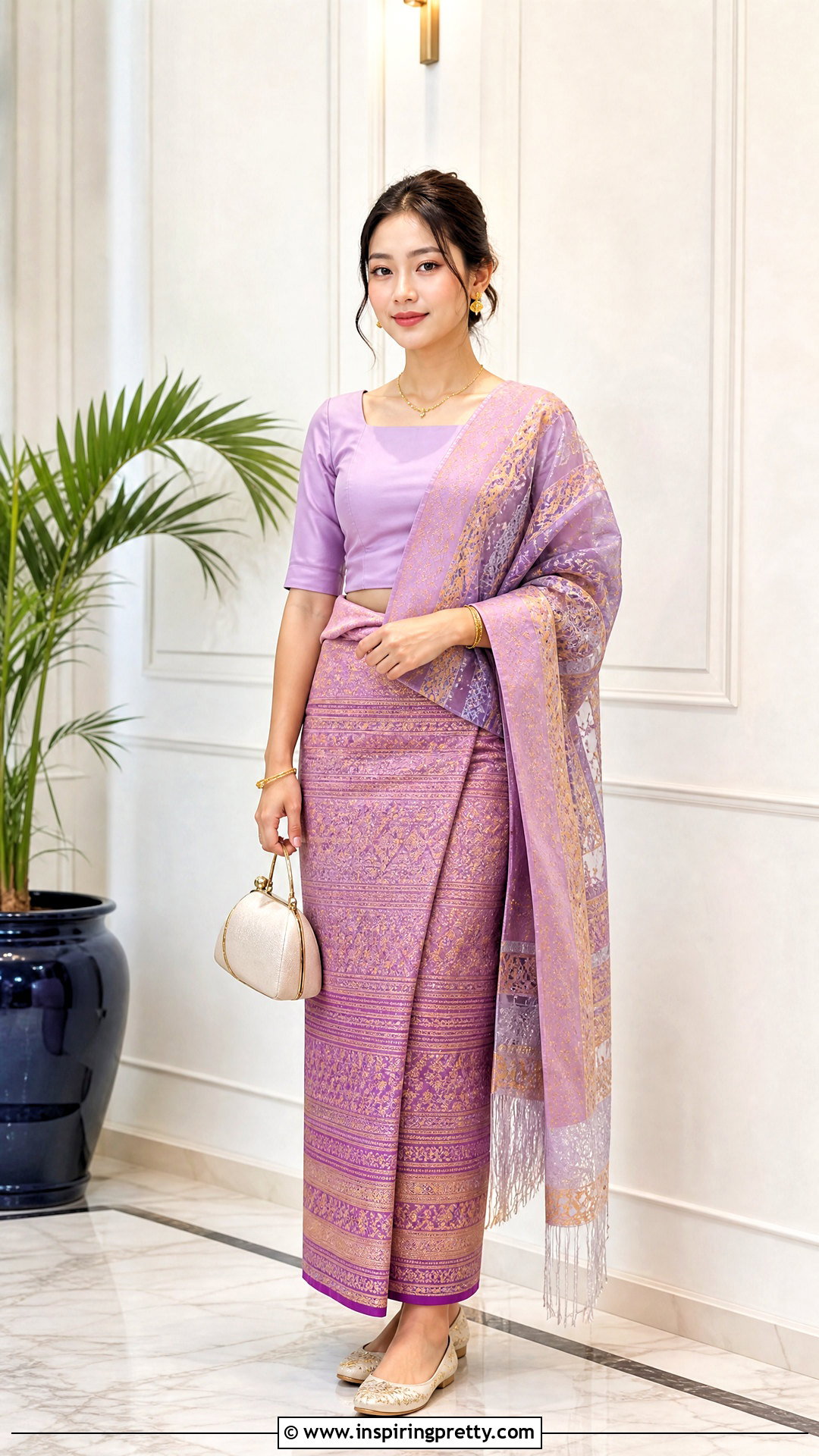
A fitted blouse worn with a Phanek-inspired wrap creates a graceful traditional ensemble centered on woven color and pattern. Choose a solid or subtly textured blouse that complements the wrap without duplicating every motif. Elbow-length sleeves and a modest neckline provide a clean frame for the upper drape. Add comfortable flats, delicate jewelry, and a simple handbag. If an additional shoulder cloth is included, arrange it carefully so the blouse remains visible and the complete outfit feels balanced. Avoid unrelated prints or oversized accessories that distract from the woven textile. Proper fit around the shoulders and armholes allows comfortable movement throughout the occasion. This thoughtfully coordinated outfit is appropriate for cultural events, formal gatherings, and occasions that honor regional textile traditions.
46. Chaubandi Cholo With Draped Skirt
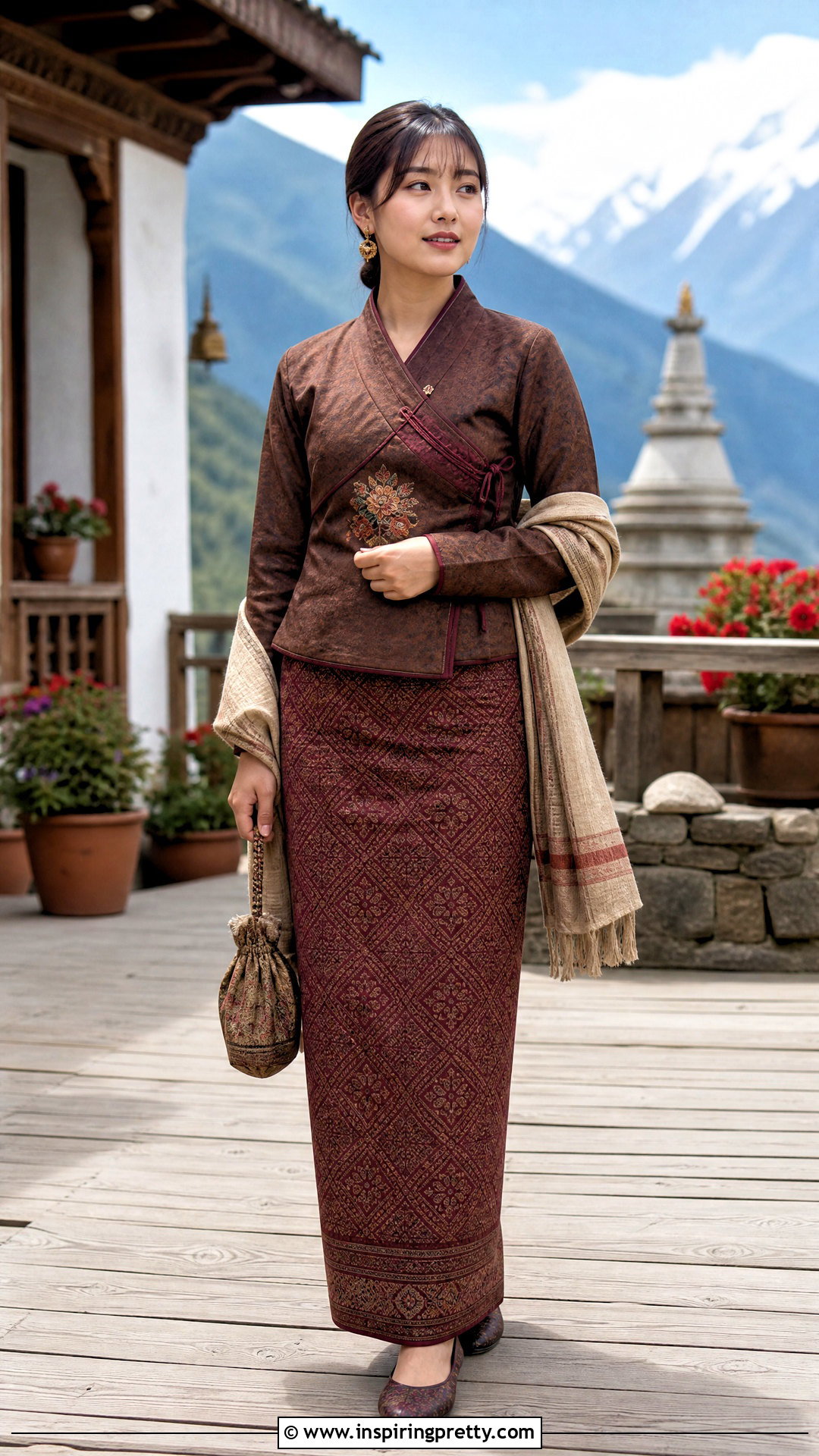
A Chaubandi Cholo paired with a long draped skirt creates a distinctive Nepali-inspired outfit with a secure wrapped bodice. Choose a top with neatly finished crossover panels and ties that sit comfortably around the torso. Pair it with a solid or woven skirt that allows the blouse construction to remain visible. A coordinating shawl can add warmth and formality without overwhelming the silhouette. Complete the look with flat shoes, small gold-toned earrings, and a compact fabric bag. Keep the waist smooth so the ties and skirt do not create unnecessary bulk in the same area. Rich red, green, navy, and black combinations produce a traditional appearance, while softer shades create a lighter interpretation. Careful tailoring ensures comfort and respectful presentation.
47. Short Kameez With Gharara Pants
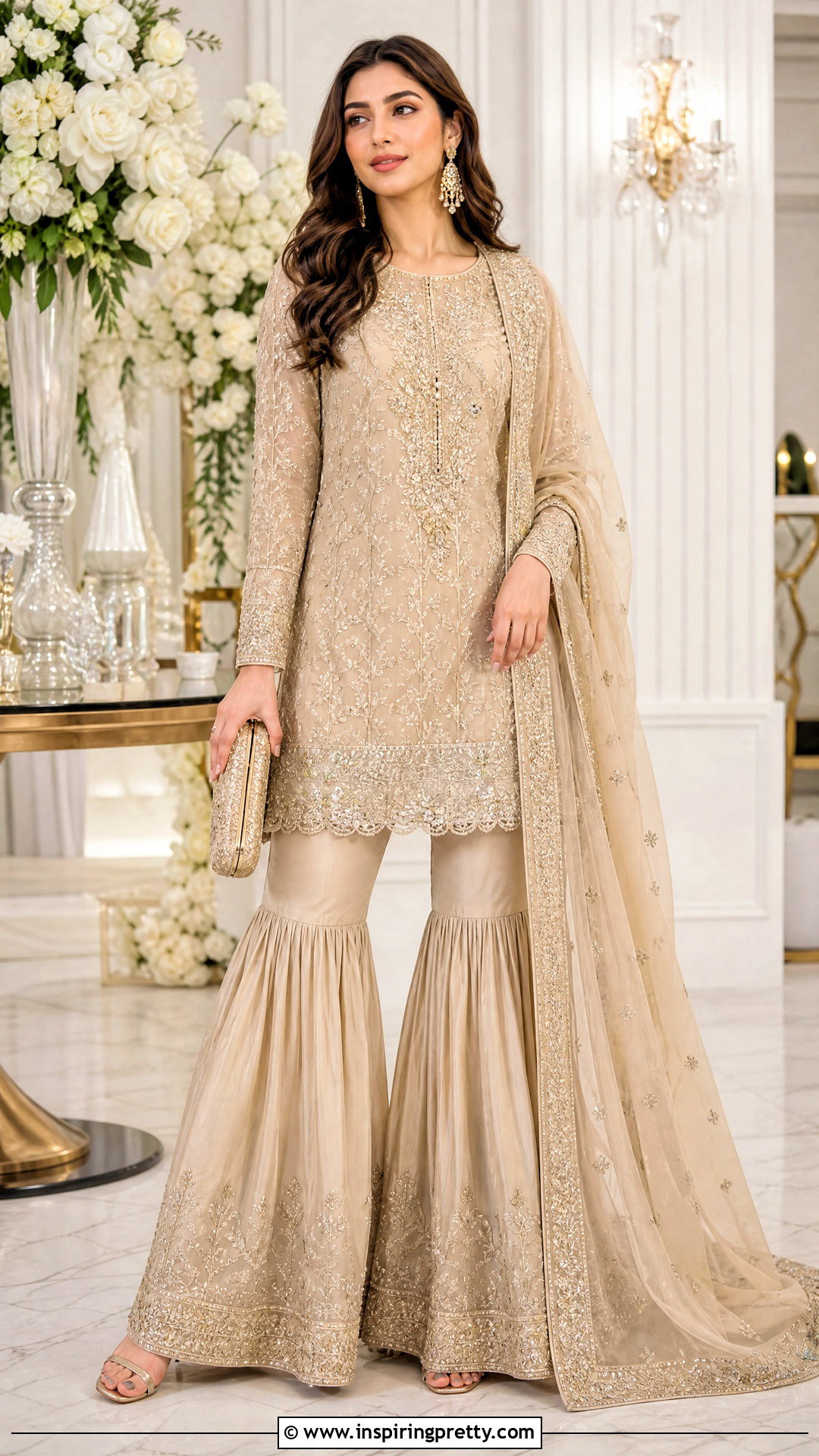
A short kameez and gharara pants form an elegant outfit with fitted lines above the knee and dramatic flare below it. Choose a mid-thigh kameez with embroidery focused around the neckline, cuffs, or hem. The pants should fit comfortably through the upper leg before widening at the traditional knee seam. Add a lightweight dupatta, heeled sandals, drop earrings, and a small clutch. A coordinated set creates a long visual line, while a contrasting dupatta introduces color without adding bulk. Make sure the gharara length allows the decorative flare to sit above the floor. This outfit works beautifully for formal family occasions and evening celebrations. Keep the kameez relatively straight so it does not compete with the volume and movement of the pants.
48. Long Kameez With Straight Pants
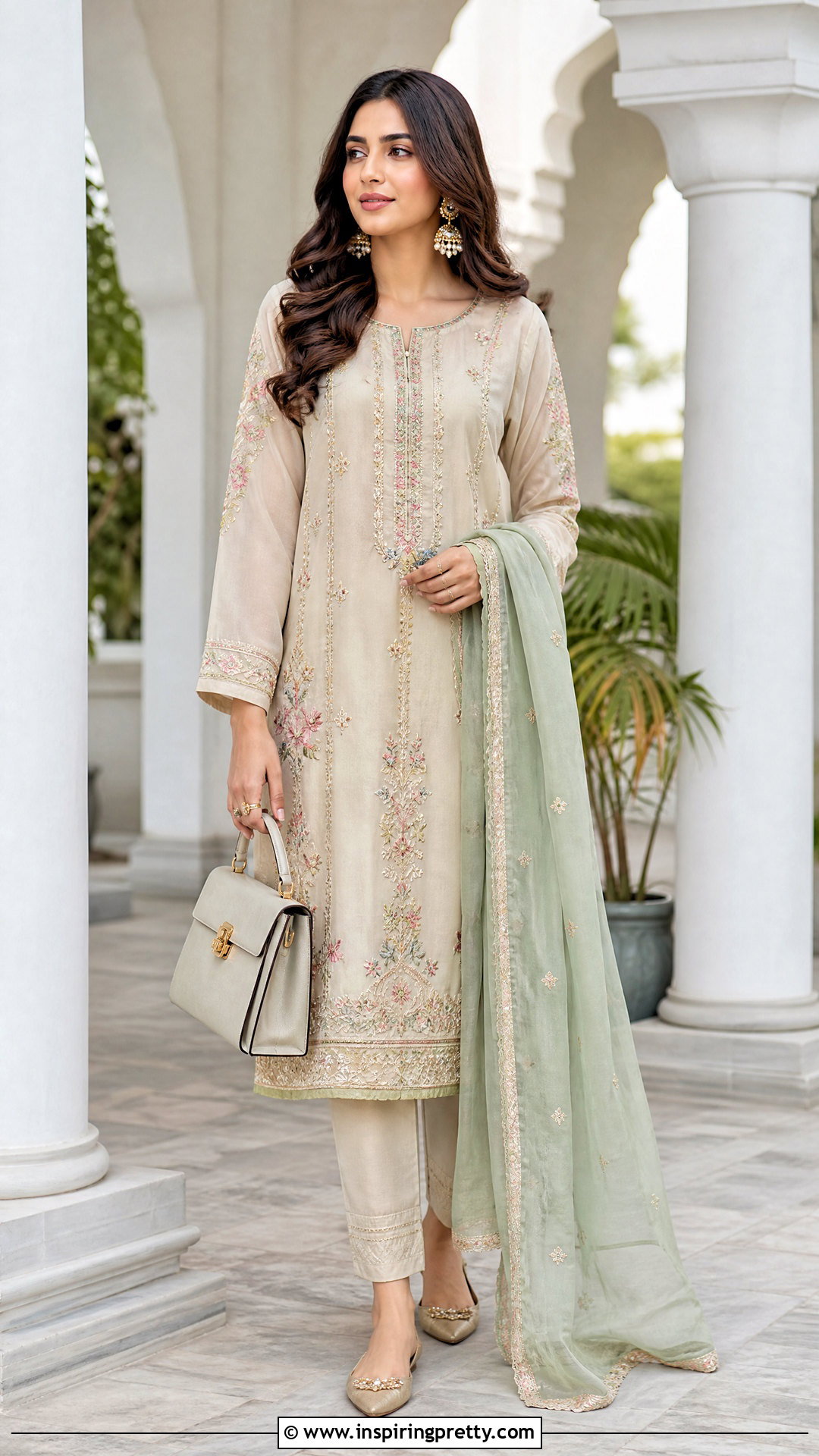
A long kameez paired with straight pants creates a graceful outfit with clean vertical proportions. Choose a calf-length top with side slits, a shaped neckline, and embroidery placed along the front panel or borders. Straight pants maintain structure beneath the longer garment and work especially well in a matching or closely related shade. Complete the look with pointed flats, a draped dupatta, earrings, and a structured handbag. Petite women can select a slightly shorter kameez with higher side slits, while taller women can comfortably wear ankle-grazing lengths. Lightweight georgette feels formal, whereas cotton and linen blends suit daytime wear. Avoid pants with excessive width because they may add bulk beneath the long top and reduce the outfit’s streamlined effect.
49. Lucknowi Kurti With Denim
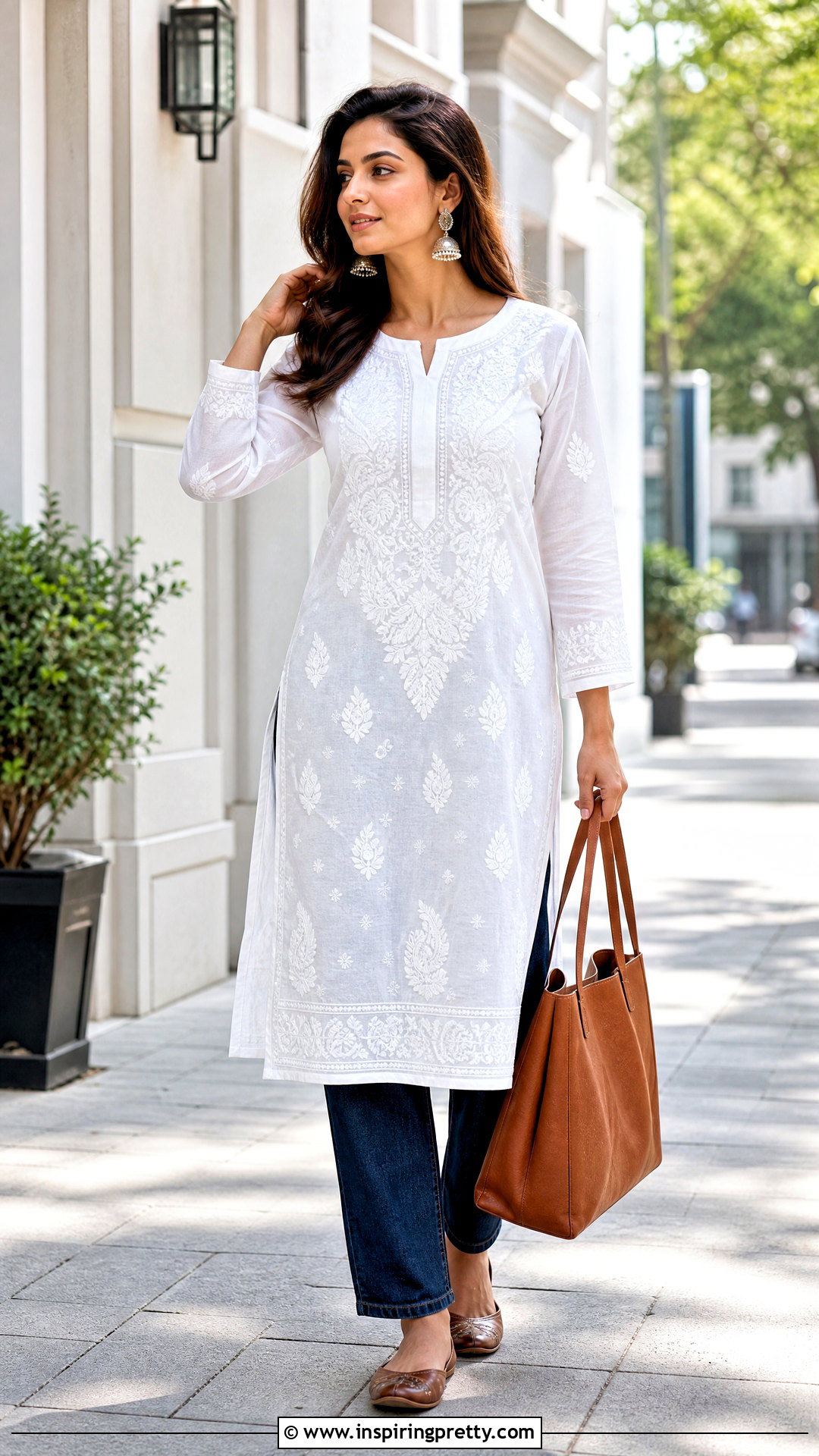
A Lucknowi embroidered kurti and denim create a relaxed fusion outfit for everyday wear. Choose a short or knee-length kurti in white, pastel, navy, or a soft earthy shade. Straight-leg jeans provide a balanced base and feel more polished than heavily distressed denim. Add leather flats, silver earrings, and a medium-size tote. If the embroidery is open or the fabric is sheer, wear a smooth camisole underneath in a matching color. Rolled sleeves and minimal jewelry keep the outfit casual, while dark jeans and pointed shoes can make it appropriate for informal offices. This combination allows delicate traditional embroidery to become part of a practical modern wardrobe. Keep the jeans simple so their seams and washes do not distract from the detailed kurti.
50. Sequin Kurti With Sharara Pants
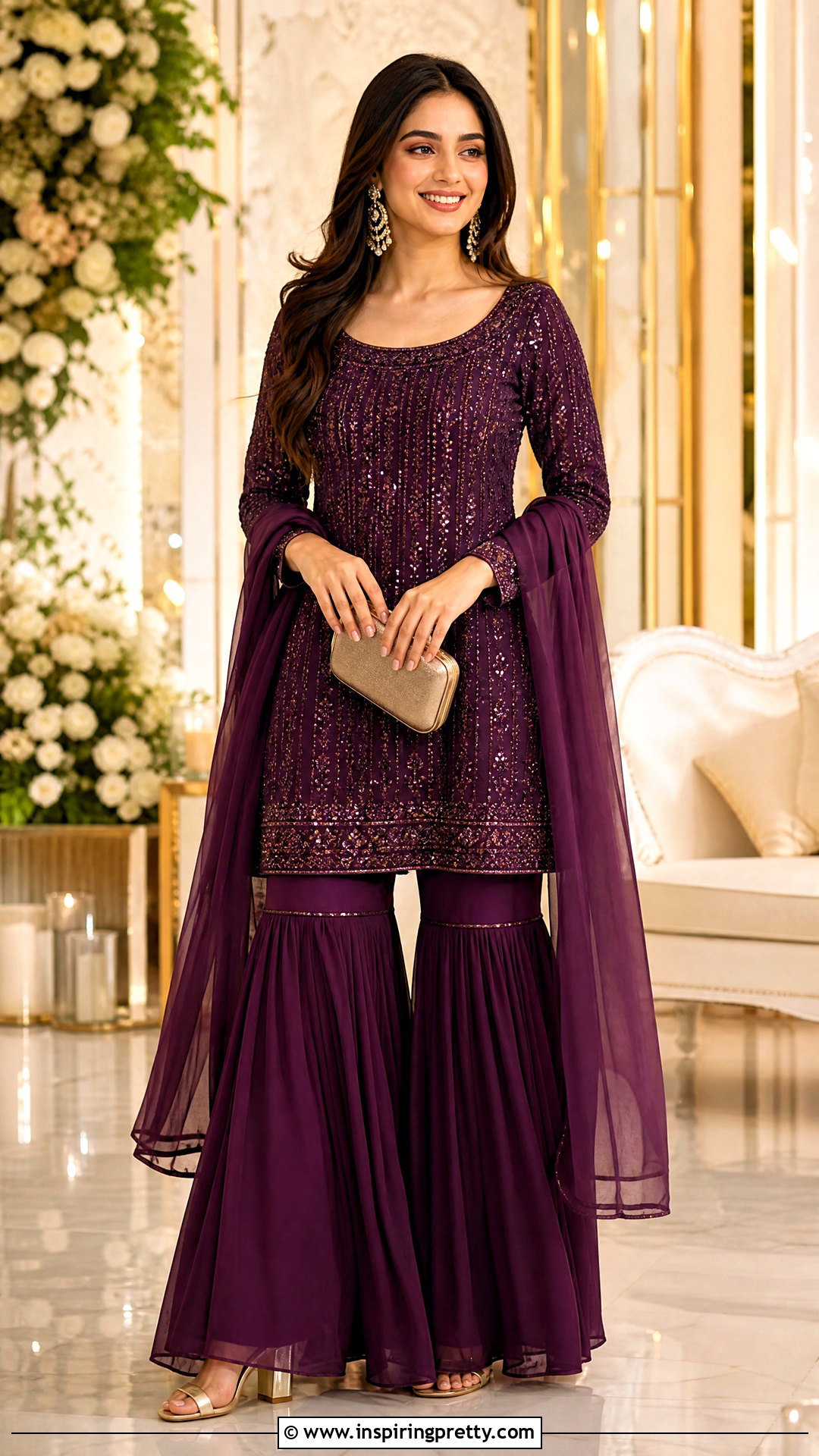
A sequin kurti and sharara pants create a festive outfit with sparkle, movement, and comfortable coverage. Choose a straight or slightly flared kurti with sequins concentrated around the neckline, cuffs, or front panel. Pair it with flowing sharara pants in the same shade for an elongated appearance. A plain chiffon dupatta balances the reflective surface and prevents the ensemble from looking excessively decorated. Finish with metallic block heels, small statement earrings, and a smooth clutch. Avoid highly embellished shoes and heavy layered necklaces. The kurti lining should feel soft and prevent sequins from scratching the skin. This coordinated outfit works well for evening celebrations and formal gatherings where you want visual impact without wearing a heavy lehenga or structured saree.
Conclusion:
These 50 complete outfits show how traditional tops can work across casual days, professional settings, cultural programs, and formal celebrations. The most versatile wardrobe includes breathable kurtis, beautifully fitted blouses, embroidered tunics, and a few festive cholis or kameez designs. Pairing each top with balanced bottoms, comfortable shoes, coordinated jewelry, and an appropriate bag creates a finished look rather than a collection of separate pieces. Prioritize secure tailoring, comfortable linings, and fabrics suited to the season. Regional garments should also be worn thoughtfully and with appreciation for their cultural context. Whether your taste is simple, colorful, modest, or contemporary, these **traditional tops for women** provide countless ways to dress with confidence and personal expression.
Related posts:


Leave a Reply