
A long skirt with the right top is the most flexible thing in a festive wardrobe, because you can rework one skirt for three different functions just by changing the blouse. I dress women for mehndis, sangeets, receptions and pujas, and the outfits that work always follow one rule: a fitted top over a full skirt, or a detailed blouse over a quieter skirt. Below you'll find fifty pairings, from block-printed cotton for a daytime lunch to Banarasi, Kasavu and zari work for weddings, with the jewelry, footwear and dupatta that finish each one.
Under the Skirt: Cancan, Lining and Hem
Most traditional skirts look limp in real life because of what's missing underneath, not because of the fabric. I check three things before any function.
Flare comes from the underskirt
A full lehenga or ghagra needs a cancan, a stiff net layer, sewn in or worn separately. Without it, the flare you saw on the hanger collapses once you sit. Lighter cotton and Chanderi skirts don't need net, but they do need a proper lining so they don't cling or turn sheer.
Hem with your shoes on
Decide between juttis and heels before the tailor marks the hem. A skirt hemmed for heels drags and gets stepped on in flats. I like the hem about half an inch off the floor in the shoes you'll actually wear.
A waistband that holds weight
Embroidered and mirror skirts are heavy, and a thin drawstring digs in by the end of the evening. A wide, faced waistband with a hook and zip spreads the weight and keeps the skirt from slipping down.
1. Silk Skirt With Embroidered Crop Top
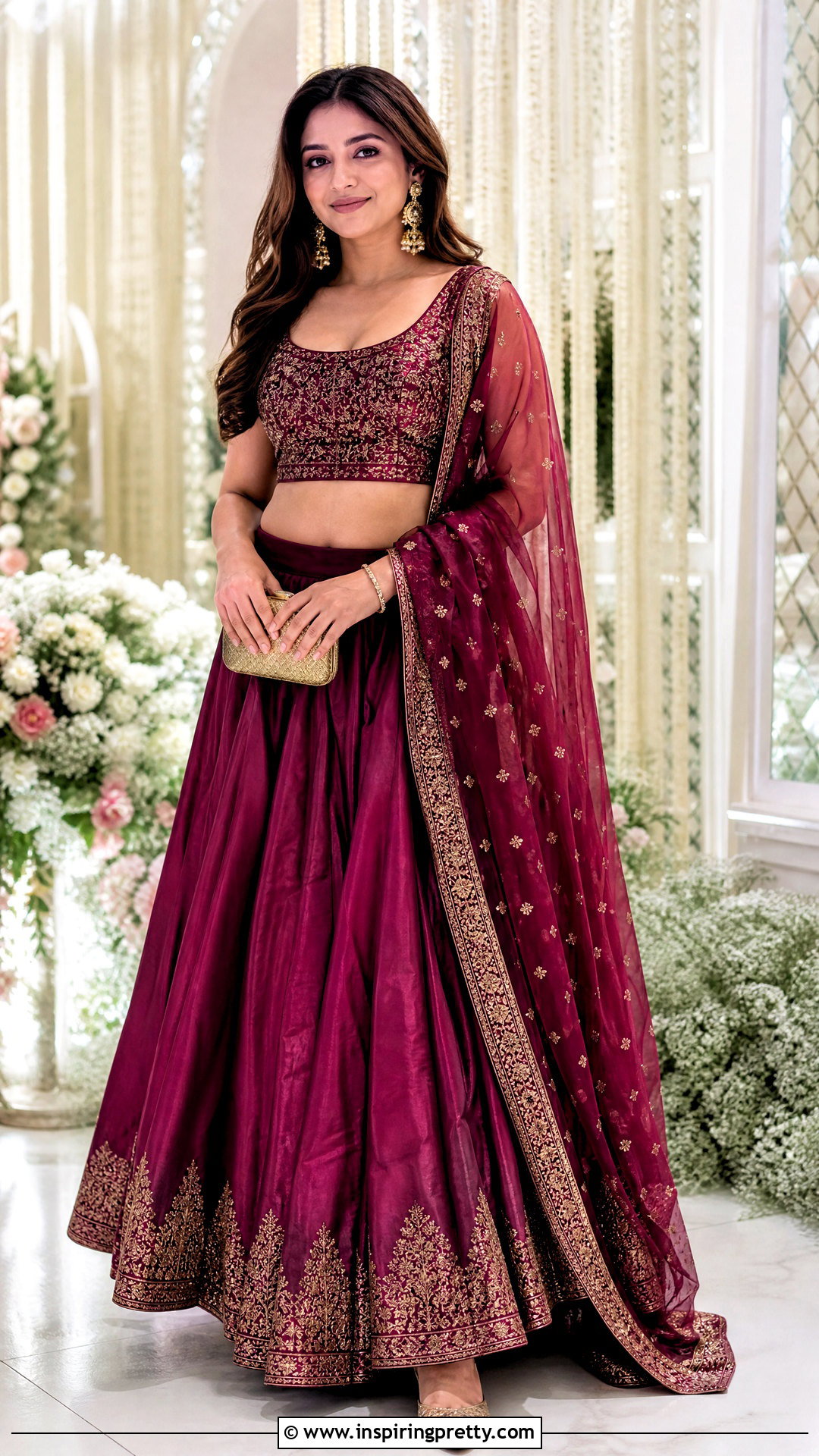
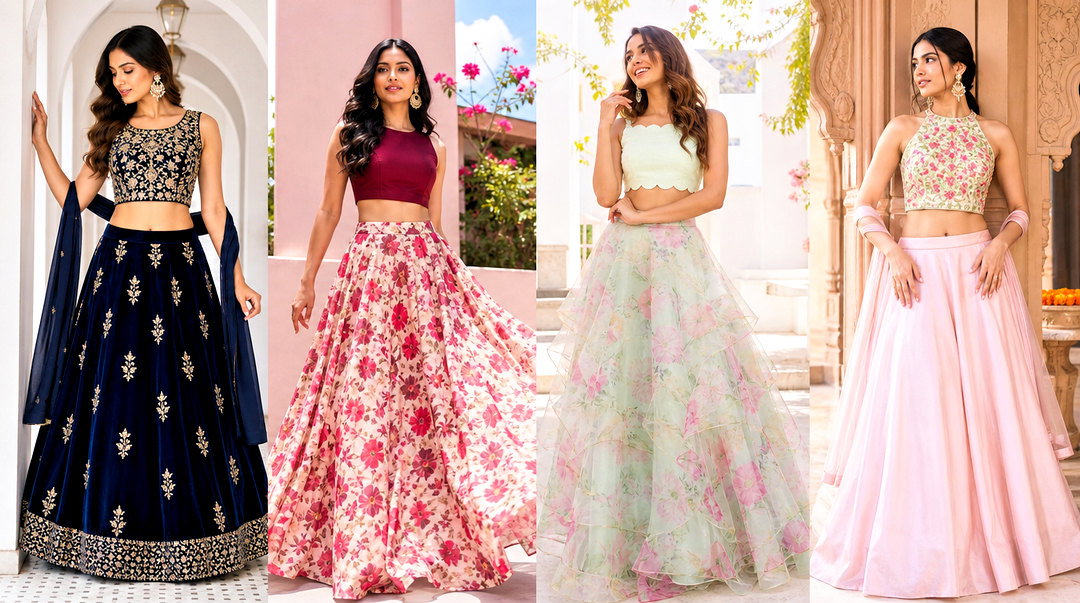
For a wedding or engagement, I start with an ankle-length silk skirt with controlled pleats, so it falls straight instead of puffing at the hips. The crop top carries the decoration: zari, threadwork or fine beading on a fitted blouse. Either match the colors or put a softer metallic top against a jewel-toned skirt. A light dupatta over one shoulder gives coverage for the ceremony. Gold earrings, stacked bangles and an embellished clutch suit the fabric. Wear block heels or embroidered juttis, since you'll be on your feet for hours.
2. Cotton Printed Skirt With Short Kurti
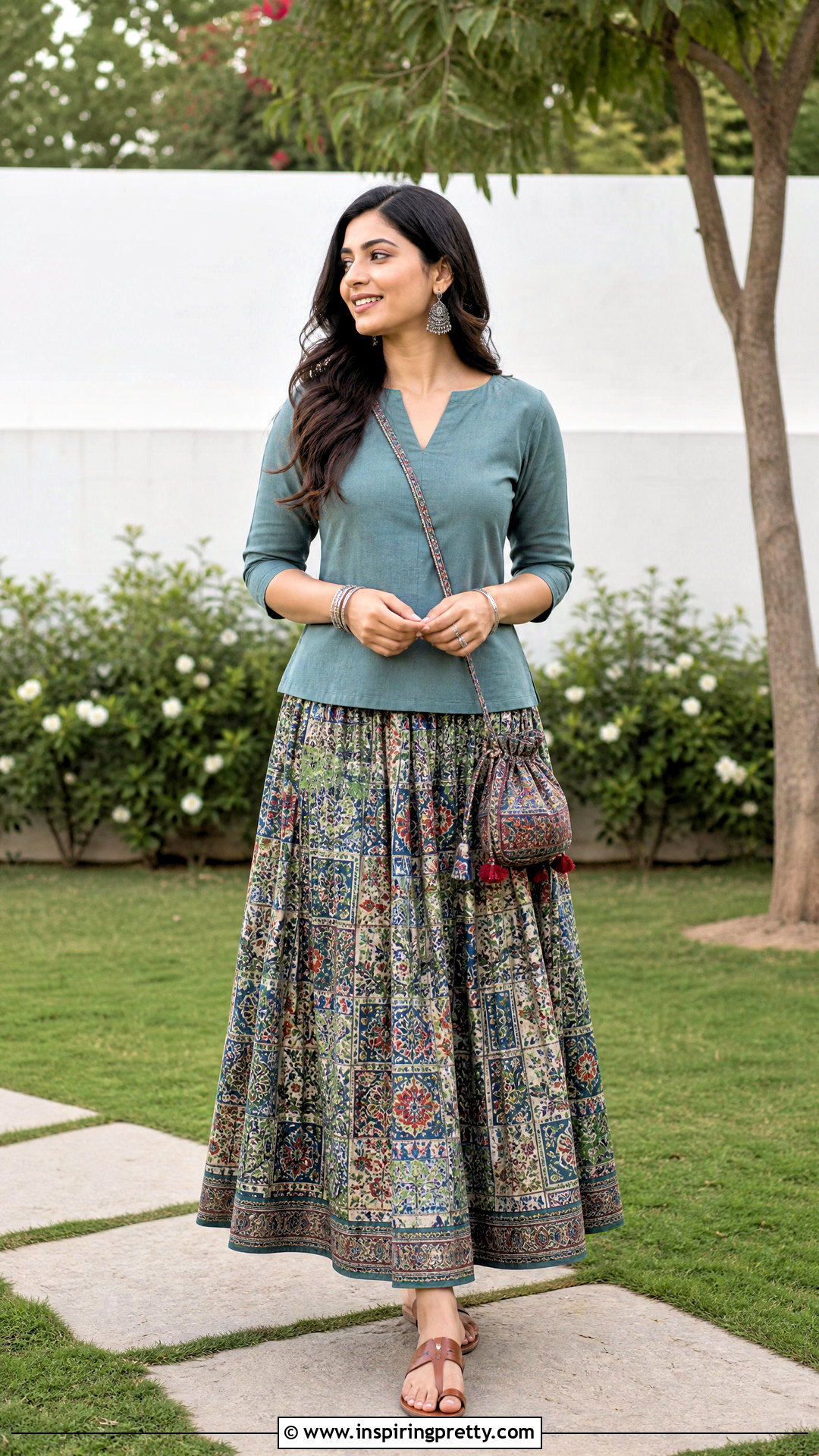
Breathable cotton is what I'd want for a hot family lunch, and a short kurti ending at the natural waist keeps a full printed skirt from swallowing you. Block prints, small florals or tiny geometrics all suit this easy look. Take the kurti color straight from the print. Oxidized silver earrings, slim bangles and a crossbody potli are enough. Flat kolhapuris or plain juttis and a loose braid finish it. Hand block prints often bleed a little in the first wash, so I soak new pieces in cold water on their own.
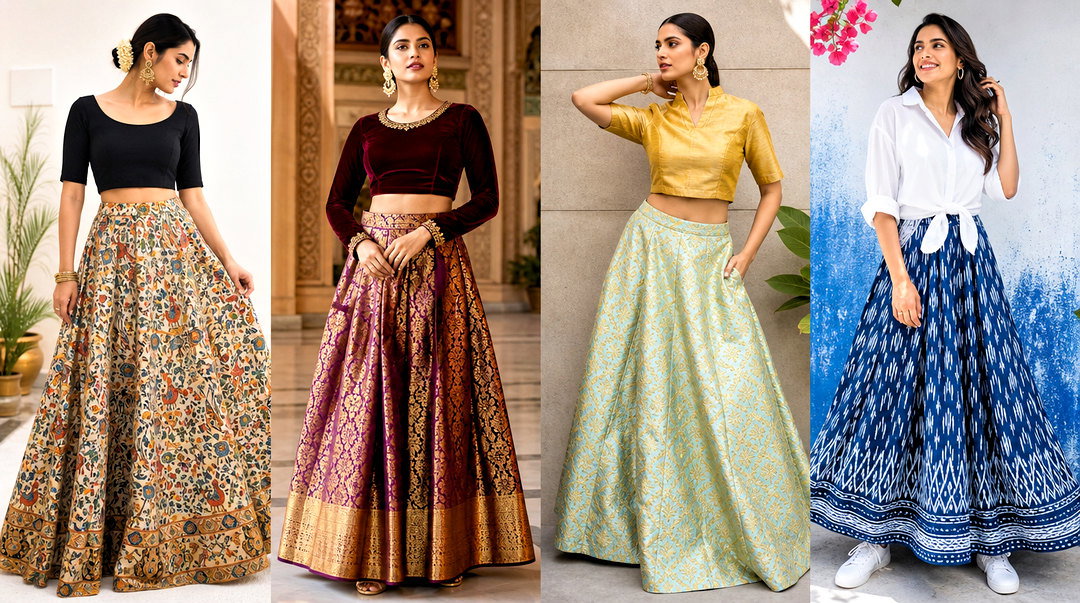
3. Bandhani Skirt With Mirror Work Blouse
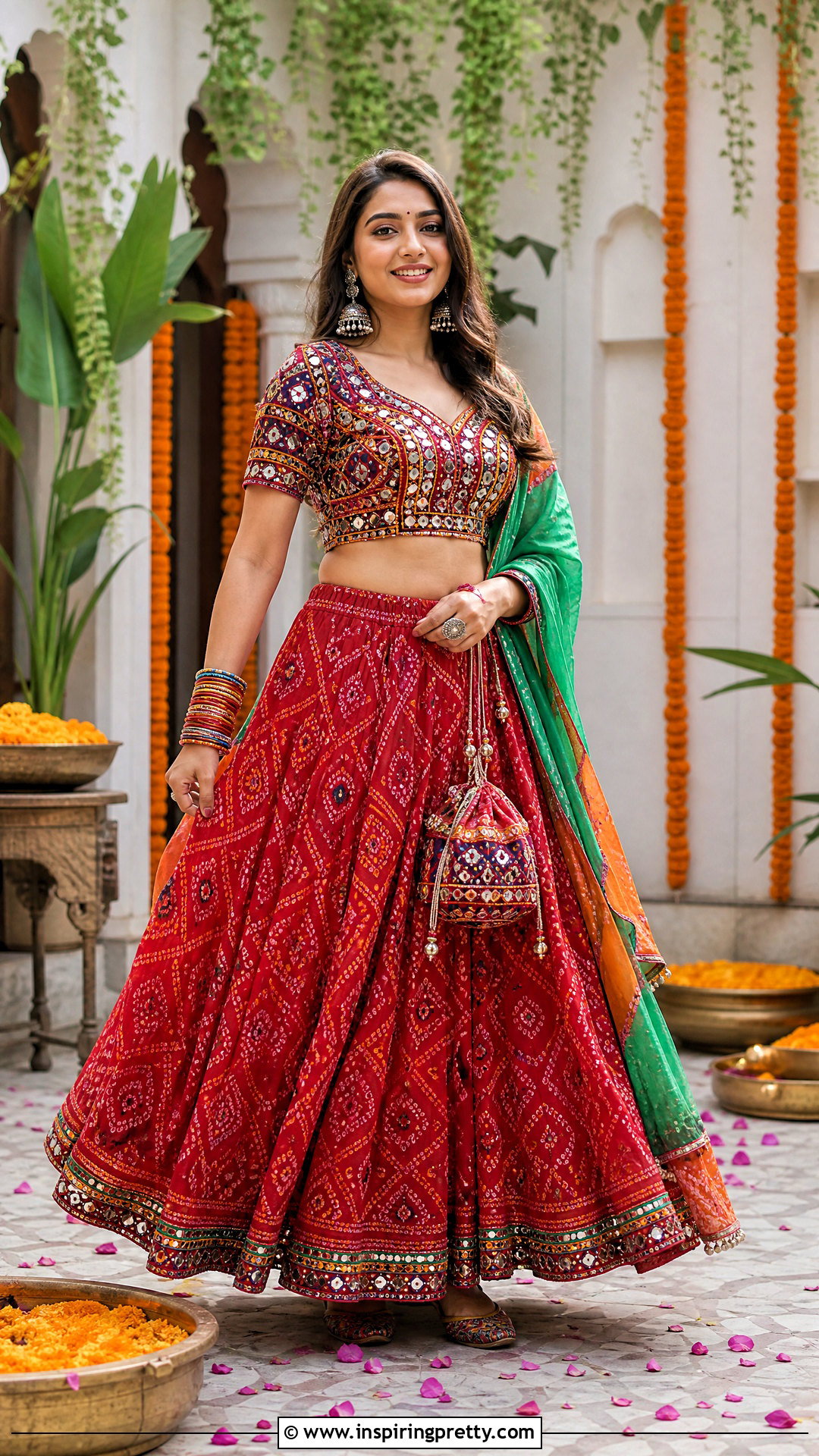
Bandhani and mirror work both shout, so this is a dancing outfit, not a quiet one. A flared Bandhani skirt in red, green or deep blue goes with a fitted mirror work blouse in a complementary shade, kept simple in cut. Sleeveless, cap or elbow sleeves depend on how much arm you want to show. Oxidized jhumkas, colorful bangles and an embroidered potli. A light chiffon dupatta softens it without covering the blouse. Mirrors are stitched on with thread rings, so I check every one is tight before a garba night; a loose mirror falls off mid-spin.
4. Banarasi Skirt With Plain Silk Top
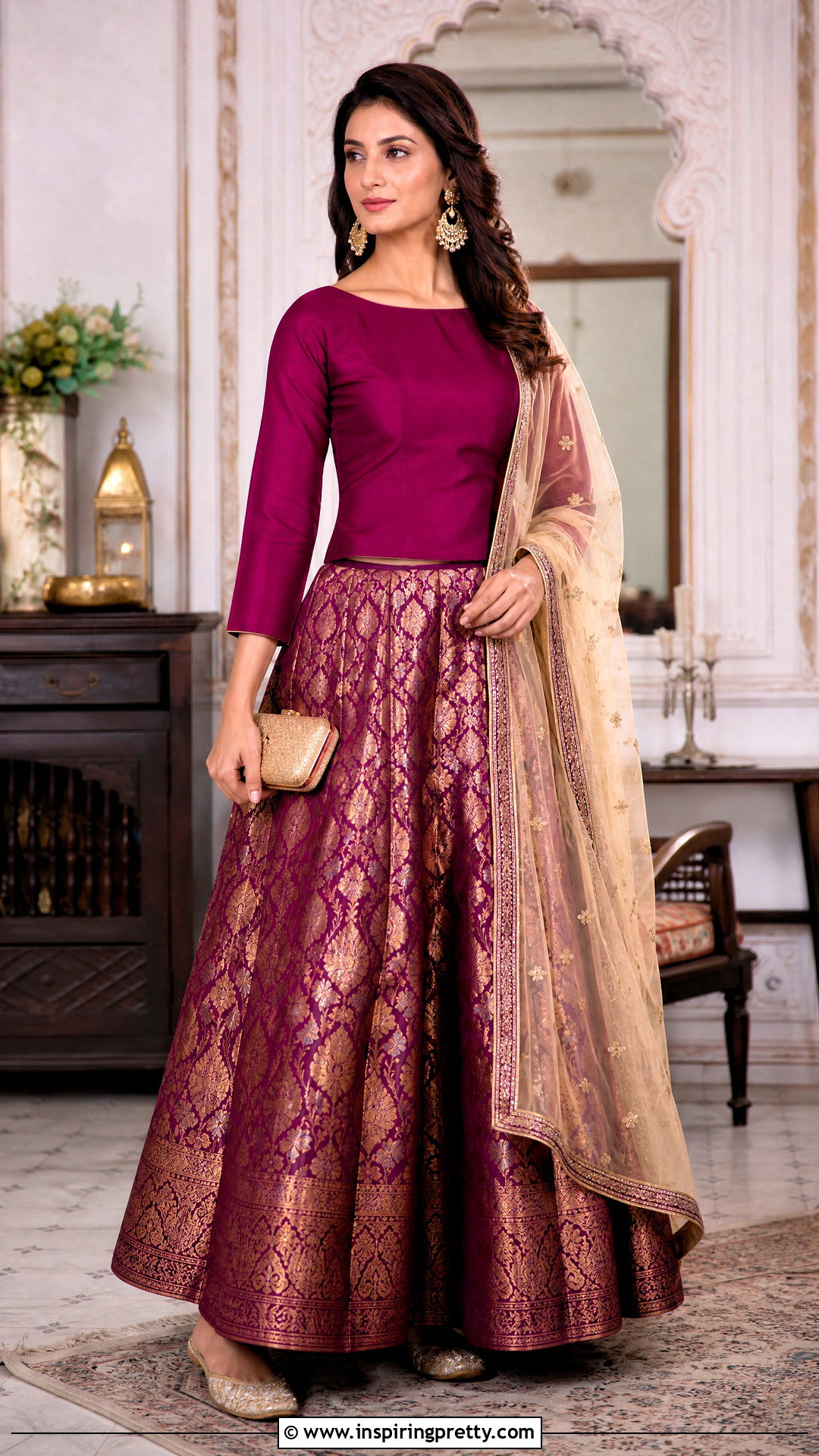
A Banarasi weave already has enough going on, so the blouse should be plain silk in one of the weave's secondary colors. Boat, square or modest V necklines all keep it clean, and three-quarter sleeves look regal and stay comfortable. Use a plain organza dupatta with a narrow border, never another busy weave. Traditional earrings, a small bindi and a structured clutch. Metallic heels or pointed juttis depending on the venue. This is how I help clients restyle an inherited Banarasi skirt: a new blouse color changes the whole outfit.
5. Kalamkari Skirt With Black Fitted Top
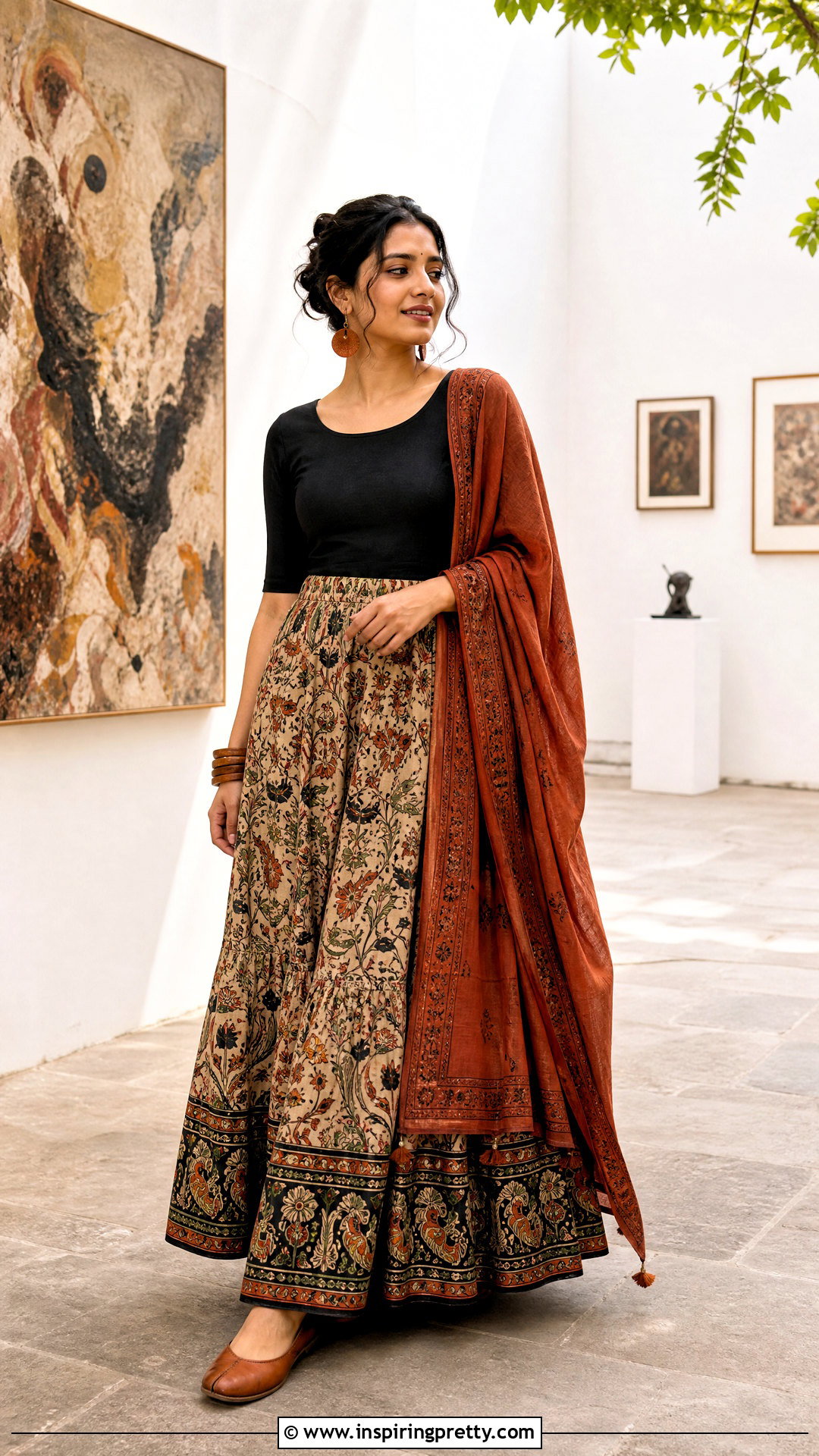
Kalamkari motifs are drawn or block-printed with natural dyes, which gives them that earthy, slightly hand-drawn feel. A plain fitted black top in cotton-silk with elbow sleeves and a wide round neck lets the story on the skirt do the work. Tuck it into the waistband to show the shape. Terracotta earrings, wooden bangles and a rust or mustard dupatta suit the warm palette. Brown leather flats or juttis and a center-parted braid. It's my pick for a cultural program or an exhibition opening.
6. Ikat Skirt With Handloom Crop Top
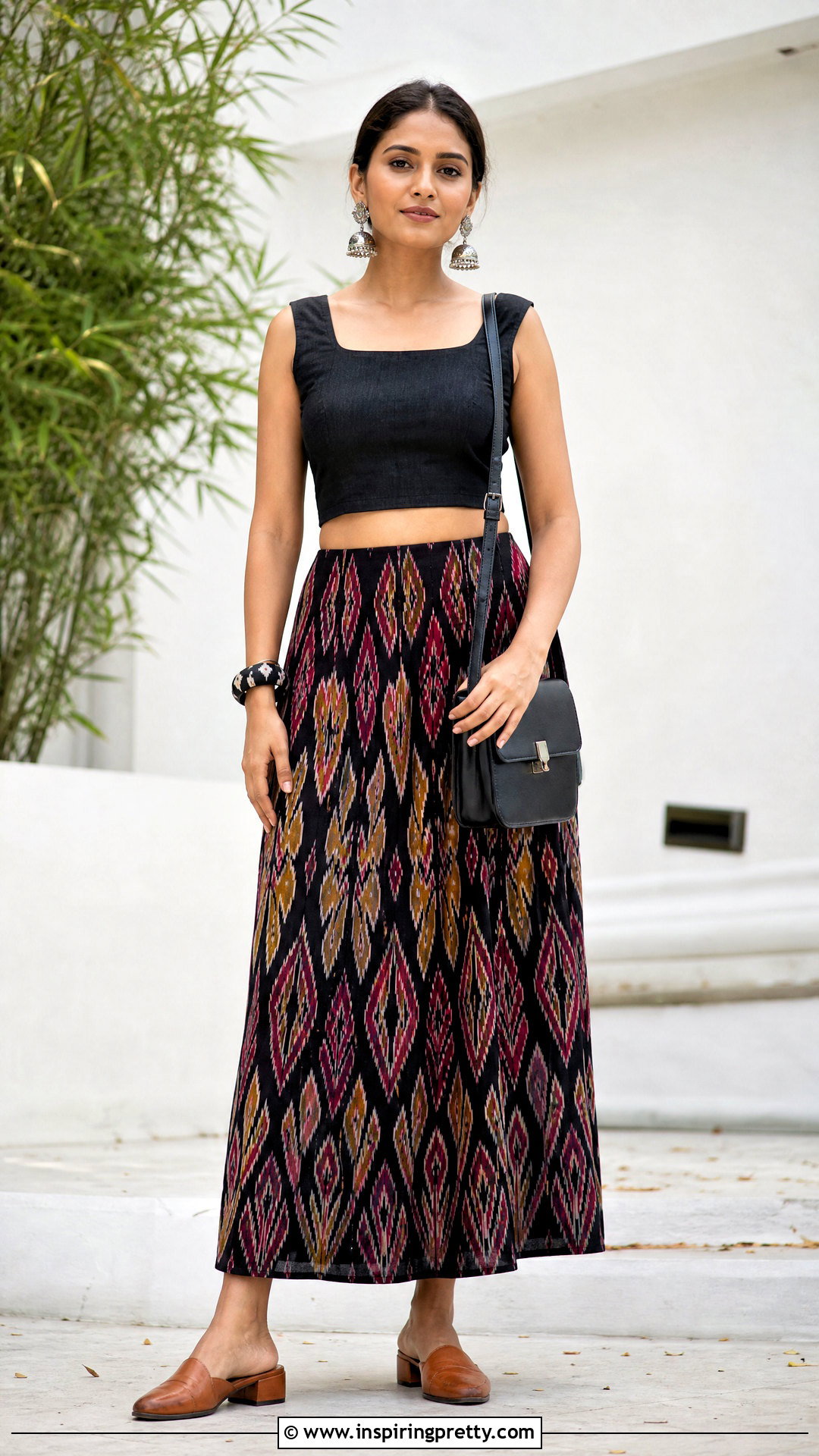
Ikat yarns are dyed before weaving, which gives the pattern its soft, feathered edges. Pair a high-waisted Ikat skirt with a solid handloom crop top in a color pulled from the weave. A boxy top suits a gently flared skirt; a fitted blouse balances a wide gathered one. Keep the neckline simple. Small silver earrings, a fabric bangle and a structured sling bag, with flat sandals or leather mules for a daytime event. If you'd rather not show midriff, choose a top that meets the waistband.
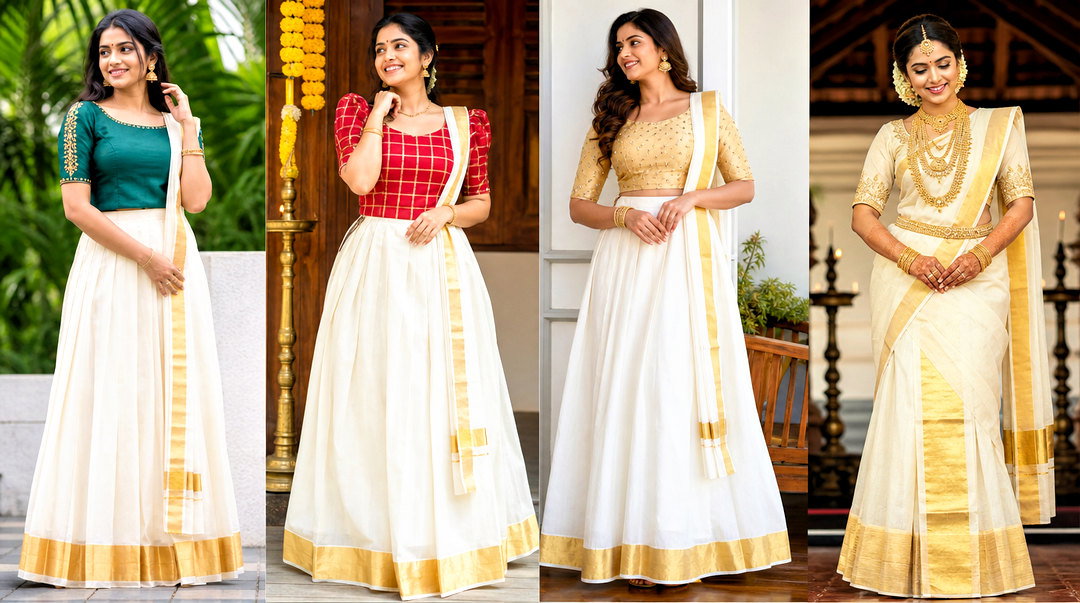
7. Kerala Kasavu Skirt With Green Blouse
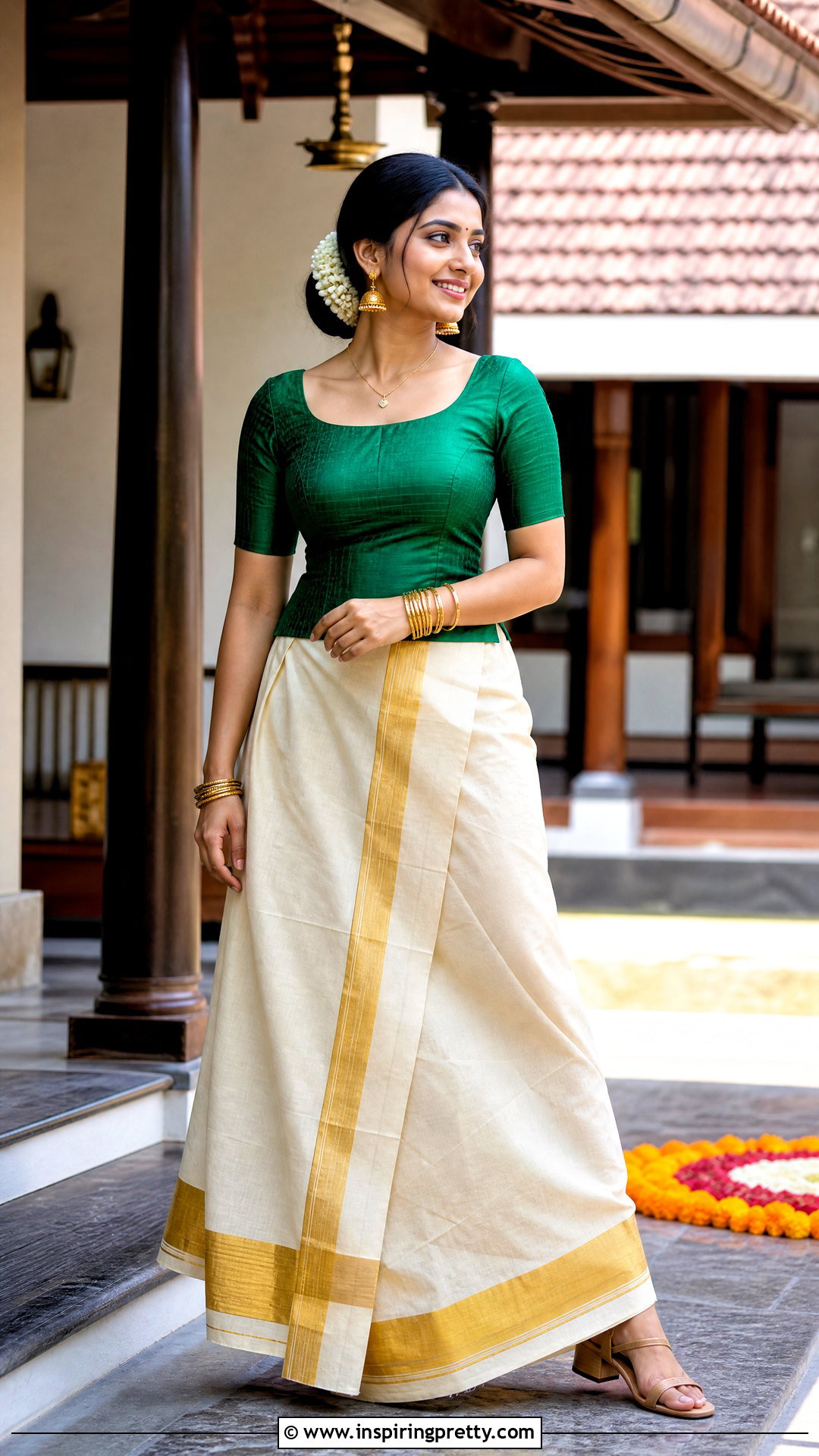
Cream and gold Kasavu fabric glows against a rich green blouse, emerald or bottle green. Choose a long skirt with the traditional gold border and a fitted top; puff or elbow sleeves add volume without fighting the skirt. Gold jhumkas, bangles and a small pendant keep the classic palette. Neutral sandals or gold flats stay quiet under the hem. Jasmine in a low bun, lined eyes and a small bindi. I'd wear it for Onam or a family ceremony.
8. Kerala Kasavu Skirt With Maroon Top
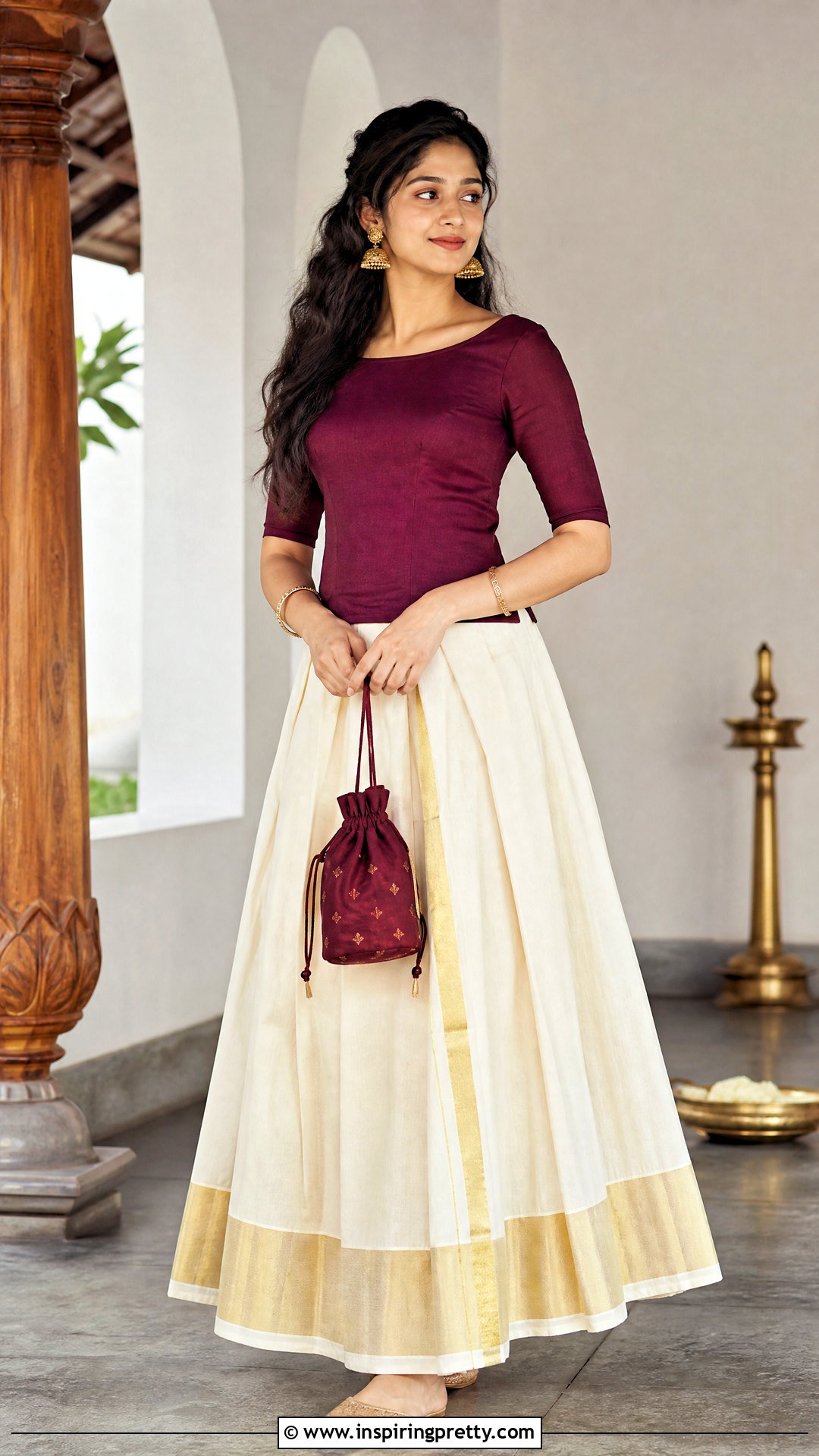
Maroon gives Kasavu a deeper, more formal look, and it suits warmer skin tones especially well against the gold border. I'd choose a blouse with a square neck, neat darts and elbow sleeves. A thin gold piping or tiny motifs link it to the skirt. A cream dupatta is optional, its gold edge repeating the skirt's. Gold earrings, a slim bangle stack and a maroon potli. Low gold heels or embroidered flats, a polished bun with fresh flowers. Kasavu cotton creases easily, so I iron it slightly damp on the reverse.
9. Rajasthani Printed Skirt With White Kurti
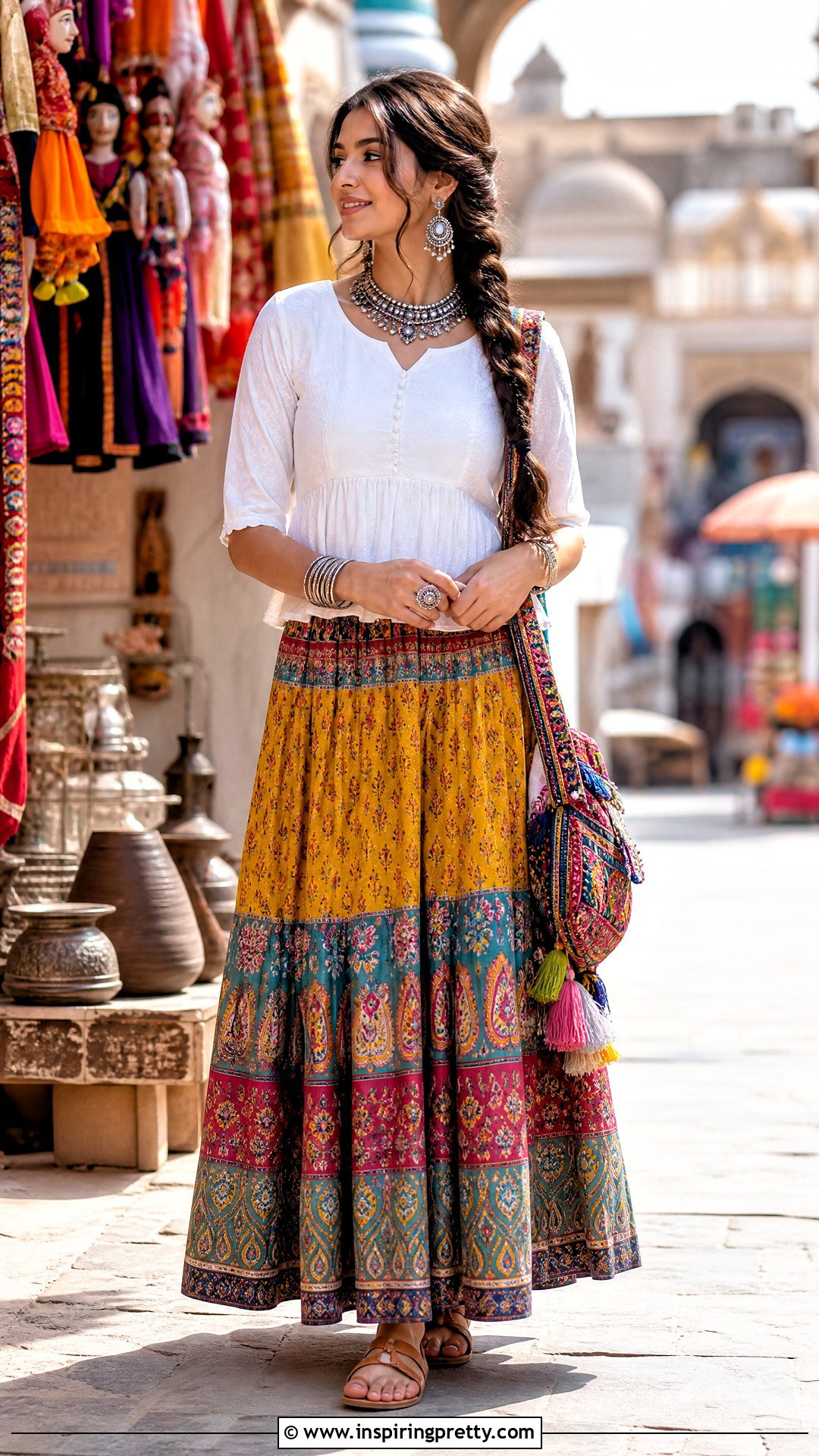
A crisp white short kurti gives a busy Rajasthani print room to breathe. Look for a full cotton skirt with bold florals or geometric borders in several bright shades. A fitted waist-length kurti shows the waist; a slightly longer straight one covers more. Oxidized earrings, stacked silver bangles and an embroidered bag. A light scarf in one of the skirt colors is fine, as long as it doesn't match everything else too. Tan kolhapuris and loose waves or a textured braid. White cotton can turn sheer in strong sun, so I check it against a window.
10. Mirror Work Skirt With Solid Crop Top
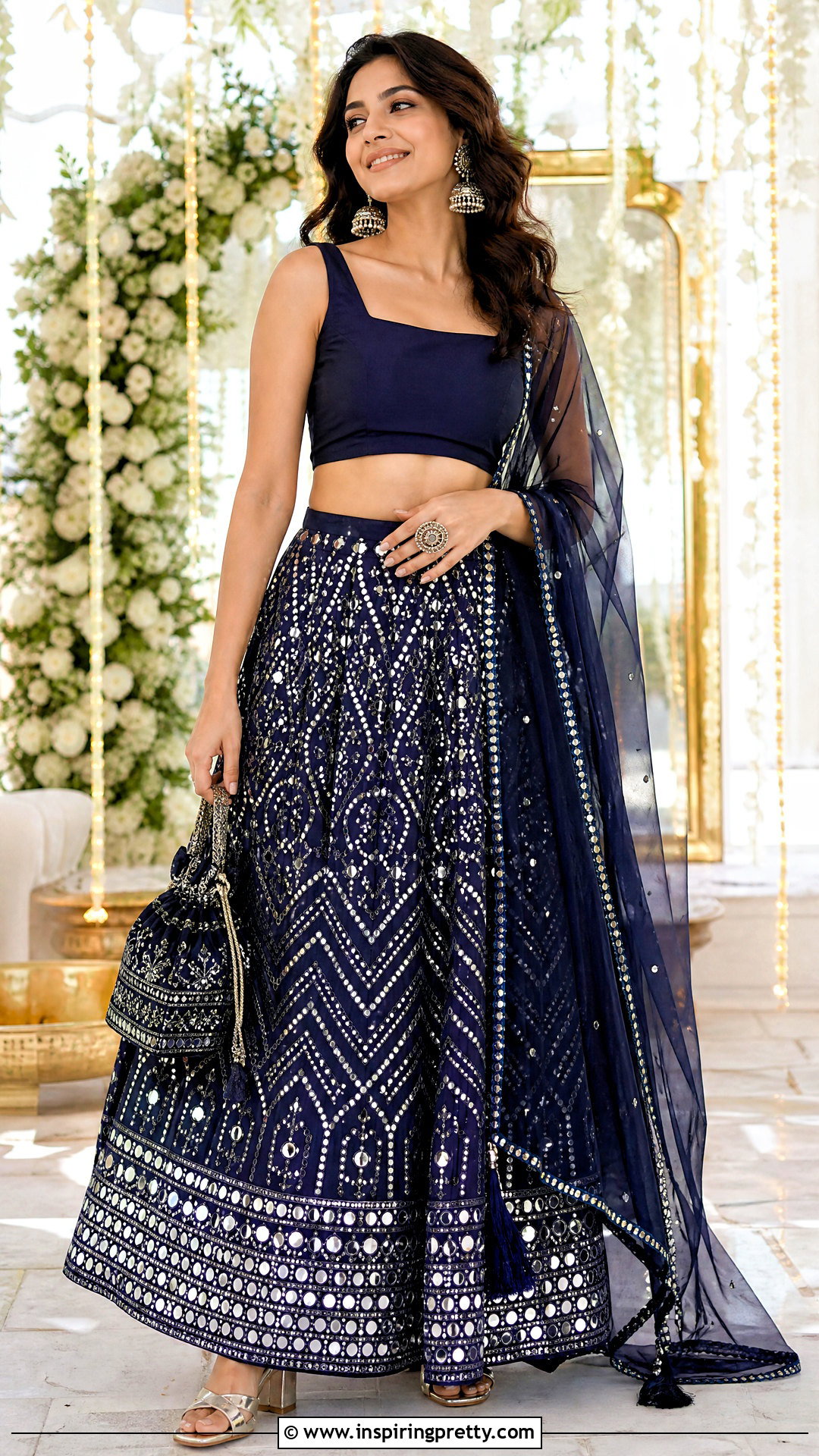
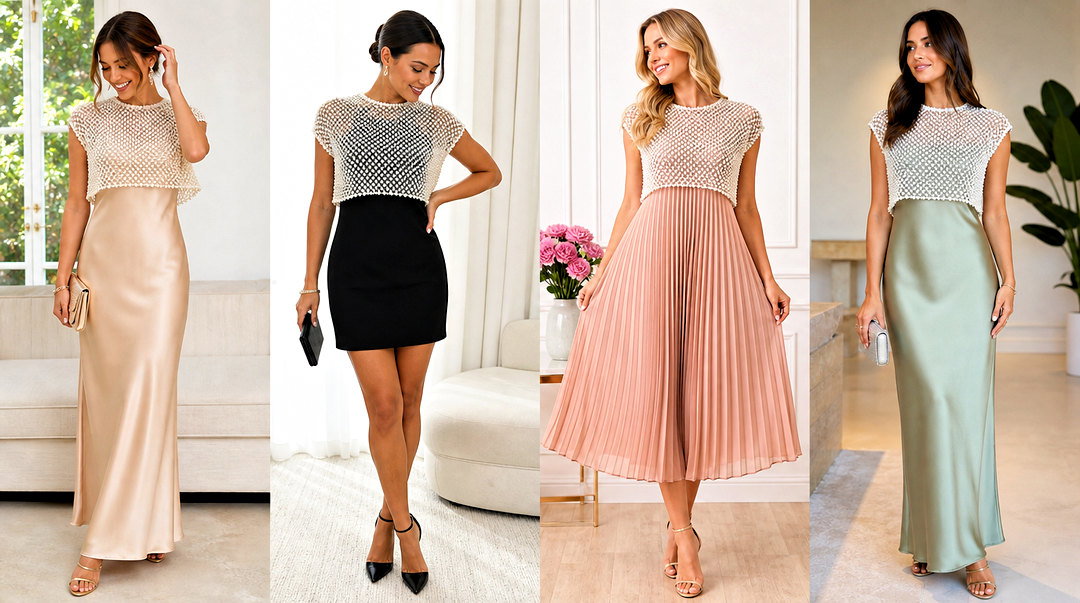
When the skirt sparkles with mirror work, I keep everything else plain. Navy, wine, teal or black embellished skirts all pair with a solid crop top with a clean neckline. A fitted top keeps the waist defined against the volume. For more coverage, choose a blouse that meets the skirt, or drape a sheer dupatta loosely over both shoulders. Medium jhumkas, one statement ring and a compact potli. Metallic heels or cushioned juttis. Heavy mirror skirts are weighty at the waist, so I make sure the waistband has a wide, firm facing.
11. Phulkari Skirt With Plain Kurti Top
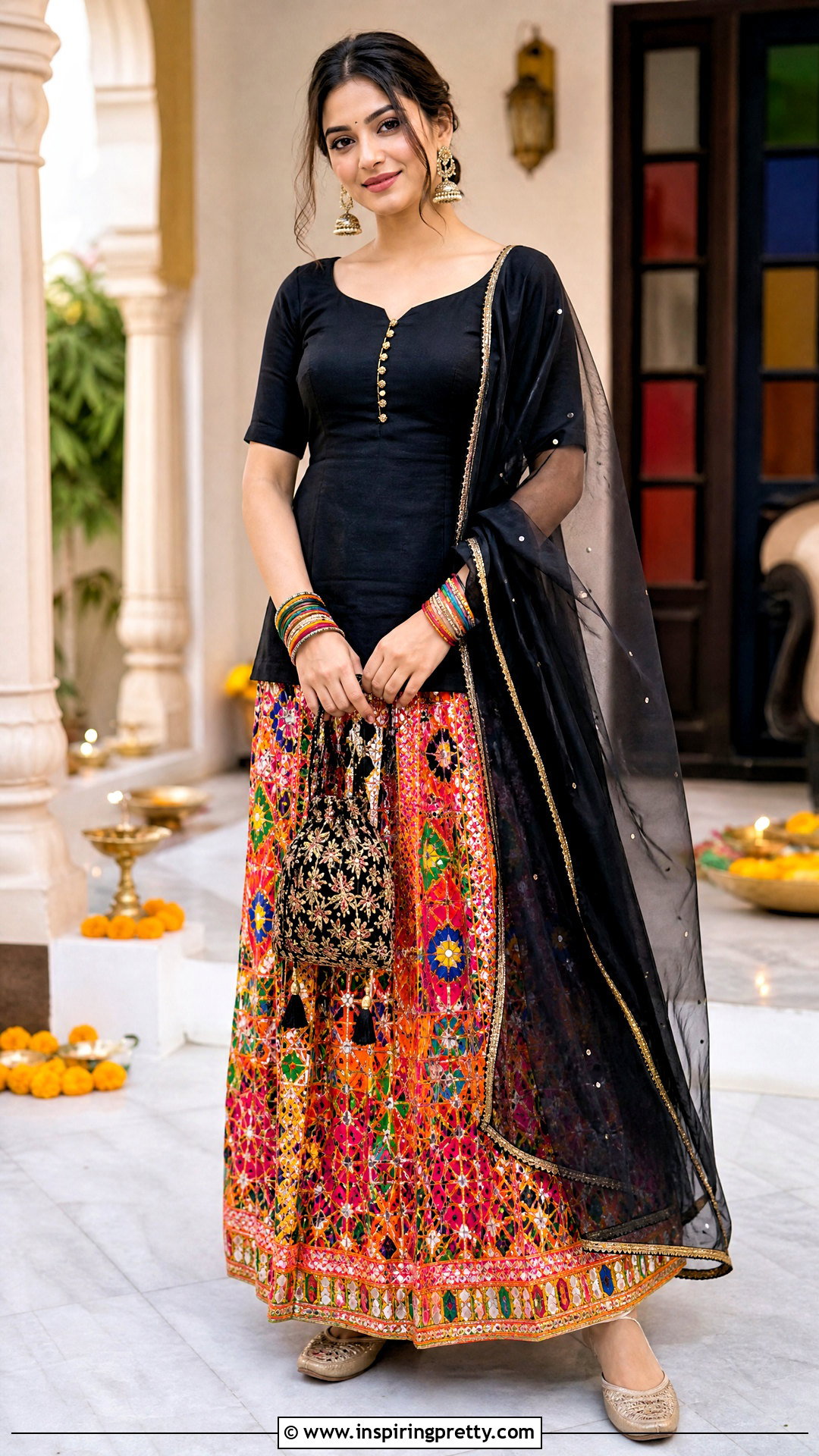
Phulkari embroidery is dense and bright, and a structured plain kurti keeps it from turning into a costume. A short kurti in black, ivory or a color from the threadwork works, in cotton-silk or raw silk that holds its shape. Three-quarter sleeves and a round neck are comfortable. An embroidered dupatta only when the event is formal. Jhumkas, a few bangles and a small potli. Punjabi juttis are the natural choice, though new ones need a couple of short wears before a long function, as they rub at the heel.
12. Brocade Skirt With Velvet Blouse
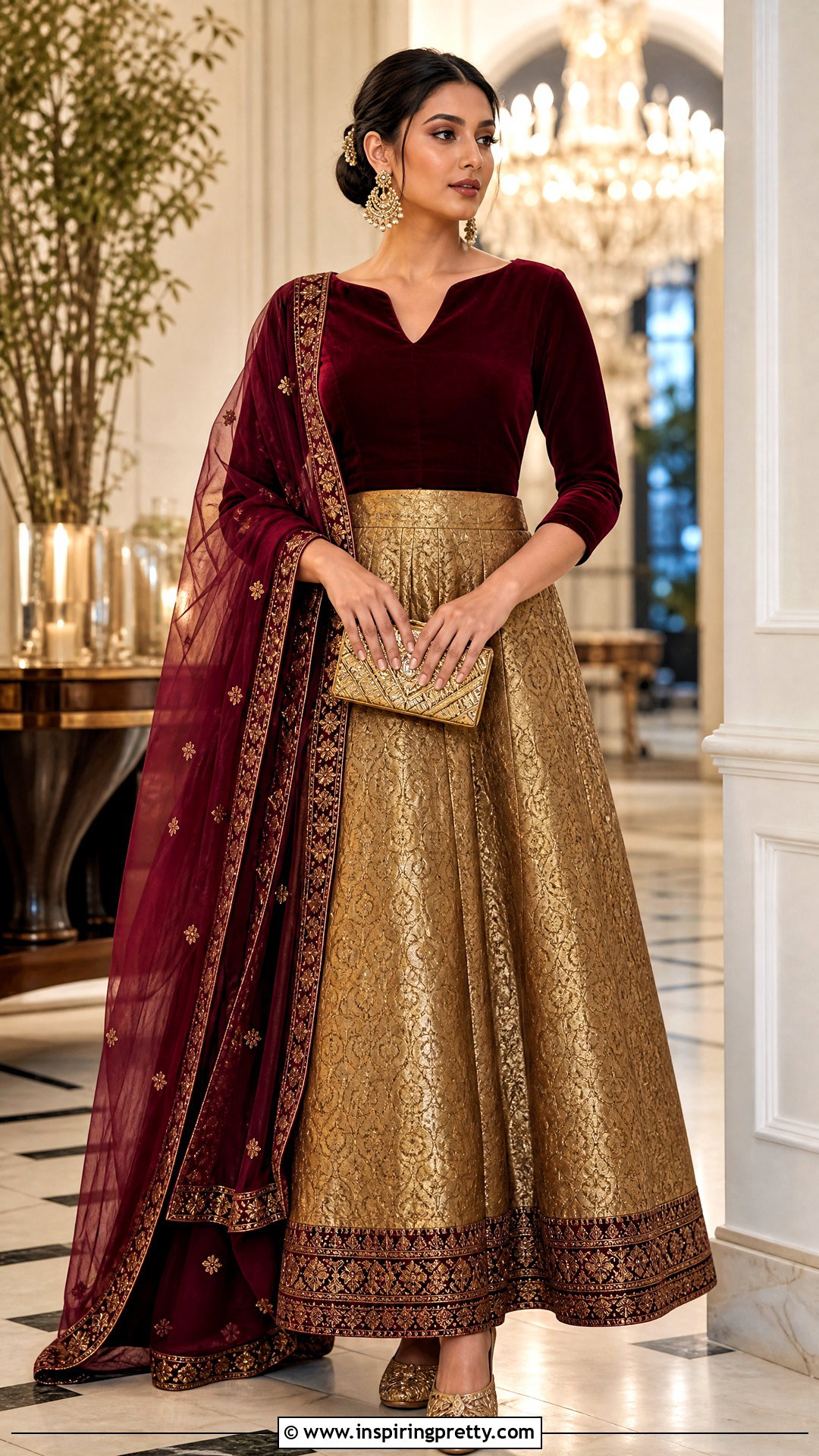
Brocade and velvet are a winter wedding pairing; in summer they're simply too hot. I choose a structured brocade skirt with gold or antique metallic weave and a fitted velvet blouse in burgundy or forest green. A square neck and three-quarter sleeves keep the textures balanced. A sheer bordered dupatta lightens it. Antique gold earrings, a statement cuff and a structured clutch, with no stack of necklaces. Closed-toe embellished shoes for cold evenings. Velvet crushes where you sit, so hang it and steam it rather than pressing flat.
13. Chanderi Skirt With Sleeveless Blouse
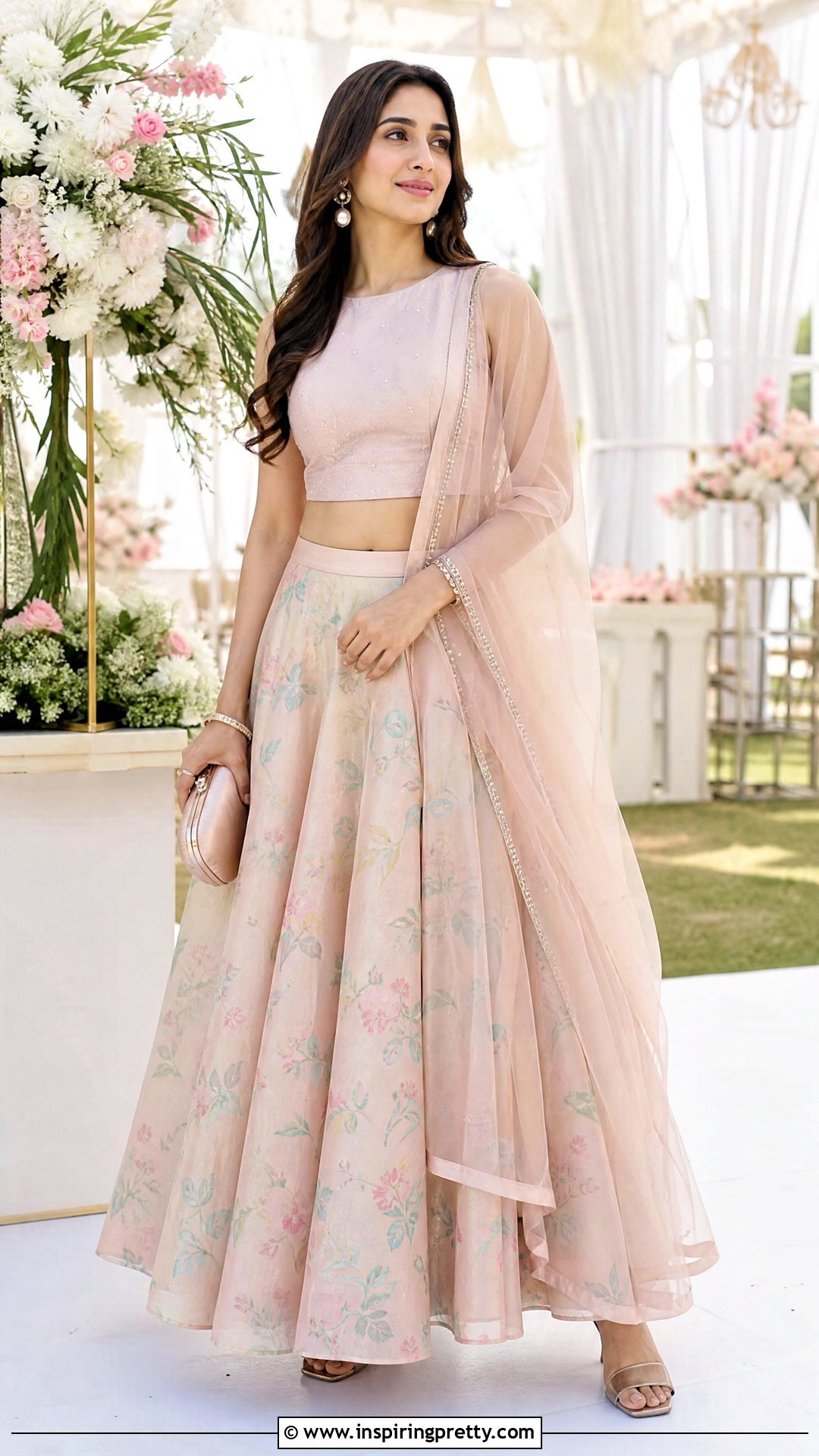
Chanderi is a sheer, light weave with a soft sheen, so it gives a festive look without weight. A softly flared skirt with a well-fitted sleeveless blouse in a matching or contrasting pastel keeps things airy. A higher round neck is an elegant alternative to a deep one. Add a sheer Chanderi dupatta for a full three-piece set. Pearl drops, fine bangles and a satin clutch. Low metallic heels or pointed flats. Because Chanderi is translucent, the skirt needs a proper lining in a matching shade.
14. Ajrakh Skirt With Rust Crop Top
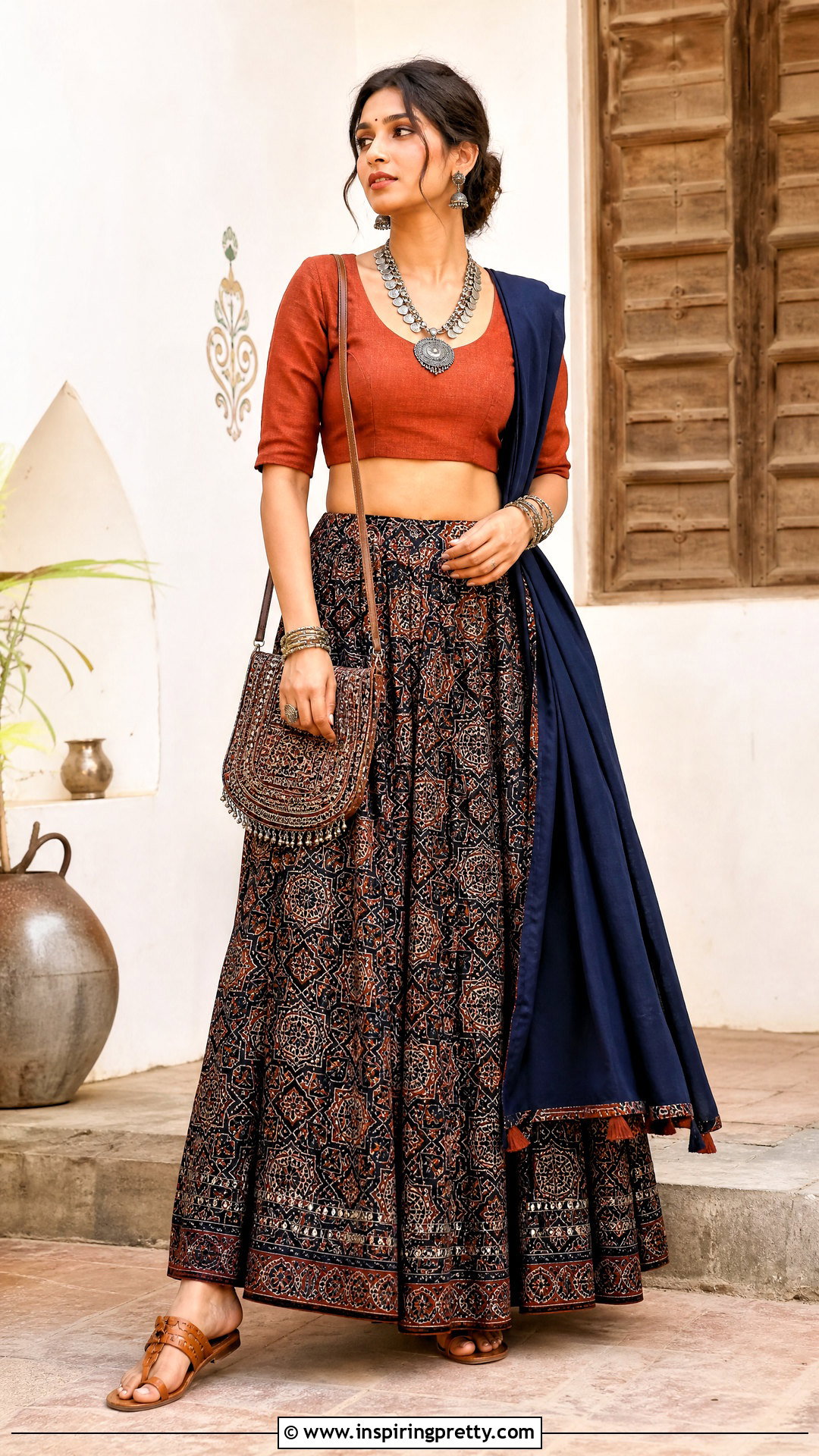
Ajrakh is resist-printed in deep indigo and madder red, and a rust crop top brings out the red in it. Choose a breathable skirt with a broad sweep and a fitted cotton or linen-blend blouse that meets the waistband. A modest square neck and short sleeves. Silver jhumkas, a broad cuff and a handcrafted sling bag. Brown leather flats or kolhapuris. A plain indigo dupatta over one shoulder if you want a layer. Natural indigo can rub off on light fabrics at first, so I'd avoid a white bag with a brand-new skirt.
15. Block Print Skirt With Peplum Top
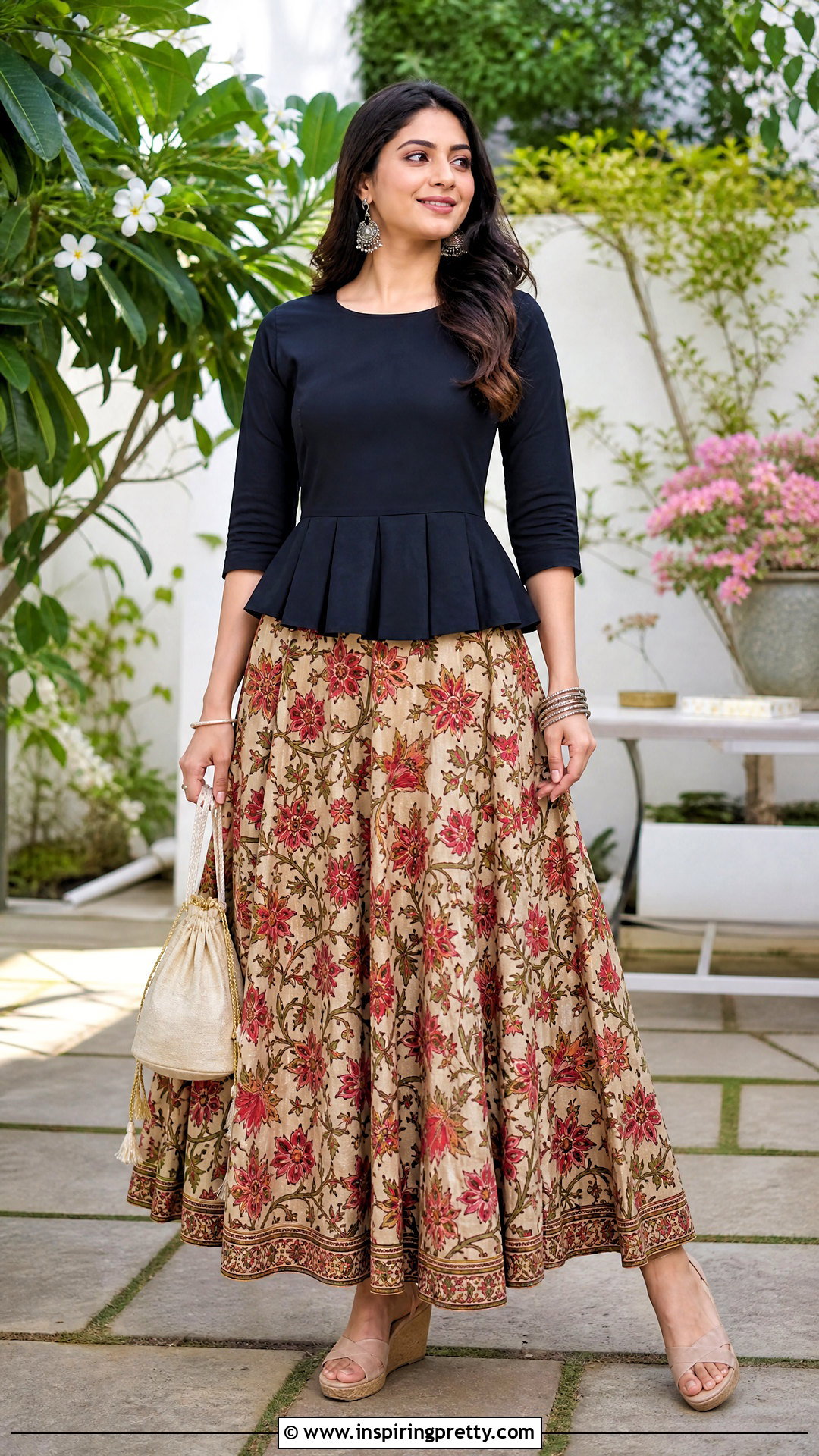
A short peplum gives a long block print skirt a clear waist. I pick a skirt with small floral or geometric motifs and a solid peplum blouse in one of the print colors. Keep the peplum short; a long flare on both pieces adds width at the hips. A V or rounded neck lengthens the torso, and elbow sleeves give coverage. Oxidized earrings, two or three slim bangles and a neutral potli. Flat juttis for relaxed days, low wedges for dressier ones. A soft braid finishes it.
16. Floral Lehenga Skirt With Pastel Blouse
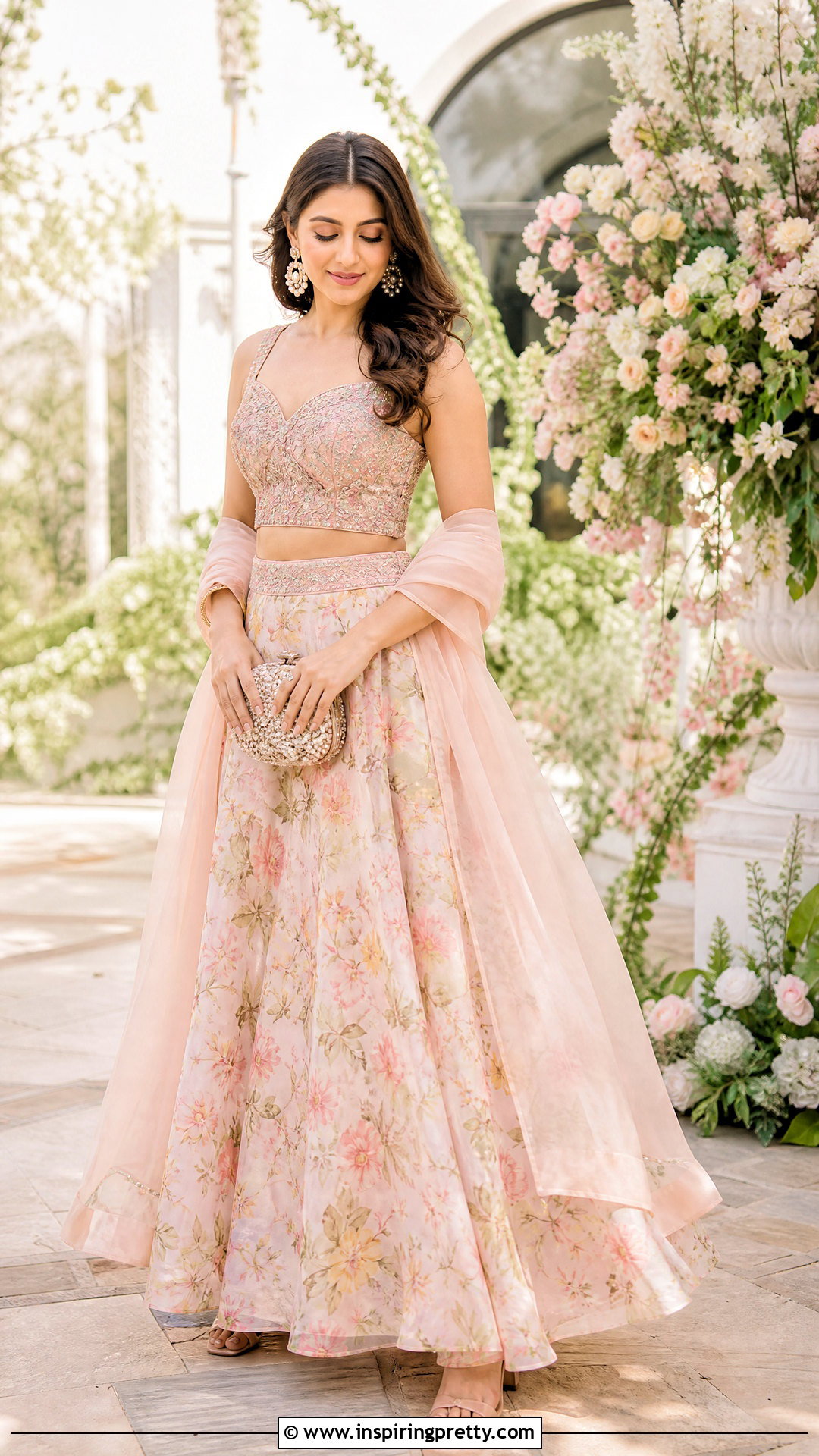
Floral prints make the traditional lehenga silhouette feel light, which is why I suggest them for day functions. Pair the flowing skirt with a pastel blouse in blush or mint, fitted, with a bit of embroidery at the neckline. Sleeveless or short sleeves for heat, sheer elbow sleeves for coverage. A plain organza dupatta keeps it airy. Pearl earrings, fine bangles and a beaded clutch. Nude block heels lengthen the leg. It suits garden ceremonies and festive brunches.
17. Red Lehenga Skirt With Gold Blouse
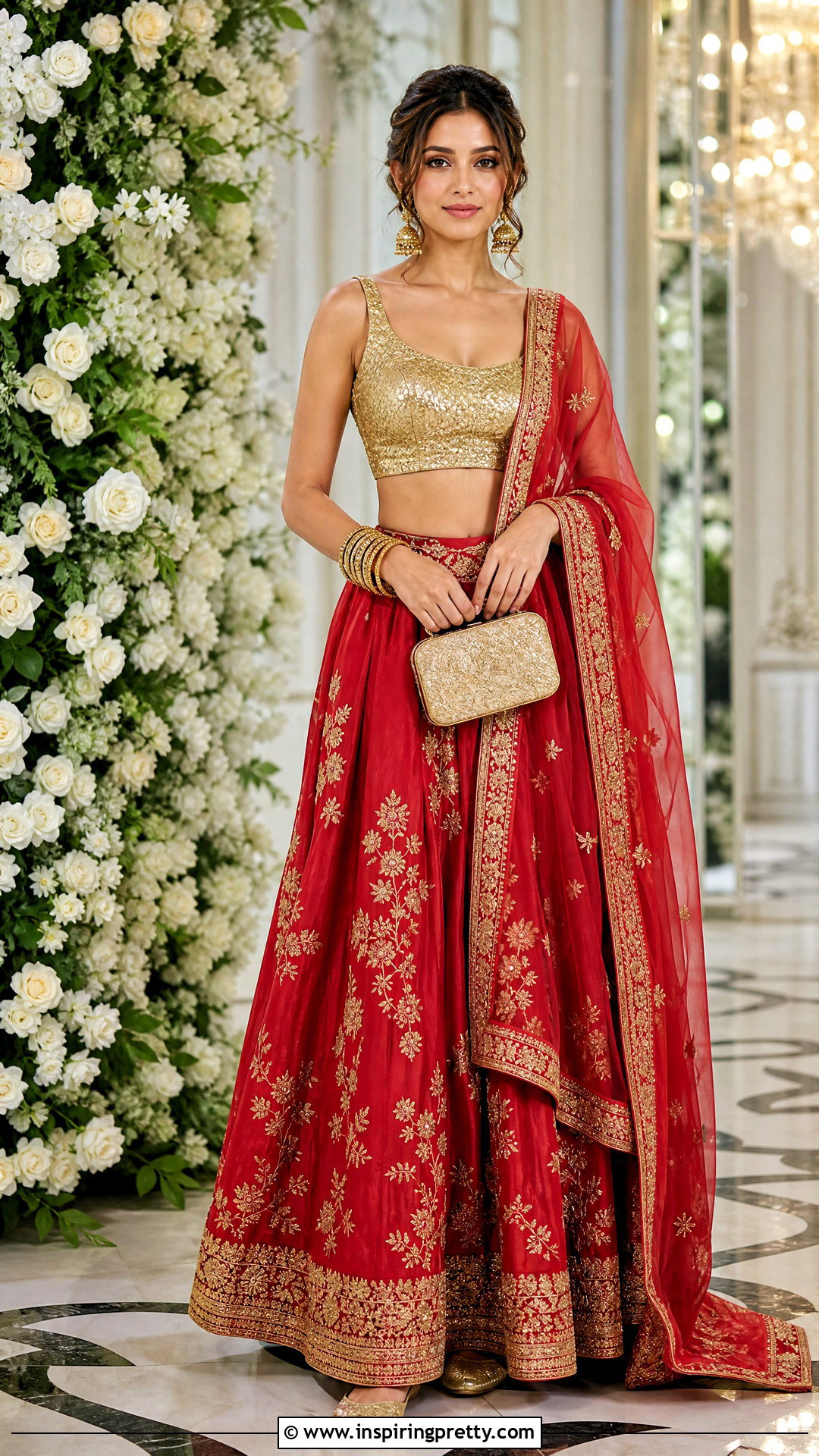
Red with gold is the most celebratory pairing on this list, and it needs restraint to stay elegant. Choose a skirt with controlled embroidery so the gold blouse isn't fighting a second dose of metal. The blouse should be fitted, with a simple neckline and neat sleeves. A red or neutral sheer dupatta over one shoulder keeps the vertical line. Gold earrings, stacked bangles and a small clutch. Stable heels or juttis depending on how long you'll stand. As a guest, check the bride's colors first, since red is often reserved for her.
18. Green Lehenga Skirt With Pink Top
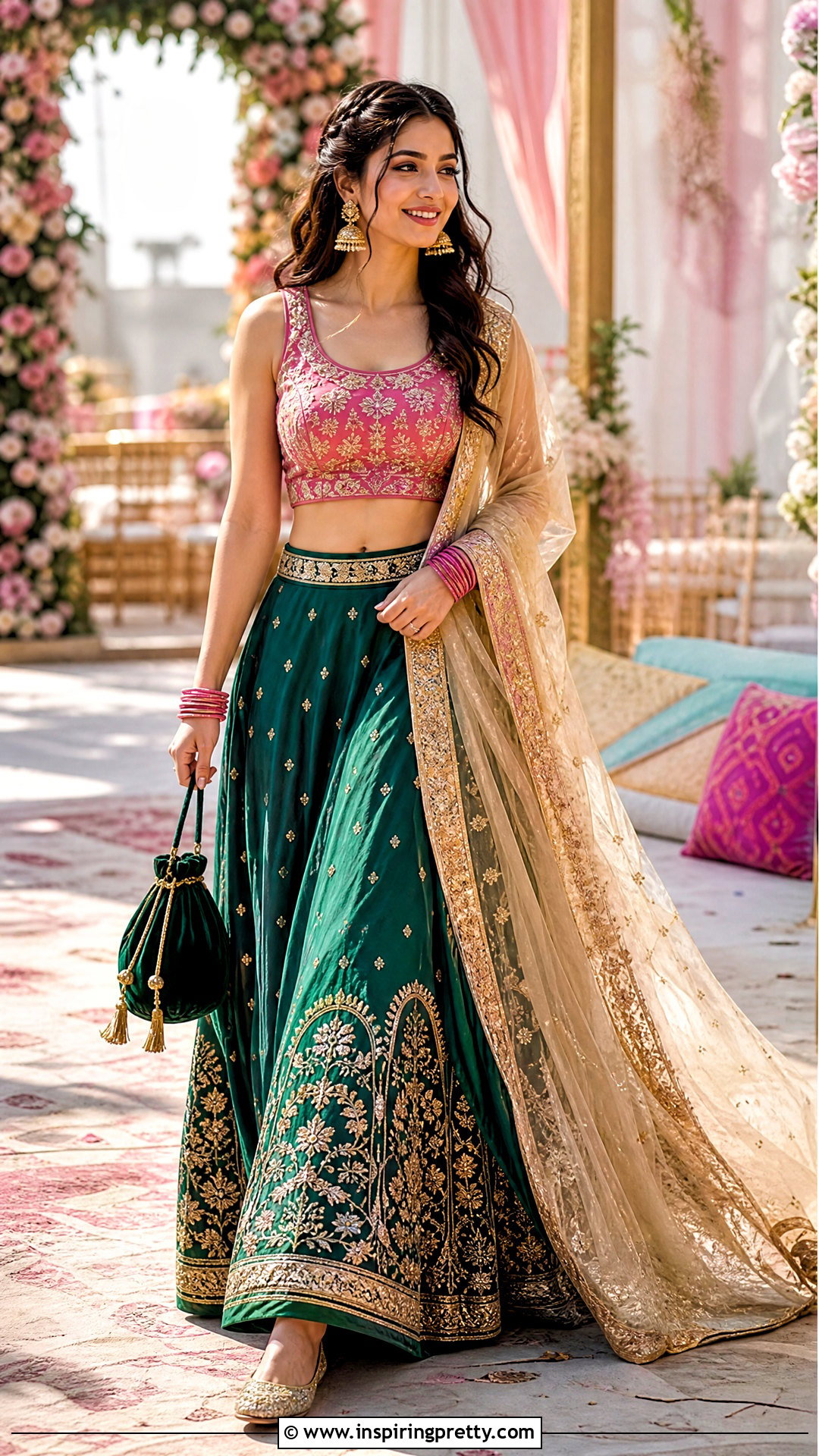
Green and pink are a classic festive contrast, and they photograph well in daylight. Start with a bottle green or emerald lehenga skirt and a fitted rose or fuchsia blouse. Piping or a border containing both colors ties them together, and a blush or pale gold dupatta softens the clash. Gold jhumkas, pink bangles and a green potli. Embroidered juttis for comfort. A low braid or half-up style. I'd wear it to a mehndi, where bright color is expected.
19. Yellow Skirt With Pink Embroidered Top
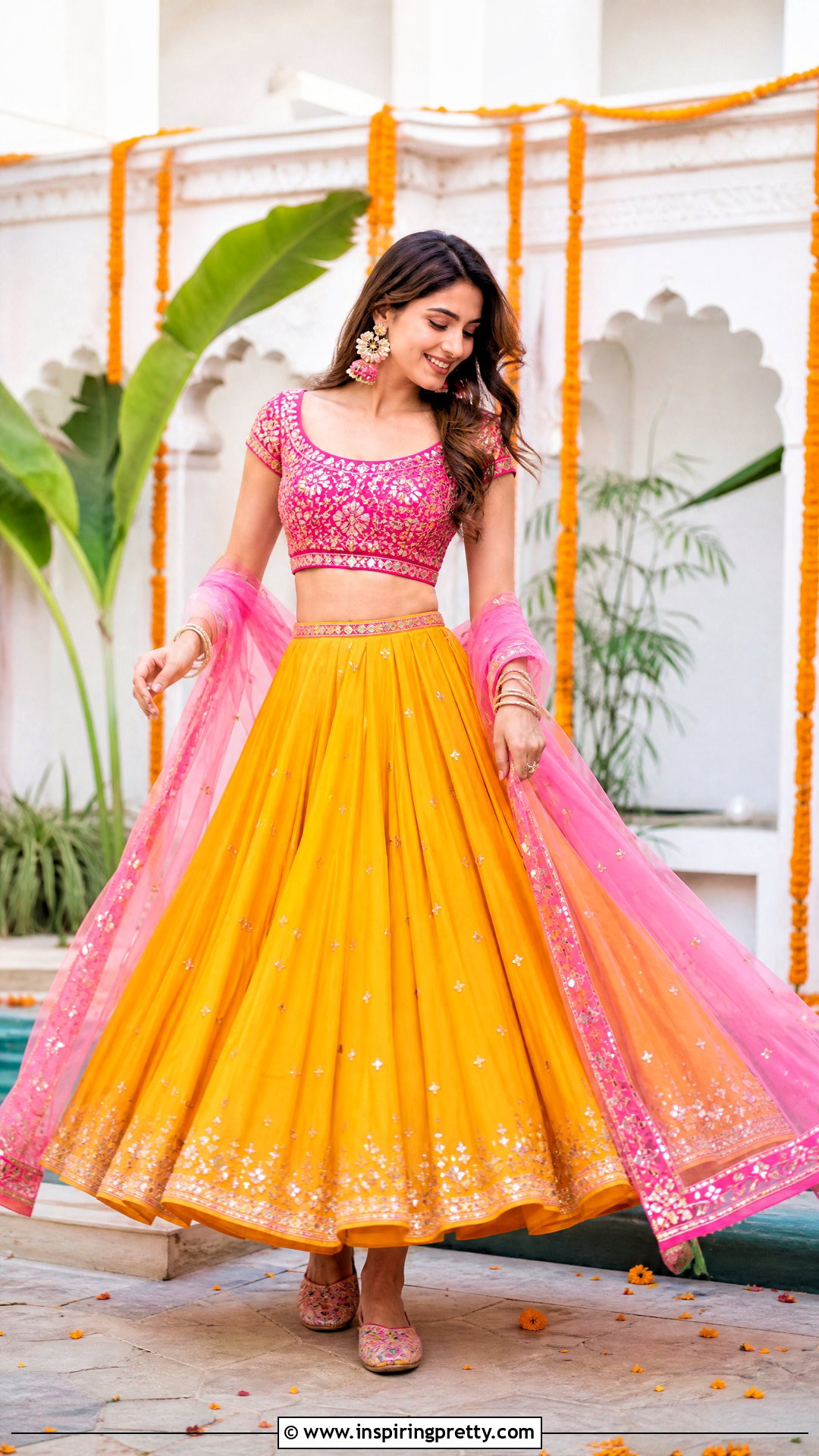
Yellow is the usual color for haldi, and a pink embroidered top keeps it from looking like a uniform. Choose a mustard or marigold skirt with a clean flare and a pink top fitted through the shoulders and waist. Threadwork, small mirrors or a little gota make it festive without weight. A cream or pale pink dupatta links the brights. Floral earrings, slim bangles and cushioned juttis. Haldi paste stains, so I'd wear an older piece rather than a new one to the ceremony itself.
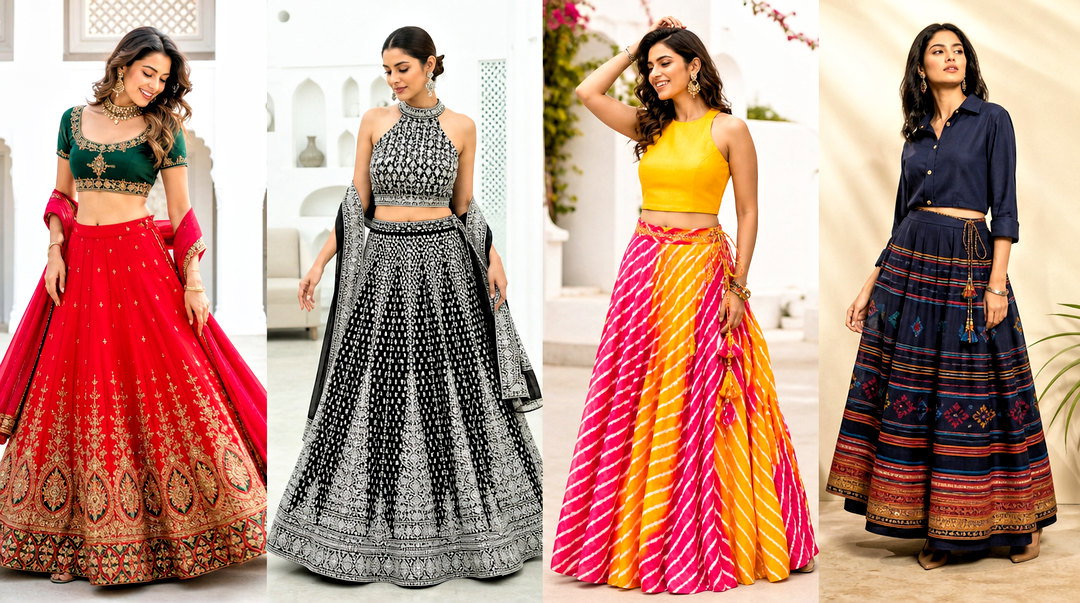
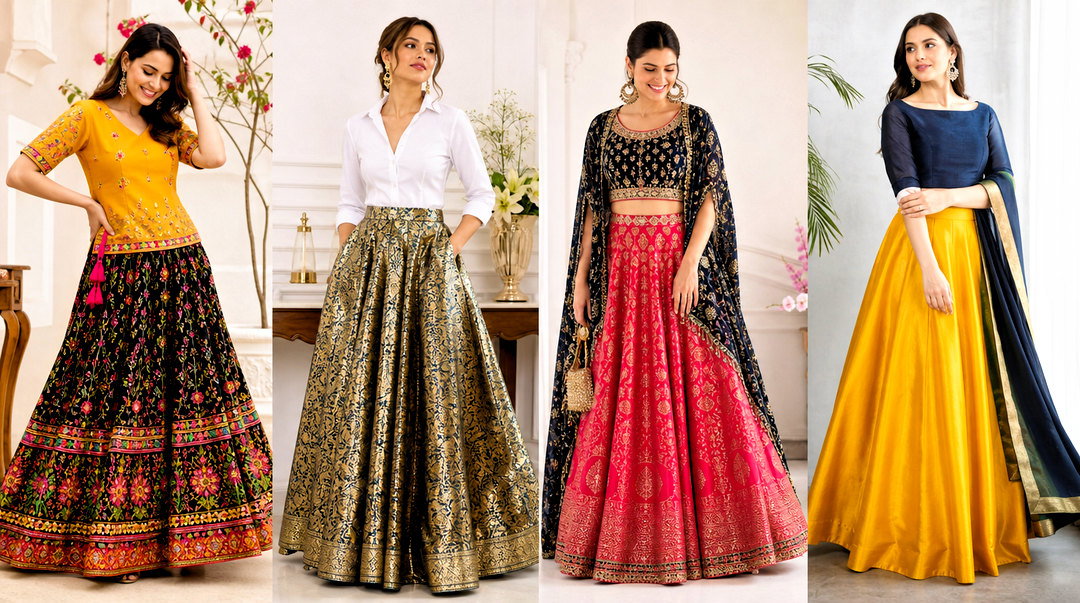
20. Maroon Skirt With Beige Brocade Top
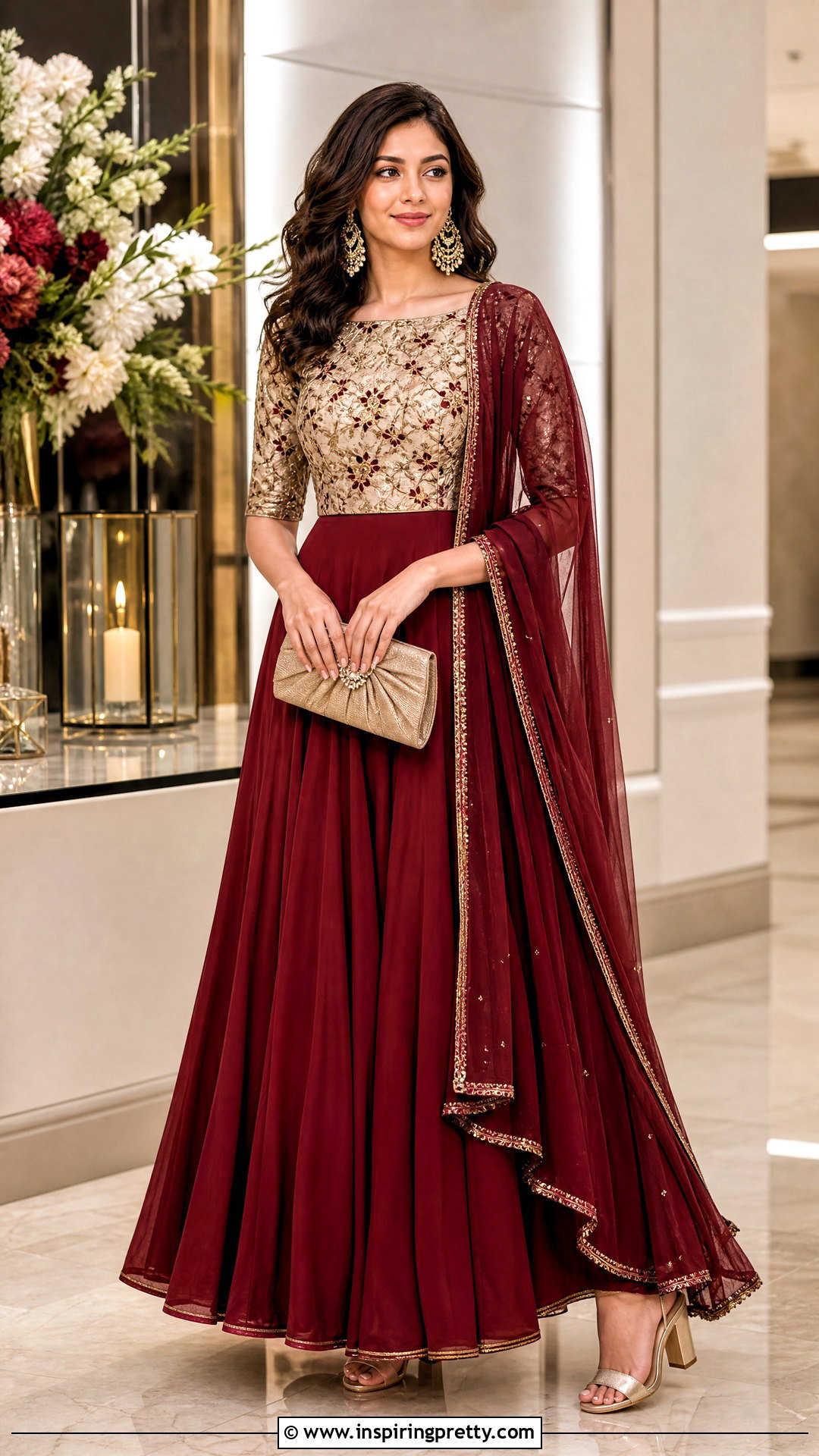
Maroon gets more versatile with a soft beige brocade blouse: the neutral top lightens it while the woven gold keeps it formal. I choose a high-waisted skirt with a broad hem and moderate flare, and a fitted blouse with elbow sleeves and a square or boat neck. A sheer maroon dupatta over one shoulder for ceremonies. Antique gold earrings, one bangle and a beige clutch. Metallic block heels and a low bun. It suits women who like rich color without much sparkle.
21. Navy Skirt With Silver Embroidered Blouse
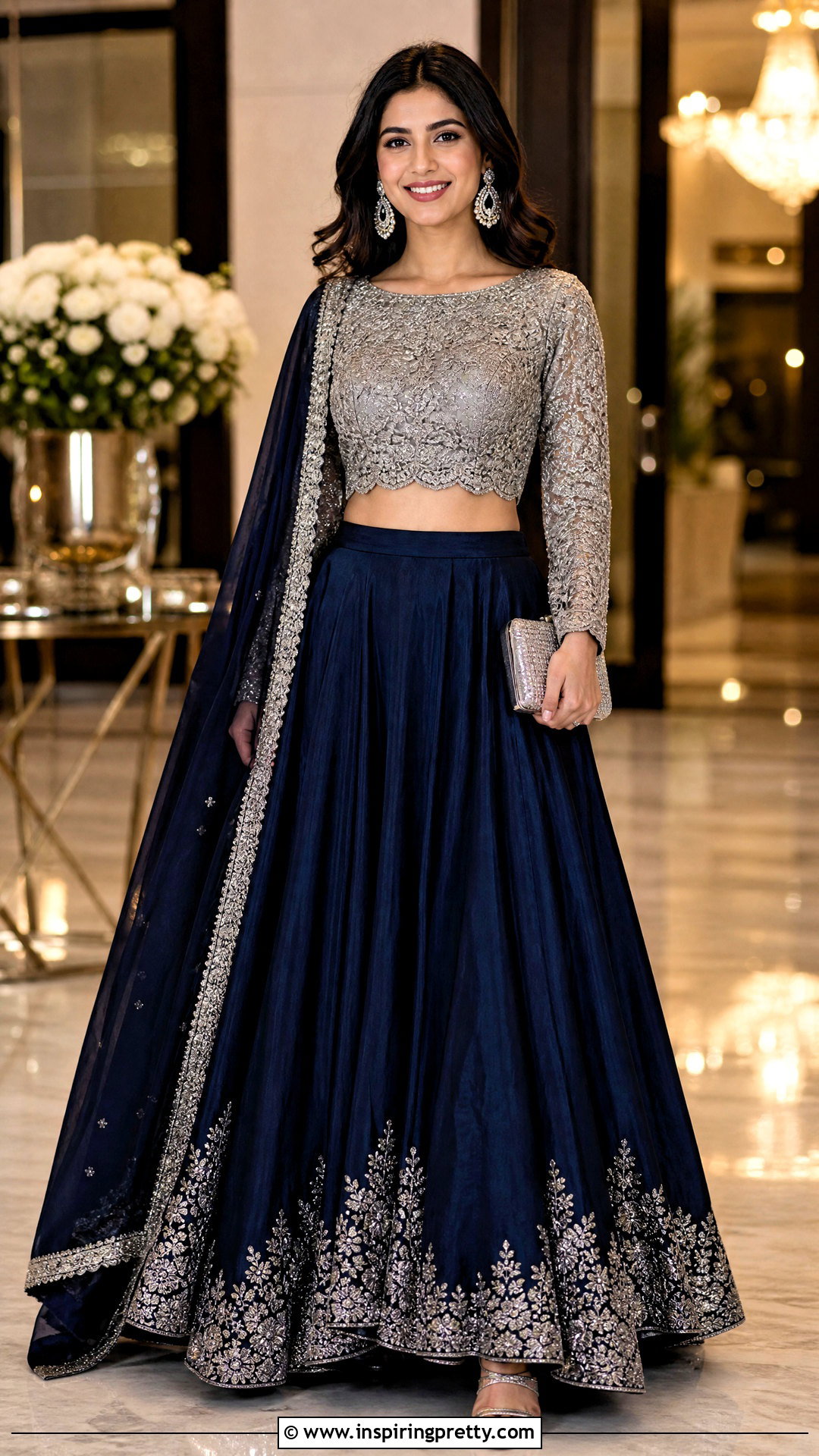
Navy makes silver embroidery look cool and modern, which suits evening receptions. Choose a long skirt in silk or georgette and a fitted silver or gray blouse with restrained beadwork. A boat or soft round neck; sleeves as you like. A navy dupatta with a narrow silver border connects the two. Crystal earrings, a slim bracelet and a metallic clutch. Silver block heels, with the hem just above the floor once they're on. Get the skirt hemmed with your heels on, not barefoot.
22. Black Skirt With Gold Traditional Top
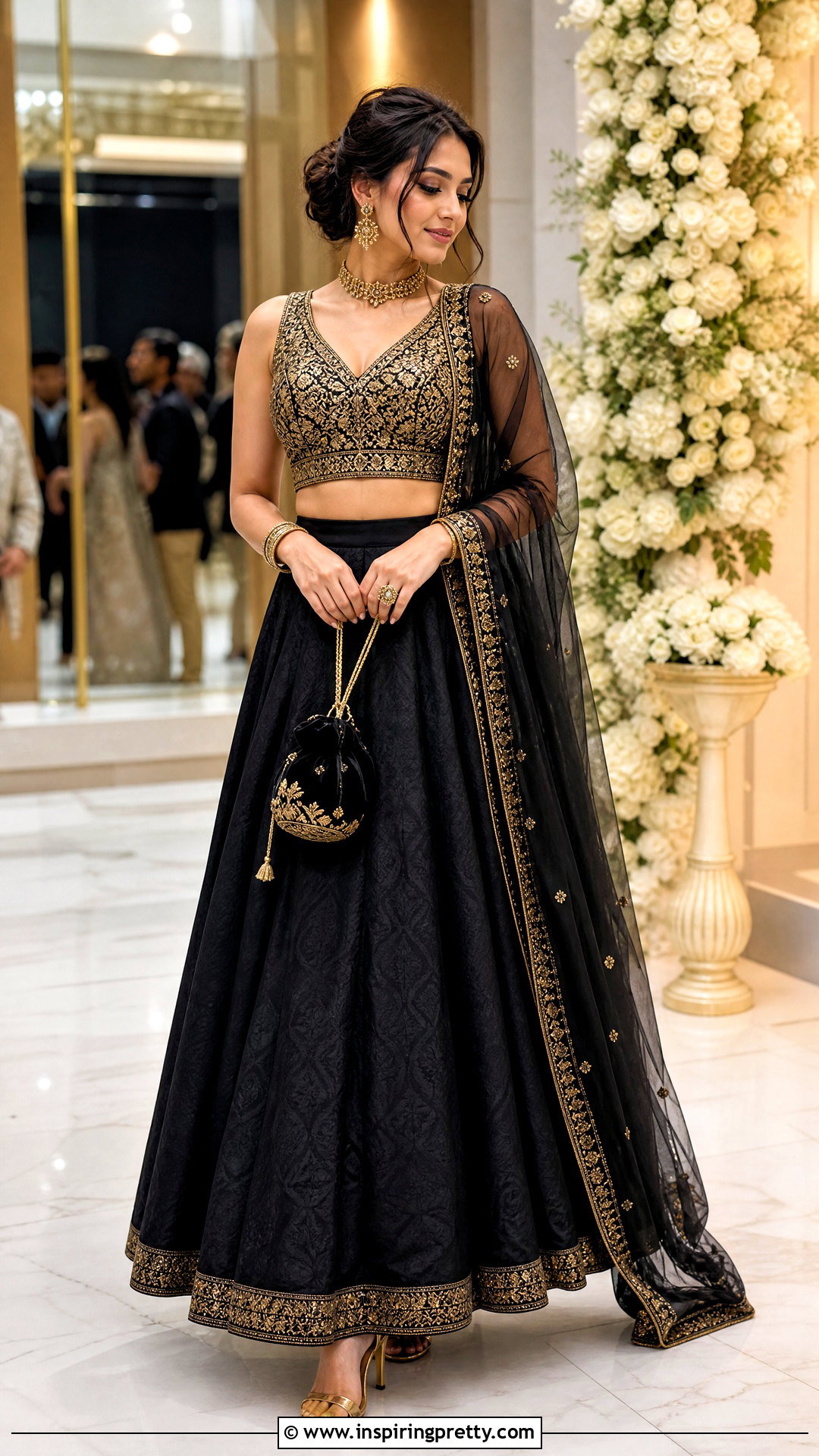
Black was once avoided at Indian weddings in many families, and some still prefer guests skip it, so I'd check before wearing this to a ceremony. For evening cultural events, though, black with gold is striking. Pair a plain or subtly patterned black skirt with a gold brocade or tissue blouse with elbow sleeves. Skip an oversized blouse over a very full skirt. A sheer black dupatta with a fine metallic edge. Antique gold jewelry, a black potli and gold heels. A low bun suits it.
23. White Skirt With Red Embroidered Blouse
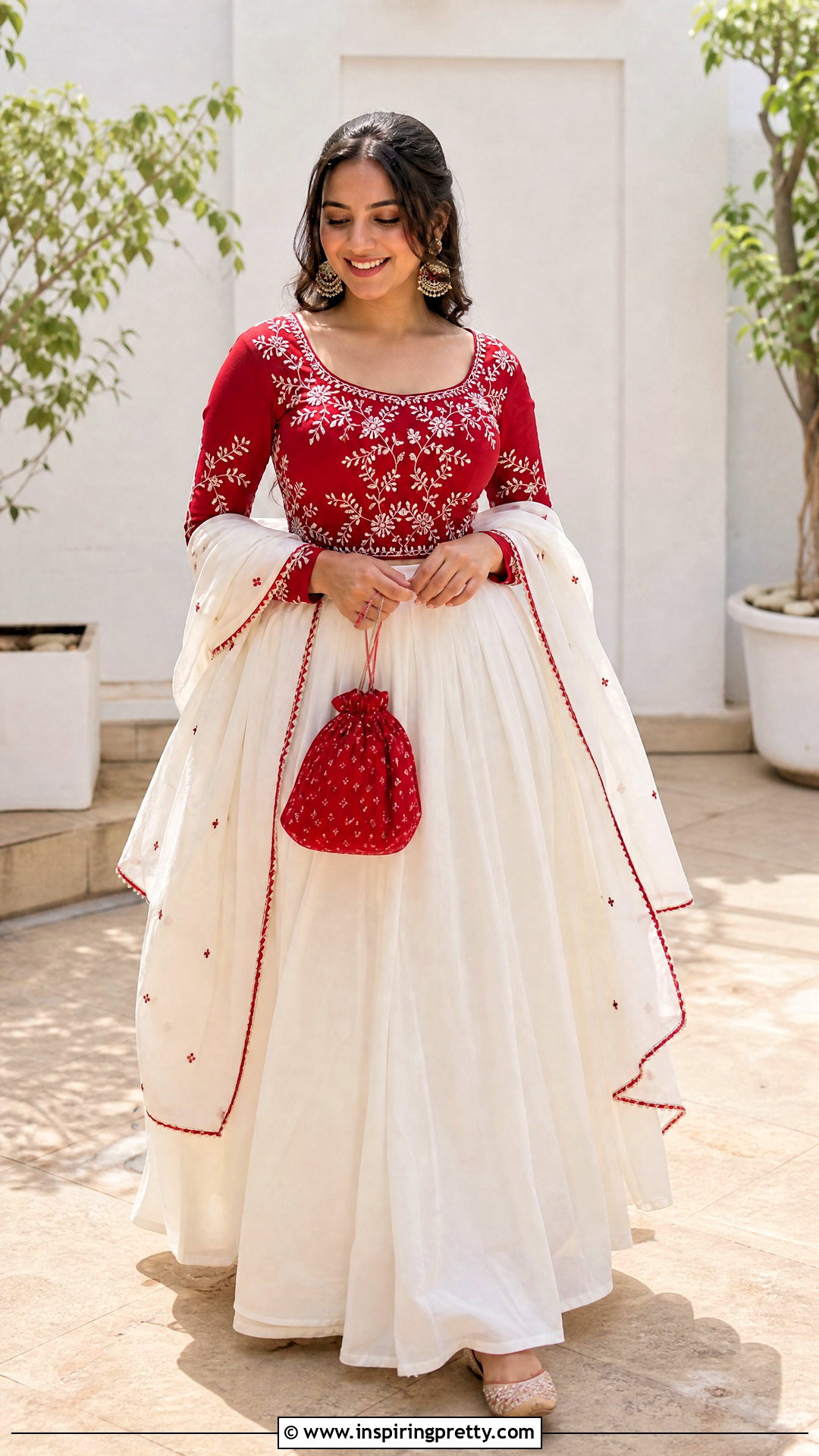
White and red is crisp and instantly noticed. The skirt must be opaque: cotton, silk or layered georgette with a clean waistband and gentle flare. The red blouse fits closely, with embroidery around the sleeves or neckline. A white dupatta edged in red links them. Silver or gold earrings depending on the embroidery's thread, plus a small red potli. Neutral juttis. Red dyes can run onto white in the first wash, so I'd dry clean or wash the two pieces separately.
24. Purple Skirt With Mustard Crop Top
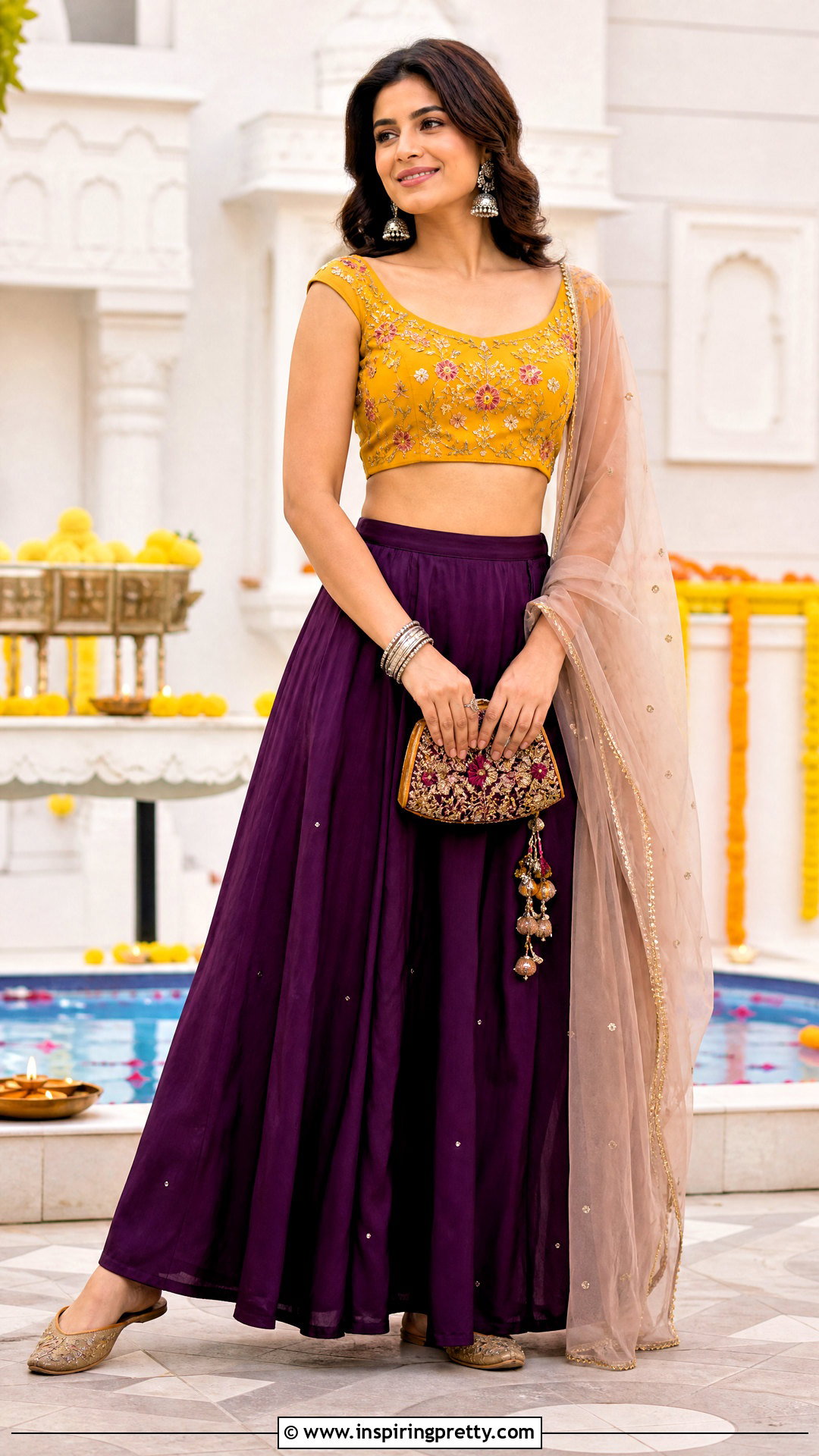
Purple and mustard sit opposite each other on the color wheel, which is why the pairing feels so energetic. Choose a deep plum skirt with little embellishment and a mustard crop top with small embroidered details. Elbow sleeves ground the bold colors. If you add a dupatta, keep it sheer and neutral or one that repeats both shades quietly. Oxidized earrings, a few silver bangles and an embroidered clutch. Tan juttis and a loose braid. A good festive lunch outfit.
25. Orange Skirt With Blue Printed Top
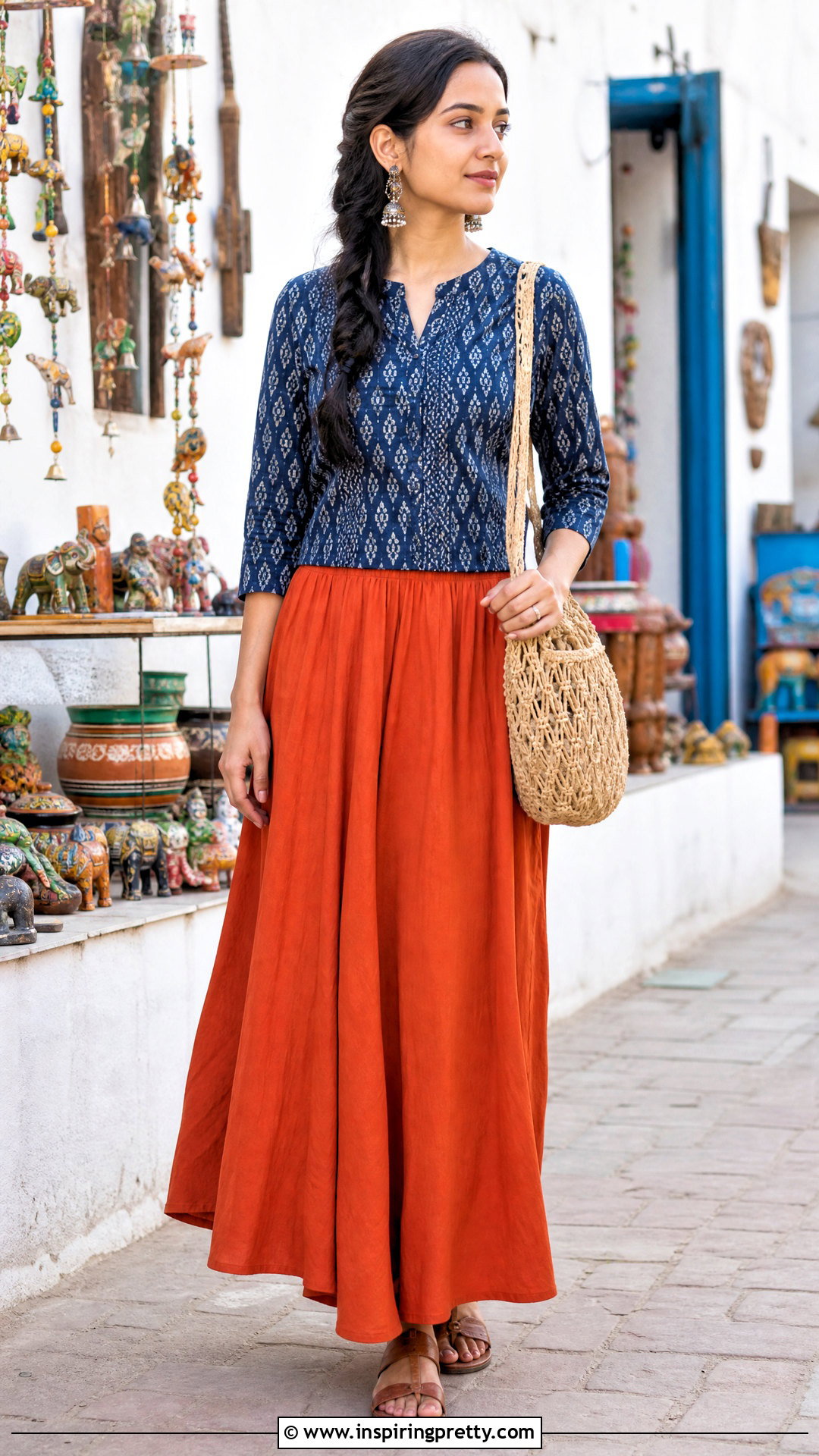
Orange and blue are another complementary pair, and I keep the pattern on the top so it isn't busy. A rust or burnt orange skirt with an indigo blouse in a small print works well. A waist-length blouse with a round neck and short sleeves keeps the proportions comfortable. Oxidized earrings, a blue fabric bangle and a woven bag. Brown flats or kolhapuris add no extra color. A casual braid. I'd wear it to a craft fair or a daytime festival, in breathable cotton.
26. Teal Skirt With Magenta Blouse
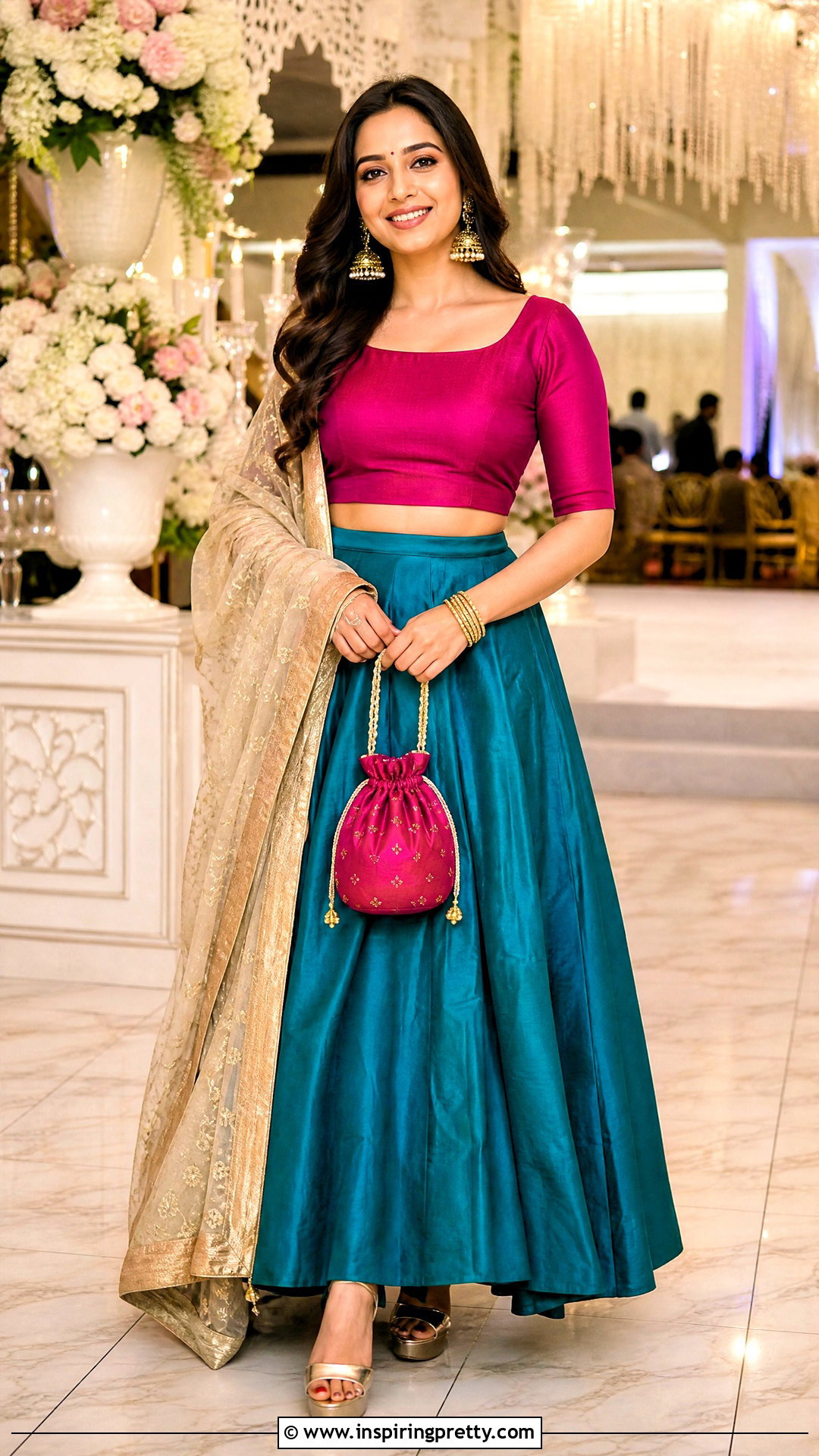
Teal and magenta are both jewel tones, so the outfit looks rich without heavy embroidery. A raw silk or cotton-silk teal skirt with a fitted magenta blouse and a clean neckline is my pick. Gold piping or small woven motifs link the colors. A pale gold dupatta softens the jump between them. Gold jhumkas, a slim bangle stack and a small potli. Metallic heels for formality, flat juttis for long hours. Raw silk shows water spots, so keep a drink well away from your lap.
27. Pastel Skirt With Pearl Work Top
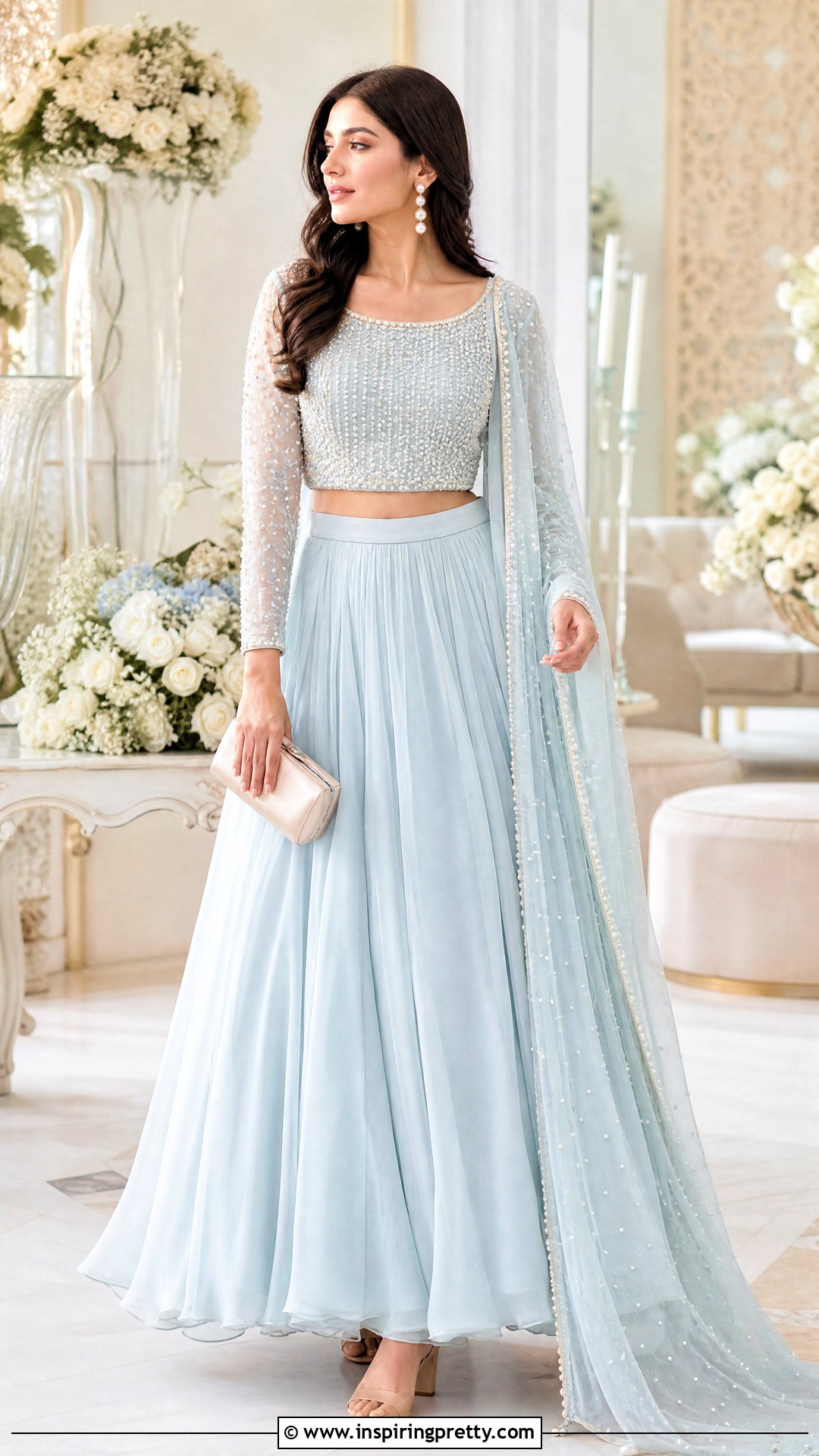
Texture can do the festive work when the color is quiet. A pastel skirt in powder blue or sage with a fitted top decorated with pearl work is soft and elegant. Keep the pearls at the neckline, sleeves or hem so the blouse isn't heavy. A sheer tonal dupatta adds movement. Pearl drops, a fine bracelet and a satin clutch instead of bold gold. Nude or silver block heels. Pearl beads are stitched individually, so I check the threads at the underarm, where they rub and break first.
28. Gota Patti Skirt With Matching Blouse
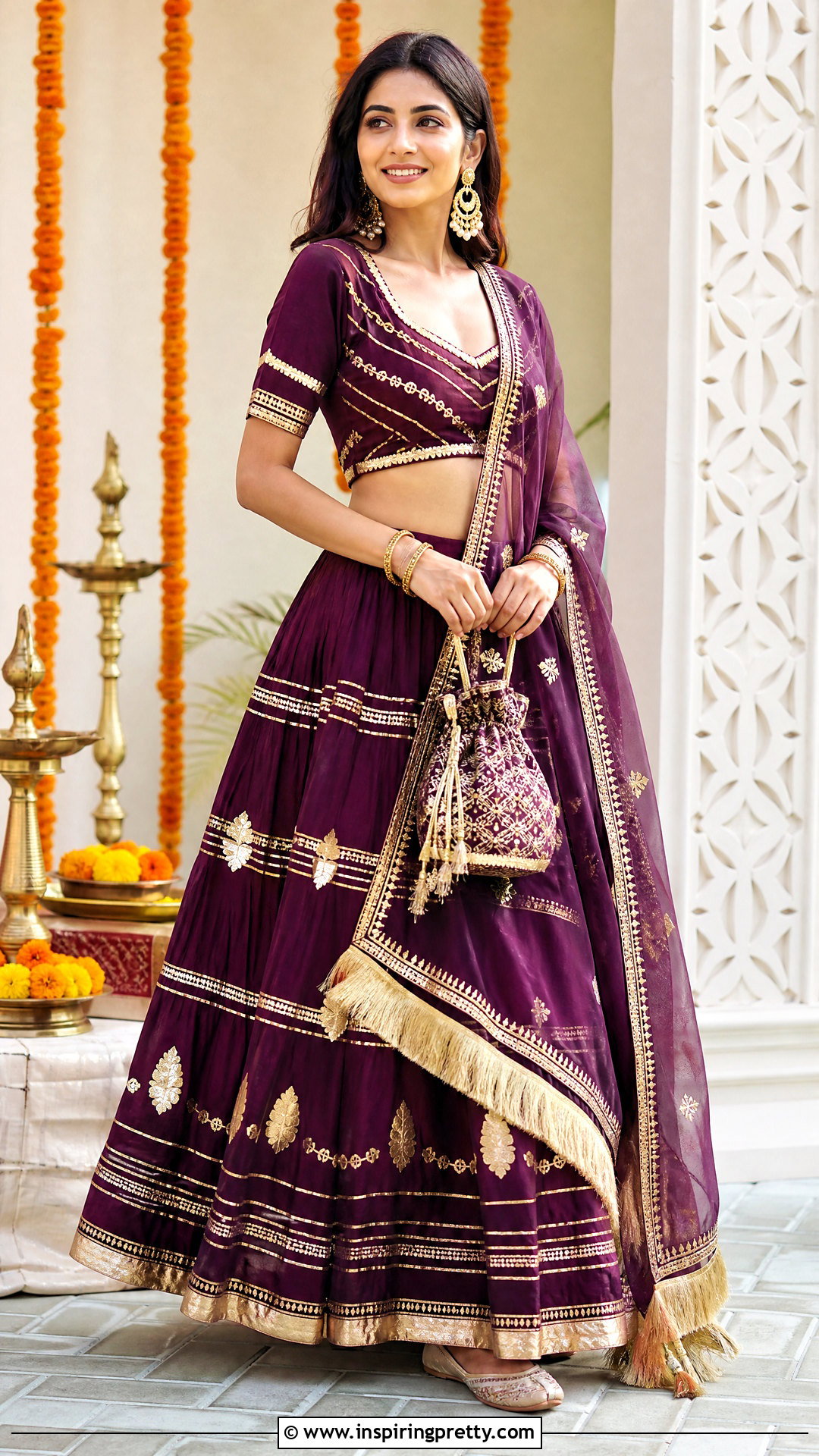
Gota patti is metallic ribbon cut and stitched onto the fabric, so a matching set looks festive almost without trying. Choose skirt and blouse in the same base color and vary the scale: broader motifs below, finer detail on top. A fitted blouse and high-waisted skirt keep the outline clear. A light dupatta with a narrow matching border over one shoulder. Gold earrings, slim bangles and a small potli. Gota tarnishes with moisture, so I store these sets wrapped in cotton, away from perfume.
29. Zari Skirt With High Neck Top
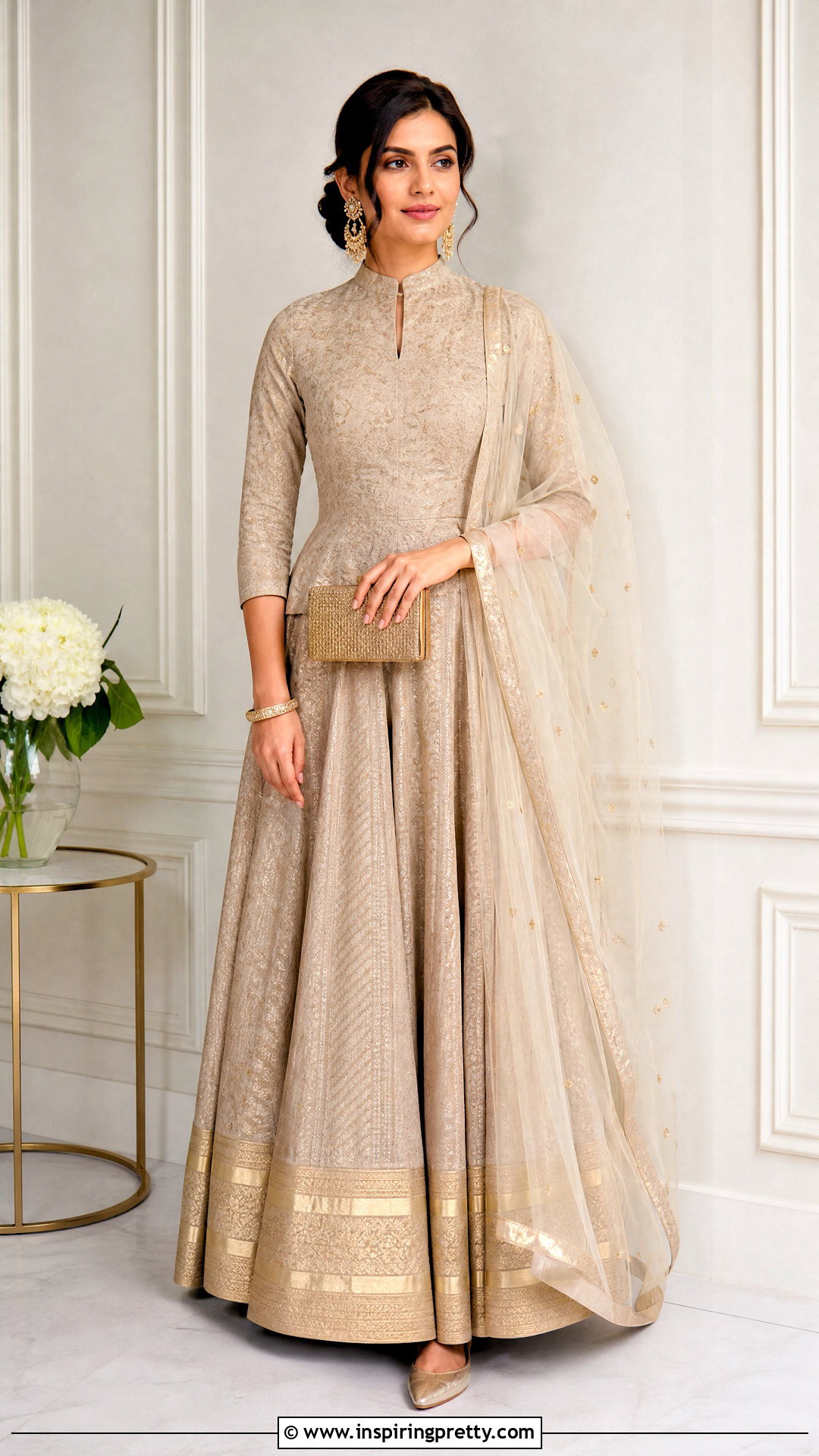
A high-neck blouse gives a zari skirt a dignified, current shape and means you can skip the necklace entirely. Choose a skirt with metallic borders or scattered zari and a solid fitted top that reaches the natural waist. Statement earrings, one good bangle and a compact clutch. Three-quarter sleeves suit cooler evenings and women who like more cover. A sheer dupatta from one shoulder, kept off the neckline. Pointed flats or low metallic heels, and hair up so the collar shows.
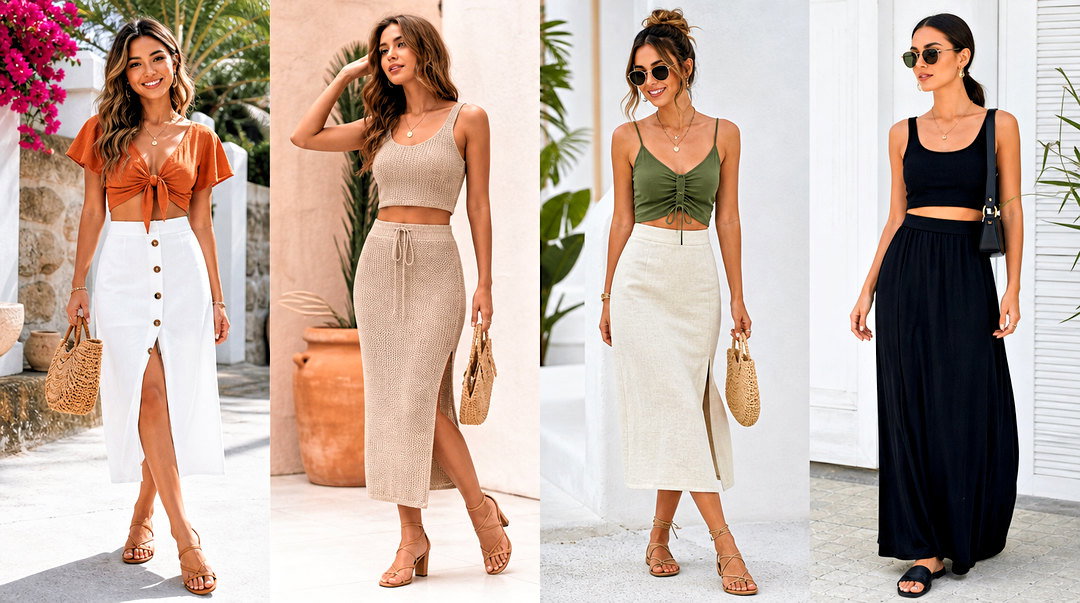
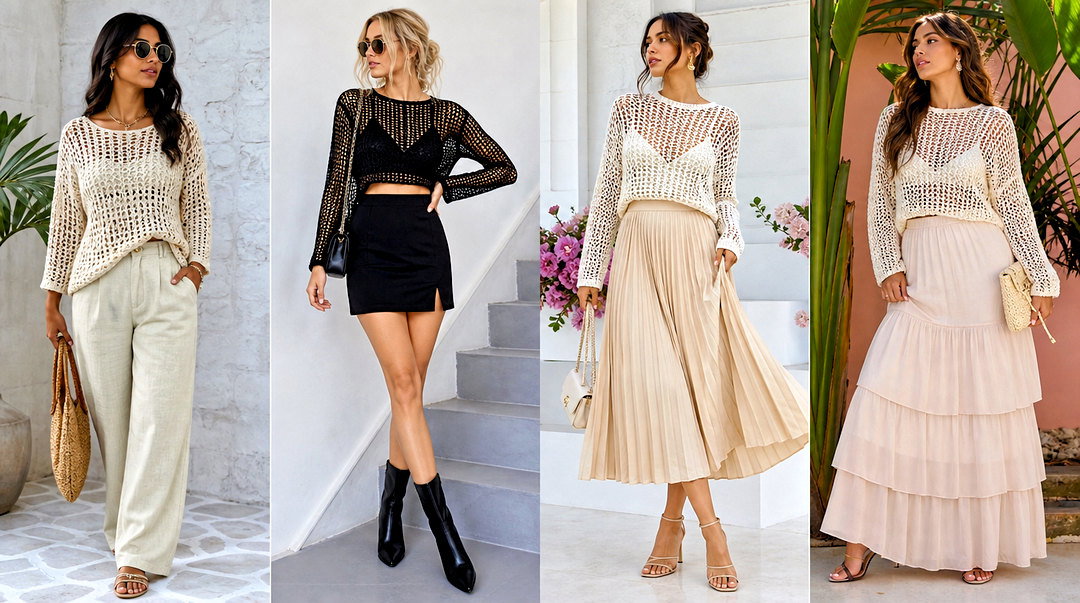
30. Embroidered Skirt With Long Sleeve Top
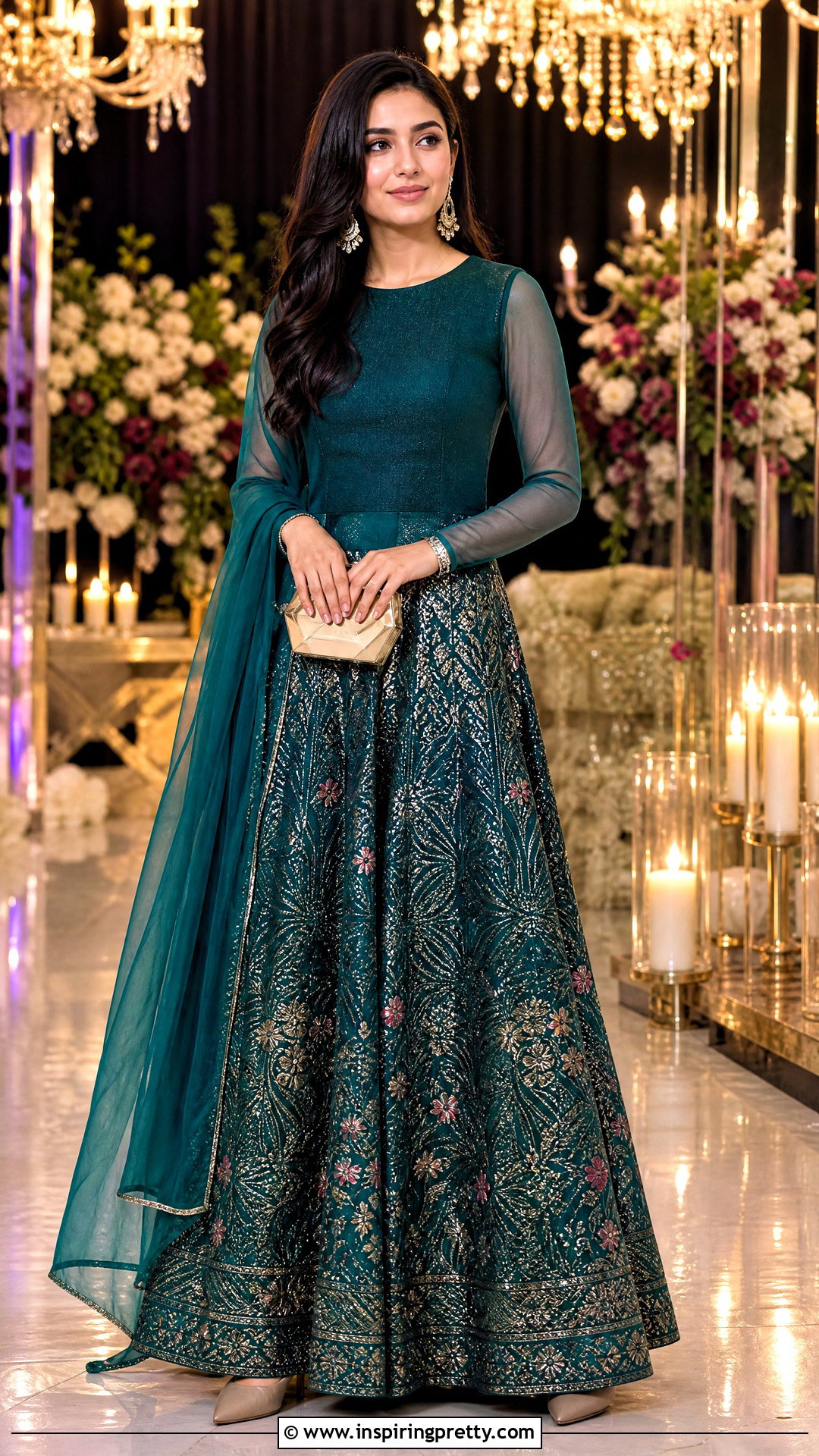
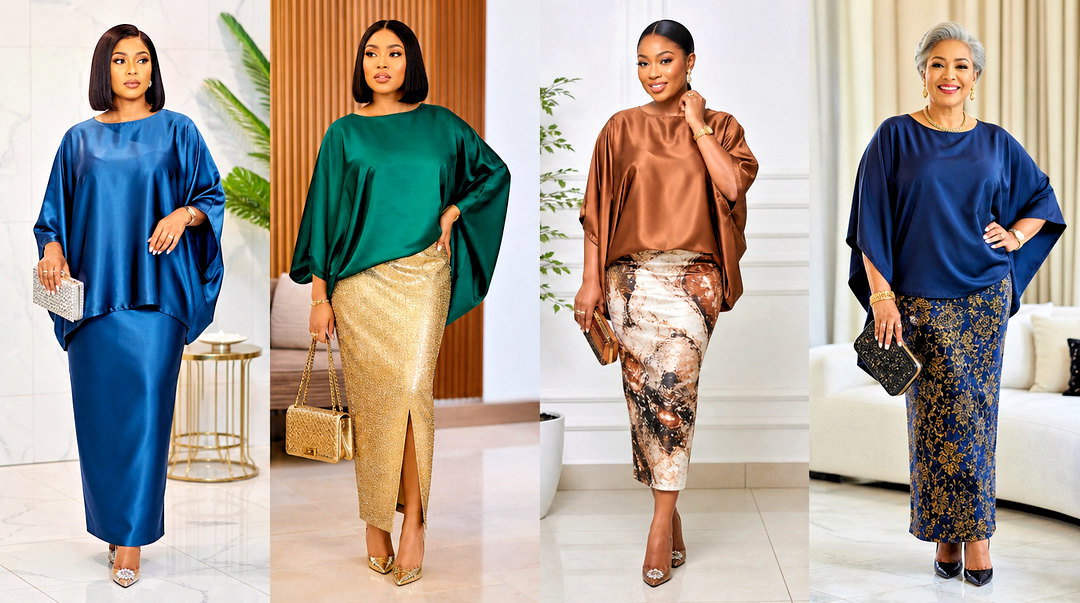
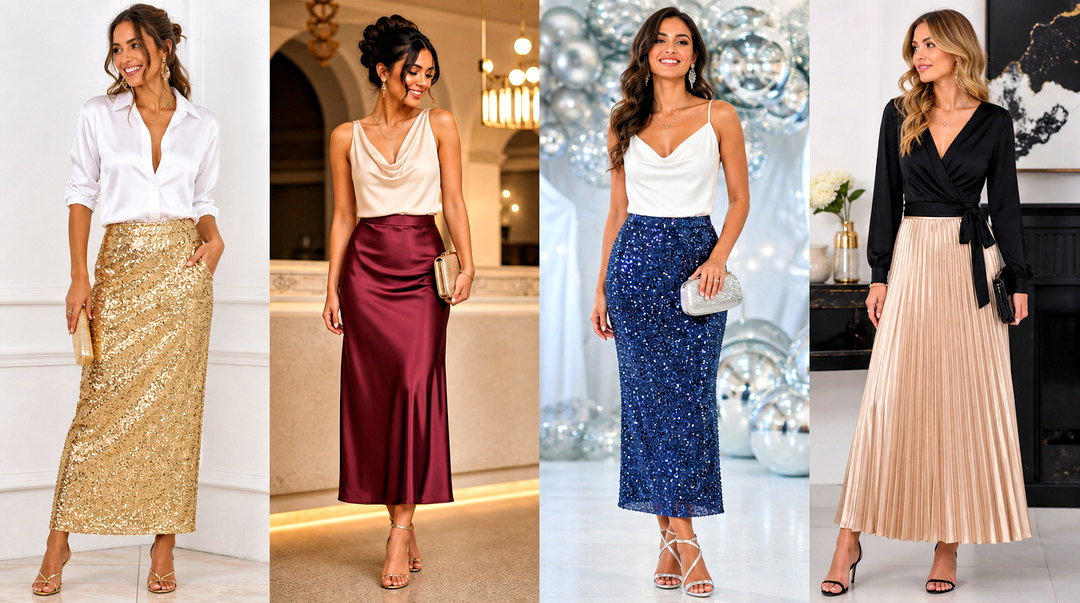
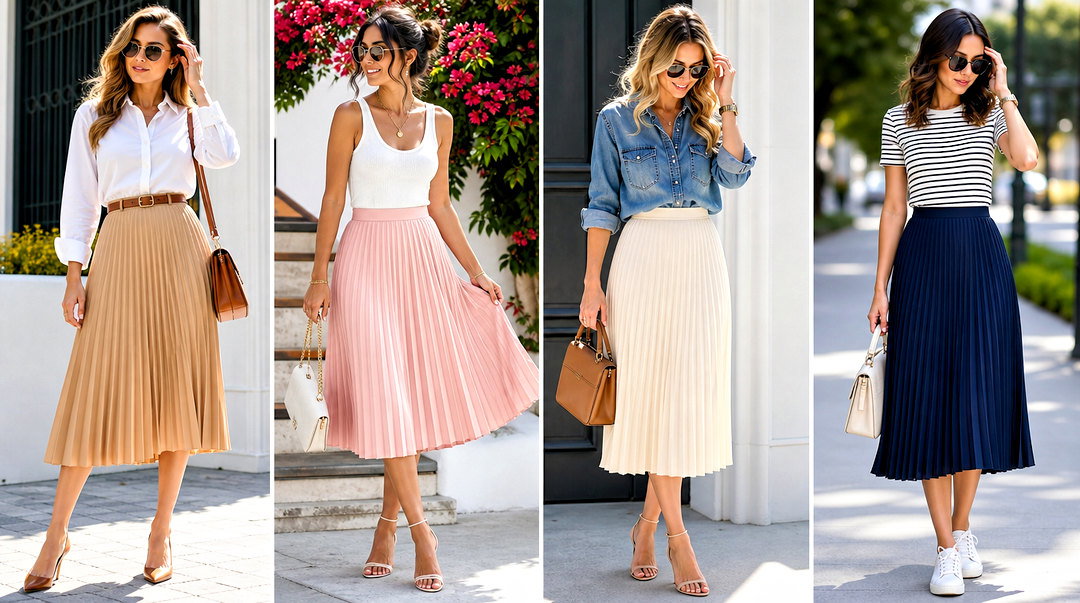
Long sleeves balance a heavily embroidered skirt, especially for evening or winter functions. Choose a fitted top in the skirt's base color or a quieter accent shade. Sheer sleeves with embroidered cuffs feel light; opaque sleeves give more coverage. Keep the blouse hem near the waistband so the torso doesn't look heavy. Drop earrings, a slim bracelet and a structured clutch. A plain chiffon dupatta if you want a layer. Closed-toe flats or block heels. Make sure you can lift your arms fully; fitted long sleeves often bind at the armhole.
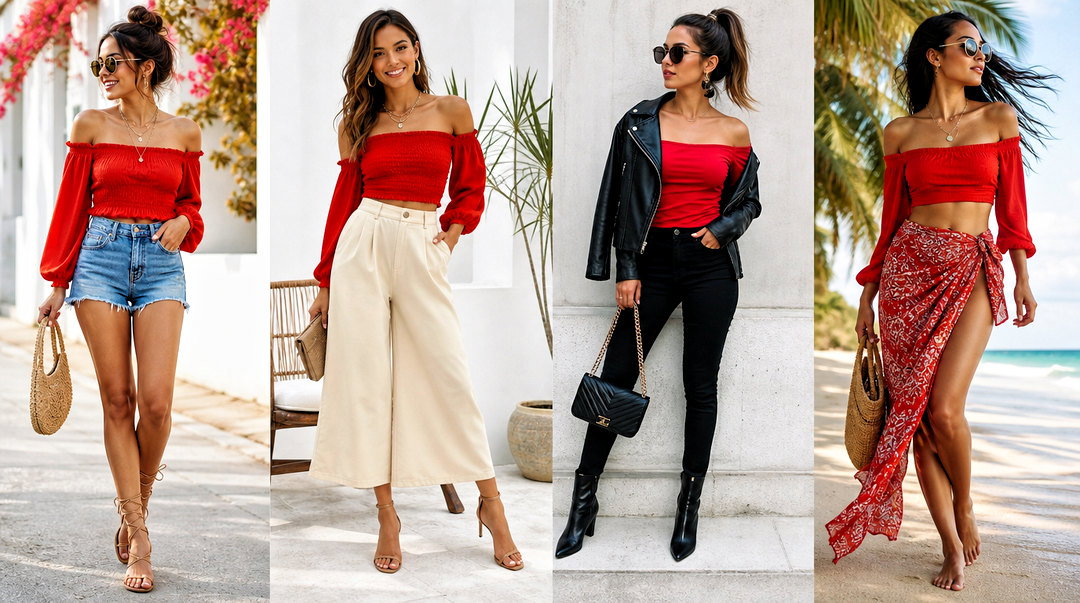
31. Printed Skirt With Denim Shirt

Tucking a chambray shirt into a printed skirt is the easiest Indo-Western outfit I know. Lightweight chambray tucks and drapes; heavy denim doesn't. Roll the sleeves to the elbow and leave the collar open. It turns a bold block print, Bandhani or floral skirt into something you can wear to a casual lunch. Oxidized earrings, slim bangles and a tan leather crossbody. Kolhapuris, white sneakers or plain juttis, and a loose braid. Keep the skirt at ankle length so the shoes show.
32. Ethnic Skirt With White Button Down Shirt
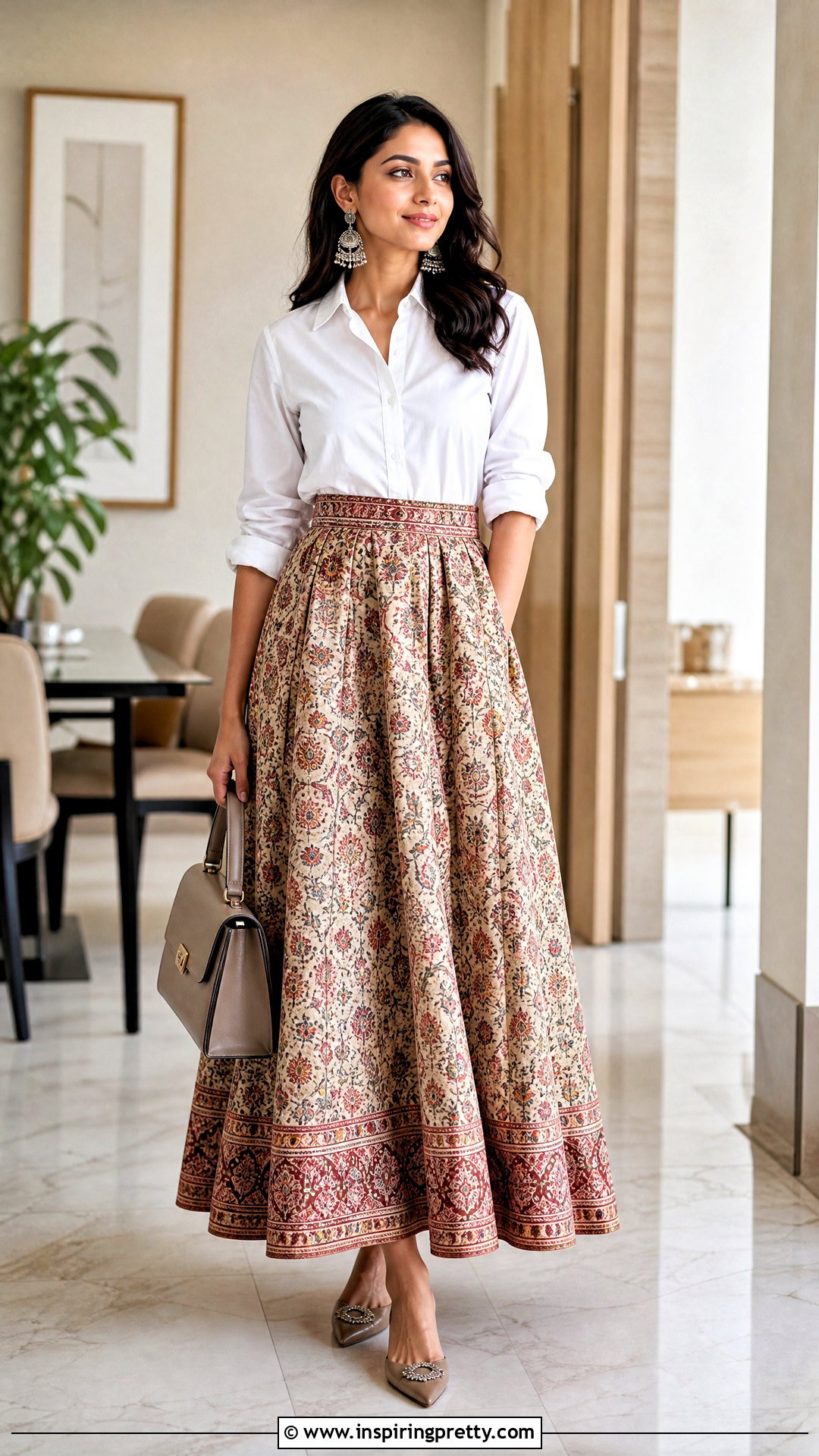
A white button-down gives a flowing ethnic skirt structure and makes it office-appropriate for a Diwali party at work. Choose a tailored shirt and tuck it fully into a high-waisted printed or embroidered skirt. Rolled sleeves read relaxed; a buttoned collar reads formal. Add a fabric belt only if the waistband needs it. Silver earrings, one statement ring and a structured bag. Pointed flats, block heels or leather sandals. A sleek ponytail keeps it clean.
33. Long Skirt With Angrakha Top
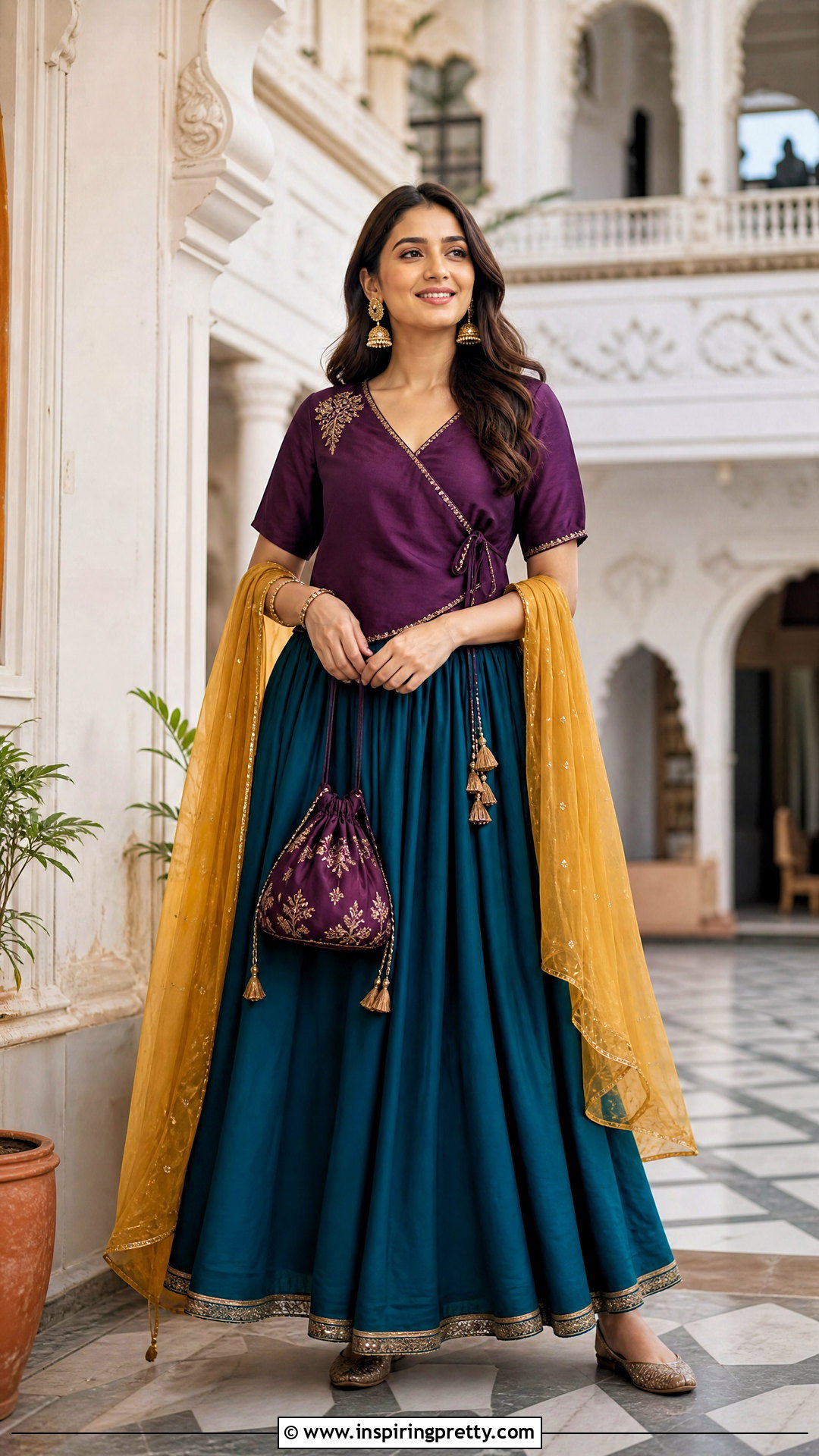
The overlapping front of an Angrakha ties at the side and shapes the waist on its own. Pair a short Angrakha blouse or kurti with a long, moderately flared skirt in a complementary color. It should tie securely and end near the waistband, so extra fabric doesn't hide the skirt. Tassels or piping can link the pieces. Jhumkas, slim bangles and a small embroidered bag. The dupatta is optional, since the crossover neckline already holds attention. Check the tie with a safety pin inside, because side ties loosen while dancing.
34. Flared Skirt With Peplum Kurti
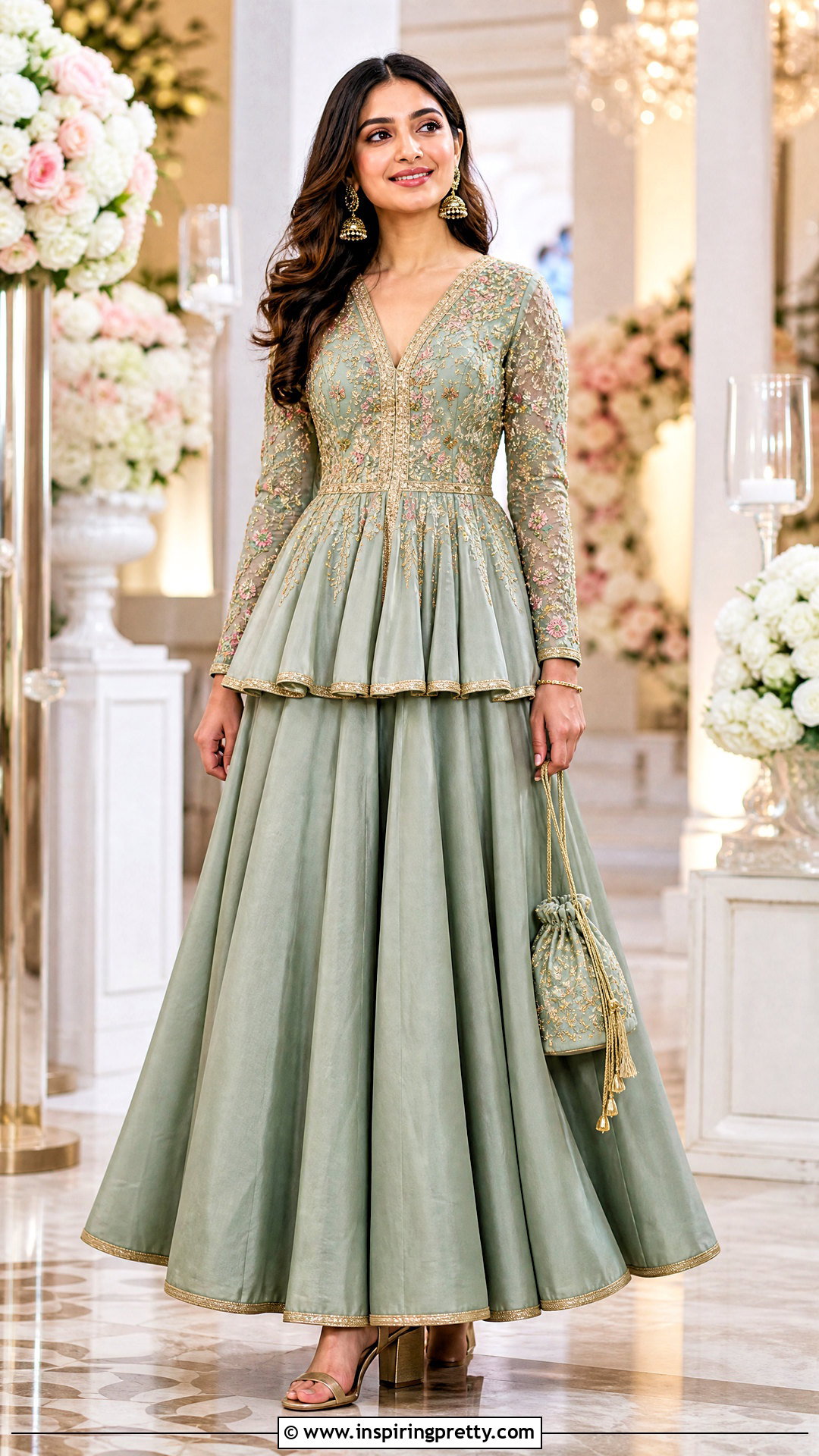
Peplum and flare together only work if both are controlled. I choose a peplum kurti that nips in at the natural waist and flares just a little, over an ankle-length skirt with clean pleats rather than bulky gathers. A solid top balances a printed skirt; an embroidered peplum suits plain silk. Medium earrings, a slim bracelet and a compact potli. Block heels lengthen the outline so the two full pieces don't look heavy. A good choice for receptions when you want coverage.
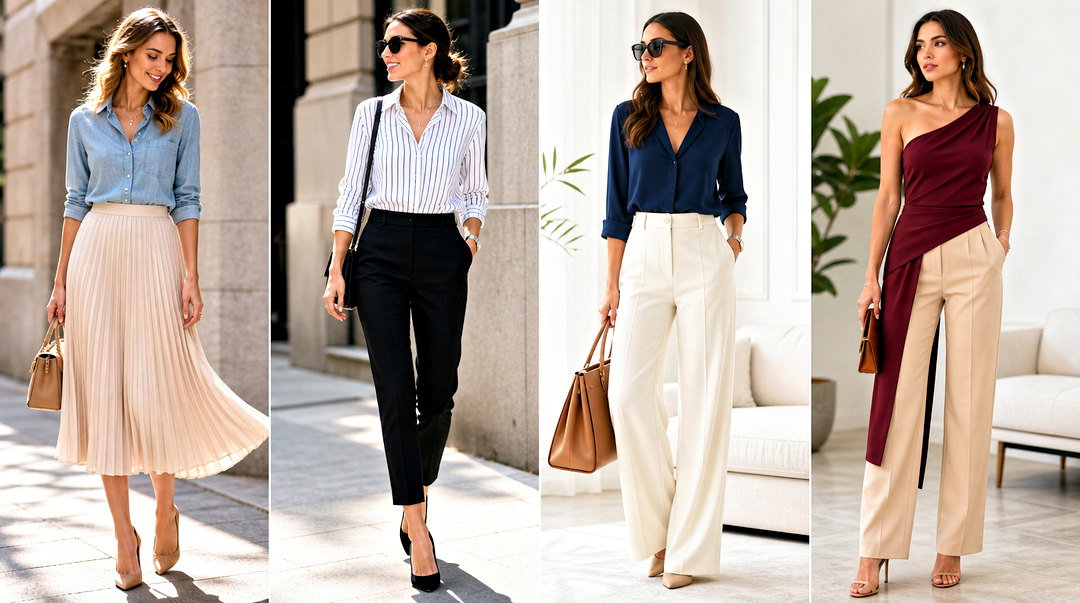
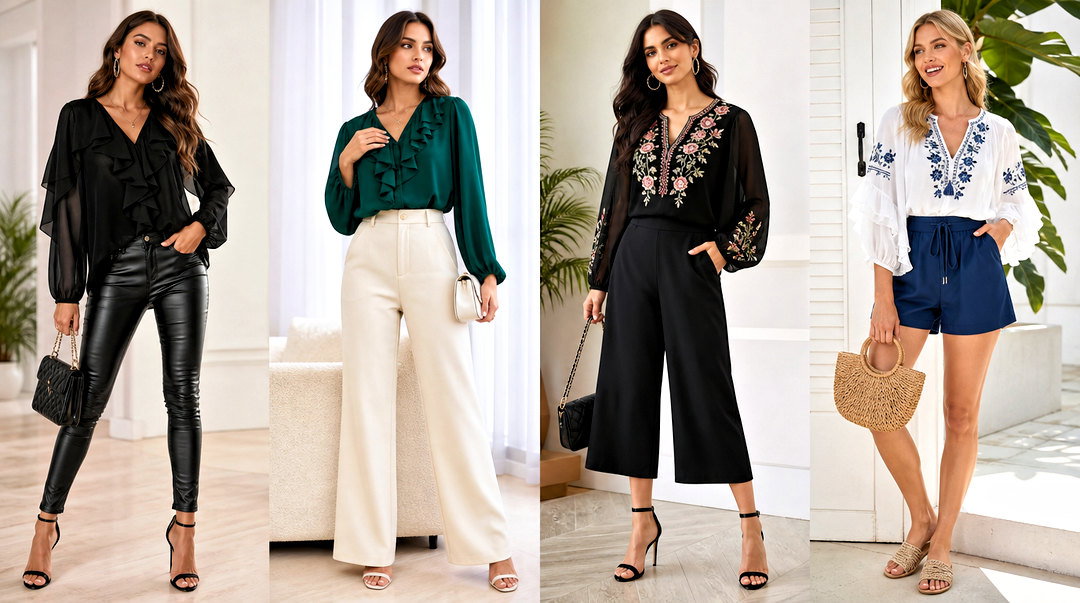
35. Pleated Skirt With Short Embroidered Kurti
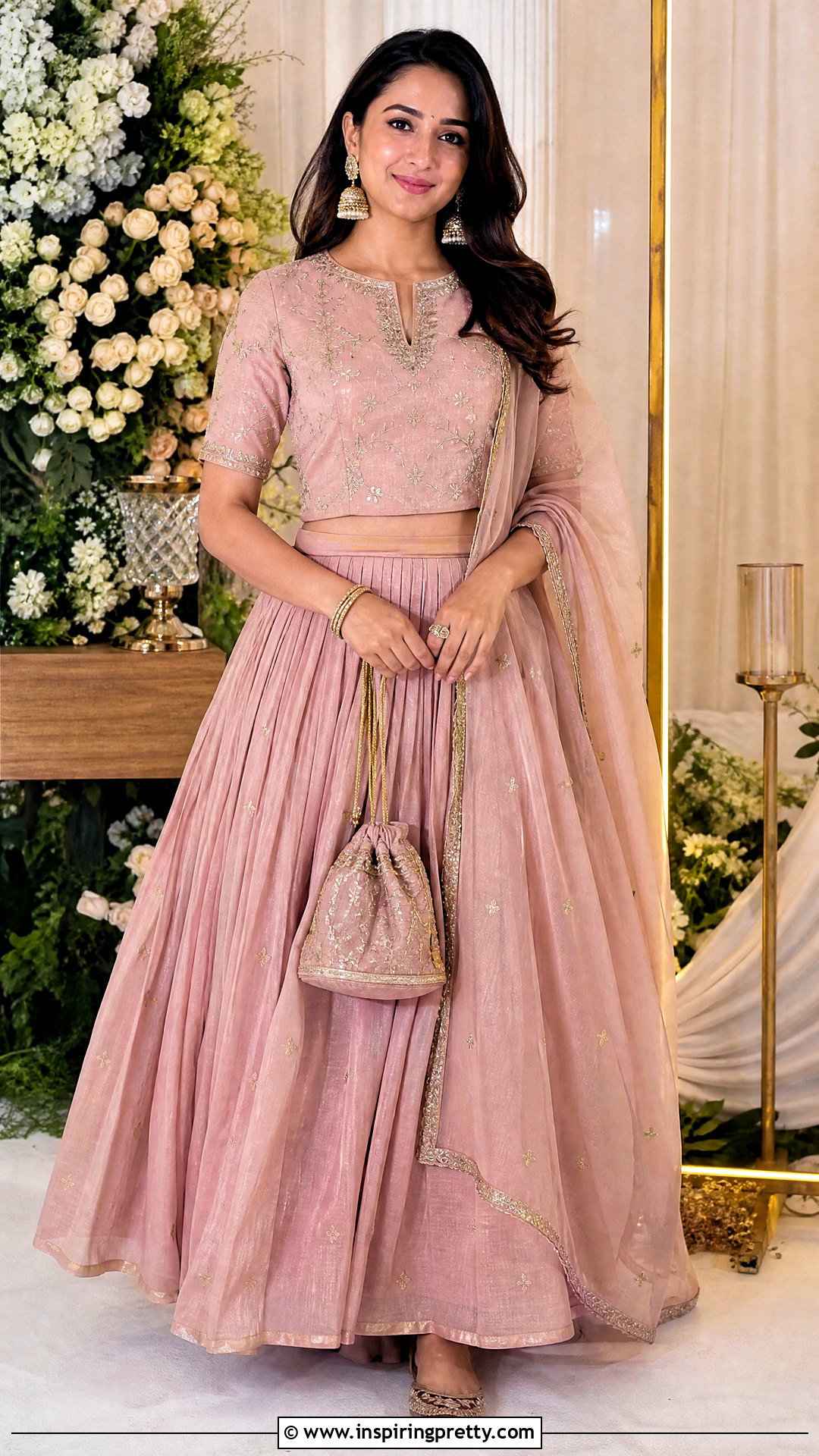
Vertical pleats lengthen the figure, which is why I like a pleated skirt with a short embroidered kurti. Cotton-silk, Chanderi or light georgette hold pleats without stiffness. The kurti ends near the waistband and fits neatly at the shoulders, with embroidery at the neck and cuffs. A matching light dupatta for formal events. Jhumkas, a simple bangle set and a structured potli. Low block heels or pointed juttis. Store the skirt hung by loops, or the pleats crease in the wrong places.
36. Tiered Skirt With Fitted Traditional Top
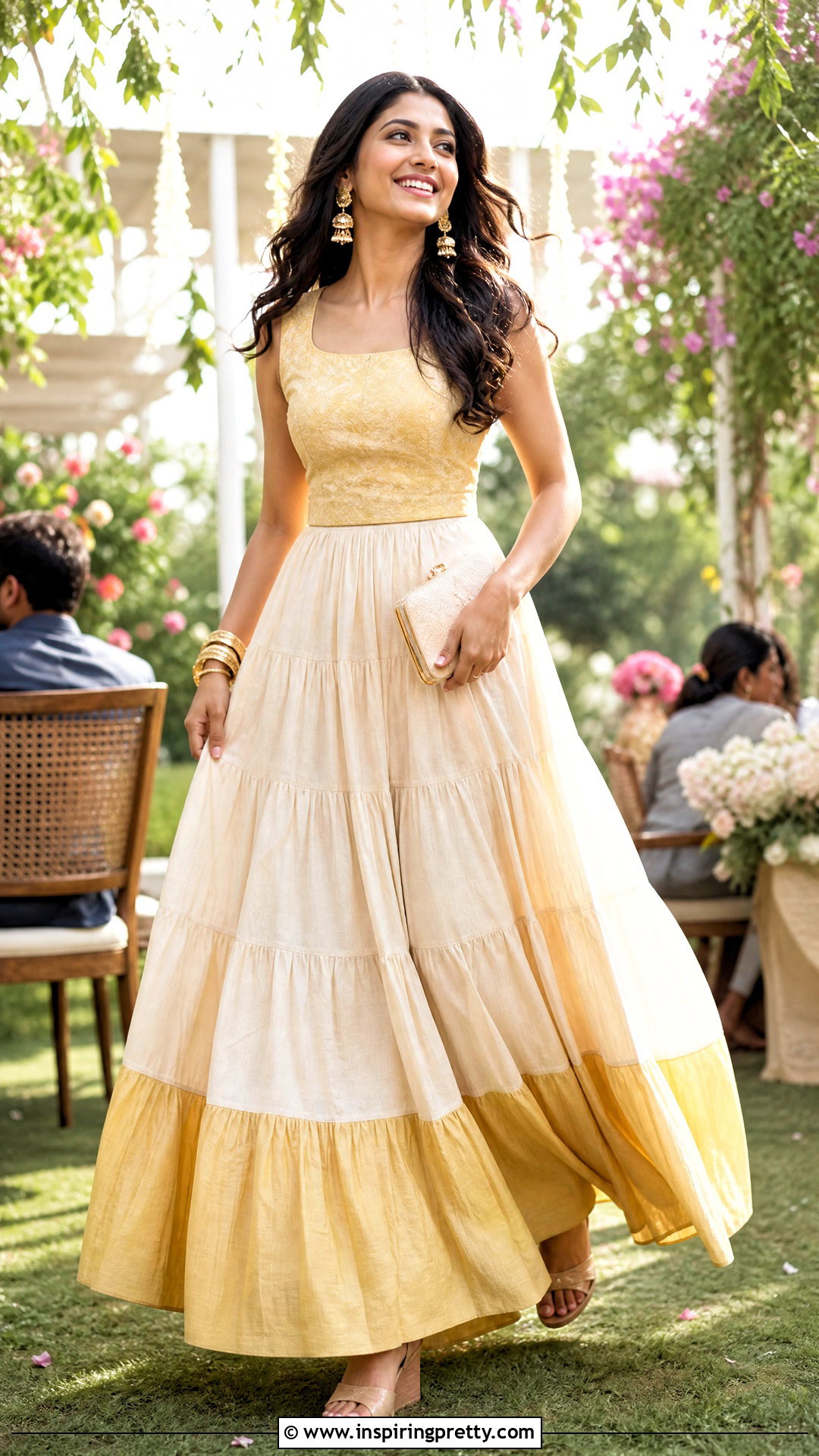
Tiers give lots of swing, so the top has to be fitted. I prefer two or three broad tiers in cotton or silk blend over many small ruffles, with a streamlined blouse that meets a high waistband. Square neck, cap or elbow sleeves depending on the event. Keep decoration at the neckline. Drop earrings, a small clutch and a few bangles. Wedges or sturdy block heels keep the long hem off the ground. Each tier seam adds weight at the hem, so a heavy tiered skirt needs a firm waistband to stay put.
37. A-Line Skirt With Straight Kurti
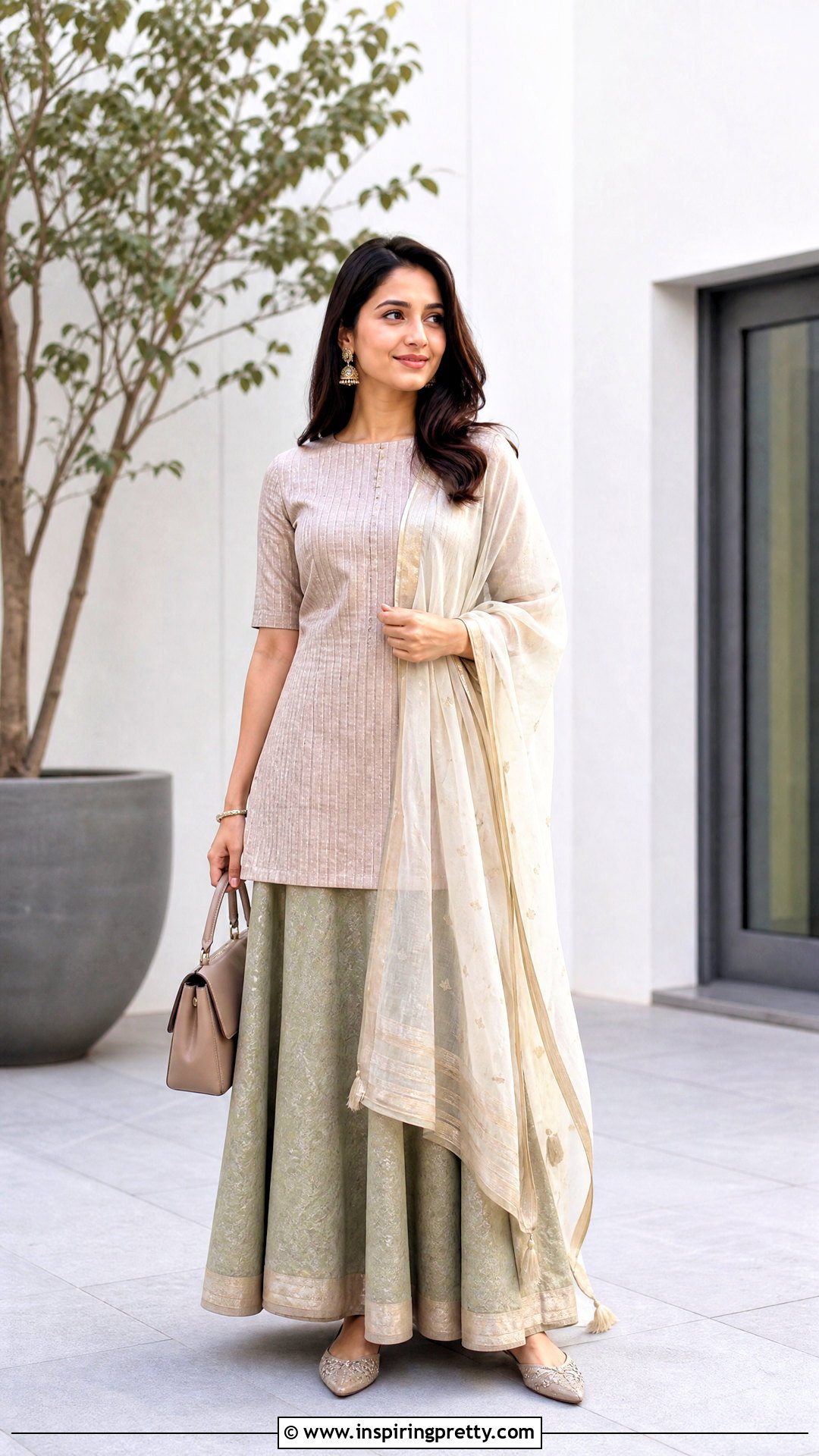
For women who like understated clothes, an A-line skirt with a straight kurti is my first suggestion. The skirt skims the hips and widens gently; the kurti ends at the upper hip or near the waistband. A long kurti over an A-line hides its shape, so avoid that. Small prints, woven borders or contrast piping add interest. Modest earrings, a structured bag and comfortable flats. A light stole can replace a full dupatta. It's practical enough for a full working day with a festive lunch in it.
38. Wrap Skirt With Hand Block Print Top
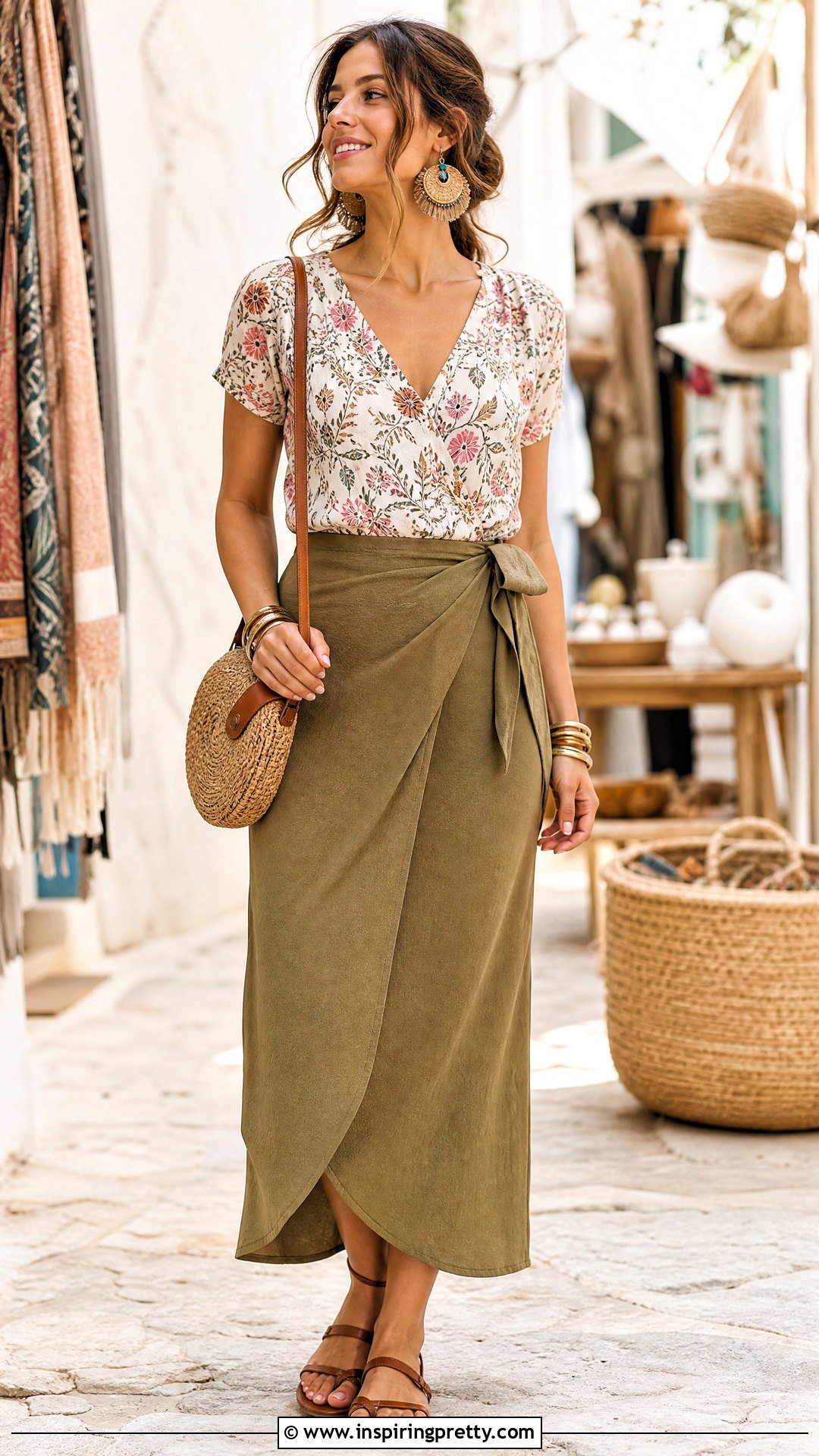
A wrap skirt adjusts to you, which makes it comfortable for long days. Pair a solid or quietly printed wrap with a hand block print top that sits at the waist; short sleeves and a modest V neck echo the diagonal of the wrap. Choose one with a generous overlap and tie it firmly, or it opens when you walk or sit. Handcrafted earrings, wooden or metal bangles and a woven crossbody. Flat sandals or kolhapuris and a side braid. Good for craft markets and holidays.
39. Maxi Skirt With Embroidered Tunic Top
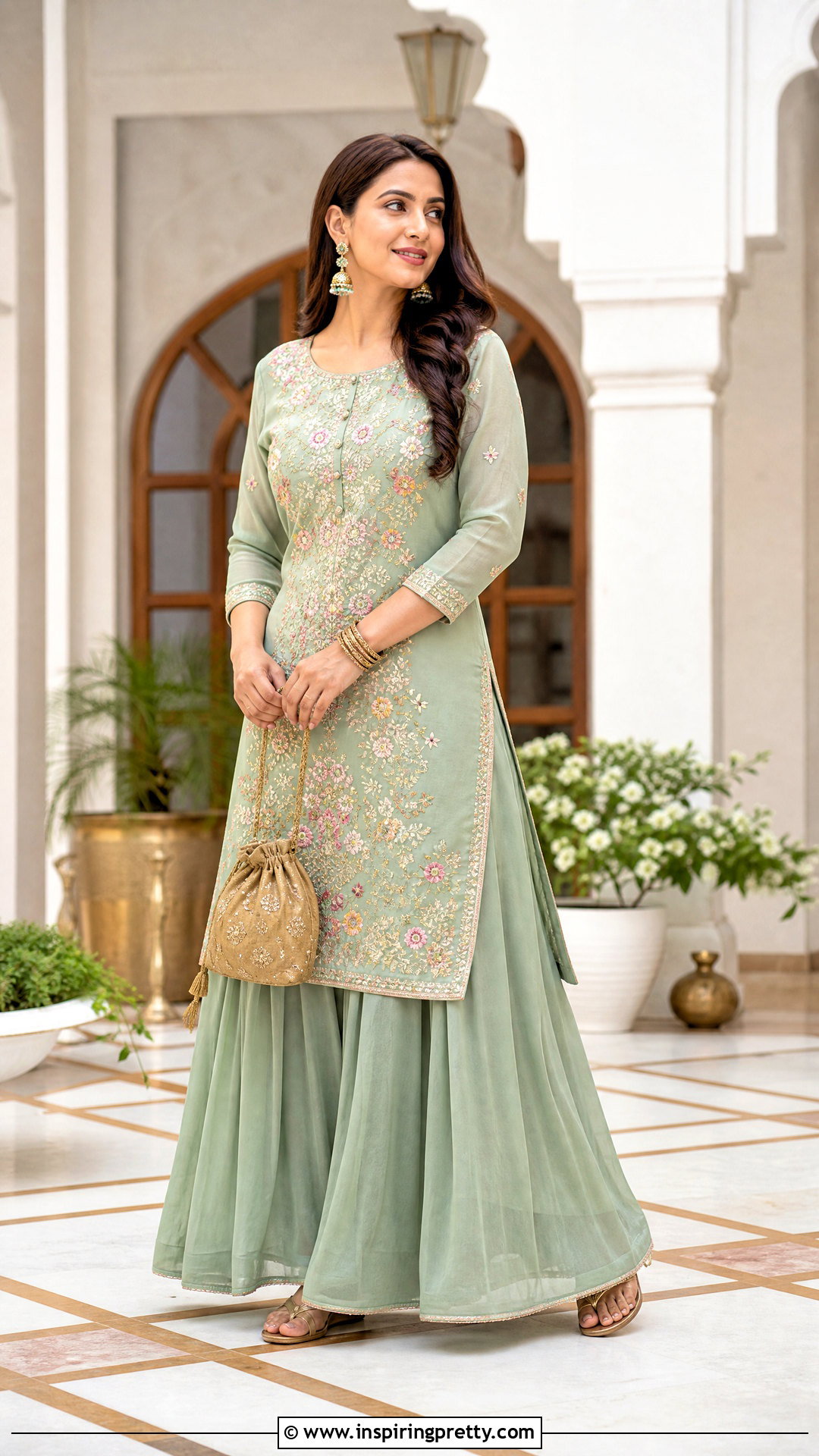
A maxi skirt with an embroidered tunic gives full coverage and still shows a shape. Choose a skirt with a smooth waistband and moderate flare, and a tunic that ends at the upper hip with side slits so it moves and reveals the skirt pattern. It should fit at the shoulders, not hang oversized. Long earrings, a slim bangle stack and a tote or potli. Flat juttis, low wedges or embellished sandals. This is a comfortable outfit for many ages and suits family functions and daytime pujas.
40. Dhoti Skirt With Embellished Crop Top
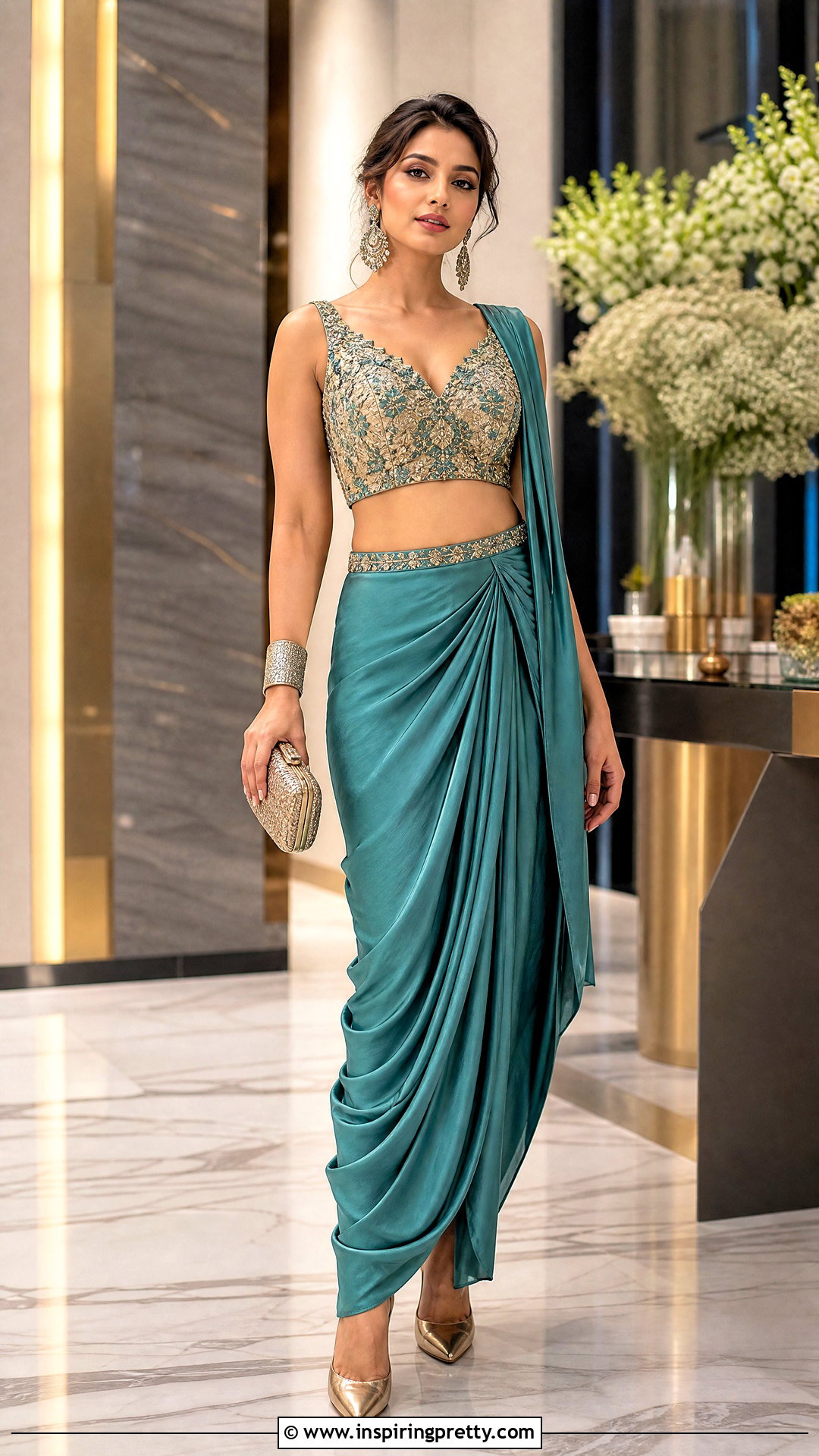
Draped folds give a dhoti skirt its shape, and a structured crop top keeps the outfit sharp. I'd pick a fluid skirt in satin, crepe or silk blend with a fitted embroidered blouse ending near the waistband, so the drape is visible. Keep the neckline simple and skip big sleeves, which fight the folds below. Statement earrings, one cuff and a compact clutch. Pointed heels or sleek flats. Satin dhoti drapes slip, so I ask the tailor to stitch the folds in place rather than relying on pins.
41. Chaniya Choli With Mirror Work
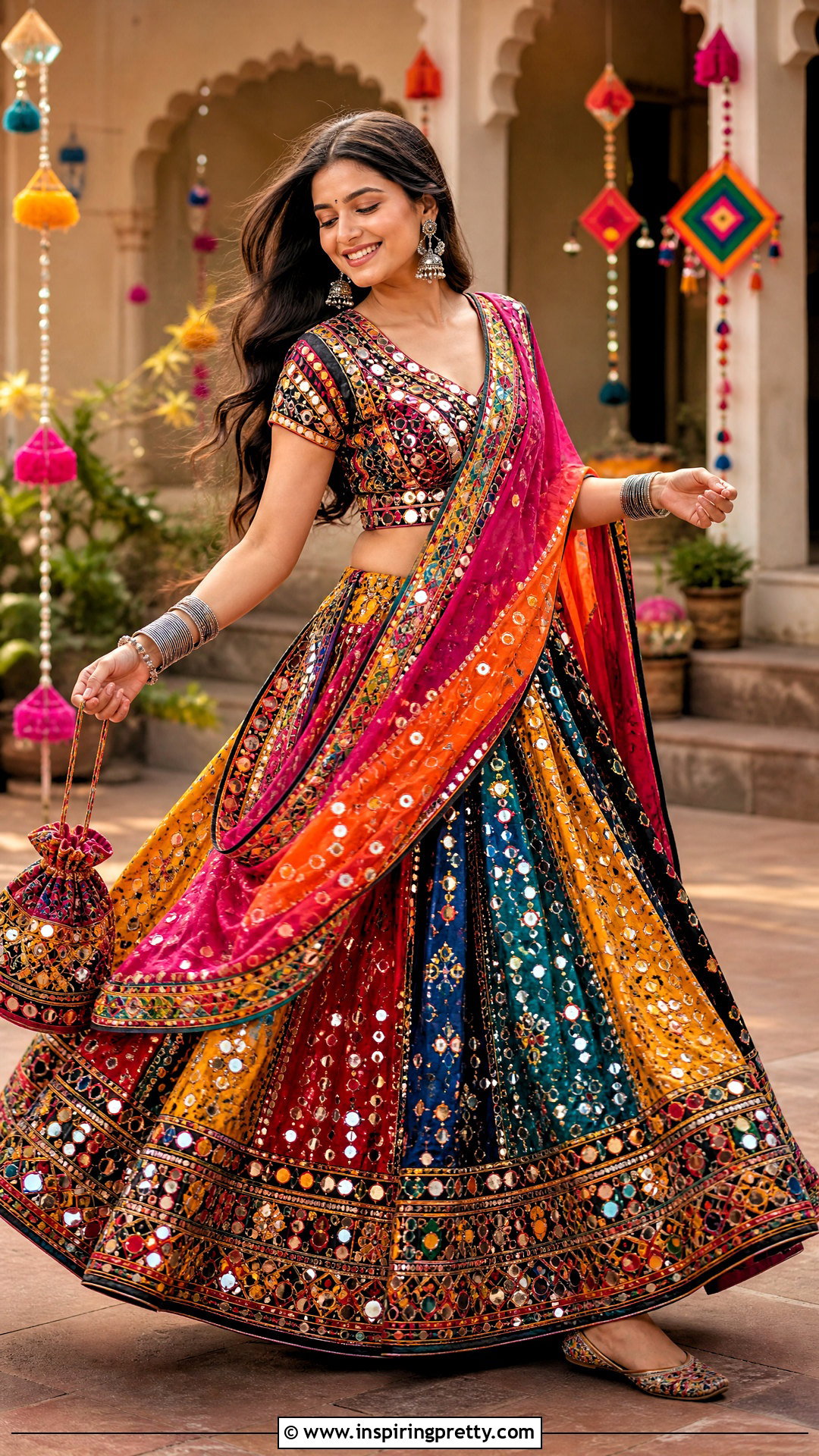
Garba nights need a chaniya choli that moves and stays put. Choose a flared chaniya with mirror work, embroidery or colorful panels and a blouse repeating one or two of the same details. The choli should be secure enough to dance in for hours. Drape the dupatta across the torso or over one shoulder and pin it at the waist and shoulder. Oxidized jhumkas, layered bangles and a waist pouch. Cushioned juttis. Let one piece carry the heaviest work while the other two support it.
42. Ghagra Skirt With Short Choli
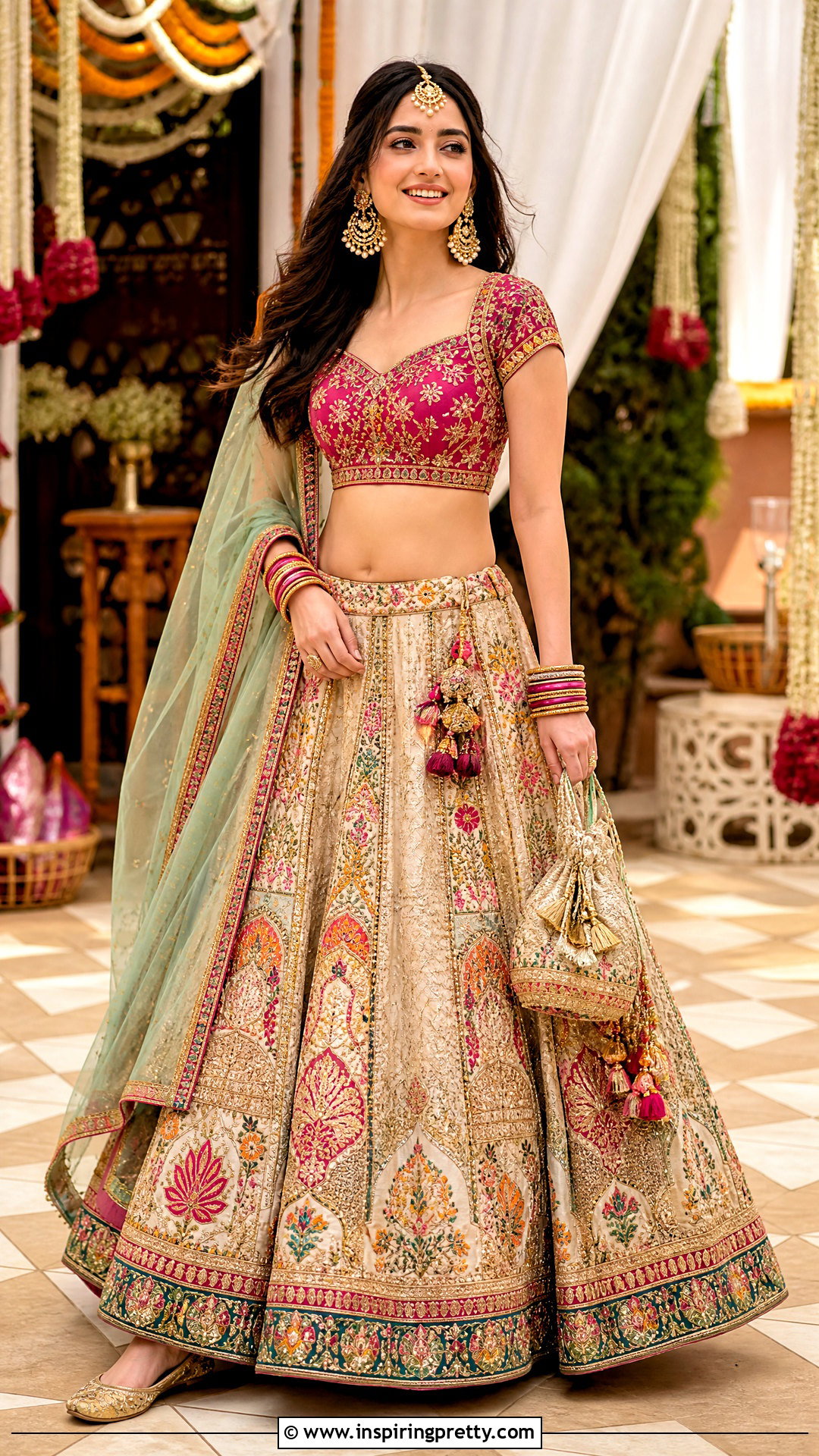
A wide ghagra and short choli is the oldest silhouette on this list, and its proportions still flatter. Choose a skirt with generous flare and a defined waistband, and a blouse that fits smoothly without restricting your arms. Contrast colors read lively; matching shades read formal. Drape the dupatta over the head or shoulder as the occasion requires. Traditional earrings, stacked bangles and an embroidered potli. Juttis or low block heels under the hem. A very full ghagra needs a cancan underneath to hold its shape.
43. Pattu Pavadai With Silk Blouse
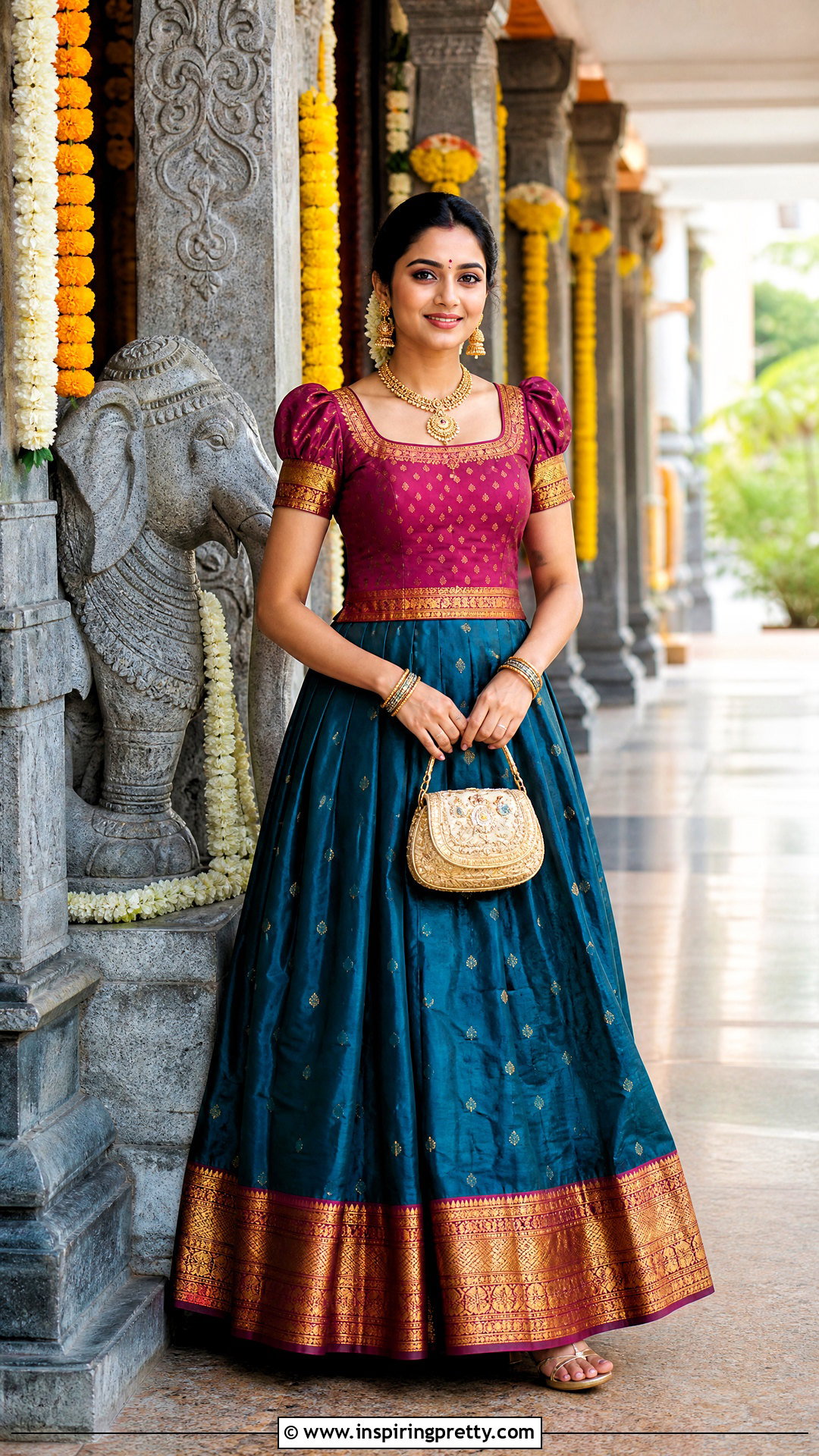
Pattu pavadai is the South Indian silk skirt many women first wore as girls, and it still suits young women and anyone who loves silk. A full silk skirt with a fitted blouse in a matching or contrasting jewel tone, borders coordinated across both. Short puff or elbow sleeves add structure. Gold earrings, bangles, a small bindi and a compact bag. Flat gold sandals let the skirt fall naturally. A long braid with flowers. For a long ceremony, I choose lighter silk and a waistband that isn't too tight after a meal.
44. Langa Voni Skirt And Blouse Outfit
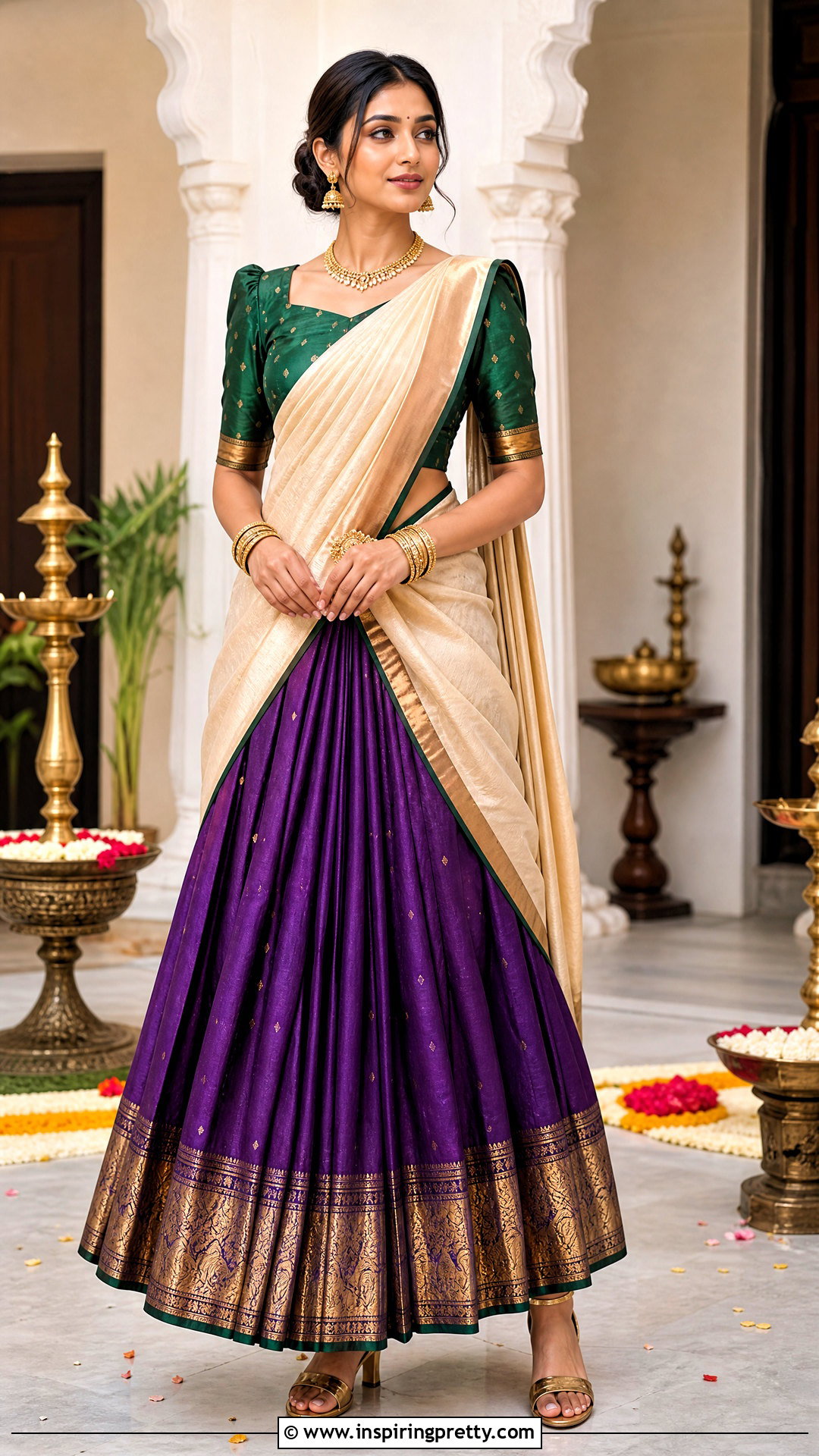
Langa voni is the half-saree: a long skirt, fitted blouse and a voni draped diagonally across the body. Choose a silk or cotton-silk skirt with a decorative border and a blouse in a contrasting color. Pleat the voni and pin it at the shoulder and waist so it holds through hours of movement. Gold earrings, bangles and a small bindi. Gold flats or low heels. A long braid with flowers suits the drape. Lightweight fabric makes it much easier to wear all day.
45. Punjabi Ghagra With Phulkari Kurti
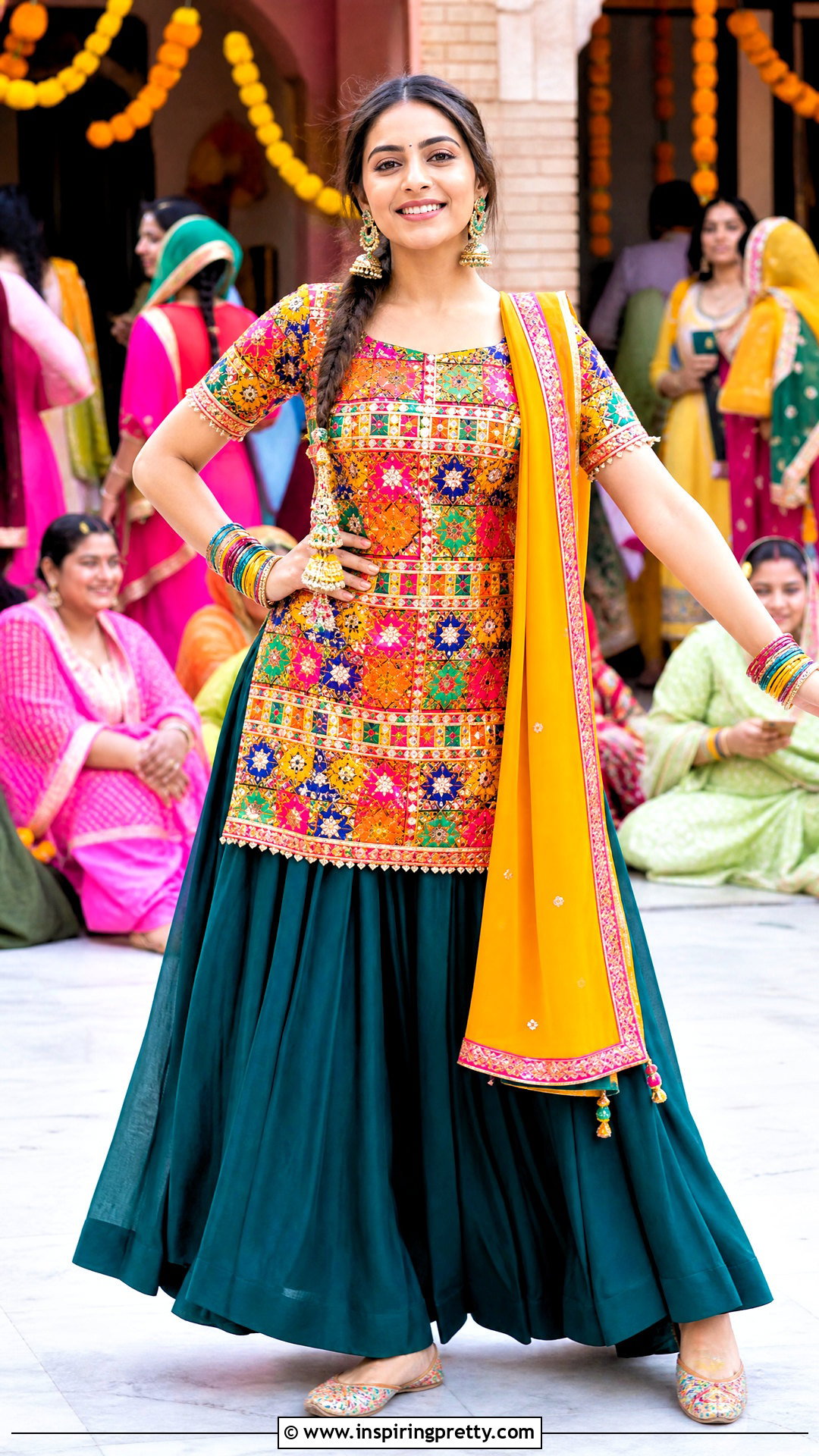
Phulkari kurti over a Punjabi ghagra is joyful, but both can't be loud. I'd keep the skirt solid and moderately flared, and let the short kurti carry the Phulkari. Add a dupatta with only a narrow embroidered border. Punjabi juttis, jhumkas and colorful bangles. A paranda in the braid adds traditional character; a plain long braid is quieter. Check that the kurti moves freely at the shoulders, since bhangra involves a lot of arm-raising.
46. Navratri Skirt With Colorful Crop Top
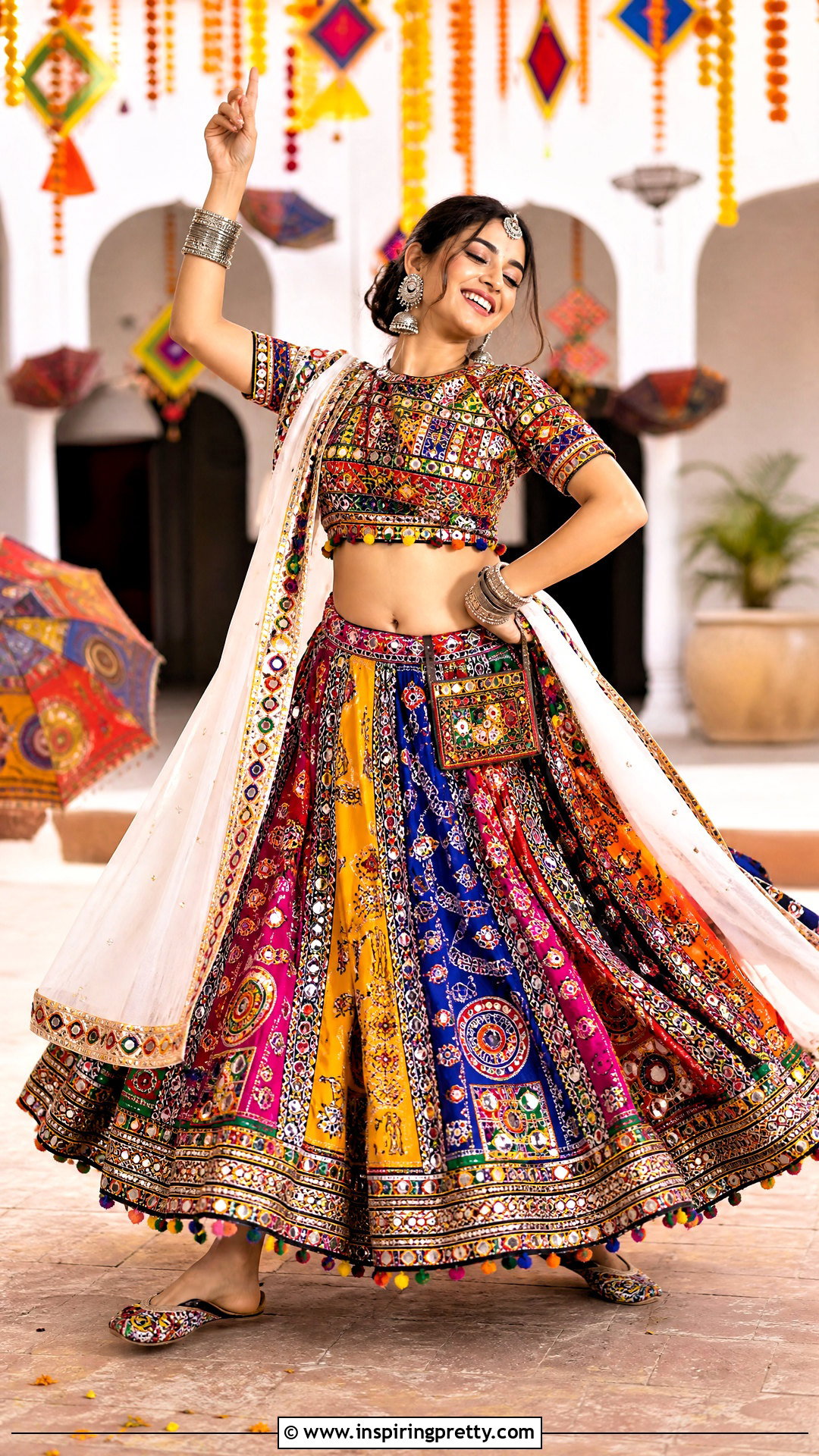
Movement comes first during Navratri celebrations, so I choose a full skirt that turns easily and a crop top that stays secure. Colorful panels, mirrors or bold borders on the skirt, balanced by a fitted blouse in one strong shade. Pin the dupatta across the body or over one shoulder so your hands are free. Oxidized earrings, sturdy bangles and a small waist bag. Cushioned juttis or supportive flats are essential. Tie your hair into a braid or high ponytail so it stays out of your face.
47. Wedding Guest Skirt With Sequin Top
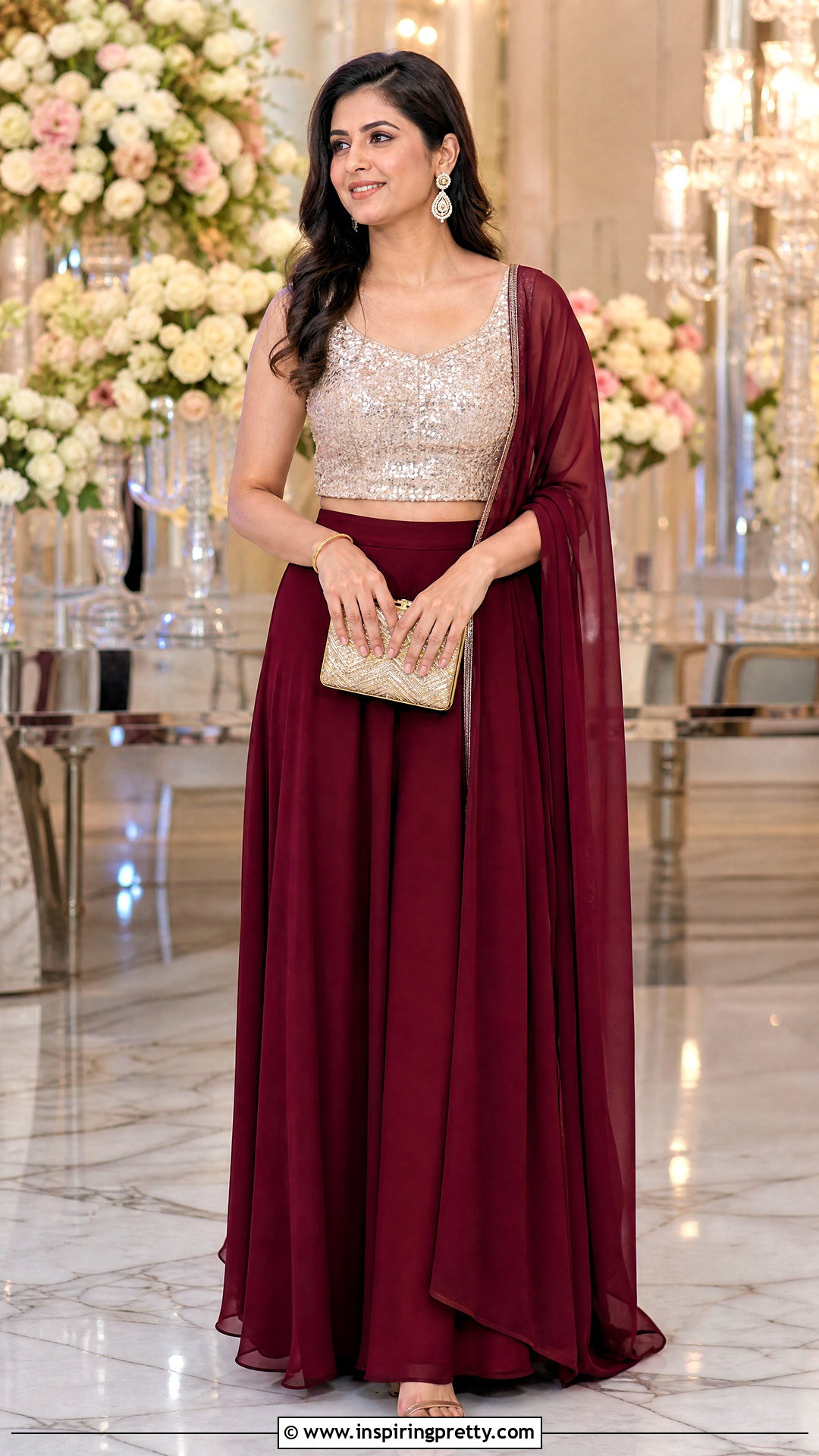
A sequin blouse dresses a traditional skirt for an evening wedding without a heavy lehenga. Choose a silk or georgette skirt in a solid jewel tone and a fitted sequin blouse in a coordinated metallic. Keep the sparkle on the top only so photos don't flare. A plain sheer dupatta, draped loosely. Drop earrings, a delicate bracelet and a small clutch. Stable block heels for a long night. Unlined sequins scratch the inner arm, so I insist on a lined blouse. Change the blouse later and the skirt works for another event.
48. Festive Skirt With Cape Top
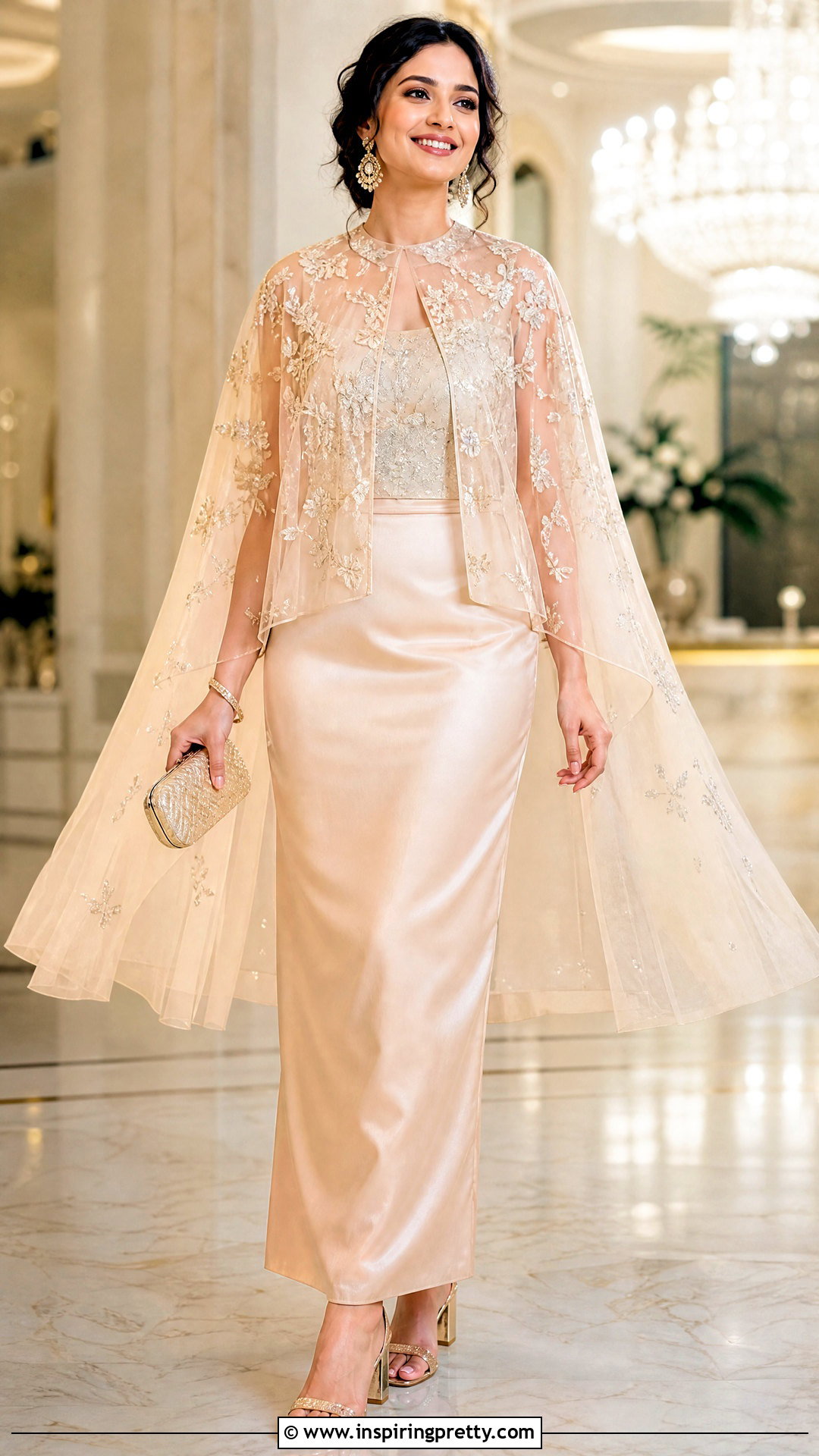
A cape gives flowing coverage over the shoulders while the outfit stays modern. Choose a fitted inner blouse with an attached sheer or lightly embroidered cape ending at the waist or upper hip, over a streamlined silk or georgette skirt. Keep the skirt plain if the cape has beading or borders. Statement earrings and one bracelet, since the cape frames the top half. A compact clutch and block heels. Check that you can raise your arms, because some capes are stitched to the sleeve and restrict movement.
49. Modest Long Skirt With Full Sleeve Kurti
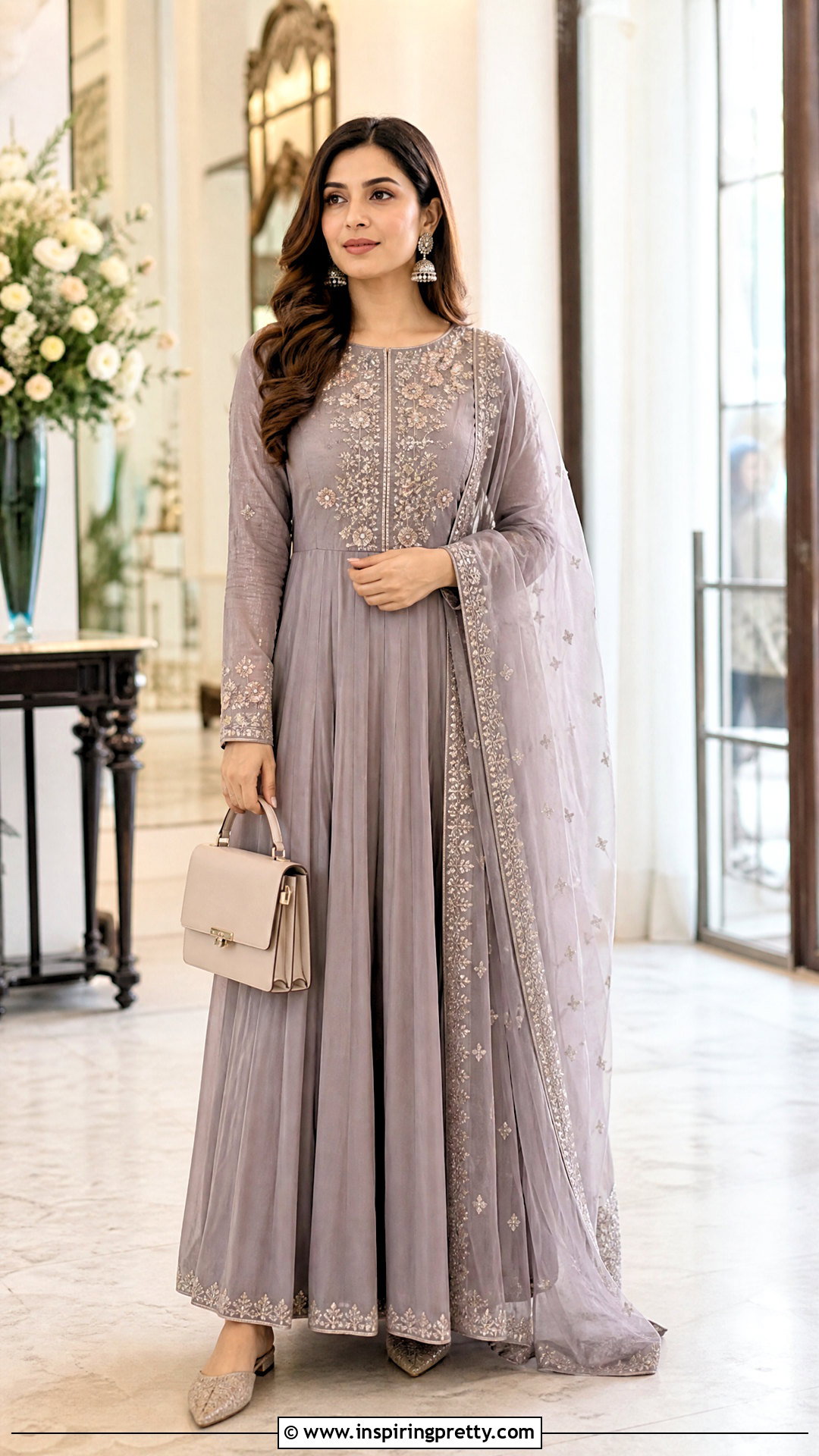
Full sleeves and a long skirt give comfortable coverage that still looks polished. I'd choose an A-line or softly pleated skirt and a waist-length or upper-hip kurti that fits neatly at the shoulders and sleeves. Heavy gathers at the waist add bulk, so the skirt should fall smoothly. Small prints, subtle embroidery or woven borders. Drop earrings, a structured bag and pointed flats or low heels. Drape a light dupatta over both shoulders for more cover. It suits formal family gatherings and festive workplace events.
50. Matching Skirt And Top Set With Dupatta
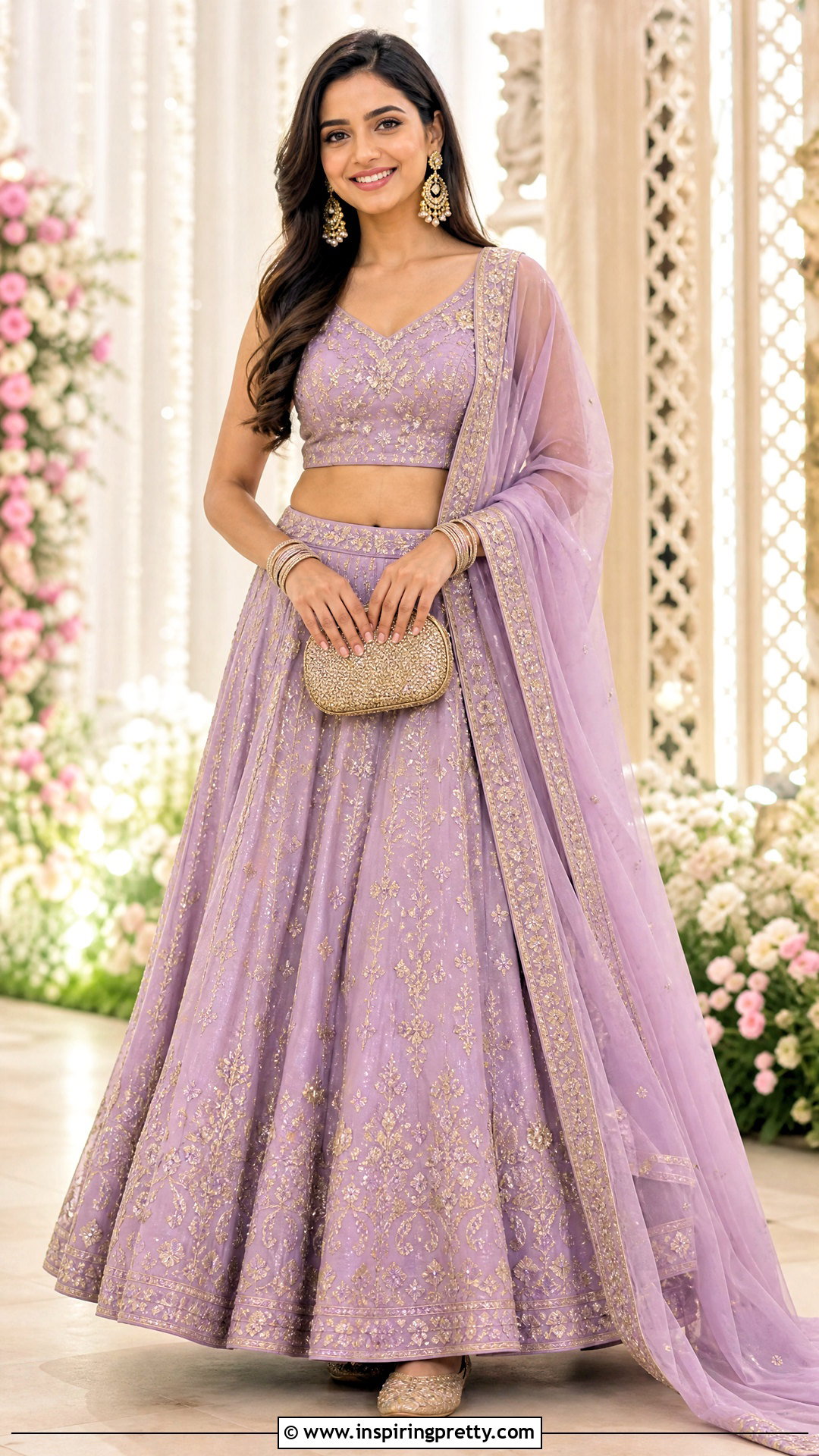
A matching set is the easiest way to look put together, but a set in one flat color can look like a uniform. I look for small differences in texture or embellishment between top and skirt. A fitted top over a flared skirt, plus a lightly bordered dupatta, over one shoulder or across the body. Earrings that echo the embroidery, a compact clutch and comfortable shoes. Keep other accessories restrained. Matching sets are the ones I recommend to clients who have several functions and little time to plan.
What I Ask the Tailor for in a Blouse
The blouse makes or breaks every outfit above, and a ready-made one rarely fits perfectly. These are the requests I make at every fitting.
- Extra seam allowance at the sides, so the blouse can be let out later if it's tight after a few months.
- Armholes cut for movement. Raise both arms and mime a dance move; if the blouse rides up or pinches, the armhole needs reshaping.
- Built-in cups or light padding for deep backs and sleeveless styles, so you don't need a bra that shows.
- A side zip or hooks that sit flat. Back hooks are traditional, but on a heavy blouse they gape between hooks.
- Sleeves fitted with the elbow bent, especially for full-sleeve styles.
Storing Zari, Silk and Mirror Work Between Weddings
These pieces are worn a few times a year and spend the rest of it in a cupboard, which is where most damage happens.
- Wrap silk and zari in plain cotton or muslin, never plastic. Plastic traps moisture, and moisture tarnishes metallic thread.
- Refold silk along different lines every few months. Silk weakens and can split along a fold left in place for years.
- Spray perfume before you dress, not onto the fabric. Perfume can discolor silk and dulls zari.
- Store heavy lehengas folded or rolled, not hung by the waistband, which stretches under the weight.
- Iron mirror and gota work on the reverse with a cloth between, and send heavily embellished pieces to a dry cleaner who handles bridal wear.
The Skirt Decides, the Blouse Follows
Every outfit here comes back to proportion: a fitted blouse over a wide silk skirt, a short kurti over printed cotton. Mirror work, zari and handcrafted prints look best with simpler accessories around them. Choose shoes for how long you'll stand and dance, not just for the photos. A dupatta can add color, coverage and ceremony, but it shouldn't hide the shape you worked to build. Adapt each pairing to the climate, the family and your own comfort.
Related posts:


Leave a Reply