
A vintage top is the quickest way I know to make a plain wardrobe look personal. One high-neck blouse or a 1970s peasant top changes jeans and trousers you already own. The trick is to let the top carry the decade and keep everything else modern, so you look styled rather than dressed for a theme party. Below, I've gone era by era, from Victorian lace to 1990s slip-dress layering, and paired each top with bottoms and shoes you can buy today. Reproductions count too; when an original is fragile or impossible to find in your size, a well-made copy does the same job.
Vintage Sizes Don't Mean What They Say
The number on a vintage label is almost useless. Sizing has shifted over the decades, and a top marked as a medium from the 1950s often fits like a small today. I never buy vintage by the tag. I bring a tape measure and compare it with a top I already own that fits well.
- Measure the bust flat, armpit to armpit, and double it. Leave a little room for movement, more for woven blouses than for knits.
- Check the shoulder seam. Older blouses were often cut with narrow shoulders and high armholes, which feel tight if you're used to modern tops.
- Look at the length. Many mid-century tops were cut short to tuck into high waistbands, so they ride up over low-rise jeans.
- Test the closures. Side zips and small buttons were common, and they won't give if the fit is close.
If you love an era but can't find originals that fit, a reproduction is a sensible choice. You get the collar, sleeve or print you want, sized to modern bodies and easier to wash.
1. Victorian Lace Blouse With Wide-Leg Trousers
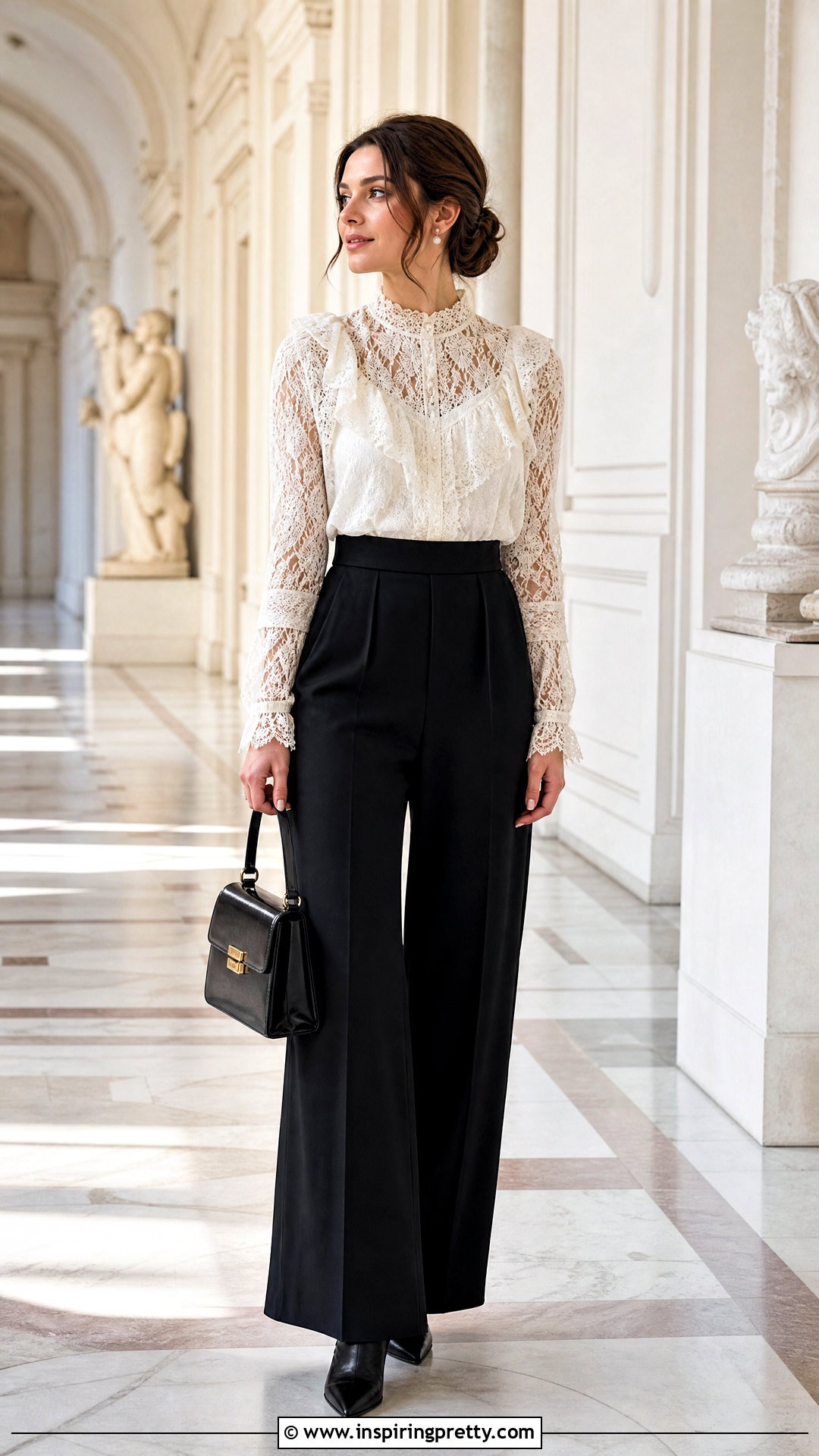
High-neck lace and pintucks are a lot of detail, so I put them over plain wide-leg trousers in black or charcoal. The clean leg gives the busy top room. If the lace is sheer, wear a camisole in your skin tone rather than white, which shows as a block through the pattern. Petite women do better with a shorter sleeve and a smaller collar, since big puffs swallow a small frame. Pearl studs, nothing more.
2. Edwardian High-Neck Blouse With Midi Skirt
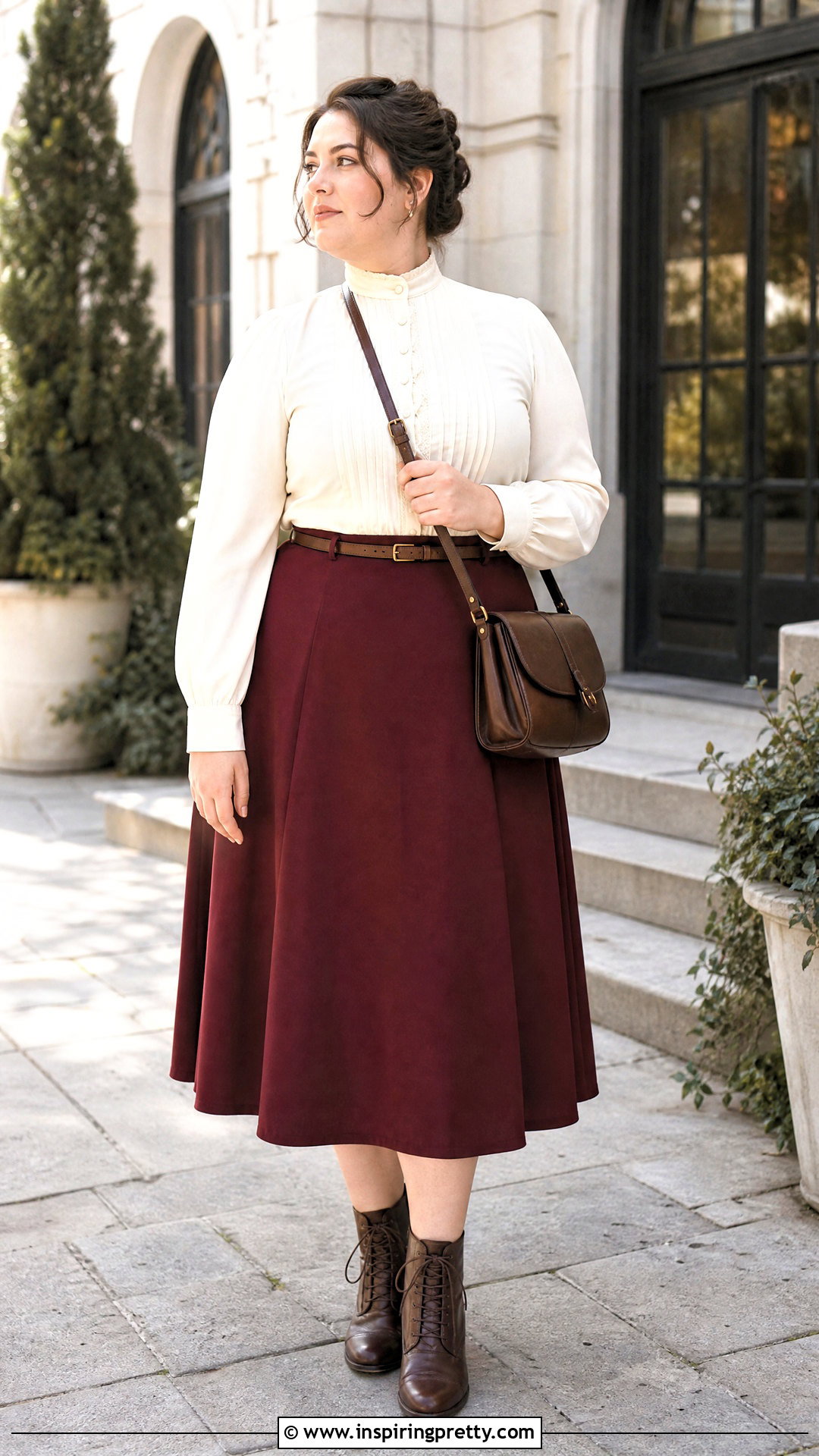
What makes an Edwardian-style blouse recognizable is the standing collar and the row of tiny covered buttons. I pair it with a solid A-line midi at the natural waist in navy, olive or burgundy, and lace-up ankle boots. Pushing the sleeves up a little takes the formality down several notches. Tuck it smoothly and add a slim leather belt to mark the waist.
3. Gibson Girl Blouse With Tailored Pants
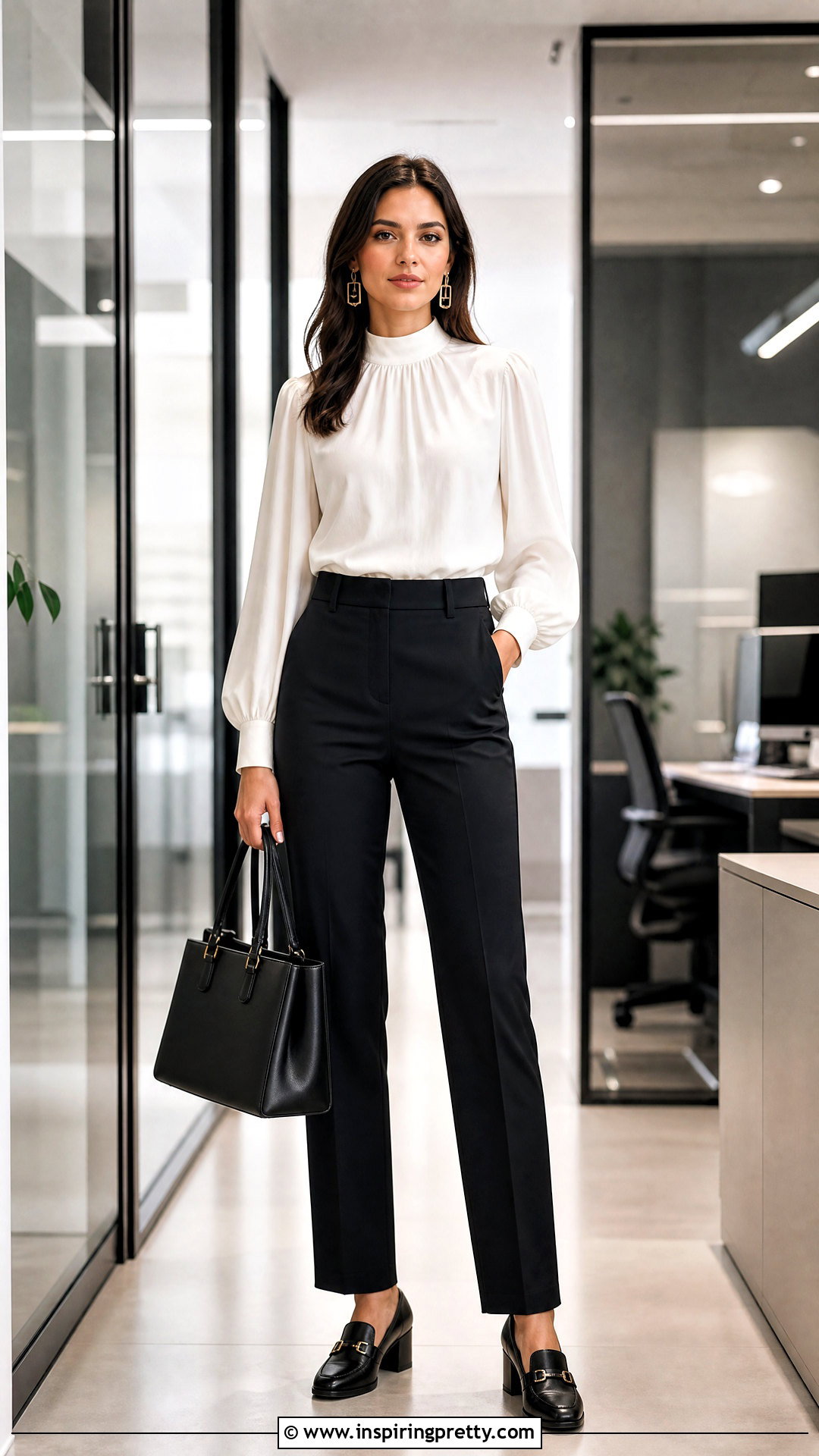
The Gibson Girl blouse is gathered and pouched over the waist, so the trousers need to be slim. I choose straight tailored pants that sit high enough to anchor the blouse while letting it blouse softly above. On a fuller bust, I'd skip dense front ruffles, which add inches where you may not want them, and pick an open lace panel instead. A loose bun suits the neckline without tipping into costume.
4. Prairie Top With Straight-Leg Jeans
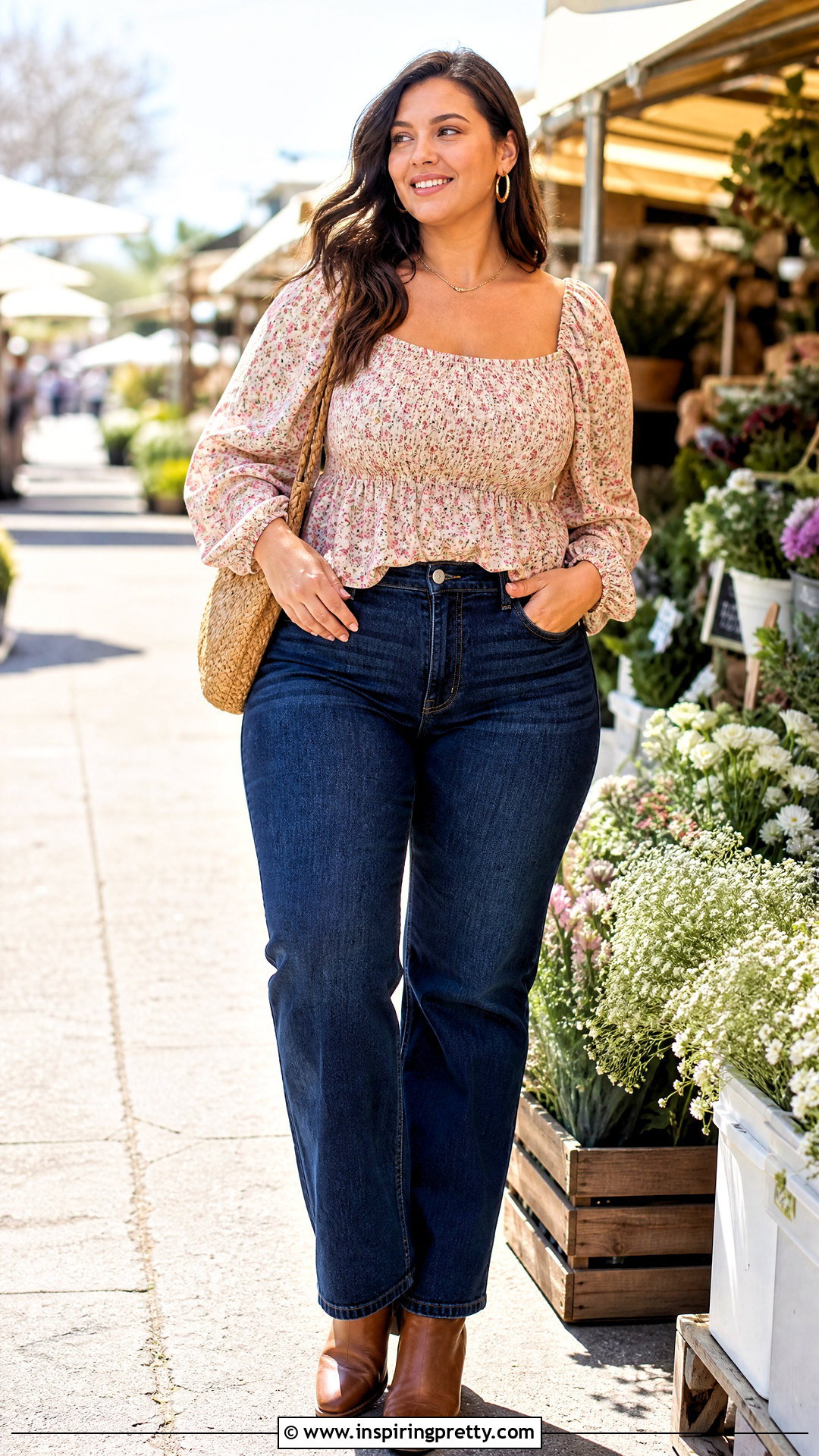
Small florals and gathered sleeves look freshest against plain denim. A vintage prairie top with high-rise straight jeans reads modern; add a prairie skirt and matching boots and it starts to look like a costume. If the body is loose, a front tuck shows your waist. Broad shoulders suit a smaller sleeve puff, and brown ankle boots or clogs finish it.
5. 1920s Beaded Top With Satin Trousers
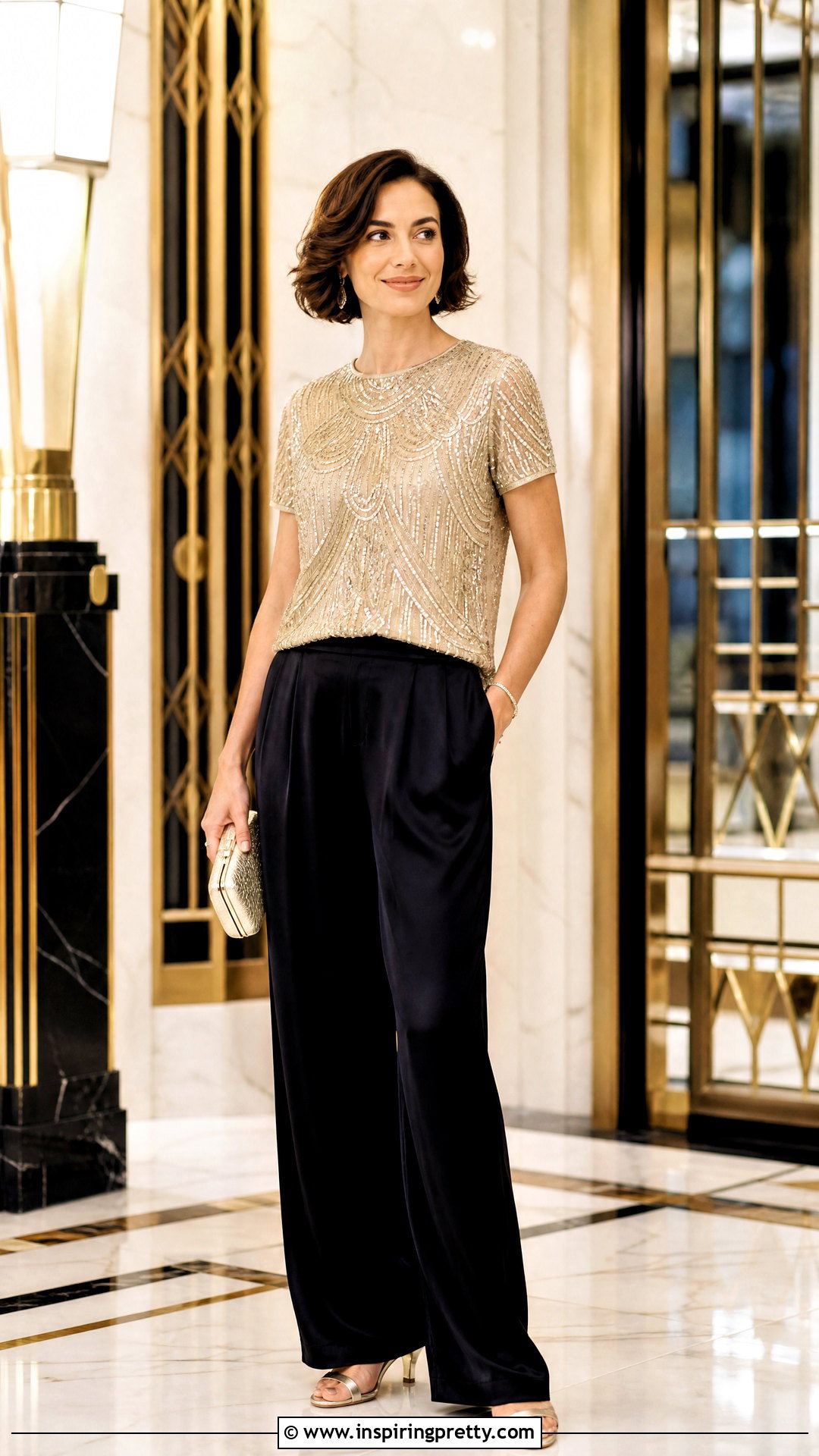
Beading carries the whole outfit, so the trousers should be smooth satin in one solid color. I'd be careful with real 1920s beadwork: the thread is old, beads drop off easily, and the weight pulls the fabric. Wear it over a close-fitting shell, carry a clutch rather than a shoulder bag whose strap will rub the beads, and store it flat. A soft blazer covers the arms.
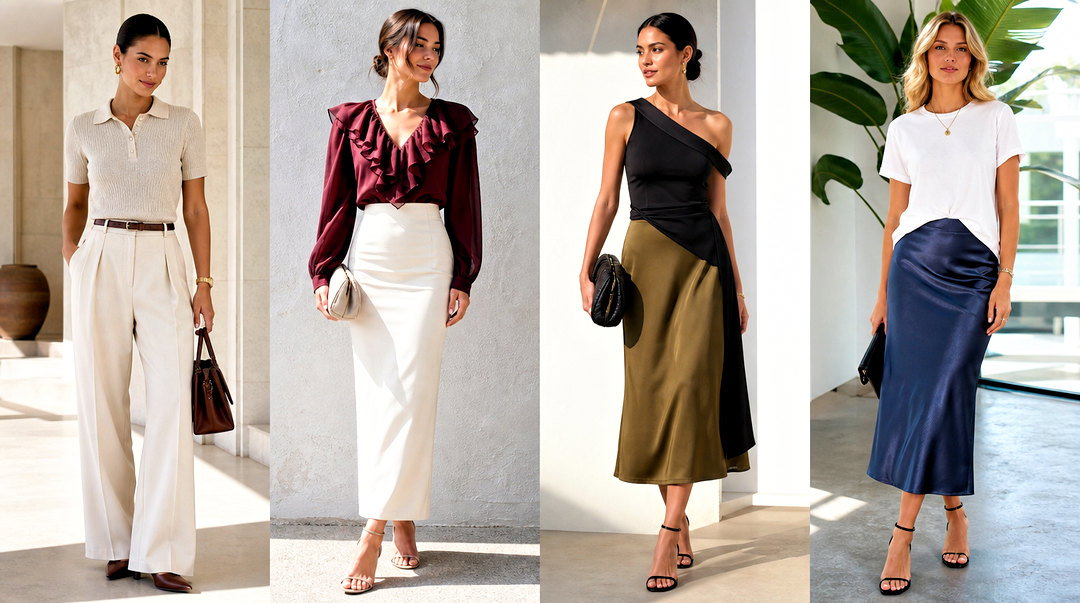
6. Art Deco Shell Top With Black Midi Skirt
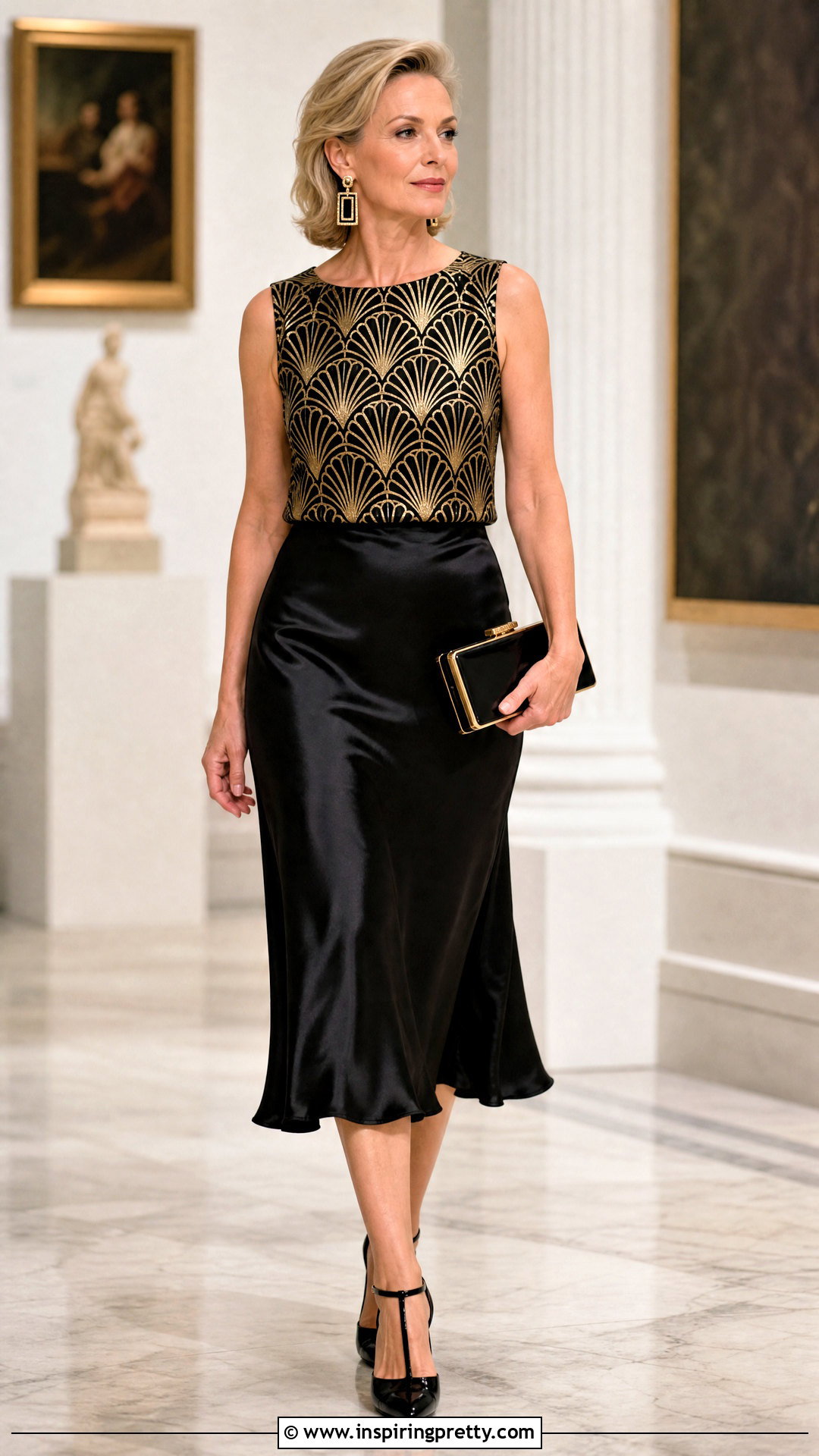
Art Deco design is all geometry, straight lines and symmetry, and a shell top with that kind of embellishment needs a quiet skirt. A black midi in satin, crepe or light wool keeps the shape clean. Stick to black, gold, silver and cream, or one jewel tone. If the shell is boxy, I'd tuck only the front so the waist still shows.
7. 1930s Puff-Sleeve Blouse With Bias Skirt
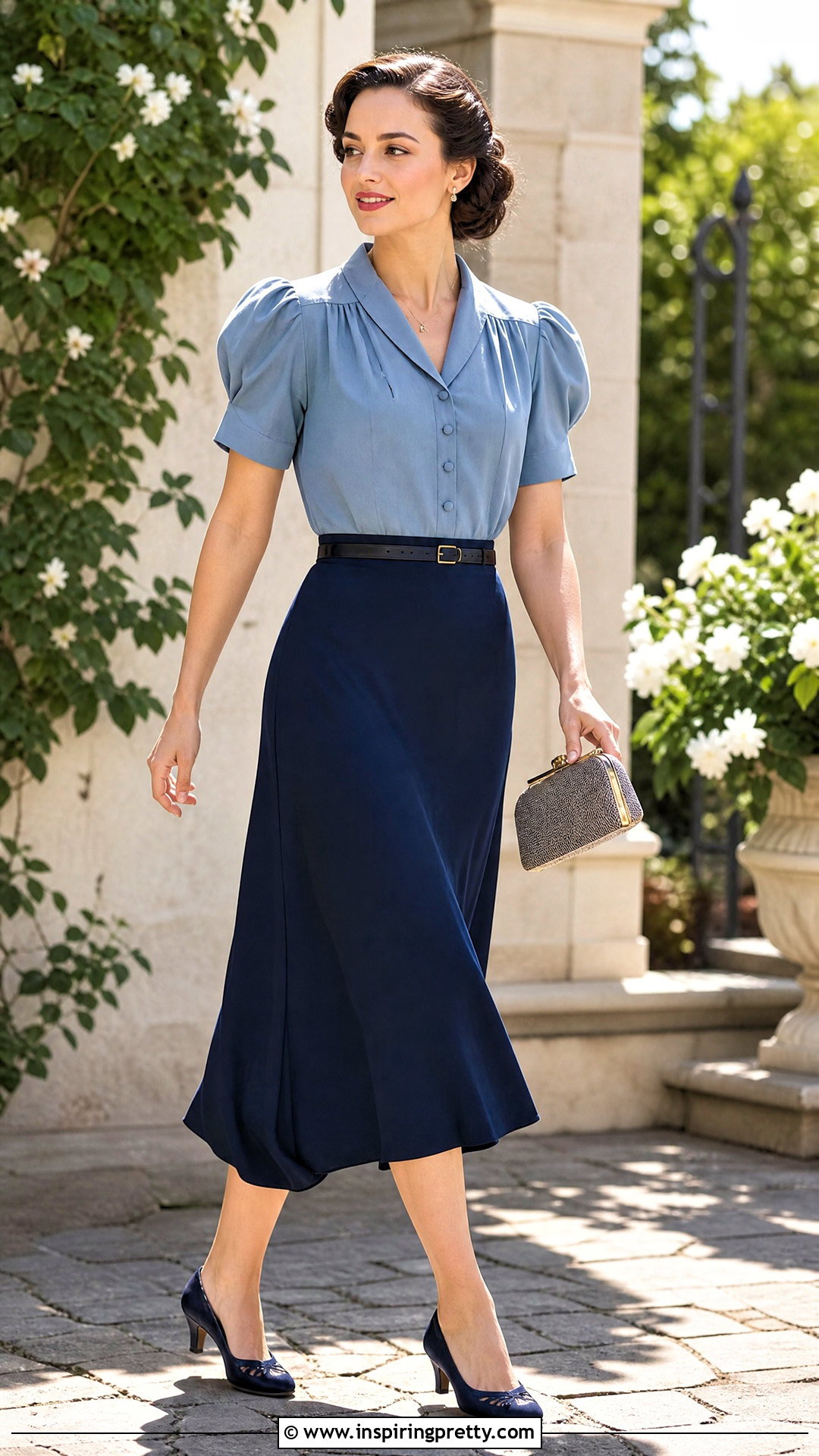
Bias-cut skirts are cut diagonally across the grain, which is why they drape and skim the body instead of hanging straight. A gathered-shoulder 1930s blouse balances that soft line. Look for a skirt that skims rather than clings; bias cuts show every line underneath, so smooth underwear matters. Low pumps keep the proportions, and wearing your hair up shows the neckline under big sleeves.
8. 1940s Utility Blouse With Pleated Trousers
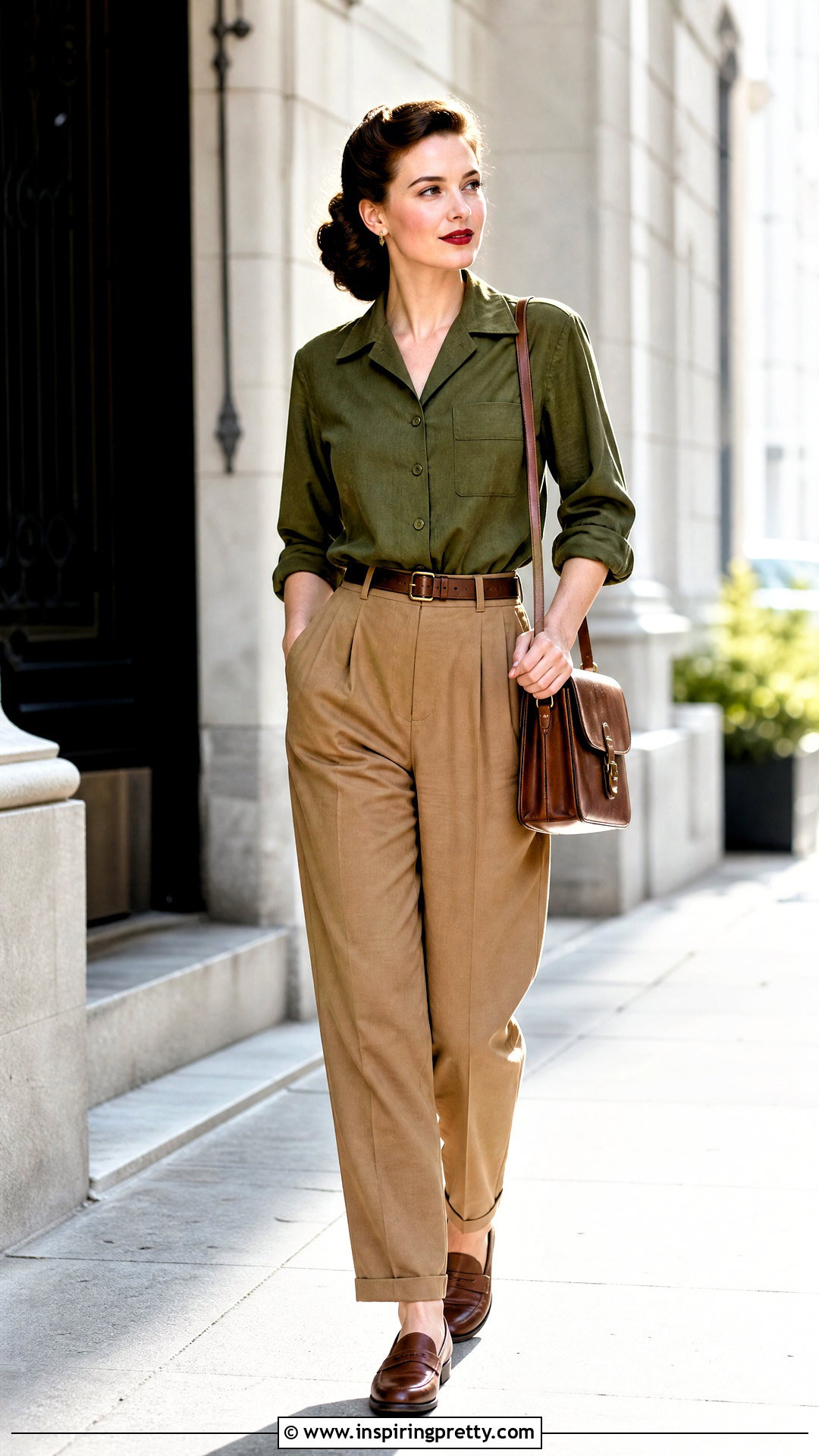
Utility blouses from the 1940s were built for work, with sturdy fabric and practical pockets, and they still look capable today. Tucked into high-waisted pleated trousers, an olive or tan one feels smart rather than military. Roll the sleeves neatly in warm weather. Curvy women can leave the top button open to form a V. If the trousers are wide, I want the blouse fitted through the shoulders.
9. 1940s Victory Blouse With A-Line Skirt
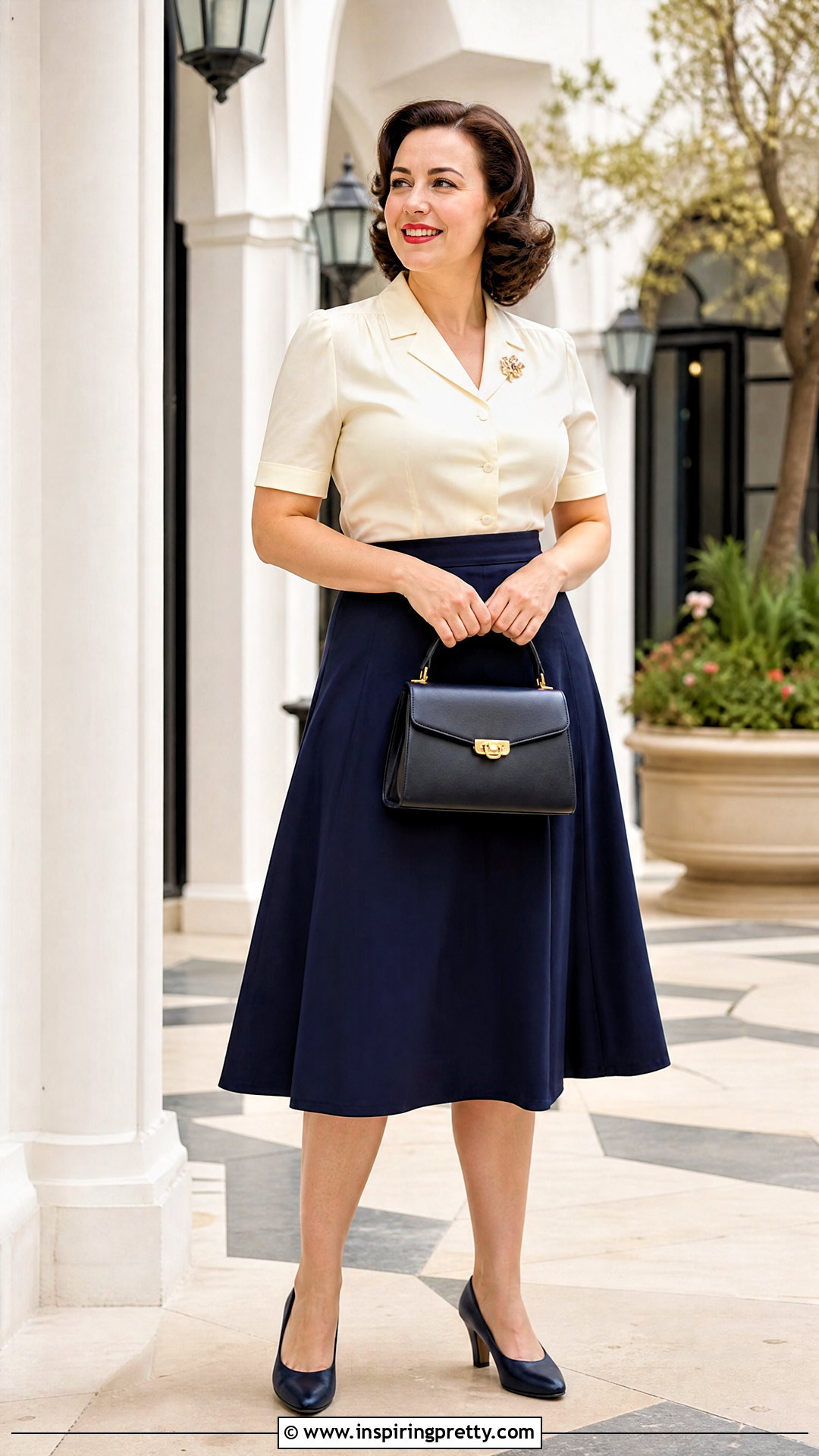
Victory blouses have a little shoulder structure and neat seaming, so they hold their shape on their own. A knee or midi A-line skirt at the natural waist lets the collar and seams show. I'd choose round-toe pumps or loafers and a small brooch, then stop. Matching every accessory pushes it toward reenactment.
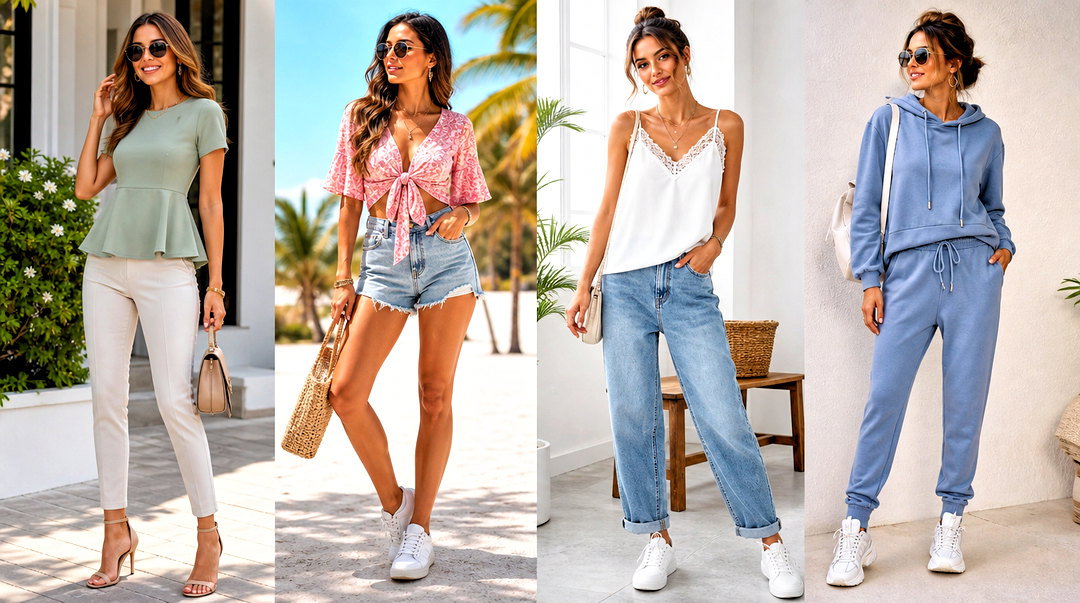
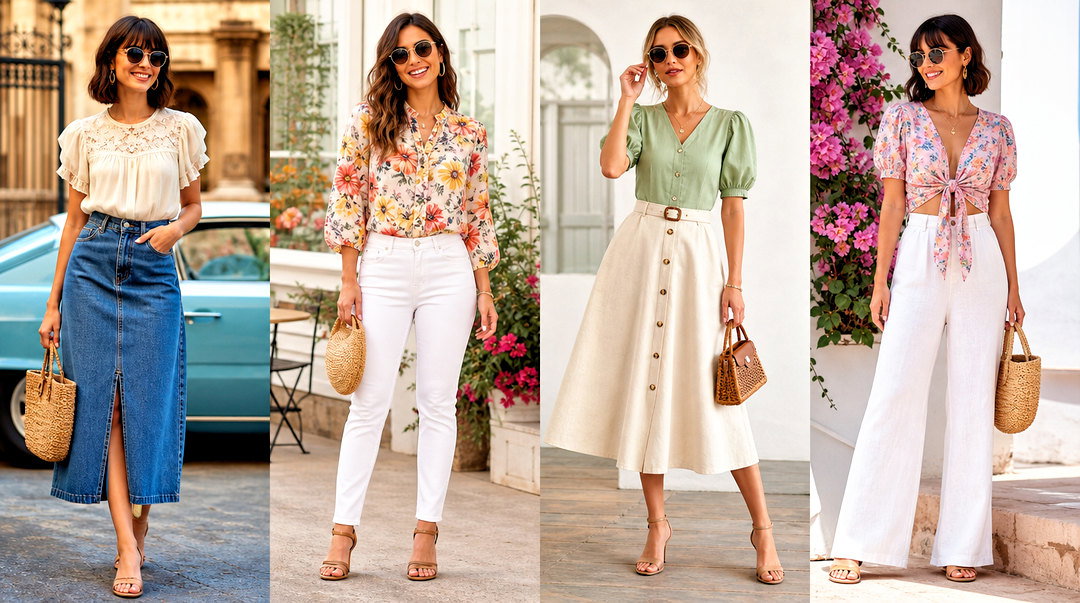
10. 1950s Peter Pan Collar Top With Cigarette Pants
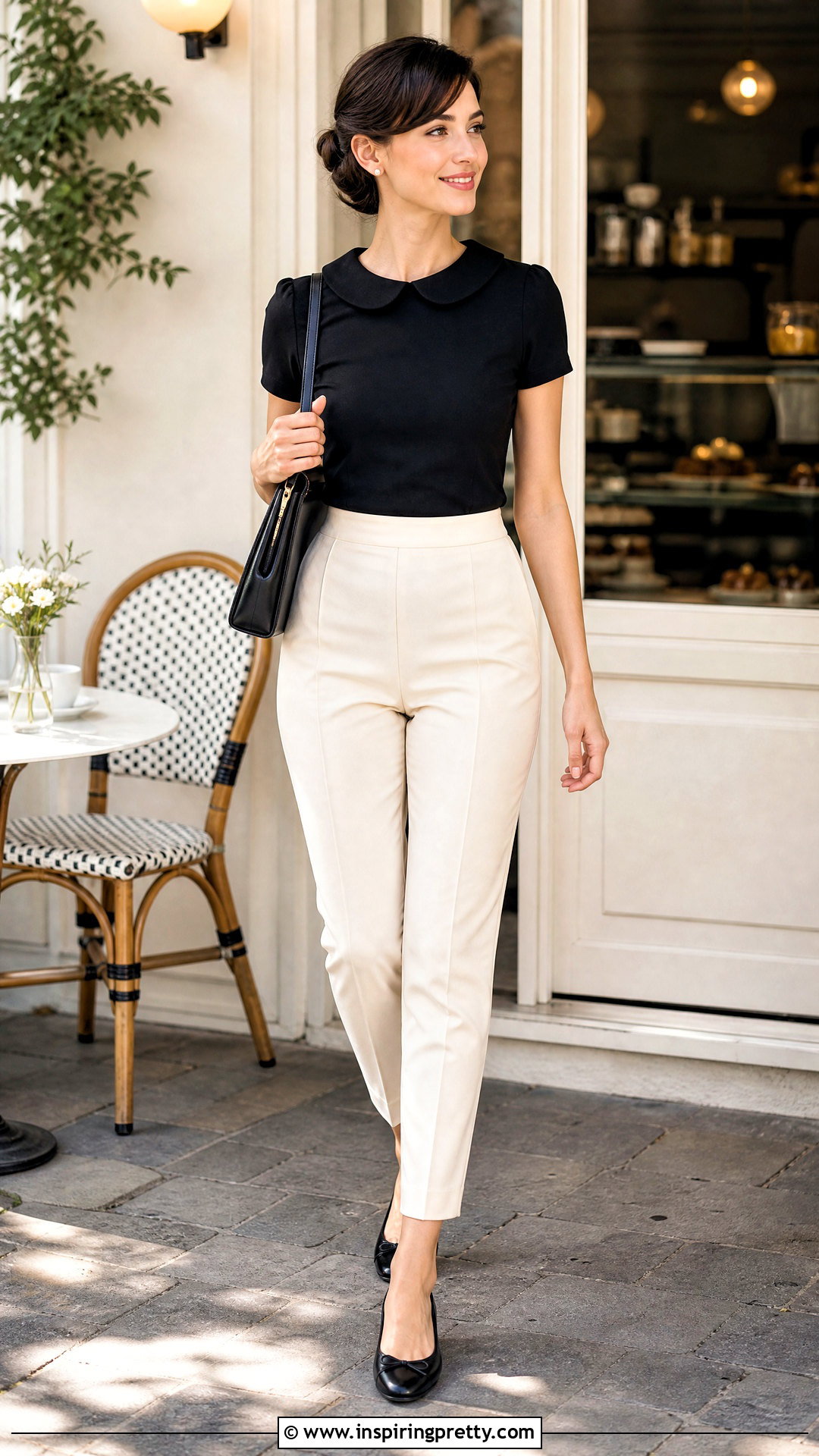
A Peter Pan collar top is sweet, and sleek cigarette pants are what keep it grown-up. I want the pants ankle length and sitting at the natural waist. If a contrast collar feels too schoolgirl near your face, choose one in the same color as the top. Ballet flats are the classic finish; a cropped cardigan adds another layer without hiding the waist.
11. 1950s Sweetheart Neck Top With Capri Pants

A sweetheart neckline frames the collarbones and draws attention up to the face. Capri pants should end at the narrowest part of the lower calf, which is the most flattering break on most legs. I skip a necklace with this neckline; earrings are better. Print on top means solid below, and the other way round.
12. 1950s Bardot Top With Full Midi Skirt
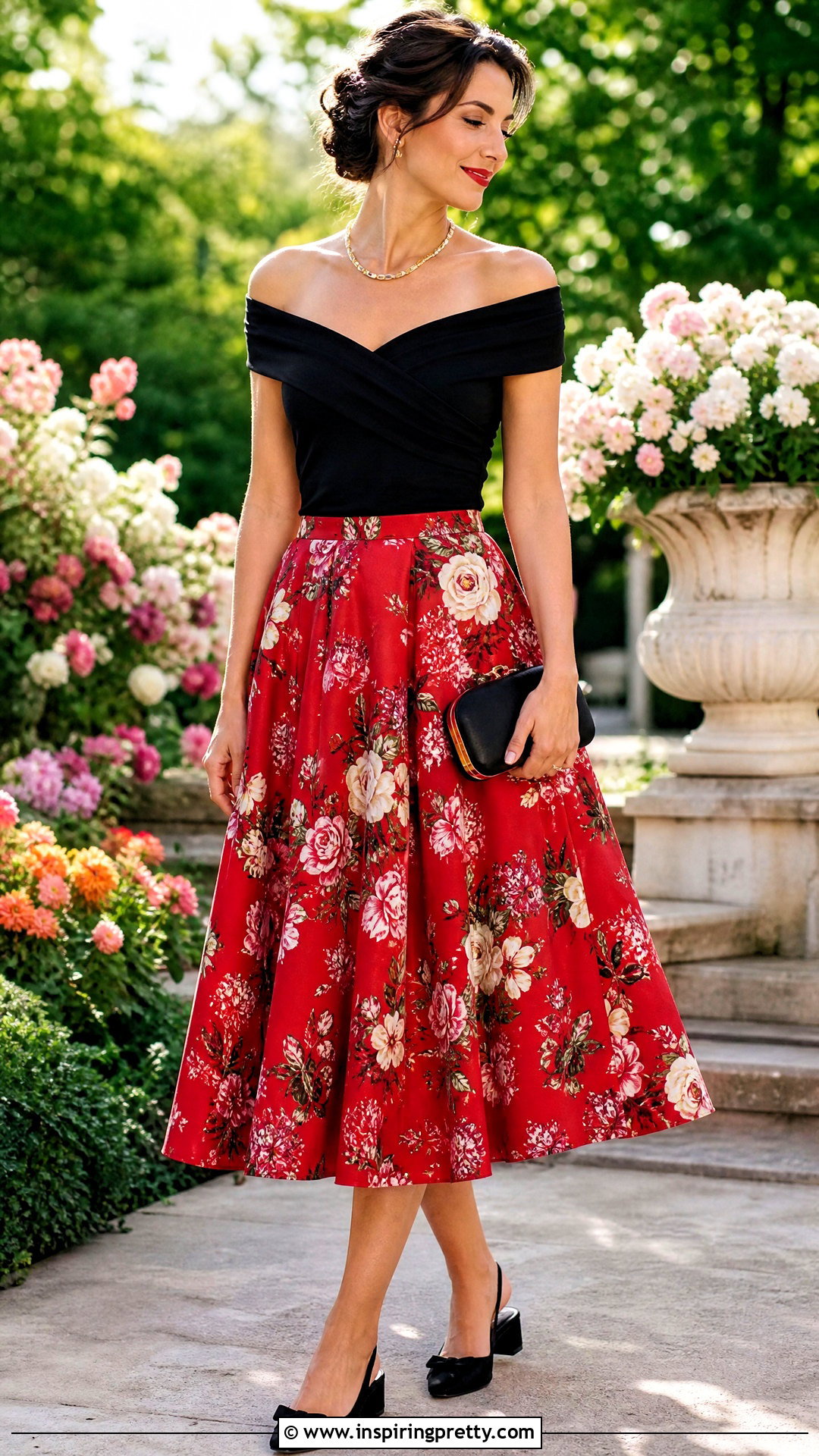
An off-the-shoulder Bardot top needs firm elastic, or you'll spend the day pulling it back up. I check that the band grips without digging in before anything else. Tucked into a full high-waisted midi, it gives a neat waist without shapewear. If you'd rather keep your shoulders covered, a wide boat neck gives the same horizontal line. Low block heels walk better than stilettos on grass.
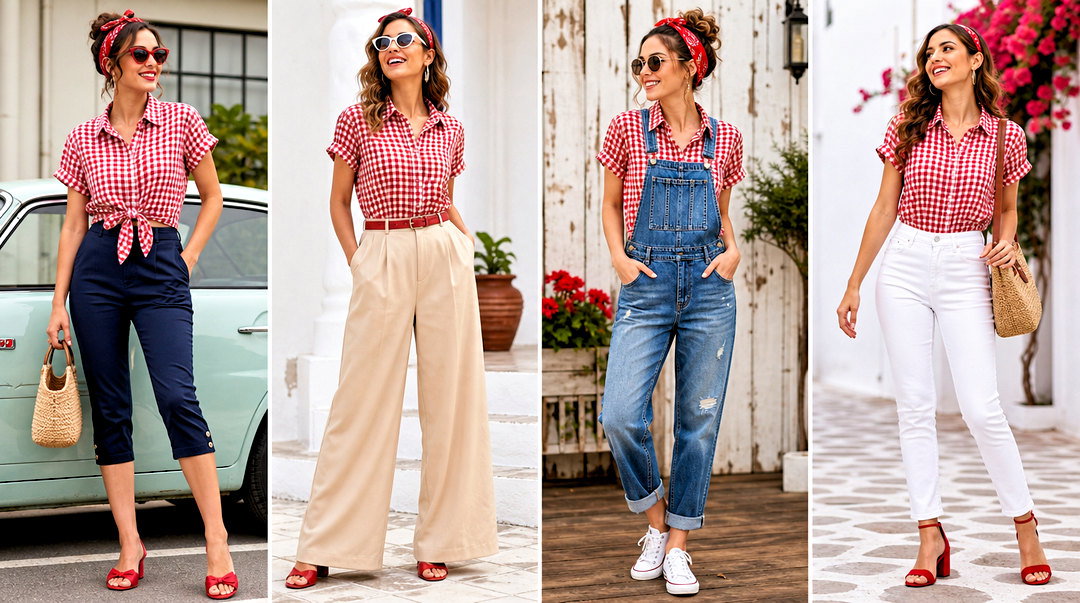
13. 1950s Polka Dot Blouse With High-Waisted Jeans
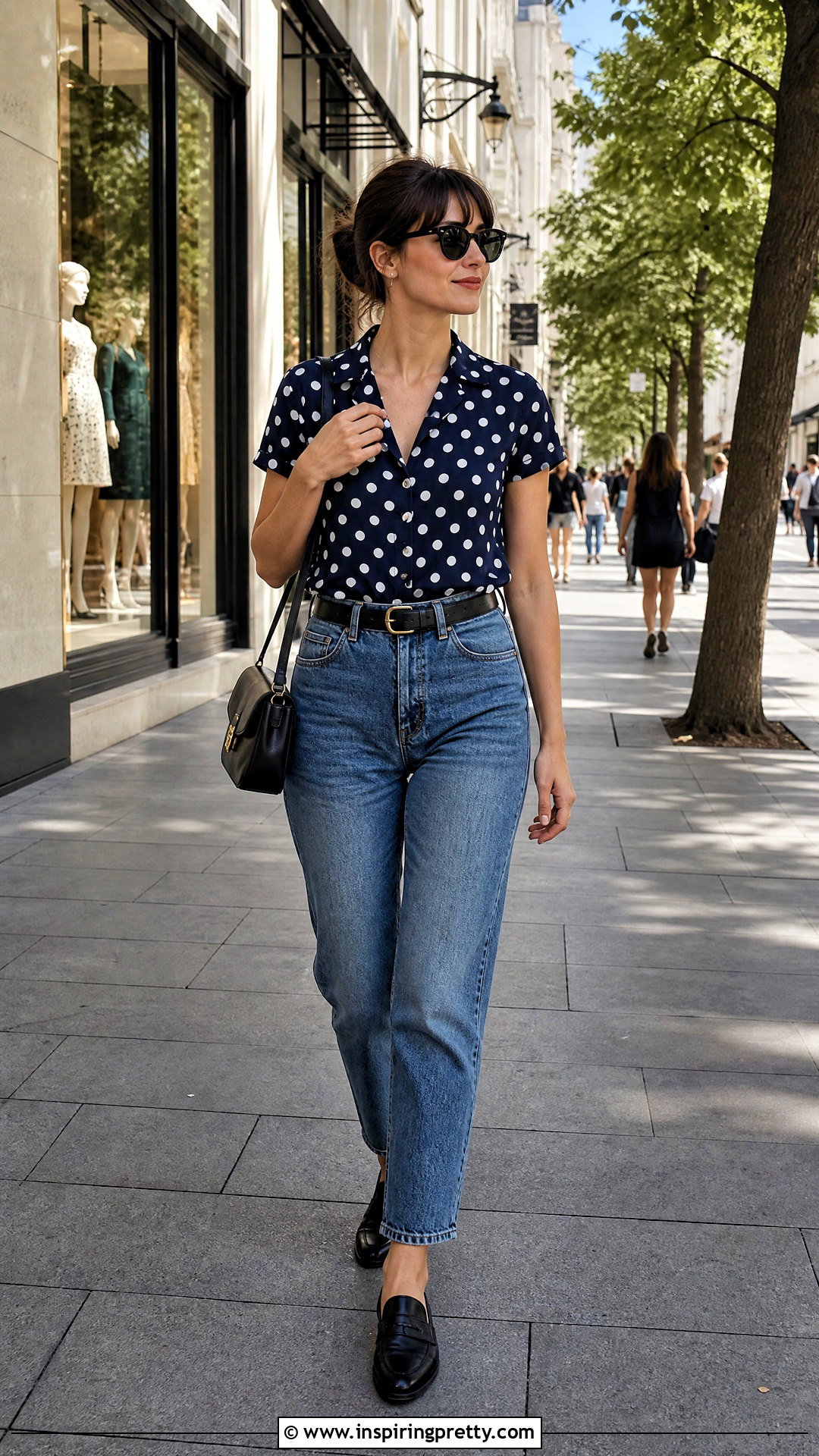
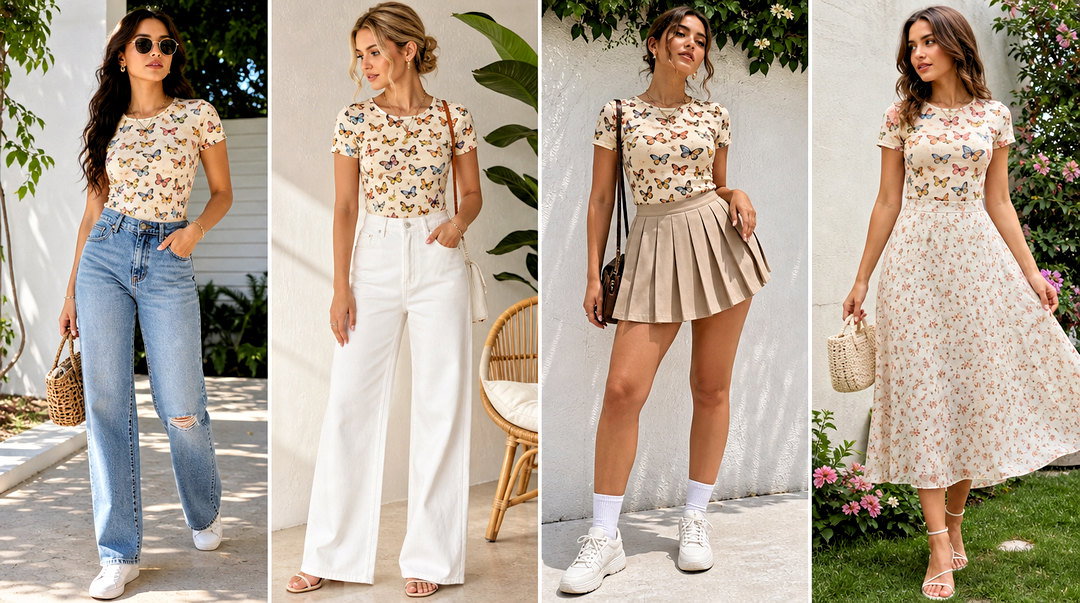
Polka dots get much easier to wear with denim. Tuck a short-sleeve dotted blouse into high-waisted straight jeans and add a slim belt. Black-and-white dots go with everything; red or navy is brighter. I'd keep the bag modern and plain, because a matching retro bag and headscarf tip it into costume very quickly.
14. 1950s Tie-Front Top With Sailor Pants
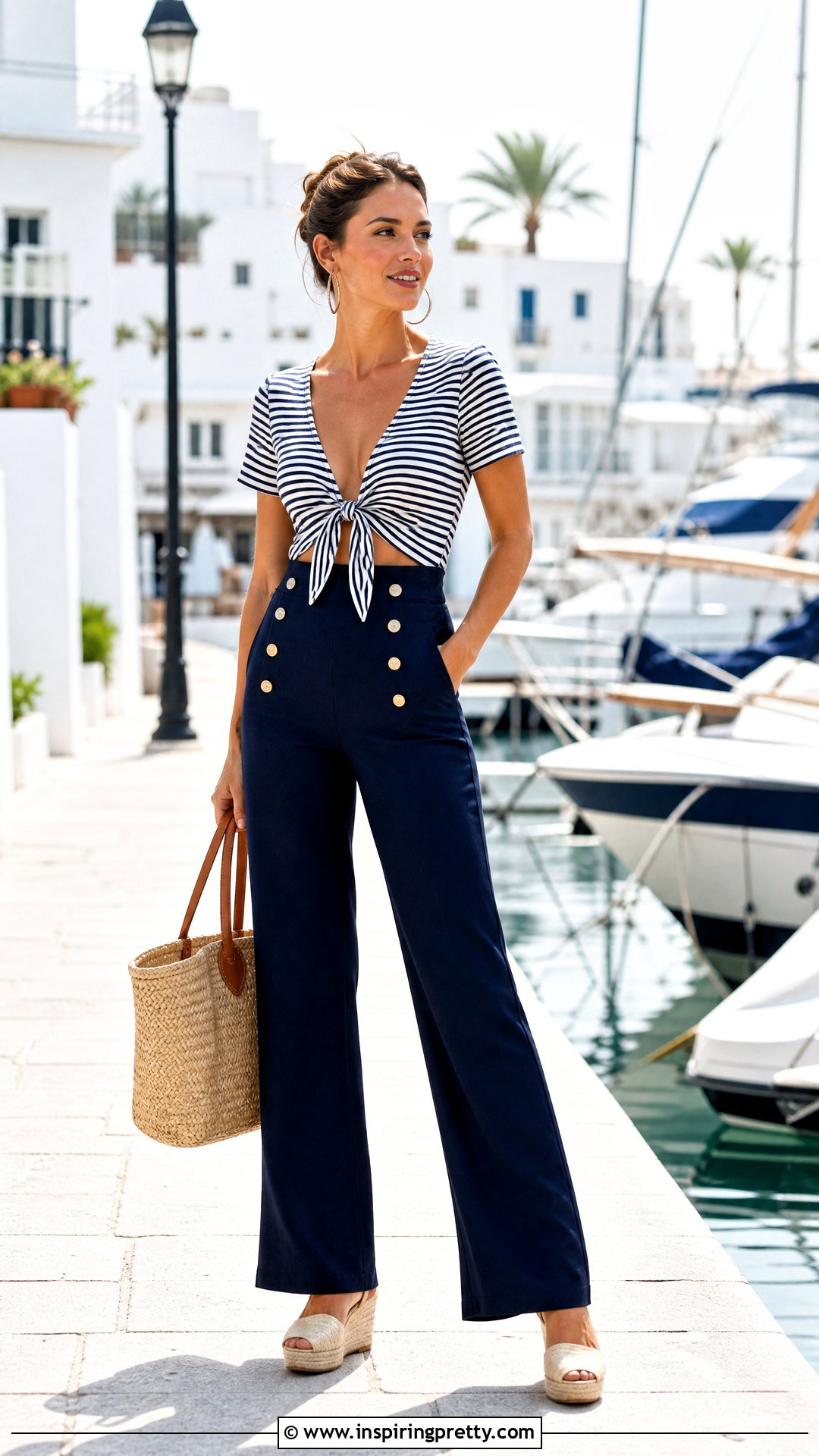
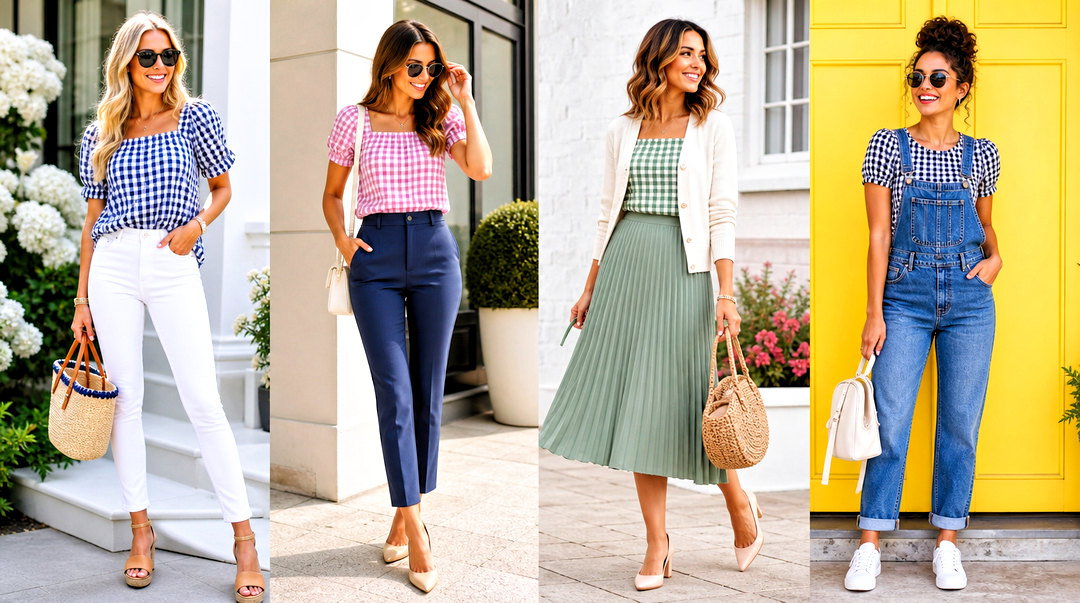
Tie-front tops and sailor pants were made for each other. The knot should meet the waistband of the high-waisted pants, so very little skin shows. On a short torso, I tie the knot slightly lower so the top doesn't ride up. If the trousers have a double row of front buttons, keep the blouse plain. Espadrilles or white sneakers suit it.
15. 1950s Knit Shell With Pencil Skirt
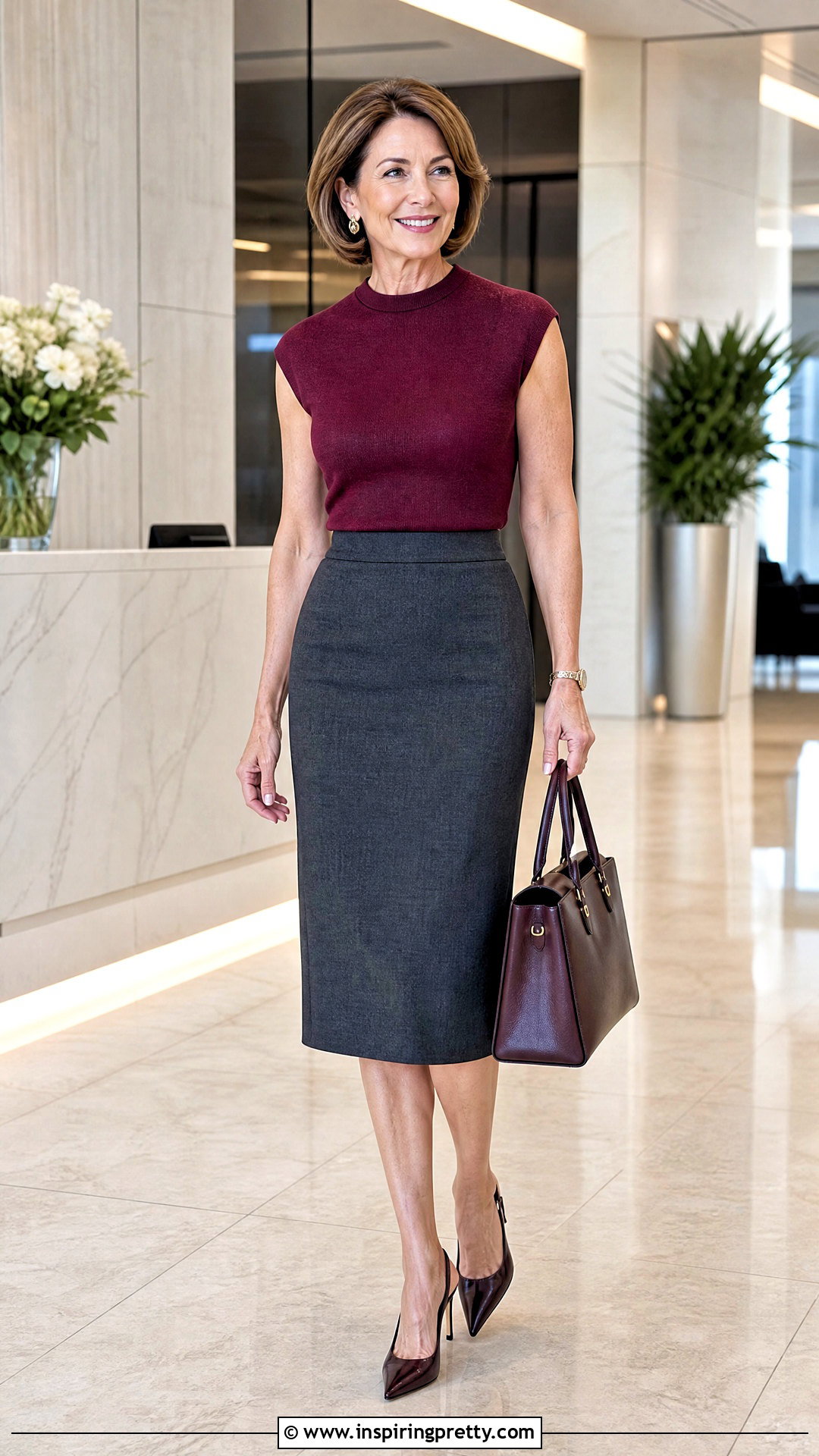
A fine-gauge knit shell is the most office-friendly vintage piece here. Over a knee-length pencil skirt, it looks neat and quiet. Knit shells cling, so a smooth camisole underneath is worth it. I'd look for a skirt with a back vent or some stretch, since a narrow skirt without either limits your stride. Add a cropped cardigan and you have a twinset.
16. 1960s Mod Top With Mini Skirt
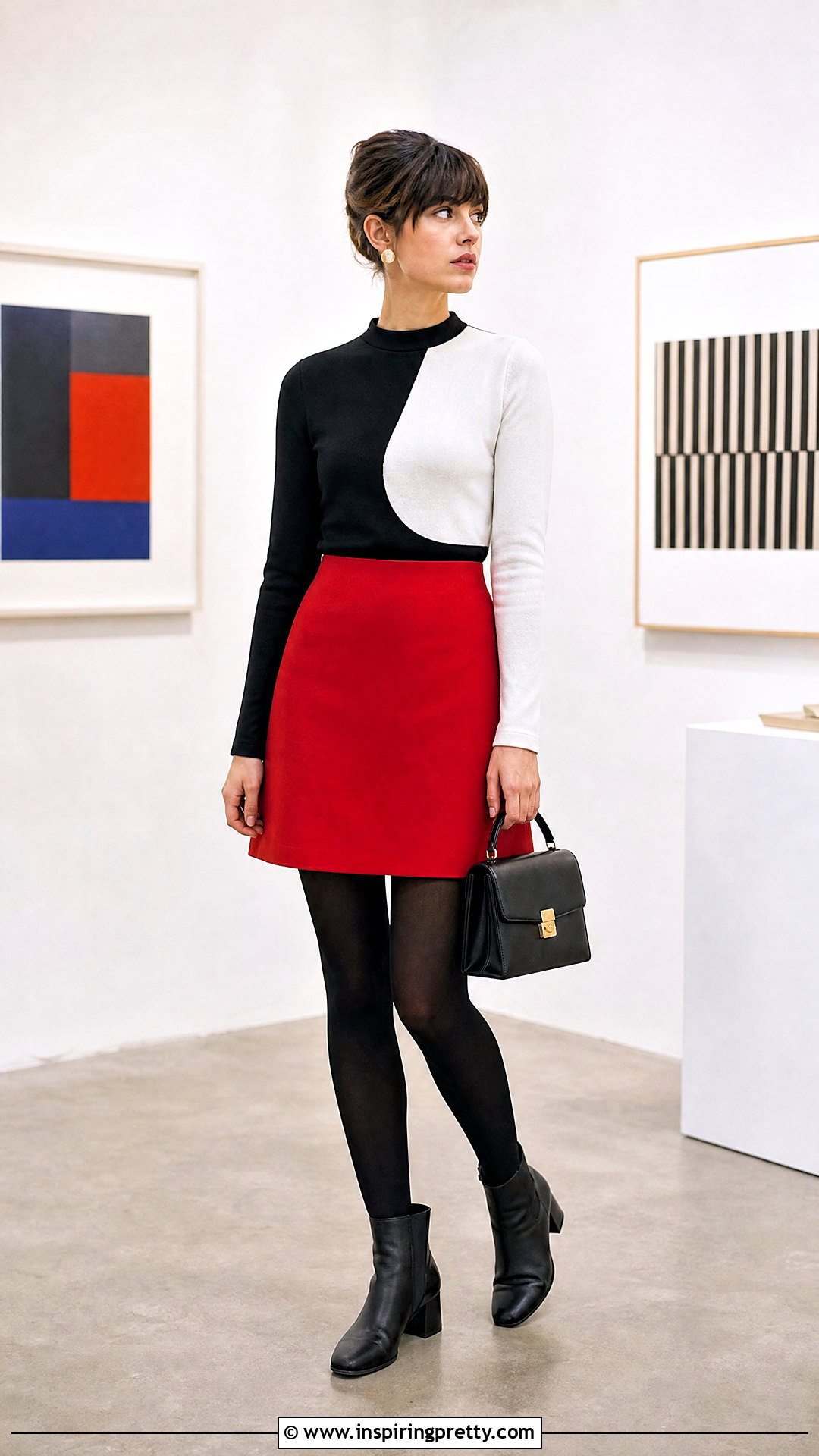
Color-blocked mod tops are bold with almost no effort. Wear one with an A-line mini, and pick a hem a few inches above the knee if very short feels too much. Opaque tights make it wearable in cold weather and keep the leg line continuous. With a looser top, I'd keep the skirt waistband flat to avoid bulk.
17. 1960s Mock-Neck Top With Plaid Trousers
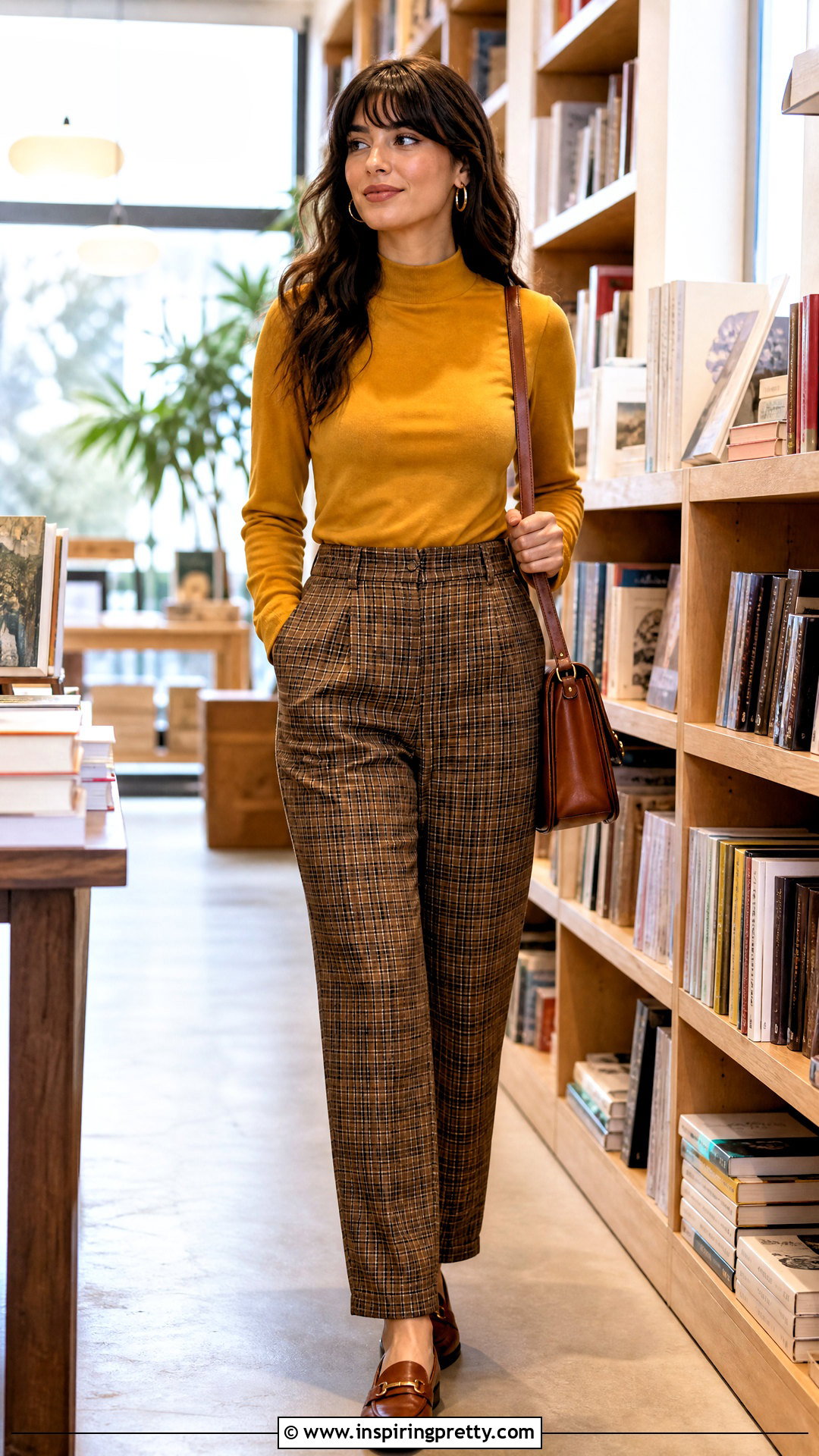
Plaid trousers are the loud piece, so a fine mock-neck in one plaid color sits on top. I match the top to a darker shade in the plaid; it makes the torso look longer. Mustard, rust or forest green look right for the era. Loafers or square-toe boots and a solid blazer for cooler weather.
18. 1960s Babydoll Top With Straight Jeans
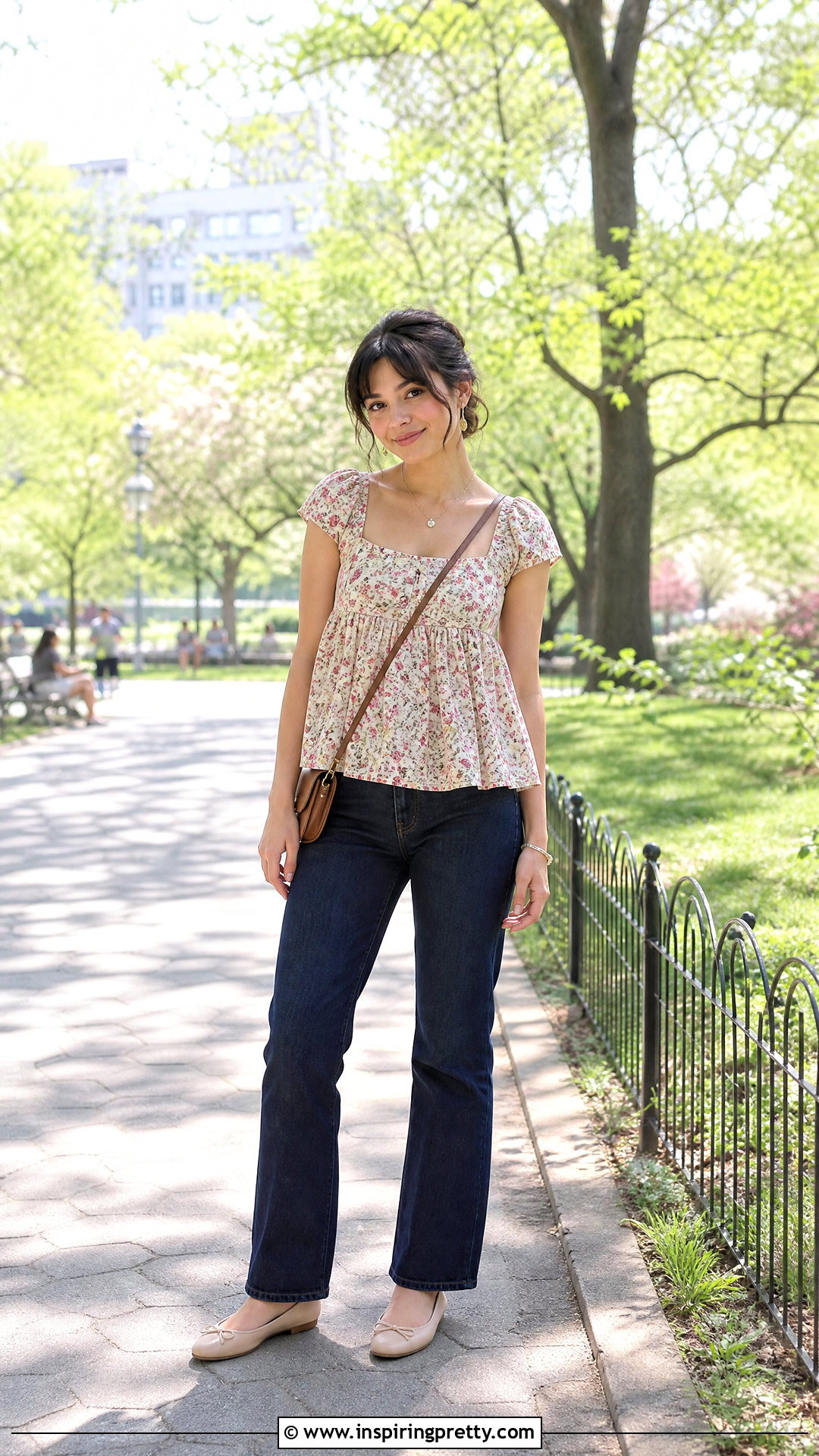
Babydoll tops are cut with a high empire seam and a flared body, so slim or straight jeans keep the silhouette from looking shapeless. Petite women suit a shorter hem; taller women can wear tunic length. If the print is busy, dark solid denim calms it. Ballet flats or ankle boots, and small earrings near a detailed neckline.
19. 1960s Psychedelic Blouse With Flared Pants
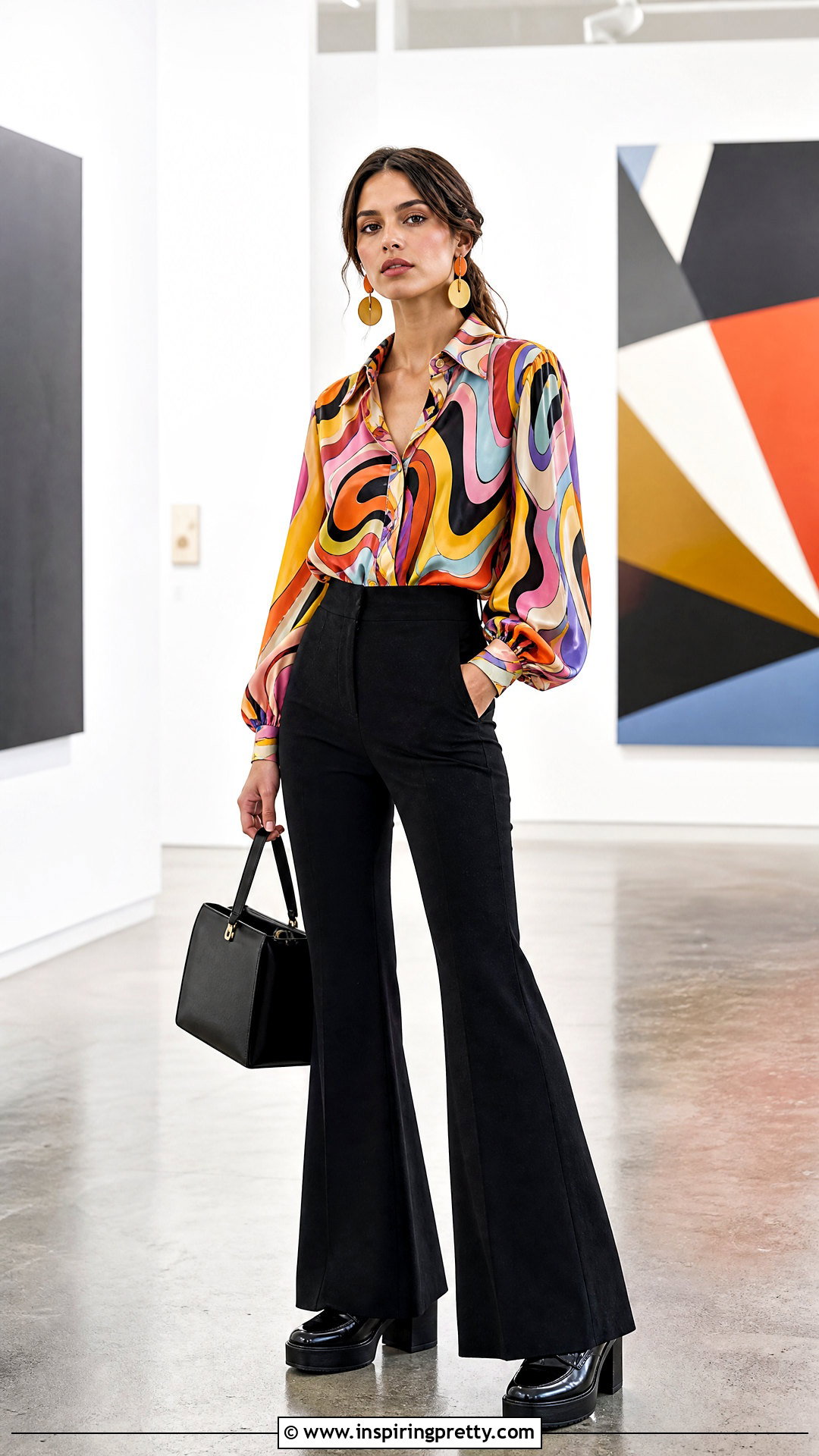
With a psychedelic print, everything else should stay solid. Flared trousers in black, chocolate or a shade from the print give it a long line. I tuck the blouse or choose a fitted one, because a loose printed body and wide flares together look sloppy. If a full rainbow print feels too much, try a two-color swirl.
20. 1960s Crochet Top With Denim Skirt
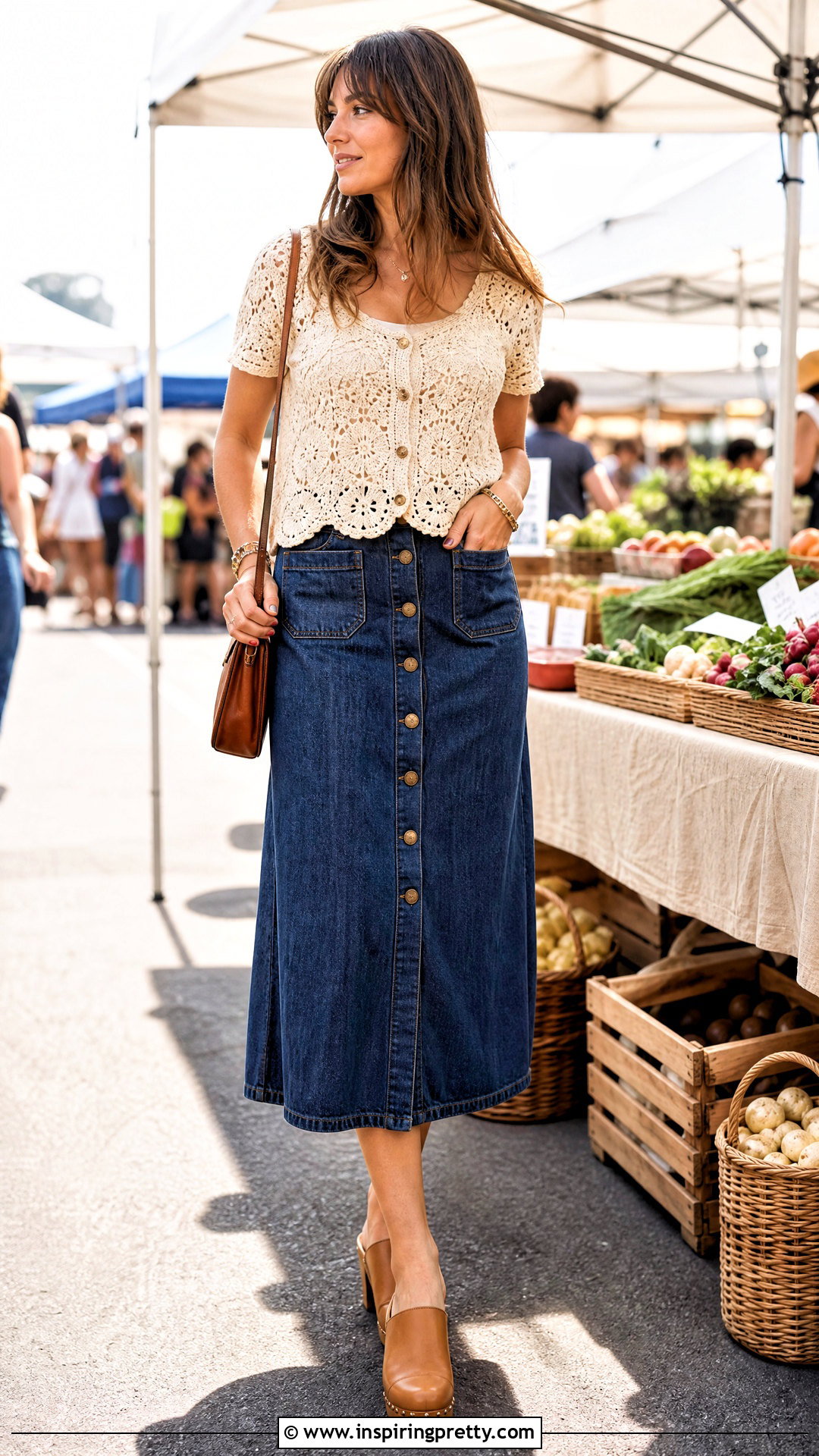
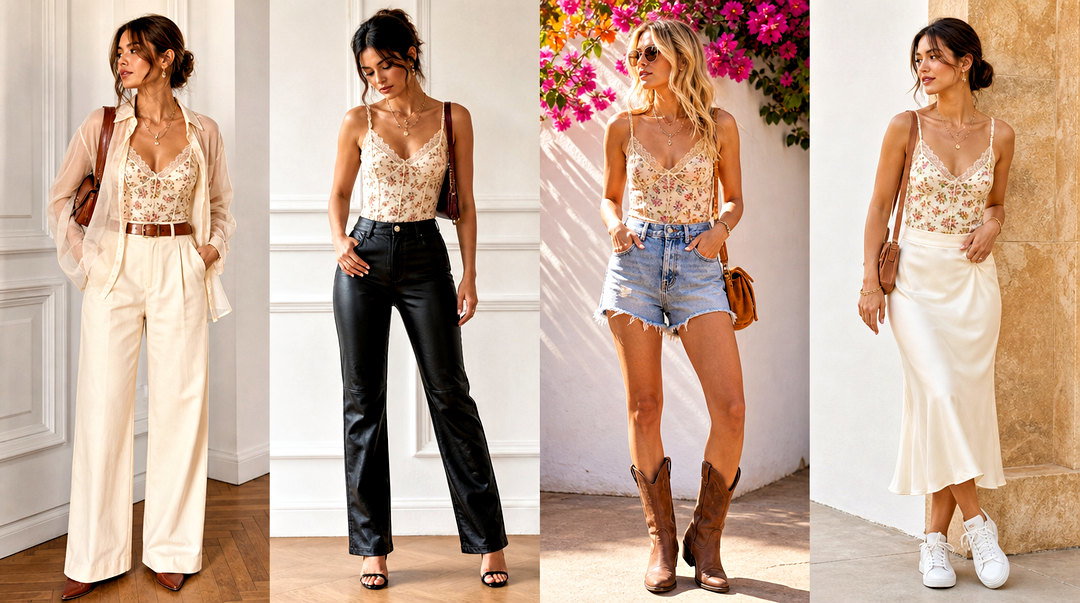
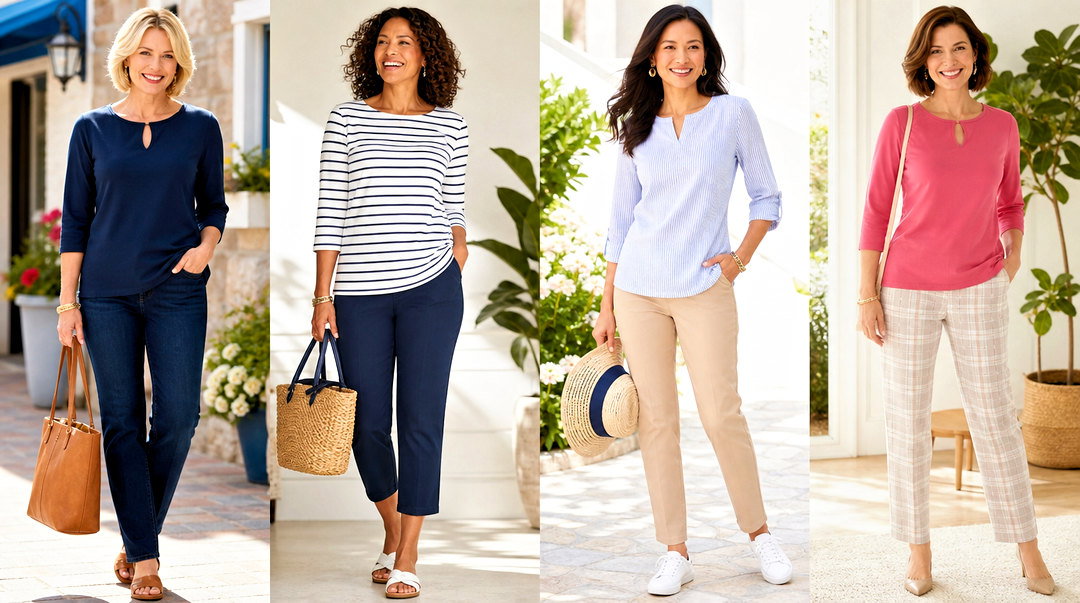
Open crochet needs a layer underneath, and that layer should match the yarn color closely so the stitch pattern reads clearly. A high-waisted denim skirt gives the soft texture structure. Cream is the easiest crochet; rust or mustard is more seventies. Store crochet folded, since it stretches on a hanger.
21. 1970s Peasant Blouse With Flare Jeans
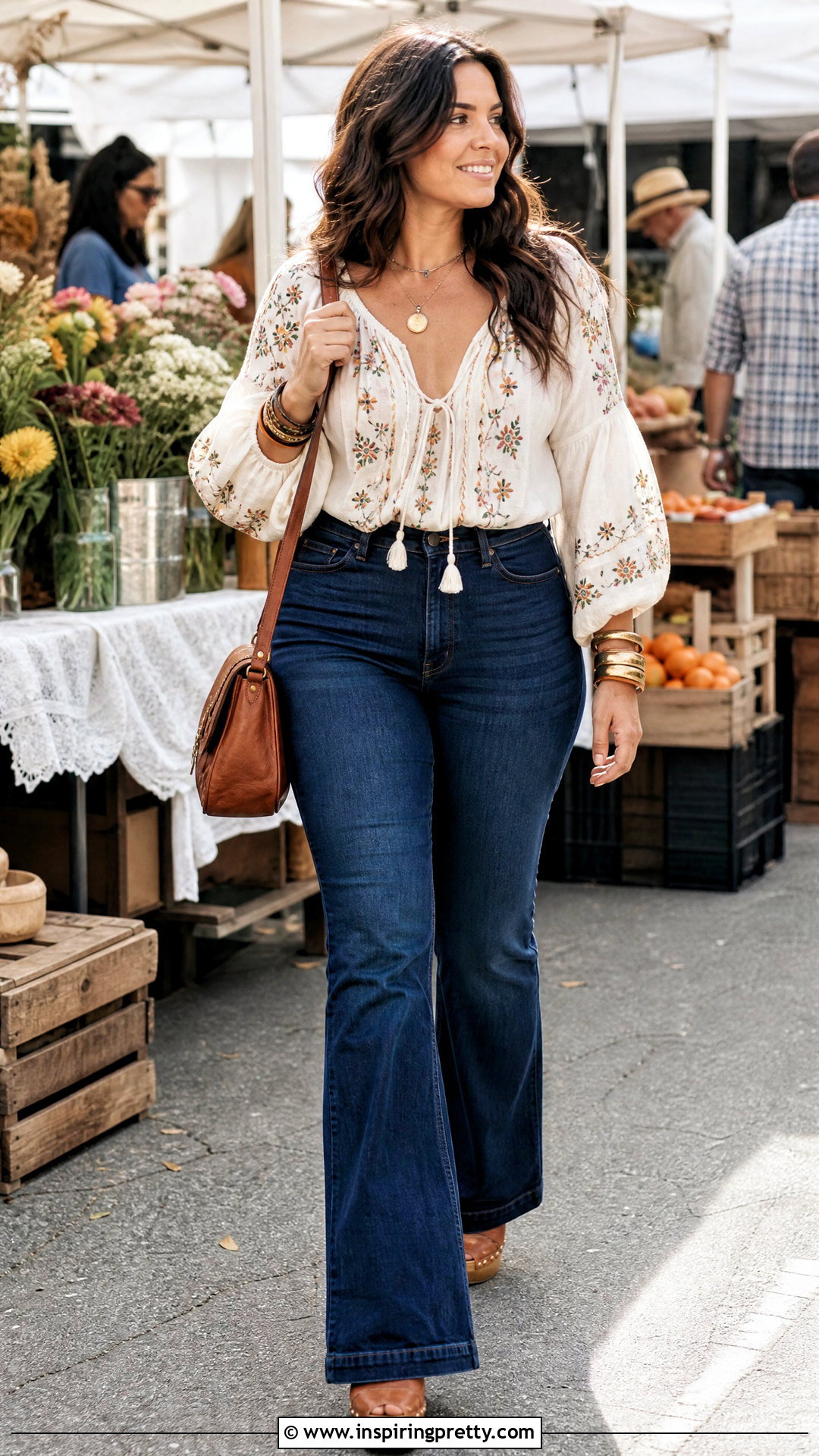
A peasant blouse and flare jeans are a natural pair, gathered on top and fitted through the hip below. I tuck or half-tuck the blouse into high-rise denim so the waist doesn't disappear. Fuller figures look better in a softly shaped blouse than a heavily gathered one. Platform sandals or clogs extend the flare.
22. 1970s Floral Blouse With Corduroy Pants
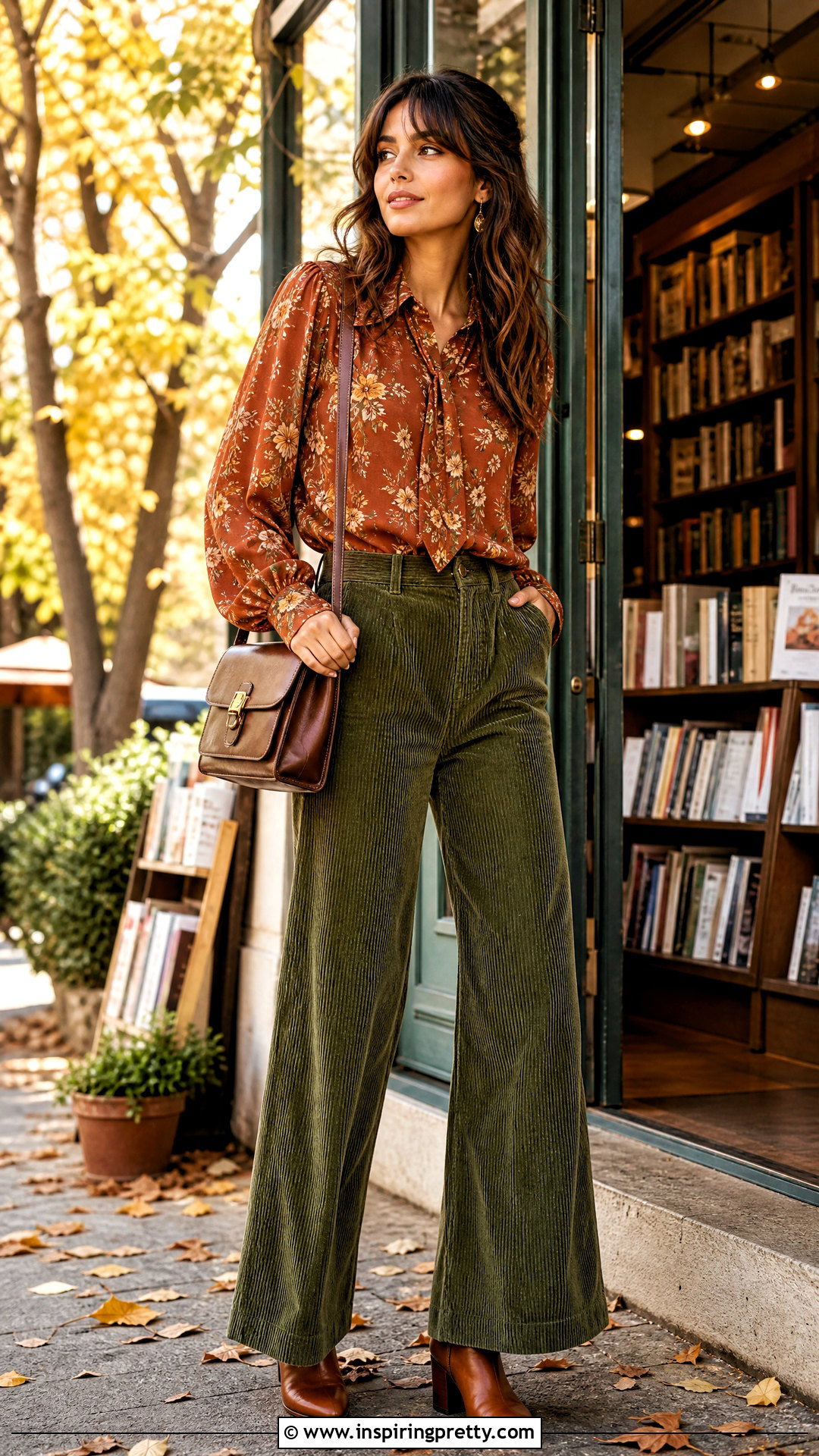
Florals and corduroy combine print and texture for cool weather. I pick cords in a color from the print, rust or olive usually. Fine-wale cord gives a smoother line; wide wale is bulkier and bolder. If both pieces feel strong, a plain vest or cardigan over the blouse settles things.
23. 1970s Halter Top With Palazzo Pants
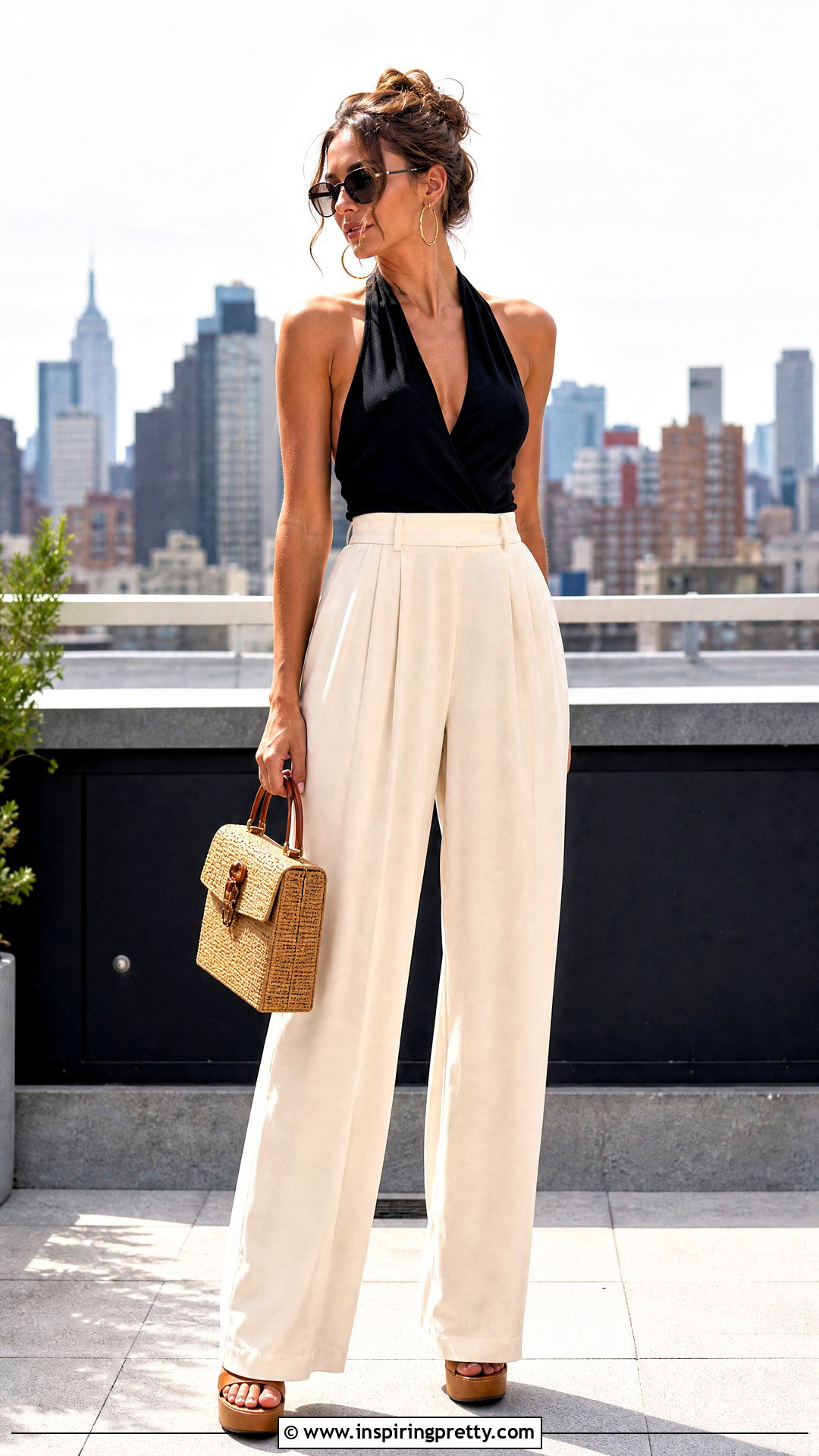
A halter and palazzo pants make a long, swishy summer line. The halter must actually support you; on a fuller bust, I'd look for wide straps and adjustable fastening rather than thin ties at the neck. Palazzo hems should nearly brush the top of the shoe without touching the ground. A cropped linen jacket covers you indoors.
24. 1970s Crochet Vest Top With Maxi Skirt
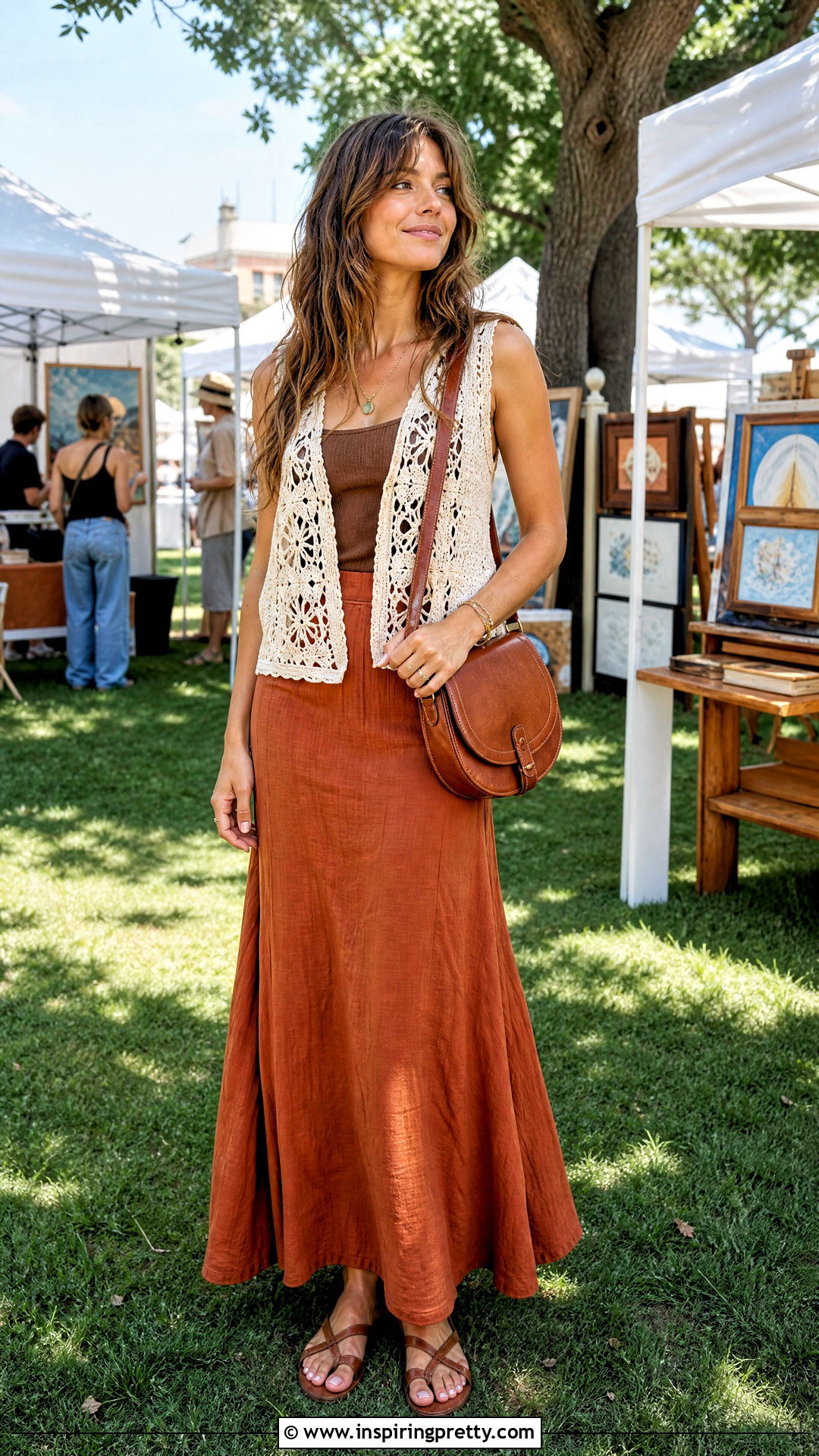
Crochet vests work as a top when layered over a fitted tank or thin blouse in a plain shade. A solid flowing maxi below keeps the stitchwork visible. Shorter vests suit high-waisted skirts best. If yours falls past the hips, wear it open, or add a narrow belt to keep some shape.
25. 1970s Disco Top With Wide-Leg Trousers
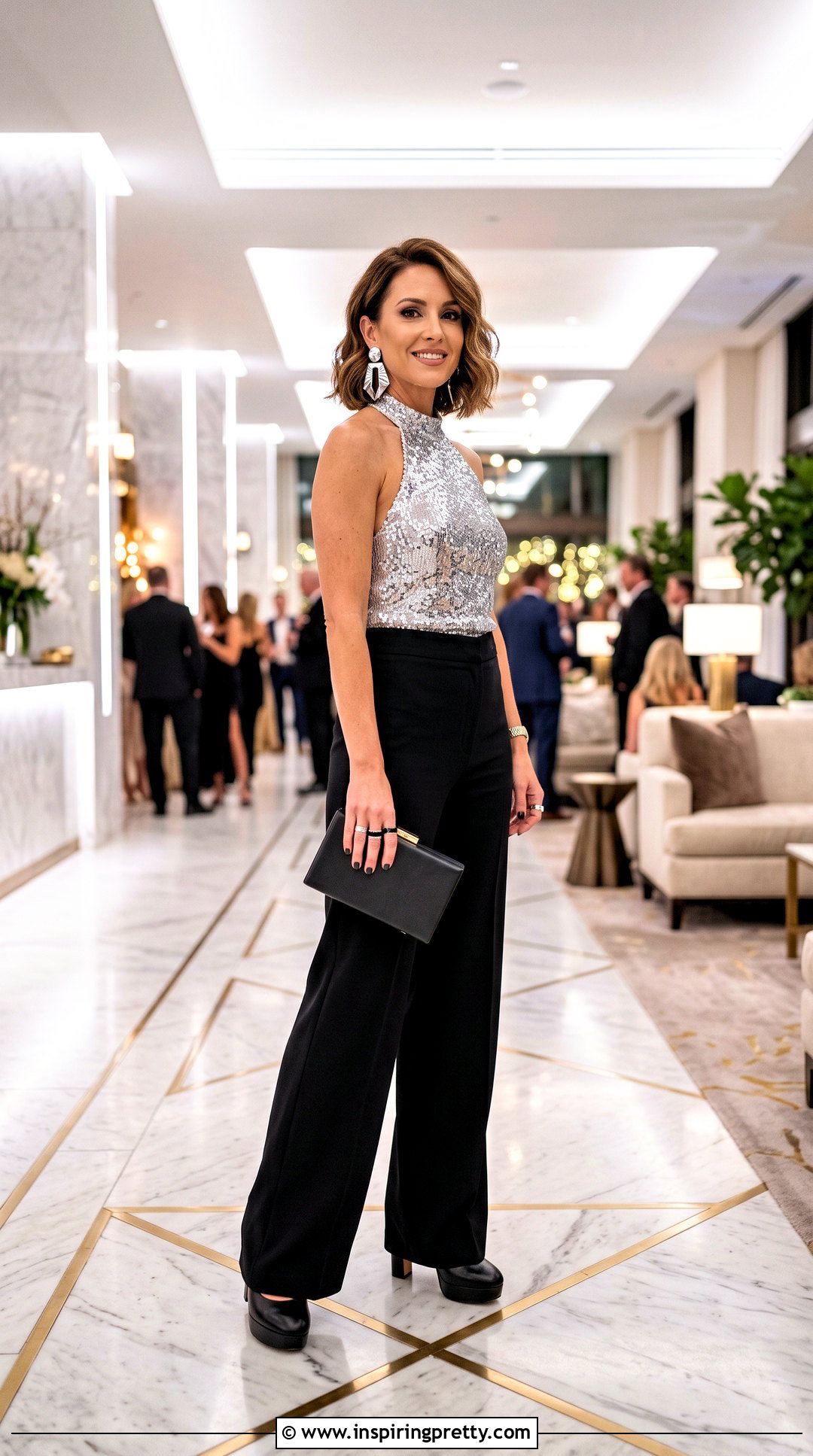
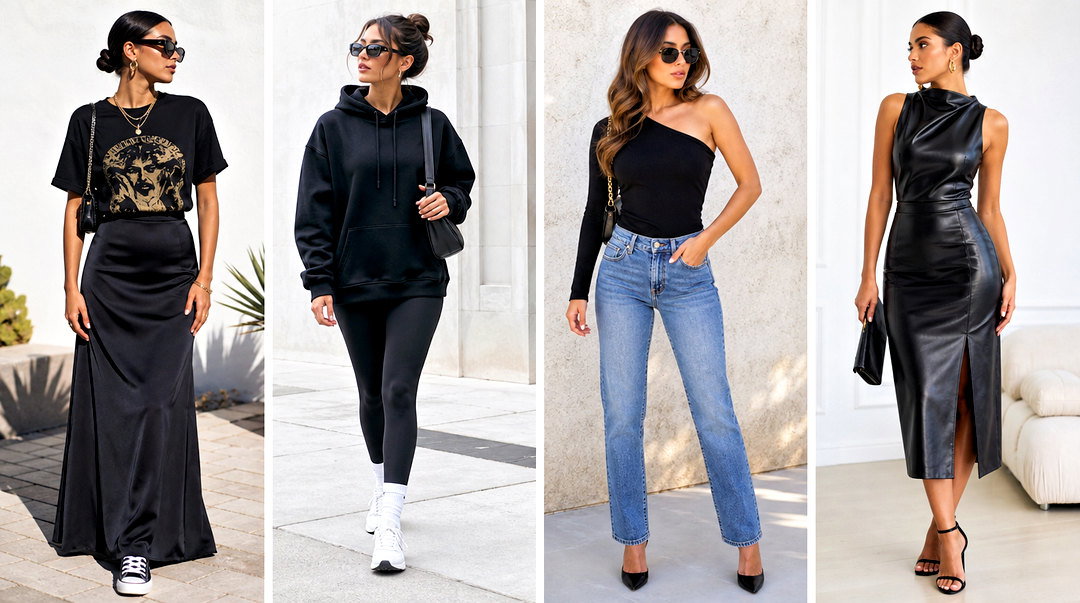
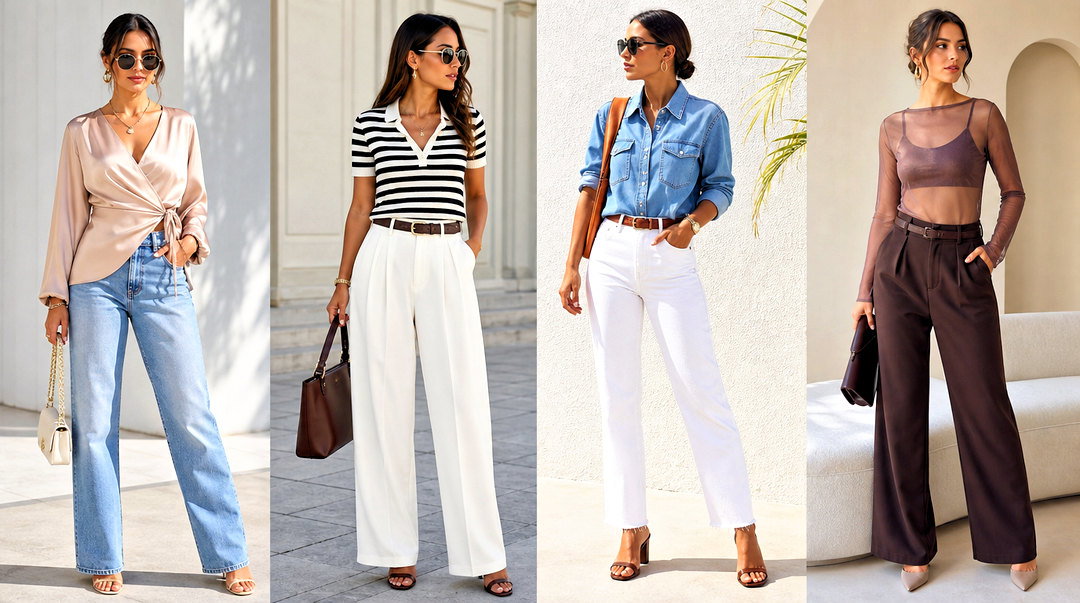
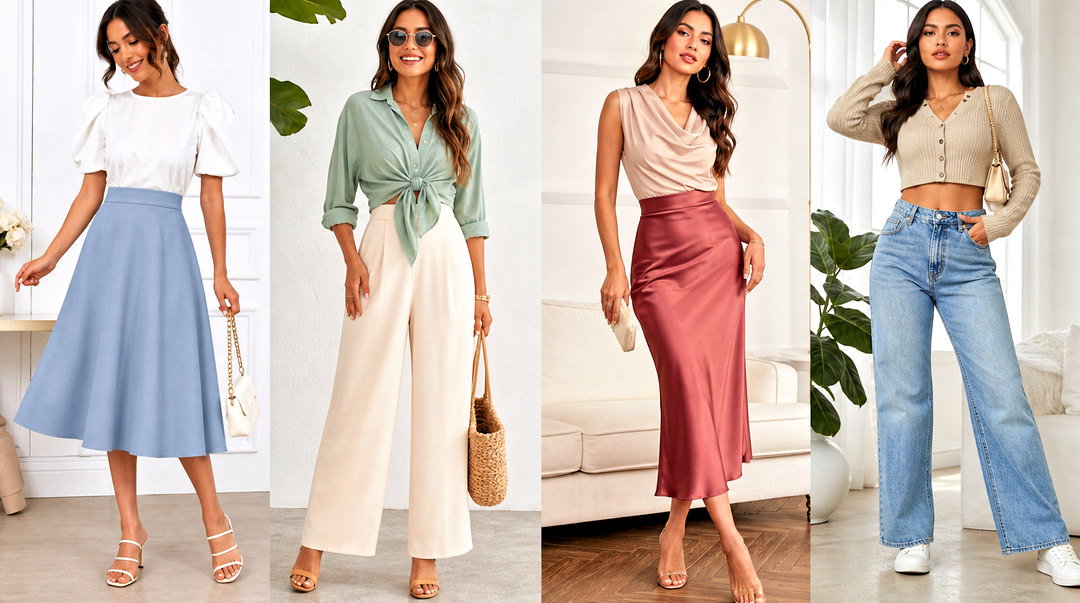
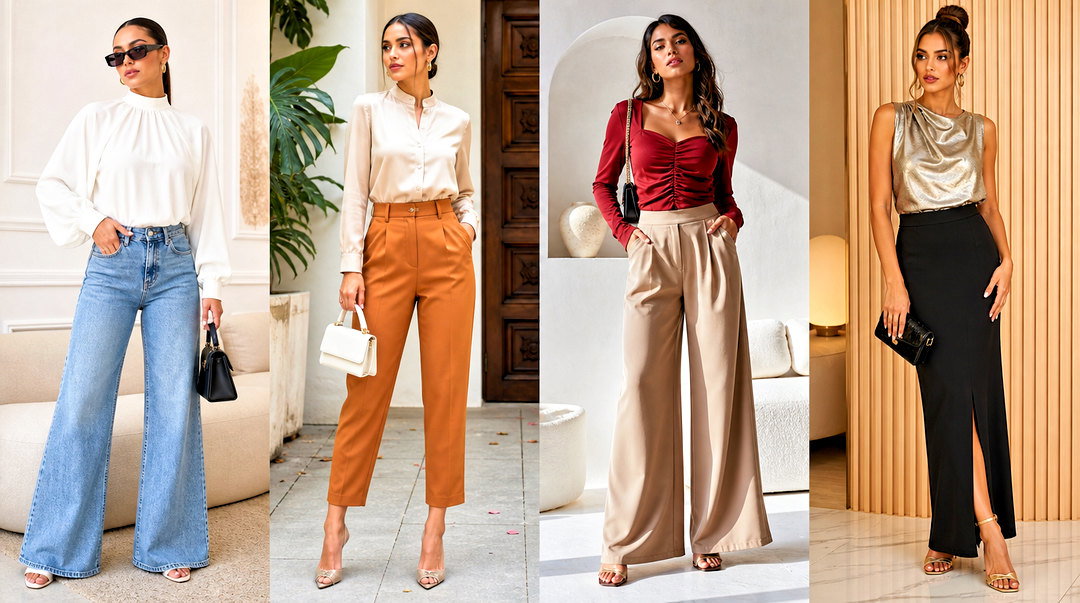
A shimmering disco top looks sophisticated with tailored wide-leg trousers in black or cream. Metallic knit, subtle sequins and glossy satin all fit the idea. I'd keep everything else matte: one sculptural earring or a cuff, a plain clutch. Platform heels support the wide hem and suit the decade. A solid blazer tones down the shine for a dinner.
26. 1970s Wrap Top With A-Line Midi Skirt
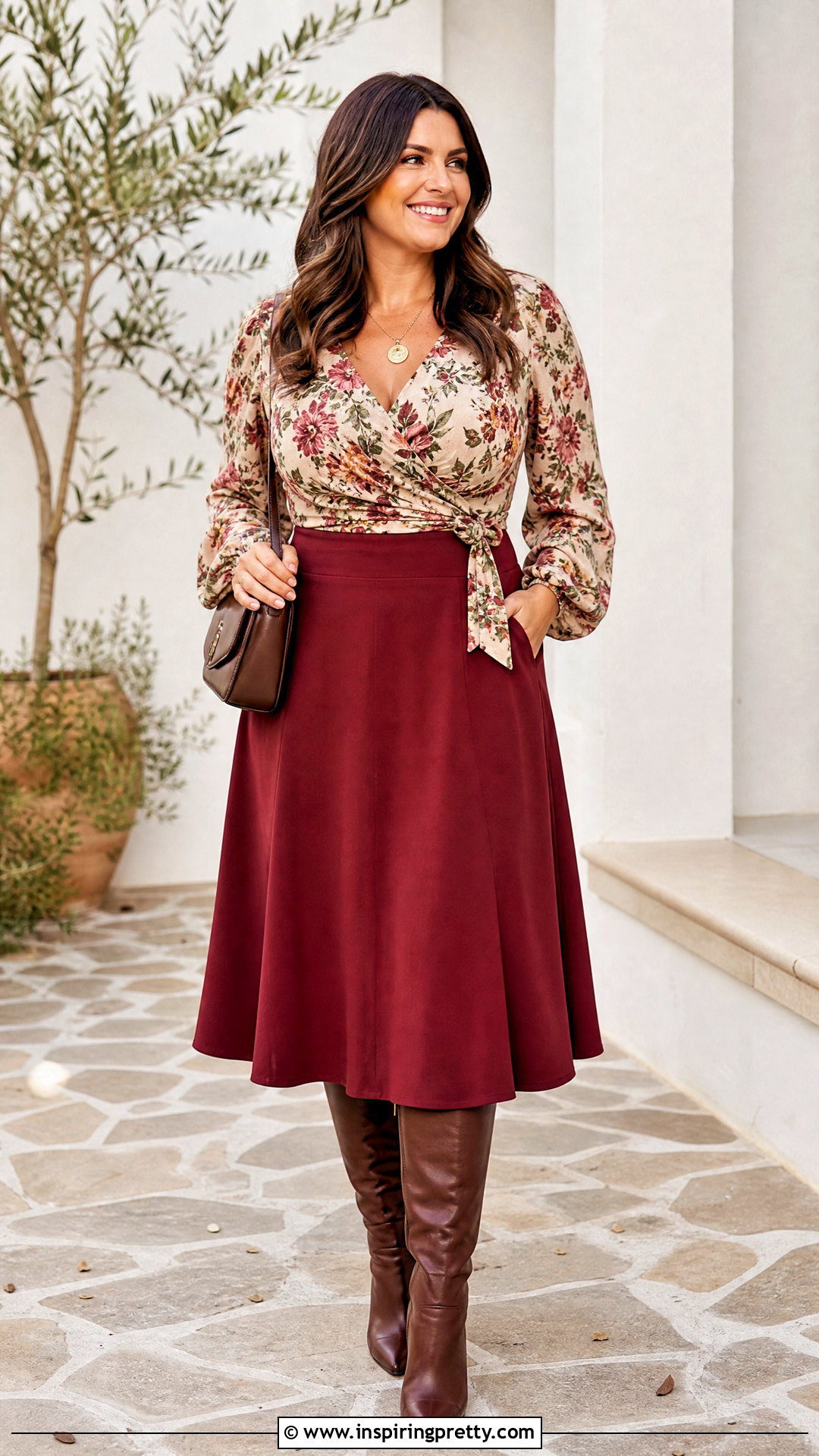
Wrap tops adjust to your shape, which makes them one of the most forgiving vintage cuts. Tie it securely at the side and pair it with an A-line midi that moves without much volume. If the V goes lower than you'd like, a smooth camisole underneath fixes it. Shorter-waisted women should choose a slim tie; a thick bow adds bulk right at the waist.
27. 1970s Bell-Sleeve Top With Dark Denim
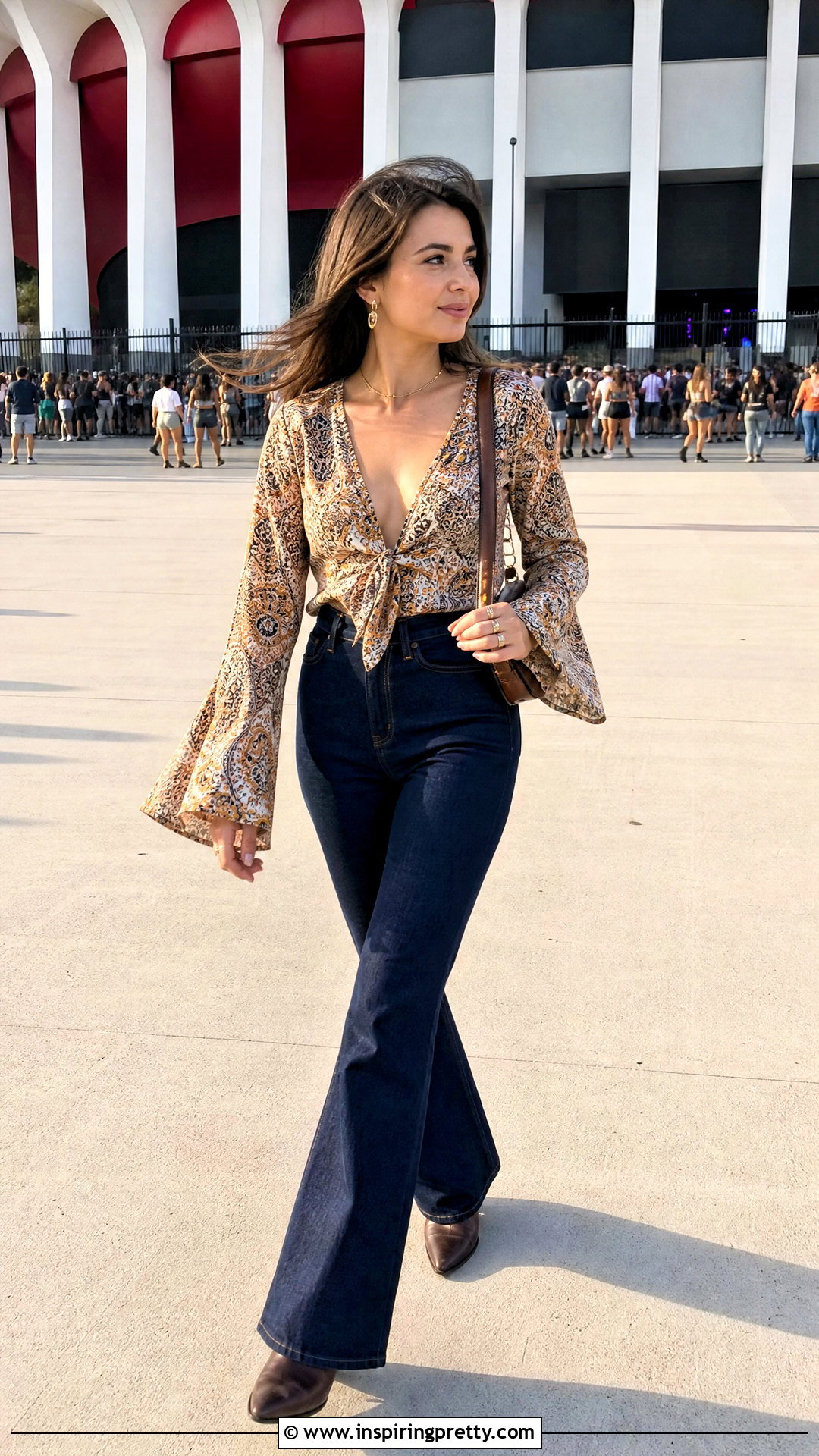
Bell sleeves need clean, dark denim to stand out. I check the sleeve length practically: if the cuffs drag into your food or catch on door handles, they're too long for daily wear. A defined torso offsets the volume at the forearm. Carry a shoulder bag that won't crush the sleeves.
28. 1970s Western Shirt With Bootcut Jeans
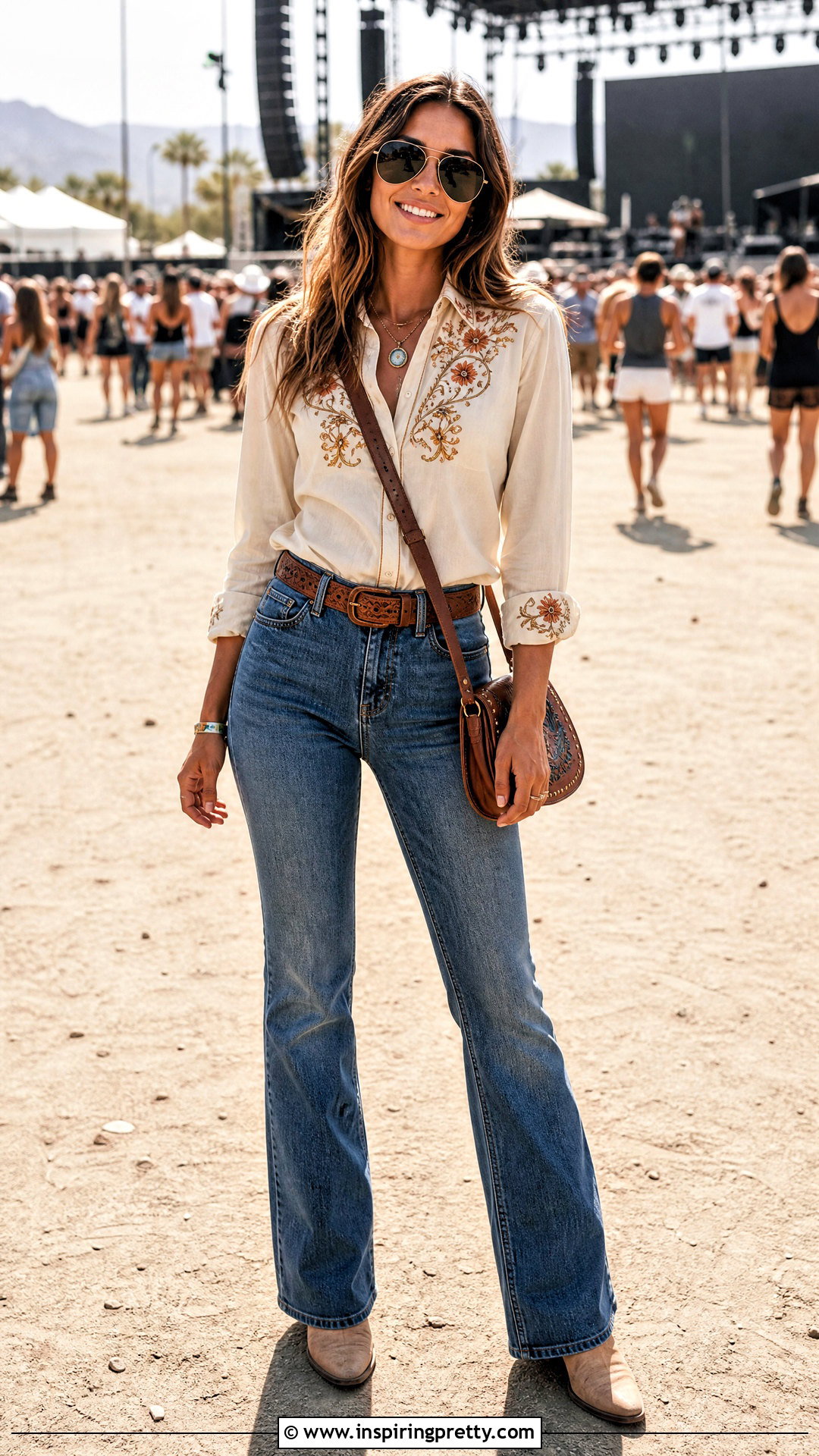
A snap-front Western shirt has plenty of detail, yokes, piping and pearl snaps, so pick one or two rather than every feature at once. I tuck it into bootcut jeans with a simple belt buckle. The boots should sit under the hem. Curvy women will find stretch denim and a shirt shaped at the waist far more comfortable.
29. 1970s Ringer Tee With High-Rise Shorts
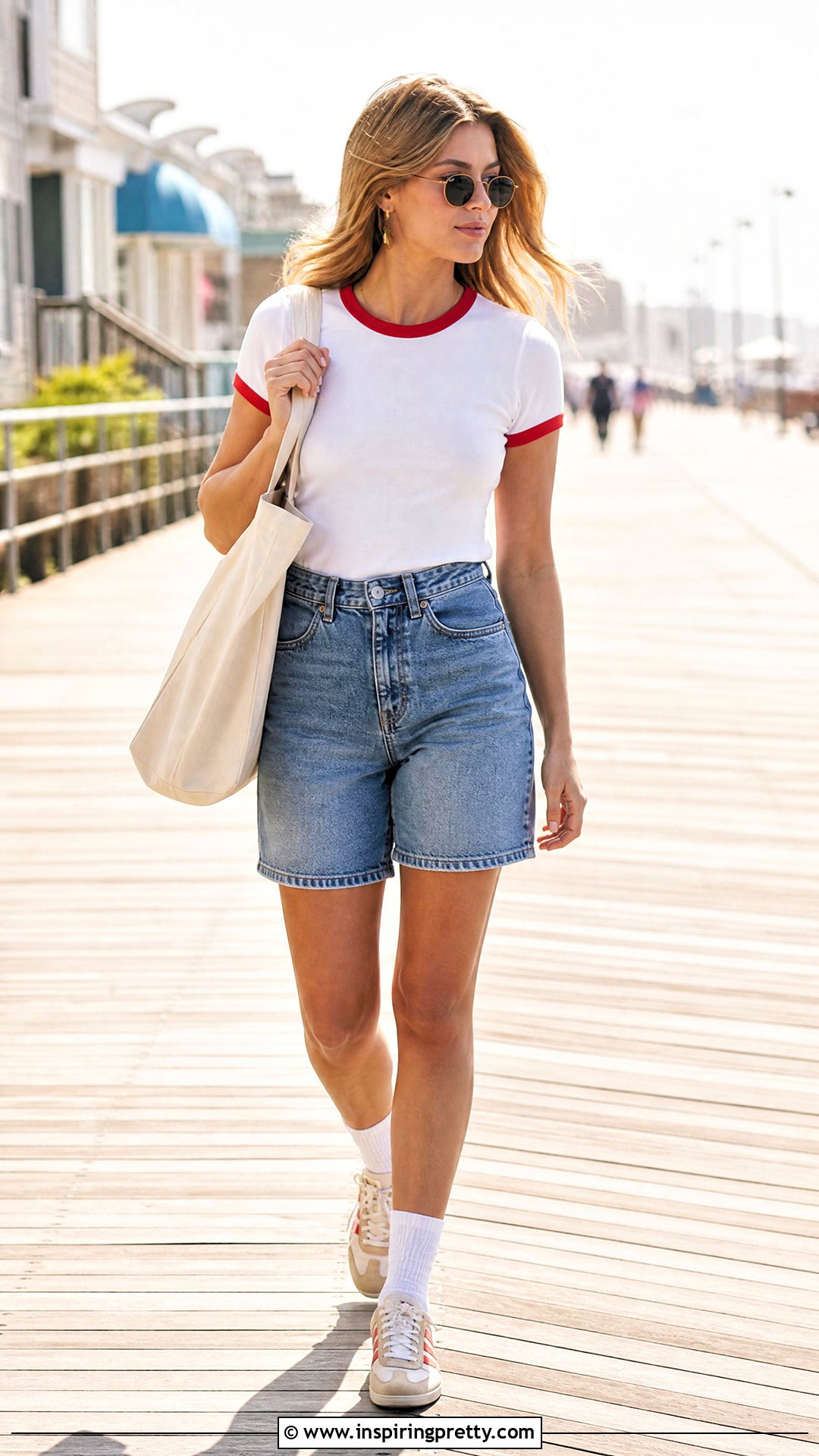
Ringer tees have contrast bands at the neck and sleeves, which gives them their sporty look. Tucked into high-rise shorts with enough length to sit comfortably, it's an easy summer outfit. Retro sneakers and crew socks go with it. If the tee has a graphic, I'd limit the rest of the outfit to two colors.
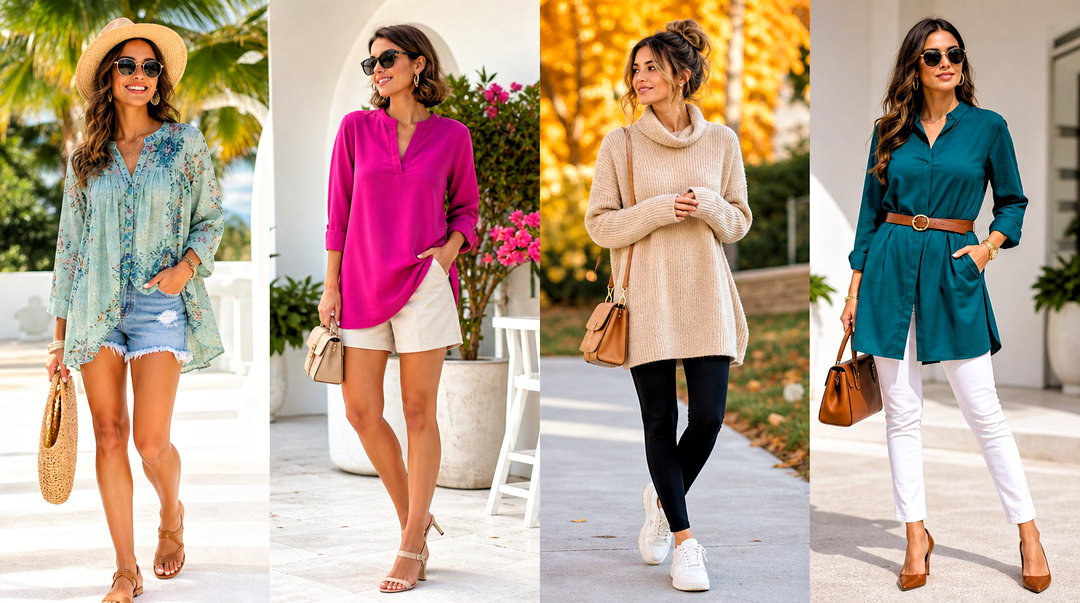
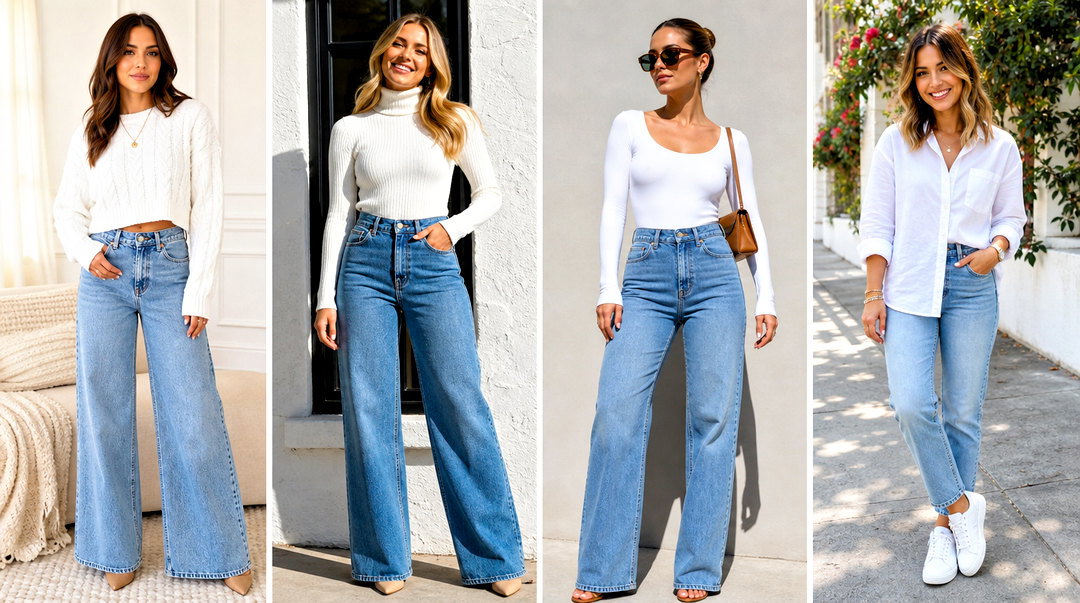
30. 1980s Power Blouse With Tapered Trousers
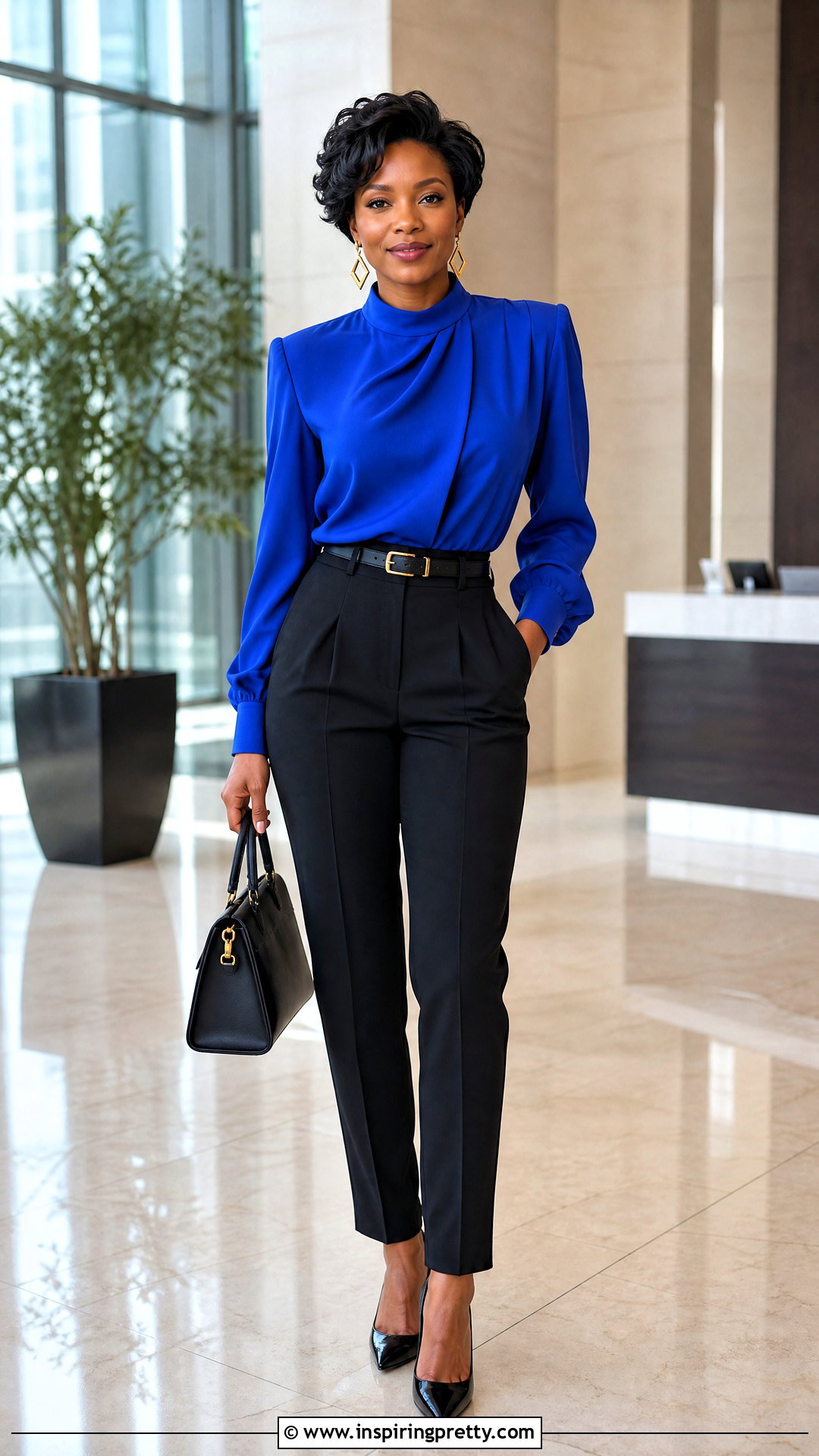
Strong shoulders and a neat waist suit tapered trousers well. I'd choose a blouse with restrained shoulder pads rather than the huge originals; those widen the frame fast. Broad-shouldered women can try shoulder pleats instead of pads. Tuck it into high-rise trousers and add pointed pumps.
31. 1980s Sequin Top With Black Jeans
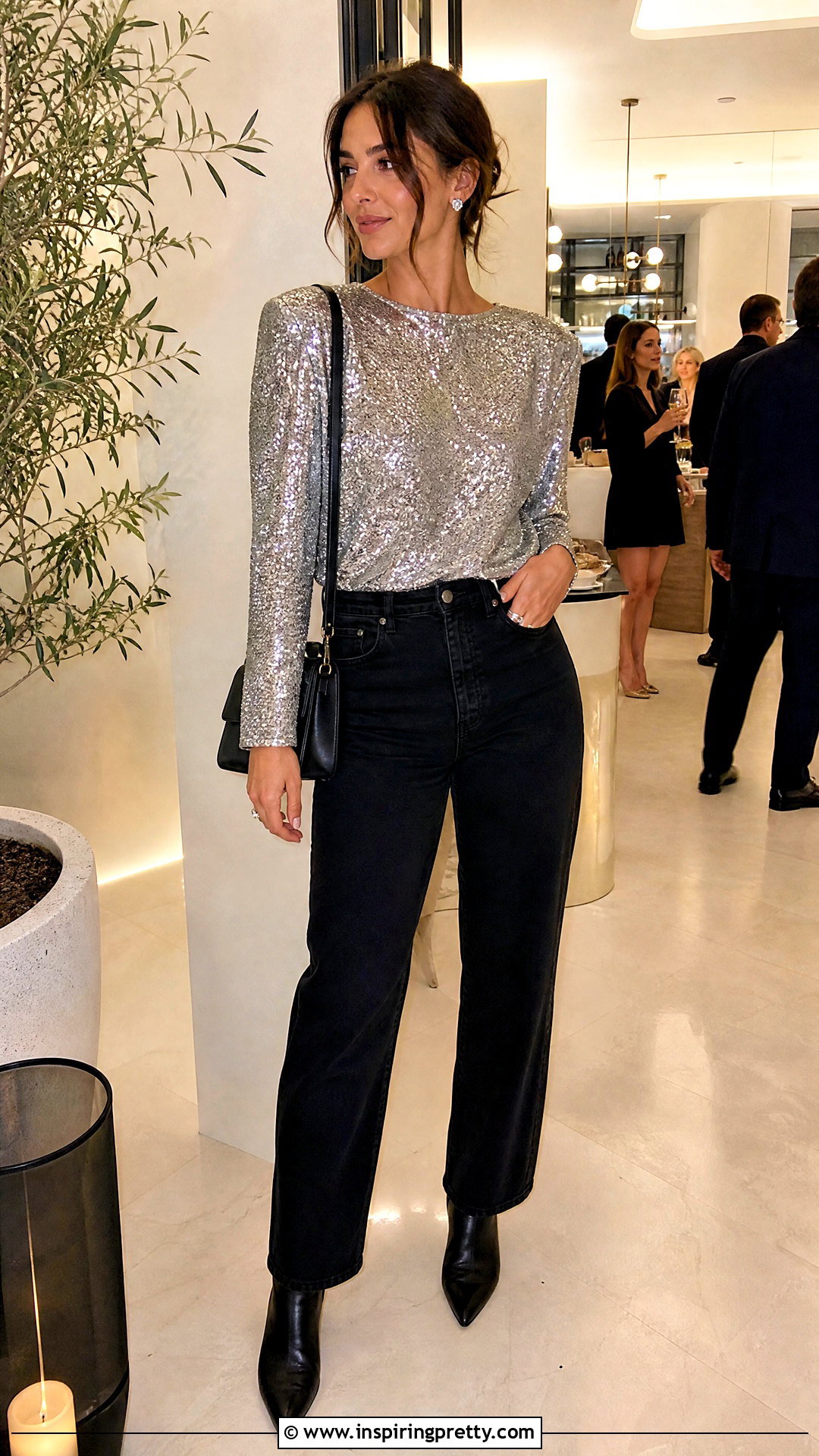
Sequins with black jeans take the formality out of sparkle. A high-rise black straight jean is the base. I'd check the inside seams of a vintage sequin top before buying, because the backs of sequins scratch, and an unlined one can be uncomfortable for a full evening. A matte bag and a black blazer soften the shine.
32. 1980s Bow Blouse With Pleated Midi Skirt
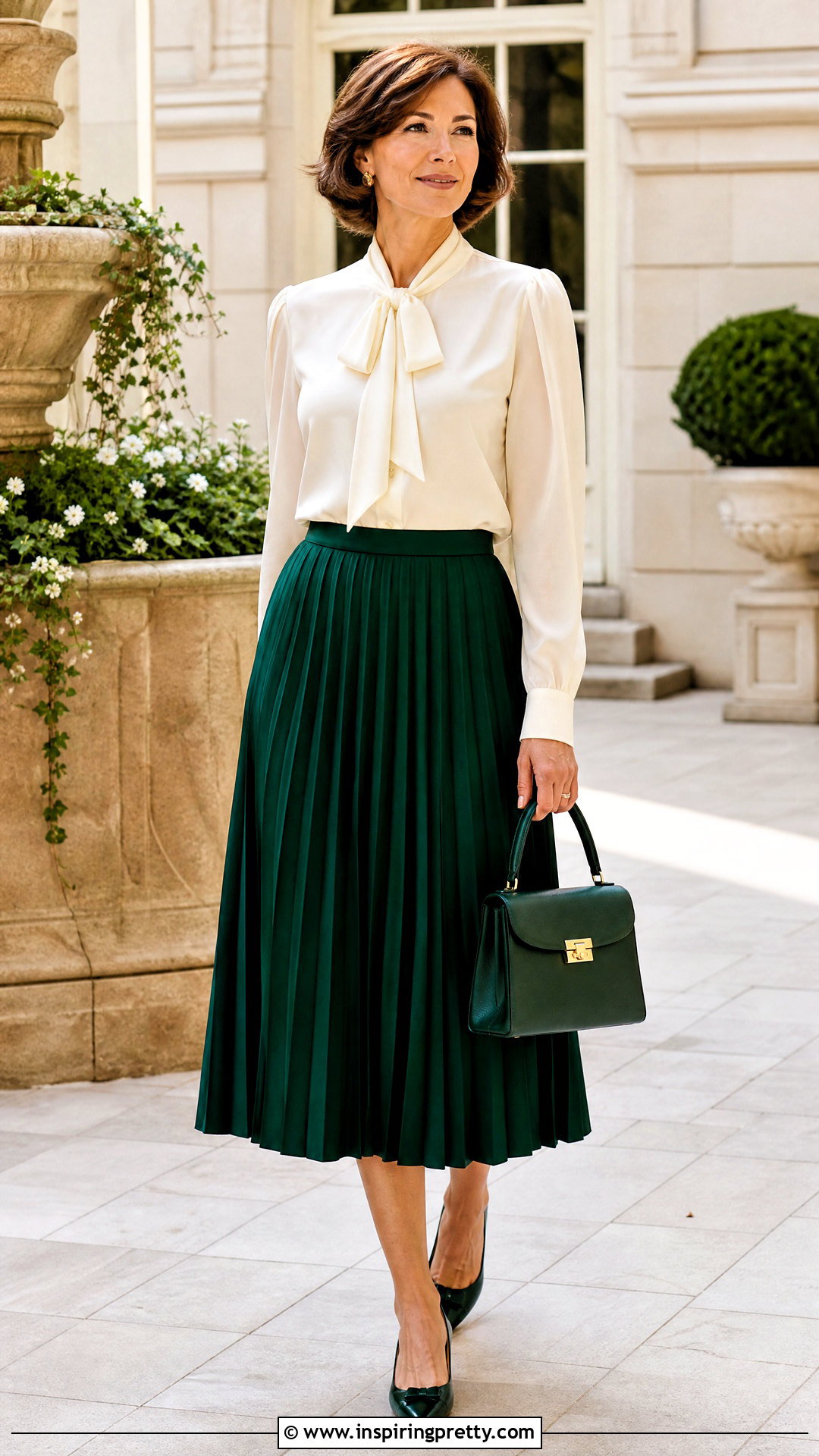
A bow-neck blouse softens a structured pleated skirt. The bow can be loose and relaxed or a neat knot. On a fuller bust, I'd choose a narrower tie, since a big bow adds bulk at the chest. Patterned skirt, solid blouse. A tailored coat goes over the top easily.
33. 1980s Batwing Top With Slim Pants
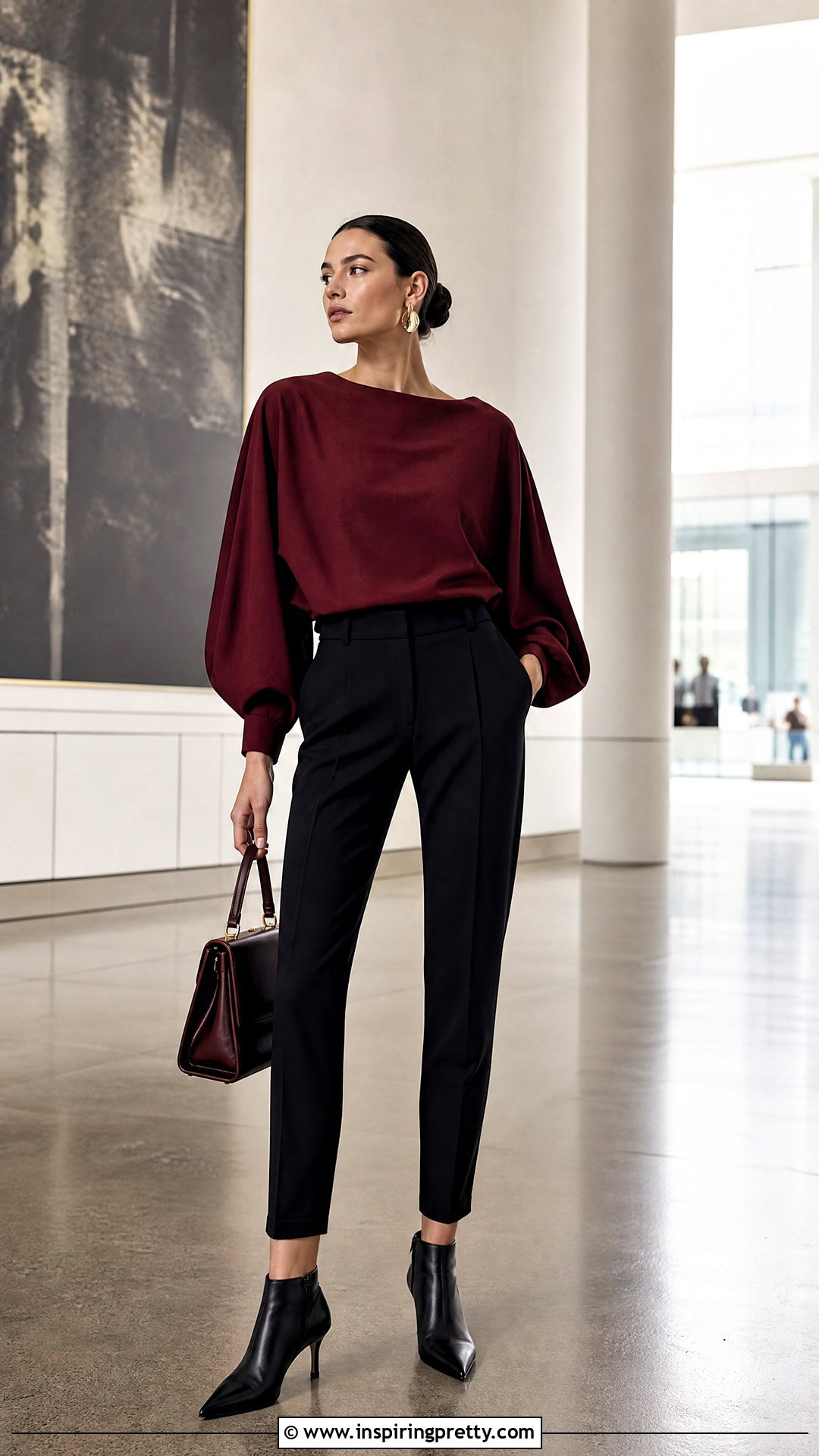
Batwing sleeves start at the waist, so slim cigarette pants balance all that fabric. A soft jersey or light knit drapes; a stiff one stands out like a tent. Petite women should choose shorter tops with less dramatic sleeves. Pointed ankle boots lengthen the leg.
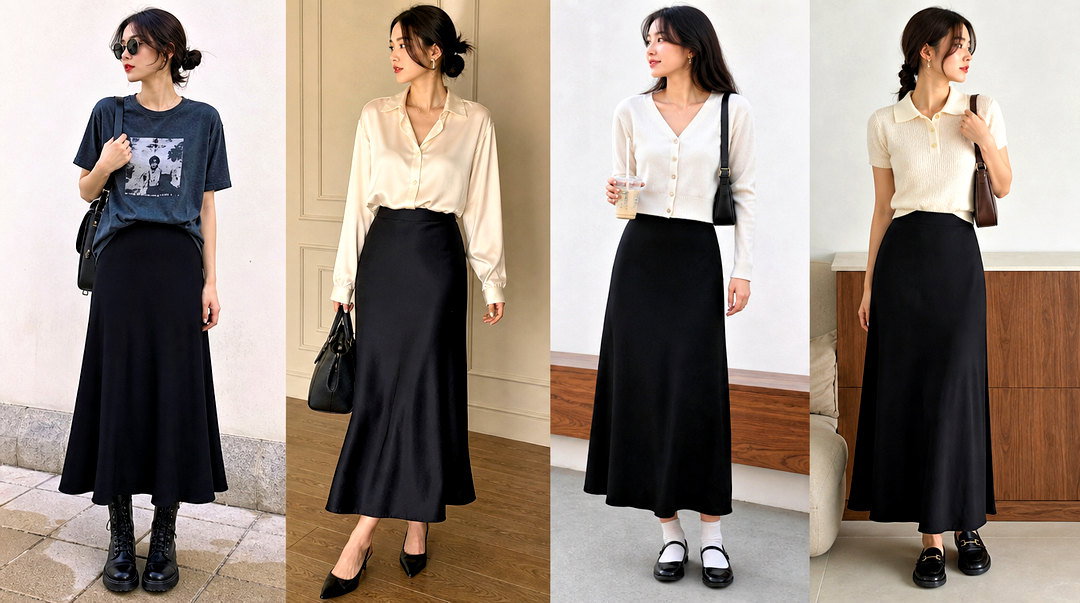
34. 1980s Graphic Sweatshirt With Mom Jeans
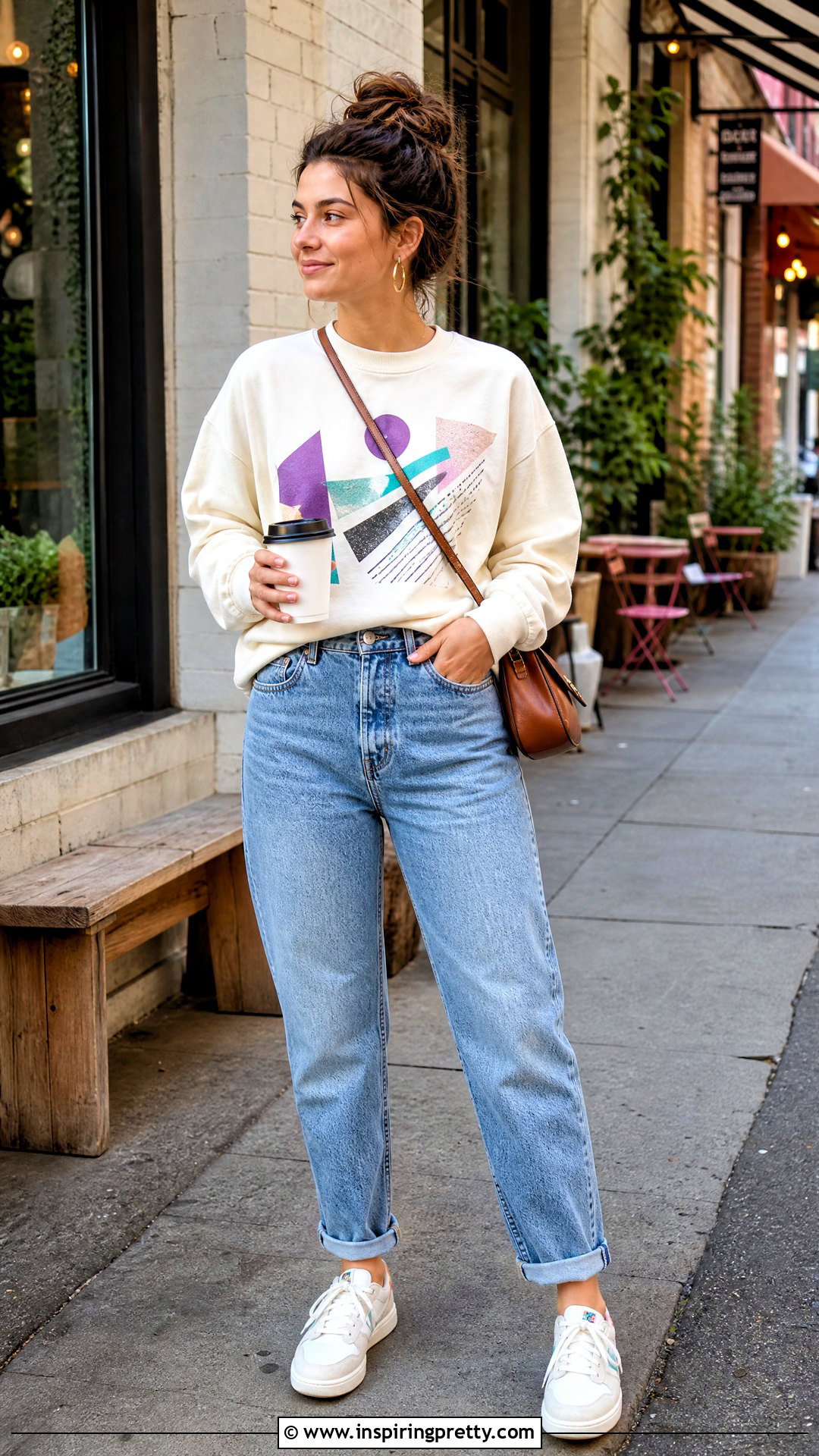
A graphic sweatshirt with mom jeans is the easiest outfit here. I'd pick one that ends near the hip rather than a huge oversized one, then tuck just the front. Repeat a graphic color in your socks or bag. A collared shirt underneath adds polish and warmth.
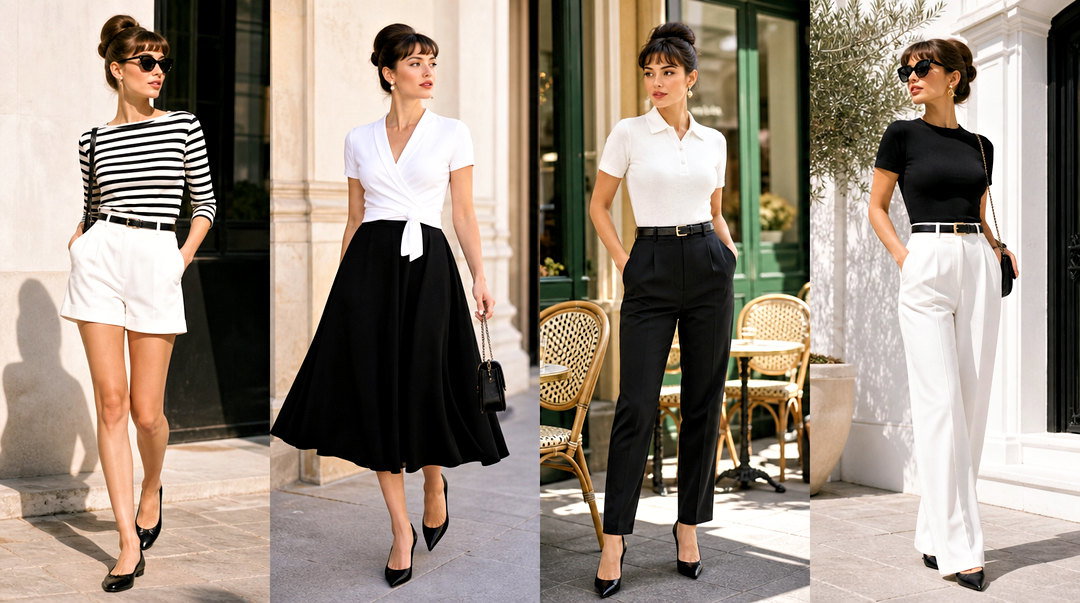
35. 1980s Lace Collar Blouse With Corduroy Skirt
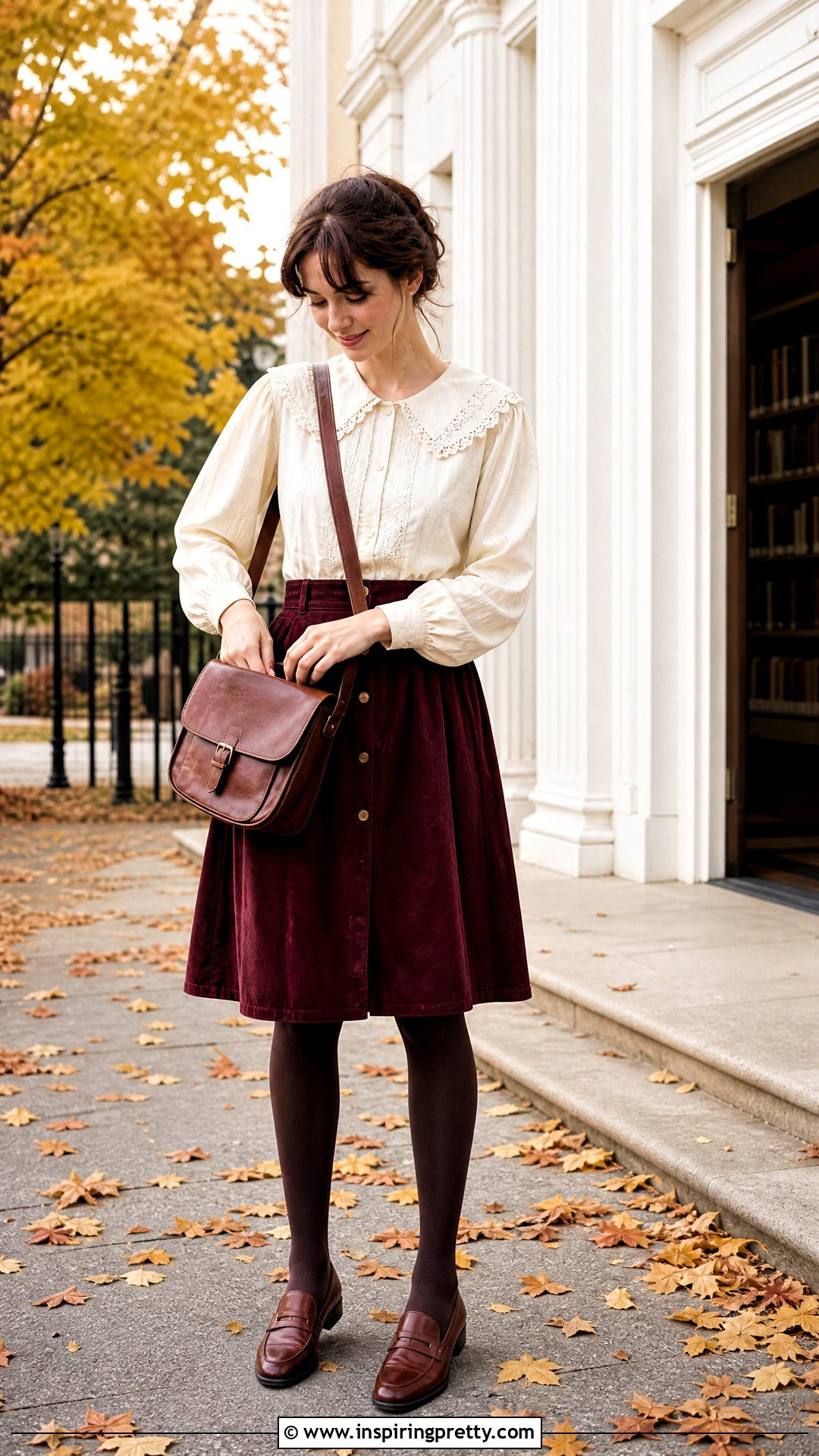
Oversized lace collars need quiet surroundings. A pale blouse over a high-waisted corduroy skirt in brown or forest green does it. Skip the necklace entirely. If the shoulders are also puffed, choose a slim skirt, because two big details look busy. Opaque tights and loafers in cool weather.
36. 1990s Satin Camisole With Relaxed Jeans
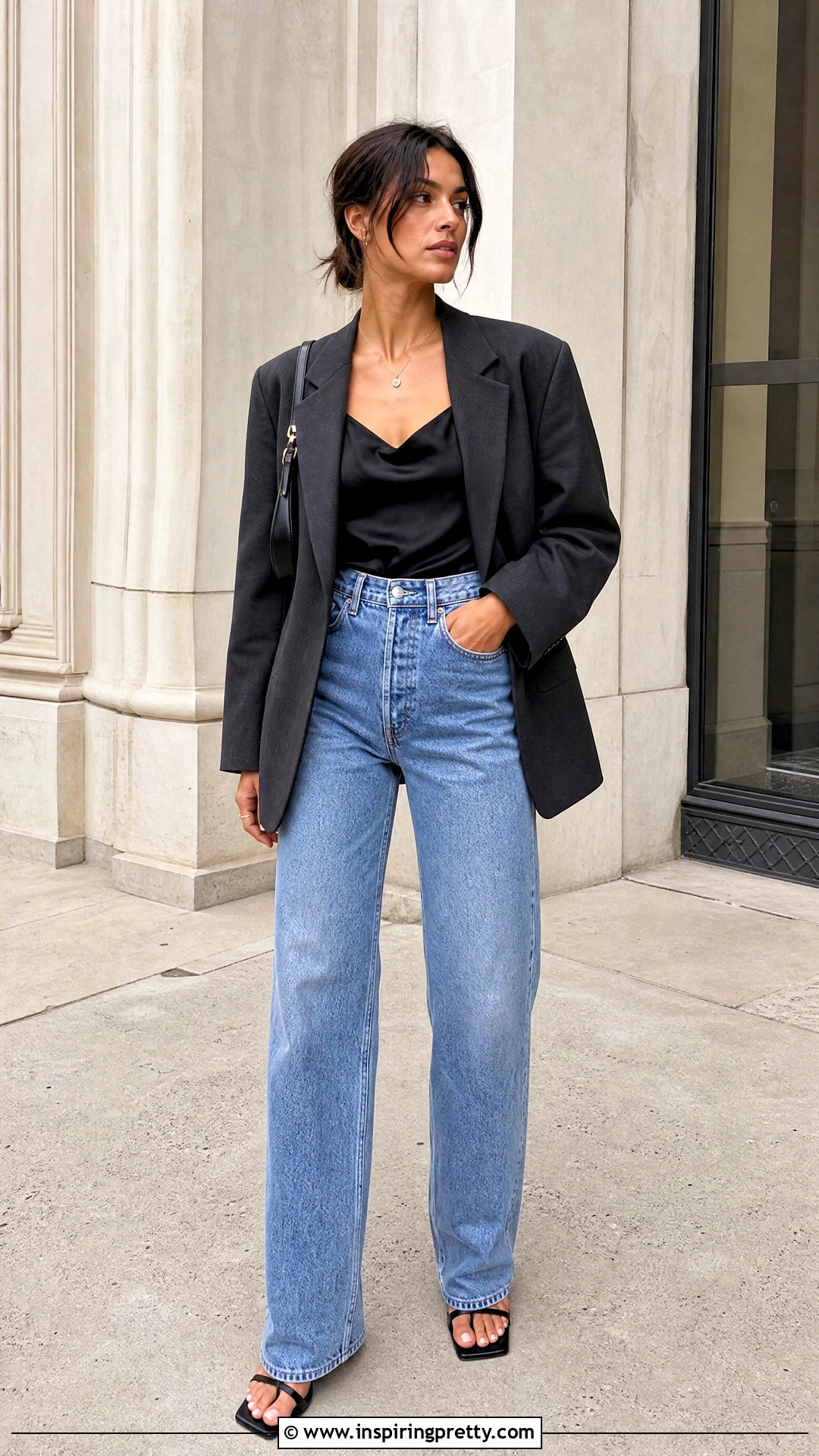
A satin camisole with loose jeans is the nineties version of going-out clothes. I'd choose a heavier, opaque satin with wider straps; thin satin shows every line and bra strap. Medium wash is casual; black jeans dress it up. A leather jacket or oversized blazer covers the arms in the evening.
37. 1990s Mesh Top With Slip Skirt
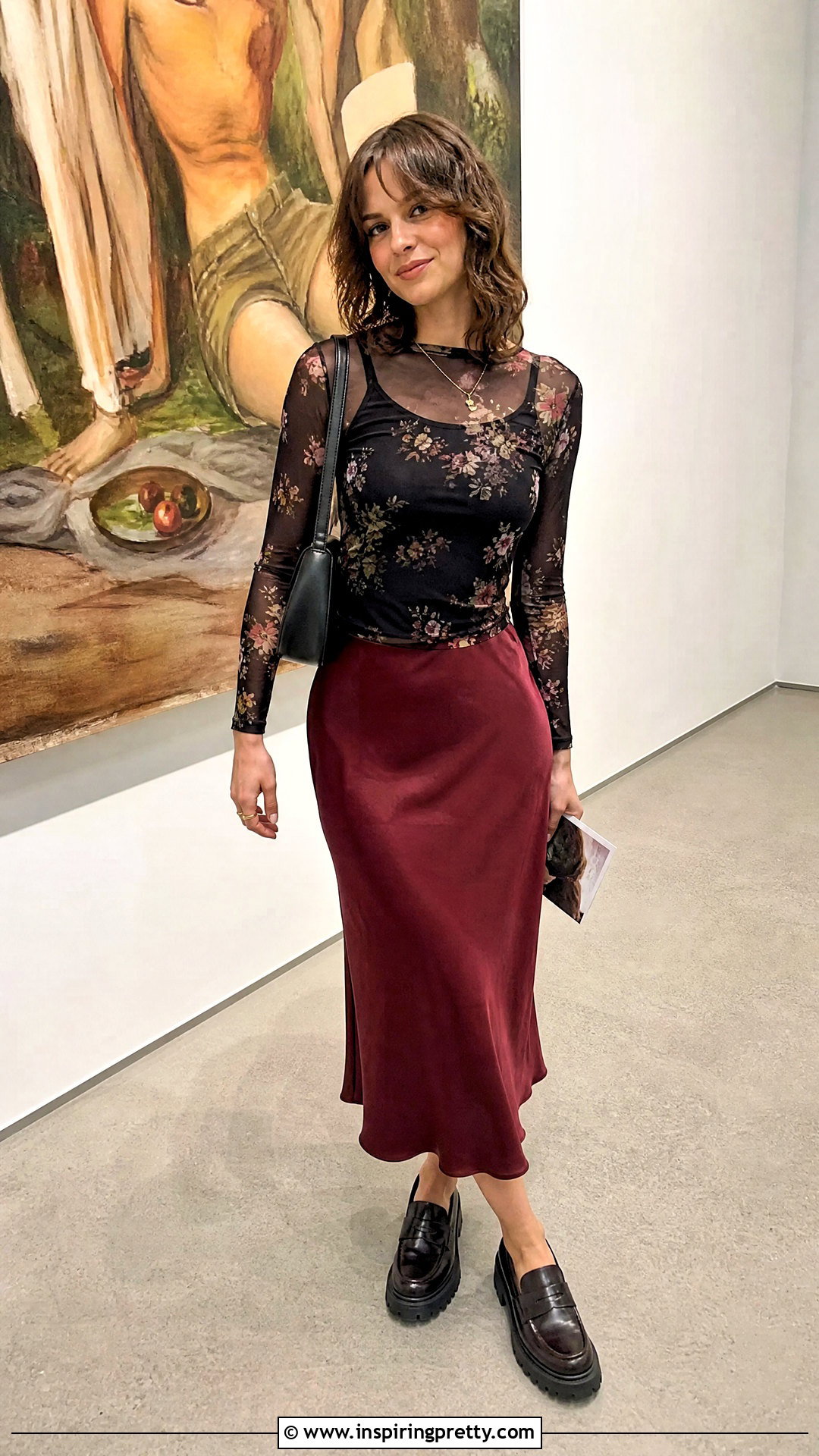
Patterned mesh needs a full tank underneath, and I match the tank to the darkest color in the mesh. A satin or matte slip skirt below the knee keeps it long. Pair a fitted mesh top with a fluid skirt, or a ruched top with a straighter one. Chunky loafers suit the decade.
38. 1990s Baby Tee With Cargo Pants
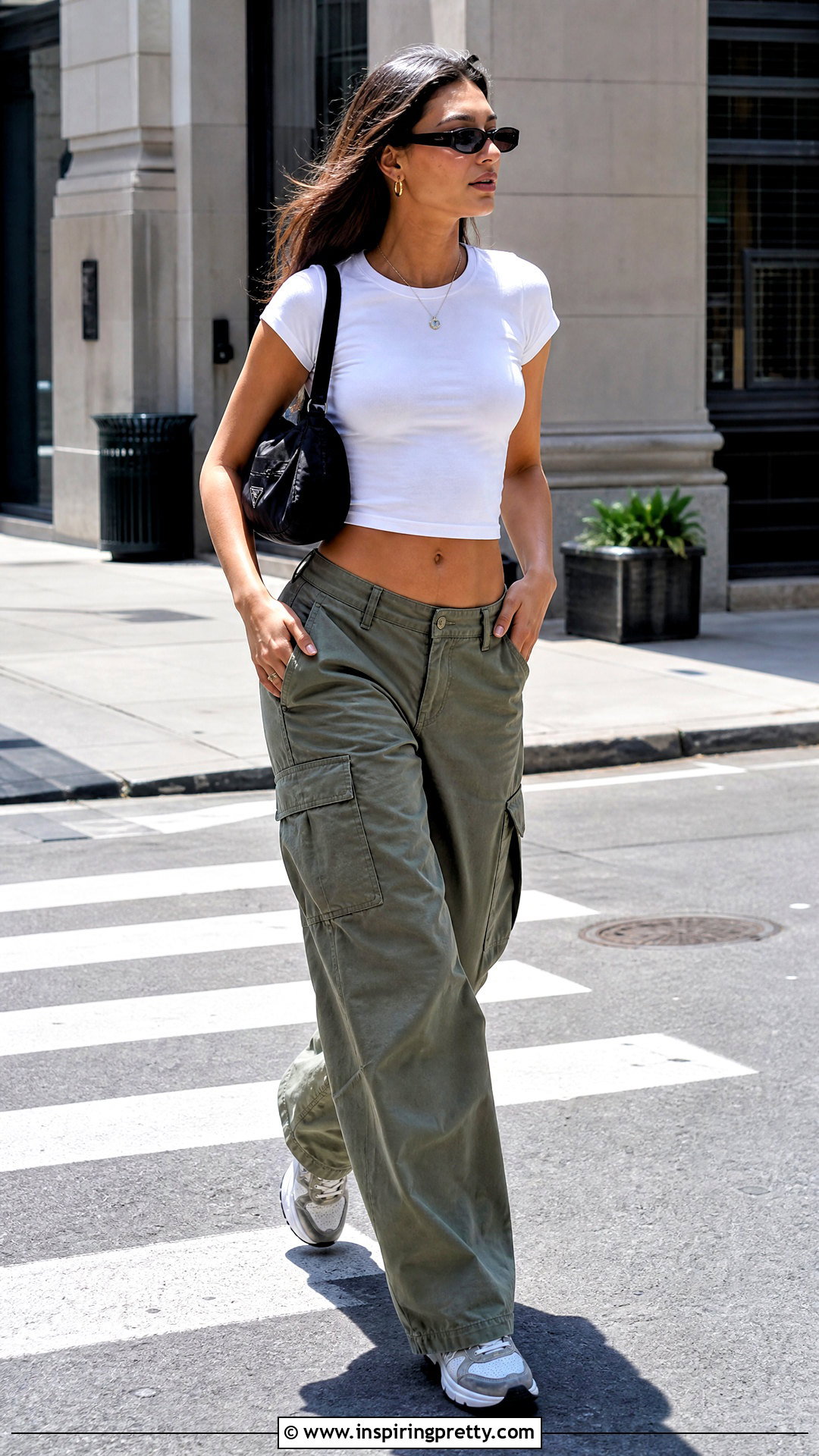
A baby tee is small and fitted, cargos are roomy, and that contrast is the point. The tee should reach the waistband without constant tugging; if you're tall, check length carefully. Fluid cargo styles are softer than heavy utility pants. Retro sneakers and a small nylon bag.
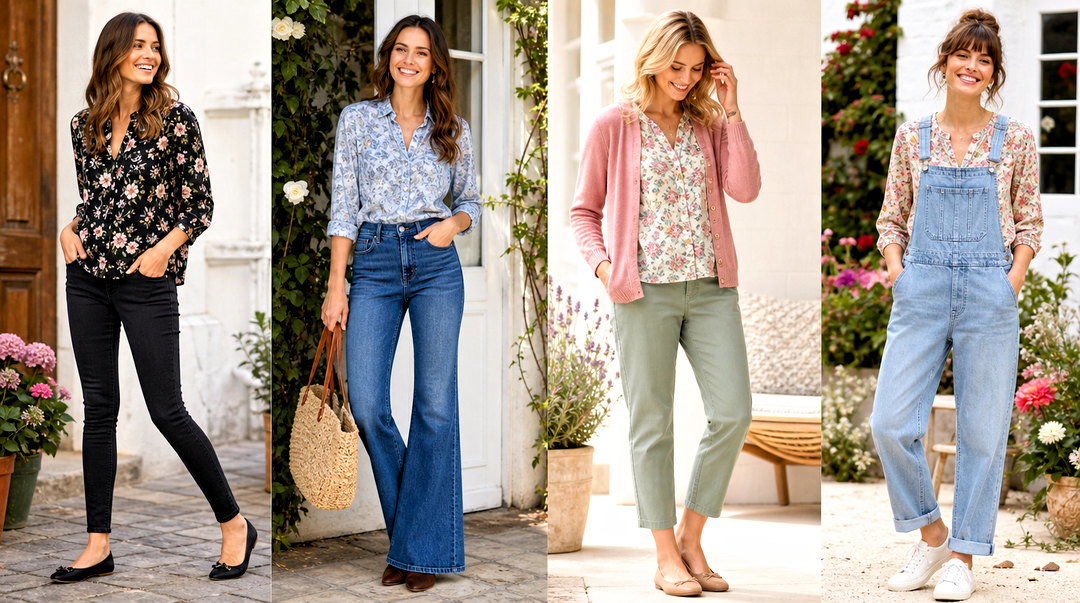
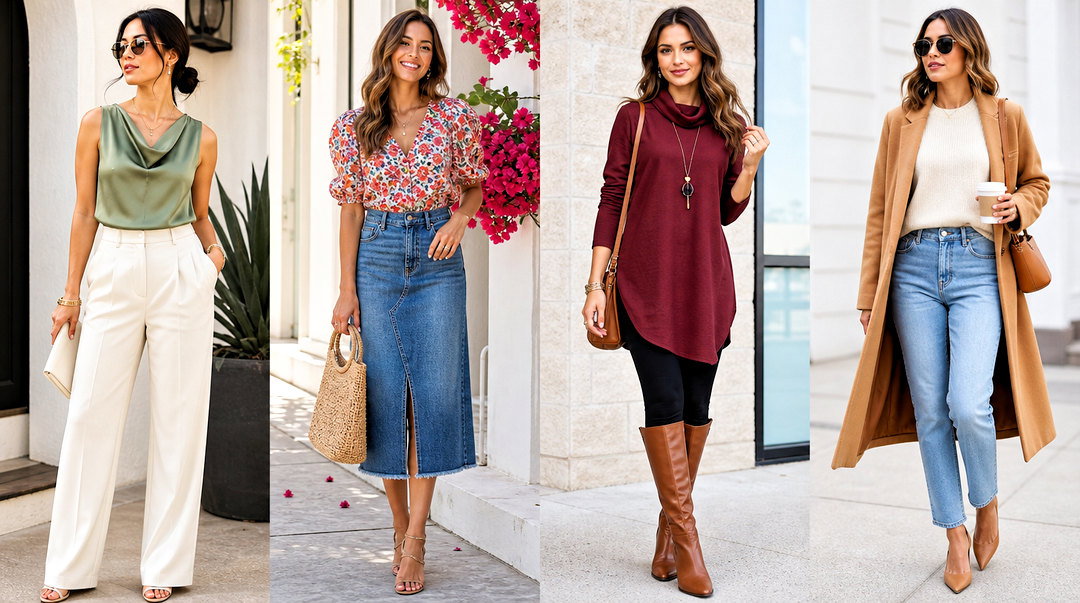
39. 1990s Floral Top With Denim Midi Skirt
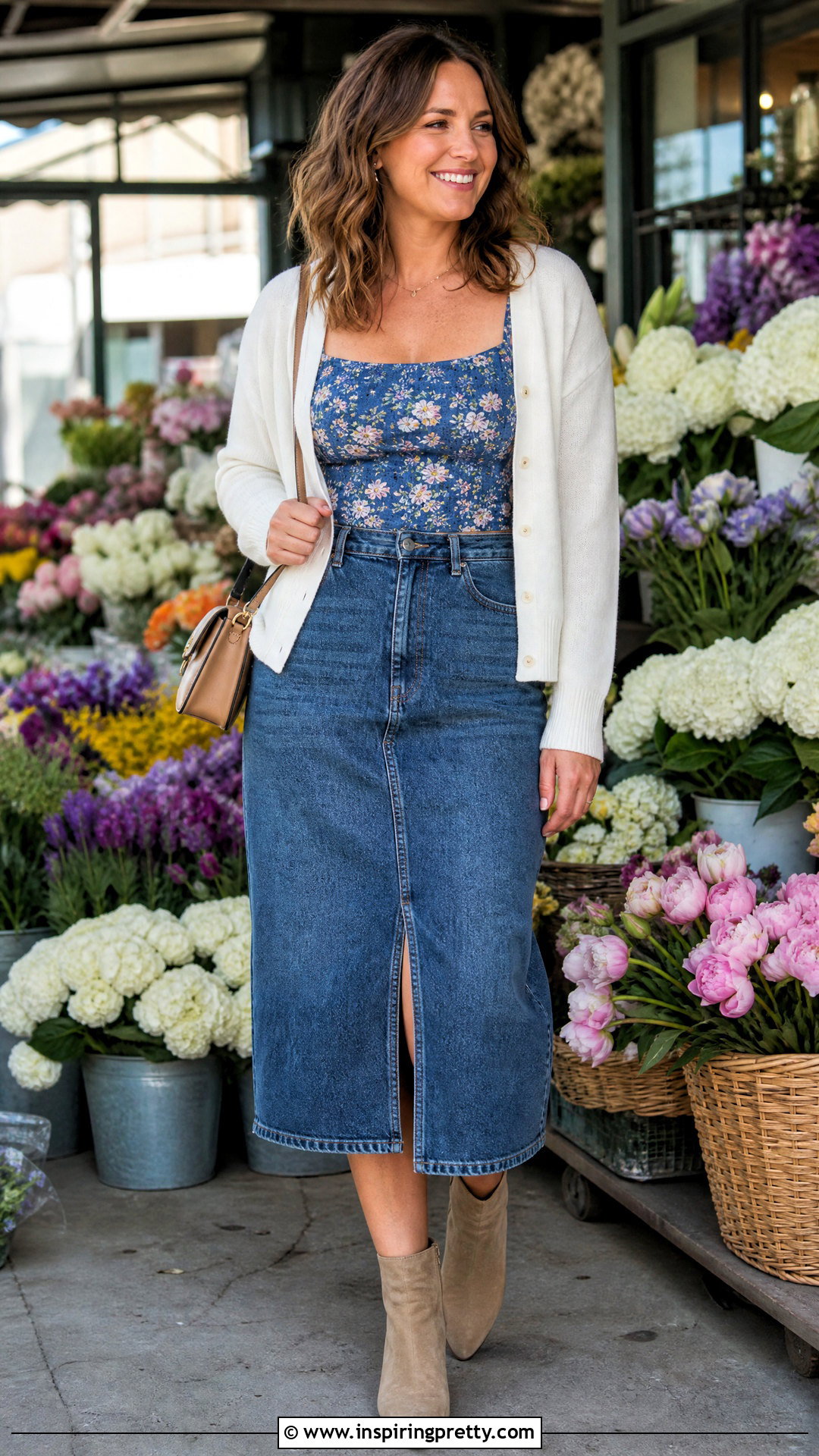
A small floral top settles nicely next to a denim midi skirt. I tuck the blouse into a high waist and choose a skirt with a slit or front buttons for walking. Puffed sleeves need a straighter skirt. Dark florals suit autumn, light backgrounds suit spring and summer.
40. 1990s Velvet Top With Tailored Trousers
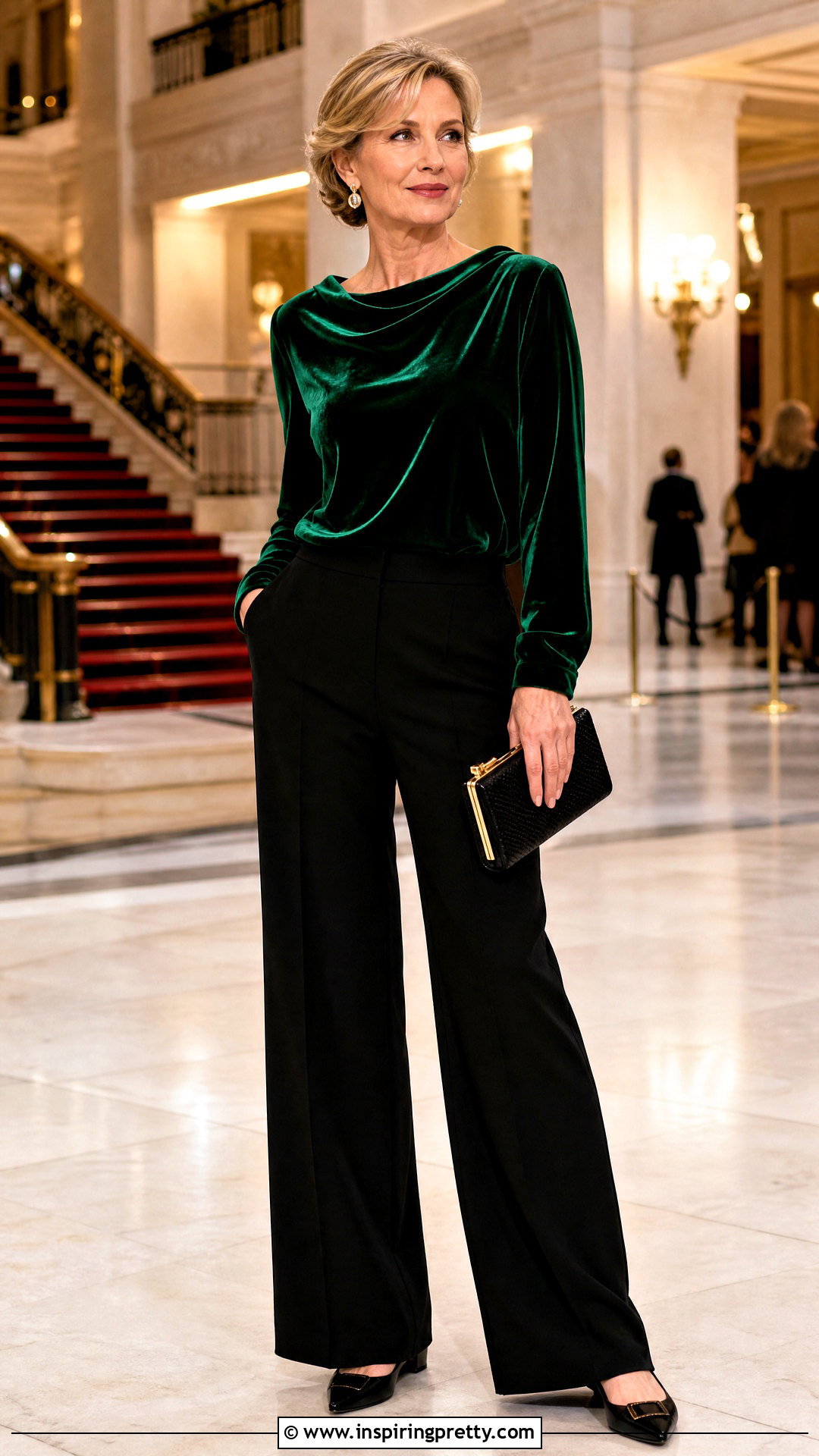
Velvet catches the light in a way few fabrics do, so even a plain top feels special. Pair it with tailored trousers in black or cream. Velvet crushes where you lean or sit for long, so I hang it in a steamy bathroom after wearing rather than pressing it flat with an iron. Check stretch velvet doesn't pull across the torso.
41. Vintage Sailor Top With White Trousers
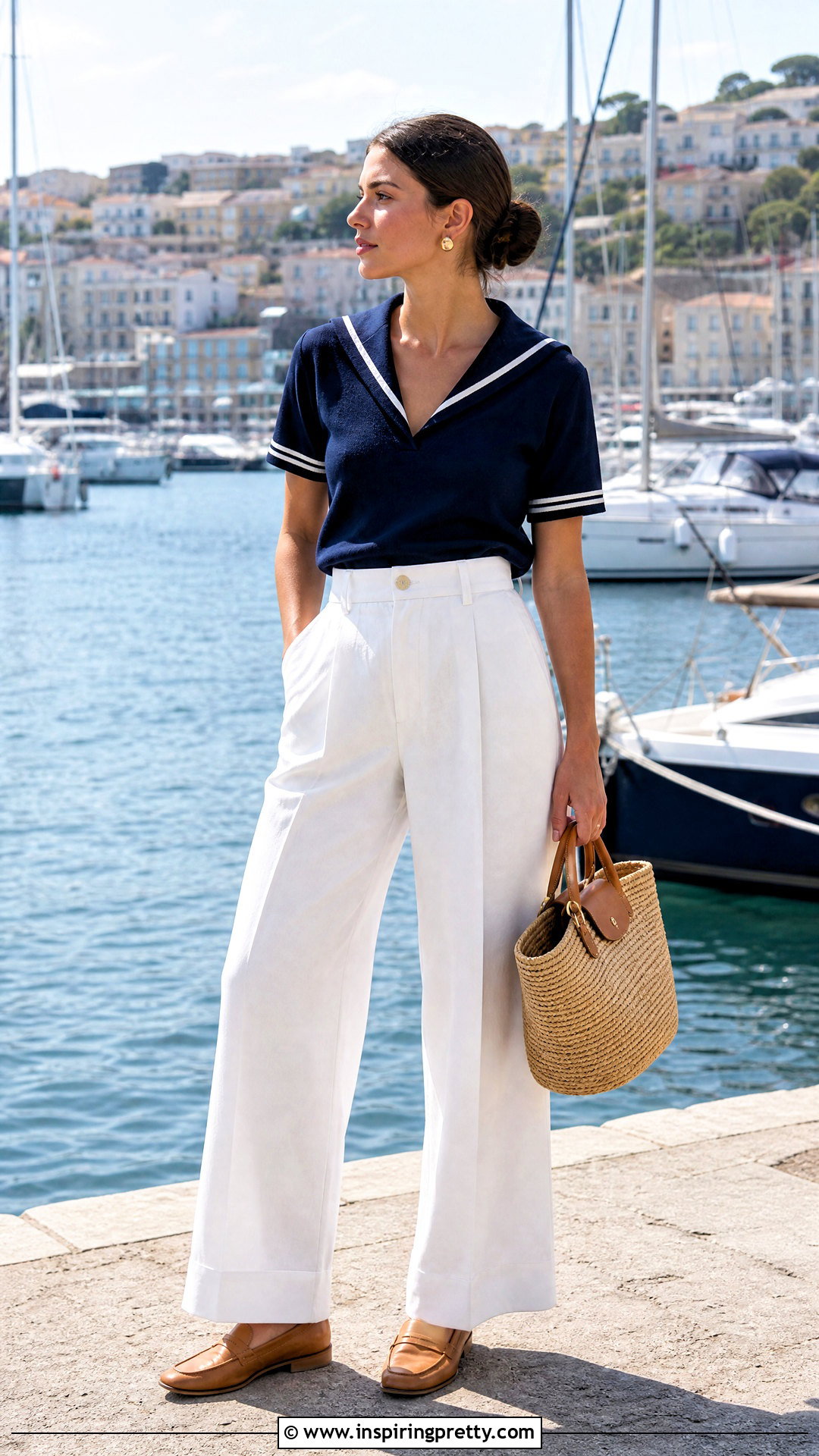
Sailor tops with square collars and contrast trim look crisp with white trousers. One nautical detail is plenty, collar or stripes, not both plus anchor buttons. White trousers must be opaque; I'd test them in daylight before buying. Cream denim or navy pants are easier alternatives.
42. Vintage Embroidered Blouse With Linen Pants
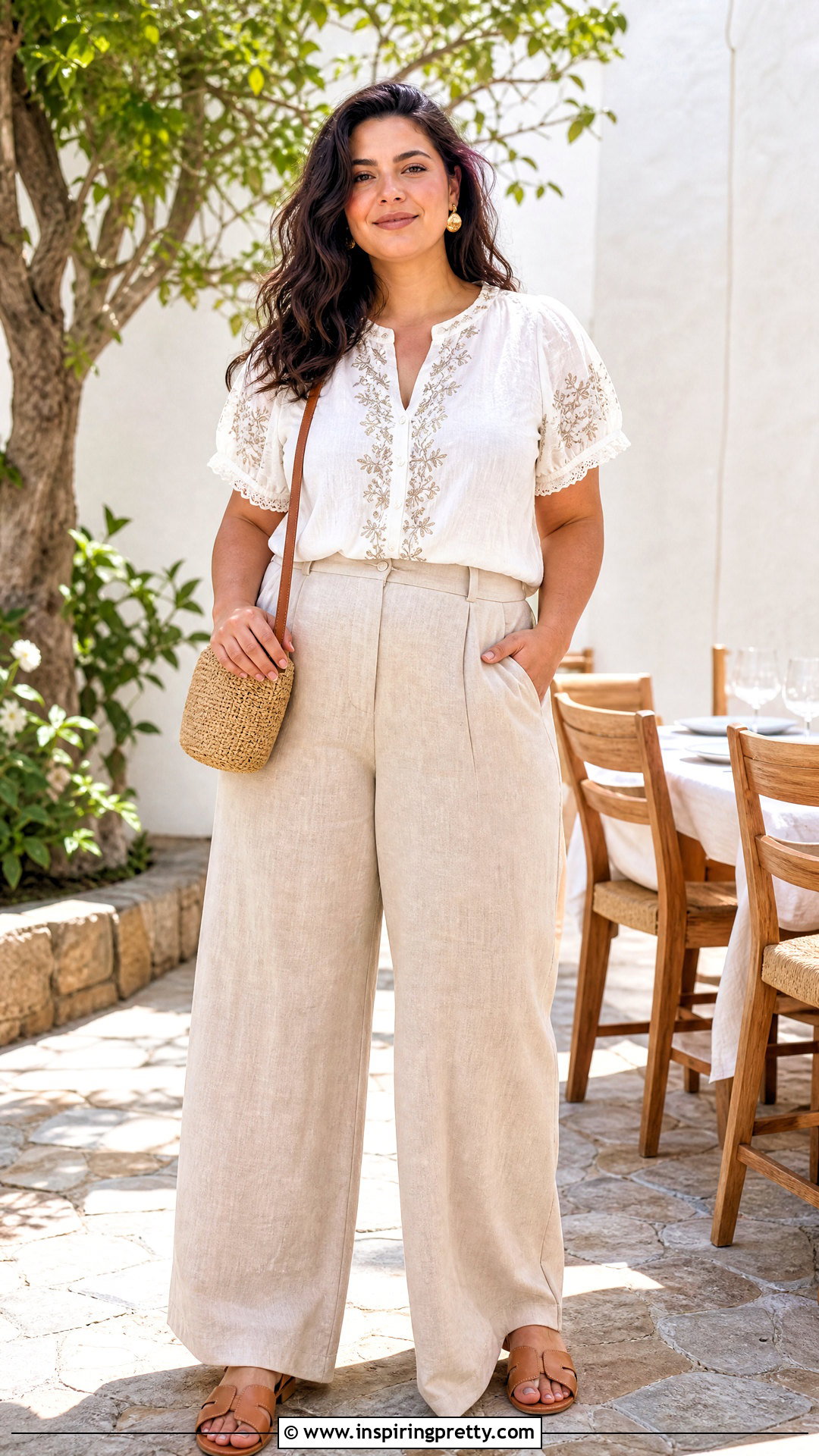
Embroidered folk blouses suit warm weather and breathable linen trousers. I'd keep the trousers in cream, beige or black so the stitching stays the focus. A front tuck or a slim belt keeps the shape. If the cotton is sheer, layer a matching tank. Hand-embroidered pieces should be washed gently, inside out.
43. Vintage Ruffle Blouse With Leather Midi Skirt
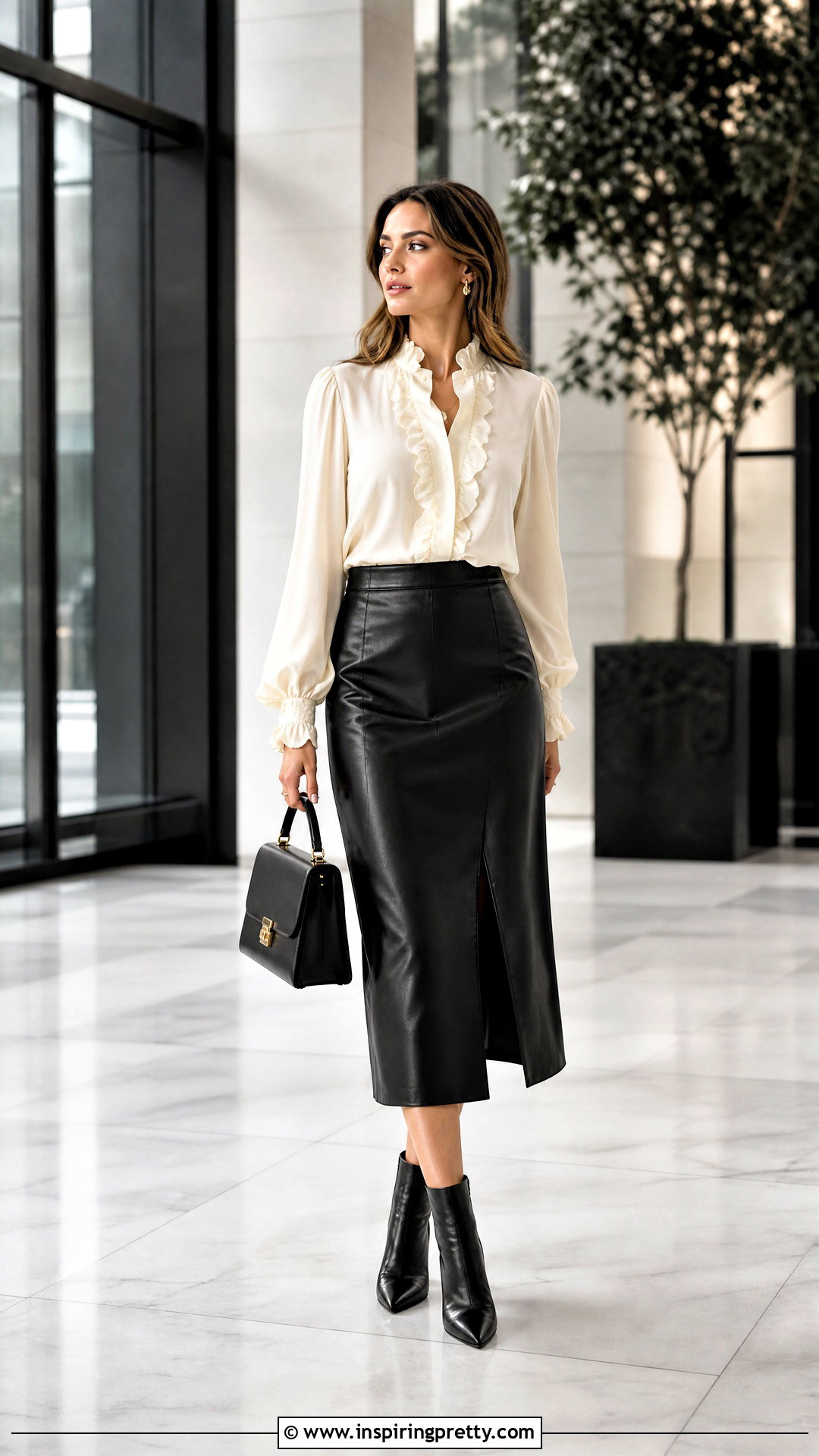
Ruffles go sharper next to leather. A cream or black ruffle blouse with a straight leather midi gives soft against smooth. If you prefer less volume, narrow vertical ruffles lengthen the torso instead of widening it. Keep jewelry very simple when ruffles run along both collar and cuffs.
44. Vintage Denim Shirt With Plaid Pants
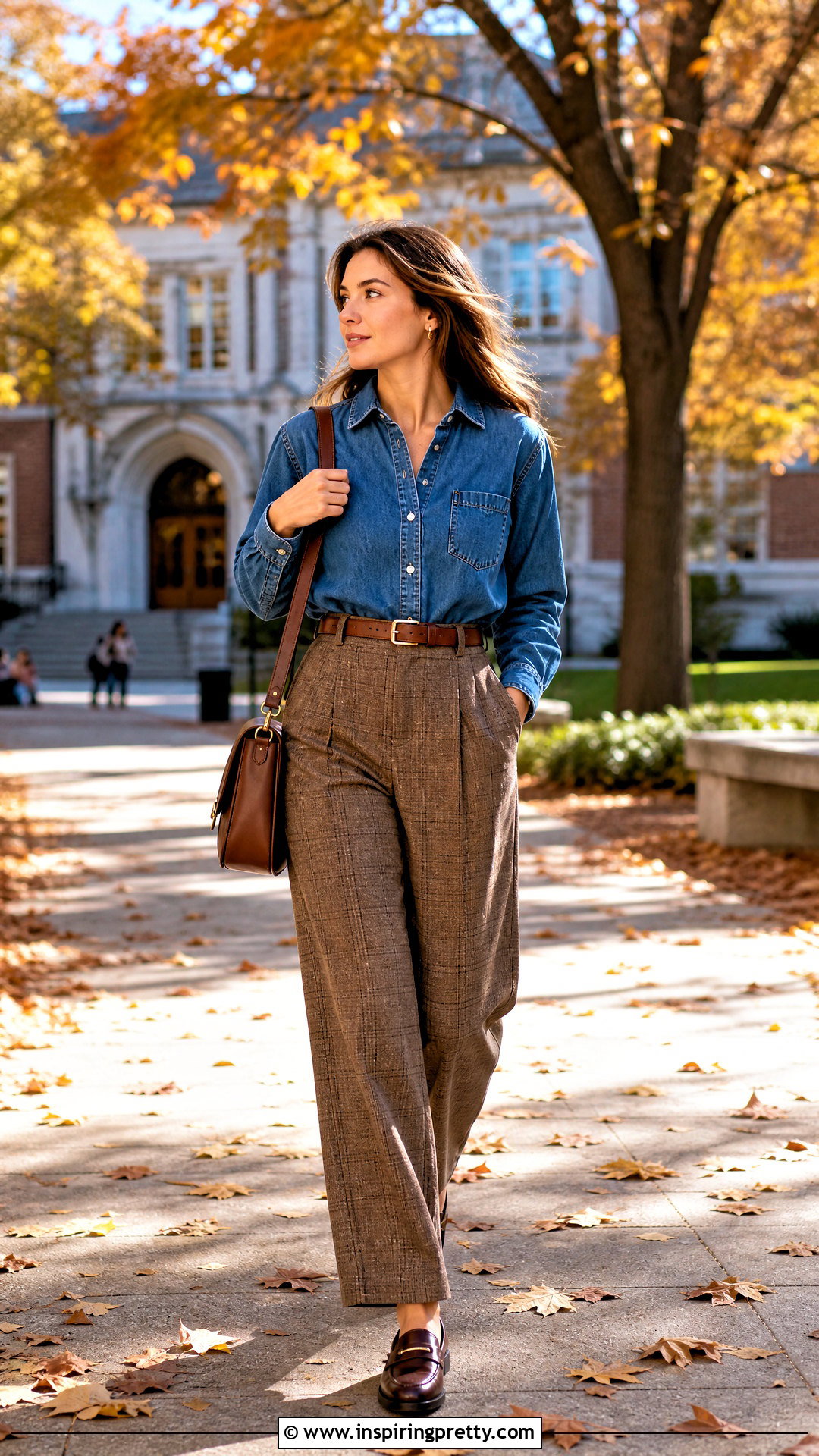
A faded denim shirt is a calm partner for plaid trousers. I tuck it in and roll the sleeves neatly. Fuller hips are more comfortable in straight or gently wide plaid trousers than in tapered ones, which pull across the seat. A brown belt and satchel connect the pieces.
45. Vintage Bowling Shirt With Straight Jeans
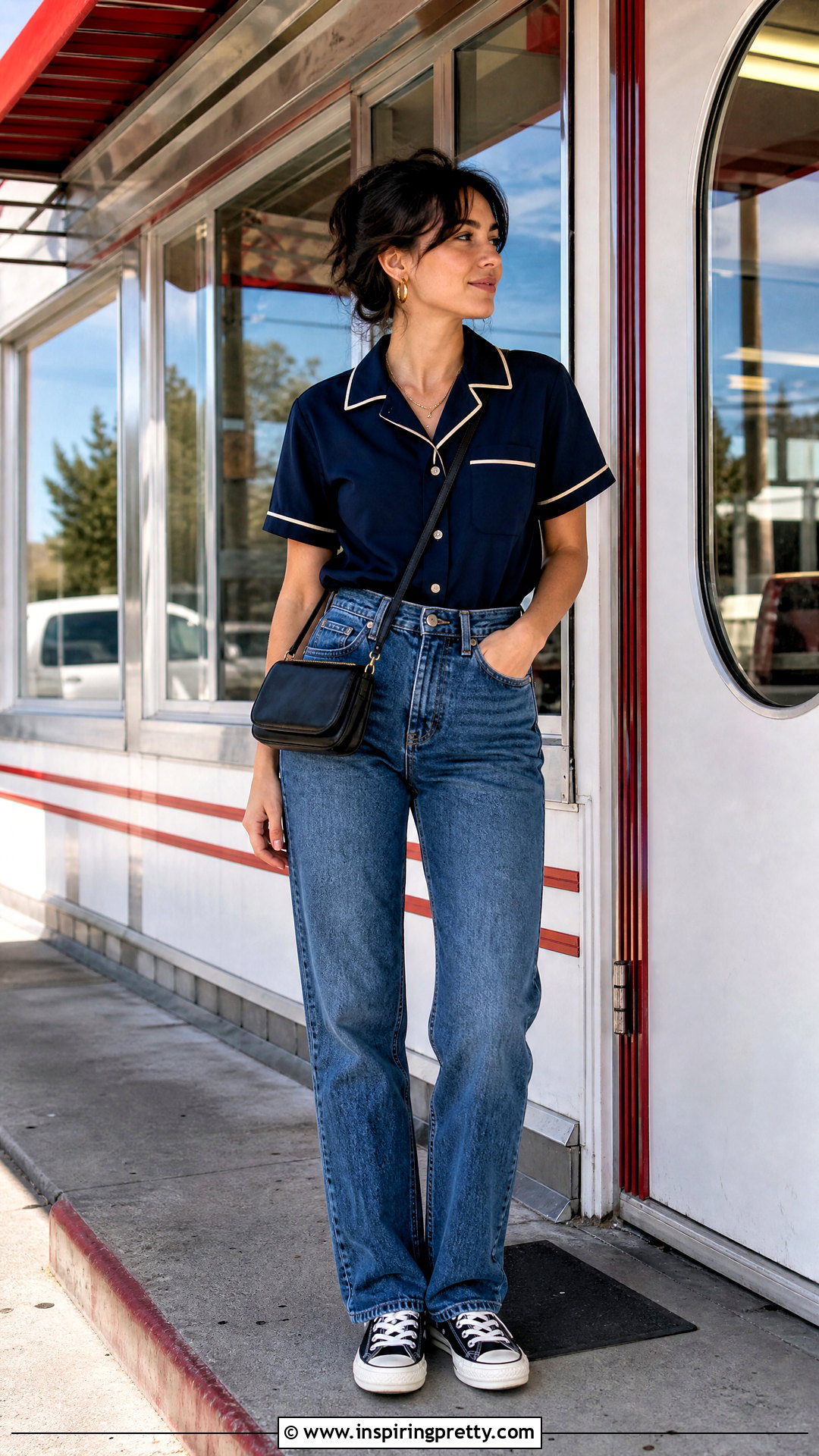
Bowling shirts bring contrast panels, piping and sometimes lettering. I'd wear one with straight jeans and keep every other piece plain, since one novelty piece is enough. Tuck it, tie it at the waist, or wear it open over a tank. A solid shirt with thin piping is the quieter option.
46. Vintage Hawaiian Shirt With Linen Shorts
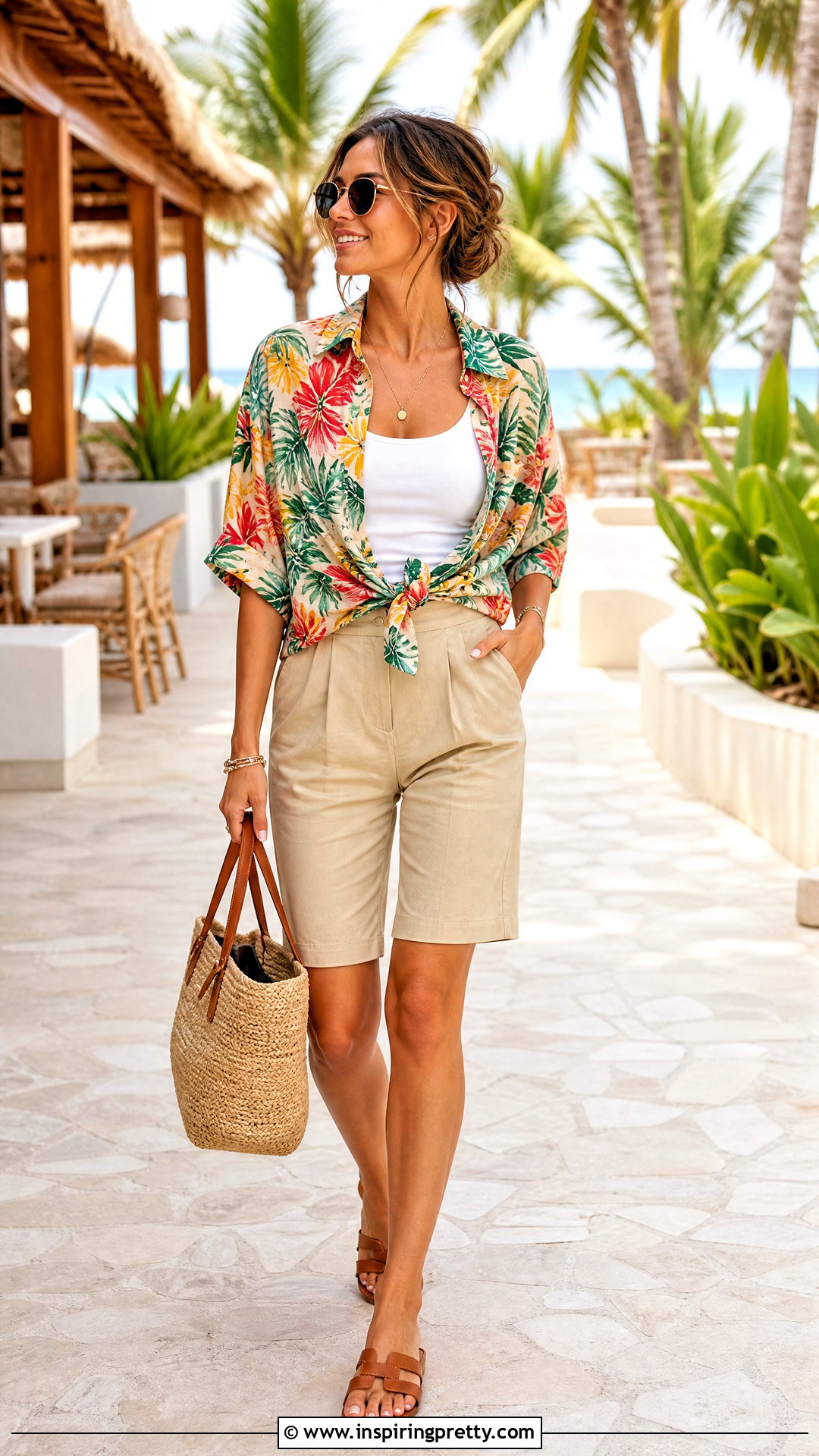
Hawaiian shirts look polished with neutral linen shorts. I pick a shirt with two or three main colors, not ten. Soft rayon versions drape better than stiff cotton ones. Tuck it loosely or tie it at the waistband over a tank. Note that old rayon can shrink badly in the wash, so I'd hand wash it cold or dry clean.
47. Vintage Band Tee With Bias Midi Skirt
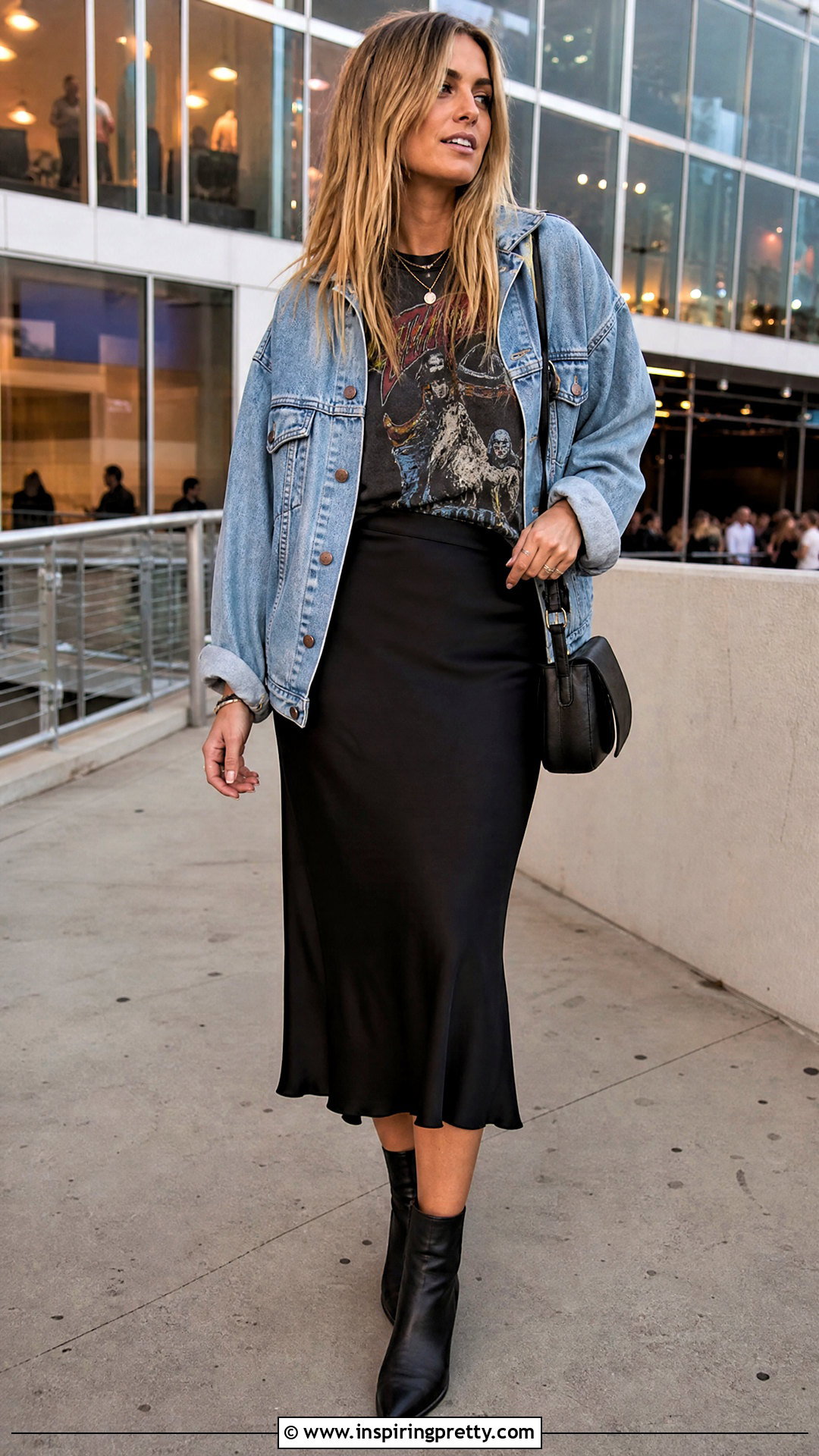
Band tees and bias skirts are rough against smooth, and that's why they work together. Tuck the tee, knot it at the waist, or choose one that meets the waistband. If the tee is big, roll the sleeves and define the waist. A denim jacket keeps it casual.
48. Vintage Sweater Vest Top With Pleated Trousers
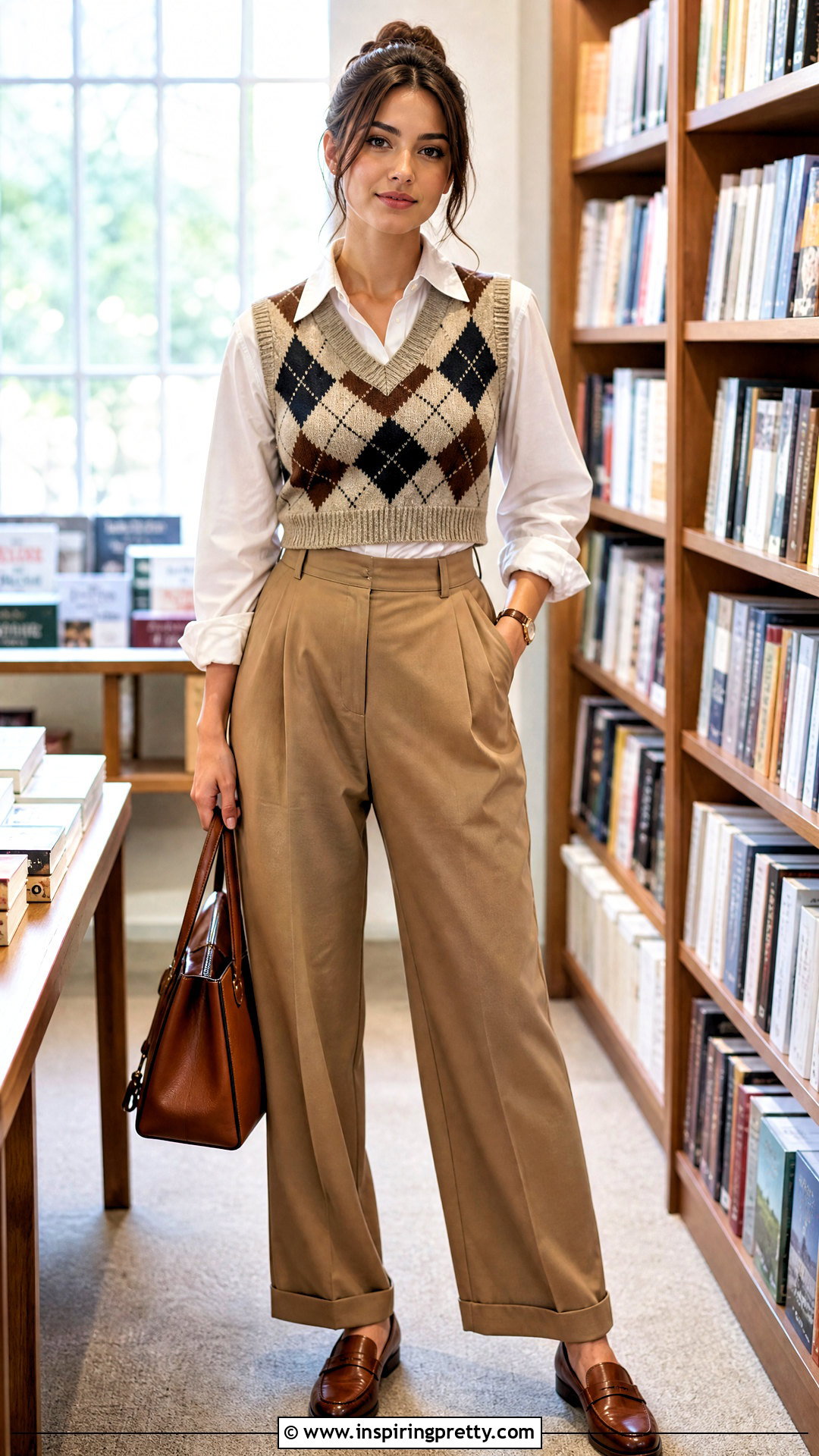
A sweater vest can be worn alone or over a shirt. Alone, I want a close knit and arm openings that don't gape. Over a shirt, the shirt should be thin so it doesn't bunch. Wide pleated trousers suit a cropped vest; tapered trousers suit a longer one.
49. Vintage Corset-Style Top With Wide-Leg Jeans
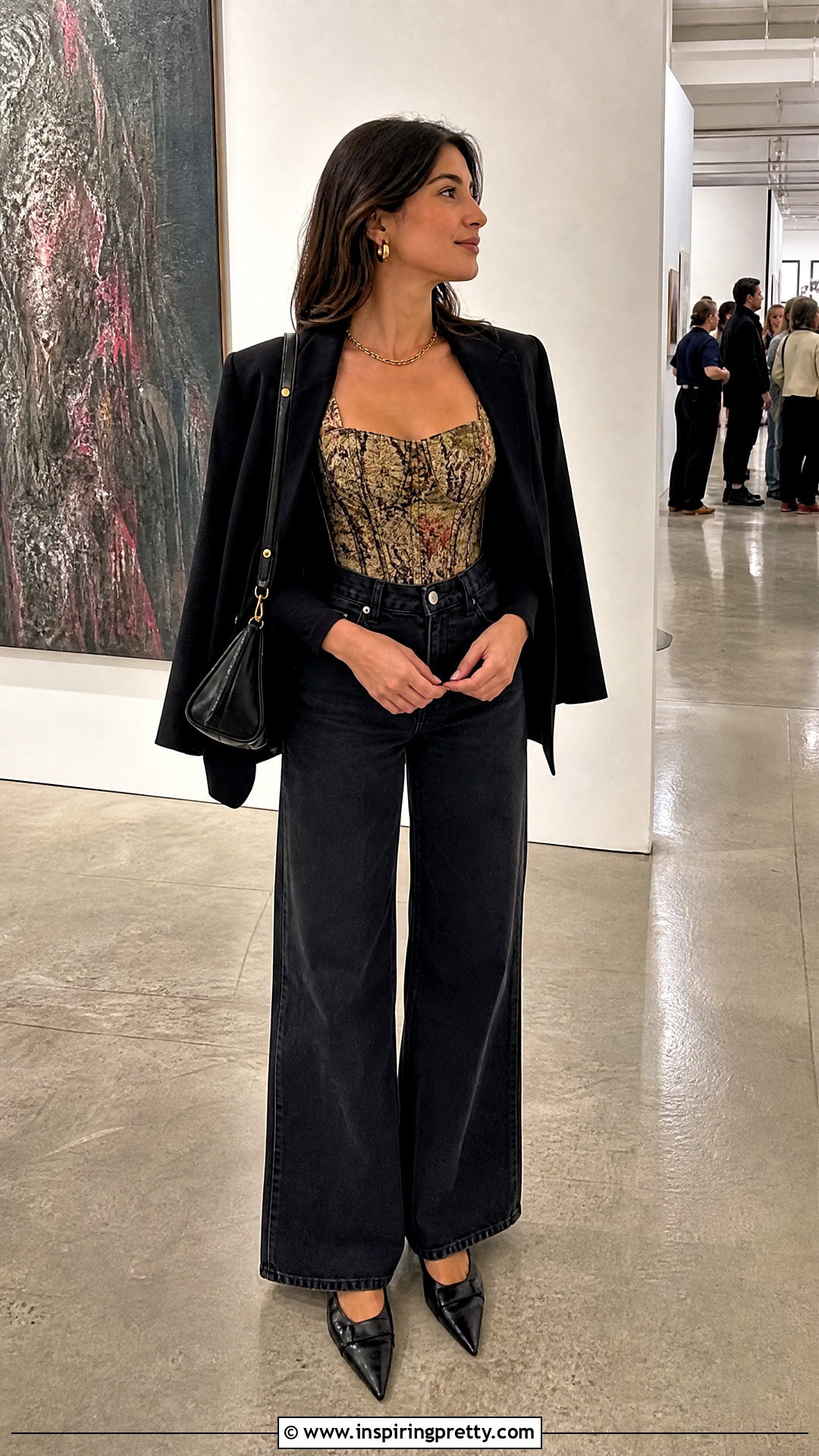
A corset-style top becomes wearable with relaxed wide-leg jeans. I'd look for wide straps, a longer hem and flexible boning rather than a rigid lace-up. Sit down in the fitting room; if it digs in at the ribs, it will feel worse after dinner. Brocade or floral fabric calls for plain, dark denim.
50. Vintage Patchwork Top With Maxi Skirt
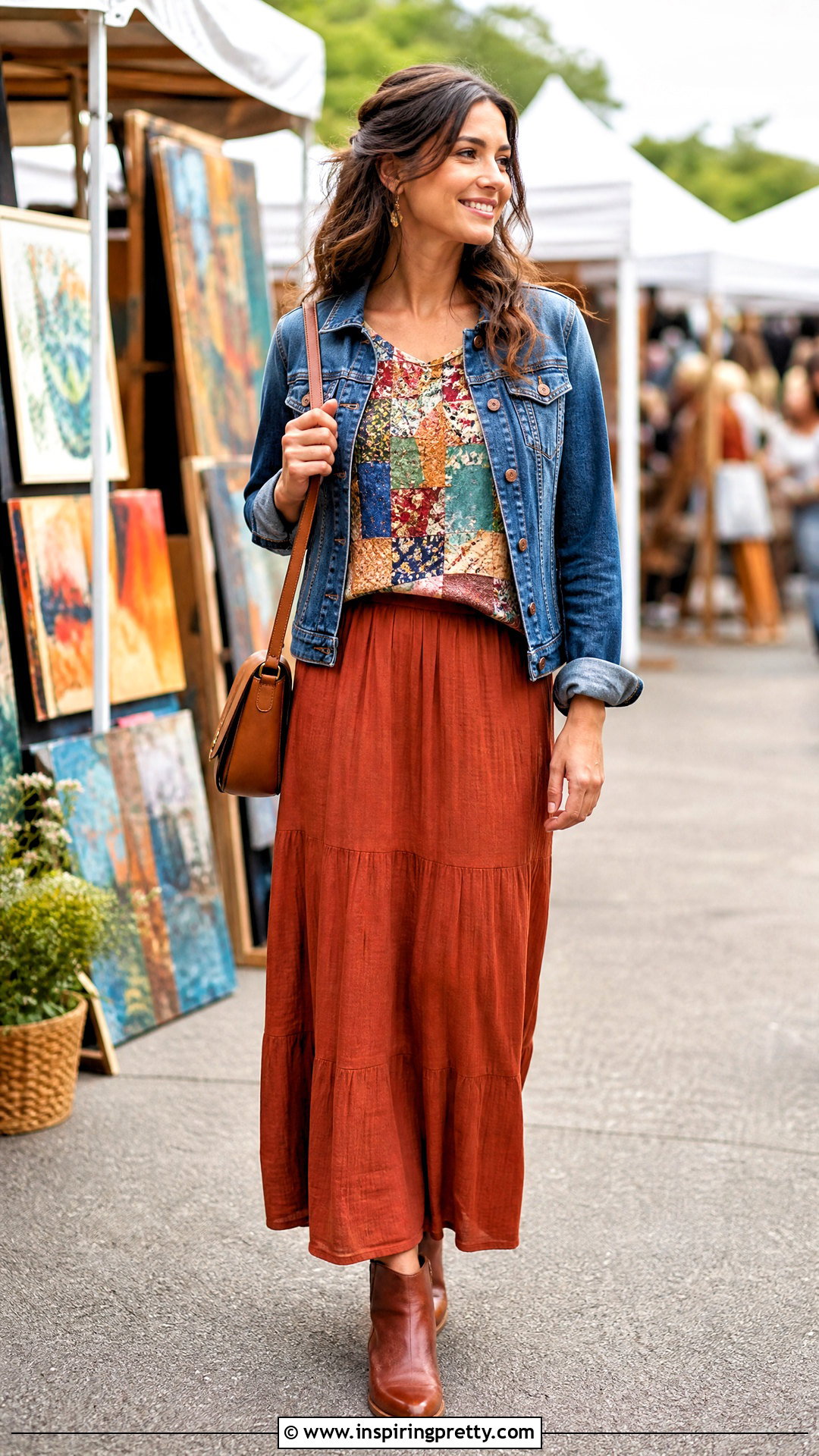
Patchwork is one of a kind, so a plain maxi skirt in one of its quieter colors lets it shine. A full patchwork top needs a straight skirt; a compact one can take a fuller tiered skirt. Check old patchwork seams before washing, since loose stitching unravels quickly in a machine.
What I Inspect Before Buying an Old Top
A vintage top that looks fine on the rail can fall apart after one wash. I go over each piece in good light before paying for it:
- Underarms: yellowing or stiff patches from old sweat rarely come out completely.
- Holes: hold the fabric up to a window. Moth holes and thin patches show as small spots of light.
- Silk: if it splits along straight lines or looks shredded when stretched gently, it is too weak to repair.
- Elastic: old elastic in Bardot and peasant necklines often feels crunchy or has lost all its grip.
- Beads and sequins: tug lightly on a few. If several come loose, the thread is failing.
Washing is where most vintage gets ruined. Old rayon can shrink and stiffen in water, beaded pieces get heavy when wet and stretch, and dyes can bleed. I hand wash only cottons and sturdy knits in cool water, and I take silk, rayon and anything embellished to a dry cleaner who handles older garments. Store beaded and knitted tops folded flat, never on a hanger.
Mixing Old Pieces With a Modern Closet
My rule is one vintage piece per outfit, maybe two if one of them is quiet, like a belt. Everything else should be clearly current: today's denim cuts, simple shoes and a modern bag. That contrast is what makes the old top look chosen rather than borrowed. Hair and makeup count too. A modern, simple face and hair keep a 1940s blouse from feeling like dress-up.
Wear One Decade at a Time
A vintage top works best when you treat it as the star and keep everything around it current. Ornate tops go with clean modern bottoms; loose shapes go with tailored ones. Wear a single era at once instead of combining 1940s shoulders with 1970s flares and 1950s shoes. And buy for your measurements and the garment's condition, not the label; a reproduction that fits will always look better than an original that doesn't.
Related posts:


Leave a Reply