
A man's dress shirt is one of the most generous pieces of fabric hiding in a closet or a thrift bin. It's tightly woven, already hemmed, buttoned and shaped, and there's far more cloth in it than most women's blouses need. That's why I keep returning to it when I'm testing creative ways to refashion a top. Below are twenty shirts turned into women's tops, each worn as a full outfit, with notes on where I cut, what I keep from the original, and what usually goes wrong at the machine.

What Makes a Men's Shirt Worth Cutting
Not every shirt is good material. Before I buy one secondhand or raid a partner's closet, I turn it inside out and look at four things.
- The fiber label. All-cotton or a cotton and linen blend presses sharp and takes darts well. Polyester blends resist the iron, so new seams stay puffy.
- Size. Go at least a size or two larger than you'd wear. The extra width becomes ruffles, ties and bias binding.
- Wear at the edges. Collars and cuffs fray first, and underarms can yellow. If you plan to reuse the cuffs, they need to be clean.
- Easy-care finishes. Many modern dress shirts are treated so they come out of the wash nearly smooth. That finish makes the cloth stiffer and less willing to gather softly.
Wash and dry the shirt the way you'll launder the finished top before you cut anything. Cotton can still shrink a little, and you want that to happen before the fitting, not after.
1. Off Shoulder Men's Shirt Top With High-Waisted Jeans
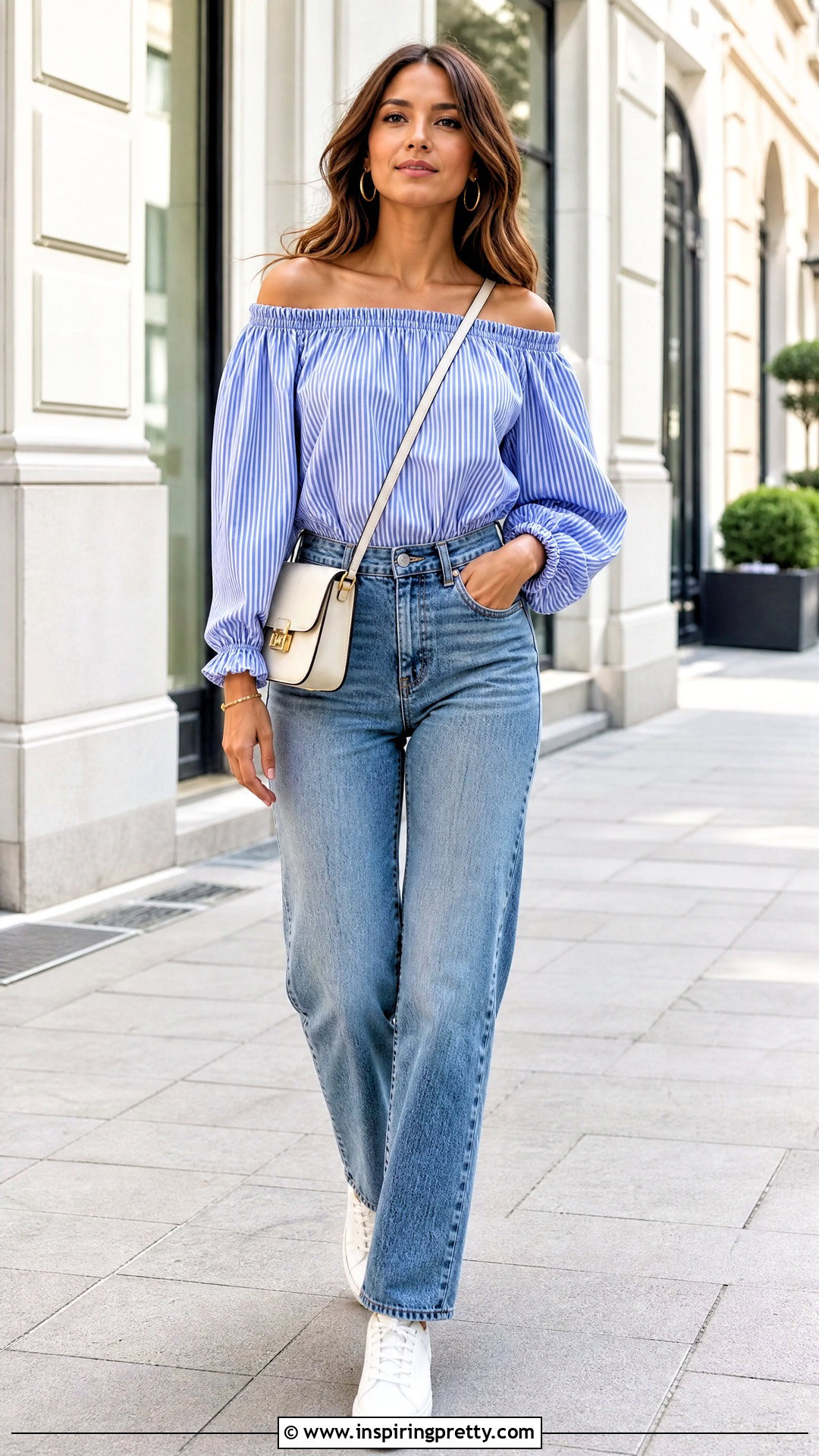
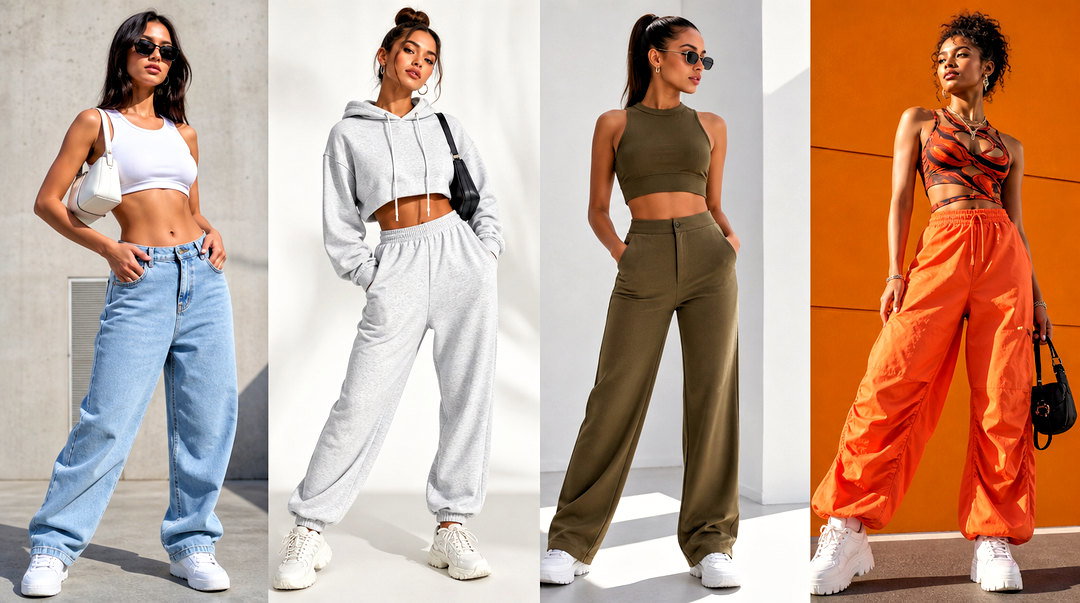
The extra width in a men's shirt is exactly what an off-shoulder neckline needs, because gathered elastic only looks soft when there's plenty of fabric to gather. I take the collar off, cut a smooth line from shoulder to shoulder, and turn the edge into a casing. Try it on before you close that casing; the elastic that feels right standing still often slides once you lift your arms. Long sleeves with elastic at the wrist keep the shape full. High-waisted straight-leg jeans pull the volume back in at the waist, white sneakers keep it casual and low block-heel sandals take it to dinner, with small hoops and a structured crossbody. Striped or chambray shirts hide the ripples of the gathers better than plain white.
2. Cropped Men's Dress Shirt Top With Tailored Trousers
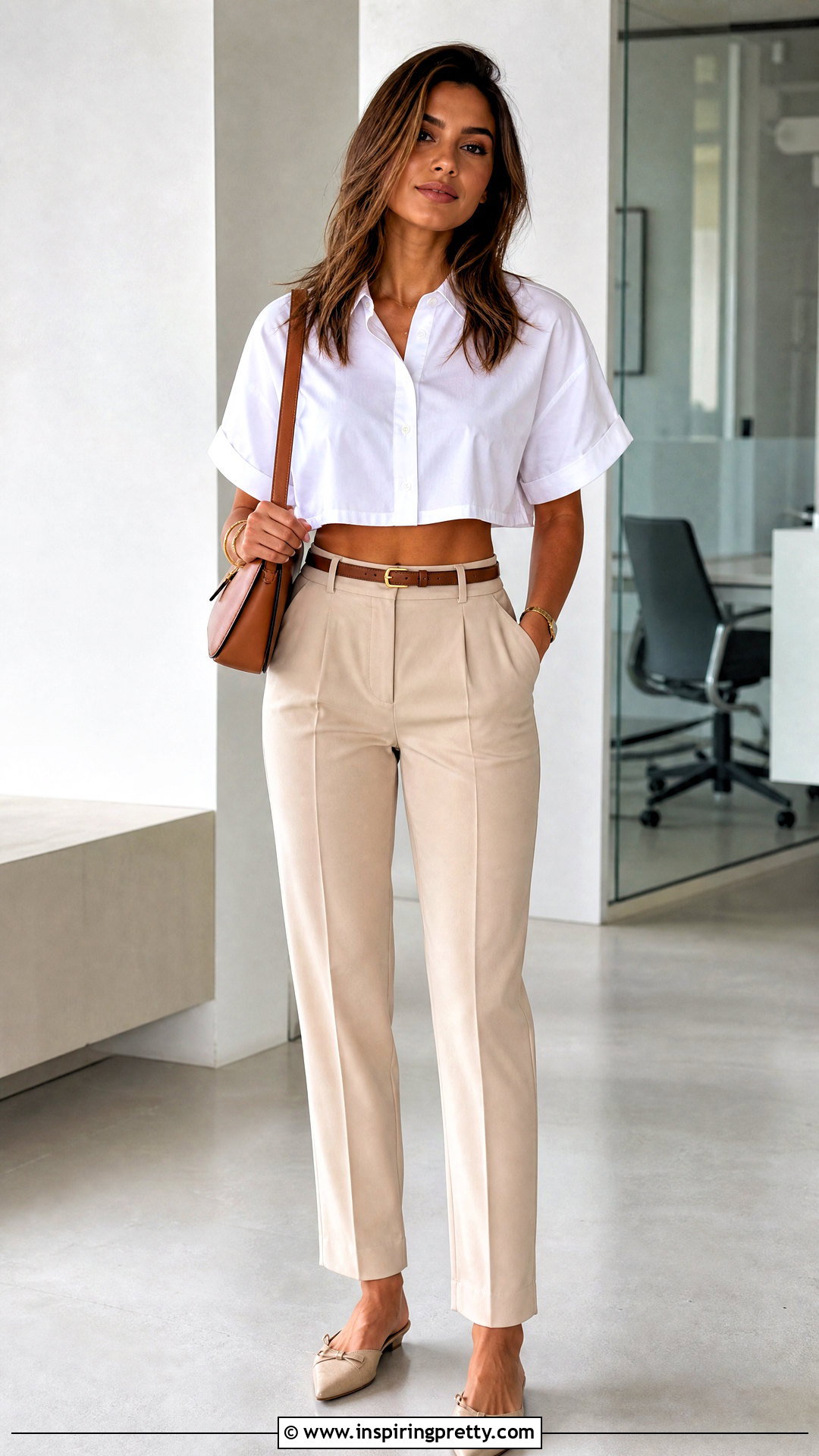
This is the one I'd suggest for a first project. Pick a shirt that already fits across your shoulders and bust, since the crop only changes length and you never touch the hardest part of a shirt to alter. Mark the hem a little below your natural waist and leave enough for a double fold. I always pin it and raise my arms before cutting, because a cropped shirt rides up more than you expect. Take in the side seams if you want it closer and shorten the sleeves into neat cuffs. With high-rise tailored trousers only a sliver of waist shows, which keeps it office-friendly. Pointed flats, a slim leather belt and a compact shoulder bag finish it. On pinstripes, cut the hem straight along a stripe or it will look crooked.
3. Wrap Men's Shirt Top With A Midi Skirt
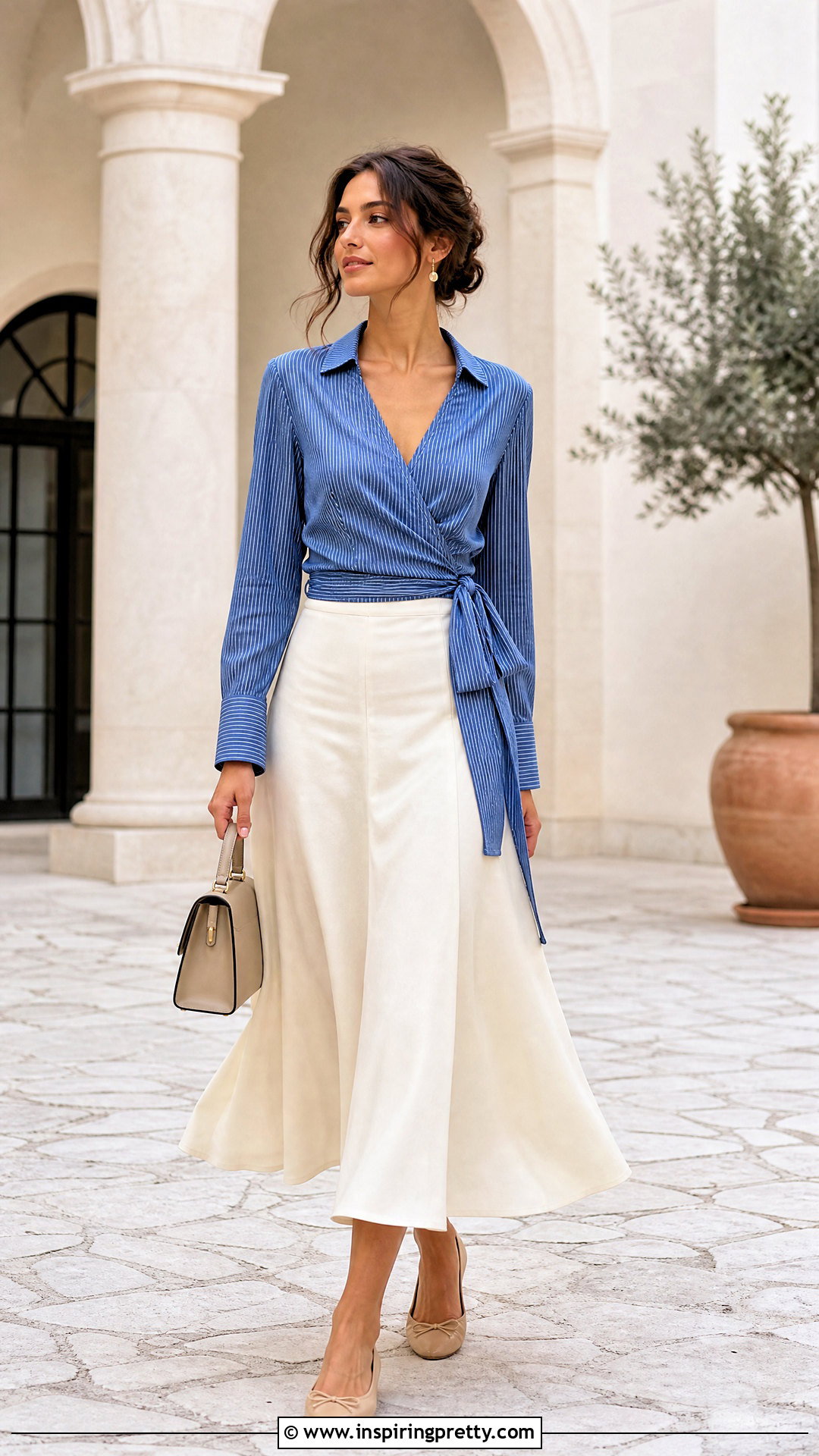
Could an oversized shirt become a wrap blouse? Yes, but the risk sits entirely at the bust. I cut away the lower front panels and redraft them into long ties that cross the body, leaving more overlap than feels necessary, because a wrap gapes the moment you sit down or reach for something. Keep the collar for a tailored version or face a narrow V-neck instead. A high-waisted A-line midi skirt sits right where the ties knot, with ballet flats by day or low slingbacks at night, a top-handle bag and small earrings. A striped shirt over a solid skirt keeps the new seam lines readable. If you're busty, sew a hidden snap at the crossover point; it saves a lot of tugging.
4. Square Neck Men's Shirt Top With Wide-Leg Pants
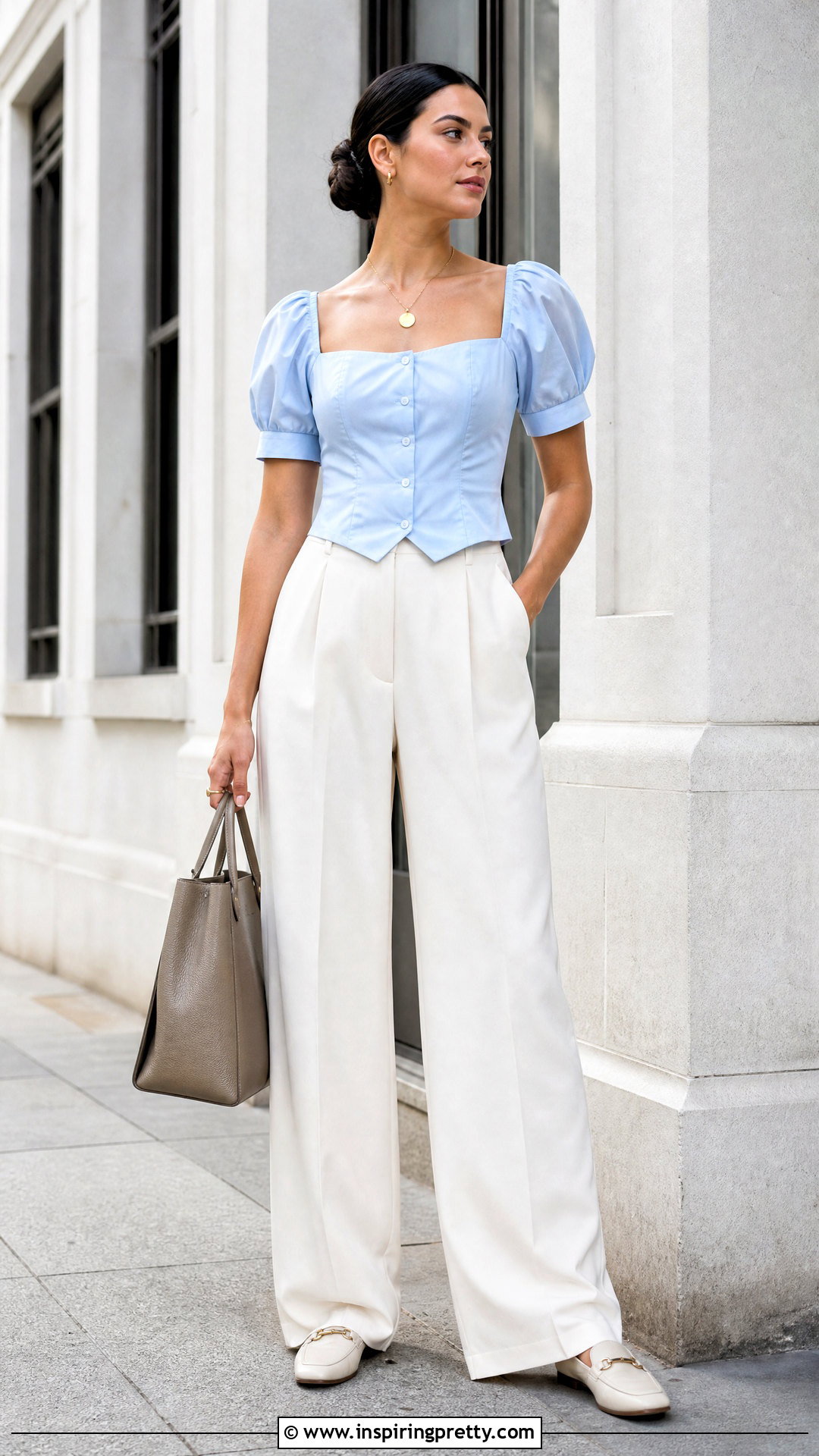
Square necklines are unforgiving: a corner that's even slightly off looks lopsided across a room. I lay a blouse that already fits over the shirt as a template, chalk the neckline, then fold the shirt in half to check both sides match before cutting. Leave seam allowance for bias binding, which is what lets the corners turn crisply. Darts front and back take out the boxiness, and the old long sleeves hold just enough fabric for short puffs. High-waisted wide-leg pants balance the new width at the shoulder, with loafers for daytime and heeled sandals for evening. A structured tote and a simple pendant that sits inside the neckline frame it. Solid cotton shows the shape best; a small check reads more relaxed.
5. Halter Men's Dress Shirt Top With Linen Shorts
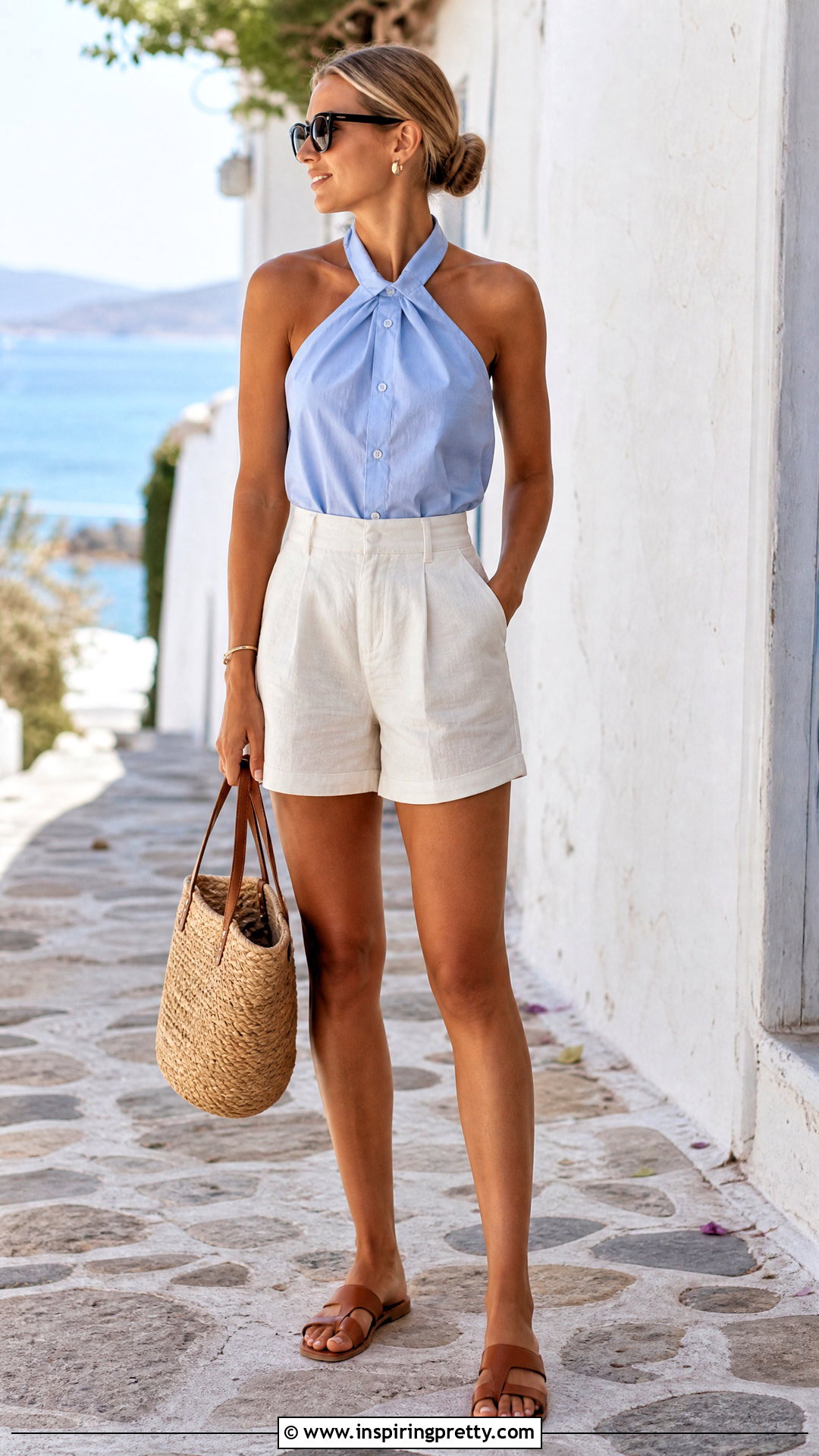
Save this cut for the lightest shirt you own. Gathering a heavy Oxford cloth around the neck feels bulky and drags forward all day, while fine poplin or a linen blend lies flat. Cut away the sleeves and upper shoulders, shape a high halter line, and use the collar stand or strips from the sleeves as neck ties. The back needs something to hold it, so I add darts plus elastic or a buttoned band. High-waisted linen shorts in cream or soft olive, flat leather sandals and a woven tote keep it relaxed. Skip the necklace next to a halter; sunglasses and small studs are enough. If you wear a regular bra, check the back height before cutting, because a halter shows straps easily.
6. Puff Sleeve Men's Shirt Top With Straight-Leg Jeans
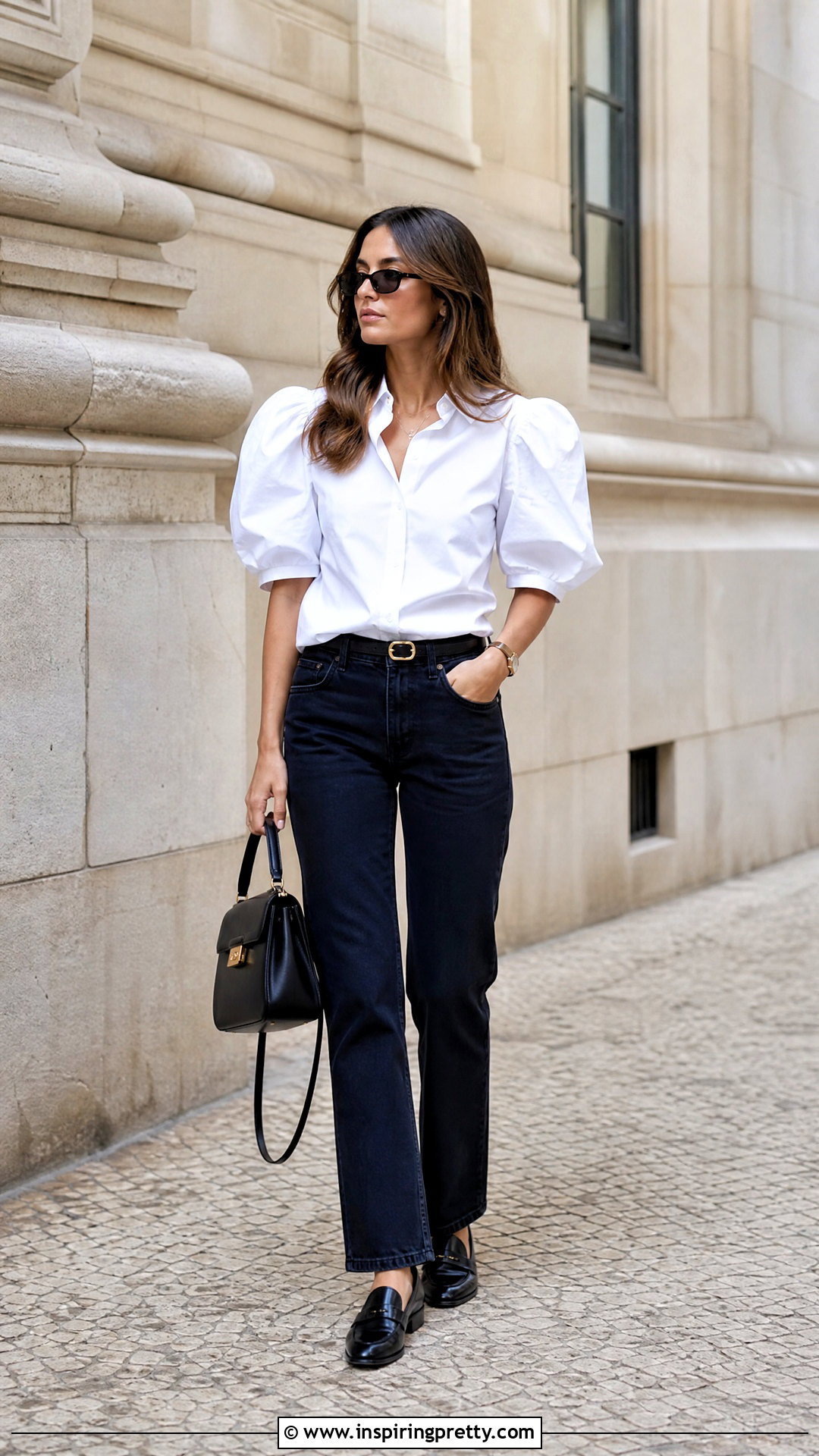
Men's shirt sleeves are long and wide, which makes them ideal raw material for puffs. I narrow the body first with darts or reshaped side seams, because a puff sleeve on a boxy body just looks oversized. Then shorten each sleeve above the elbow, gather the cap and finish the lower edge with elastic or a slim cuff. A scooped or V-shaped neckline keeps the volume from looking stiff. Dark straight-leg jeans make a clean base, and loafers, a simple belt and a medium handbag turn it into an everyday outfit. Pale blue poplin gathers softly, while a fine stripe gives the puff more definition. If your upper arms are full, gather less; too much fullness at the cap widens the shoulder line.
7. Ruffle Sleeve Men's Shirt Top With Black Pants

Ruffles are where leftover sleeve fabric earns its place. Reshape the body against a women's blouse that fits you, then cut ruffles from the sleeves and attach them at the elbow or the hem. Circular ruffles flare without bunching at the seam; gathered ones look fuller but add bulk on the arm. I keep the original button placket, because that bit of menswear crispness stops the ruffles from feeling sugary. Black ankle-length pants let the shirt carry the outfit, with pointed flats or simple pumps, a structured black bag and quiet jewelry. Thin stripes make the ruffles look like they're moving. Press every seam as you sew it. That one habit separates a refashioned blouse from a homemade-looking one.
8. One Shoulder Men's Shirt Top With Maxi Skirt
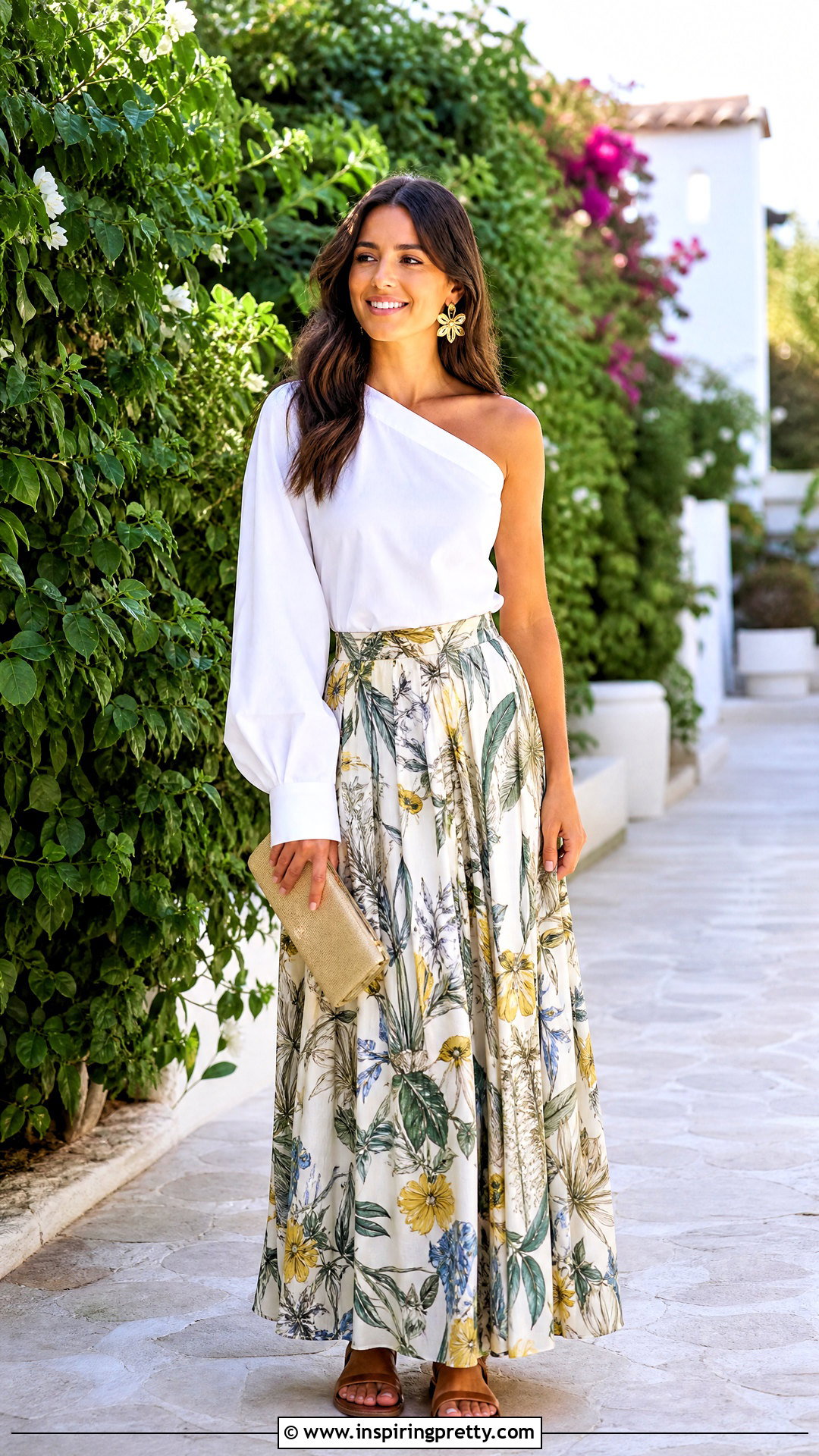
Asymmetry hides small sewing wobbles, which is why the one-shoulder cut is friendlier than it looks. Take off one sleeve, cut the neckline on a diagonal, and stabilize the new edge with elastic or a fitted facing. Without that, the slanted edge is partly on the bias, stretches, and slides off the shoulder by lunchtime. The remaining sleeve can stay full length with its cuff or be cropped for summer. A flowing high-waisted maxi skirt softens the sharp line, with flat sandals for a casual day or a low heel for a party. Wear one statement earring on the bare side and carry a slim clutch. A solid shirt keeps the construction legible against a printed skirt.
9. Tie Front Men's Shirt Top With Denim Midi Skirt
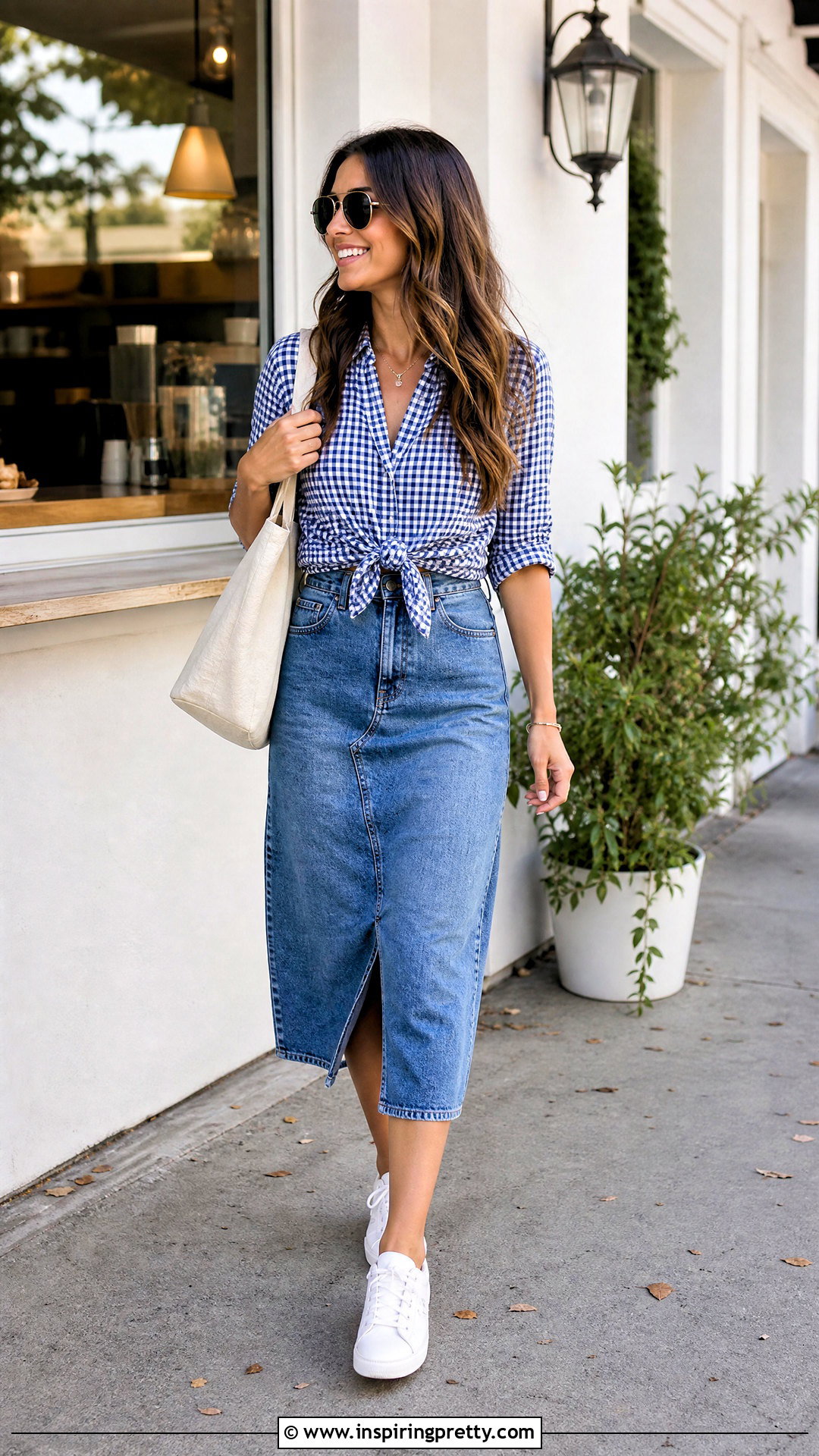
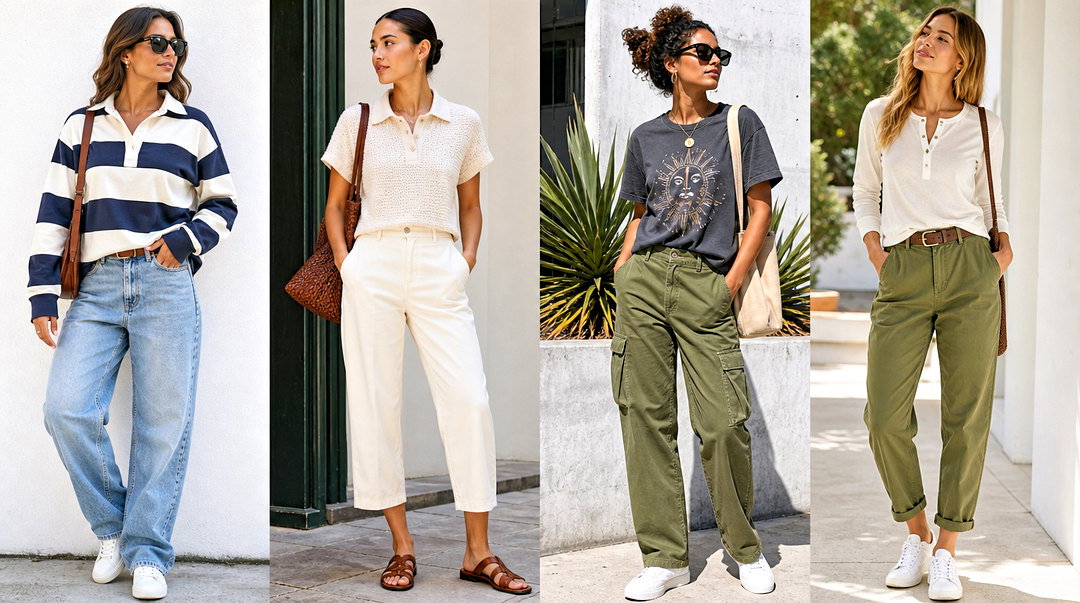
The shirt fronts turn into waist ties with only a few cuts. Shorten the back to waist level and taper each front panel into a long point, then finish those edges with a narrow rolled hem so they don't fray from being knotted every wear. Keep the upper buttons; I fasten them to just below the bust and let the knot take the strain. Roll or shorten the sleeves. A high-waisted denim midi skirt puts the knot right above the waistband, and white sneakers, a canvas tote and sunglasses keep it in daytime territory. Gingham against denim is a classic pairing for good reason. Cut the tails longer than you think you need, since a short knot drags the placket sideways and the buttons start to gape.
10. Corset Men's Shirt Top With Tailored Pants
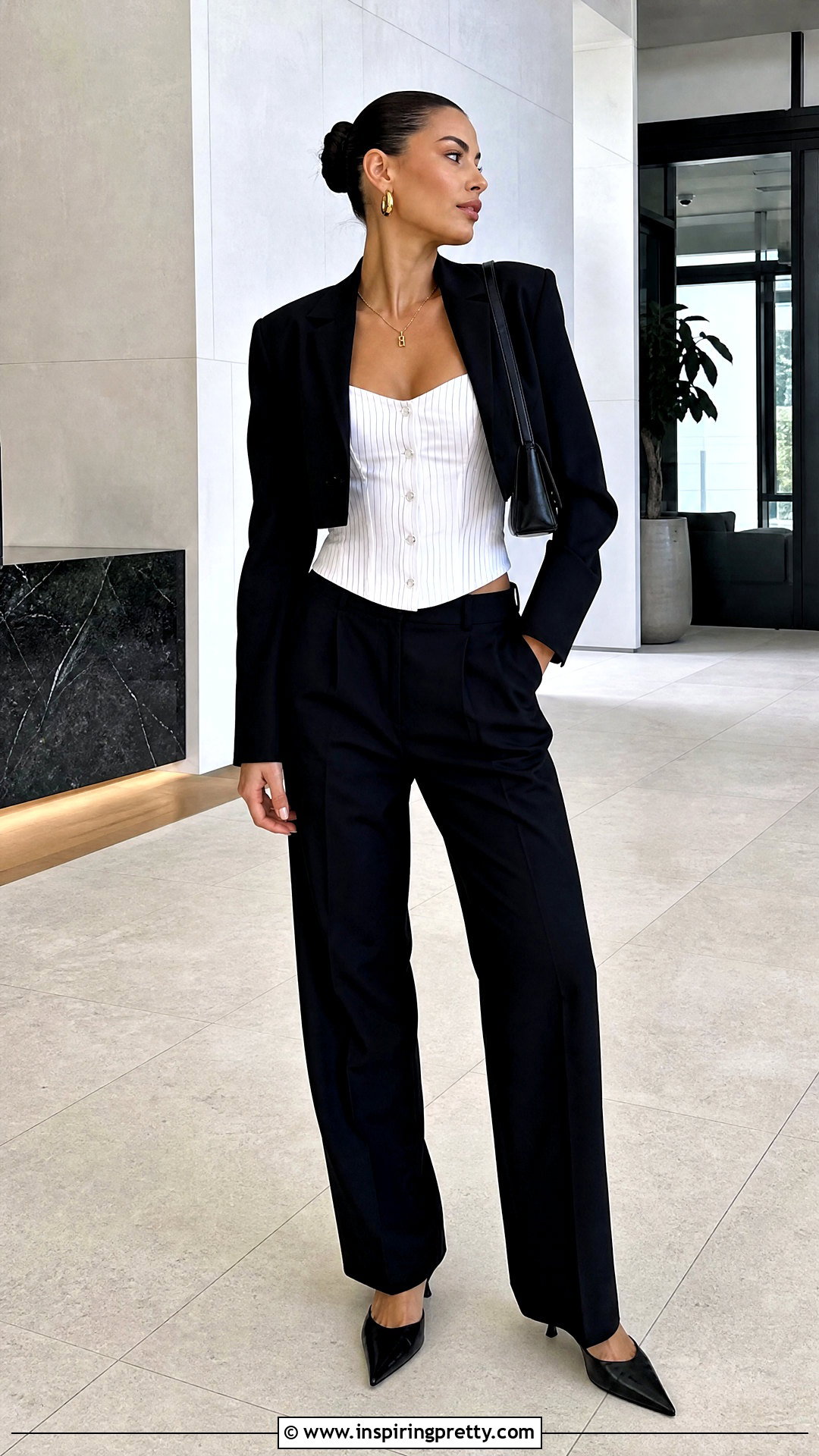
Crisp shirting holds a shaped bodice better than you'd expect. I remove the collar and sleeves and draft the bodice from a fitted top, using curved seams or darts under the bust for shape rather than stiff boning, which a single layer of shirt cotton can't support cleanly anyway. A smocked back panel or adjustable lacing makes it comfortable and forgiving if your size shifts. Leave part of the original button placket as a recognizable upcycled feature; it quietly tells people what the top used to be. High-waisted tailored pants balance the close fit, with pointed mules, a cropped blazer and a small shoulder bag. Skip large checks here because they distort across curved seams. Baste it and try it on before you finish a single edge.
11. Sleeveless Men's Shirt Top With Culottes
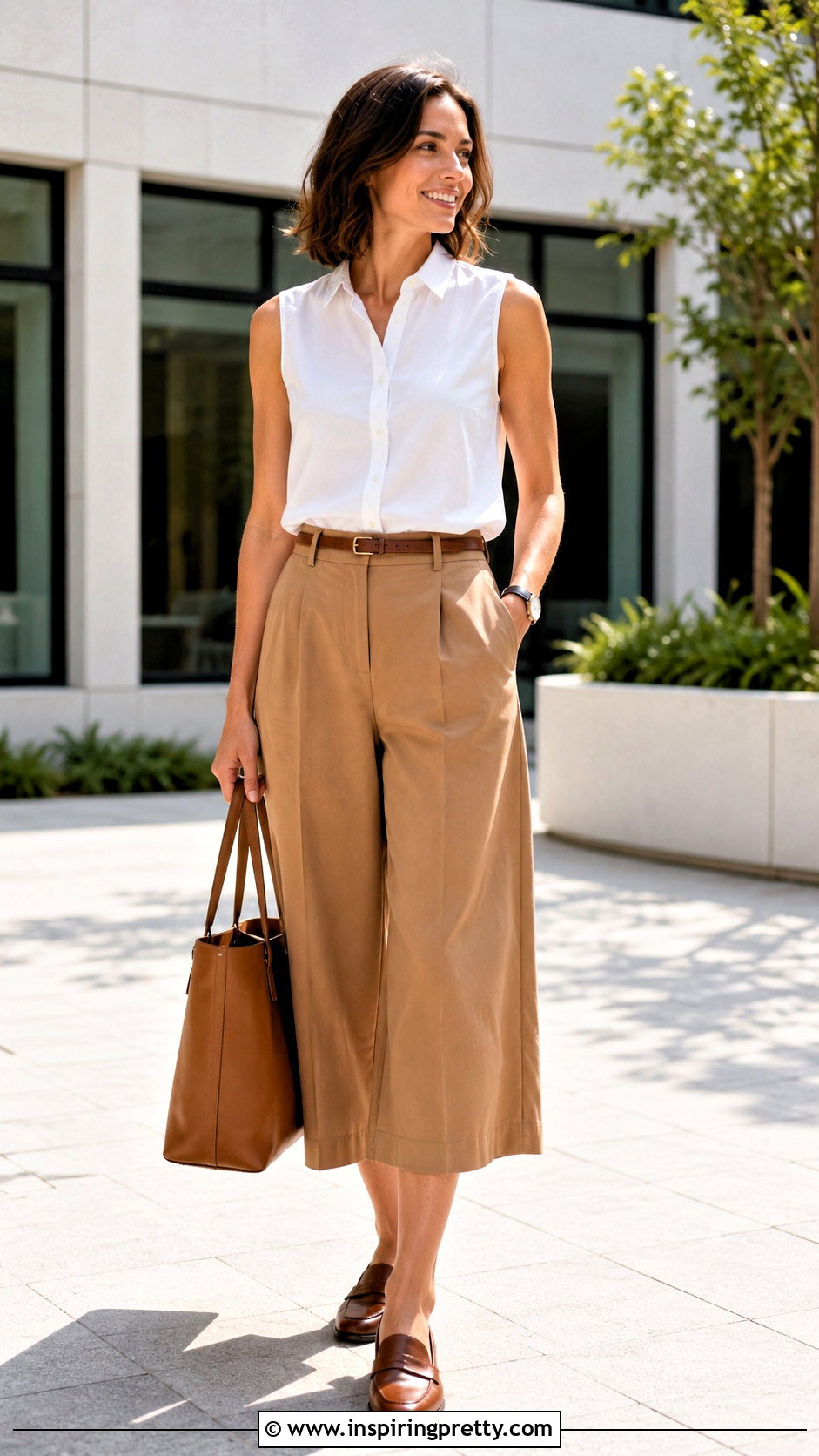
The simplest version is the one I end up wearing most. Remove the sleeves and recut the armholes higher and closer, because a men's armhole is cut deep and will show your bra once the sleeve is gone. Bind them with bias strips cut from the discarded sleeves, narrow the shoulders if they overhang, and add darts at the bust or back waist. The collar and placket can stay untouched. High-waisted culottes and loafers make it a polished outfit, finished with a slim belt, a structured tote and a small watch. A white sleeveless shirt never dates, and soft blue relaxes it. Raise your arms in front of a mirror before you topstitch the binding.
12. Back Button Men's Shirt Top With A-Line Skirt
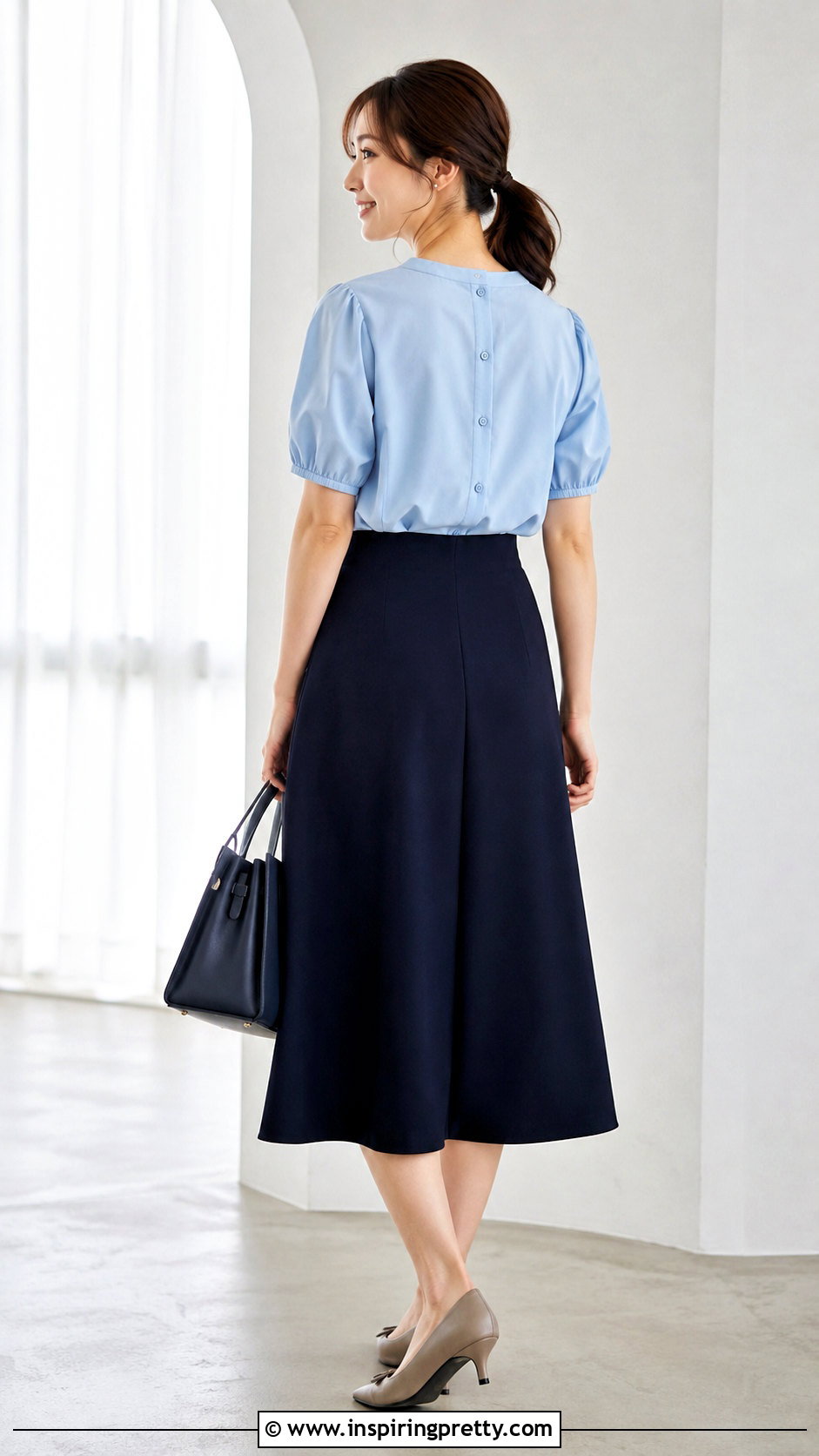
Turning the shirt around is one of my favorite tricks, because the result looks designed rather than altered. The old back becomes a smooth front; I lower a simple neckline into it and add bust darts, since that panel was never shaped for a bust. The collar usually goes, and the button placket becomes the feature running down your spine. Short or softly gathered cap sleeves balance it. A knee-length or midi A-line skirt keeps the silhouette classic, with low heels, a structured handbag and pearl studs. Leave the top couple of back buttons open for a small V. Doing up buttons behind you is fiddly, so if the shirt is roomy enough I stitch the lower ones closed and pull it on over the head.
13. Peplum Men's Shirt Top With Slim Pants
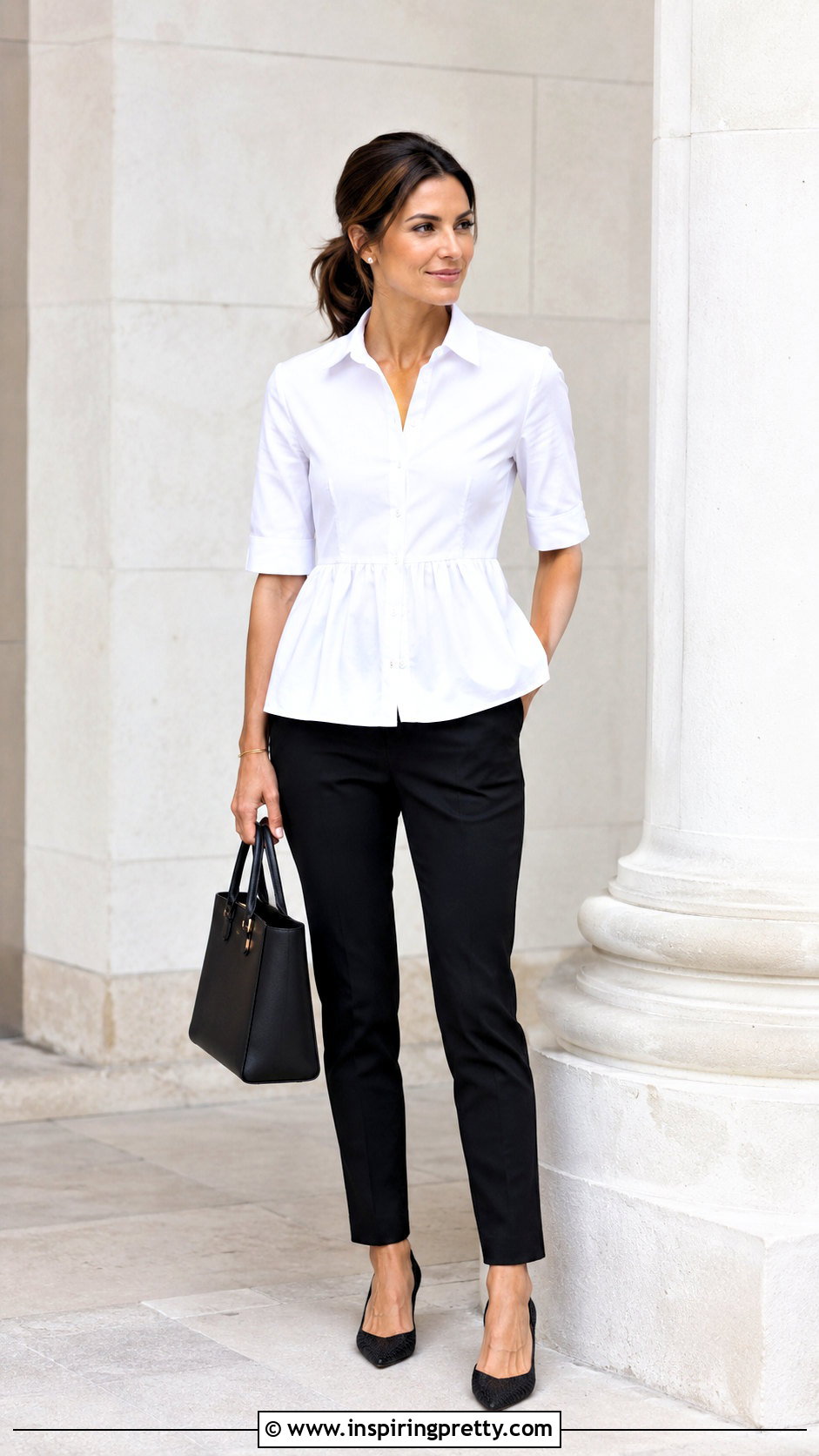
A peplum puts the bottom half of a shirt to work instead of leaving it as scraps. Cut across at your natural waist, tailor the upper section with darts, and turn the lower portion into a gathered or lightly pleated peplum, keeping the original curved shirttail hem when you can, since it's already finished. Shorten the sleeves into neat elbow cuffs. Slim ankle pants balance the flare at the hips, with pointed flats, a compact tote and a narrow bracelet. Place the waist seam where your waist actually is, not where the shirt suggests; on a short torso, a touch higher usually looks better. Medium-weight cotton holds the flare, while very fine poplin tends to collapse flat.
14. Smocked Men's Shirt Top With High-Waisted Shorts
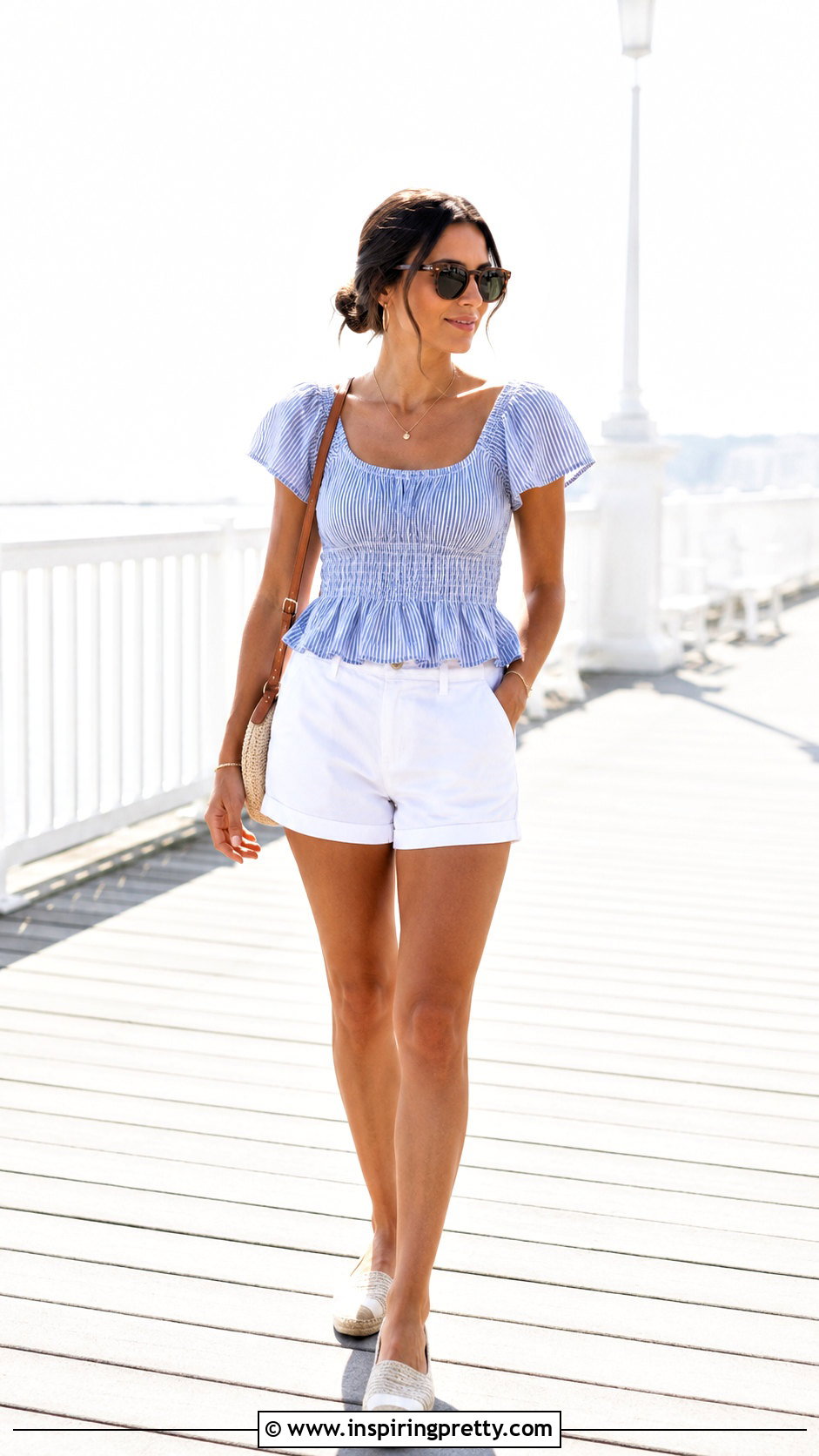
Shirring with elastic thread is what lets an oversized shirt fit closely without a single dart. Take off the collar, reshape the neckline into a gentle scoop or a straight edge, then sew rows of elastic thread through the waist or upper bodice. Test a few rows on a scrap first; most machines need a small tension adjustment before the gathers look even. A shot of steam afterwards shrinks the elastic and tightens the rows. Turn the sleeves into short flutters. High-waisted cotton shorts and flat espadrilles keep it summery, with a crossbody bag and sunglasses. Lightweight stripes show the texture best. Keep the shorts streamlined so the smocked top stays the focus of the outfit.
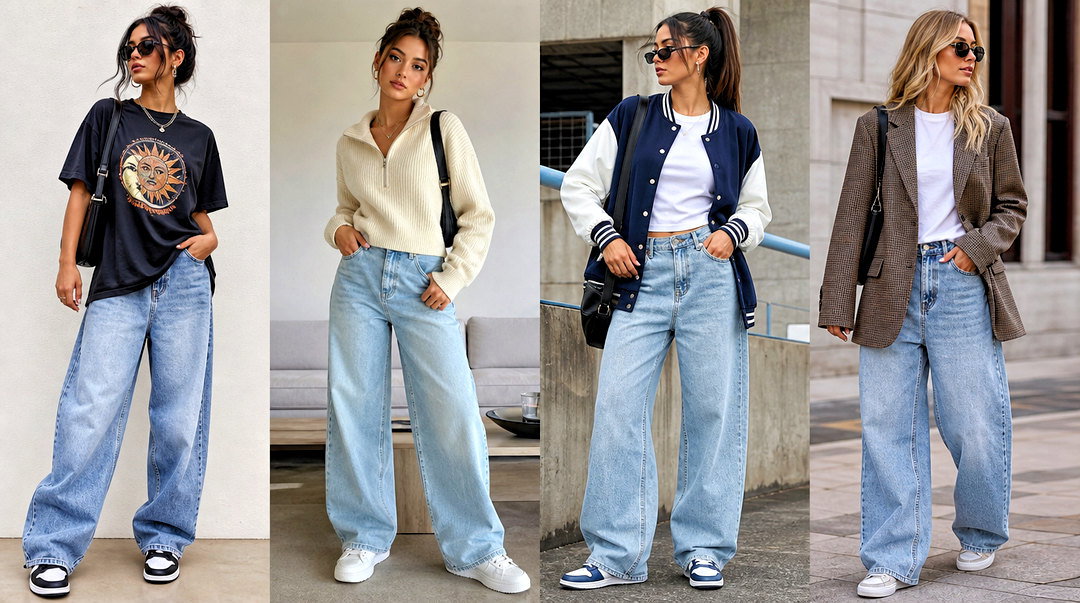
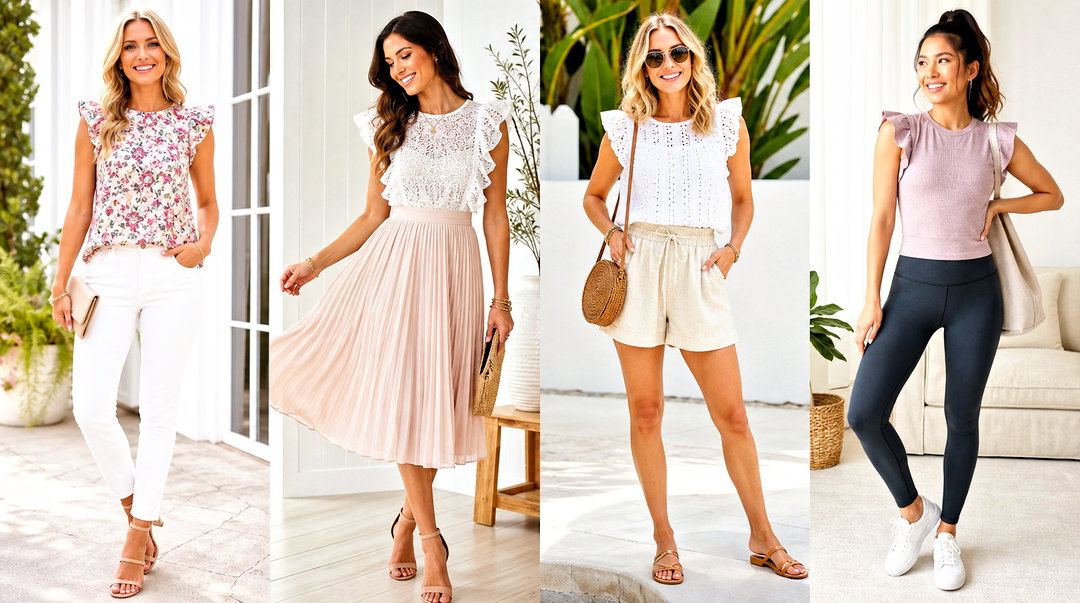
15. Bow Shoulder Men's Shirt Top With Satin Midi Skirt
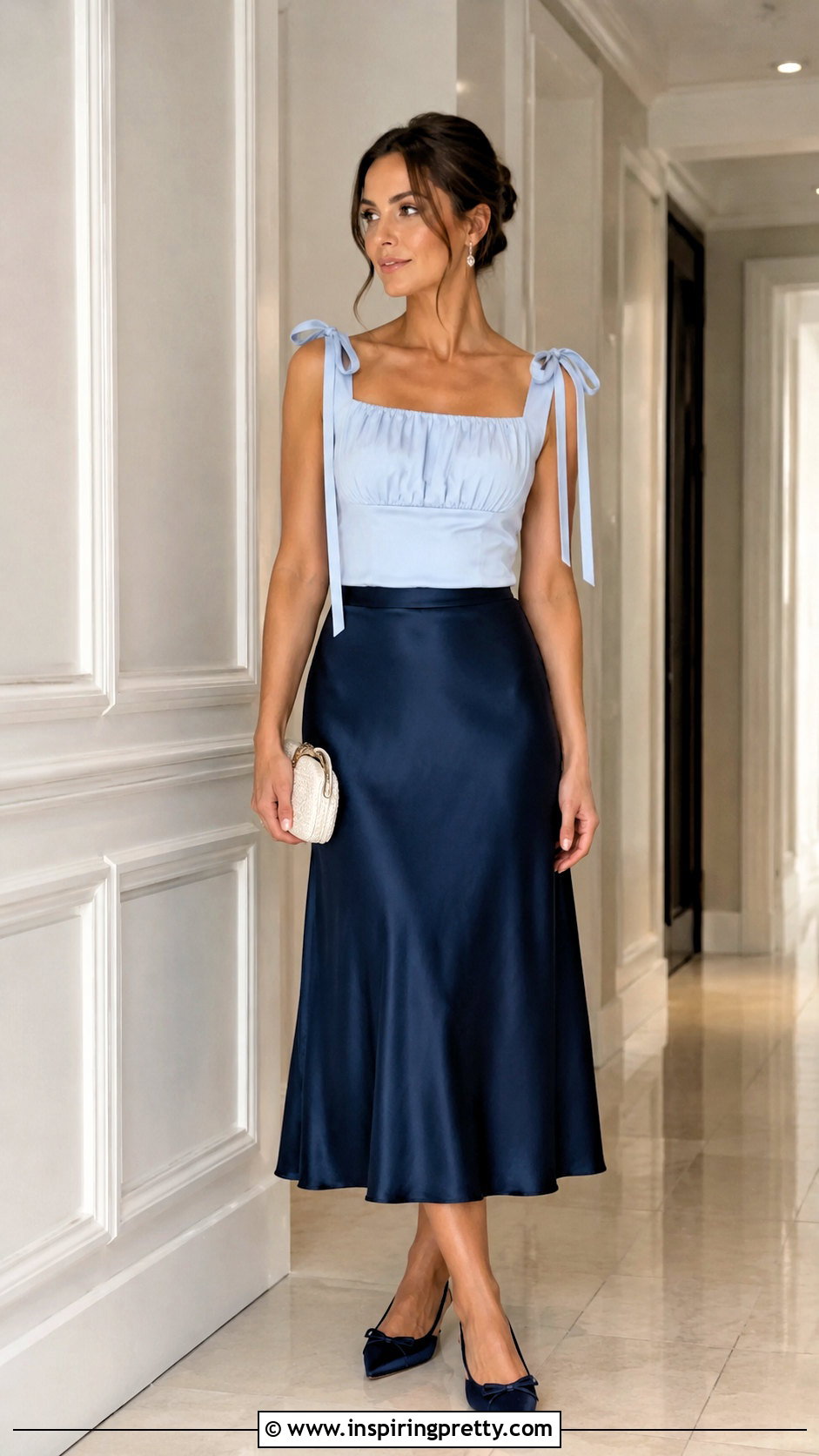
Leftover sleeves give you four long straps, and tied shoulders let you adjust the fit without any fastening at all. Cut a square or scoop bodice and attach two straps at each shoulder, stitching them through the seam allowance rather than just the outer layer, because bows get tugged every time you retie them. Side darts or a lightly elasticized back bring the fit closer. Crisp cotton against a satin midi skirt makes a nice contrast in texture, and slingback flats or low heels with a small clutch and drop earrings keep it dressy. Pale blue shirting next to navy or sage satin is my favorite combination. Keep the bows small, as oversized loops hide the neckline and go limp by evening.
16. Asymmetrical Men's Shirt Top With Leggings
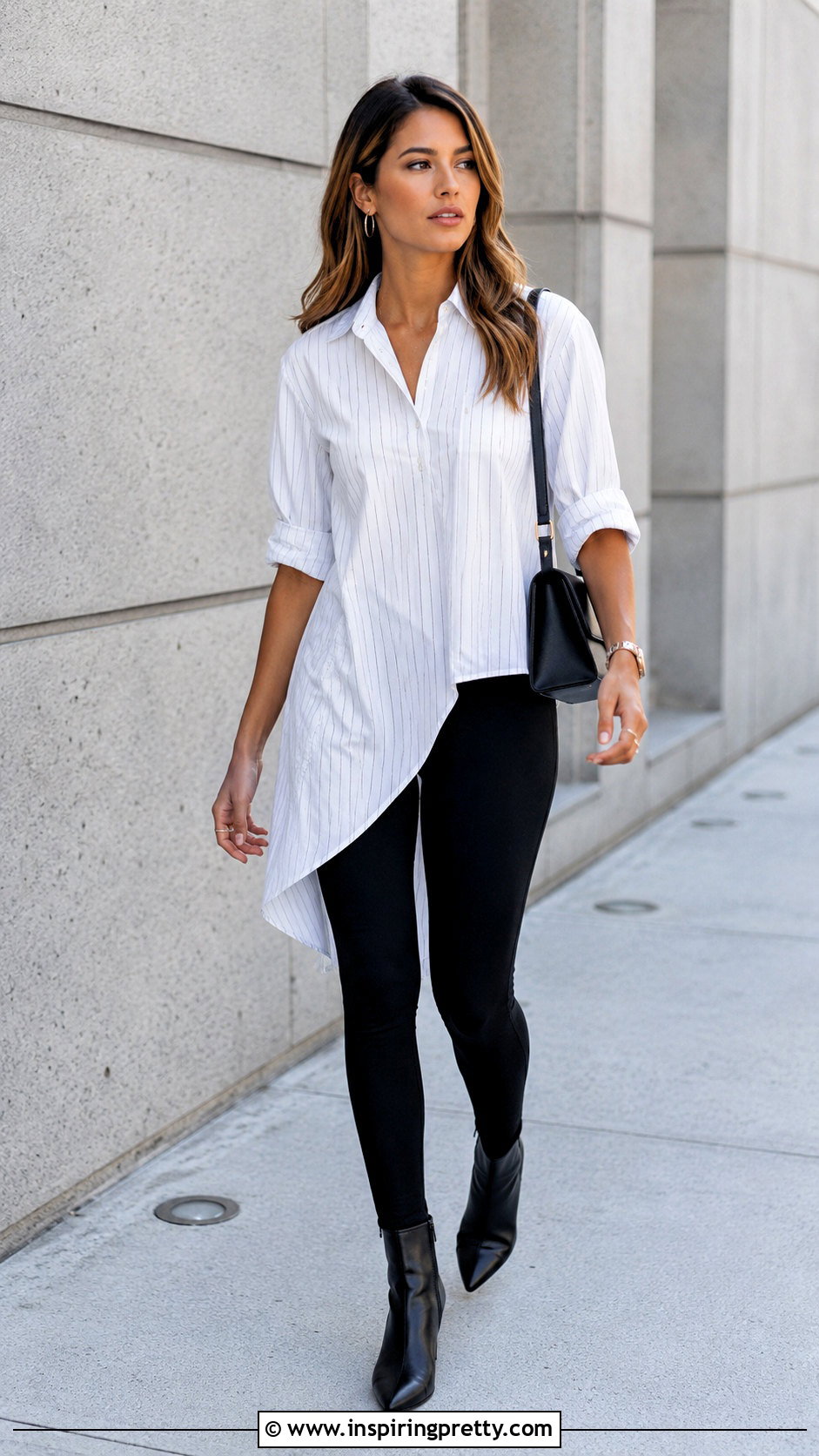
An uneven hem is the fastest way to make a familiar button-down feel new, and it needs almost no fitting. Keep one side near the original length and cut the other progressively shorter in a smooth diagonal or curve, then finish with a narrow hem. Because that line crosses the grain, it stretches as you sew, so I stay-stitch it first. Take a little out under the arms but leave room to move. Thick opaque leggings give reliable coverage, and sleek ankle boots, a structured shoulder bag and simple hoops finish it. A crisp white or pinstriped shirt shows the slant clearly. If the long side reaches mid-thigh, add side vents so it doesn't pull across your hips when you walk.
17. Patchwork Men's Shirt Top With Relaxed Jeans

Two shirts can become one distinctive patchwork blouse, provided the fabric weights match; join a heavy Oxford to fine poplin and the seams pucker. Solid blue with blue stripes is an easy pair. I use one shirt for the body and the second for sleeves, pockets, cuffs or a back yoke, and keep the shape plain so the placement looks planned. Relaxed straight-leg jeans and neutral sneakers ground it, with a plain tote and minimal jewelry. Lay out every panel before sewing and decide which way each stripe runs. French seams or overlocked edges help it last. The second shirt also hands you spare fabric for width, which matters when the first one is tight through the bust or hips.
18. Tunic Men's Shirt Top With Leggings
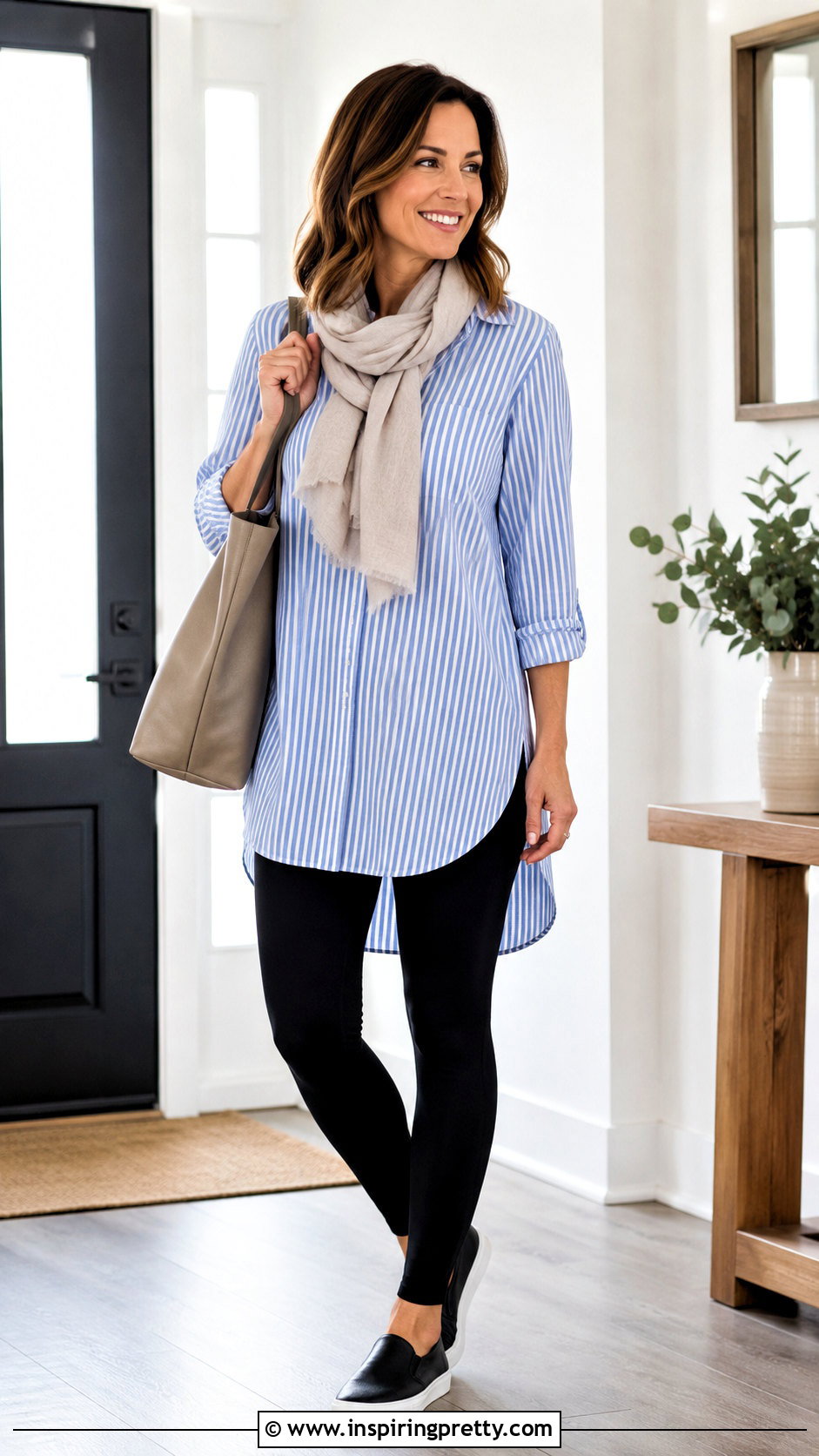
A long shirt is already most of the way to a tunic. Narrow the shoulders and side seams but leave generous room through the hips, then add side vents and shorten the front slightly for a high-low hem. Roll the sleeves or keep the cuffs. Full-length opaque leggings with slip-on sneakers or loafers make it an easy weekend outfit, and a roomy tote and light scarf cover cooler days. Check the back length sitting down, not just standing. A shirttail that looks fine in the mirror can ride up on a chair. A removable belt adds shape on days you want it.
19. Cap Sleeve Men's Shirt Top With Pleated Shorts
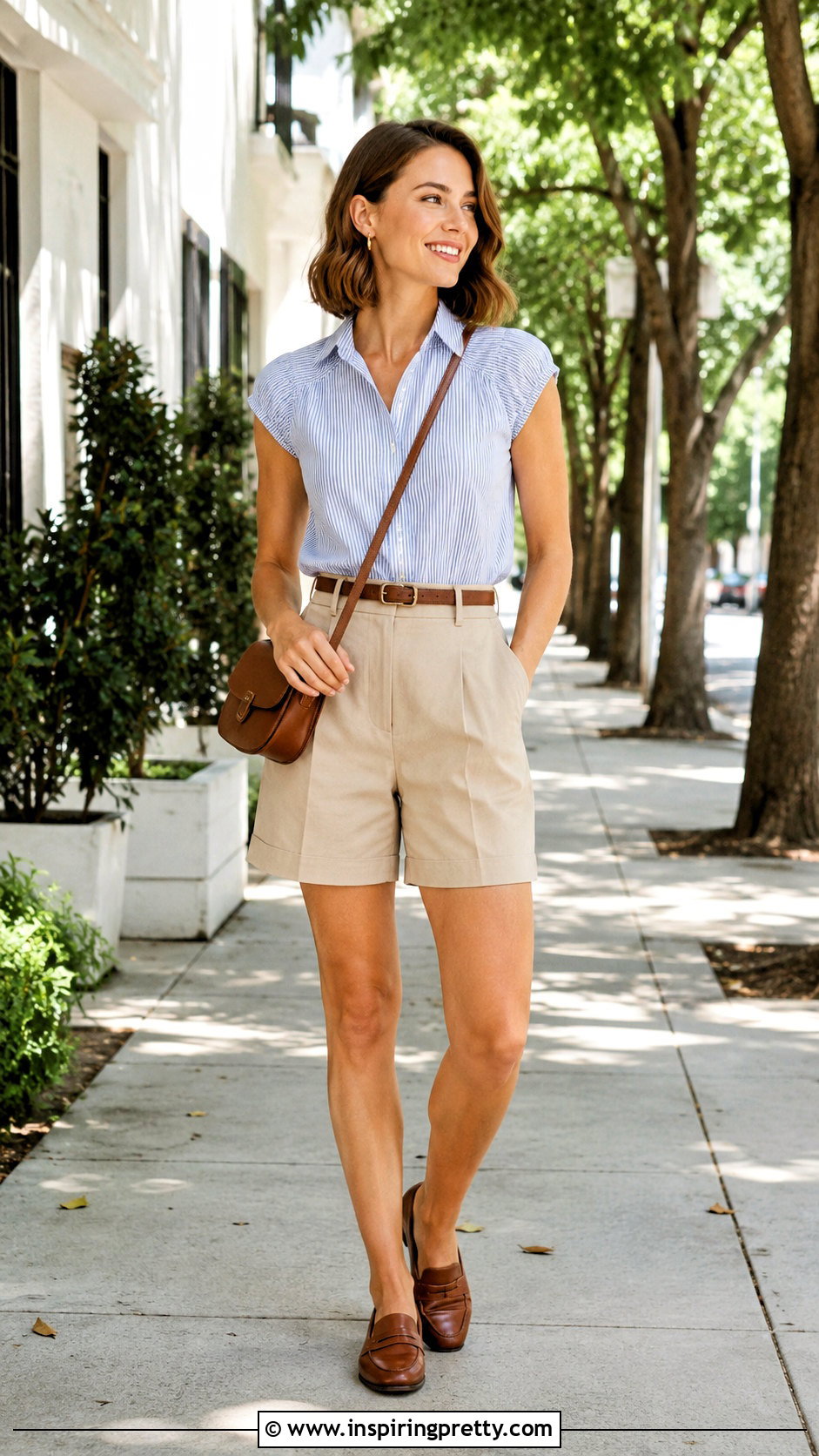
Cap sleeves use nearly all of the shirt body and give a lighter outline. Remove the long sleeves and cut small curved caps from their upper sections, easing them slightly at the shoulder before setting them into reshaped armholes. Take in the side seams and add bust darts if needed. Keep the collar for a preppy version or swap it for a clean round neckline. High-waisted pleated shorts and leather loafers suit it, with a narrow belt and a crossbody bag. A fine stripe shows the direction of the sleeve nicely. Before the final stitching, reach forward and across your body; a cap sleeve set too tight will bind across the back the first time you drive.
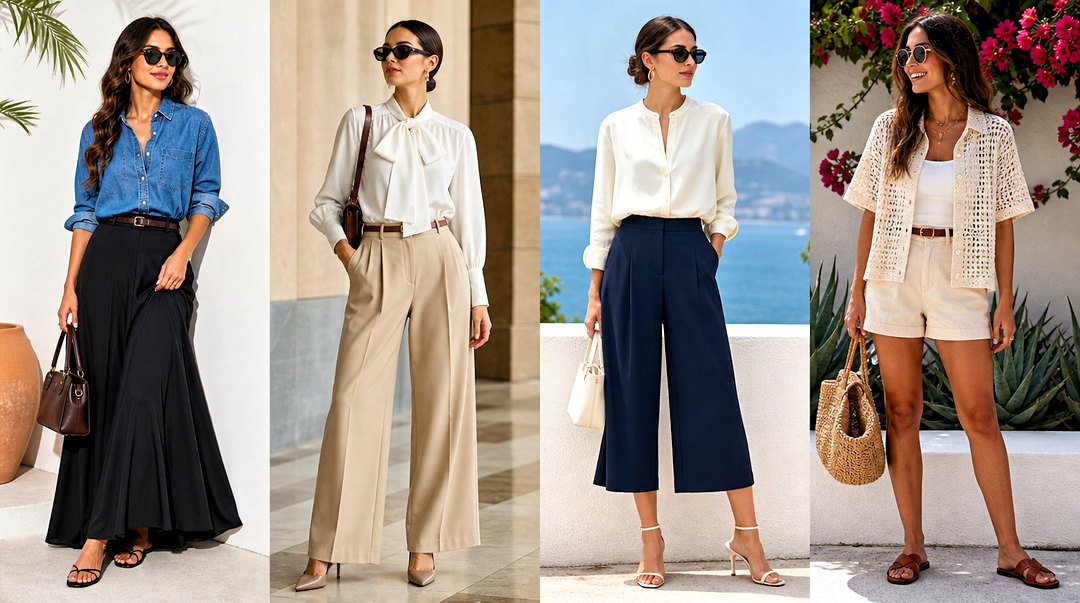
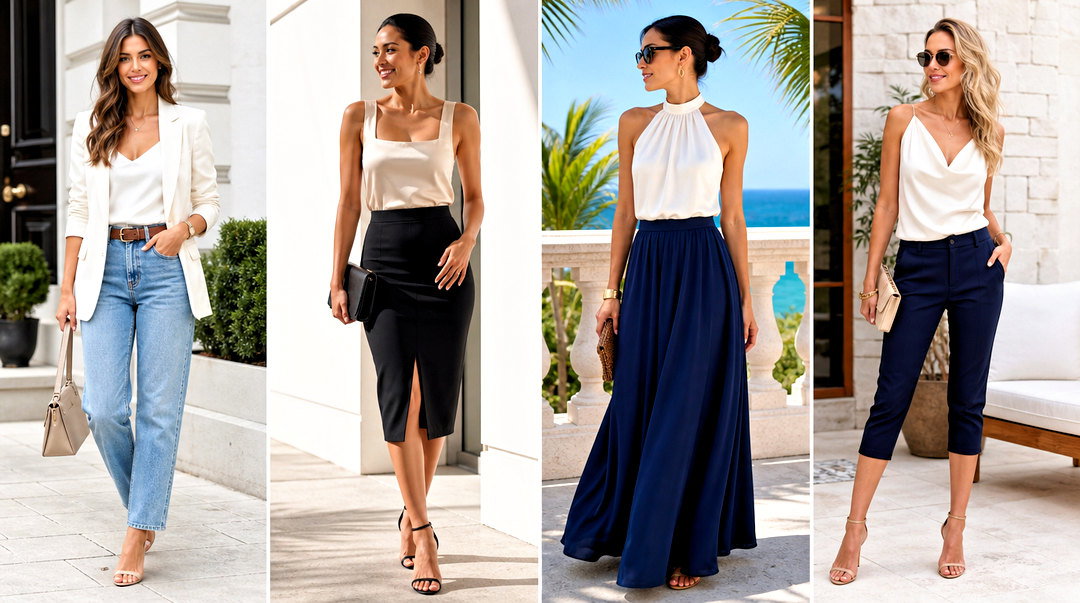
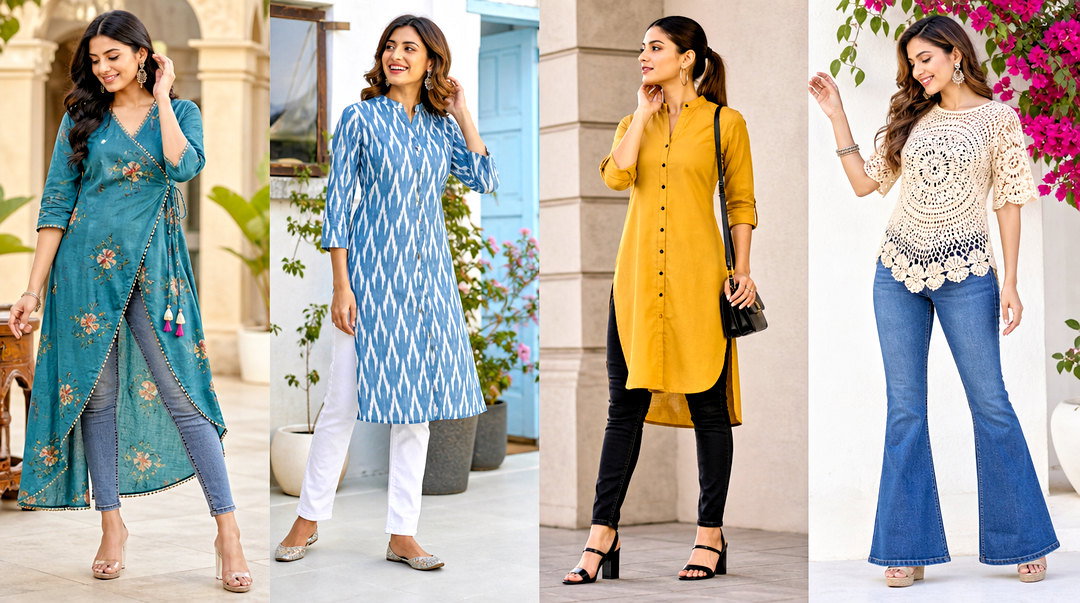
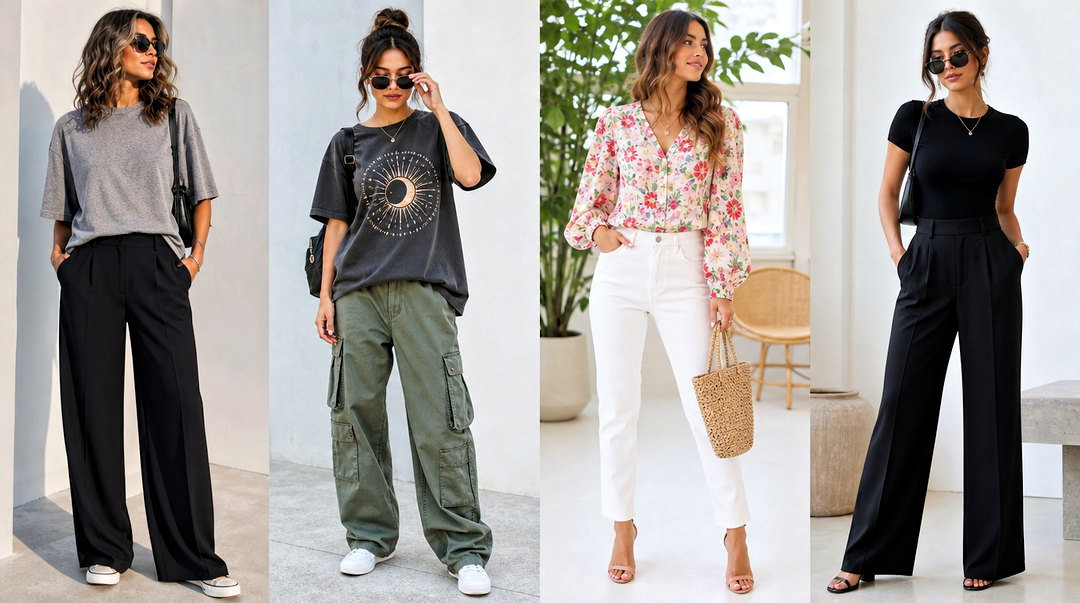
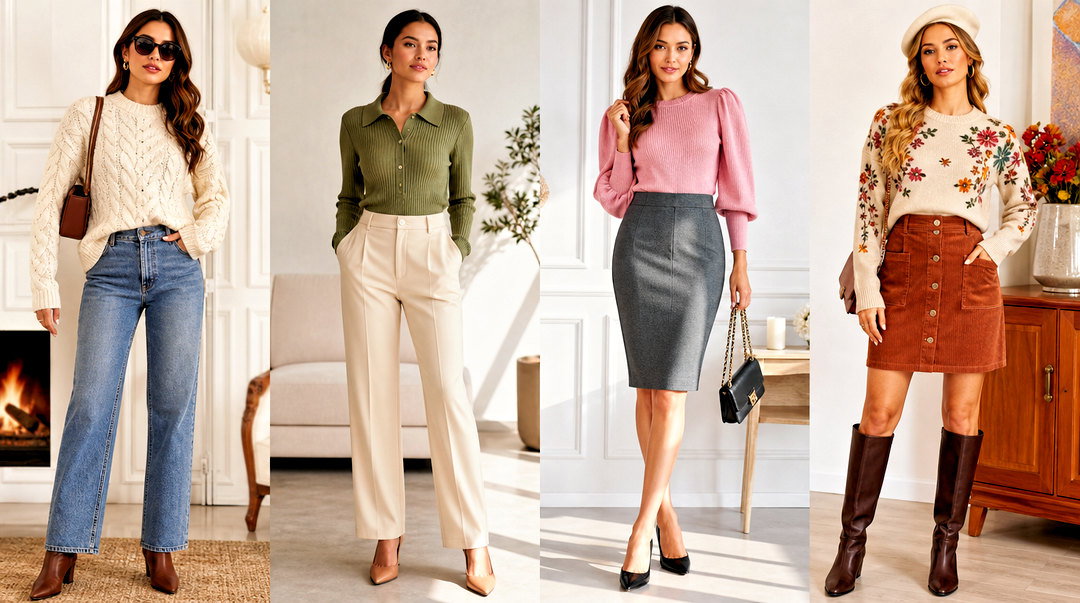
20. Button Front Men's Shirt Vest Top With Maxi Skirt
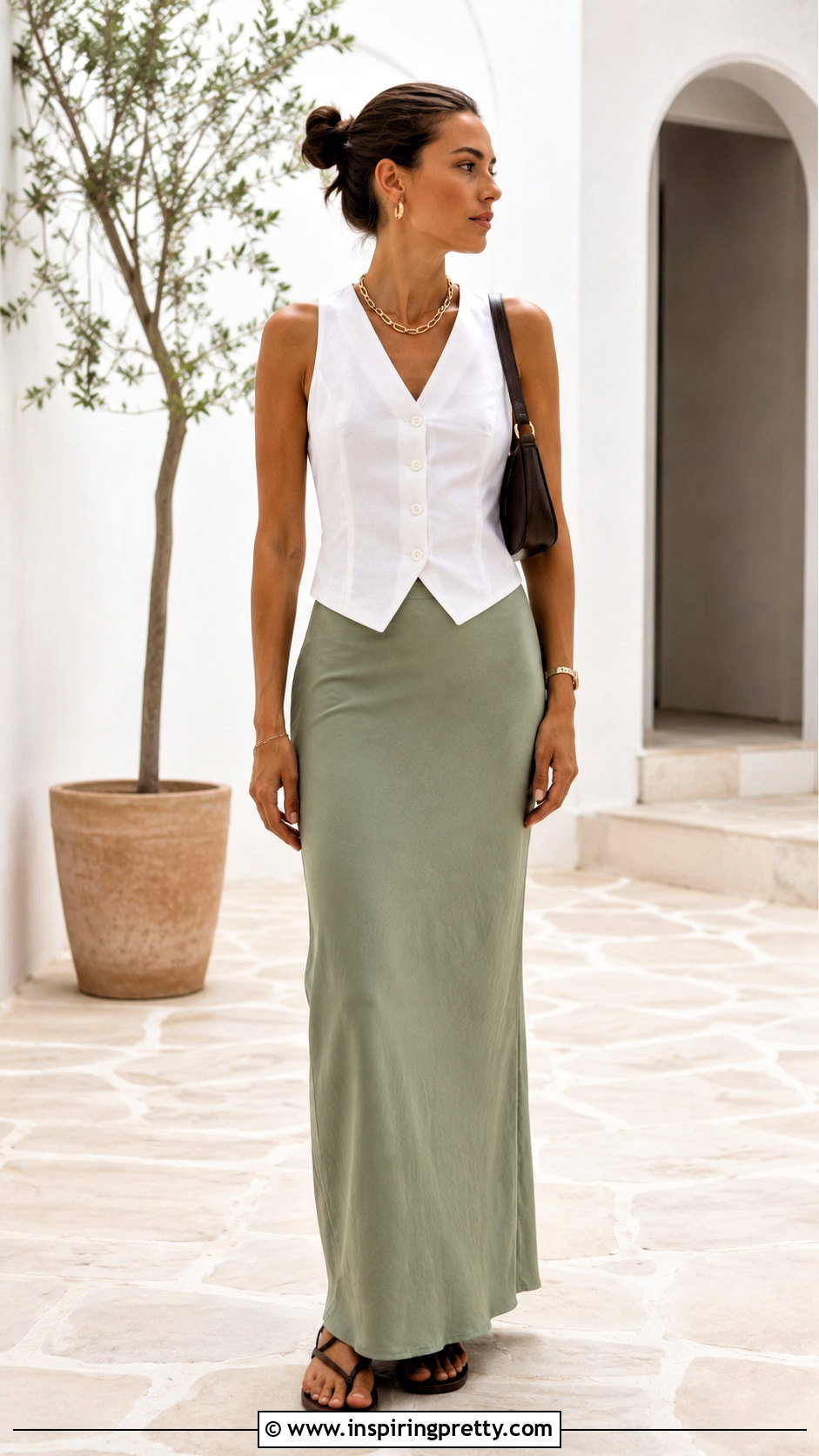
Strip the sleeves and collar and a structured shirt becomes a fitted button-front vest. Shape the armholes, lower the neckline, and add darts front or back to define the waist. Keep the original buttons or swap them for neutral ones of the same size, since the buttonholes are already cut. Wear it alone in warm weather or over a close-fitting tee when it cools down. A high-waisted maxi skirt and streamlined sandals suit it, with a shoulder bag and a simple chain necklace. Sturdy cotton holds the shape. Check the button spacing at the fullest point of your bust; if it gapes there, a small hidden snap between two buttons fixes it.
Adding Room for a Fuller Bust
Men's shirts are drafted for a flat chest. On a bust, the front hem rises, the buttons pull and the side seams swing forward. I choose the shirt by bust measurement first, then take in the shoulders and armholes, because shoulders are far easier to reduce than a bust is to enlarge.
A side bust dart, pointing toward the fullest point and stopping a little short of it, brings the front hem level again. If the buttons still gape, add a small hidden snap between them. For a petite frame, shorten the shirt above the waist as well as at the hem, or the darts and waist shaping land too low.
Seam Finishes That Survive the Laundry
A good dress shirt is sewn with flat-felled seams, and every time you cut through one you lose that durable finish. On light shirting I replace it with French seams, which enclose the raw edge completely. On heavier Oxford cloth, an overlocked or zigzagged edge pressed to one side is less bulky.
- Press on the cotton setting with steam, and use a press cloth on dark or striped shirts so the seams don't turn shiny.
- Wash shirred or elasticated tops on a cool, gentle cycle and hang them to dry. Heat wears out elastic quickly.
- Bias binding cut from the old sleeves matches perfectly and shrinks at the same rate as the body.
The Easiest Shirt to Cut Up First
If you've never refashioned anything, begin with the crop or the sleeveless version. They teach you how a shirt is built without touching the bust shaping. The wrap, peplum, corset and patchwork tops are for once you're comfortable with darts. Whatever you start with, use a blouse that already fits as your reference, leave seam allowance everywhere, baste and try it on before trimming, and press at every stage. Then wear it with bottoms and shoes that suit its new shape, and nobody will guess it started out in a man's closet.
Related posts:


Leave a Reply