
I look at a top the way it was built: the fabric, the seams, where the shoulder sits and how the hem is finished. That tells me more about whether it will hold up through autumn than any trend label. The season brought back easy pieces, relaxed knits, polo sweaters, boho blouses, leopard, funnel necks and reworked button-downs, and each is constructed differently. Below are twenty of them turned into full outfits. For each one I've said what the fabric does, what to look for in the making, and how to adjust the rise, hem or neckline of the outfit to suit your shape.

Seams, Hems and Fibre Labels Tell You How It Will Age
In a shop I turn a top inside out before I try it on. The inside shows how carefully it was made, and that predicts how it will look after twenty washes.
- Seams should be straight and the stitches small and even. Loose, long stitches pull open at stress points like the underarm.
- Check the shoulder seam sits at the edge of your shoulder bone, unless the top is deliberately dropped. It's the hardest thing to alter.
- On knits, look at the neckline and cuffs. Rib that snaps back when stretched will keep its shape; limp rib will flare out.
- Pattern should line up at the seams on stripes and plaids. Badly matched stripes are a sign the maker rushed the cutting.
- Read the fibre content. Wool, cotton and blends with a small amount of elastane usually hold their shape best. Very high polyester knits pill and trap heat.
Finally, rub the fabric between your fingers. If fibres come away easily or it already looks fuzzy, it will pill quickly.
Hems are worth a look too. A woven blouse with a narrow, double-turned hem lies flat and survives the washing machine. A raw or overlocked edge on a cheaper top tends to wave after a few washes, and a knit hem that's been stretched as it was sewn will flute out and never sit flat against the waistband.
1. Fall Cable Knit Sweater With Straight Leg Jeans
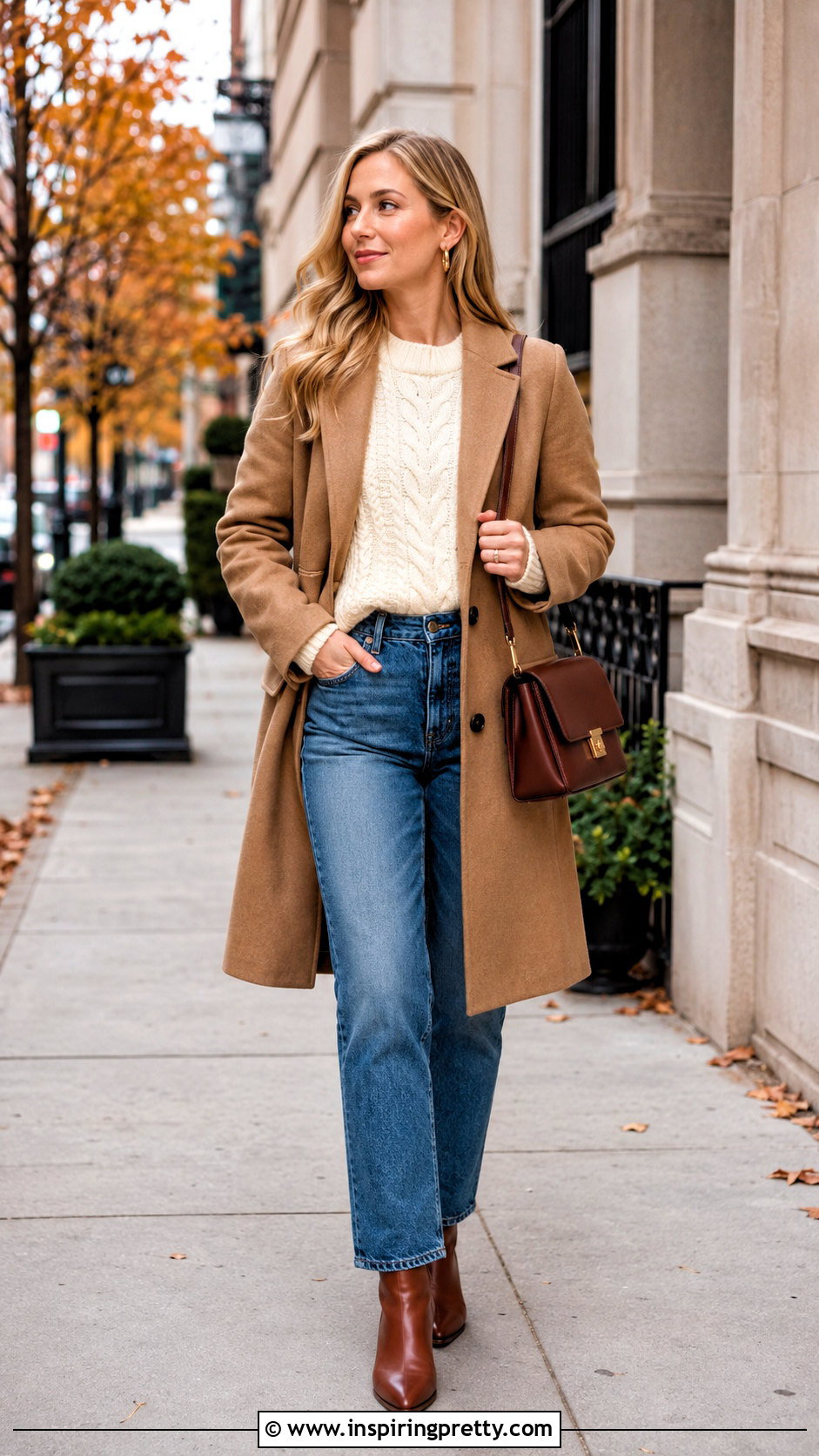
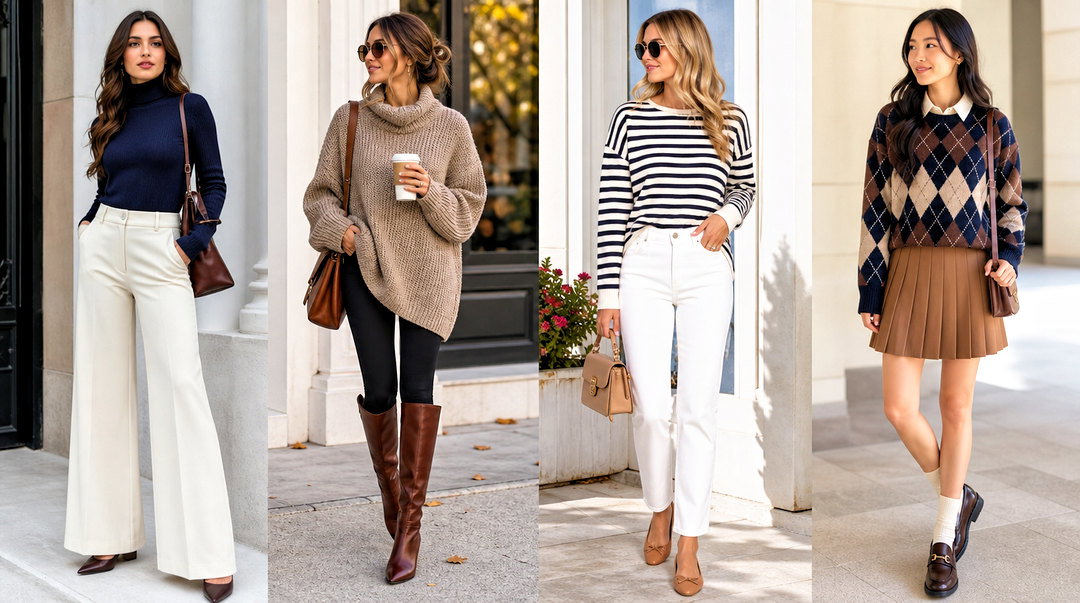
Cables are made by crossing stitches over each other, which builds raised ridges and makes the knit thicker and slightly less stretchy than plain knitting. So a cream cable knit sweater needs a relaxed cut with room for a thin base layer. Medium-wash straight jeans keep the proportions even. If it bunches at the waistband, a partial front tuck is better than a full one. Brown leather ankle boots, a structured bag and small gold earrings. Shorter frames suit a shorter sweater; tall frames can carry more length. A camel wool coat on cold days.
2. Fall Polo Sweater With Wide Leg Trousers
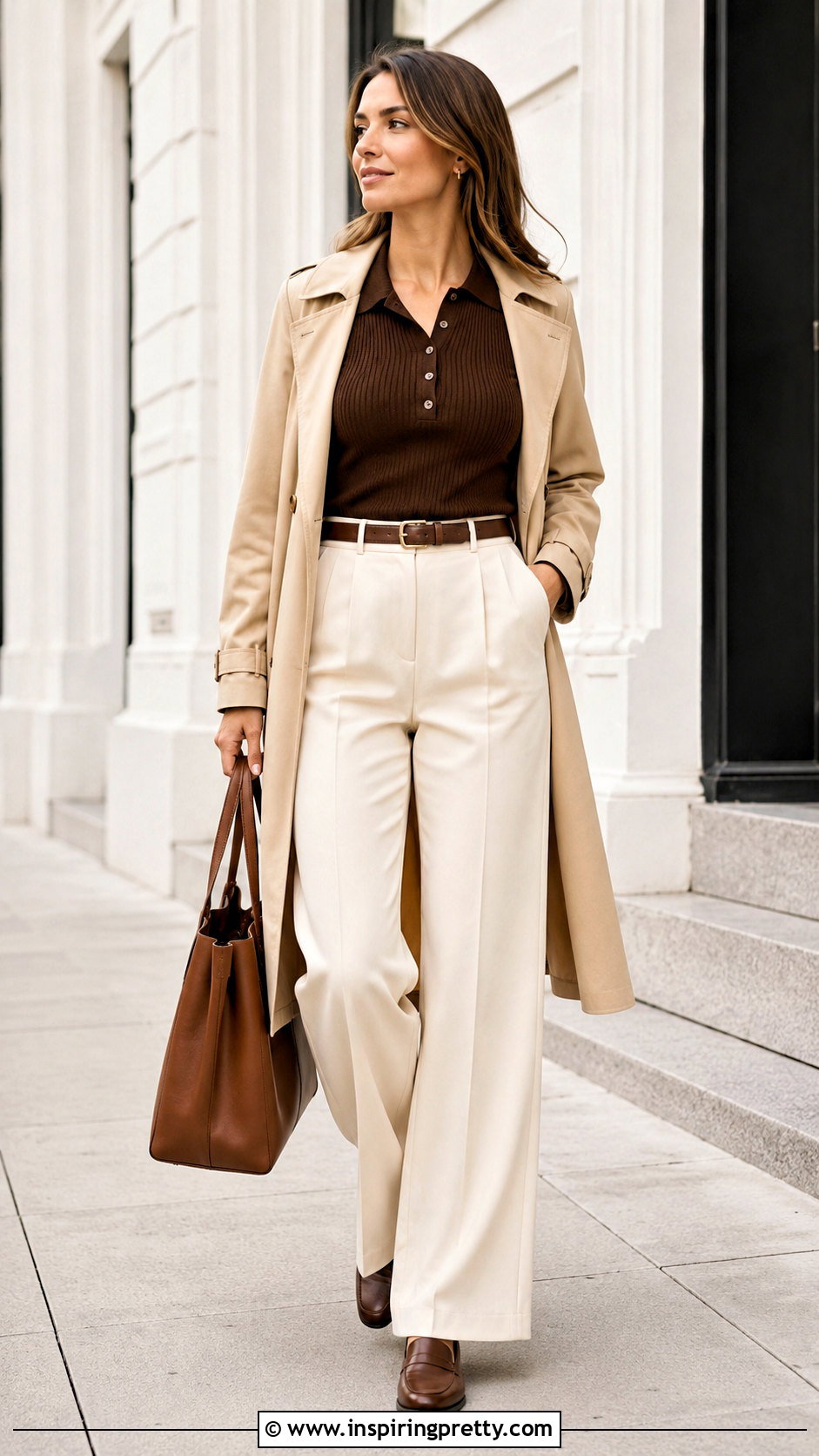
A polo sweater is a knit cut like a shirt, with a collar and a short button placket. The collar is the weak point: in thin yarn it curls, so I look for a firmly knitted or doubled collar that lies flat. Chocolate over cream high-waisted wide-leg trousers is a rich, easy contrast. A cropped length marks the waist above full trousers. Open at the neck for a relaxed look, buttoned higher for coverage. Loafers, a slim belt and a medium tote. A light trench on top, and you can go from a meeting to dinner without changing.
3. Fall Boho Blouse With Flare Jeans
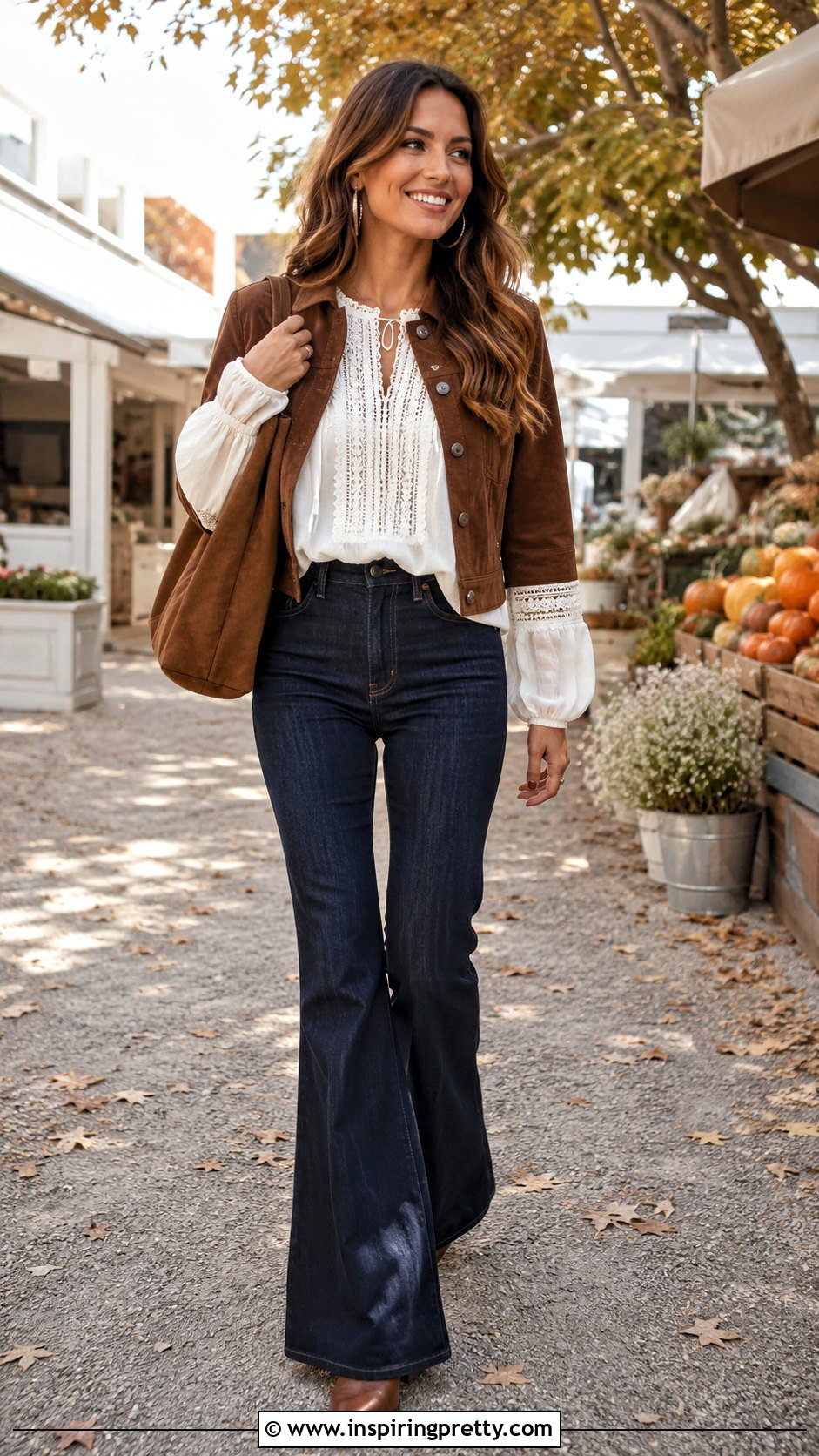
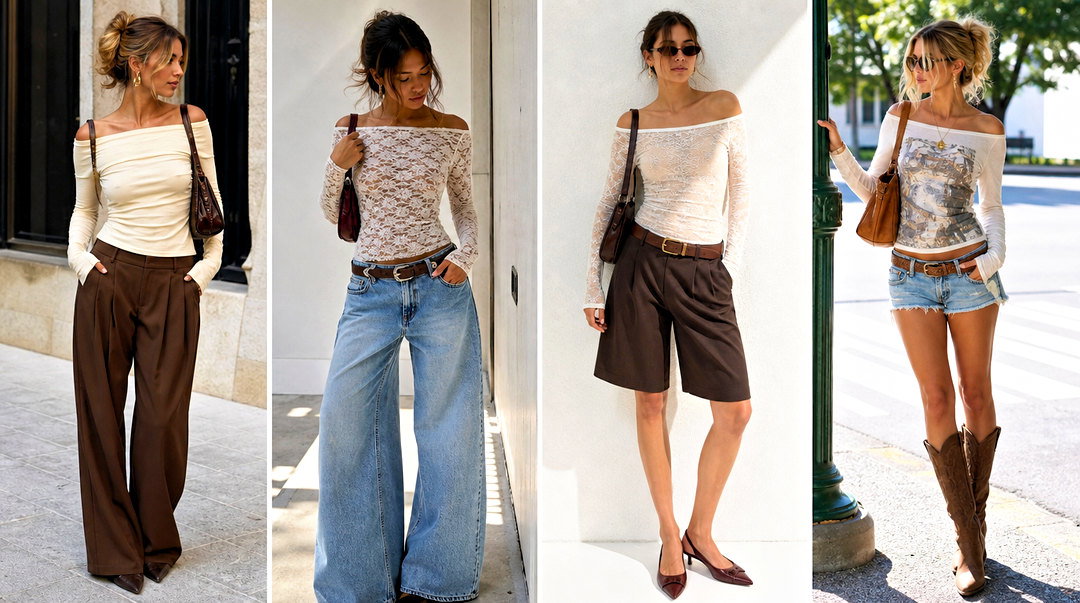
Boho blouses depend on soft, lightweight cotton or viscose that gathers well. Lace panels, gathered sleeves, covered buttons or a small ruffle at the neck are enough; more than two of those details at once starts to look like a costume. Ivory with dark flare jeans makes a long, clean leg. Check the lace panels are backed or sit somewhere modest. Tuck it fully for shape, or leave it loose with a narrow belt. Pointed brown boots, a suede shoulder bag and hoops. A cropped suede jacket keeps the sleeves visible. It's the bohemian mood of the season made practical.
4. Fall Satin Blouse With Dark Wash Jeans
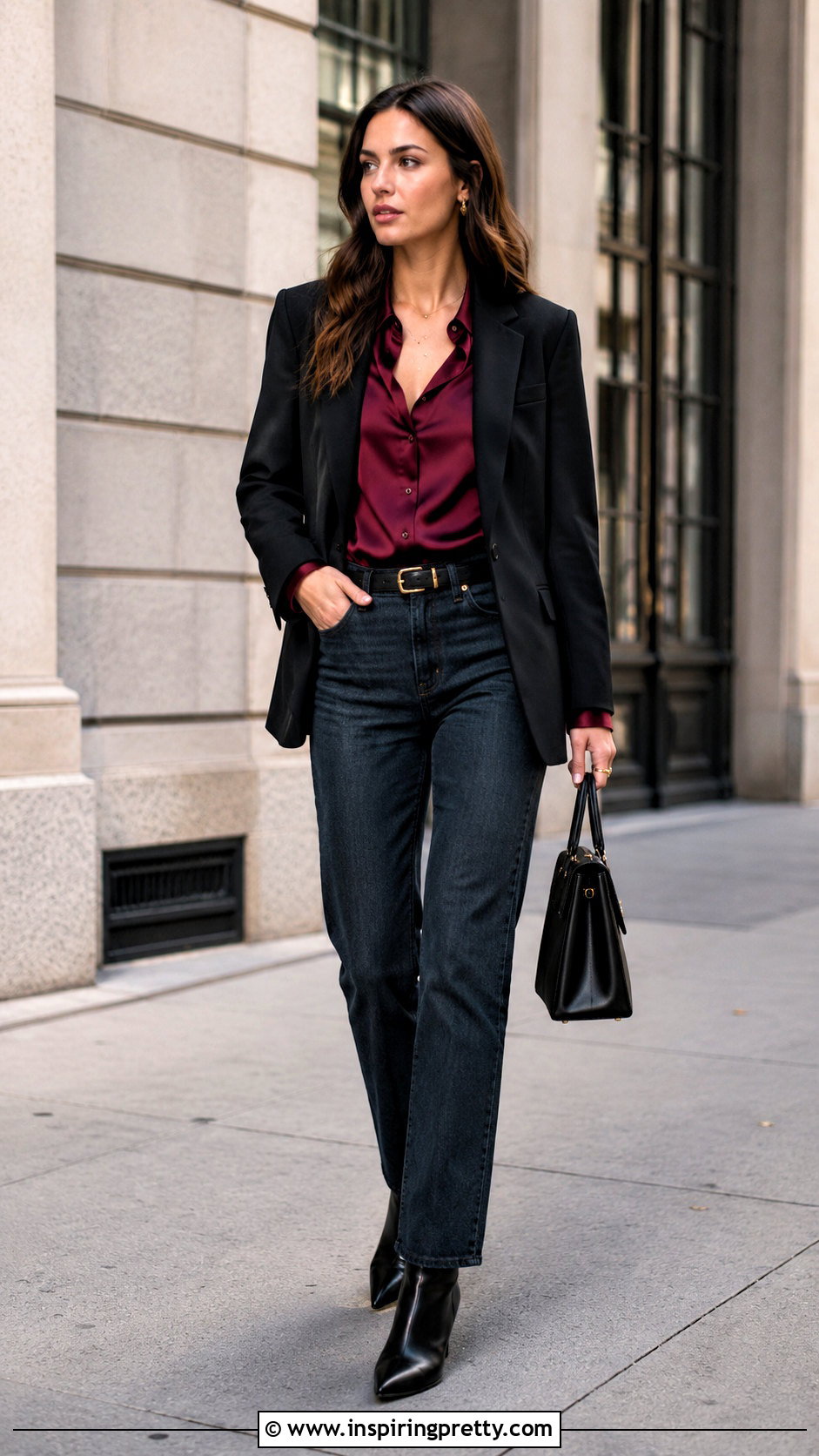
Satin is a weave, not a fibre. It has long floating threads on the surface, which give it shine and also make it snag and show creases and water spots. A heavier, slightly matte satin is easier to wear by day. Burgundy, forest green, bronze or navy look seasonal. Dark straight or slim jeans, pointed ankle boots, a black belt and a structured bag. A fluid satin should be tucked at the front, or it balloons. Keep jewellery simple. A tailored blazer makes it work-ready; a leather jacket takes it out for the evening.
5. Fall Bow Blouse With Tailored Pants
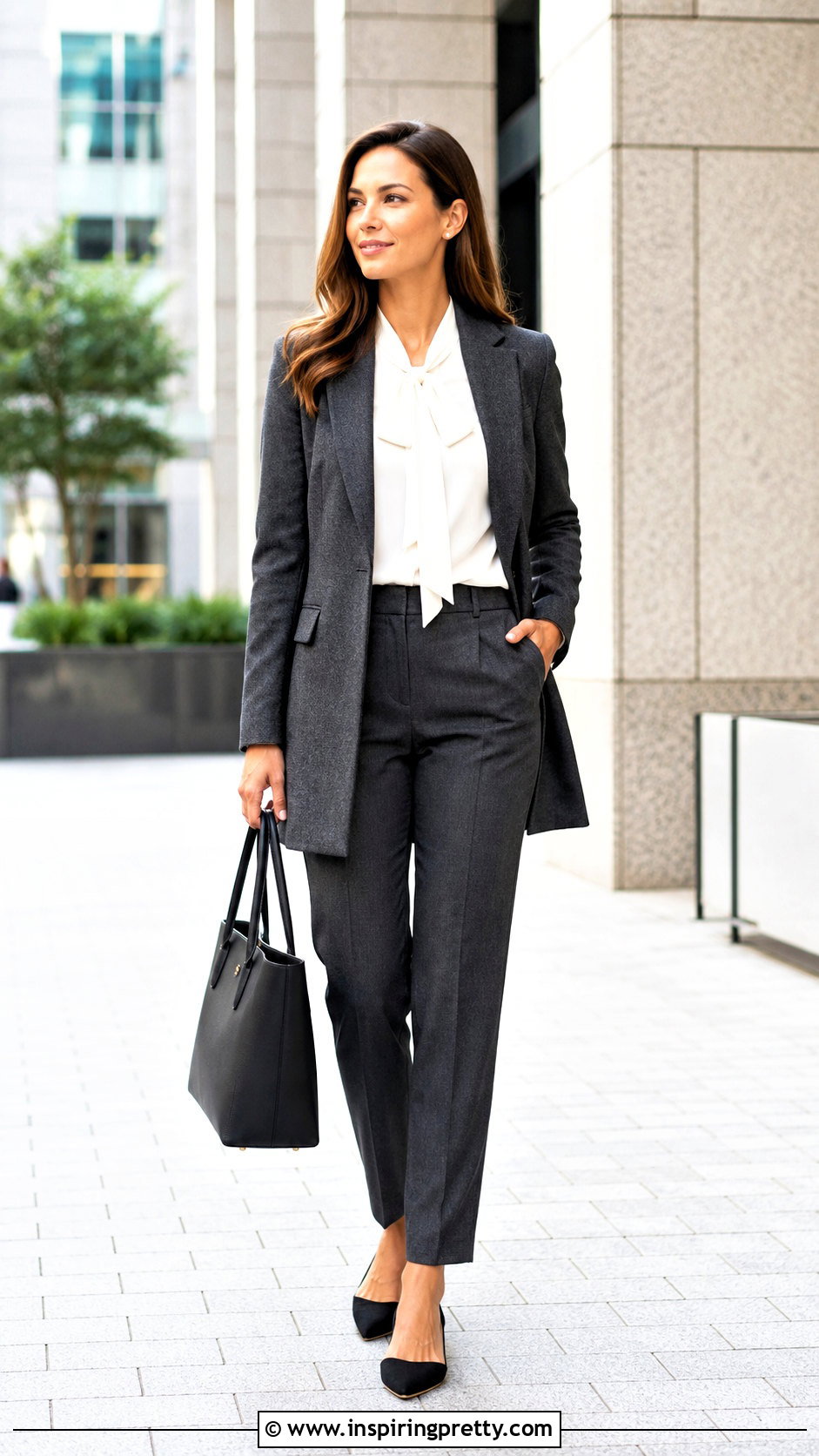
A tie-neck blouse is built with a long strip sewn into the neckline, and how it's finished tells you about quality: clean, narrow edges on the ties, no puckering where they join. Soft ivory, muted blue or a small print over high-rise tailored pants in charcoal, navy or deep brown. Tie the bow neatly for presentations, loosely or lower for a softer feel. A flat-front waistband keeps the blouse from adding bulk under it. Pointed flats or low block heels, a work bag and studs. A longline blazer or wool coat on cold mornings.
6. Fall Leopard Print Cardigan With Black Jeans
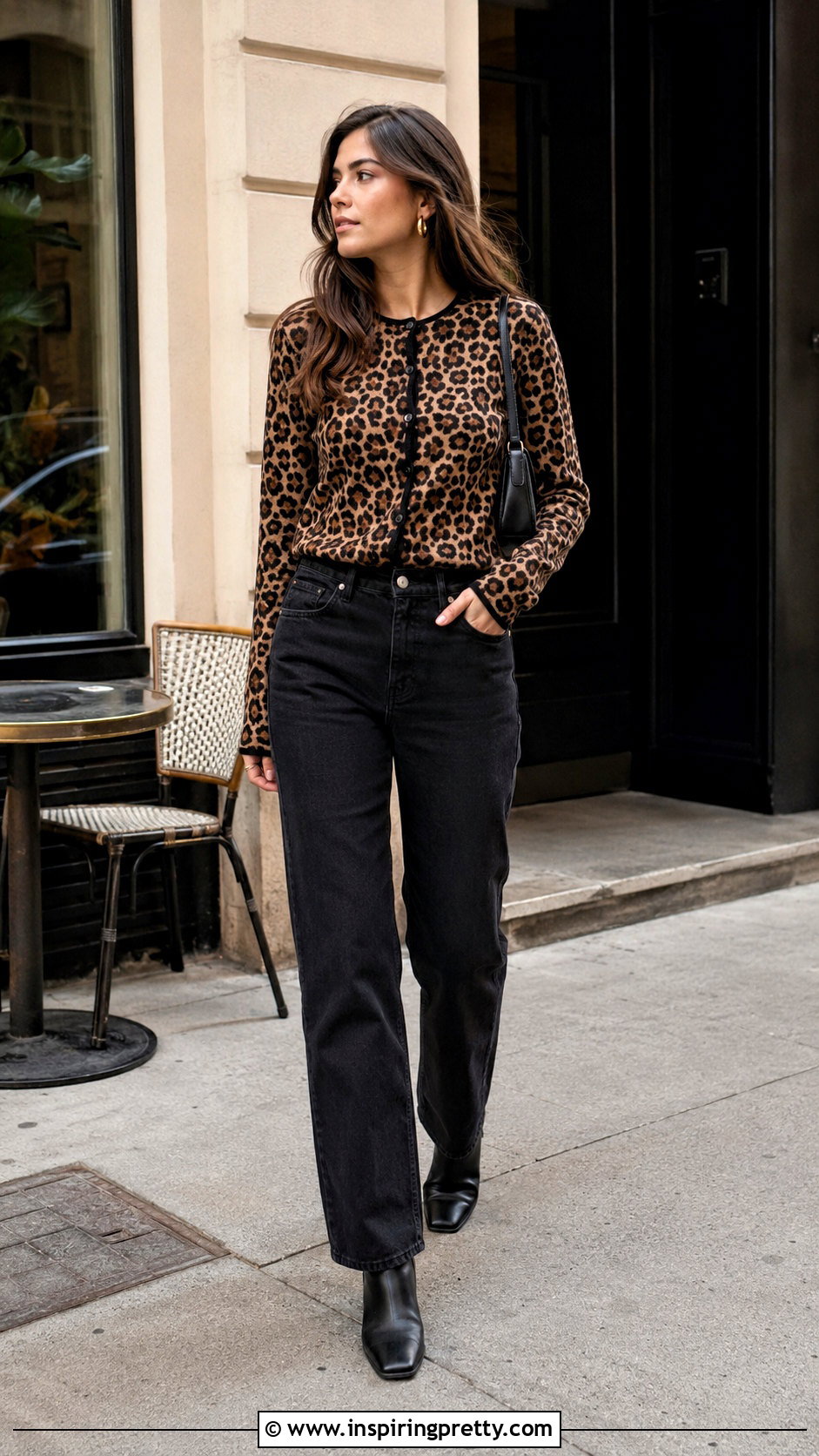
Leopard on a cardigan reads quieter than on a blouse, because knitting softens the edges of the spots. Brown and black spots are the most versatile. I wear it buttoned over a thin camisole, as a top. High-rise black straight jeans keep the base plain. Black ankle boots, a compact bag and gold hoops. For a softer start, choose one with printed trim or small spots. A slightly cropped cardigan meets high-waisted denim; a longer one covers more. Check the inside: jacquard-knit leopard has floats of yarn on the back that catch rings, so take care pulling it on.
7. Fall Red Sweater With Relaxed Jeans
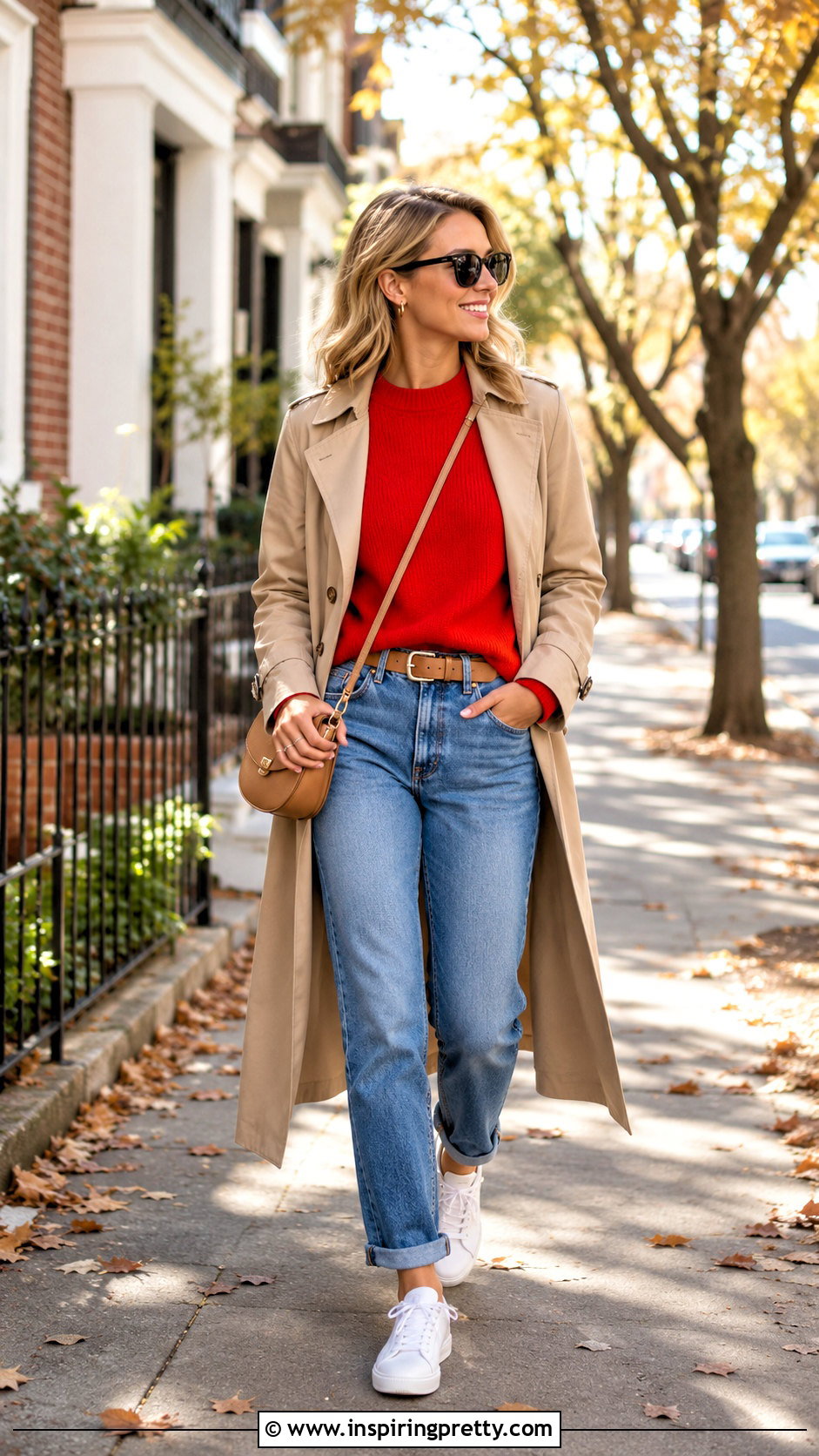
Red is the hardest colour to get right in yarn, and cheaper reds can look flat or pinkish in daylight. A slightly loose crewneck in a deep, saturated red with relaxed medium-wash jeans is the casual version. White leather sneakers, a tan belt and crossbody. Roll the cuffs once so the sleeves don't swamp your hands. Bright red near the face isn't for everyone; cranberry, brick or deep cherry are easier. A beige trench keeps the red the main event. Wash it alone or with darks the first few times.
8. Fall Funnel Neck Sweater With Midi Skirt
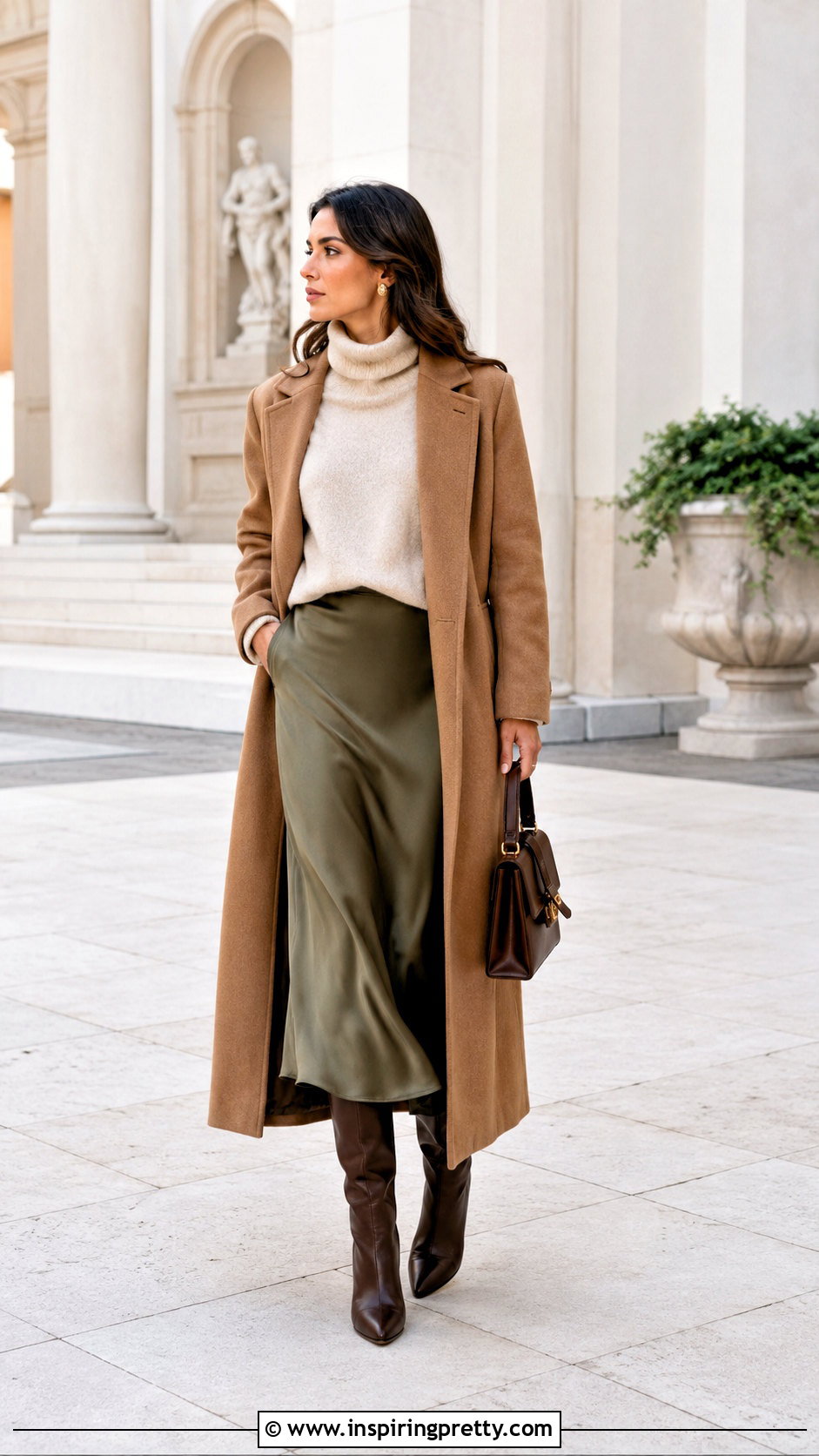
A funnel neck is cut or knitted as a straight tube that rises from the neckline and stands on its own, so there's no fold of fabric at the throat. Oatmeal or heather grey with a satin or structured midi in olive, burgundy or black. With thick knit, tuck only the front edge into the skirt; a full tuck adds a bulge at the waist. A cropped funnel neck that meets the waistband avoids the tuck altogether. Knee-high boots, a small top-handle bag and a long wool coat. Good for offices, lunches and museum afternoons.
9. Fall Striped Rugby Top With Loose Jeans
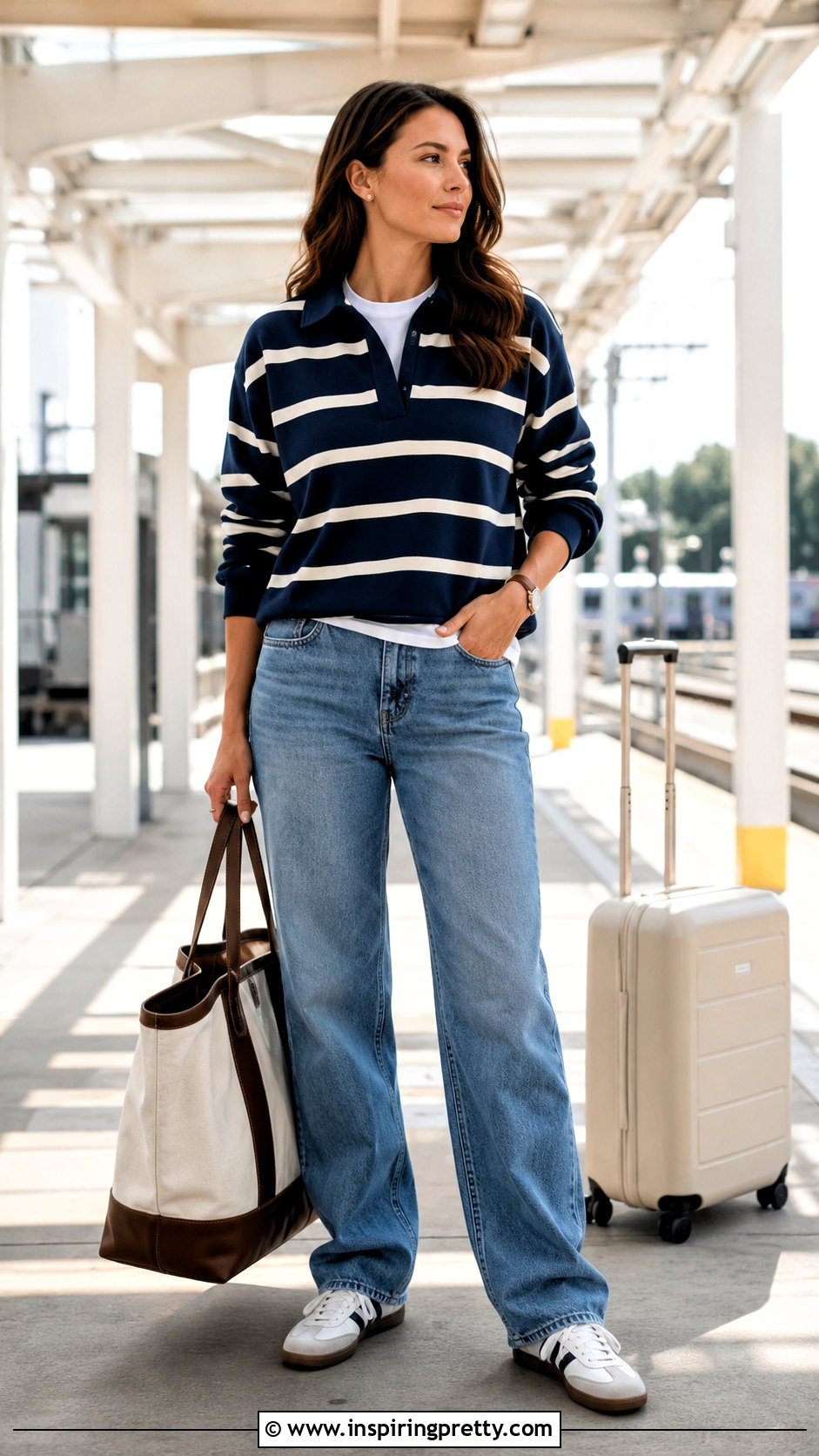
A real rugby shirt is cut from heavy cotton jersey with a woven twill collar and a rubber or reinforced placket, which is why it keeps its shape where a sweatshirt slumps. A striped rugby top in navy, cream, burgundy or forest green over loose straight jeans that skim the shoe. Retro sneakers, a canvas and leather tote, studs. Push the sleeves up, or show a white tee under the collar. For more waist, choose a shorter one or tuck one side. Good for travel, weekends and school runs.
10. Fall Denim Shirt With Black Trousers
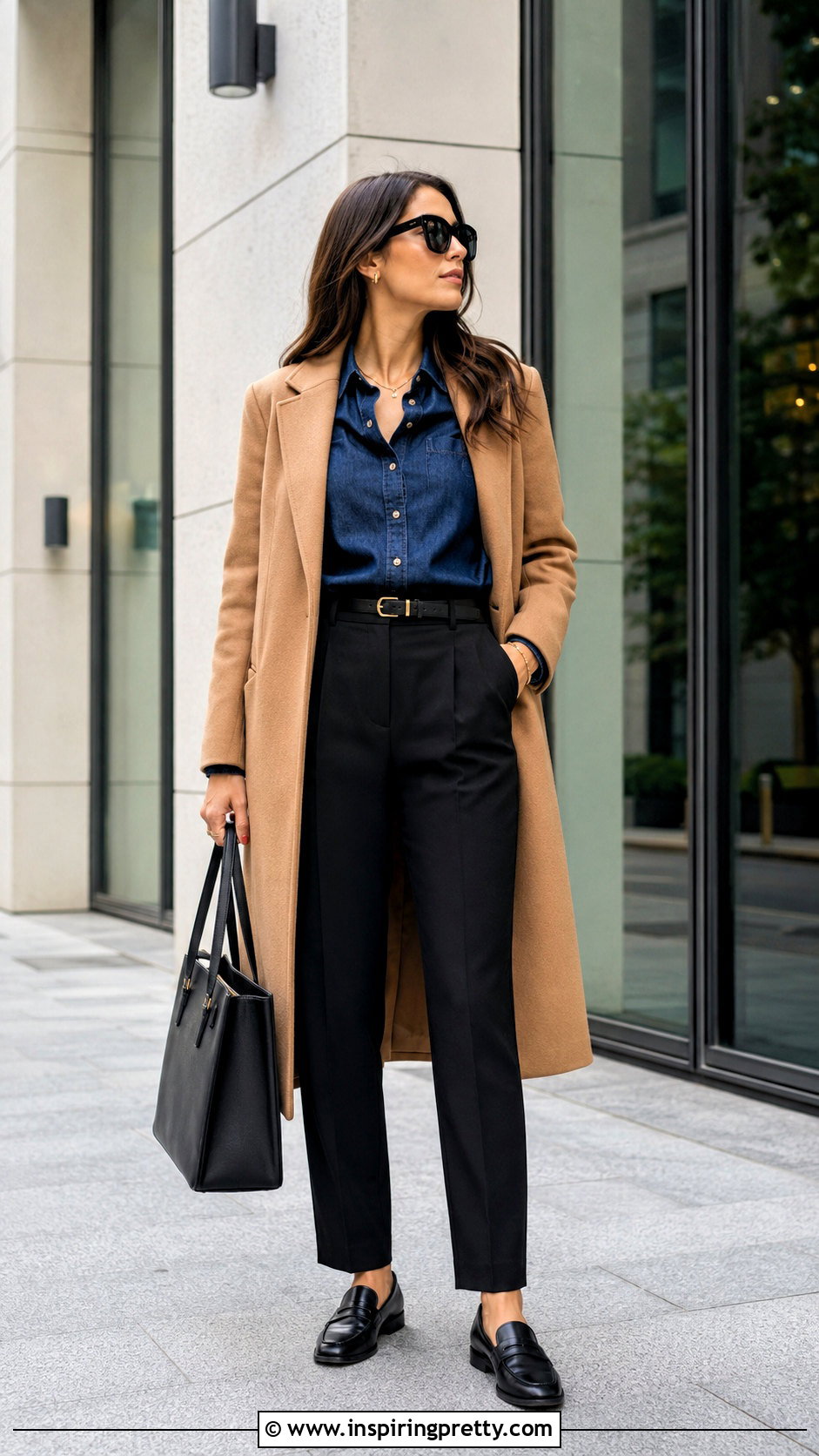
Black trousers smarten a denim shirt more than any other bottom, as long as the shirt is clean: minimal fading, no distressing and shoulder seams that sit at your shoulder. Medium or dark wash, relaxed but not baggy. Tuck it into high-waisted straight trousers with a black belt. Two buttons open lengthens the neck; a thin turtleneck underneath adds warmth. Loafers, a structured tote, small jewellery. A camel coat on top. Denim shirts soften with washing, so an older one drapes better than a stiff new one.
11. Fall Peplum Top With Straight Jeans
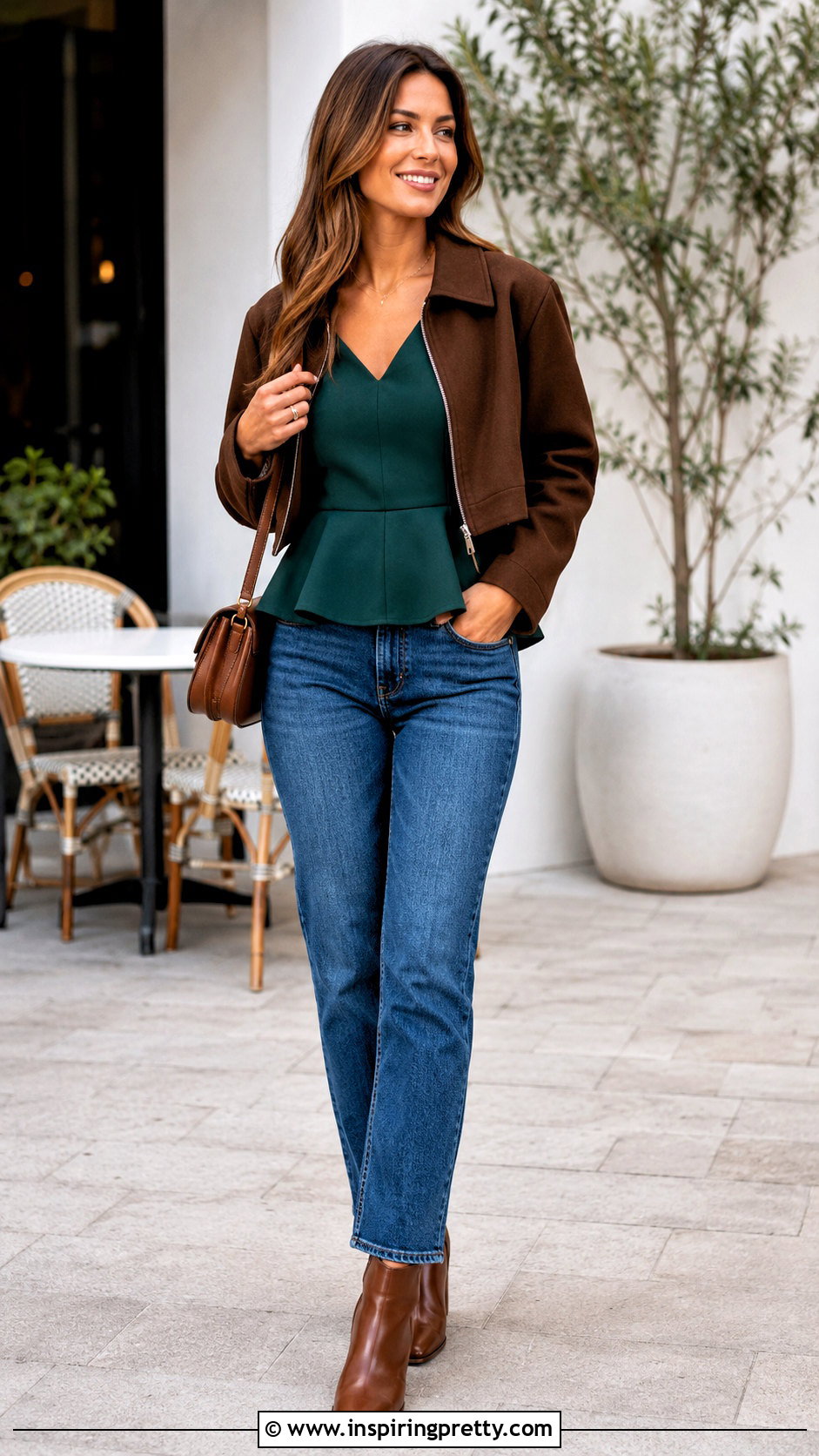
The peplum is a separate flared piece sewn onto the bodice at the waist, so the position of that seam is everything. It should sit at your natural waist; if it lands lower, it adds width to the hips. Black, navy or deep green over straight blue jeans with no heavy distressing. Longer torsos may like a deeper peplum; petite frames, a shorter, softer one. Sleek ankle boots and a structured crossbody. A cropped jacket that ends above the seam keeps the shape visible; anything longer hides it.
12. Fall Ribbed Turtleneck With Plaid Pants
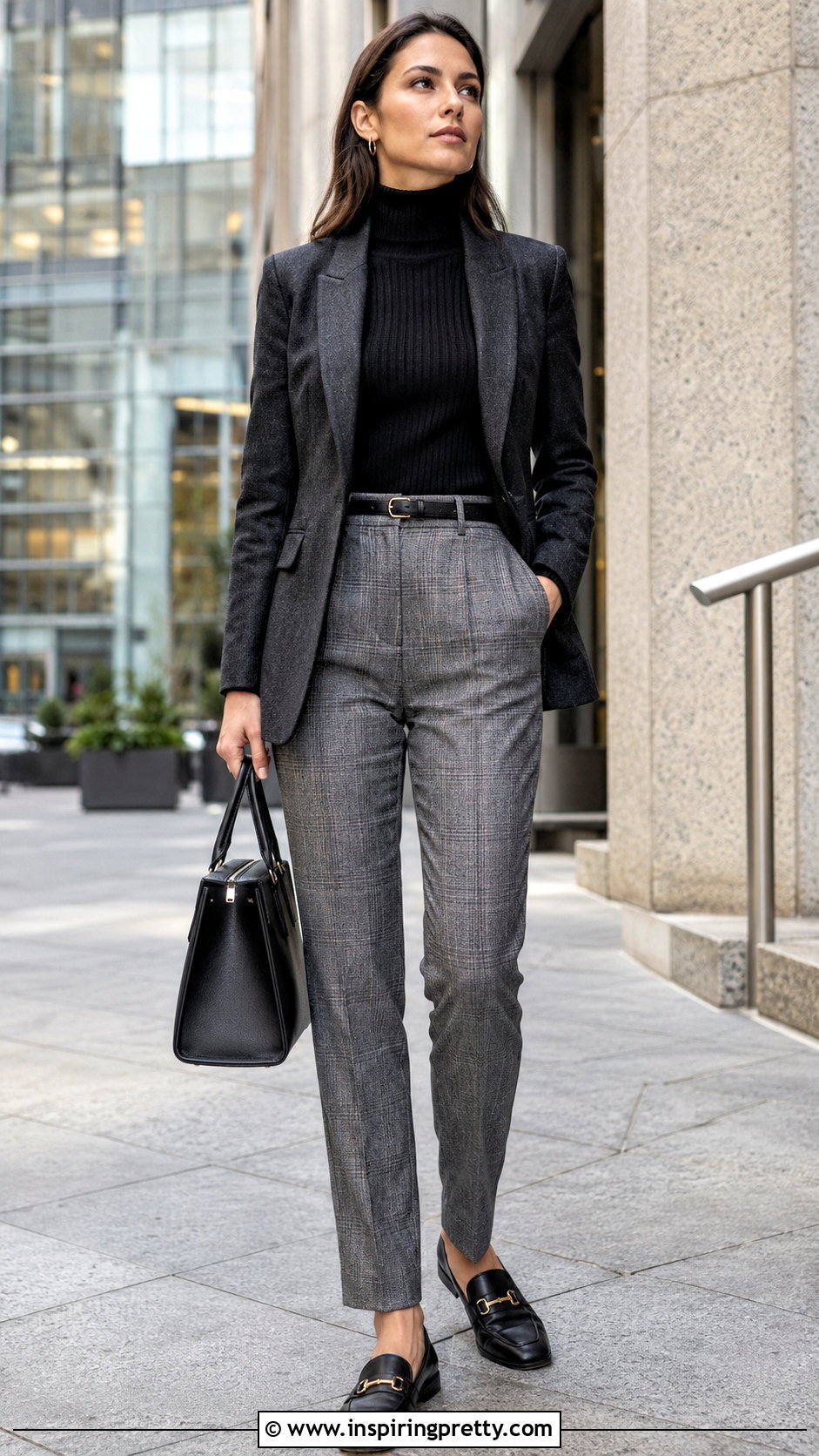
A fine rib is knitted in alternating columns, which makes it stretch sideways and hug the body, so it layers under a blazer without adding width. Black, cream, burgundy or chocolate with high-waisted plaid trousers. The plain top lets the pattern lead. Loafers or low ankle boots, a leather belt, a structured bag. If fabric at the neck bothers you, a mock neck is lower. Straight, tapered or softly wide trousers all work depending on your hip. Rib knits do stretch out at the neckline if hung, so fold them.
13. Fall Oversized Button Down With Leggings
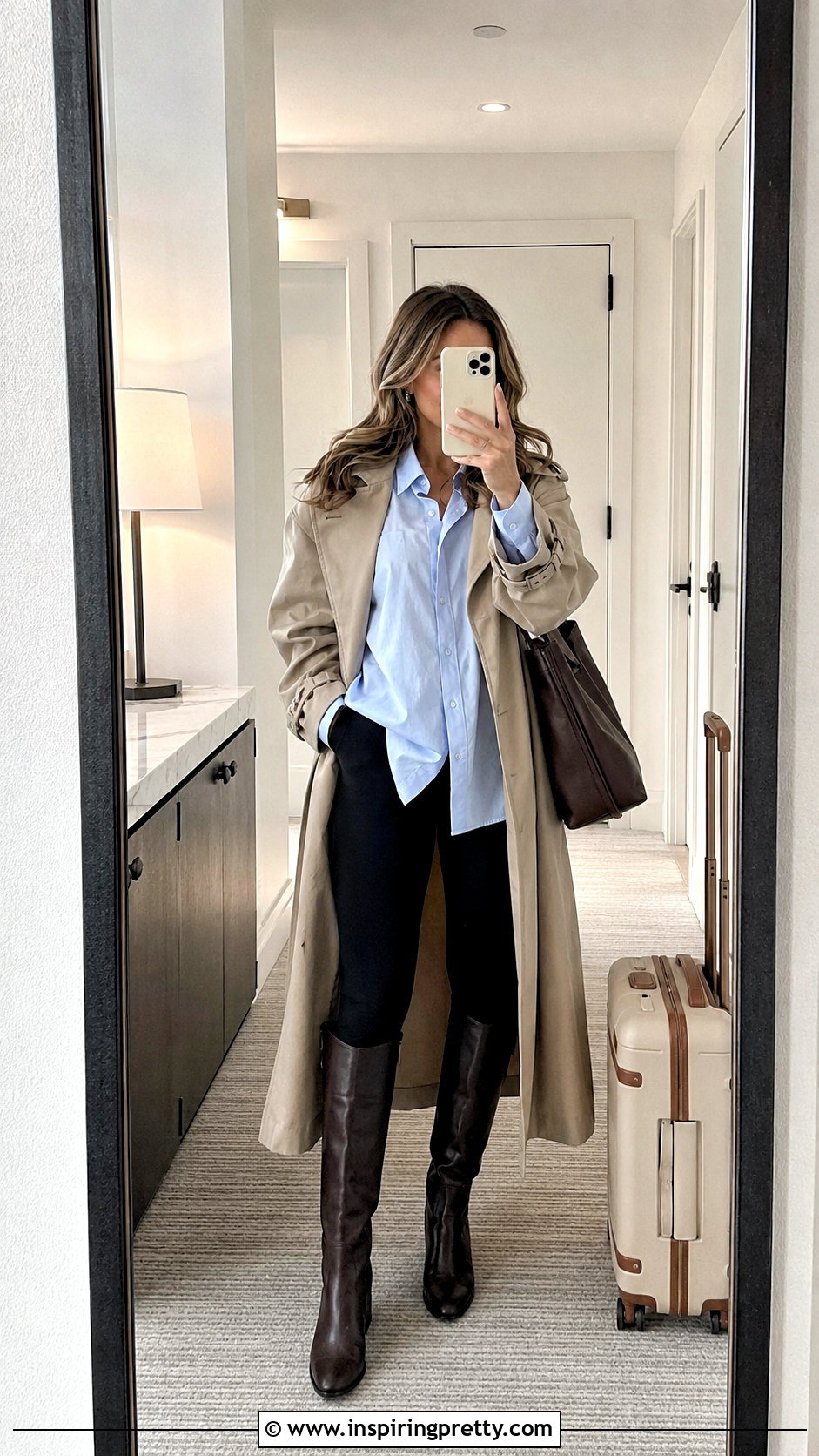
An oversized shirt with leggings needs a fabric with body, a substantial cotton or oxford weave, not a thin poplin that clings. White, pale blue or narrow stripes, with a hem long enough for the coverage you want; check it from behind. Thick black ponte leggings, not thin athletic ones. Knee-high riding boots, a tote and a longline trench or wool coat. Leave it untucked and roll the cuffs. A tank or tee underneath stops gaps between buttons showing skin. For travel and errand days, it's comfortable and still looks finished.
14. Fall Cropped Cardigan With Midi Skirt
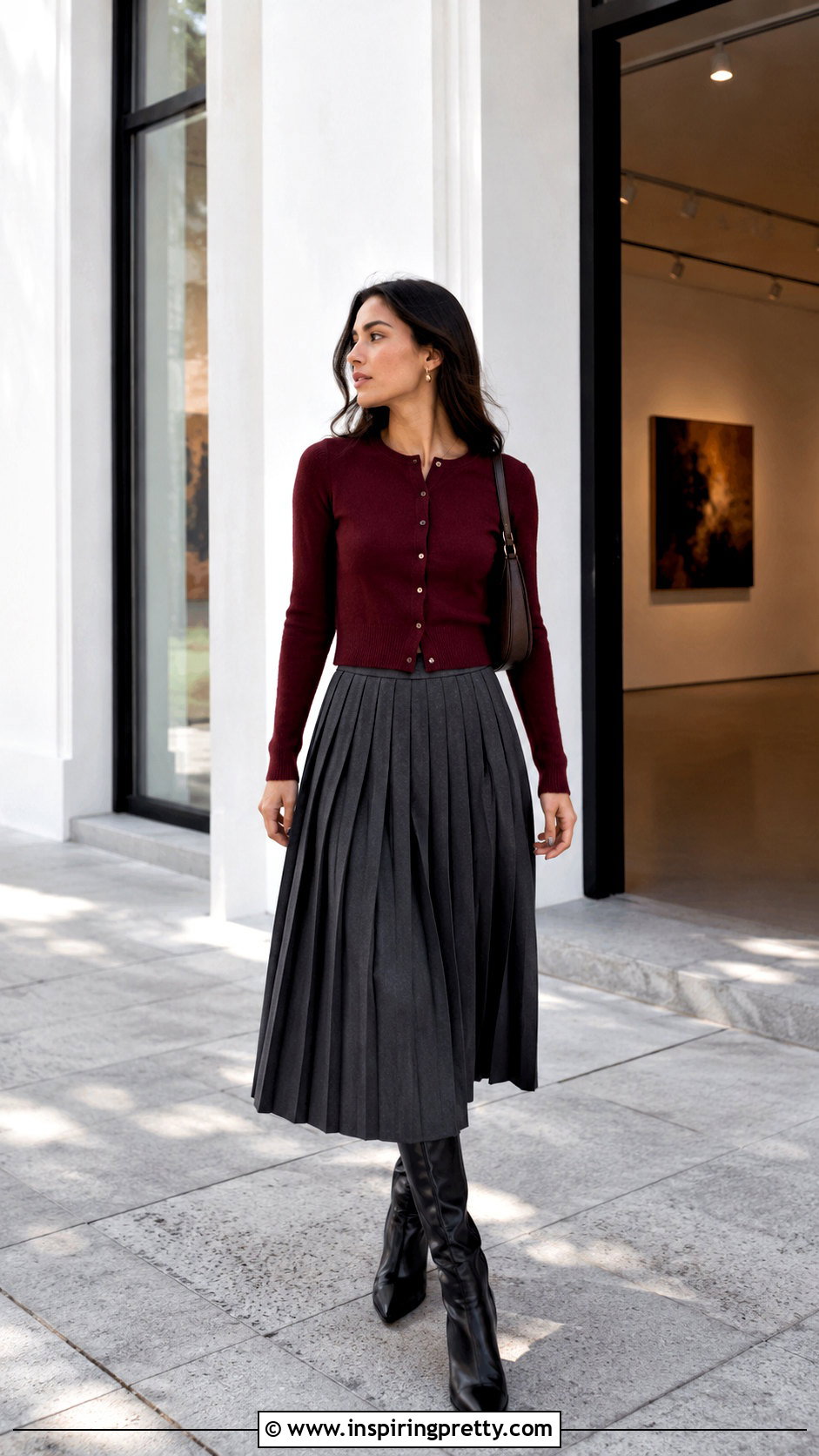
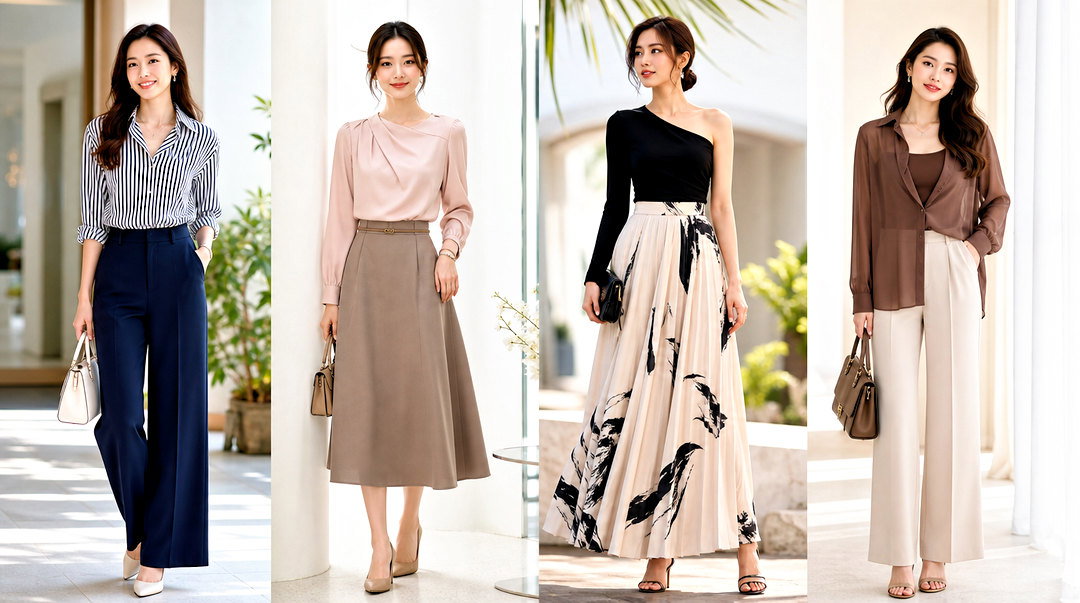
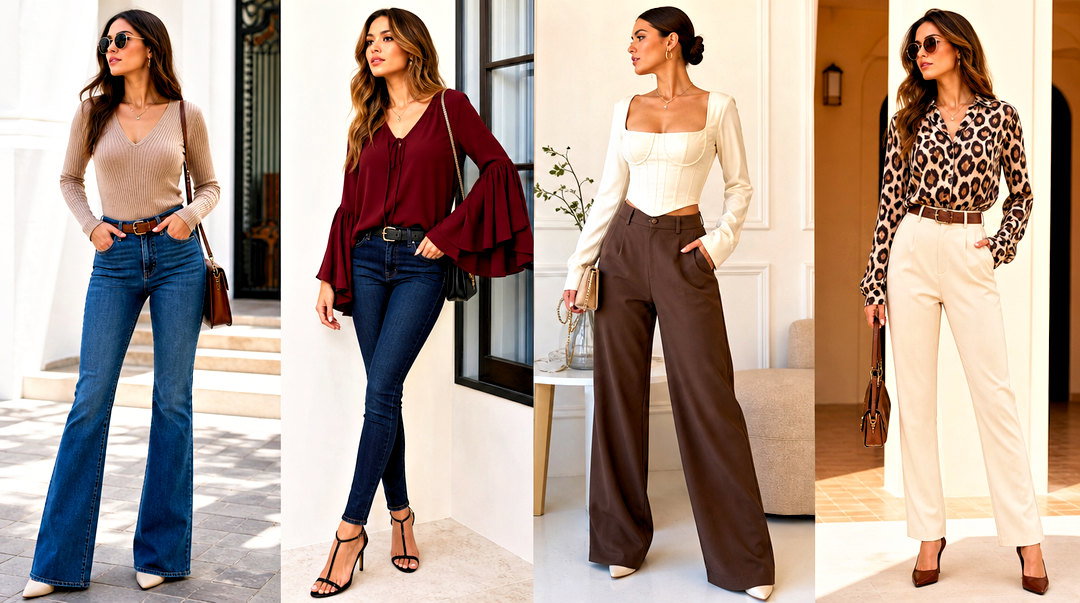
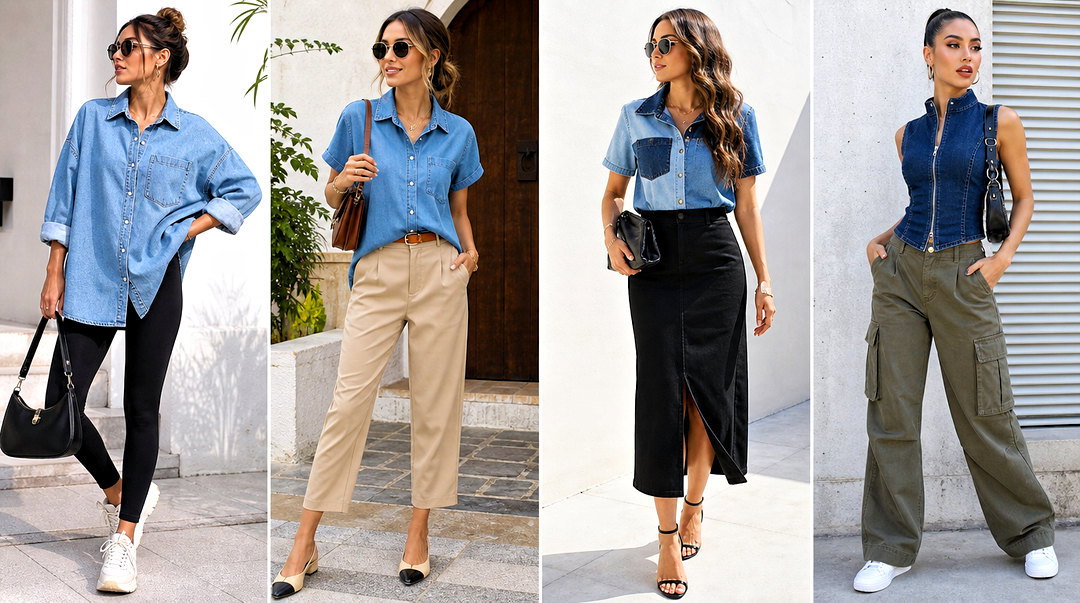
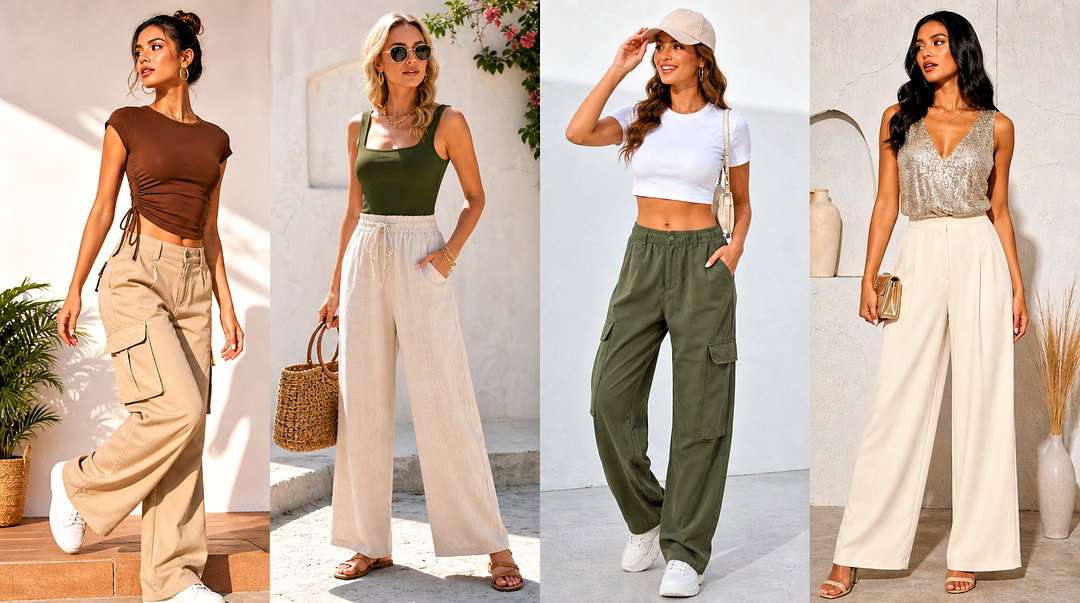
A cropped cardigan worn as a top should finish right at the skirt waistband. A gap of skin between them is the most common fitting problem. Burgundy with a charcoal pleated midi is striking; cream, navy and brown work too. Buttoned up, with a fitted tank underneath if the neckline is low. Knee-high boots, a small bag, delicate earrings. If you'd like less focus on the waist, choose a longer cardigan and leave the bottom button open. Check the buttonholes are reinforced; loosely knitted ones stretch and the cardigan slides open.
15. Fall Sweater Vest With White Shirt
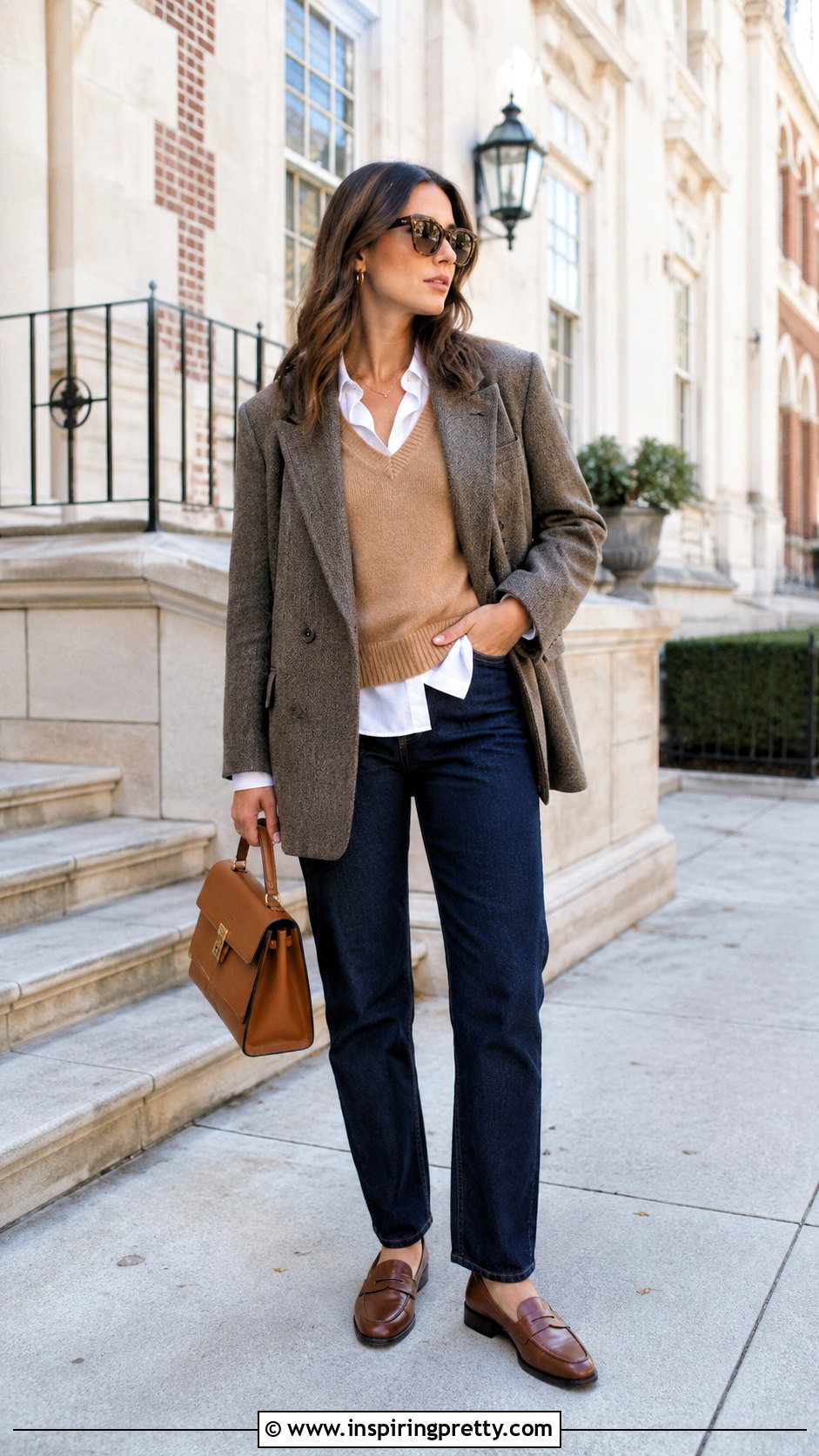
The armholes on a sweater vest are the detail I check first. Cut too high, they pinch the shirt underneath; too deep, they show the shirt's side seam. A V-neck vest in camel, charcoal, navy or burgundy over a relaxed white shirt. Straight trousers for the office, dark denim for casual days. Let the cuffs and a little of the hem show, but keep bulk off the hips by tucking the shirt in. Longer vests cover more; cropped ones mark a high waist. Loafers, a satchel and a watch. A trench or oversized blazer in the cold.
16. Fall Off Shoulder Sweater With Maxi Skirt
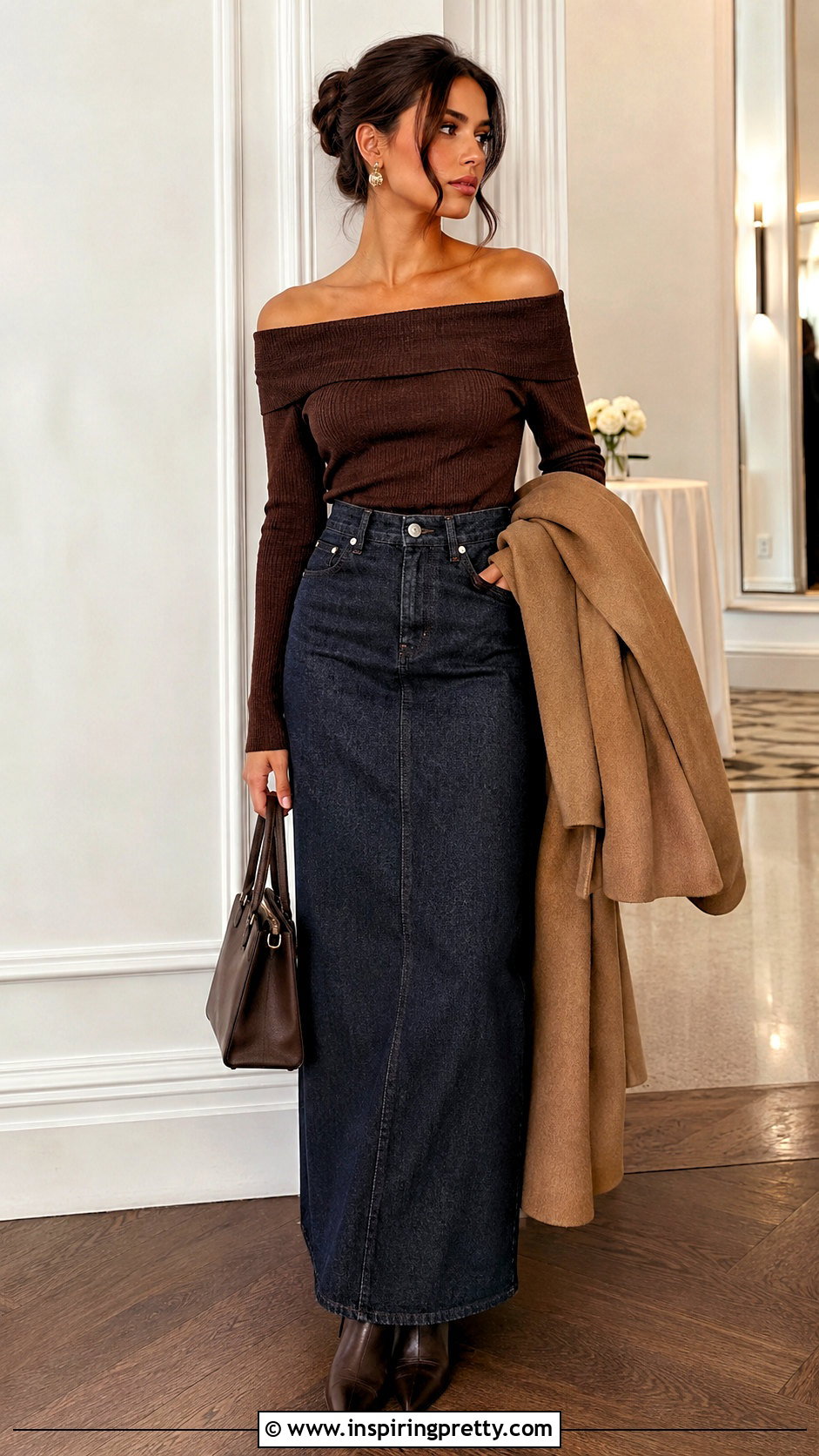
An off-shoulder sweater only stays up when its neckline band is knitted firmer than the body, or has elastic inside. A loose neckline slides all day. A fitted charcoal or chocolate sweater over a high-waisted denim or knit maxi. Pointed ankle boots and a structured bag. Skip necklaces; small statement earrings suit the bare shoulders. A strapless base layer adds warmth, and a long coat goes over the shoulders outdoors. A one-shoulder neckline is a sturdier alternative. Indoor celebrations, dinners and mild days.
17. Fall Lace Blouse With Leather Pants
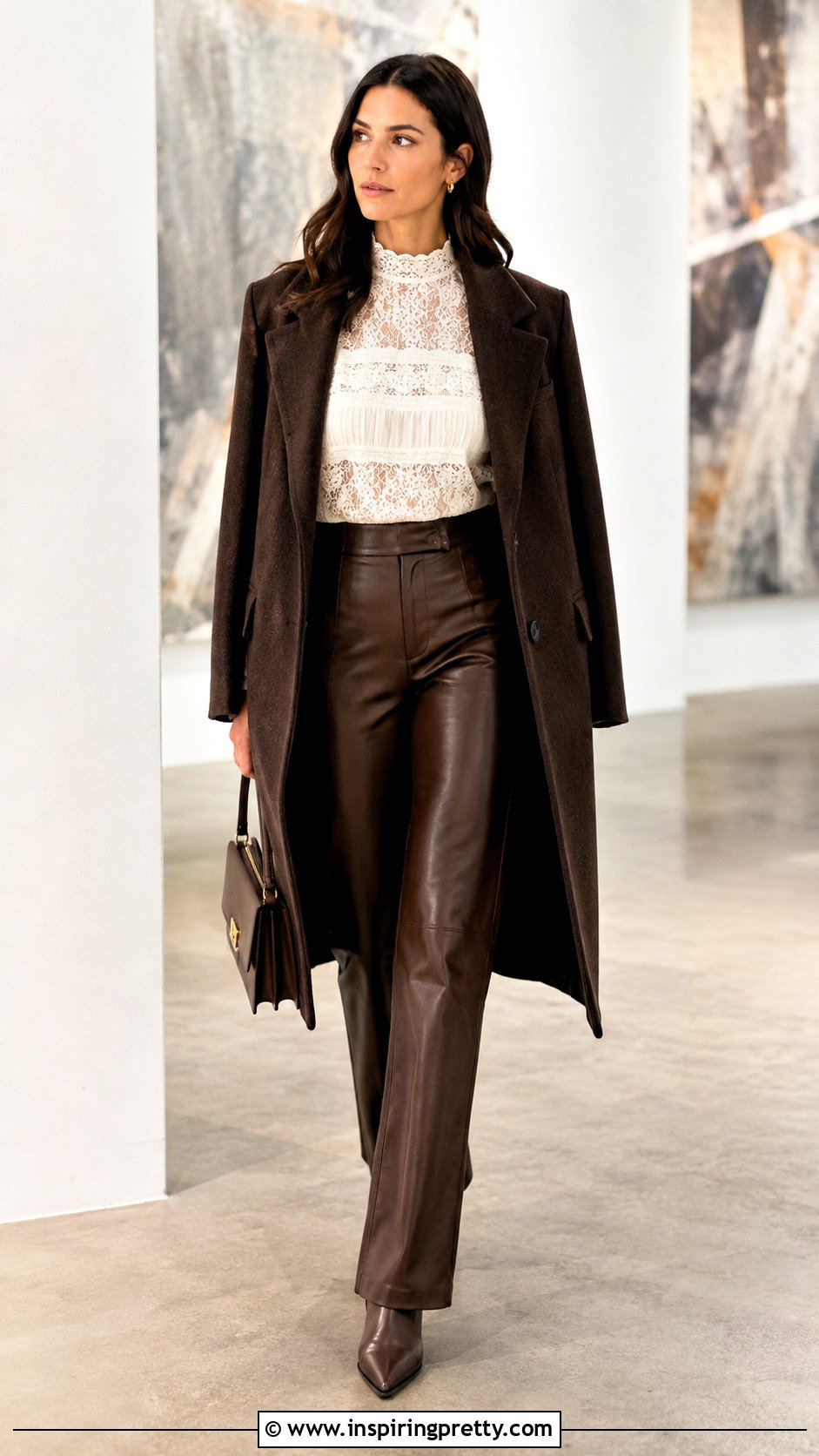
Lace is the most fragile fabric on this list. Its open net snags on rings and zips, and unlined lace is see-through. I look for lined panels and long sleeves in ivory, black or burgundy. Straight faux leather trousers give a hard, smooth contrast. Pointed boots, a compact bag, plain earrings. Tuck a relaxed blouse at the front; leave a shorter one out. Dark brown leather is softer than black. A tailored wool coat goes over it, because bulky jackets with rough linings snag lace. Hand-wash or use a mesh bag on a delicate cycle.
18. Fall Half Zip Sweater With Cargo Pants
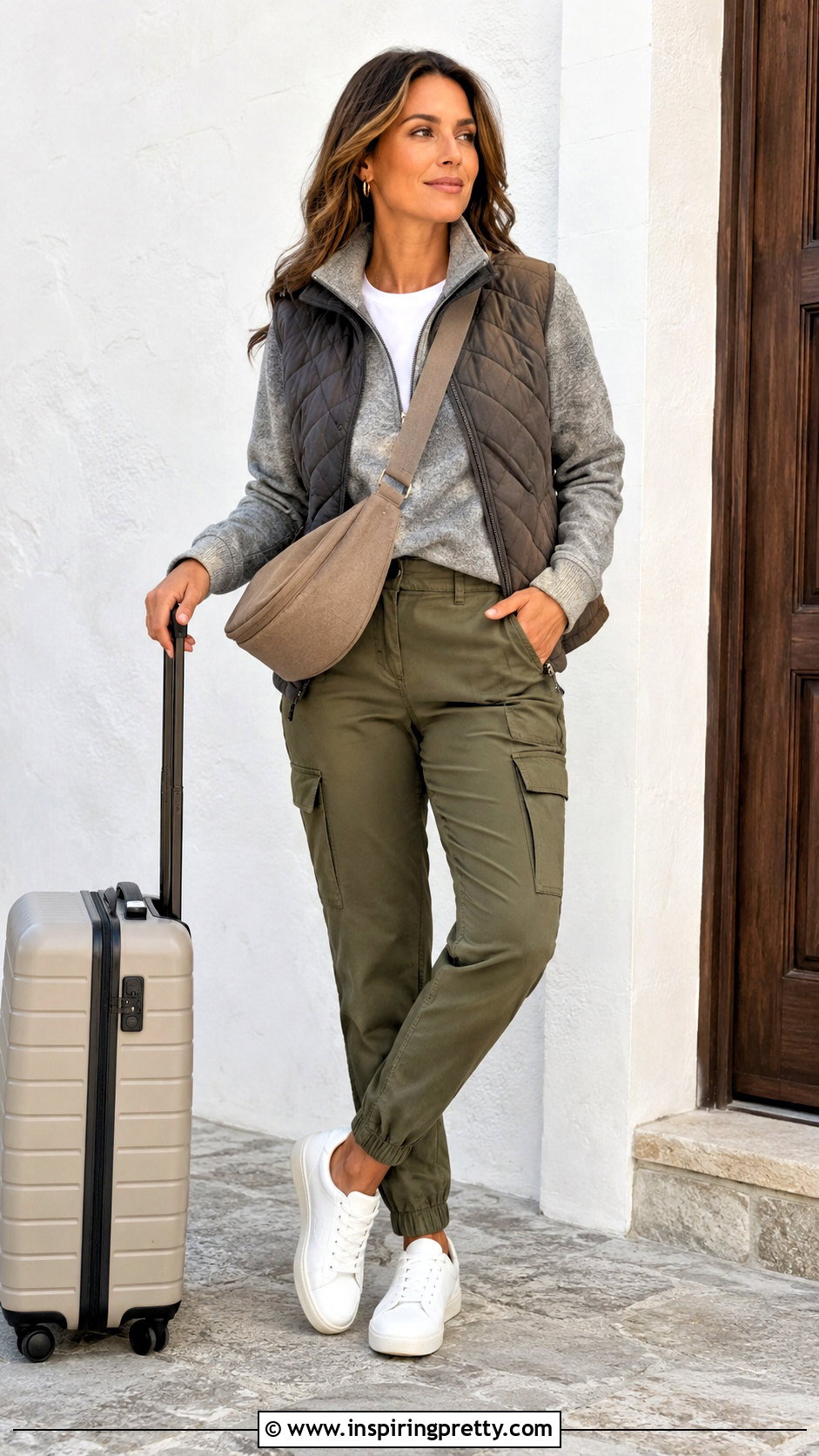
A half-zip has a zip set into the front of the neck, and a cheap one will ripple the knit around it. I look for a zip that lies flat when closed. A medium-weight knit or sweatshirt-style design in heather grey, navy, olive or cream with relaxed cargos that sit firmly at the waist and taper at the ankle. Streamlined sneakers, a crossbody and small hoops. Open the zip over a white tee, close it for warmth. Huge sweater plus very baggy cargos only works if you want a loose shape. A quilted vest in colder weather.
19. Fall Puff Sleeve Top With Wide Leg Jeans
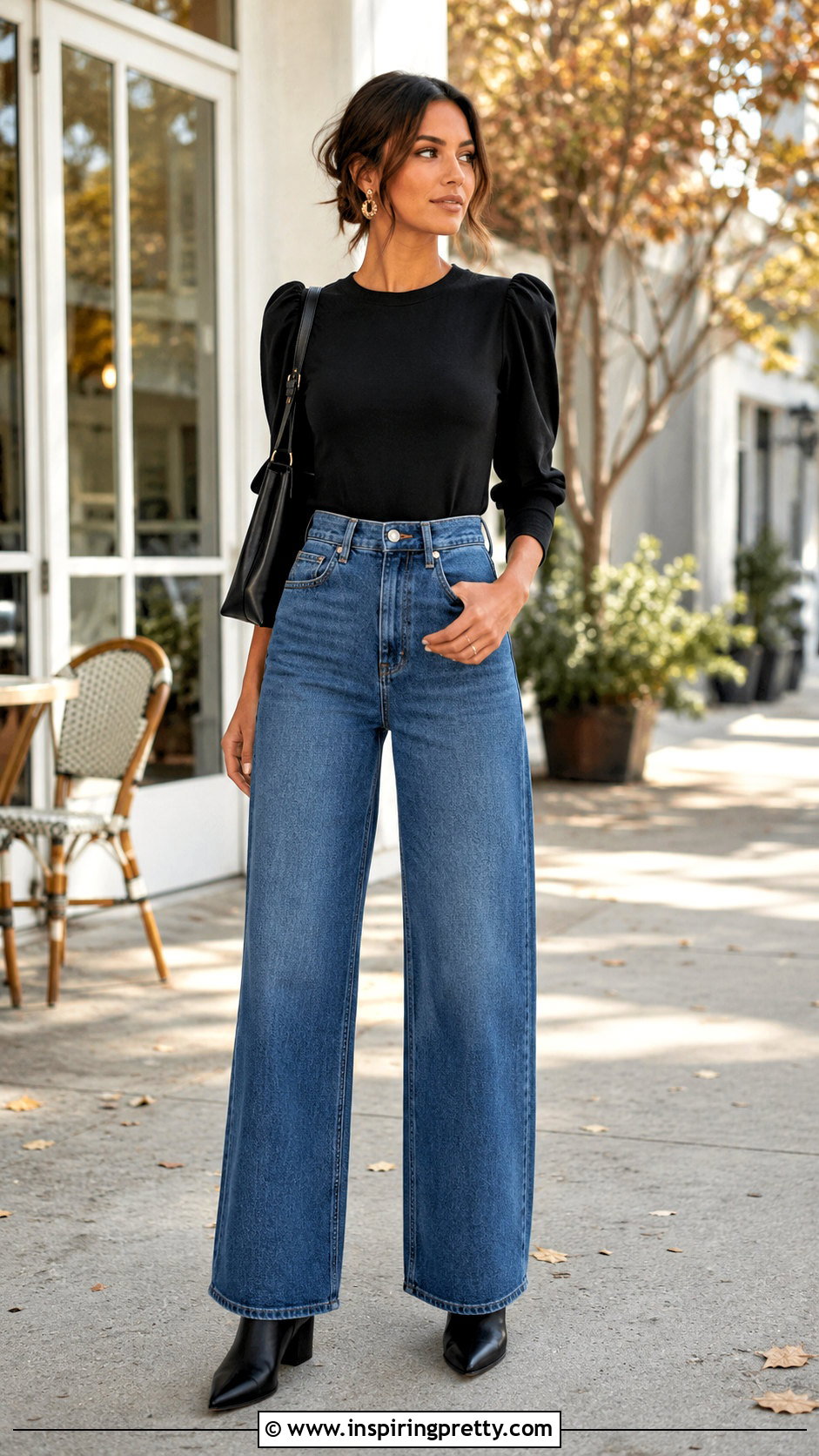
Puff sleeves are built by gathering extra fabric into the armhole, and the fabric decides how they behave. Soft cotton or crepe sleeves collapse gently under a coat; stiff taffeta-like fabric gets crushed and stays creased. A fitted black, cream or floral top tucked into high-waisted wide-leg jeans. Broader shoulders suit a gentle gathered sleeve; narrow shoulders can take a stronger puff. Pointed ankle boots and a structured bag. Keep jewellery small, since the sleeves already add volume. A roomy coat with a wide armhole avoids flattening them.
20. Fall Shacket Top With Black Jeans
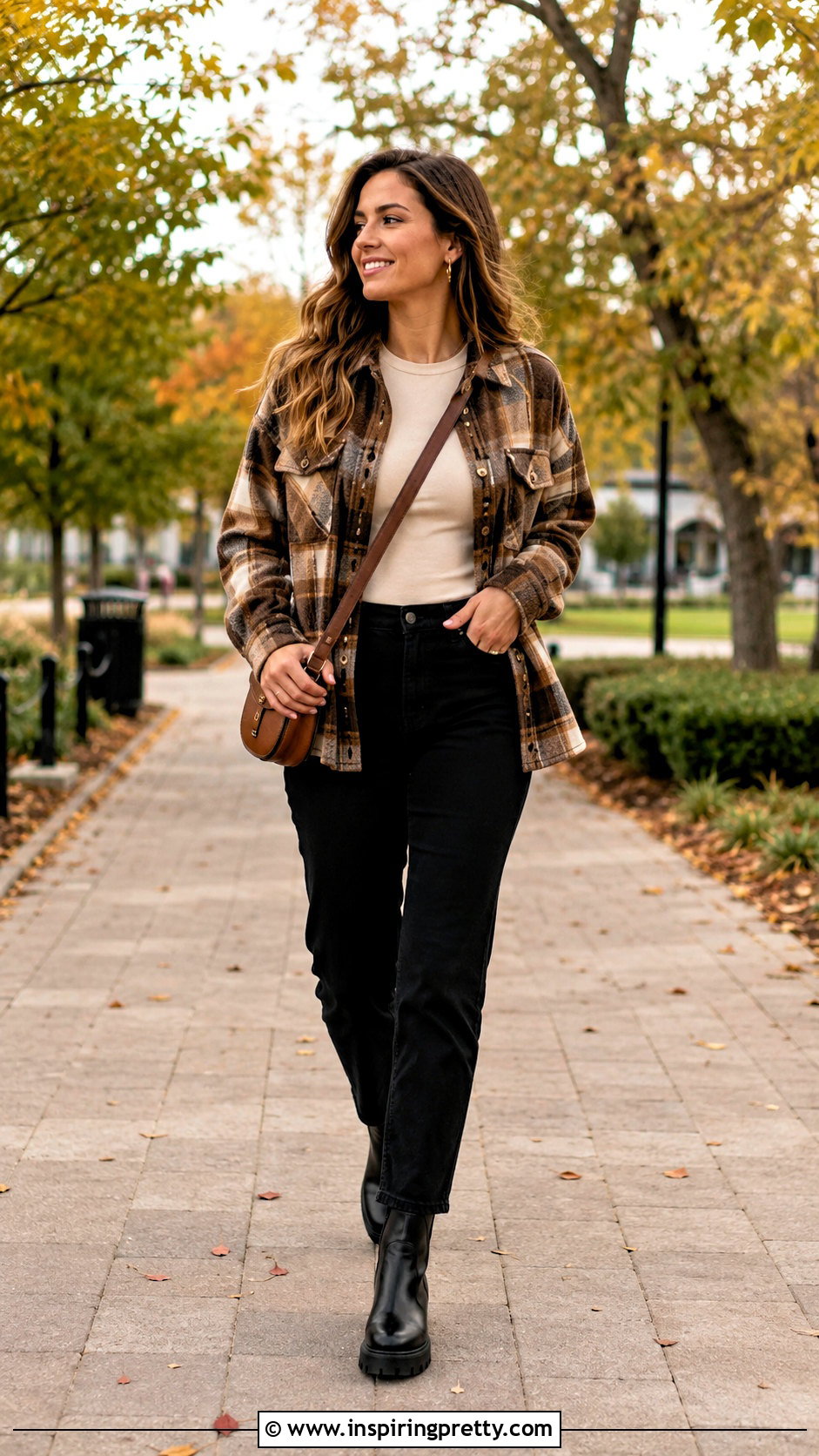
A shacket is a shirt cut from jacket-weight fabric, so it can be a top or an outer layer. A substantial shacket in brushed plaid, corduroy, denim or wool blend should be relaxed but not boxy. Button it over a fitted tee with black straight jeans, or wear it open. Half-buttoned with the front edge tucked gives a bit of shape. Lug-sole ankle boots, a leather crossbody, simple earrings. On a petite frame, hip length is better than extra long. A solid one is easier to mix with printed scarves and bags.
What a Tailor Can Fix on a Fall Top
Many tops that almost fit can be made to fit for the cost of a small alteration. Knowing what's easy saves you from buying a replacement.
Usually Easy
Shortening a woven hem or sleeve, taking in side seams on a blouse, adding darts to a boxy shirt, swapping cheap buttons for better ones and adding a hidden snap where a button gapes. These are routine jobs for most alterations shops.
Usually Not Worth It
Moving shoulder seams, lengthening anything, and big changes on knits. Cutting a knitted sweater can make it unravel unless it's done with specialist finishing. Lace and sequined tops are also tricky, because the pattern or beading has to be removed and reattached at the seam. If a top needs one of these, I'd pass on it unless you love it.
Construction Outlasts the Season's Trends
The tops worth buying are the ones that make several outfits. Cosy knits, polished blouses, sporty layers, a print or two and plain basics cover most autumn days. Straight jeans and loafers for casual, tailored trousers for work, a midi skirt and boots when you want to dress up. You don't need every trend. Choose colours, necklines and fabrics you're comfortable in, and check how each top is made before buying. A well-sewn top with a good fabric will carry you through changing temperatures for several years, not just one season.
Related posts:


Leave a Reply