Budget basics are easy to order and annoying to return, so it pays to understand how a label sizes its tops before you click. Time and Tru cuts its tees, tanks, blouses and sweatshirts in straight sizes, extended sizes and, on some styles, plus sizes, and the same letter can fit very differently depending on the fabric and the cut. Many of its tops run XS through XXXL, while some relaxed tees and sweatshirts go up to 4X. The size guide on the specific product page is always the final word, because each design is graded separately. Before ordering, I'd measure bust, waist, shoulders and the top length you like. Below, I go through twenty kinds of tops and how I'd choose a size for each.
Ease Is the Number Nobody Prints
A size chart lists body measurements: the bust, waist and hip of the person the size is meant for. The garment itself is cut bigger than that, and the difference is called ease. A slim ribbed tank might have almost none, or even be cut a little smaller than the body so the stretch pulls it close. A relaxed tee has a few inches. An oversized sweatshirt has a lot.
This is why two tops in the same letter can feel completely different. When I size a top, I look for three clues in the listing:
- The fit word. Slim, regular, relaxed and oversized tell you roughly how much ease to expect.
- The fiber. Spandex or elastane in the blend means it can fit close without feeling tight; 100 percent cotton or a woven fabric means it can't.
- Garment measurements, if shown. These are the actual flat widths of the top, and they're more useful than the body chart. Double a chest width taken armpit to armpit to get the full circumference.
1. Time And Tru Women's Tops General Size Chart
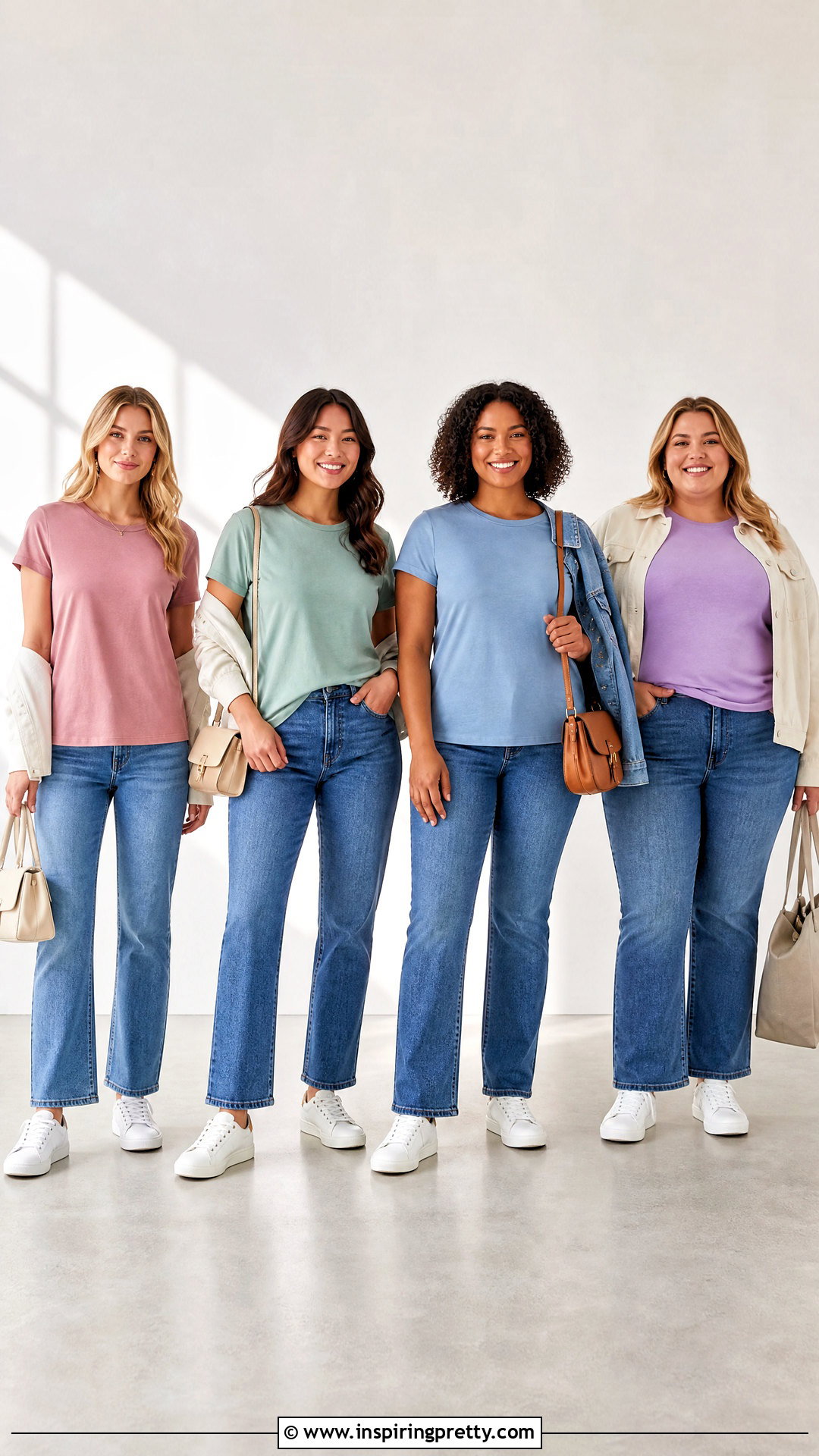
When a listing only gives letters, this is the rough conversion I use as a starting map: XS around 0 to 2, S around 4 to 6, M around 8 to 10, L around 12 to 14, XL around 16 to 18, XXL around 20 and XXXL around 22. Plus sizes appear separately as 1X, 2X, 3X and 4X. These are body-size guesses, not garment measurements, so check whether the style is described as slim, regular, relaxed or oversized. For most tops, your full-bust measurement decides the size. If your shoulders or upper arms are broader, size for them instead. A little extra room at the waist is easy to style; tightness across the chest or back is not.
2. Time And Tru V-Neck Tee Size Chart
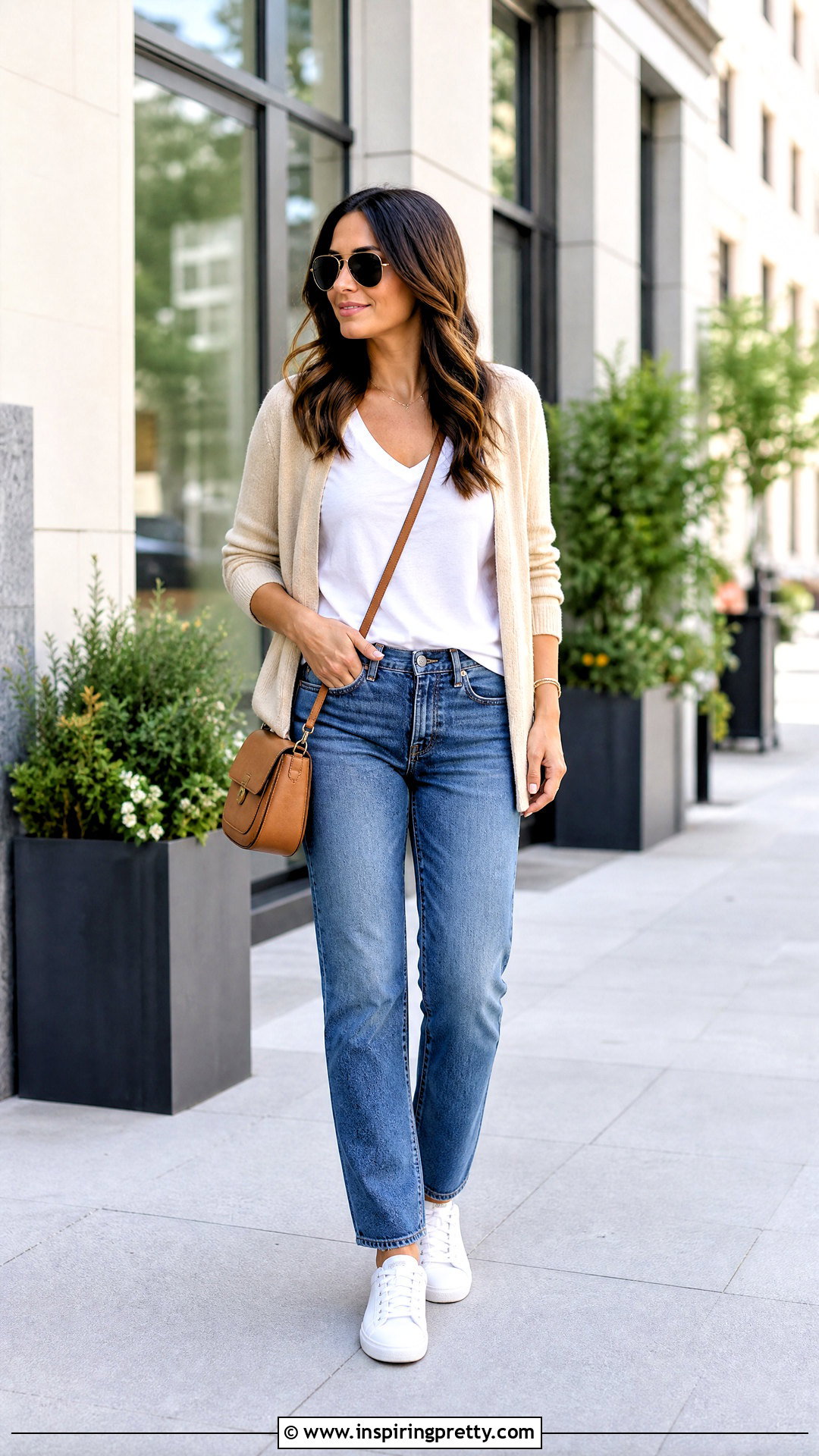
A V-neck tee tells you immediately when it's too small: the V gets pulled wide and flat, and horizontal lines appear across the chest. The brand's cotton V-neck is cut relaxed, in 100 percent cotton, and comes in XS through 4X. Your usual letter gives the intended easy shape. Size down only if you want it closer and your bust still sits comfortably inside the size guide. Size up for more drape, more room at the upper arm, or a loose front tuck. Pure cotton jersey can shrink in a hot dryer, so follow the care label. It goes with straight jeans, white sneakers, a light cardigan and a crossbody bag.
3. Time And Tru Crew Neck Tee Size Chart
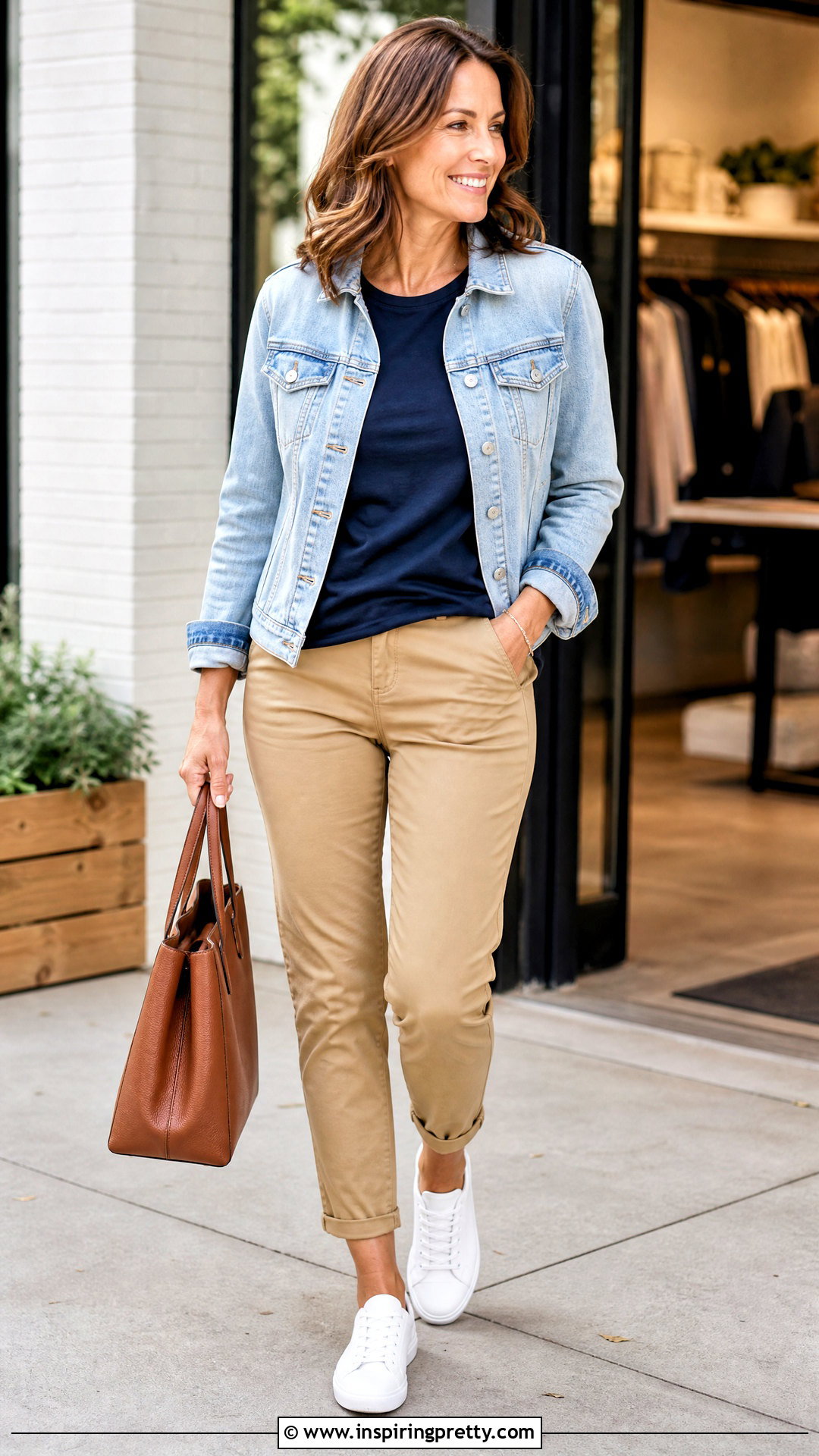
A crew neck sits high and close, so it shows shoulder and bust fit more than any other tee. The relaxed cotton crew is offered in straight and plus labels on some styles, up to 4X. Stay with your usual size if you want the shoulder seam on your shoulder bone. Go up one if the neckband feels tight against your throat, the sleeves grip your arms, or you want a longer, boxier tee. Sizing down gives a neater tuck but shortens the body. Ankle chinos, low sneakers, a denim jacket and a structured tote finish it. A well-sized crew should look relaxed, never stretched at the neckband.
4. Time And Tru Ribbed Tank Top Size Chart
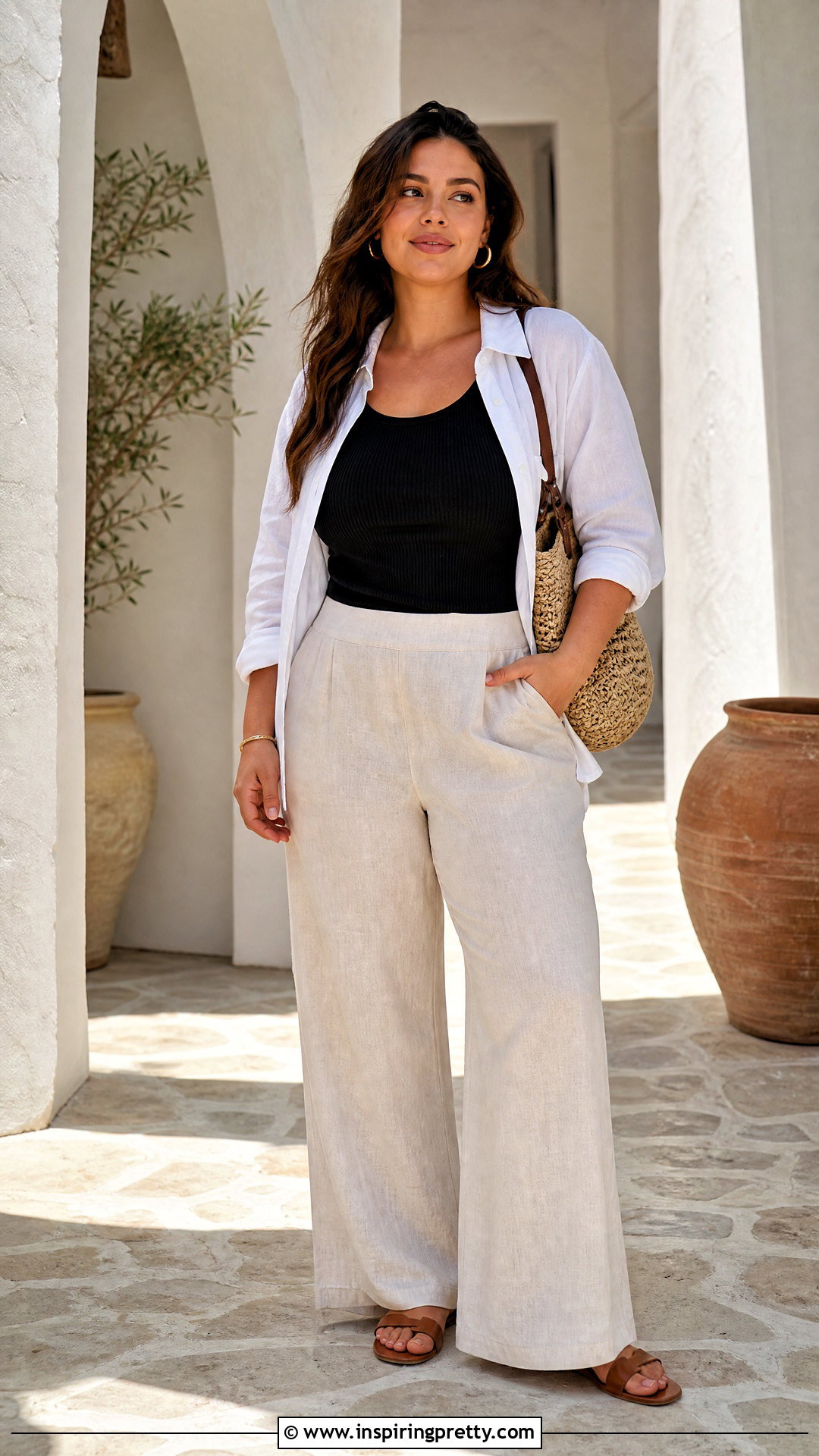
Rib knit stretches sideways and pulls back in, so the label size matters less than how the rib behaves across your bust. The ribbed tanks run XS through XXXL, in a slim fit made from a cotton, modal, and spandex blend. Your normal size gives a fitted tank to wear alone or under a shirt. Size up for less definition at the waist, deeper armholes or less pull across the bust. I wouldn't size down: overstretched rib opens up and goes see-through, and the neckline starts to gape. Wear it with wide linen pants, flat sandals and an open button-down.
5. Time And Tru Ribbed Tee Size Chart
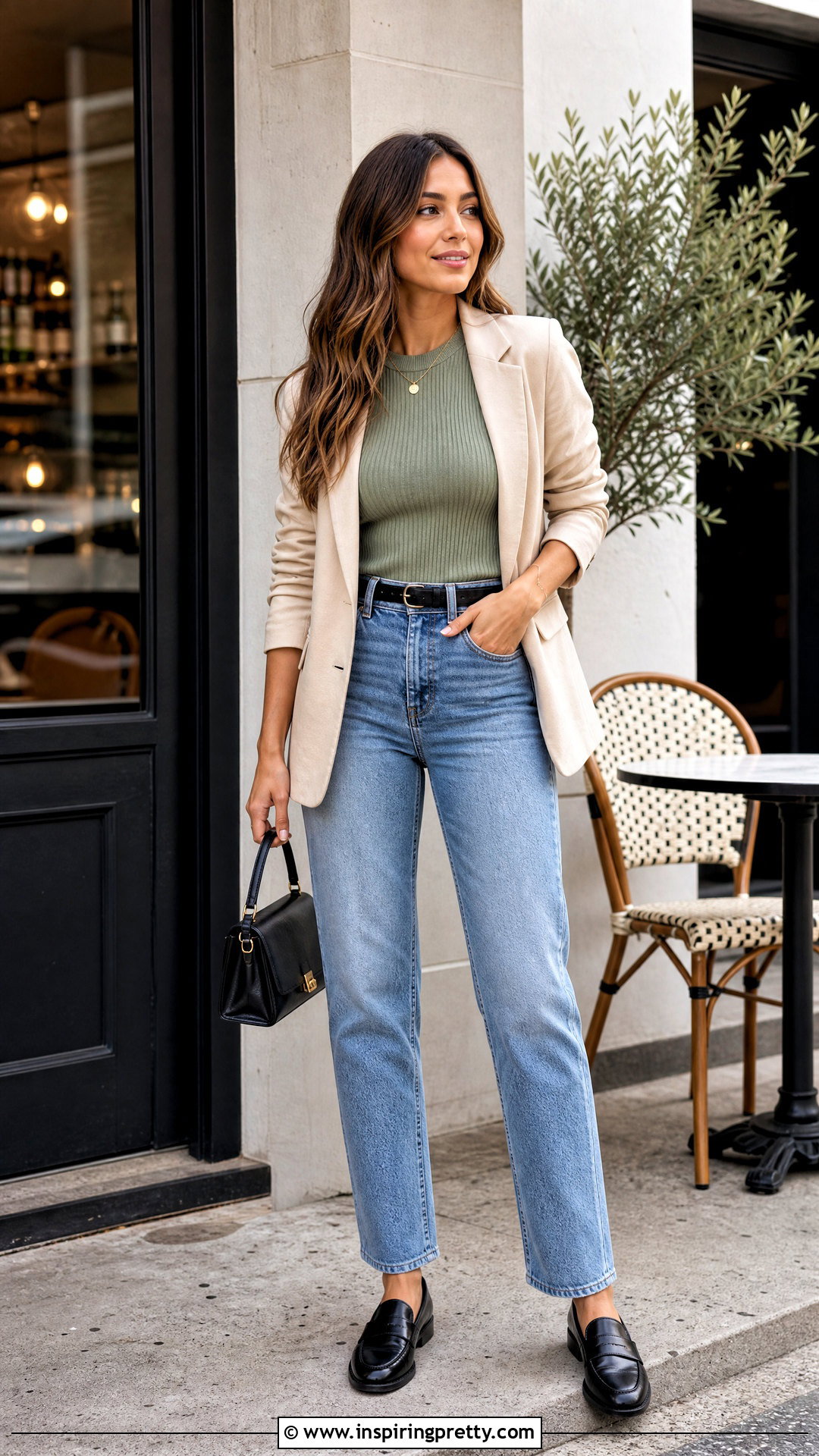
Short-sleeve ribbed tees hug more than plain cotton ones because the rib wants to spring back against the body. Use the bust and upper-arm numbers in the item's guide, then decide how fitted you want it. Your usual size gives a clean, close shape. One size up softens the line through the middle and the rib still shows. A smaller size can work as a base layer, but reach forward and lift your arms first; if the sleeve hems dig in, it's too small. High-rise straight jeans, loafers, a slim belt and a light blazer make this tee look deliberate rather than tight.
6. Time And Tru Button Down Shirt Size Chart
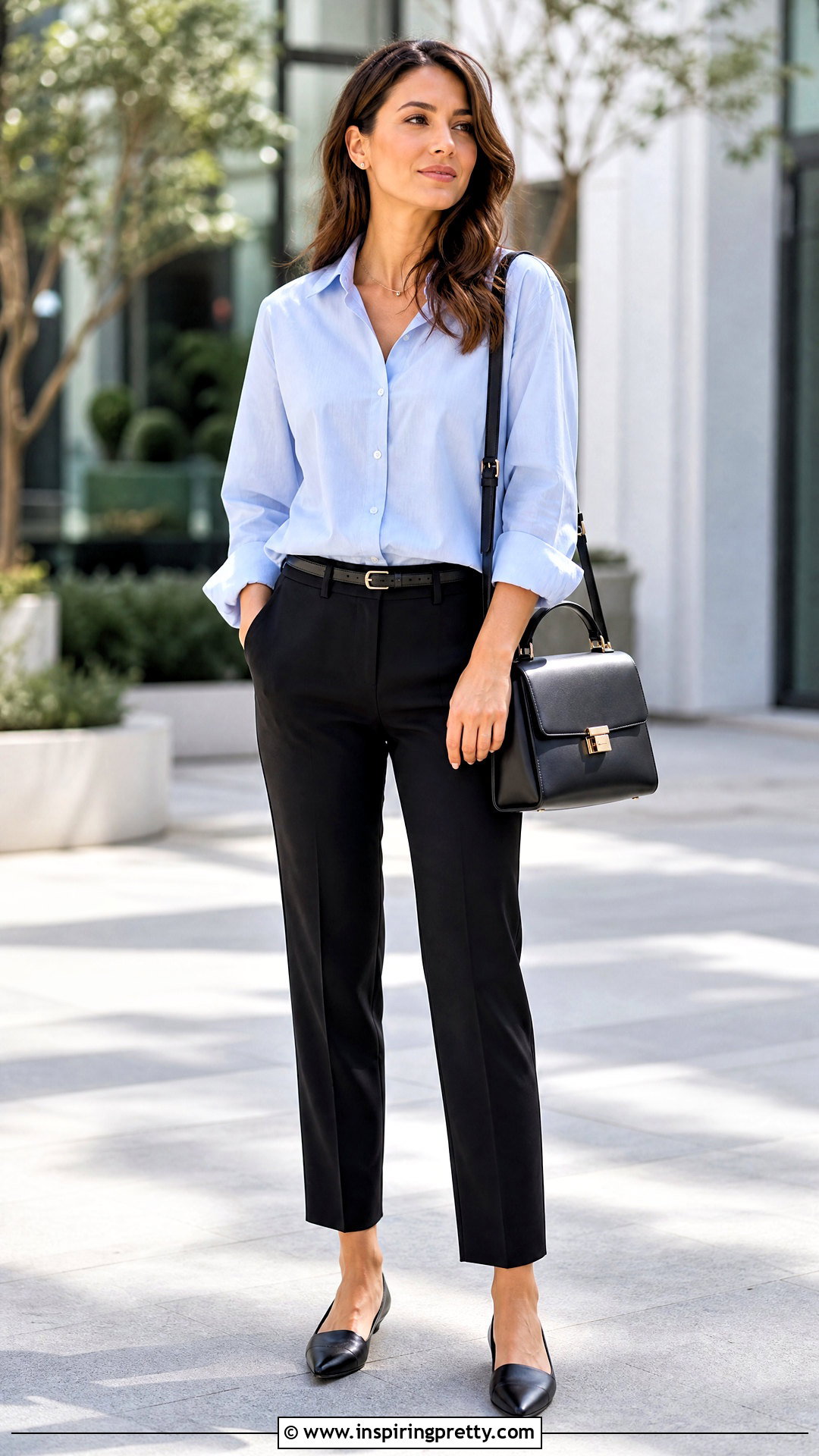
Button-downs get sized by the widest part of your upper body: bust, shoulders or upper arms. If the buttons pull open when you sit, the shirt is too small, however good the waist looks. A woven shirt has no stretch to cover for it. Your normal size fits a thin camisole underneath. Size up to wear it open as a layer or for a looser, tunic-like shape. Petite? Staying closer to your size avoids sleeves past the knuckles and a body that hangs to mid-thigh. Cropped trousers, pointed flats and a belt; roll the cuffs and leave the lowest button undone to free your stride.
7. Time And Tru Tunic Top Size Chart
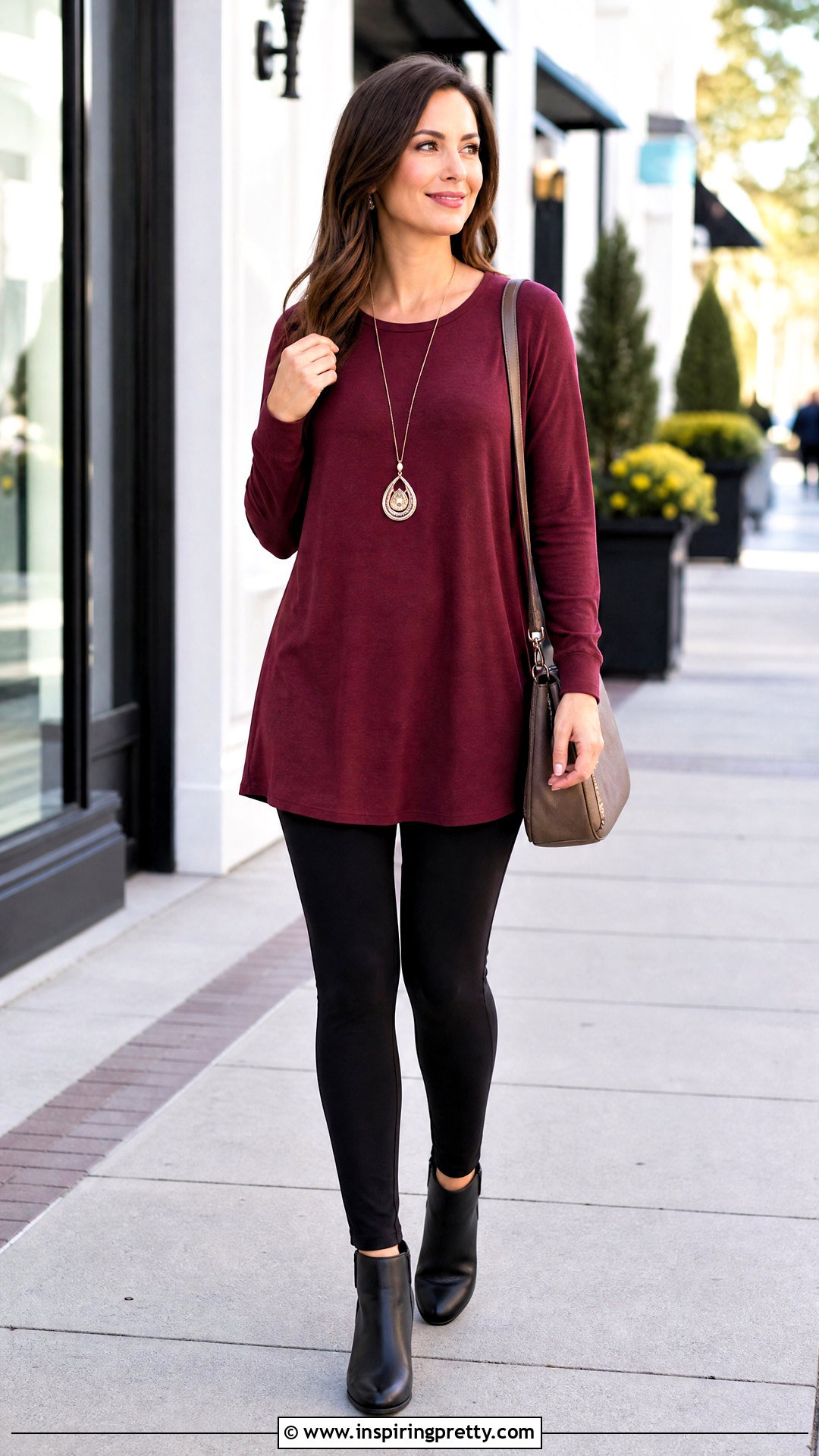
A tunic covers your hips, so it has to fit there too. I measure bust first, then compare the hip number whenever the lower part of the design is straight or narrow. Your usual size gives an easy drape that doesn't cling. Size up for leggings and more seat coverage. Sizing down shortens the tunic and changes where the hem falls, so do it with care. Thick ponte leggings, slim ankle boots and a long pendant work well. A tunic that's too narrow at the hip rides up and collects in folds at the waist, which is the clearest sign to go up a size.
8. Time And Tru Peplum Top Size Chart
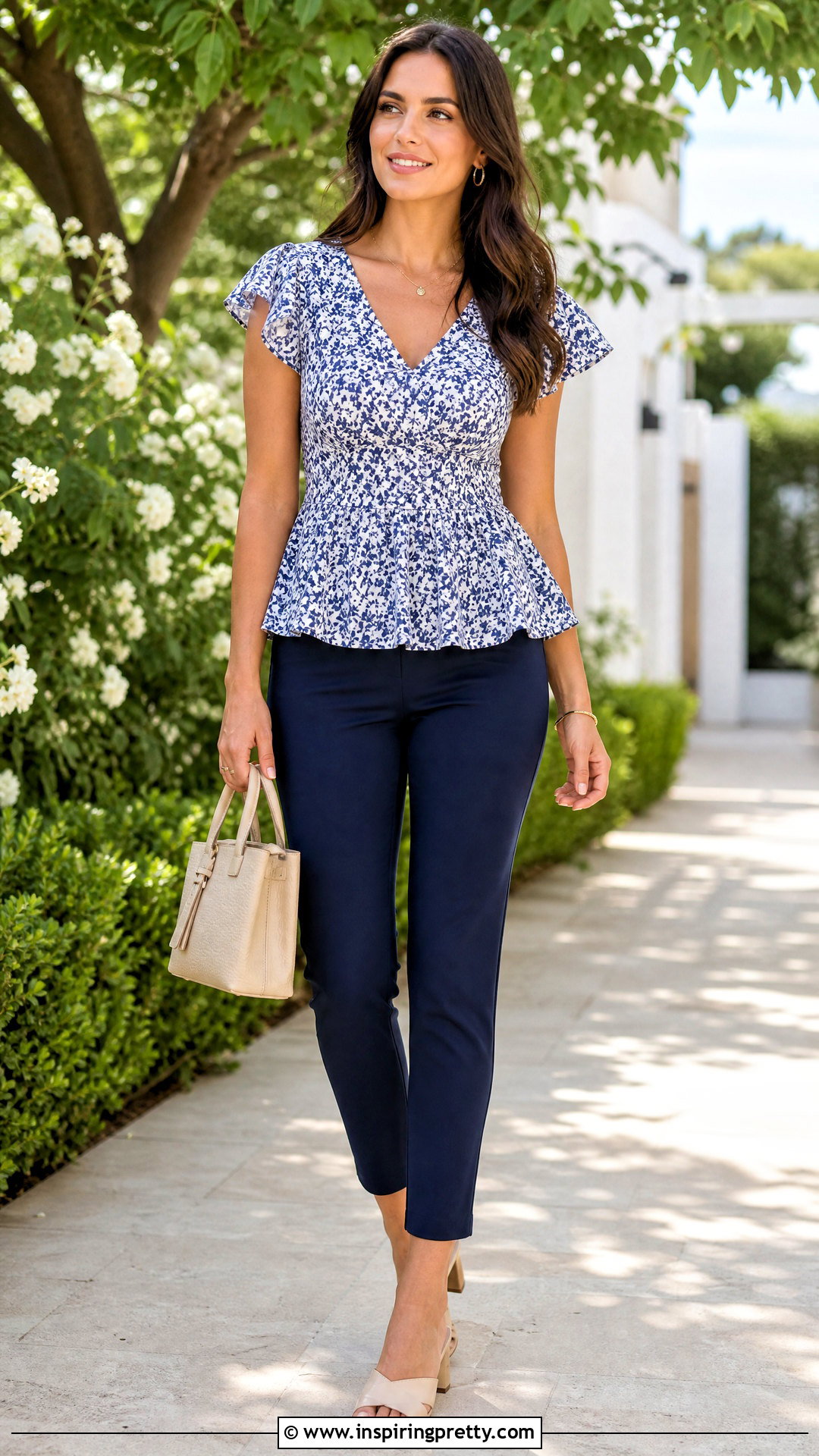
A peplum hangs from its waist seam, so that seam is where sizing succeeds or fails. Measure your bust and the point where the seam, elastic or tie will land. If that line sits above your natural waist, compare that exact spot to the guide. Your standard size is right if the bodice is comfortable and the flare starts without riding up. Go up if buttons pull, sleeves restrict you, or the seam lands too high. Don't size down to cinch the waist; a tight seam lifts and the flare splays out unevenly. Slim ankle pants and block-heel sandals keep the volume in check.
9. Time And Tru Eyelet Top Size Chart
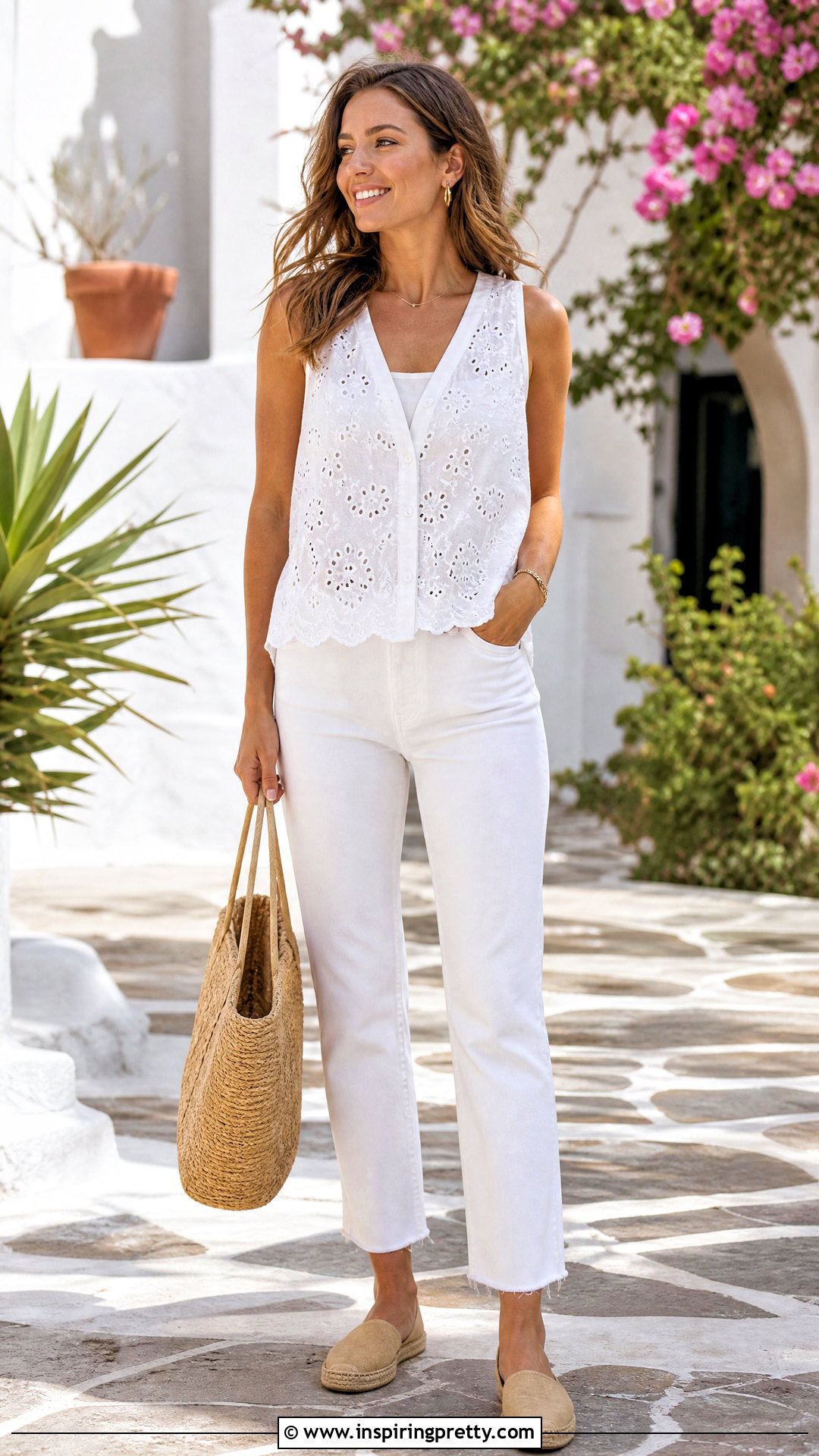
Eyelet is woven cotton with embroidered holes, and the embroidered areas have even less give than the plain parts. That's why an eyelet top can look relaxed on the hanger and feel tight across the back once it's on. Your regular size is the safest start for sleeveless and short-sleeve styles. Go up one if you're between bust sizes or want a camisole underneath. Check the armholes: they should cover the side of your bra without cutting in. Cropped white jeans, espadrilles, a soft camisole and a woven tote let the embroidery stay the focus.
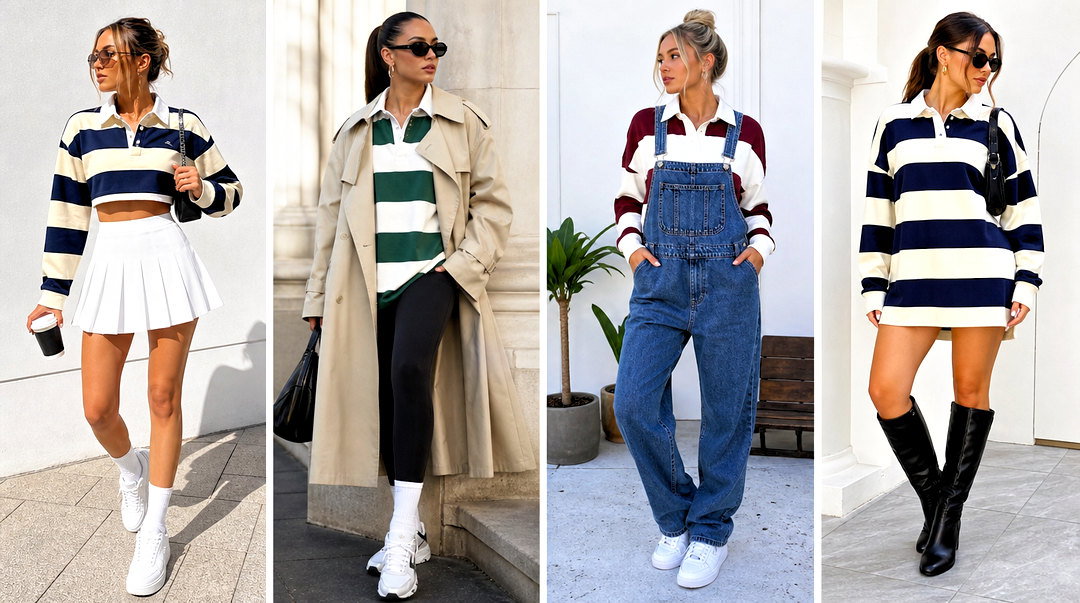
10. Time And Tru Thermal Top Size Chart
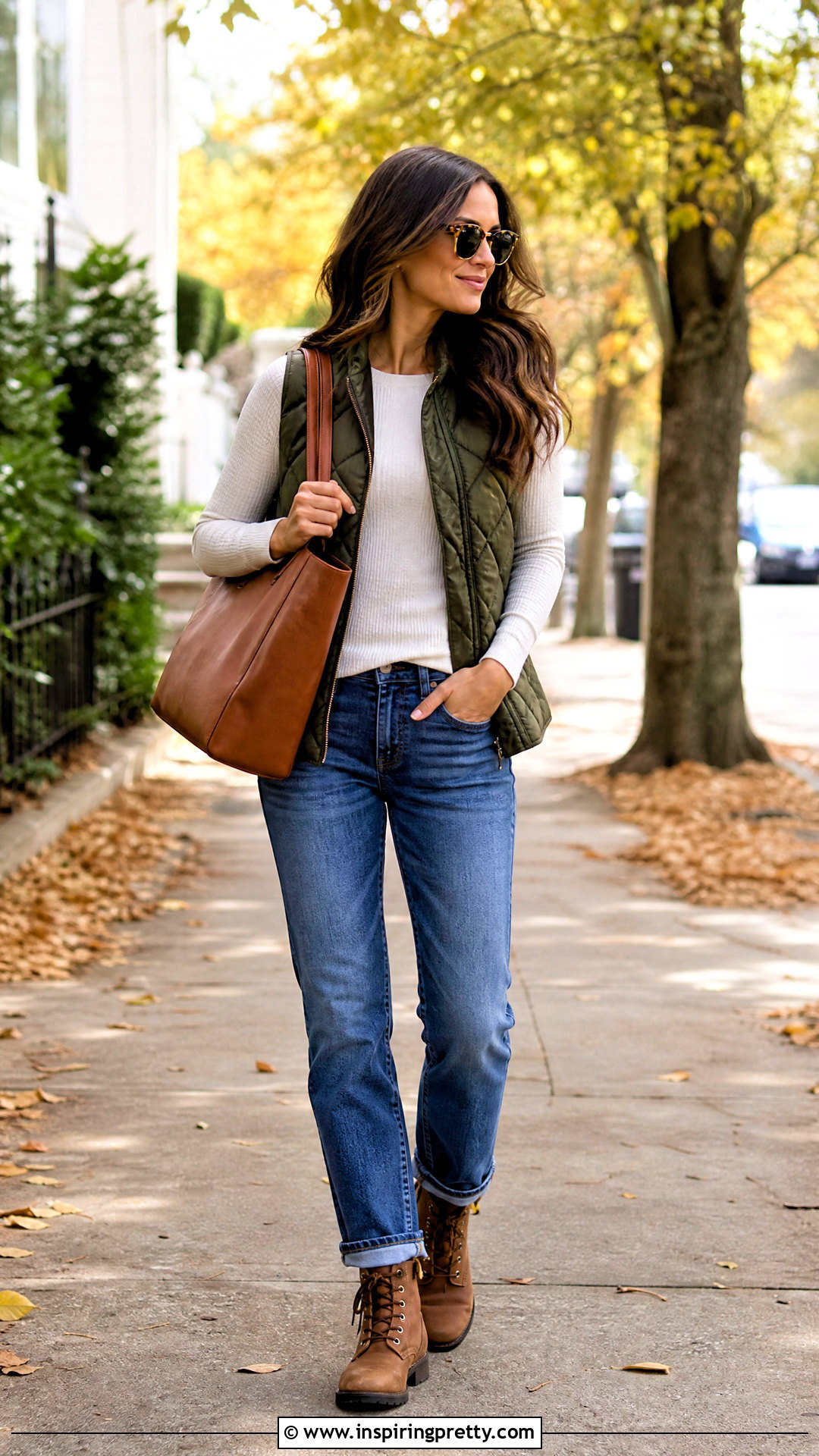
What's the thermal for? As a base layer under sweaters, I'd take the size closest to your measurements so it lies smooth and doesn't bunch at the elbows. Worn alone, your usual size or one up feels easier. Watch sleeve length; waffle-knit sleeves that are too long concertina at the wrist. Shoulder seams should sit near your shoulder, and the body should stretch without the waffle opening up and showing skin through. Relaxed straight jeans, lace-up ankle boots, a quilted vest and a tote make a practical cool-weather outfit that still shows the thermal texture.
11. Time And Tru Crewneck Sweatshirt Size Chart
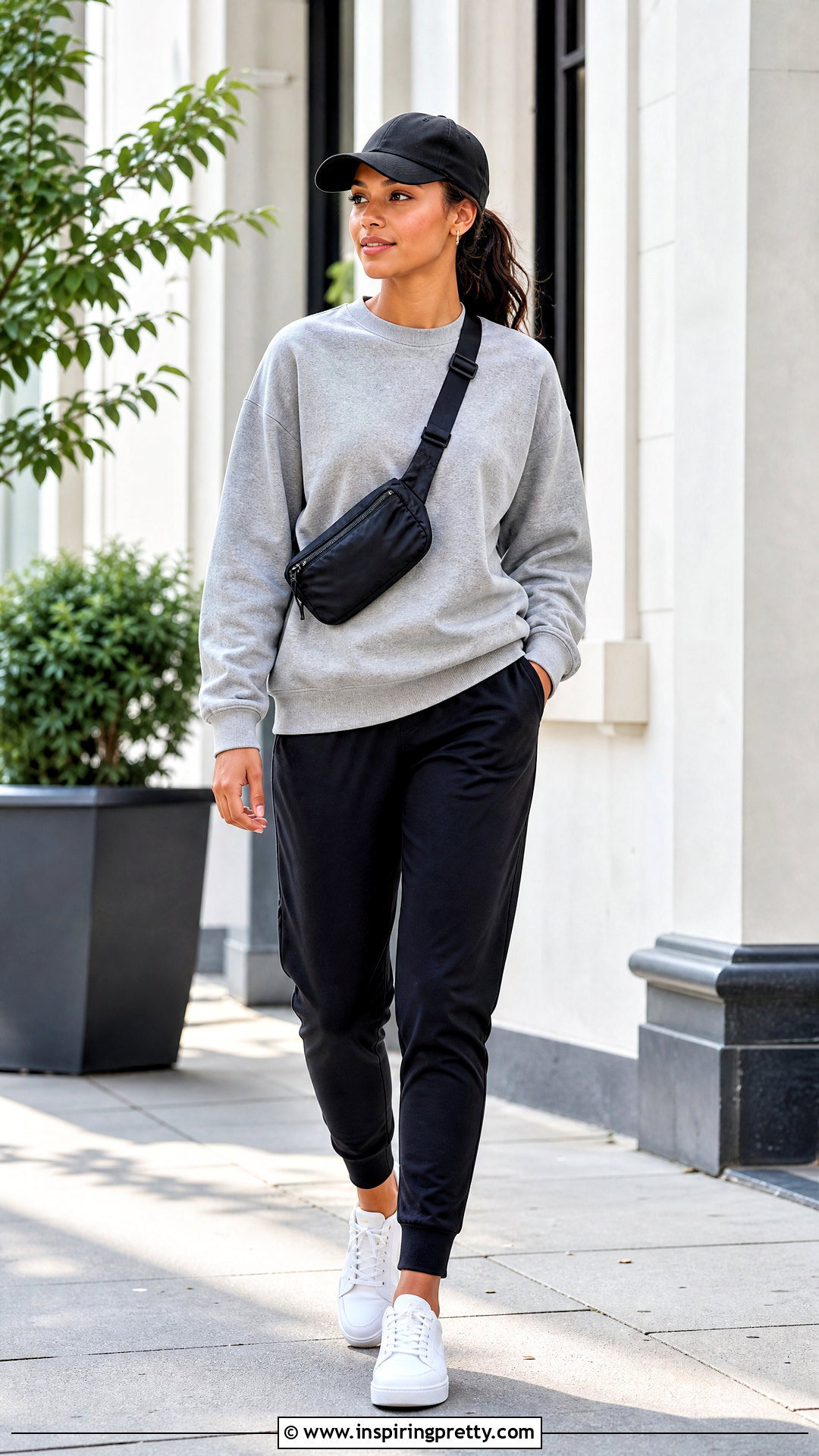
Sweatshirts need room, but too much and the shoulders slide down your arm and the sleeves swallow your hands. Some Time and Tru crewneck sweatshirts come in XS through 4X with a relaxed fit and a longer body. Your usual size gives easy ease over a tee. Size up for deliberate oversize, more hip coverage or a thermal underneath. Size down only when the style is described as very generous. Check the ribbed hem: it should rest on your hip, not hitch up to your waist. Tapered joggers, white sneakers, a cap and a crossbody finish it.
12. Time And Tru Hoodie Size Chart
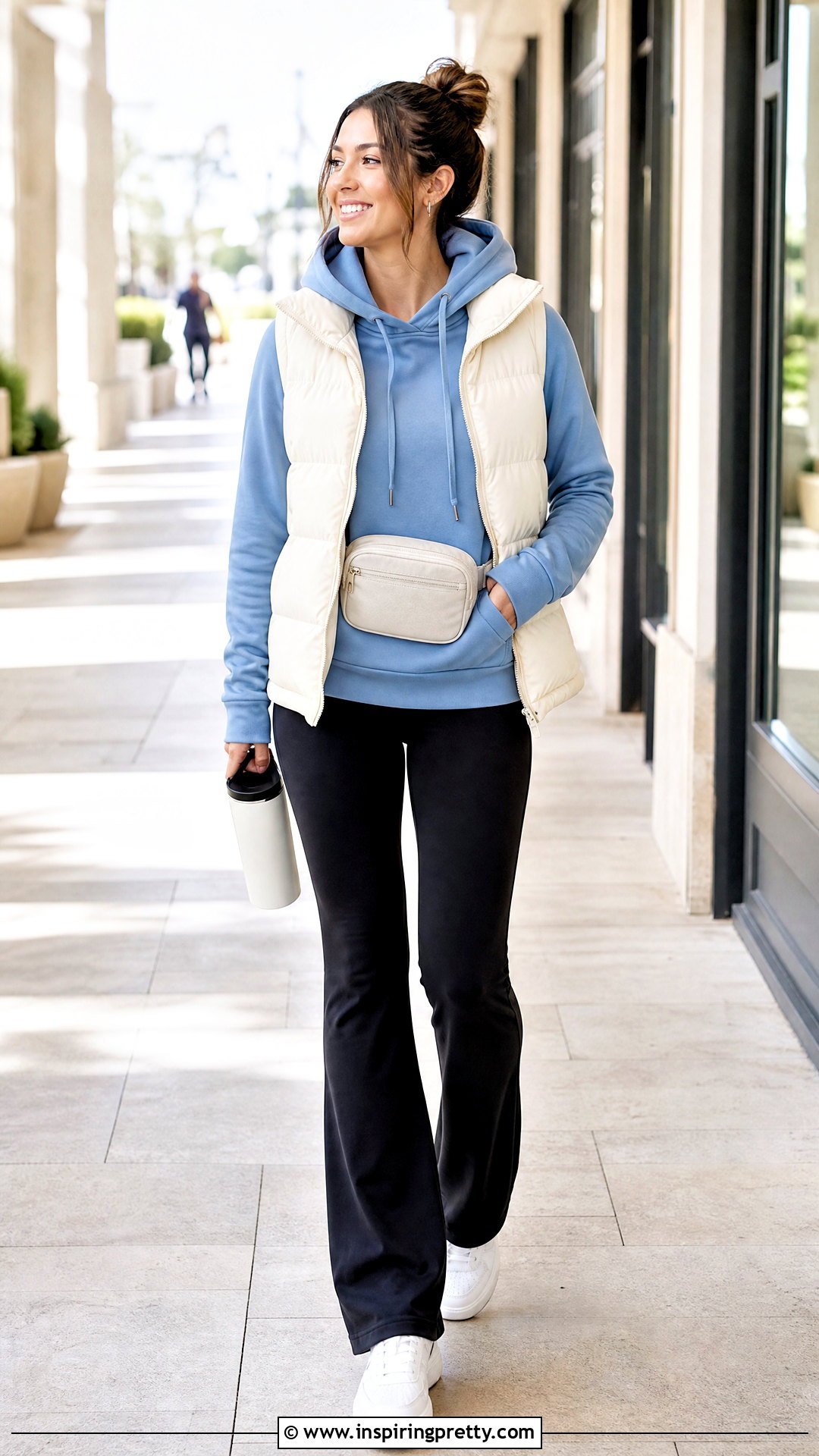
A hoodie has one fit point people forget: the hood. If the body is too small, the hood drags the neckline backward and the front rides up into your throat. Start with your usual size for wear over a tank or tee. Choose one up to layer over a substantial thermal top or for more body and sleeve length. A smaller size can give a fitted athletic look if the hood sits flat and your arms move freely. Banded hems sit higher on fuller hips, so check that too. Bootcut leggings, cushioned sneakers, a puffer vest and a belt bag.
13. Time And Tru Cardigan Size Chart
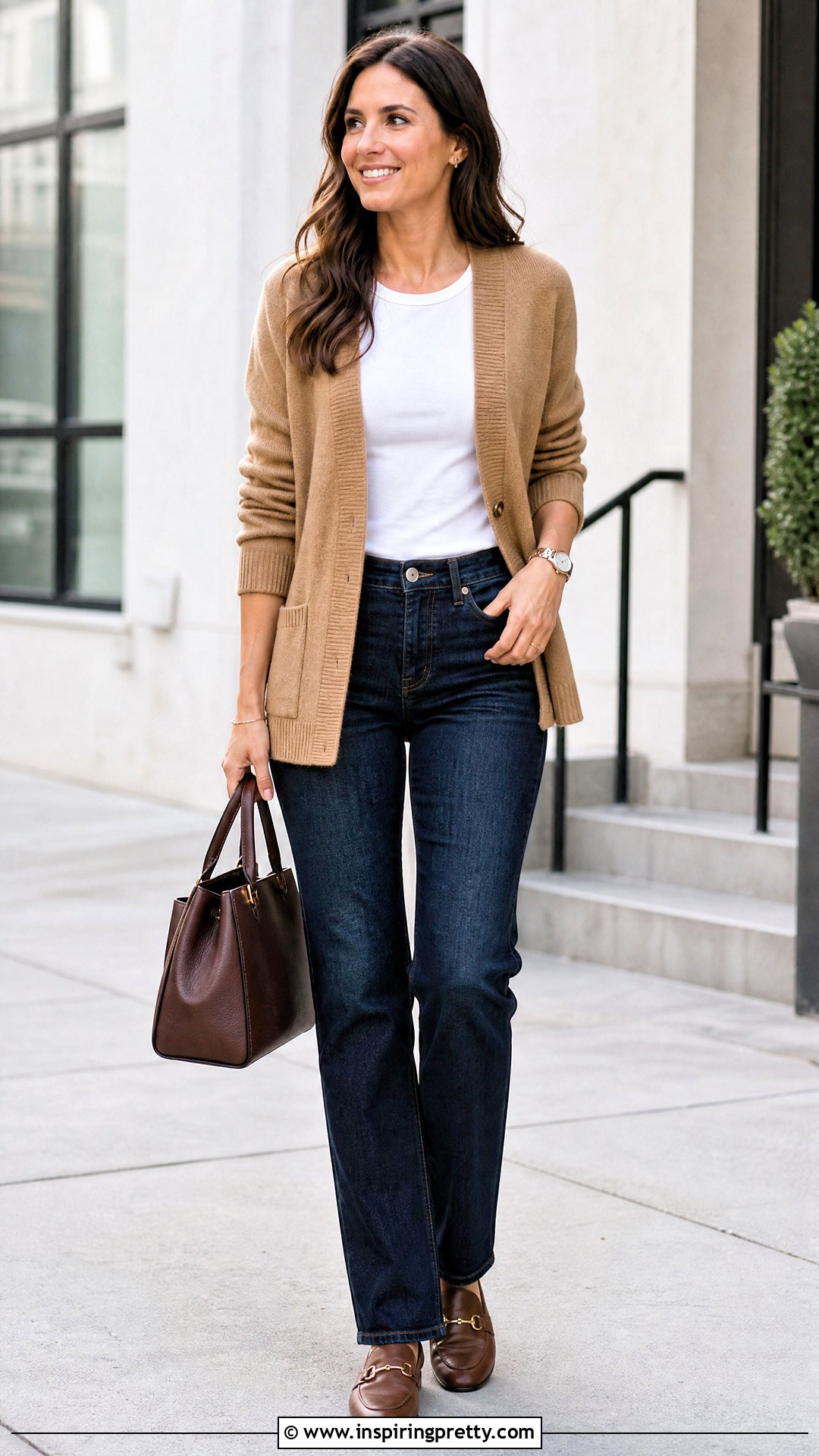
Decide how you'll wear a cardigan before you pick its size. Worn open over a tee or tank, your standard size is fine. If you'll button it, go up one so the buttons lie flat over the bust instead of pulling into little gaps. If you'll layer it over a blouse, also go up, and check the sleeve width as carefully as the chest, since woven sleeves inside a knit sleeve bunch fast. Drop-shoulder or loose styles often look tidier one size down. A fitted crew tee, dark straight jeans, loafers and a structured bag balance the softness.
14. Time And Tru Sweater Size Chart
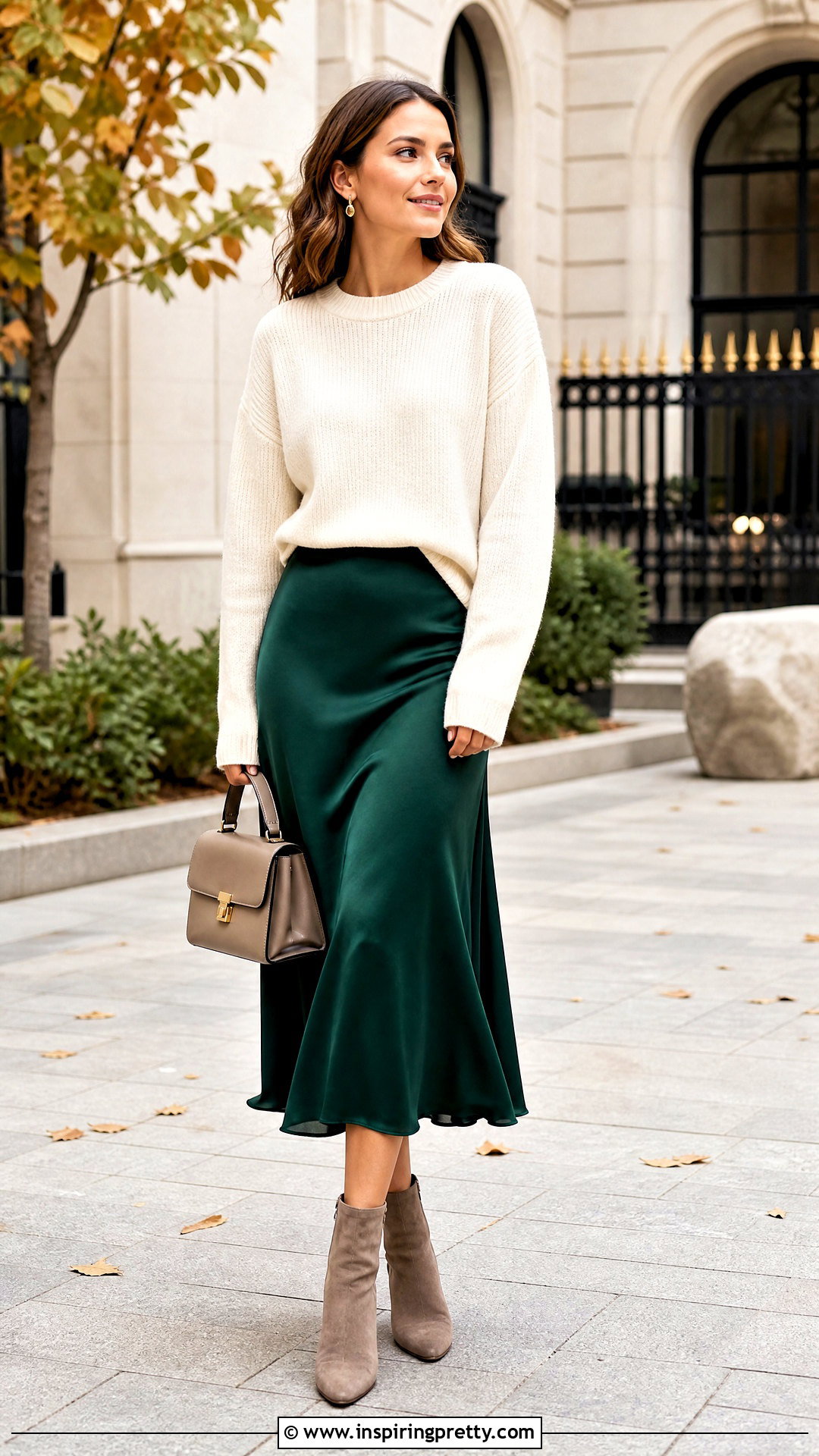
Sweaters change with the knit. A dense knit holds its shape; a loose or stretchy one relaxes after a few wears and can grow longer. Your regular size gives room to move your arms. Size up to wear a collared shirt underneath or for more torso length. Size down only for a deliberately close fit, and only after checking bust and arm numbers. Droopy shoulder seams might be the design, not a sizing mistake; check whether the listing says drop shoulder. A satin-look midi skirt, ankle boots and small earrings pair well, since the knit's texture contrasts nicely with a smooth skirt.
15. Time And Tru Blouse Size Chart
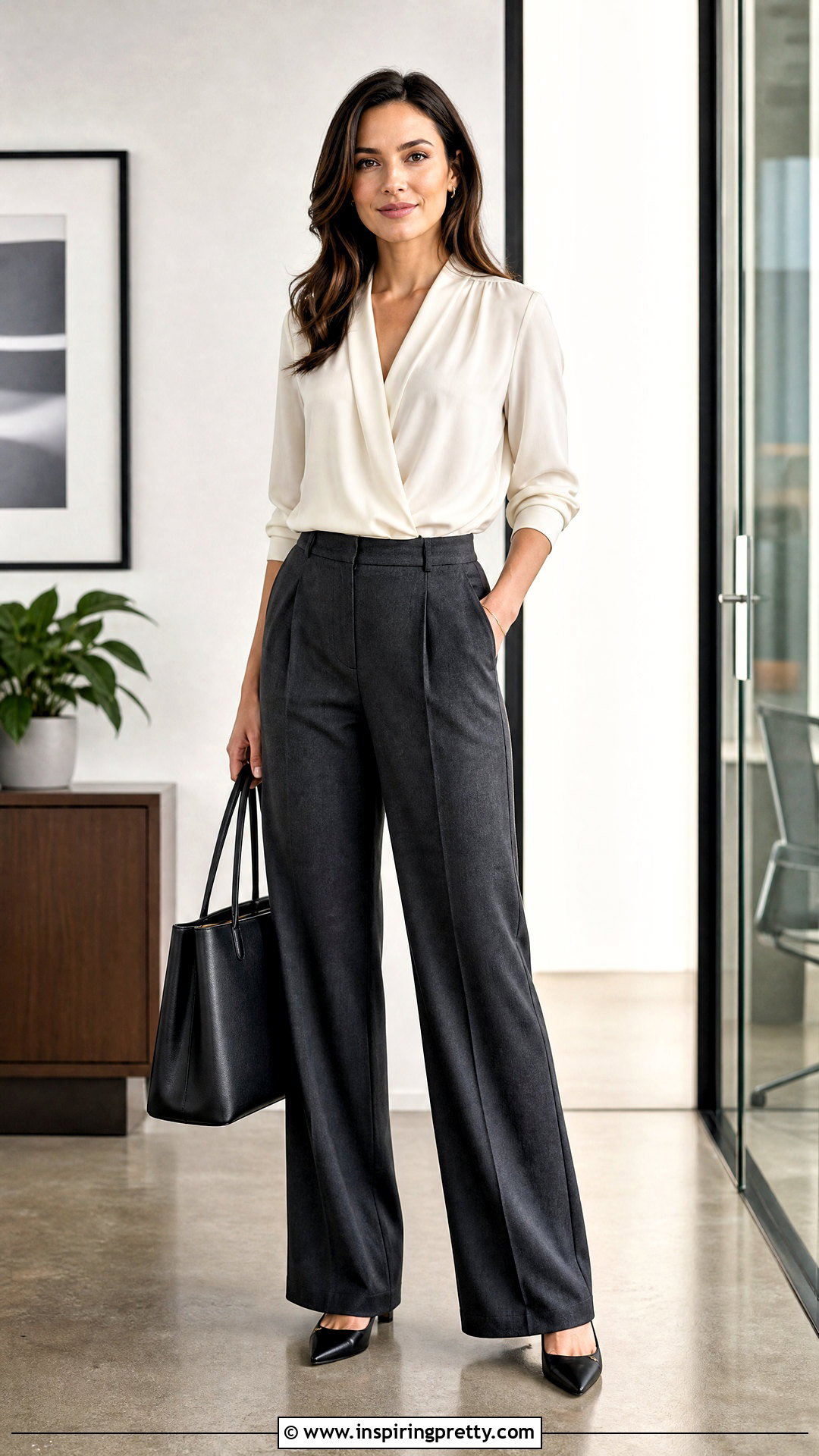
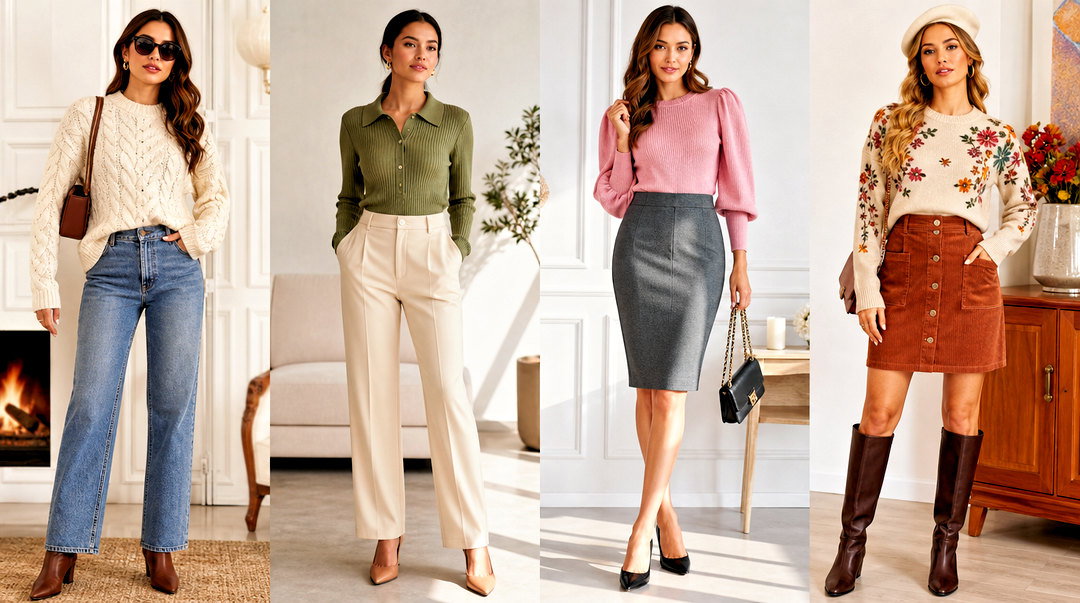
Woven blouses don't stretch, so the bust and back need real room. I always tell people to measure their bust wearing the bra they'll actually wear under the blouse, because a padded bra and a soft bralette can differ by a size. Pick the size that fits that number, even if the waist ends up loose. Go up for button fronts, narrow shoulders, fitted cuffs or an under-bust seam. Pullover blouses also have to clear your shoulders going on. Tailored wide-leg trousers, pointed flats and a light front tuck. Deep horizontal creases from the bust mean it's too tight.
16. Time And Tru Active Top Size Chart
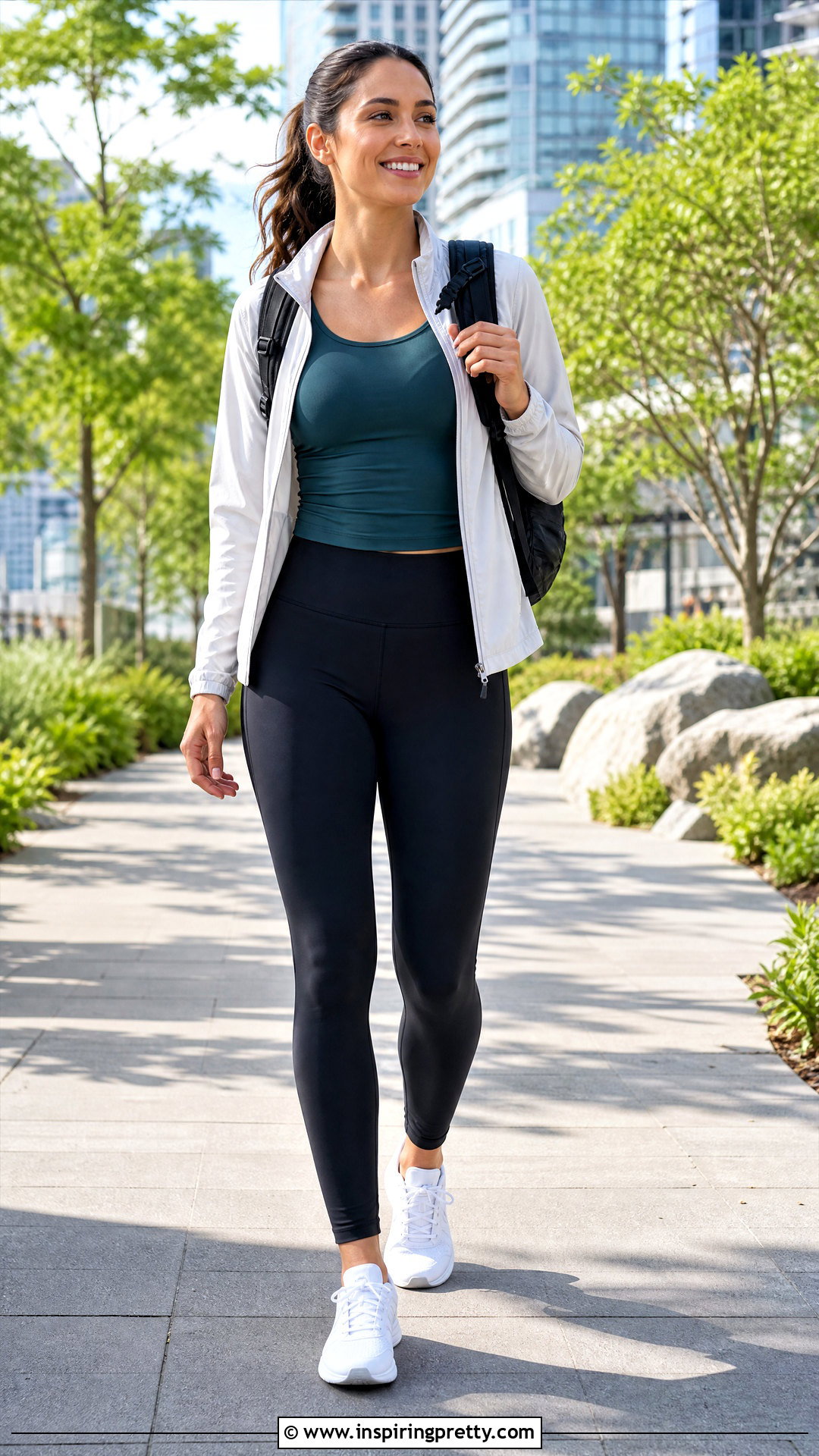
Active tops need stretch to move with you, but they should stay put at the neck, armholes and hem. With a stretchy fabric, your usual size suits walking, light workouts and errands. Size up for a relaxed shape, more bust room or airflow. Sizing down for compression doesn't really work: casual active tops aren't cut or knitted like compression wear, so they just pull. Raise both arms and roll your shoulders; the hem shouldn't jump and the armholes shouldn't pinch. High-rise leggings, supportive sneakers, a zip jacket and a small backpack.
17. Time And Tru Oversized Tee Size Chart
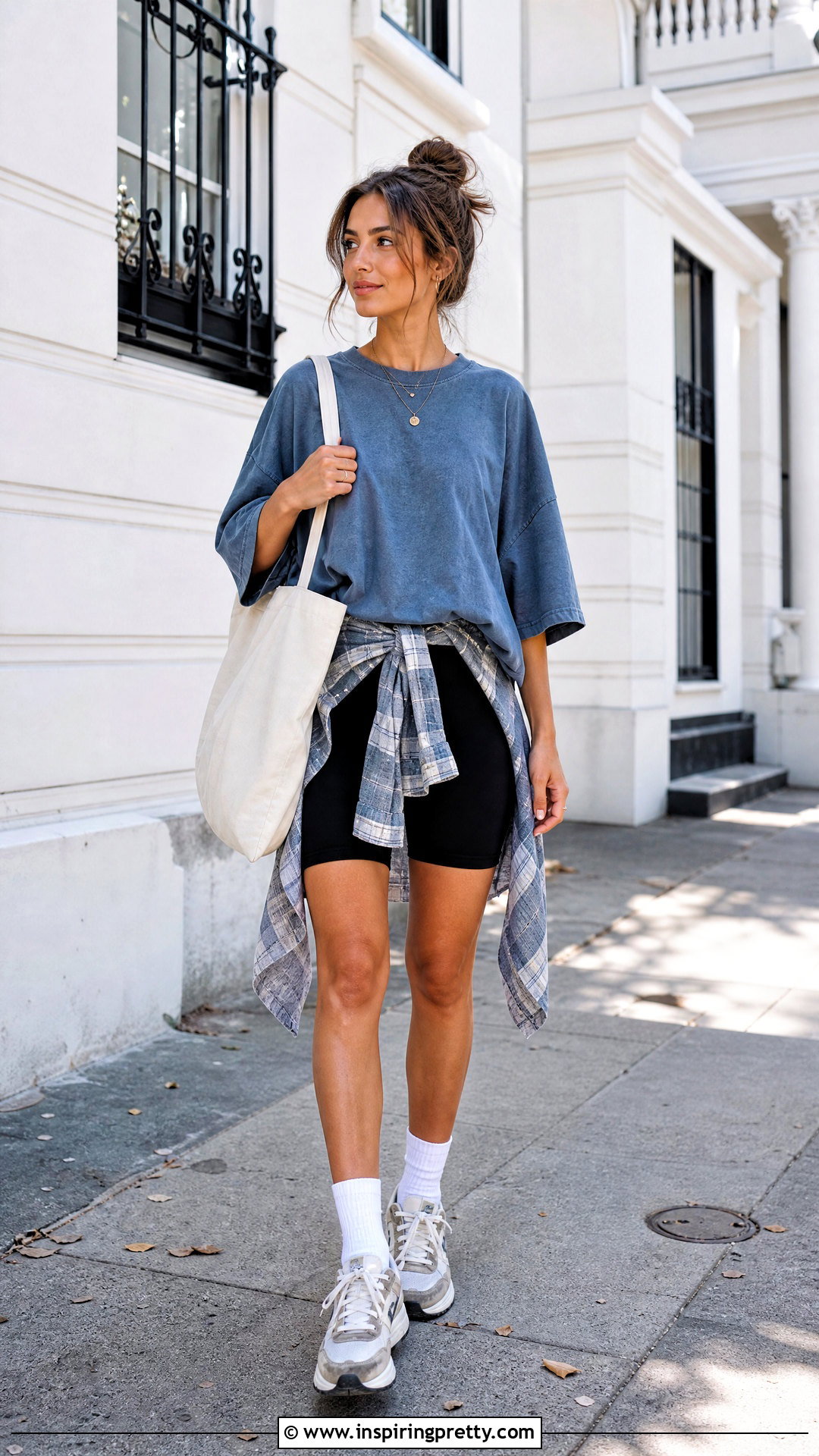
Oversized tees already have extra room built in, so ordering bigger usually just makes the same tee sloppier. Start with your usual size to keep the dropped shoulder, loose sleeve and long body the designer intended. On a petite frame, go down one for less volume. Size up only for a very roomy look or extra length over leggings. Note that a bigger size also widens and lowers the neckline. Bike shorts, retro sneakers, crew socks and an overshirt tied at the waist balance it, because one fitted half lets the other be loose.
18. Time And Tru Plus Size Tops Size Chart
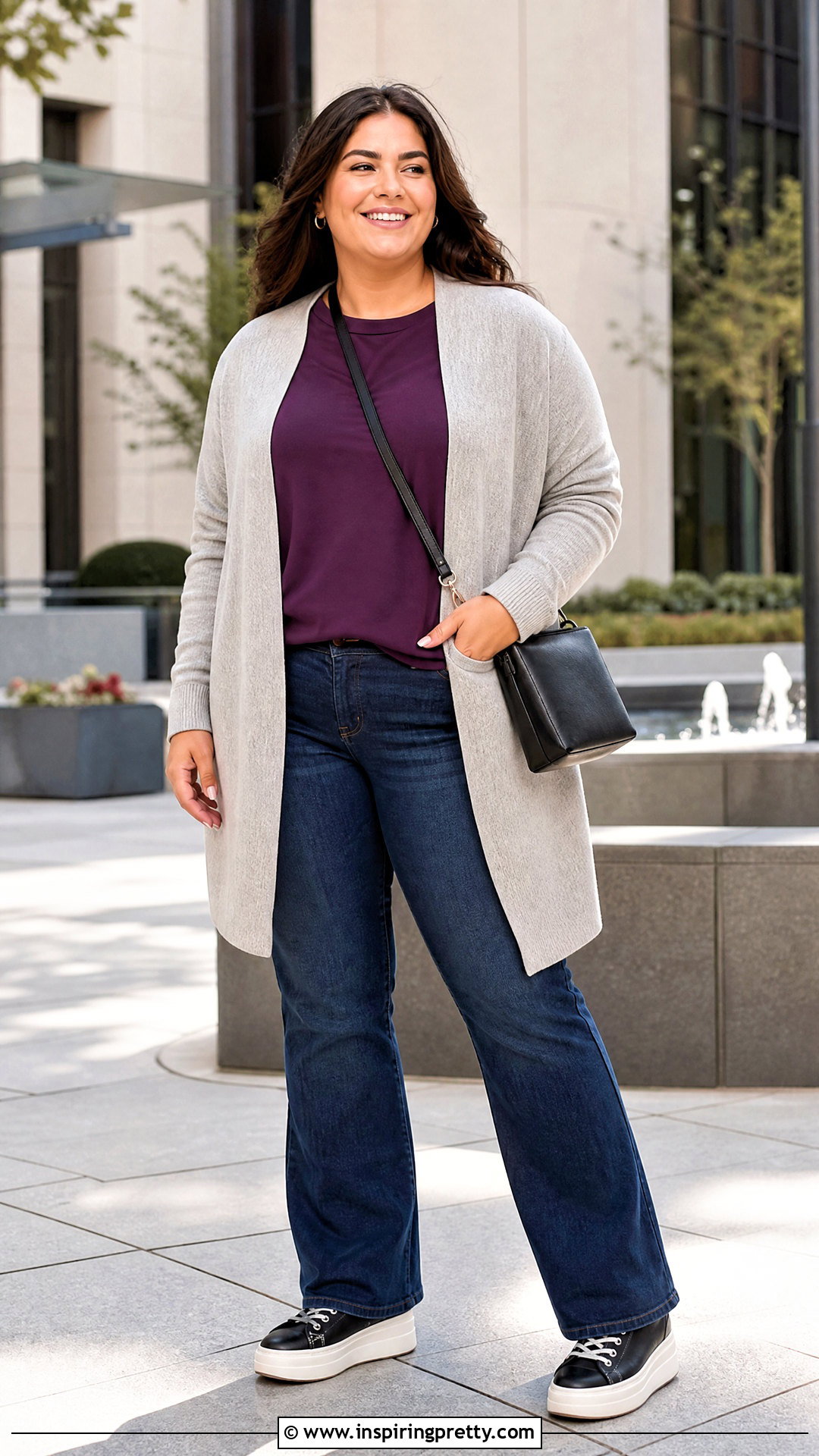
XXL and 2X can sound like the same size, but they usually aren't cut the same way. Extended straight sizes like XXL and XXXL are often graded up from a straight-size pattern, while 1X to 4X are usually drafted with more room at the bust, upper arm, waist and hip. Some product pages show both systems on one listing. Compare your measurements against each chart instead of assuming the numbers match. Pick the cut whose proportions are closest to yours. A relaxed tee with dark bootcut jeans, platform sneakers and a longline open cardigan creates clean vertical lines when the shoulder seams land correctly.
19. Time And Tru Tops Between Sizes Chart
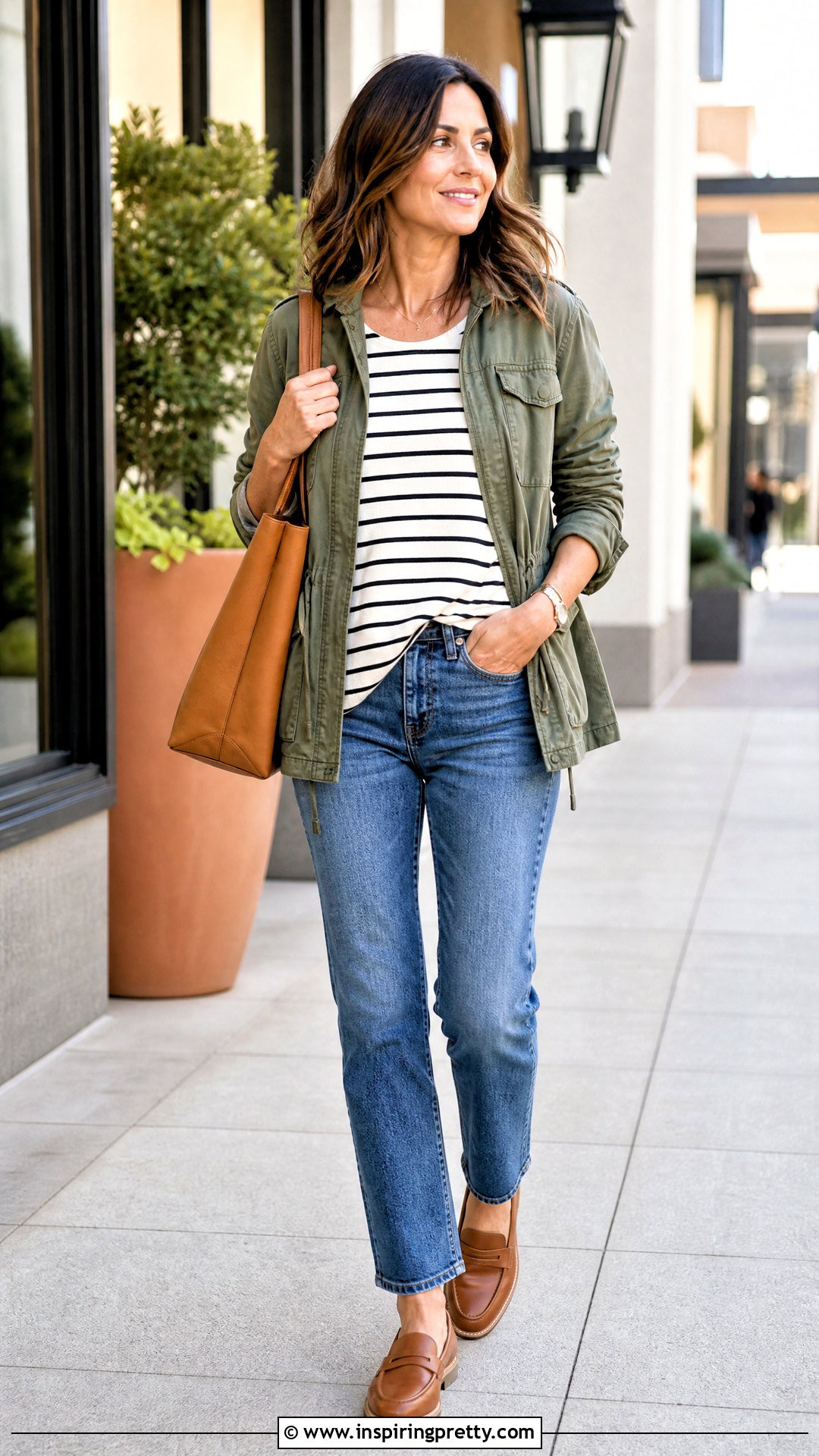
Being between sizes doesn't mean you always round up. Look at the fabric and at the part of your body that needs the most room. For stretchy tanks, oversized knits and open cardigans, the smaller size usually gives a closer, neater shape. For woven blouses, button-downs, fitted sleeves or a fuller bust, go larger. Think about how you'll wash it and what goes underneath. The most reliable trick I know: lay a top you love flat and compare its width and length to the garment measurements shown online. Mid-rise straight jeans, loafers and a utility jacket go with almost any top. Shoulders and chest first, label second.
20. How To Measure For Time And Tru Tops
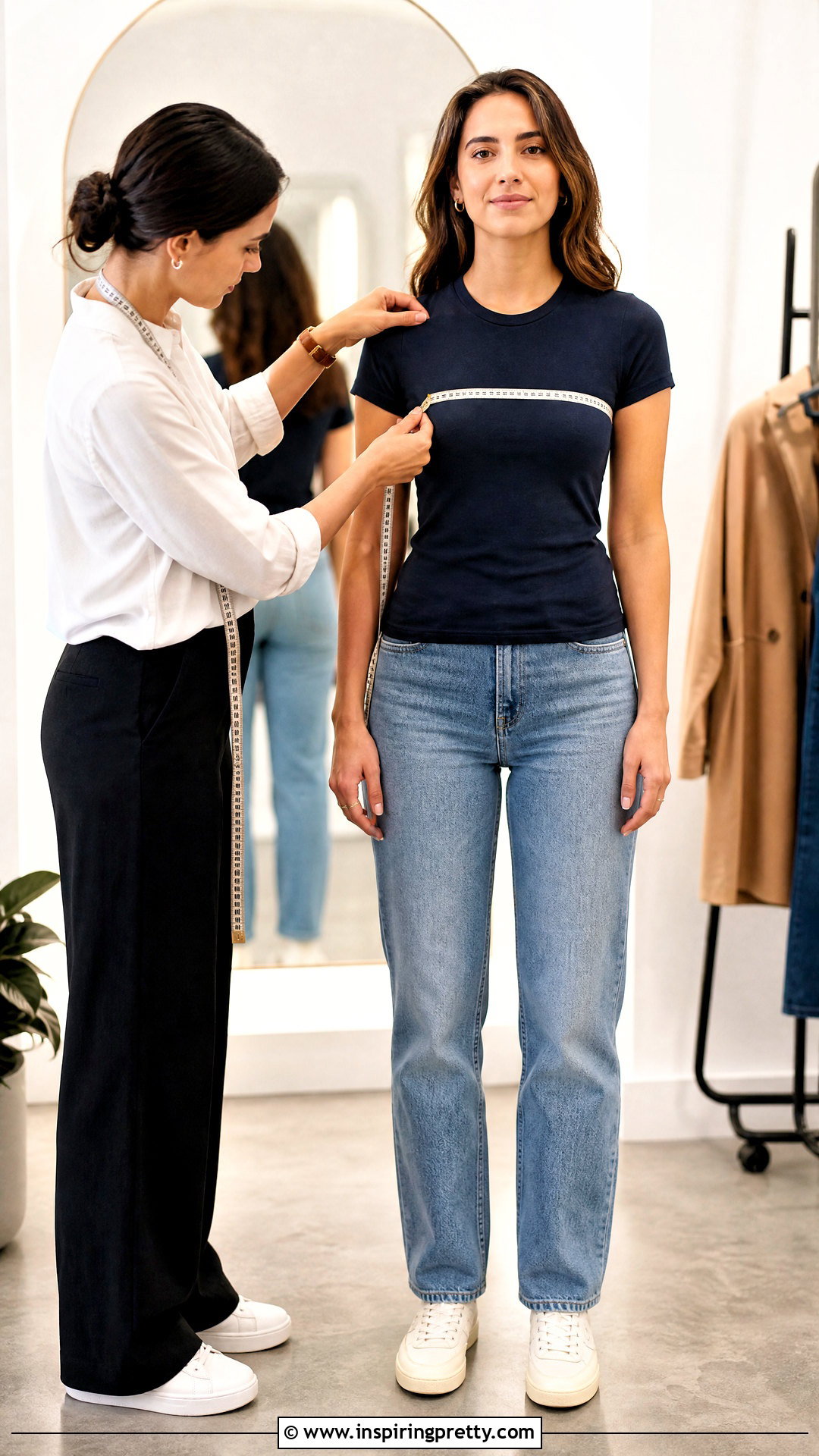
Accurate measurements make every size chart more useful. Wear a lightly lined bra, stand normally and breathe out. Wrap a soft tape around the fullest part of your bust, keeping it level across your back; it drifts up behind you more than you'd think, so check in a mirror. Measure your natural waist without pulling tight. For shoulders, measure across the back from one shoulder point to the other. Sleeve length runs from the shoulder point to the wrist, and torso length from the highest shoulder point to where you like a hem. Compare against that exact product's guide and size for its most fitted area. Remeasure now and then.
Measuring a Favorite Tee Flat
Your own closet is the best size chart you have. Pick a top in a similar fabric that fits the way you like, and lay it flat on a table, smoothed but not stretched.
- Chest: measure straight across from armpit seam to armpit seam, then double it.
- Length: measure from the highest point of the shoulder, next to the collar, straight down to the hem.
- Shoulder: measure from one shoulder seam to the other across the back.
- Sleeve: measure from the shoulder seam to the cuff along the top fold.
Compare those numbers with any garment measurements on the listing. Within half an inch or so is a good match for knits; wovens need you to be closer.
Cotton Shrinks Lengthwise First
Cotton jersey is knitted under tension, and the first hot wash and dry lets it relax back, usually more in length than in width. A tee that fits perfectly out of the bag can end up an inch or so shorter. If you love a long tee to tuck or cover the waistband, either buy with a little length to spare or wash cold and dry on low from day one.
Blends with polyester, modal or spandex shrink less, but heat still weakens spandex and makes rib tanks lose their snap. I hang anything stretchy to dry. Sweatshirt fleece can shrink in the body and the cuffs, so a sweatshirt that's already snug at the wrist is worth sizing up.
Measure Once, Then Read the Fabric
Use these charts as a starting point for tees, tanks, blouses, sweaters, sweatshirts and layered tops. Begin with real body measurements, then read the fabric and the listed fit. A slim ribbed tank shouldn't be judged like a relaxed cotton tee, and a woven button-down needs more exact bust and shoulder room than an open cardigan. Between two sizes, think about layering, movement, washing and the shape you like. Always check the guide on the product page itself, because each style can be cut a little differently. The right size is the one you forget you're wearing.
Related posts:


Leave a Reply