
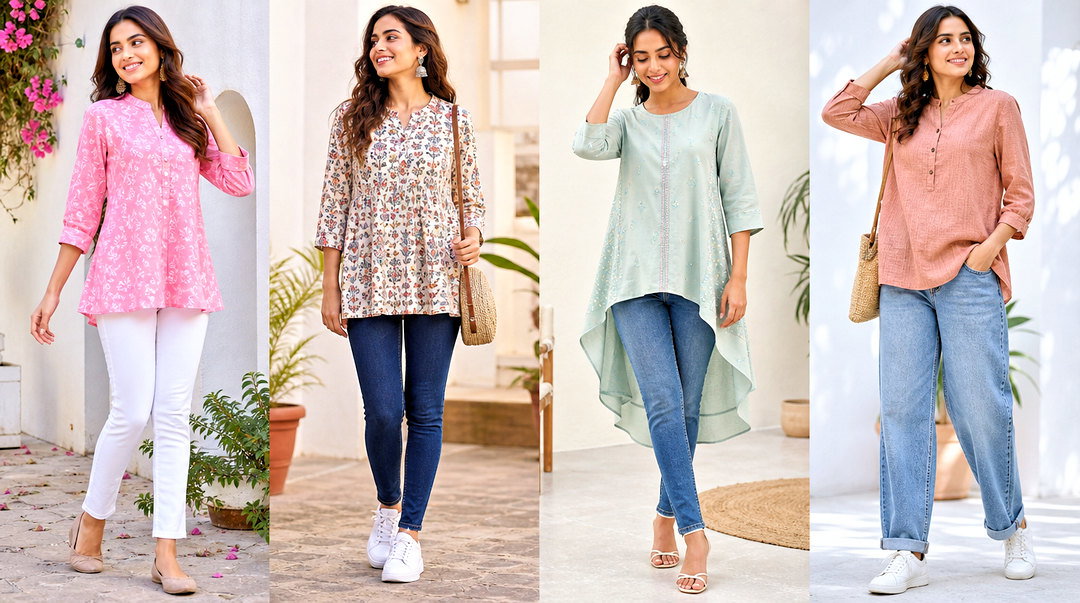
A short kurtha does something a long one can't: it lets you wear Indian textiles with the bottoms already in your wardrobe. Jeans, trousers, palazzos, skirts and dhoti pants all work, because the hem stops around the hip instead of competing with whatever is below it. You'll find them in A-line and peplum cuts, shirt-style versions, and fabrics from plain cotton to Bandhani, Chanderi and hand-block prints. When I put one together for someone, I decide three things in order: the fabric, where the hem lands, and how much volume the bottom has. Cotton handles daily wear and washing; mirror work and Chikankari carry you into a celebration. If you like mixing in contemporary Indo-Western dressing, the twenty pairings below show how I'd wear each style.
Where a Short Kurtha Hem Should Land
Short kurthas range from just below the waist to mid-thigh, and that small difference changes what you can wear them with. Before I look at colour or print, I hold the hem against the bottoms the person plans to wear.
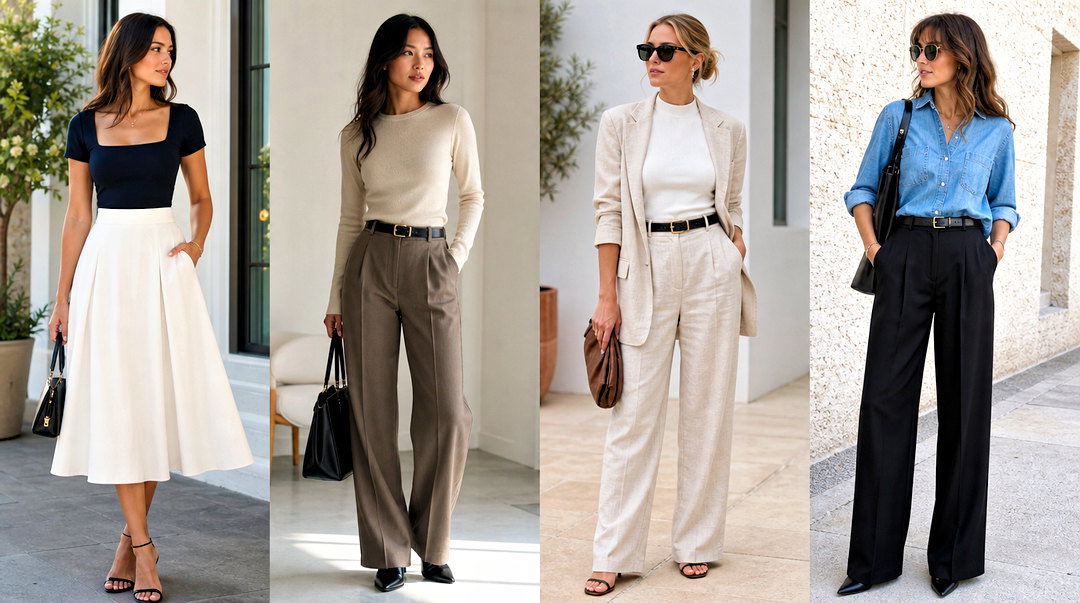
- High-rise jeans and cigarette pants: a hem at the hip bone or just below it shows a little of the leg line and keeps the body from looking cut in half.
- Palazzos, culottes and shararas: stop at the hip. Every inch longer adds width on top of width.
- Leggings: go longer, to the upper thigh or with a high-low back, because leggings show every line underneath.
- Skirts: keep the kurtha fitted and at the hip, so the skirt's waist and shape stay visible.
Side slits matter as much as length. A slit that starts too high opens up when you sit and shows the waistband of your trousers. I like them to begin a few inches below the waist. If you're petite, a hip-length kurtha keeps your legs looking longer. If you're tall, a hip-length one can look like a blouse that shrank, so the upper-thigh lengths usually sit better.
1. White Embroidered Short Kurtha Top With Blue Jeans
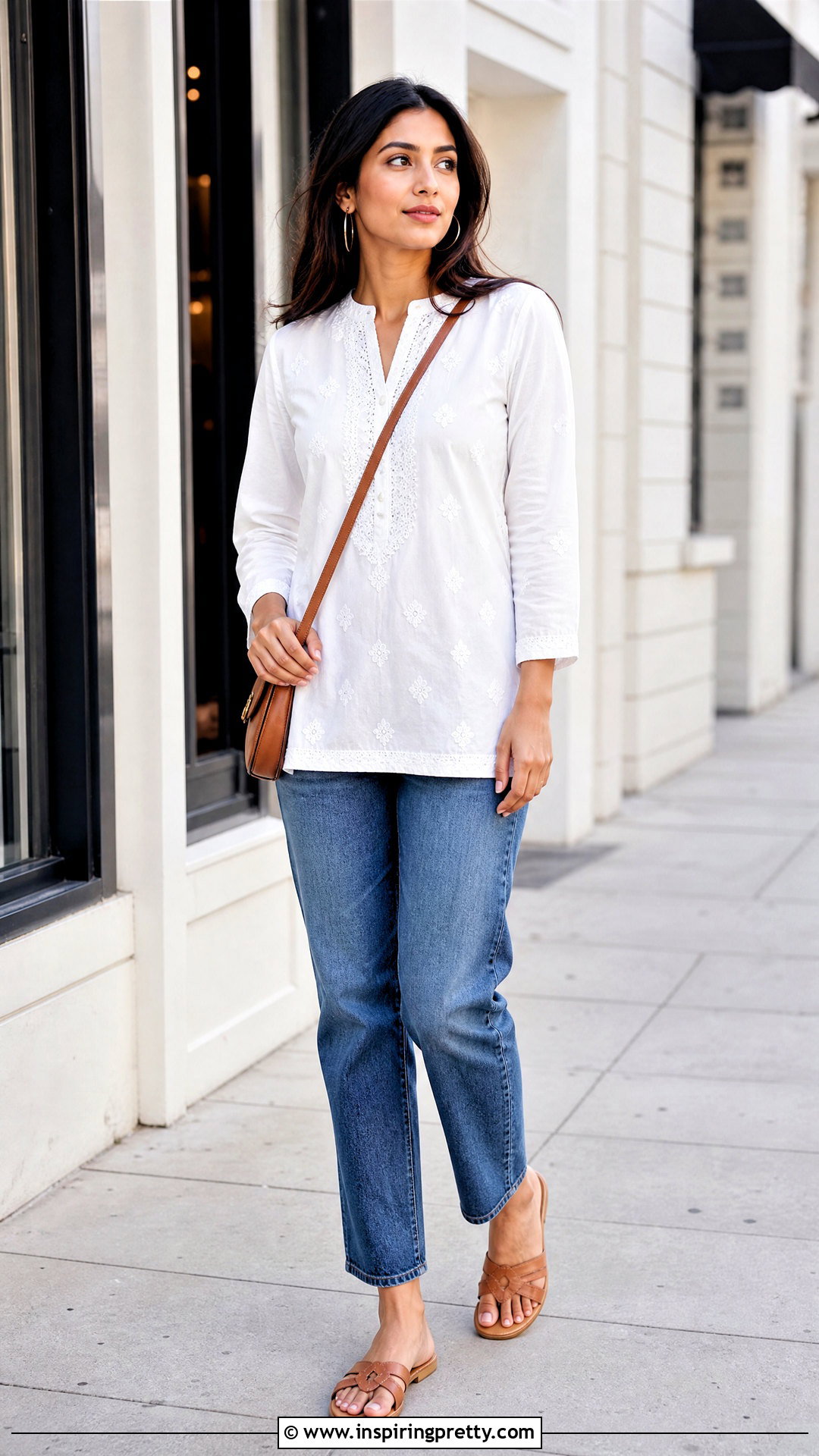
I start most people with this one, because white threadwork on white cotton is quiet enough to wear twice a week. Pick a slightly relaxed cut with three-quarter sleeves and straight-leg or slim jeans, so the loose top has a narrow base. Tan flat sandals and a brown crossbody keep it practical for college or errands, and silver hoops or small oxidized studs finish it. The thing I check first is sheerness: white cotton kurthas are often thin, and a bright white slip shows through as a hard line. A skin-tone camisole disappears instead. On a petite frame I keep the hem at the hip; taller women can let it drop to the upper thigh.
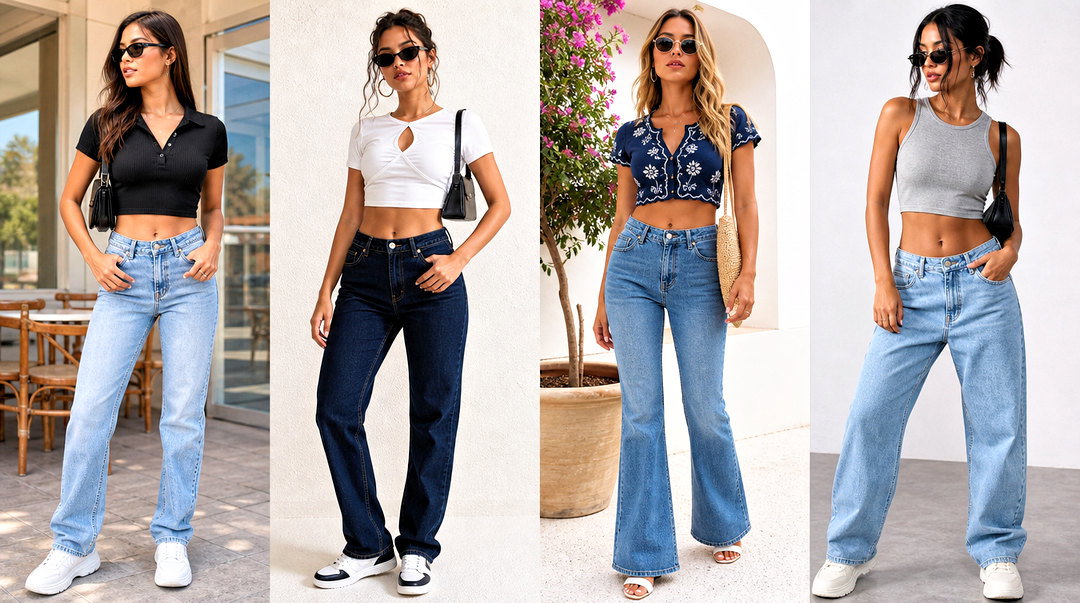
2. Floral Peplum Short Kurtha Top With Wide-Leg Jeans
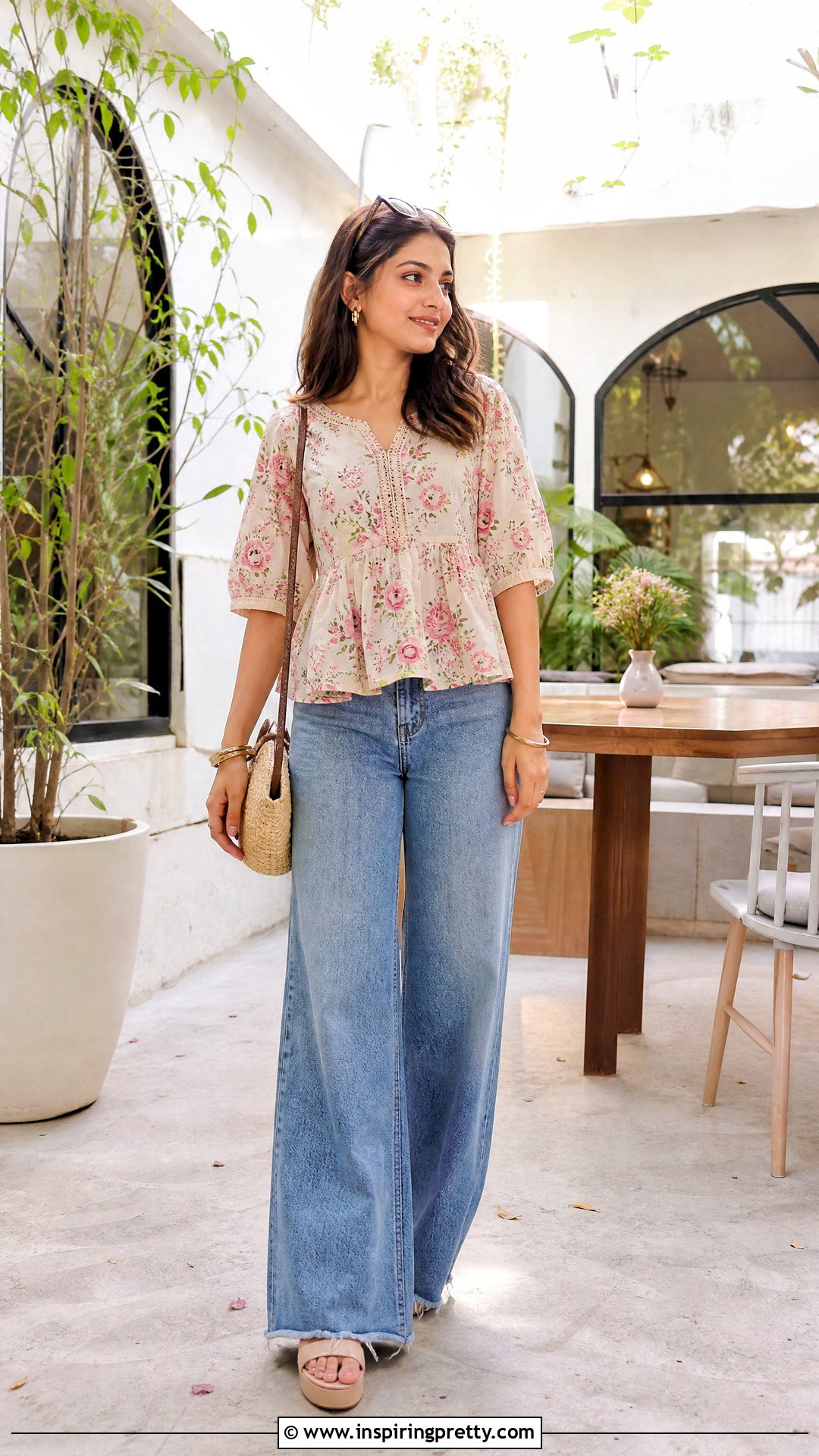
The peplum seam is where this look succeeds or fails. It should sit at your natural waist, not below it, so the flare starts where your body actually narrows. Pair it with high-rise wide-leg jeans; a low rise leaves a gap of skin and makes the top look like it's floating. Platform sandals or block-heel mules give height without wobbling in the wide hems. Keep jewelry to simple bangles if the print is busy. Small florals read calm for daytime, bigger botanical prints read louder, and I'd only choose the loud one if the jeans are a plain mid-blue.
3. Black Short Kurtha Top With Beige Trousers
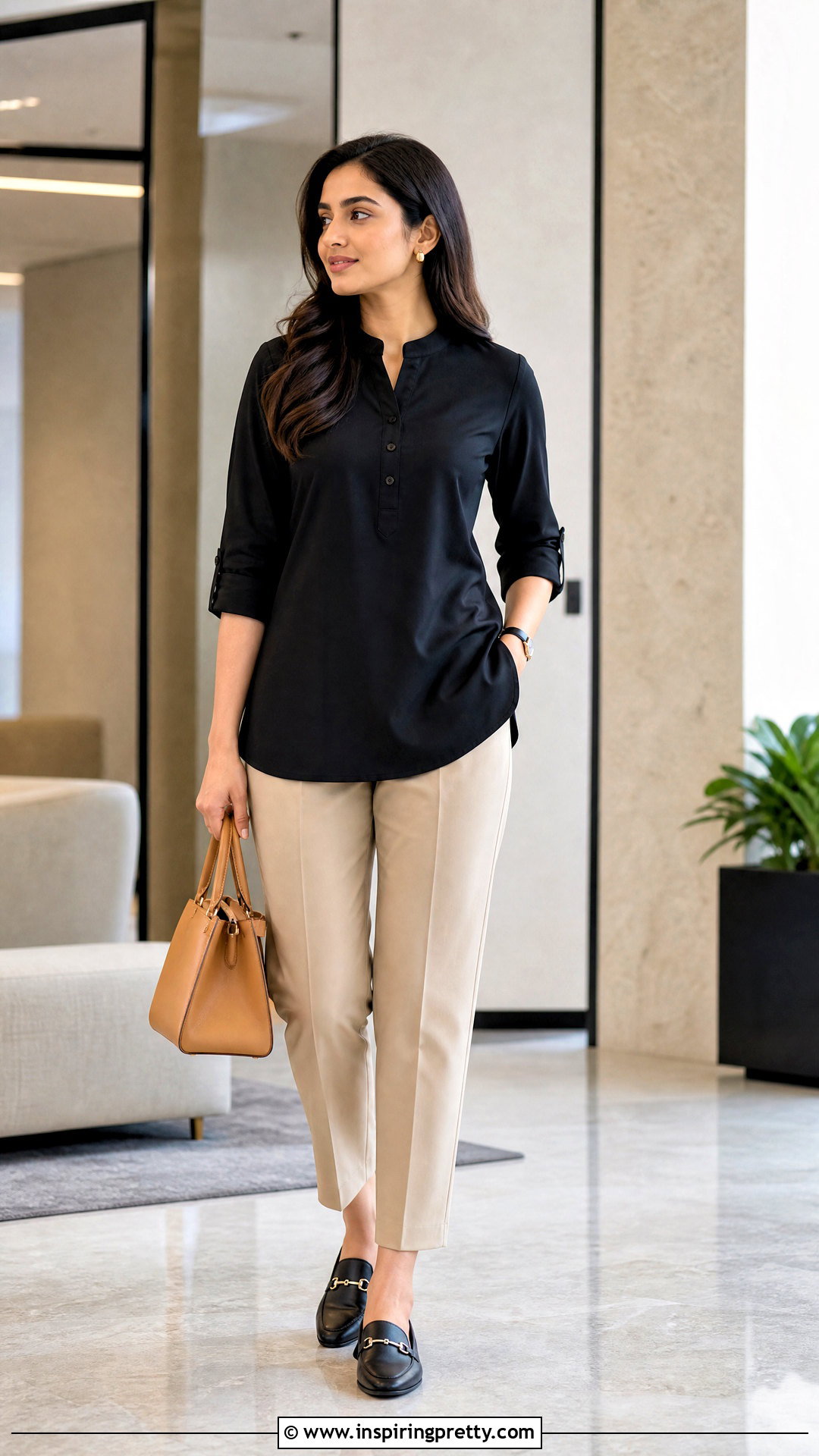
Black over beige is my fallback when someone needs to look put-together in ten minutes. A straight-cut kurtha with a band collar, side slits and restrained embroidery reads smart without tipping into festive. Flat-front ankle trousers keep the line clean under the hem, since pleats add bulk exactly where the kurtha ends. Black loafers or pointed flats, a structured tan bag, gold studs and a slim watch are all it needs. In heat I stick to cotton or a linen blend. In cooler months a light neutral blazer works over it, but leave it open so the collar and front detailing still show.
4. Block Print Short Kurtha Top With White Palazzo Pants
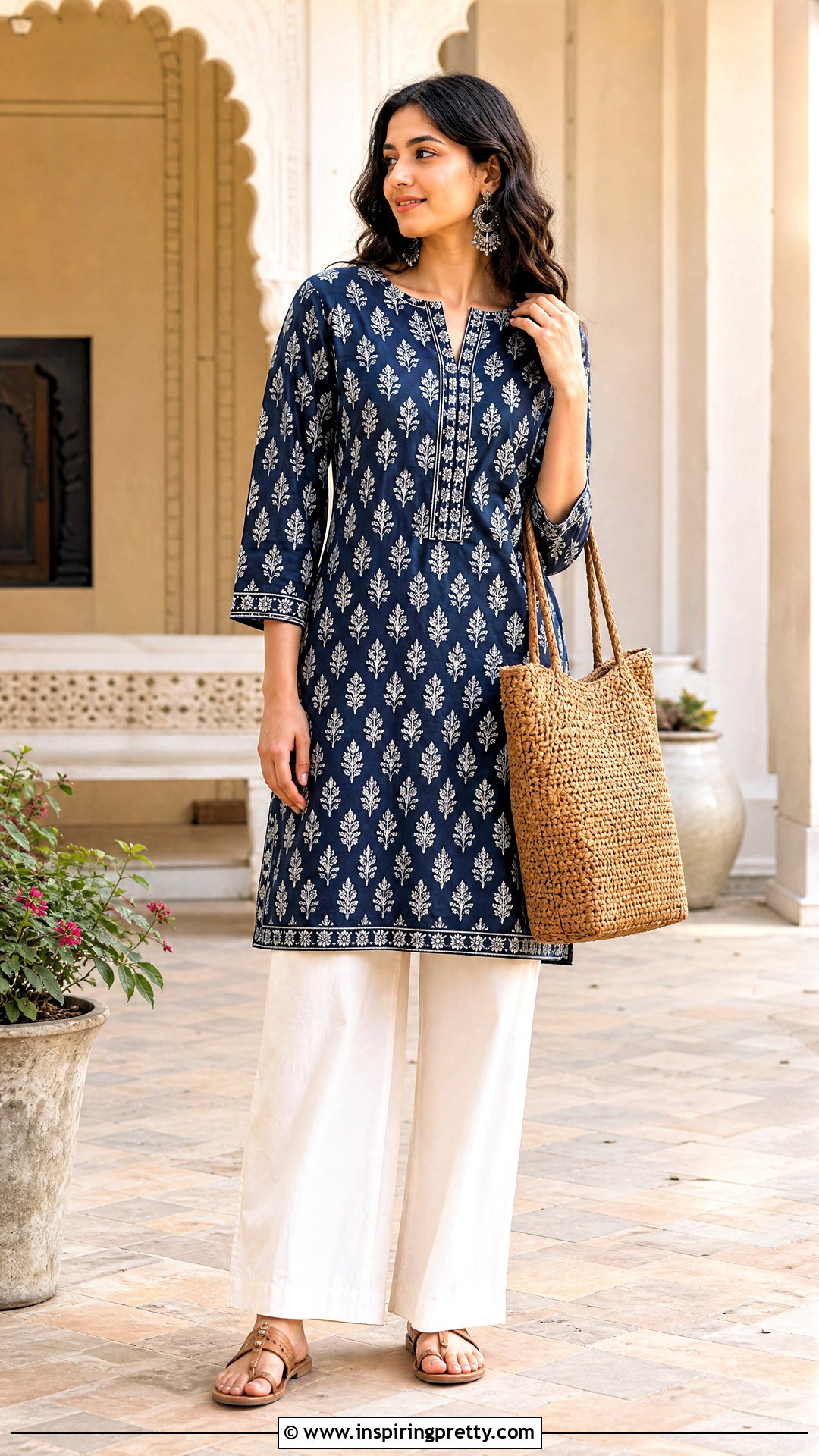
Block prints need a plain partner, and white palazzos are the easiest one. Rust, indigo, mustard or soft green prints all pop against the white. The mistake I see most is pairing wide palazzos with an oversized kurtha, which turns the whole body into one wide shape. A defined shoulder seam and a hem near the hip fix that. Tan juttis, kolhapuri sandals or leather slides keep it grounded, and a woven tote with oxidized earrings suits a summer outing. One warning from experience: hand-block cotton often bleeds in its first washes, so keep it away from those white palazzos in the machine.
5. Chikankari Short Kurtha Top With Straight Pants
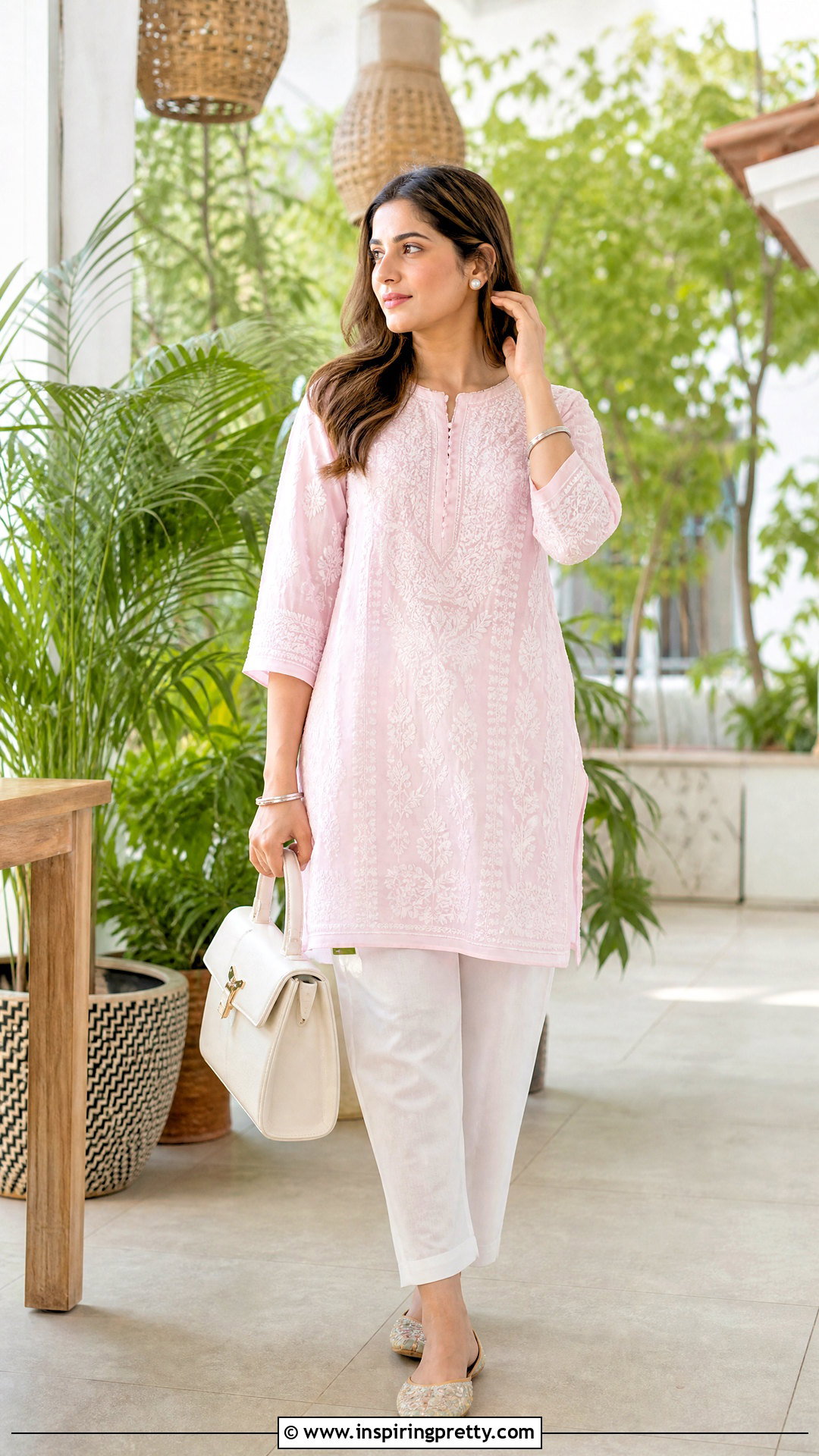
Chikankari is fine shadow and knot embroidery, usually on thin cotton or georgette, so the first thing I check is the lining. A lightly lined kurtha gives coverage without hiding the threadwork. Pastel pink, powder blue, mint, peach or ivory sit well over straight white or cream pants. Keep the pants narrow but not tight, so the top stays the focus. Nude flats, pearl studs and a small structured bag are enough; embroidered juttis and thin silver bangles push it more traditional. Tonal bottoms look softer, contrasting ones make the embroidery easier to see from across a room. I reach for this when someone wants to look dressed for a family lunch without wearing a complete kurta set.
6. Angrakha Short Kurtha Top With Flared Jeans
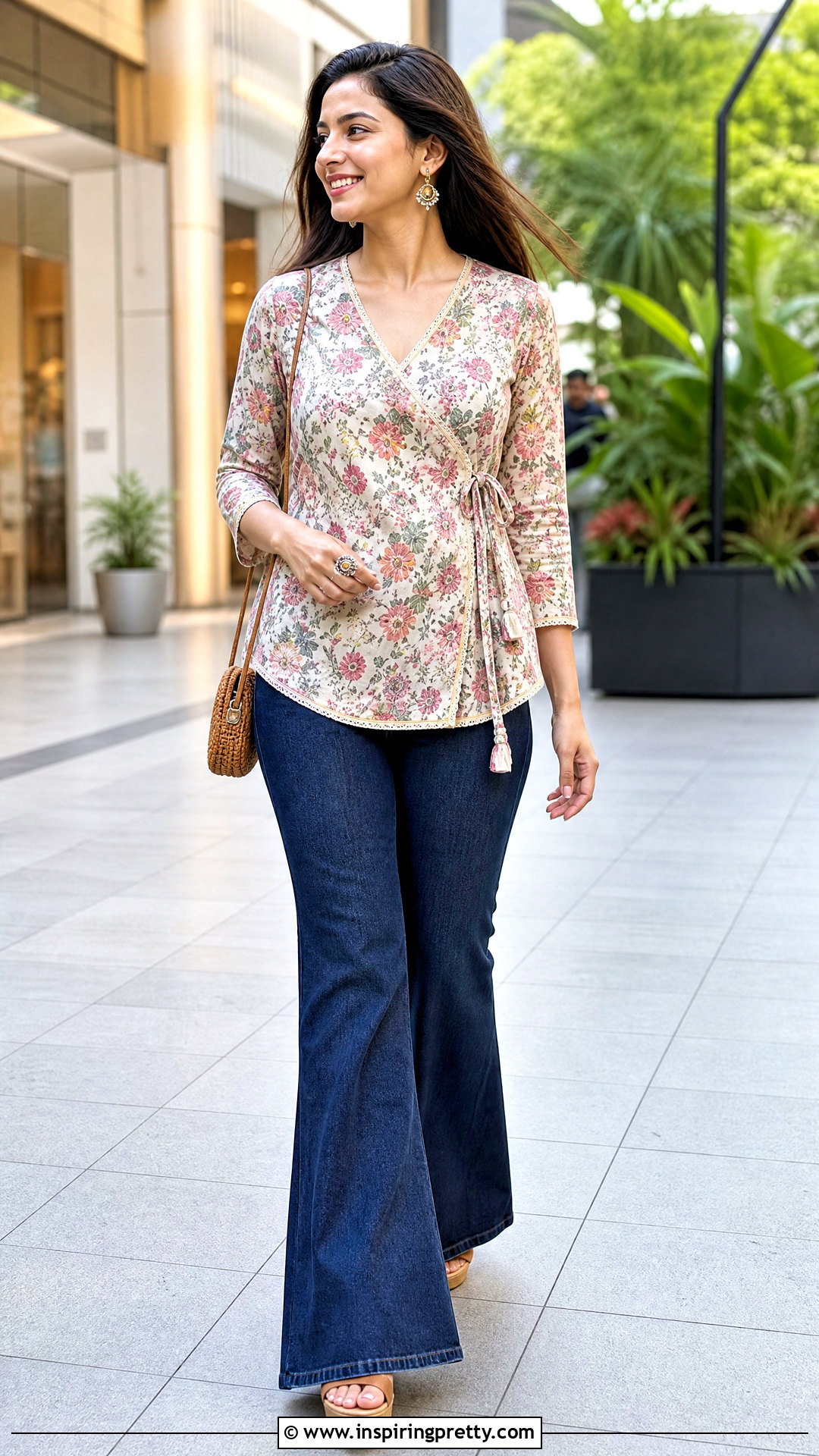
An Angrakha closes with an overlapping wrap front and a side tie, which gives it movement but also a weak spot: the tie. Before anything else I check that it sits flat and doesn't pull across the bust. If you're fuller-busted, look for a deeper overlap or a hidden inner fastening. High-rise flared jeans pick up the slightly retro feel. Wear wedges or block heels so the flares clear the ground instead of collecting dust at the hem. Cotton florals or geometrics suit daytime; a few embroidered accents make it fit for a casual celebration. A small sling bag and one statement ring are plenty.
7. Shirt Style Short Kurtha Top With Ankle Pants
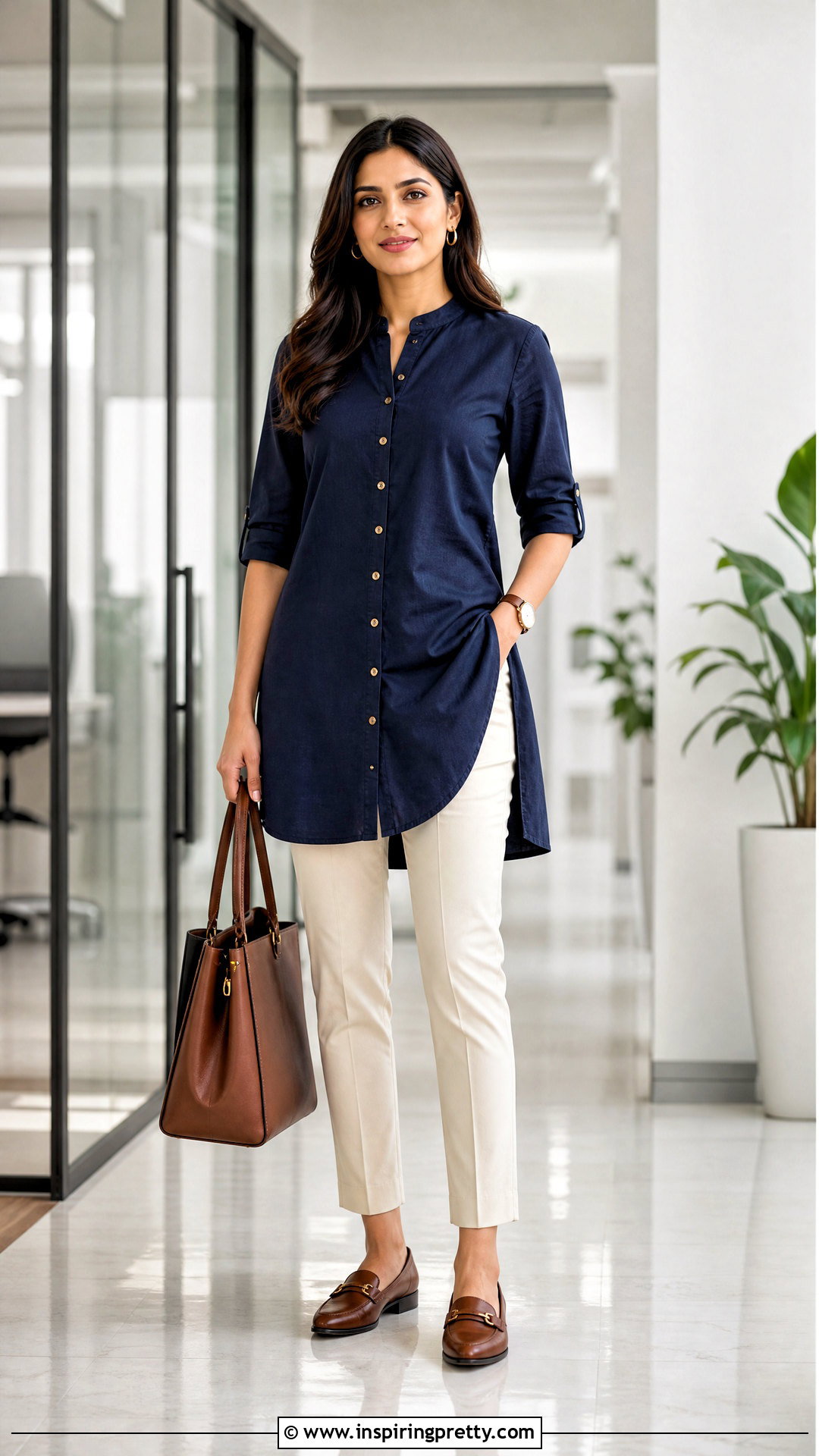
If you work in an office that frowns on anything too ethnic, a shirt-style kurtha is the bridge. Look for a mandarin collar, button front and cuffs that are properly finished, because sloppy cuffs are the first thing that makes a shirt look cheap. Tapered ankle pants in black, navy, cream or olive keep it clean. Loafers or low block heels suit the structure, and a medium tote carries a day's things. I button it to the top for meetings and open one button after hours. A gently curved hem moves better than a straight one when you walk.
8. Mirror Work Short Kurtha Top With Dhoti Pants
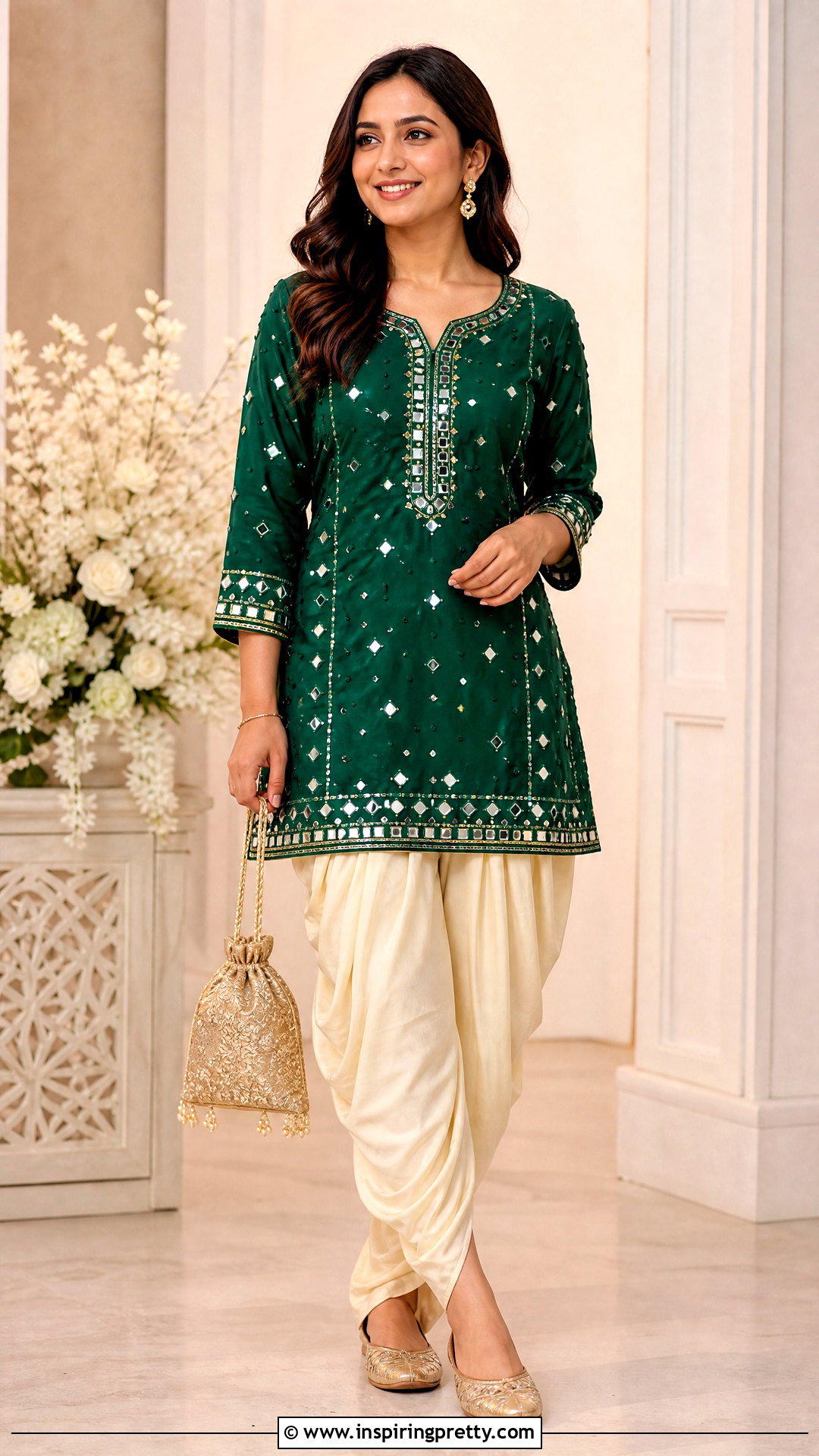
A mirror work short kurtha already does all the talking, so I pair it with solid dhoti pants and keep everything else quiet. Jewel tones like emerald, royal blue, magenta and deep purple carry the mirrors best. A fitted shoulder with a lightly flared hem sits well over the draped pants. Metallic juttis or low gold sandals keep it festive and comfortable. The rule I give everyone: if the neckline is heavily worked, skip the necklace, and don't stack reflective accessories that fight the mirrors. Mirrors are stitched on by hand and can catch knit fabrics, so I'd avoid a fine knit shrug over it. A dupatta is optional here.
9. Bandhani Short Kurtha Top With Black Jeans
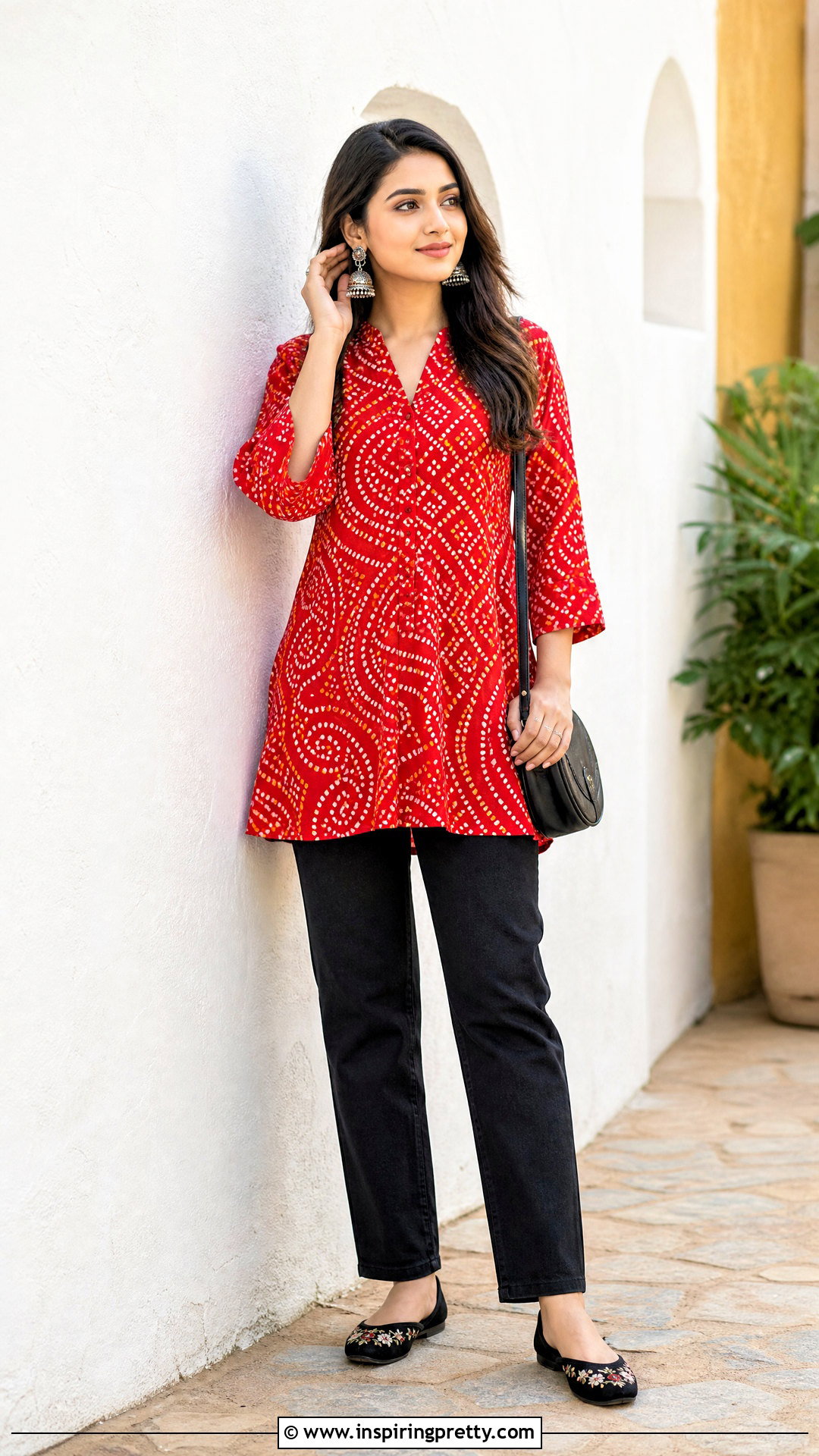
Bandhani is tie-dye made by pinching and binding the cloth before dyeing, which is why its dots are never perfectly regular. Black jeans make those reds, pinks and oranges look even more saturated. Pick a kurtha with a clean neckline so the pattern leads. Straight or slim black denim works; heavily ripped jeans fight the handmade texture and I'd skip them. Elbow or three-quarter sleeves give flexible coverage. Black sandals for daytime, embroidered flats or sleek loafers if you're heading somewhere nicer, plus silver jhumkas and a compact black bag. Expect the first wash or two to release some dye.
10. Ajrakh Short Kurtha Top With Linen Trousers
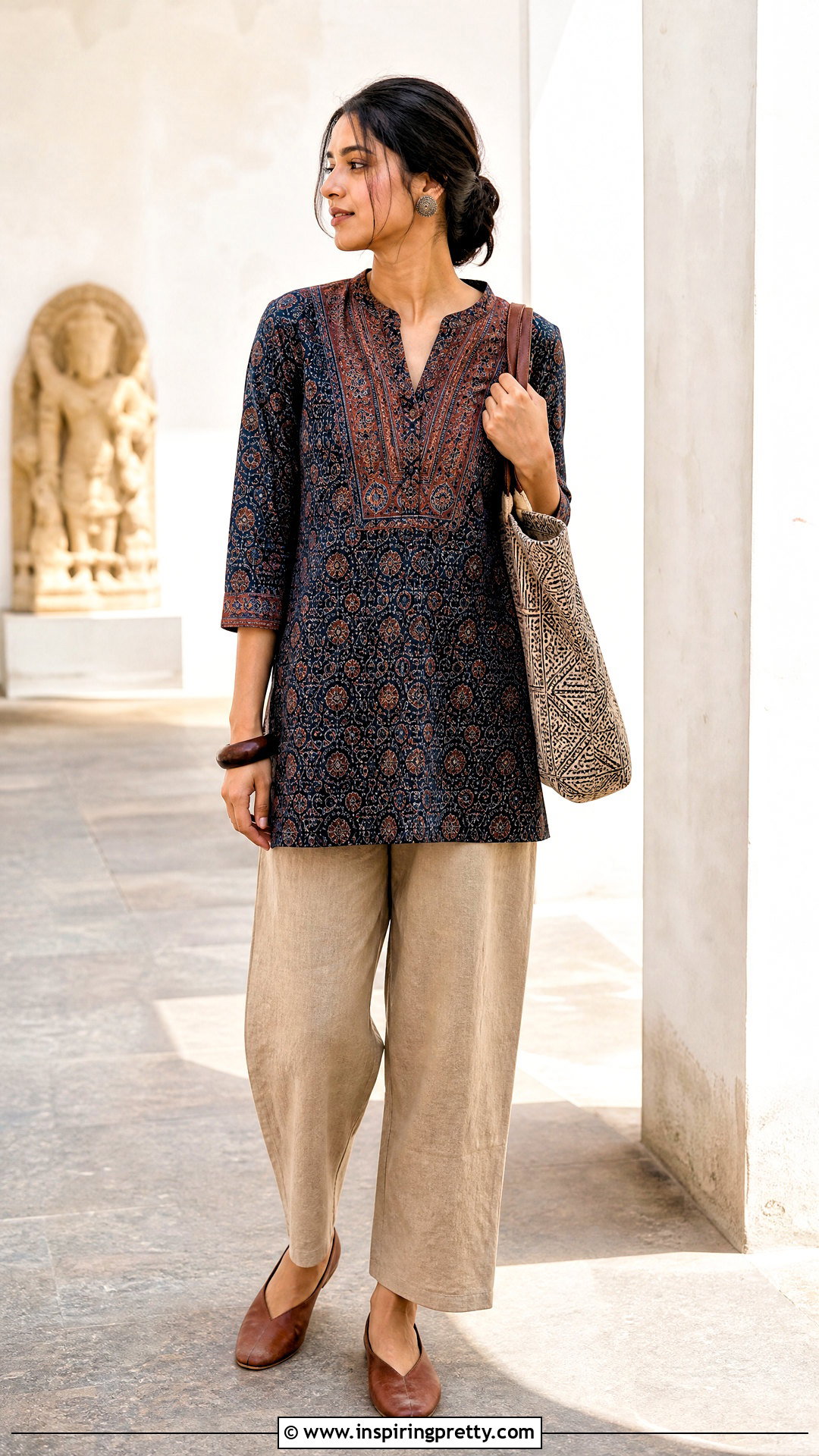
Ajrakh is a resist-printed textile traditionally coloured with indigo and madder, and it has a deep, earthy look that sits naturally next to linen. Choose a straight cut so the repeat isn't broken up by gathers. Cream, sand or charcoal linen trousers keep it cool in warm weather. The risk with two relaxed pieces is looking shapeless, so I insist on a shoulder seam that sits on the shoulder bone and trousers hemmed to the right length. Brown leather flats, a handmade tote and small oxidized earrings finish it; a wooden bangle adds texture. Roll the sleeves once if you want it more casual.
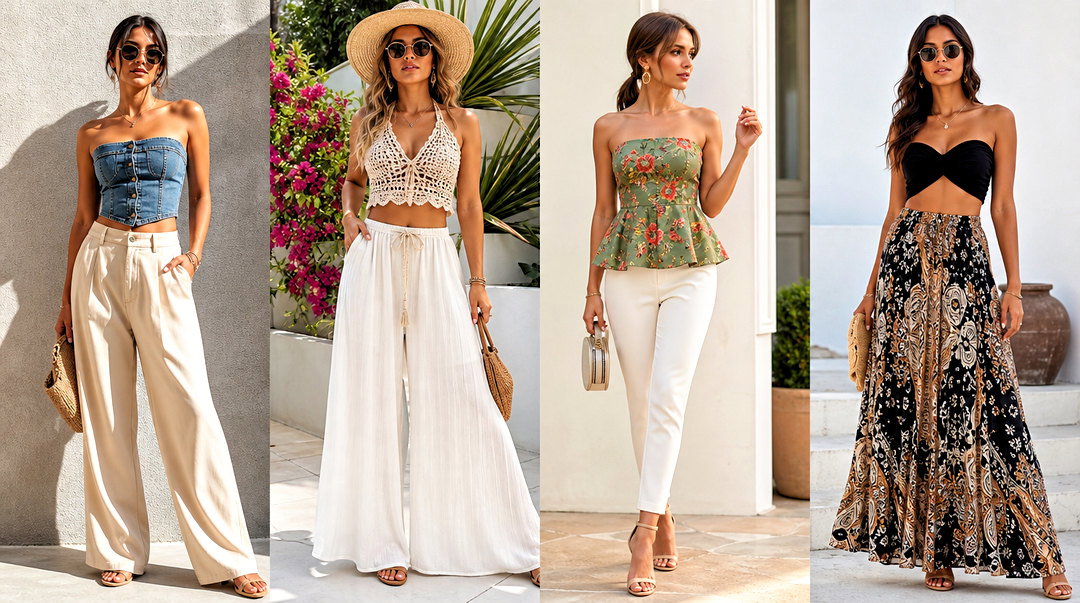
11. Sleeveless Short Kurtha Top With Midi Skirt
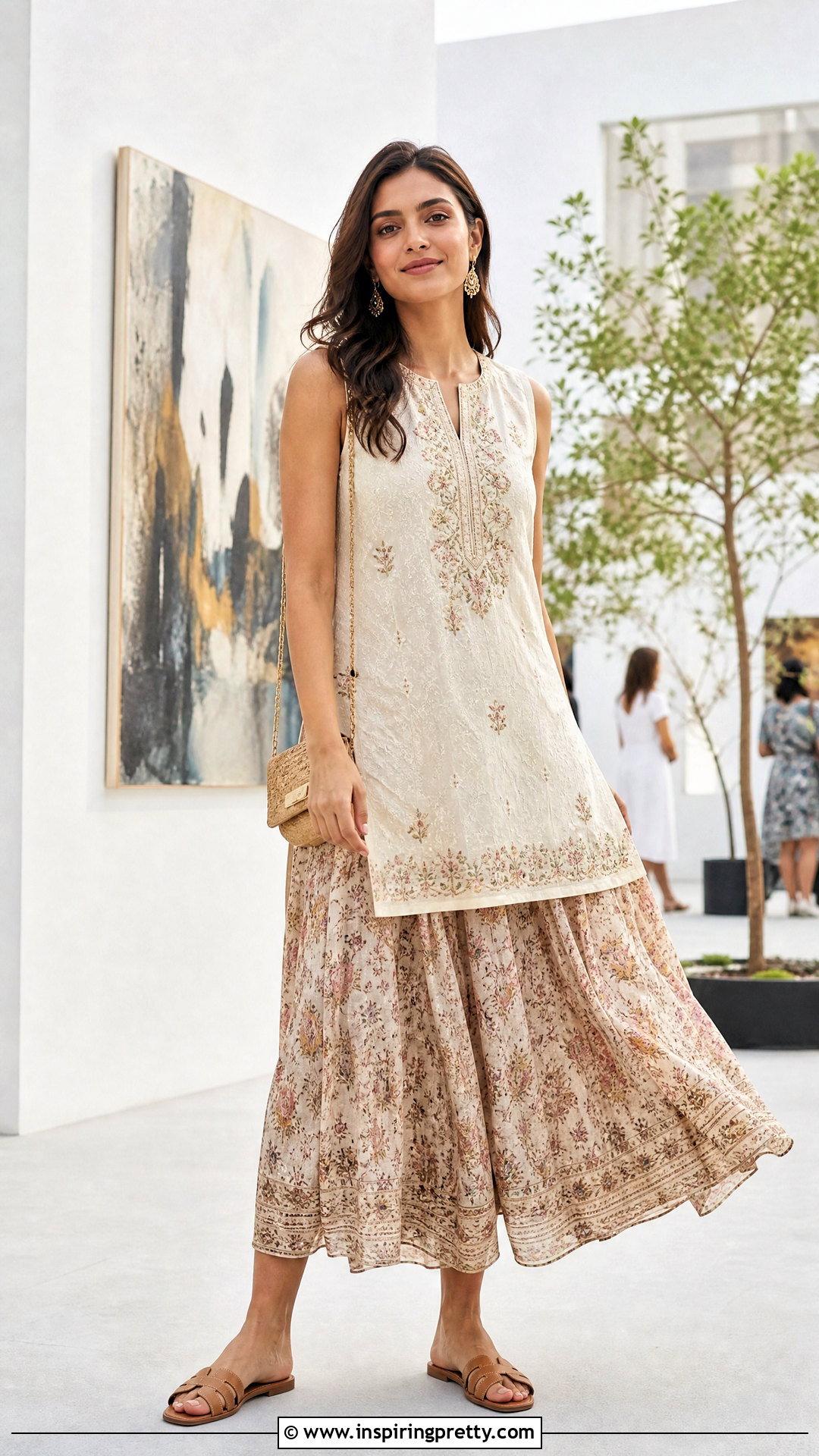
Yes, a short kurtha works with a skirt, but only if one of the two pieces stays fitted. I use a sleeveless, close-fitting kurtha ending at the hip and let the midi skirt carry the movement. If the top runs longer, it covers the skirt's waist and both pieces look unfinished. A solid top with light embroidery over a printed, pleated or softly flared skirt is the easiest balance. Flat sandals for daytime, low heels for dressier events. I only add a slim belt if it lies flat over the fabric; if it bunches the kurtha, leave it off. Keep the bag small and the earrings fine.
12. Asymmetrical Short Kurtha Top With Cigarette Pants
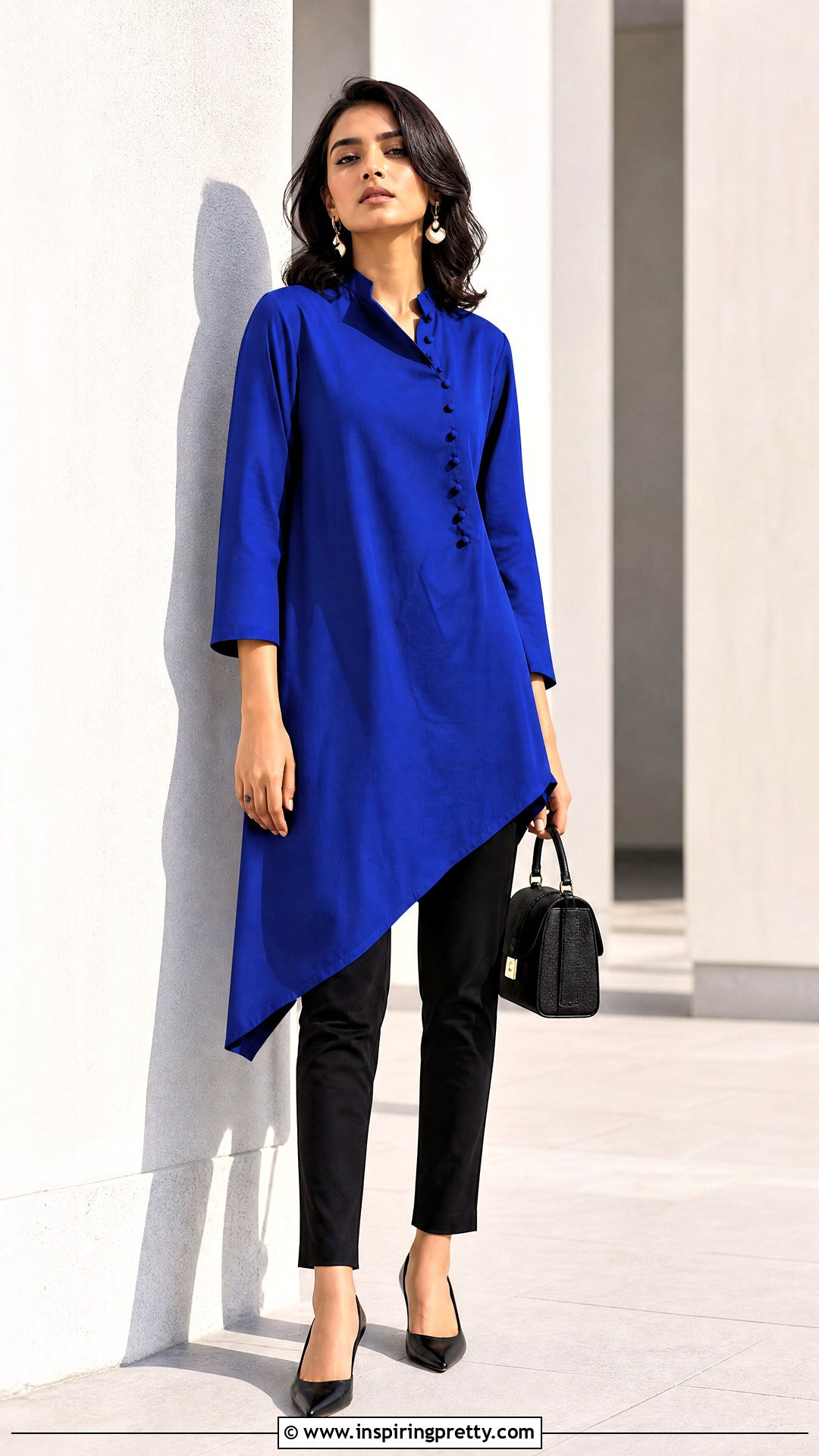
The angled hem is the whole point here, so I keep everything around it plain. Slim, fitted cigarette pants give the diagonal line something straight to play against. Solid cobalt, wine, teal or black shows the cut best; a small geometric print can work if it doesn't hide the shape. Pointed flats or low block heels extend the line of the leg. Skip long necklaces, which cut across the neckline and the hem at the same time. One check I always make: sit down in it. The shortest side of an asymmetric hem can ride up more than you expect against fitted pants.
13. Denim Short Kurtha Top With White Pants
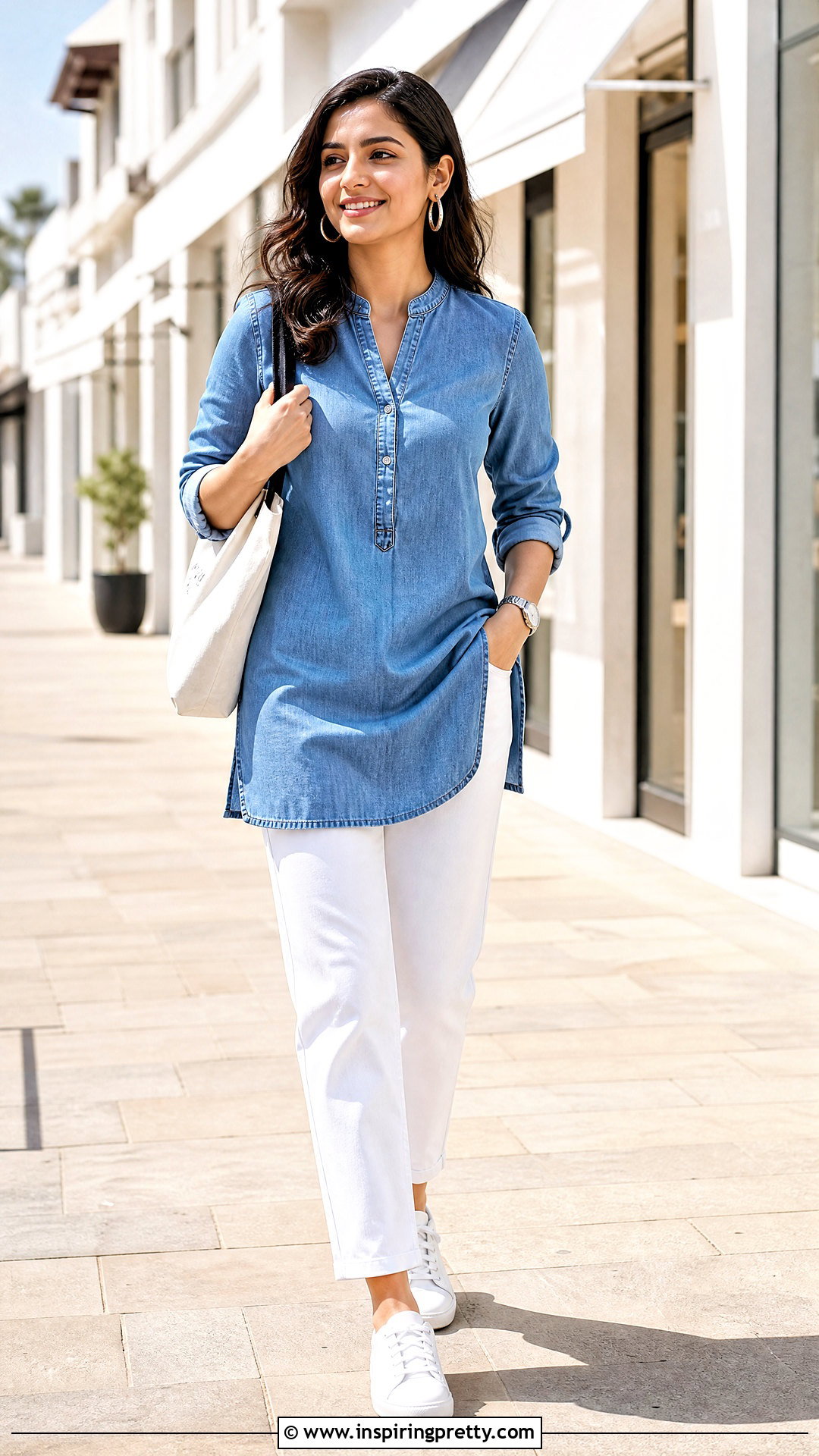
Denim kurthas only work in light weights. Rigid denim is too stiff for a short flared shape and too hot for summer, so look for soft chambray instead. Straight white pants make a crisp contrast with the blue. White sneakers keep it casual, tan sandals make it a little smarter. A canvas tote, silver hoops and a watch are all the accessories it needs. Rolled sleeves and a small stand collar suit the fabric. I'd pass on heavily embellished denim kurthas; the weight of the decoration makes the short top hang stiffly. Simple placket details or light threadwork are enough. Chambray can bleed blue at first, so wash it apart from the white pants.
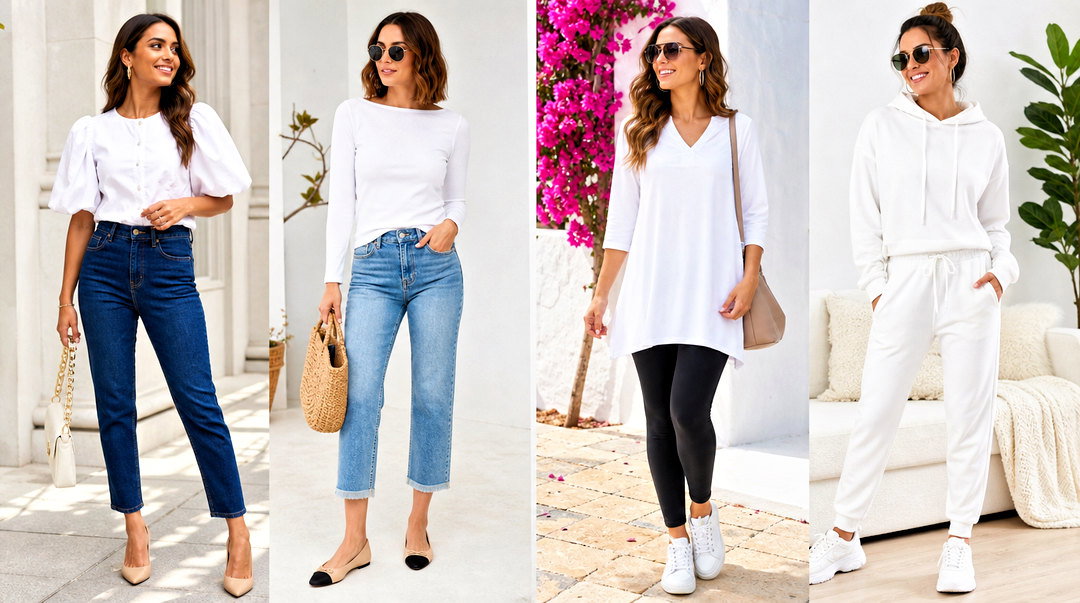
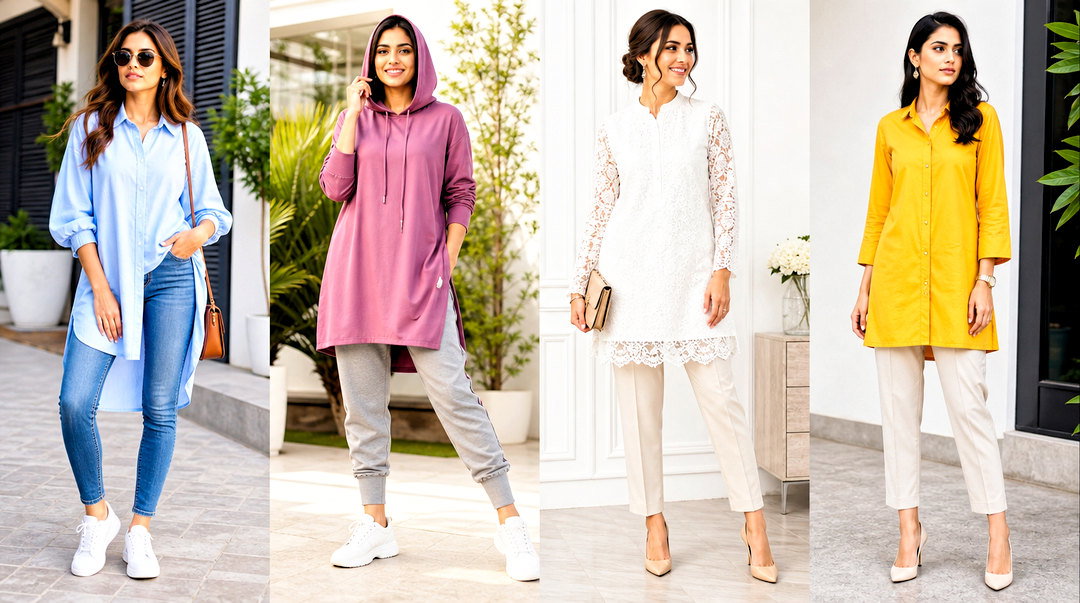
14. Pastel Short Kurtha Top With Culottes
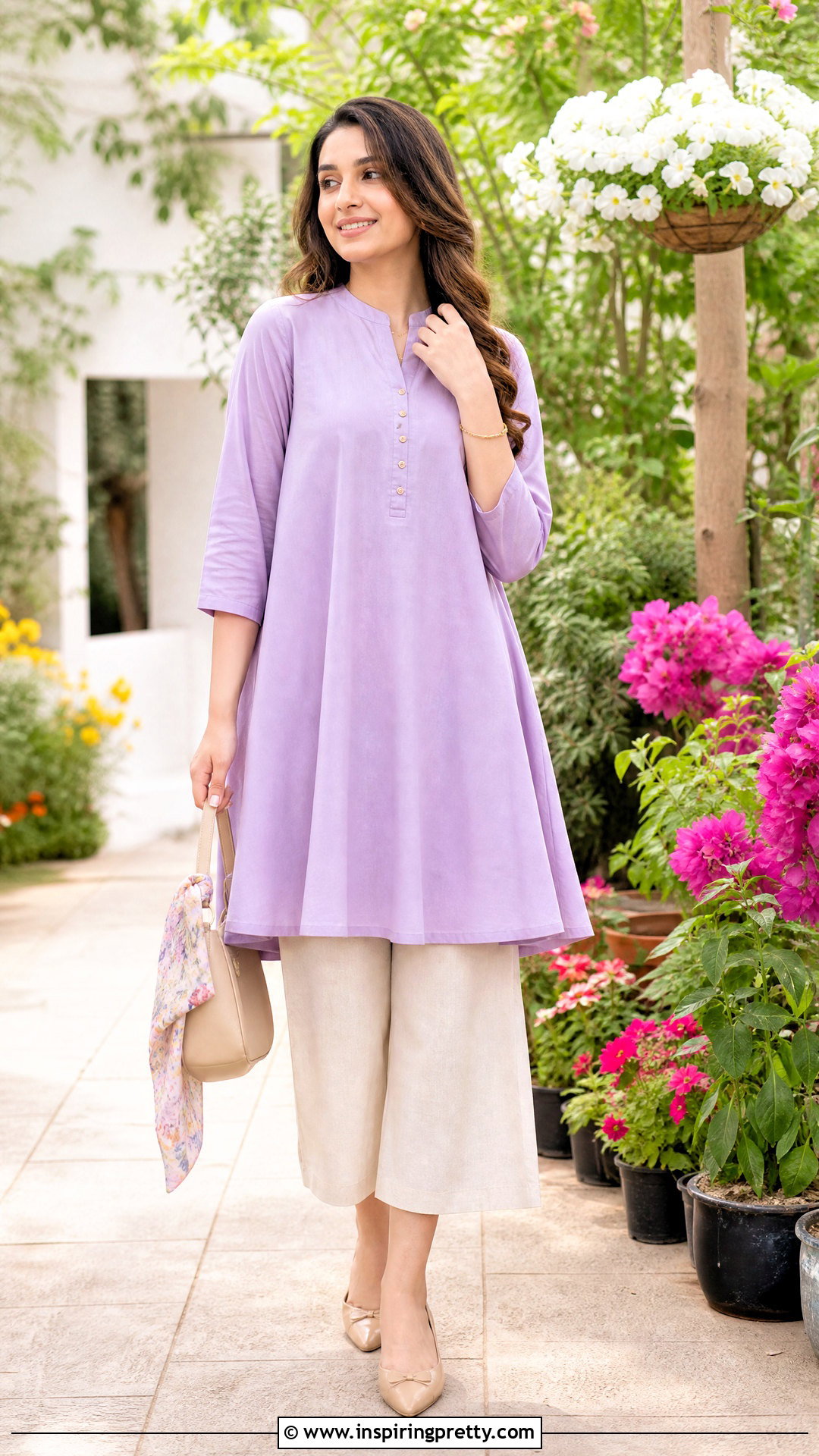
Pastels and culottes are a spring and summer pairing, and the culotte length decides whether it works. I want the hem somewhere between mid-calf and ankle; any shorter and the outfit starts to look like a set of pyjamas. A lavender, mint, blush, sky-blue or pale yellow A-line kurtha over cream or white culottes keeps the colours soft. Pointed flats, slingbacks or minimal sandals leave the ankle open, which matters with a cropped trouser. A light neutral bag and fine gold jewelry finish it. If you want contrast, tie a printed scarf to your bag rather than adding a heavy dupatta.
15. Kalamkari Short Kurtha Top With Straight Pants
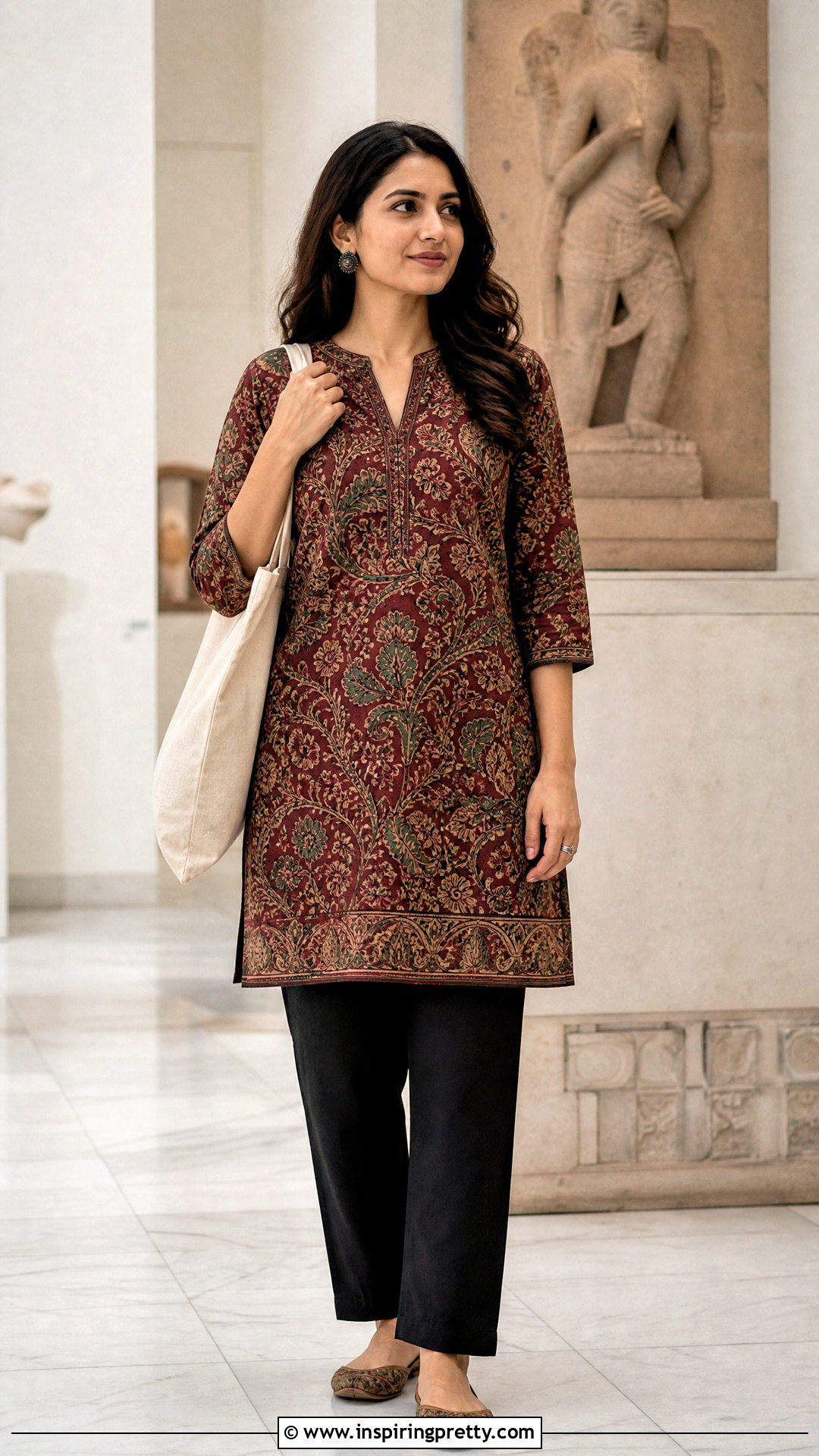
Kalamkari is hand-painted or block-printed cotton, often with narrative motifs, so I treat it like a piece of art and pair it with one solid colour taken from the print. Maroon, black, beige or muted green straight pants usually do it. Matching the exact shade looks too planned; one tone off reads natural. A straight silhouette shows large motifs better than gathers, which fold the picture in half. Closed-toe flats, juttis or comfortable sandals depending on the day, oxidized studs and a plain tote. If the neckline is busy, I sweep the hair back and leave the neck bare. It's comfortable for a full day of work or teaching.
16. Ikat Short Kurtha Top With Mom Jeans
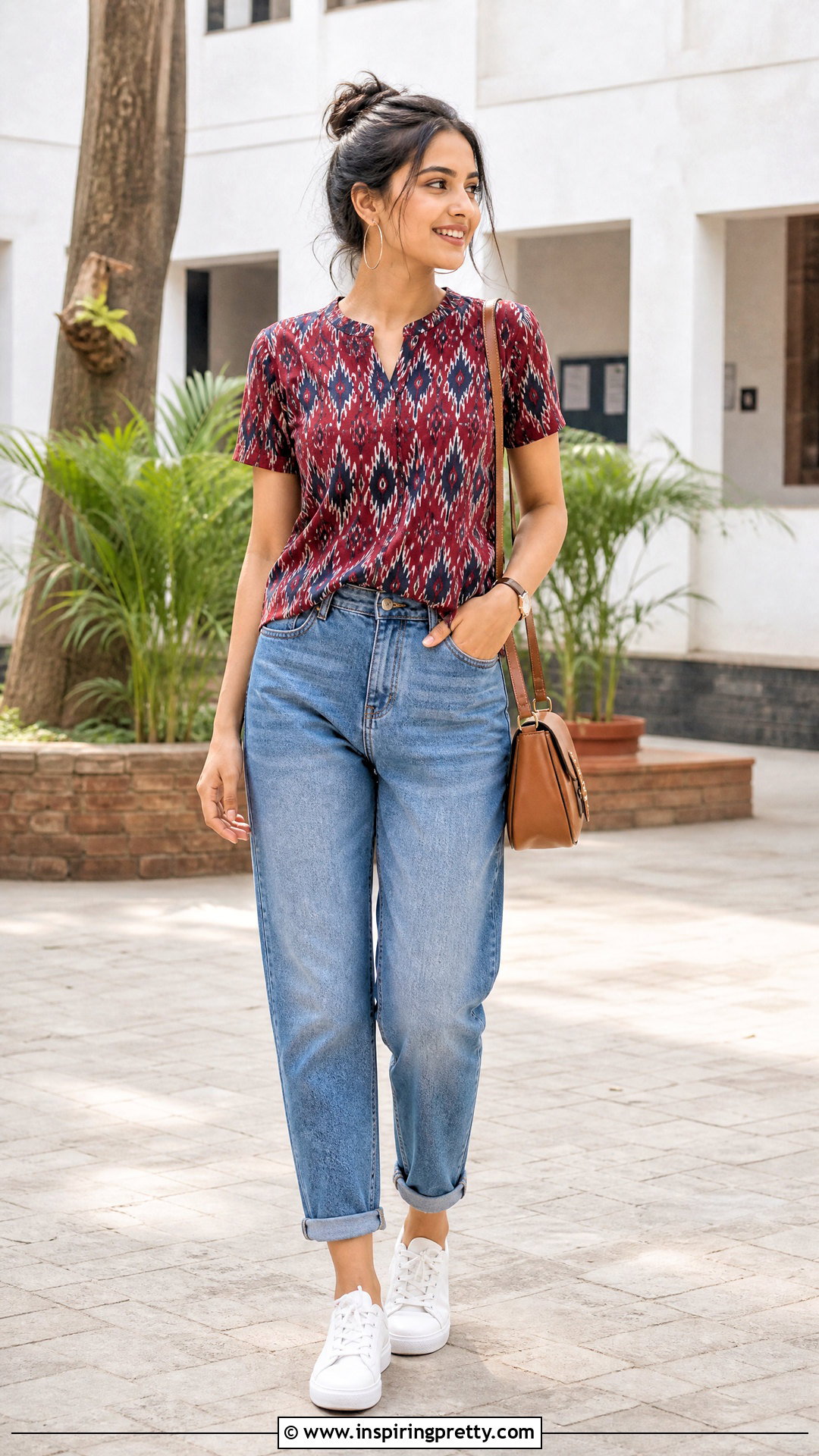
Mom jeans are cut fuller through the hip, so the kurtha has to be the neater of the two. A hip-length Ikat in red, navy, mustard or black and white over high-rise, tapered denim keeps the shape. Boxy kurthas can work, but only if the shoulder seams land on your shoulders; drop them an inch and the whole outfit sags. Ikat's blurred edges come from dyeing the threads before weaving, and that pattern already has plenty going on. That's why I avoid patchwork or heavily distressed denim with it. White sneakers for a casual day, tan mules for something tidier. Fold the jeans once at the ankle.
17. High-Low Short Kurtha Top With Leggings
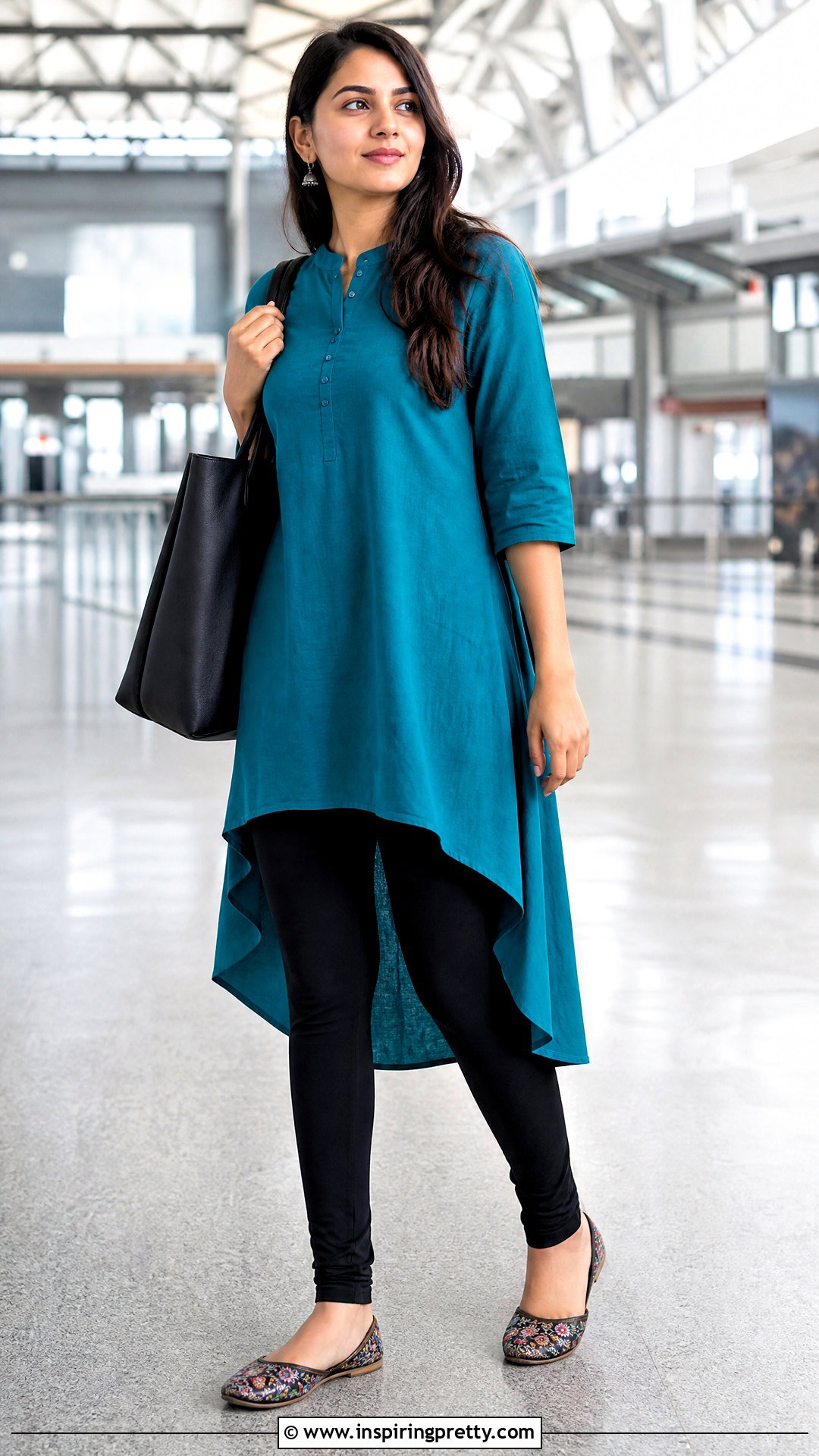
A high-low hem covers more at the back than the front, which is exactly what I want over leggings. The leggings have to be thick and opaque; thin ones go sheer when you bend, and that's the one thing to test before leaving the house. Black, navy or a colour lifted from the kurtha all work. I like the front hem to fall just below the hip. Side slits or a soft flare let you walk without the fabric pulling. Flat shoes, juttis or low wedges keep the leg line simple, and a roomy tote makes it a good errands outfit. Turn in front of a mirror and check every side.
18. Puff Sleeve Short Kurtha Top With Maxi Skirt
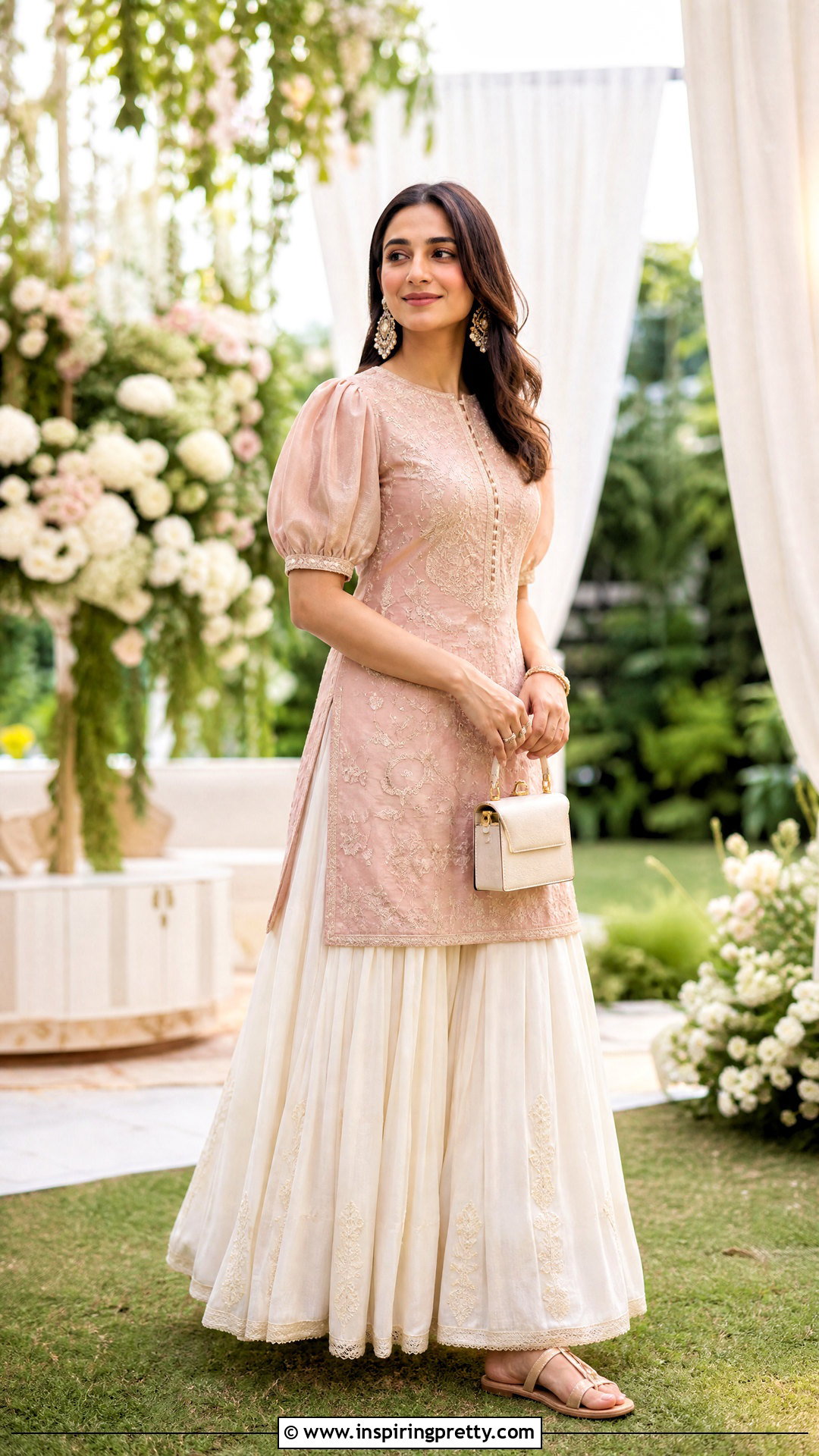
Puff sleeves add volume at the shoulder, so the rest of the outfit needs to stay slim. A fitted bodice keeps the fullness up top, and the maxi skirt should skim the body rather than flare from the waist. Two full shapes stacked together read as a costume. A printed kurtha with a solid skirt, or a solid top with a quiet print below, balances it. Flat strappy sandals keep it casual; block heels make it right for a celebration. I'd skip the bulky necklace here, because the sleeves and neckline already frame the face. A compact bag and one pair of statement earrings are enough.
19. Red Embroidered Short Kurtha Top With Sharara Pants
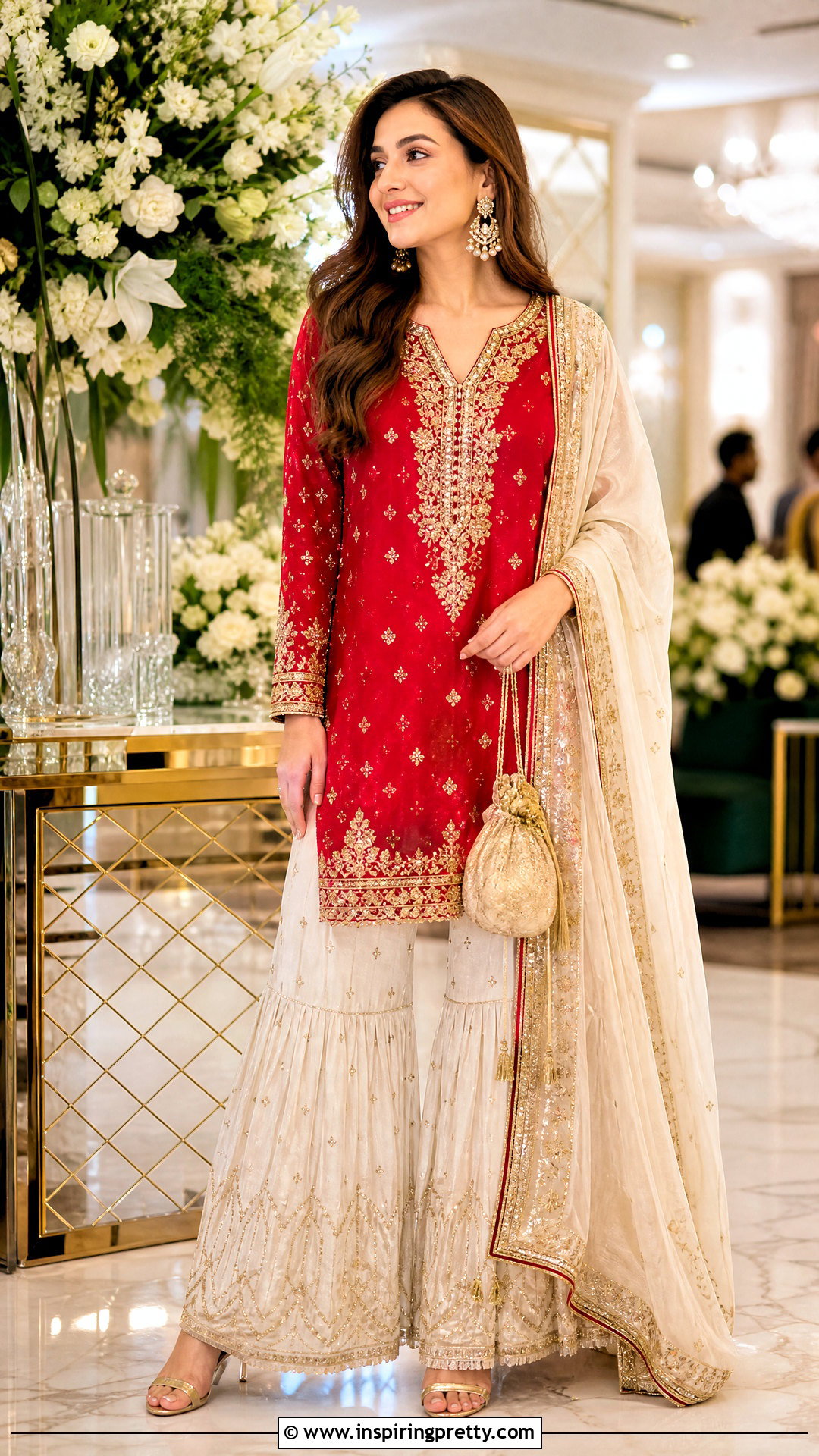
Red embroidery with a sharara gives you a festive look without the weight of a full-length kurta set. Look for gold, ivory or tonal threadwork at the neckline and cuffs, and a sharara that begins to flare below the hip. Fit is where people get caught out: a short kurtha shows the sharara's waistband and upper fit, so that part needs proper tailoring. Gold sandals, a small potli and drop earrings finish it. With heavy embroidery I leave off the necklace and keep bangles to a few. A lightweight dupatta over one shoulder makes it more formal, but it stands on its own.
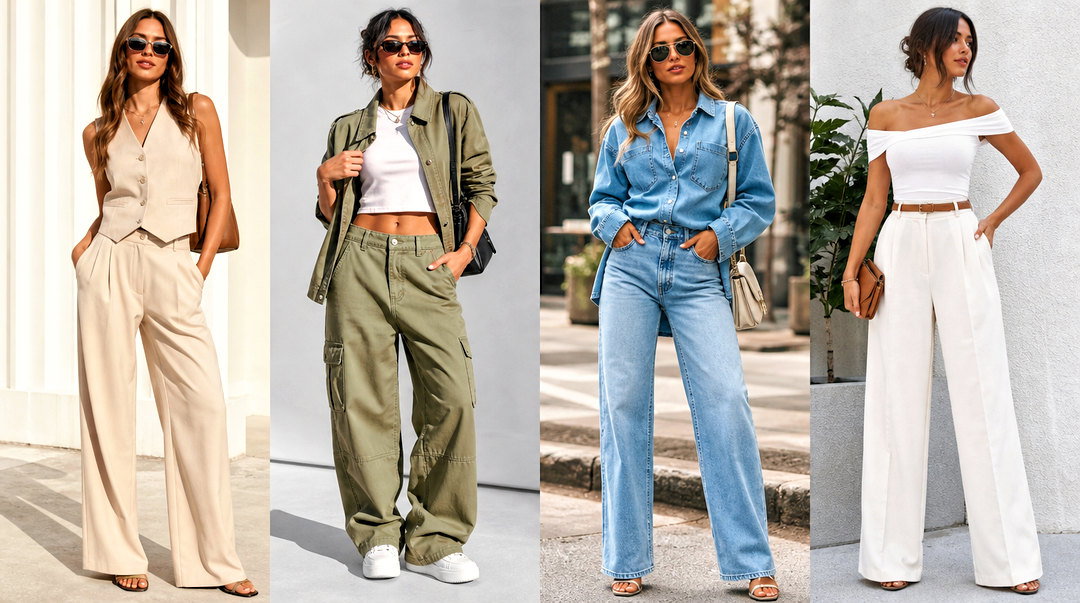
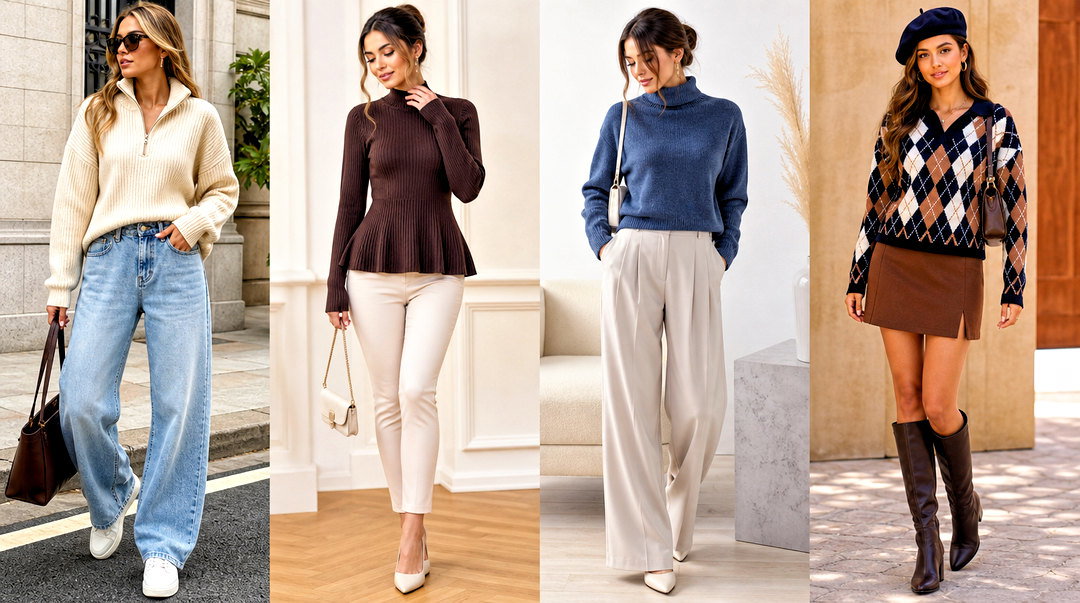
20. V-Neck Short Kurtha Top With Dark-Wash Jeans
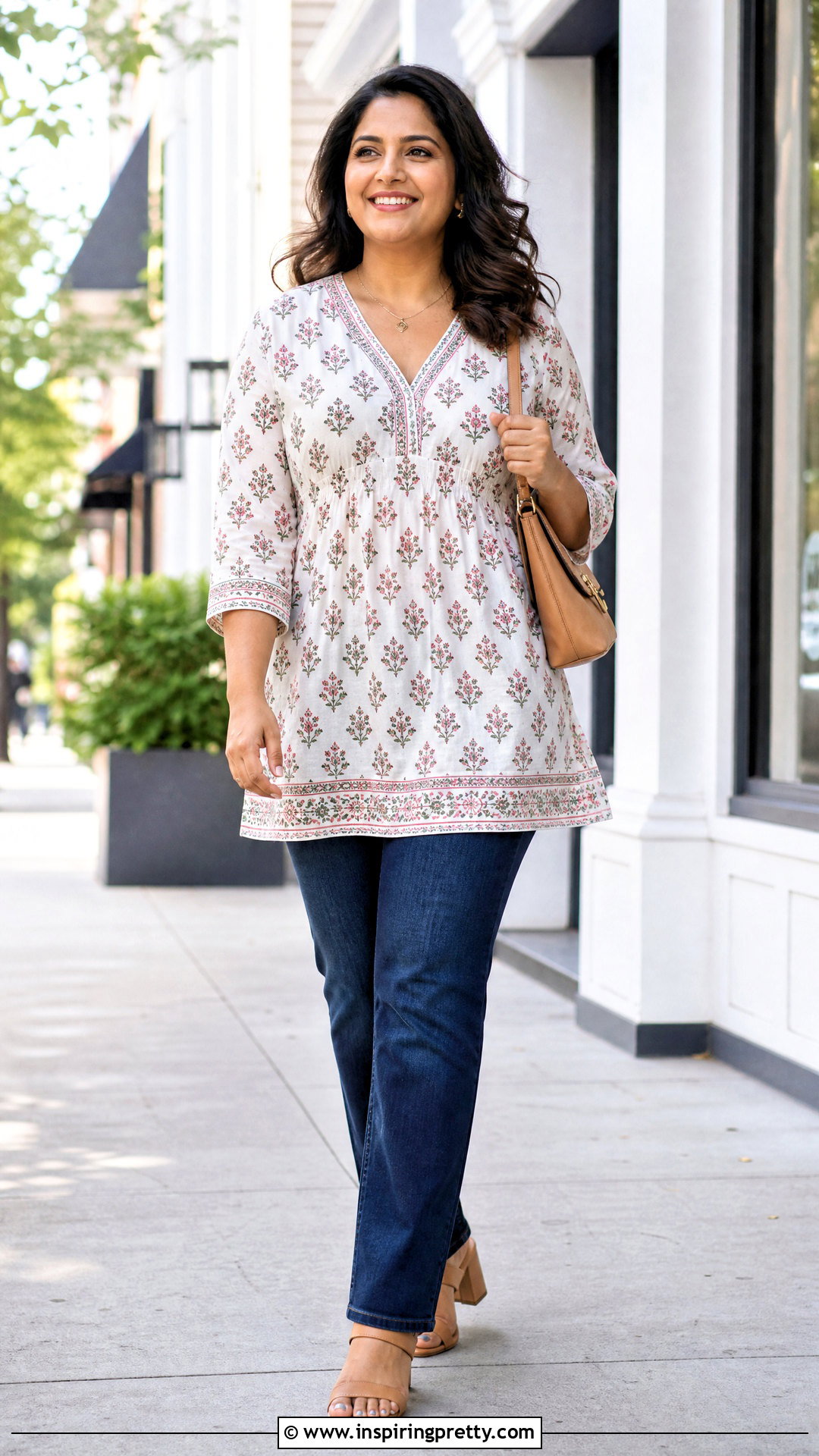
A V-neck lengthens the neck and works on more body types than almost any other neckline, which is why I keep this pairing for last. Choose a V that feels open but stays put when you lean forward, and a straight or lightly flared cut that skims instead of clings. Dark indigo jeans look smarter than faded ones and give a smooth base. Tan loafers, supportive sandals or low block heels, chosen for how long you'll be on your feet. If you want more arm coverage, elbow or three-quarter sleeves are easy to find. Watch for pulling across the bust or hips, and size up rather than squeeze in.
Hand Prints, Chikankari and Mirror Work Need Different Care
Half the kurthas in this list are handmade textiles, and they don't all want the same wash. Treating them all like a cotton T-shirt is how colours run and embroidery puckers.
Block print, Ajrakh, Bandhani and Kalamkari
These are dyed or printed by hand, often with natural dyes, and loose dye is normal in the first few washes. I wash them alone in cold water with a mild detergent, rinse until the water runs clear, and never let them soak. Dry them inside out in the shade, because direct sun fades the colours faster than washing does. Bandhani is the most likely to bleed, and many people dry clean it for the first wash.
Chikankari
The embroidery sits on thin cotton or georgette, so I hand wash it gently and press out the water in a towel instead of wringing. Iron it face down on a folded towel; that keeps the raised stitches from going flat and shiny.
Mirror work
Hand wash or dry clean only, and never put it through a spin cycle, which loosens the stitching around each mirror. Iron from the back and keep the iron off the glass. Store it folded with tissue between the layers, or the mirrors will scratch whatever is next to them.
Fabric First, Then the Hem, Then the Bottoms
The short kurtha outfits I see worn most often come down to comfortable fabric and a hem that suits the bottom underneath. Jeans give you the easy everyday version. Palazzos, cigarette pants, shararas and skirts take it somewhere dressier. Printed cotton and light embroidery handle daily wear, while Chikankari and mirror work carry into celebrations. I'd worry less about body-shape rules and more about where the shoulder seam sits, where the hem lands and how much volume is below it. Then pick shoes you can actually walk in all day, and start with whichever kurtha you'd reach for on an ordinary Tuesday.
Related posts:


Leave a Reply